Key Takeaways
- The UAE's population aged 65 and older is growing rapidly, and home-based elderly care is now the preferred model for families who want their loved ones to age safely in familiar surroundings
- Licensed elderly home care in Dubai includes vital signs monitoring, medication management, fall prevention, cognitive wellness activities, companion care, and nutritional support -- delivered by DHA-licensed professionals
- Daily elderly care visits in Dubai typically cost AED 200--500 for basic support, while full-day care ranges from AED 500--1,200 and live-in caregivers from AED 5,000--15,000 per month
- Falls are the leading cause of injury-related hospitalisation among seniors in the UAE, and a structured fall-risk assessment with home modifications can reduce fall risk by up to 30%
- DCDC's elderly care programme assigns a consistent DHA-licensed caregiver and coordinates directly with the patient's treating physicians and specialists in Dubai Healthcare City
- Most major insurance providers in Dubai cover some form of home healthcare for elderly patients, though pre-authorisation and a physician referral are typically required
The decision to arrange professional care for an ageing parent or grandparent is one of the most significant a family can make. In the UAE, where multigenerational households are common and family bonds run deep, the preference is overwhelmingly to keep elderly loved ones at home rather than in institutional settings. According to the United Nations Population Division, the UAE's population aged 65 and older is projected to triple by 2050, and Dubai's rapid demographic growth is accelerating the demand for quality home-based senior care. This guide covers everything you need to know about elderly care at home in Dubai -- what services are available, what they cost, how to recognise when a loved one needs help, and how to choose a provider that meets the clinical and regulatory standards your family deserves.
At DCDC (Doctors Clinic Diagnostic Center) in Dubai Healthcare City, our elderly care programme is built on one principle: seniors deserve the same quality of medical attention at home that they would receive in a clinic, delivered with the warmth and consistency that only a dedicated caregiver can provide. With a 4.8/5 Google rating from over 1,000 verified patient reviews and MOHAP licensing (No. NIMY7VY5-240925), we bring comprehensive geriatric support to families across the emirate.
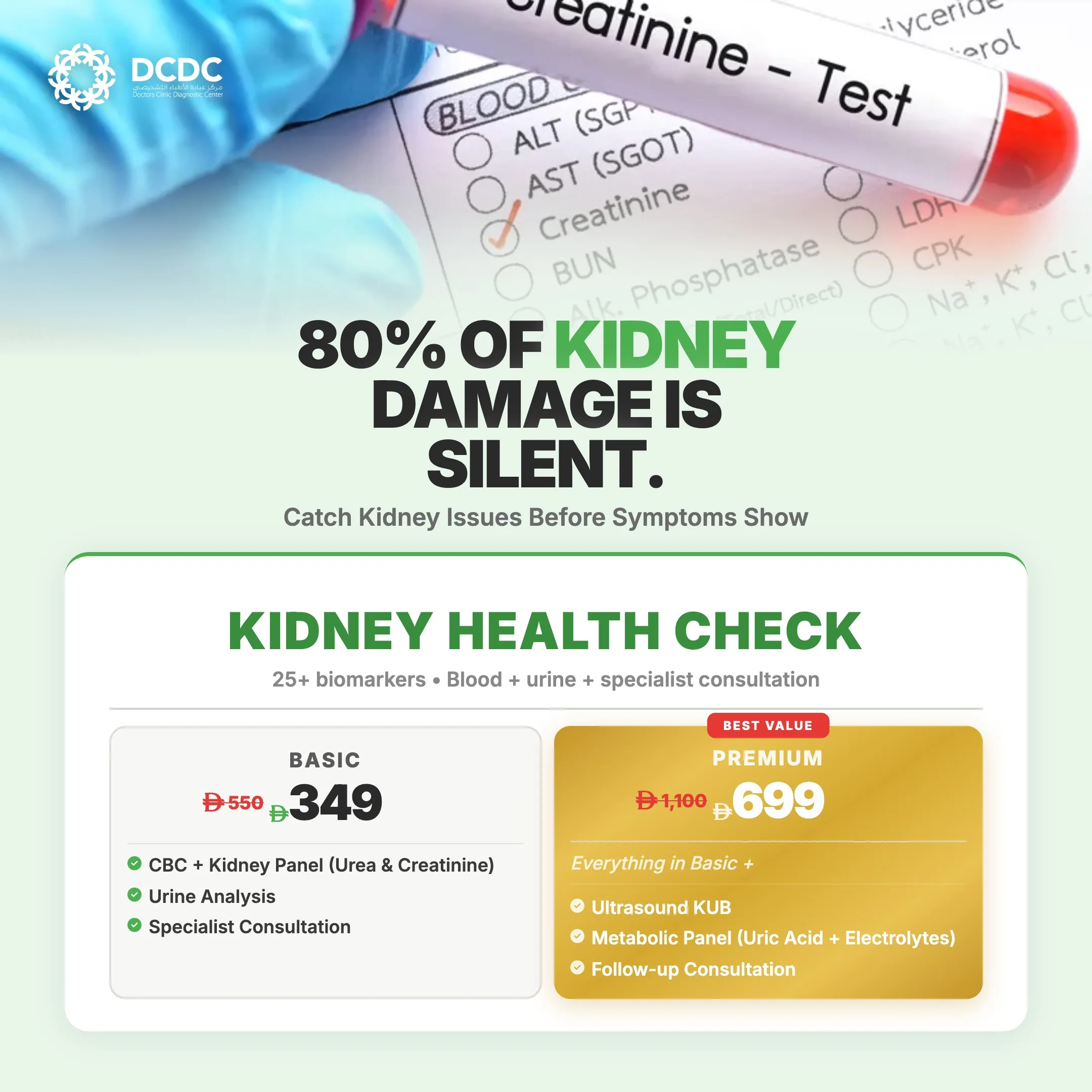
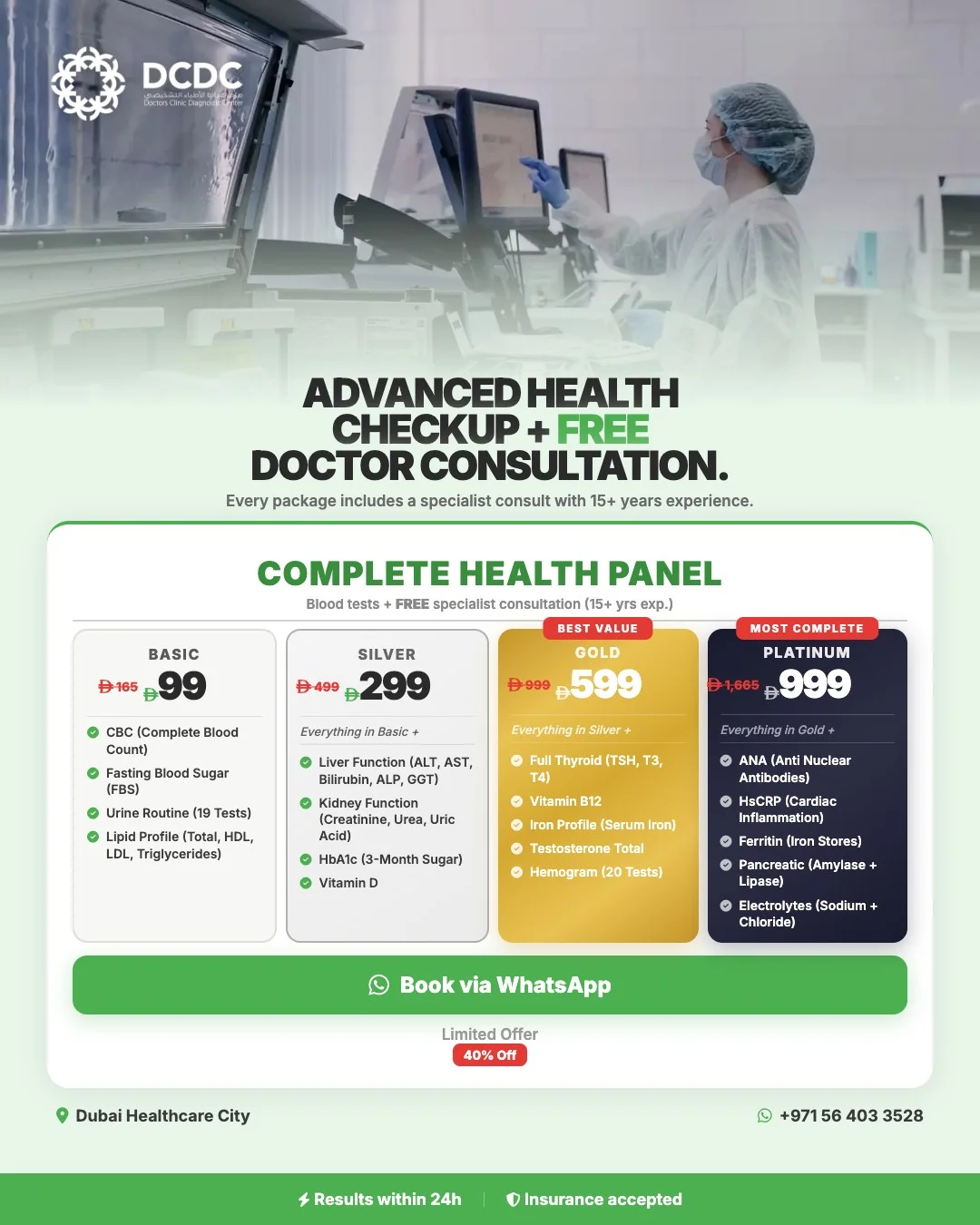
Health Screening Packages
Save with our bundled screening packages — specialist consultation included




Why Home Care Is the Preferred Choice for Seniors in Dubai
Ageing in place -- the ability to remain in one's own home while receiving appropriate care -- is widely recognised as the gold standard for elderly wellbeing. The World Health Organisation notes that older adults who remain in familiar environments experience lower rates of depression, better cognitive function, and greater overall life satisfaction compared to those who move into institutional care. In Dubai, where families from more than 200 nationalities maintain strong intergenerational ties, the cultural expectation is clear: elderly parents stay at home with the family.
This preference is reinforced by practical realities. Dubai's residential infrastructure -- spacious apartments, villa communities with ground-floor bedrooms, and accessible common areas -- makes home-based care feasible for most families. The challenge is not the physical space but the clinical expertise required to manage the complex medical, cognitive, and emotional needs that come with ageing. Professional home care bridges that gap, providing trained support so families can continue to live together safely.
Research published in The Lancet consistently shows that seniors who receive structured home care have fewer emergency department visits, lower rates of hospital readmission, and better medication adherence than those who rely solely on family caregiving without professional support. For families in the UAE, this translates into peace of mind and measurably better health outcomes for their loved ones.
- Familiar environment: Seniors remain in the home they know, surrounded by personal belongings, routines, and memories -- reducing the disorientation and anxiety that often accompanies relocation to a care facility
- One-on-one attention: A dedicated caregiver focuses entirely on one patient, unlike facility settings where staff ratios may mean shared attention across multiple residents
- Family involvement: Home care allows family members to remain actively involved in their parent's daily life and care decisions, maintaining the emotional bonds that institutional care can strain
- Infection control: Elderly patients with weakened immune systems face lower infection risk at home than in communal care settings, where respiratory and gastrointestinal infections can spread rapidly
- Personalised scheduling: Care visits are tailored to the senior's actual needs -- daily, several times per week, or round-the-clock -- rather than conforming to a facility's fixed timetable
Types of Elderly Home Care Services Available in Dubai
Elderly home care is not a single service -- it is a spectrum of support tailored to the individual's needs, ranging from a few hours of companionship per week to round-the-clock skilled nursing. Understanding what is available helps families match the right level of care to their loved one's current situation and plan for how needs may evolve over time.
- Companion care: A trained caregiver provides social interaction, accompanies the patient on walks and outings, assists with light housekeeping, and offers emotional support. Companion care is ideal for seniors who are medically stable but isolated or at risk of depression
- Personal care: Assistance with activities of daily living (ADLs) including bathing, grooming, dressing, toileting, and meal preparation. Personal care is appropriate for seniors who have difficulty performing these tasks independently due to physical limitations or cognitive decline
- Skilled nursing care: A DHA-licensed registered nurse provides clinical services such as vital signs monitoring, wound care, catheter management, injection administration, and medication management. Skilled nursing is necessary when the patient has active medical conditions requiring professional oversight
- Medical monitoring: Regular assessment of blood pressure, heart rate, oxygen saturation, blood glucose, and weight, with documentation shared with the patient's treating physician. Medical monitoring catches early warning signs before they become emergencies
- Physiotherapy and rehabilitation: Licensed physiotherapists deliver in-home rehabilitation sessions focused on balance, strength, mobility, and fall prevention. This is particularly important after a fall, fracture, stroke, or joint replacement surgery
- Specialised dementia and Alzheimer's care: Trained caregivers with expertise in cognitive impairment provide structured routines, memory-stimulating activities, wandering prevention, and behavioural management. Dementia care requires a fundamentally different approach than standard elderly care, and not every provider offers it
What DCDC's Elderly Care Programme Includes
DCDC's elderly care programme is designed to address the full spectrum of senior needs -- medical, functional, cognitive, and emotional. Every service is delivered by DHA-licensed professionals who are trained specifically in geriatric care and who report directly to our physician team. The following table outlines the core components of our programme.
| Service | What's Included | Frequency |
|---|---|---|
| Vital Signs Monitoring | Blood pressure, pulse, oxygen saturation, blood glucose measurement and documentation | Every visit |
| Medication Management | Administration, review, reconciliation, and interaction checks across all prescriptions | Daily |
| Fall Prevention | Home safety assessment, hazard identification, balance exercises, and assistive device evaluation | Weekly assessment |
| Cognitive Wellness | Mental stimulation activities, engagement exercises, mood monitoring, and early-decline screening | Every visit |
| Companion Care | Conversation, recreational activities, accompanied walks, and emotional support | Every visit |
| Nutritional Support | Meal intake monitoring, hydration tracking, dietary guidance, and weight management | Every visit |
| Physician Coordination | Updates to treating doctors and specialists, medication adjustments, referral management | As needed |
DCDC elderly care programme components. Frequency and scope are tailored to each patient's care plan following the initial assessment.
This integrated approach means families do not need to coordinate between multiple providers. Our caregivers, nurses, and physicians operate as a single team, with documentation shared in real time. For a broader overview of how home-based medical services work across all patient groups, see our guide on home healthcare services in Dubai.
Signs Your Loved One May Need Home Care
One of the most difficult aspects of elderly care is recognising when a parent or grandparent has crossed the threshold from independent living to needing professional support. The transition is rarely sudden -- it happens gradually, and family members who see their loved one daily may not notice the incremental changes. The following warning signs, individually or in combination, suggest that it is time to explore professional home care.
- Forgetting medications: Missing doses, taking medications at the wrong time, or confusing one medication for another. In seniors taking multiple medications, even a single missed dose of a blood thinner or diabetes drug can have serious consequences
- Frequent falls or near-falls: Stumbling, grabbing furniture for balance, or reporting dizziness when standing. Even if no injury has occurred yet, frequent near-misses indicate a high risk of a fall that could result in a fracture or head injury
- Unexplained weight loss: Losing weight without trying may signal difficulty preparing meals, reduced appetite from depression, dental problems making it painful to eat, or an undiagnosed medical condition
- Social isolation and withdrawal: Declining invitations, losing interest in activities they used to enjoy, or spending most of the day alone. Isolation accelerates cognitive decline and worsens depression in elderly patients
- Difficulty with daily tasks: Struggling with bathing, dressing, cooking, managing finances, or keeping the home clean. These basic activities of daily living are key indicators of functional capacity
- Worsening chronic conditions: Uncontrolled blood sugar, increasing blood pressure readings, worsening shortness of breath, or more frequent angina episodes suggest that current management is insufficient
- Caregiver burnout in the family: If a spouse or adult child providing care is experiencing exhaustion, anxiety, resentment, or health problems of their own, professional support is not a luxury -- it is a necessity for the entire family's wellbeing
When one or two of these signs appear, occasional home visits -- a few times per week -- may be sufficient. When several signs are present simultaneously, or when any single sign is severe (such as repeated falls), daily visits or full-time care should be considered. The earlier professional care begins, the more effective it is at preventing the crises that lead to emergency hospitalisations.
Fall Prevention and Home Safety for Seniors
Falls are the leading cause of injury-related hospitalisation among adults aged 65 and older in the UAE, and the consequences extend far beyond the immediate injury. A hip fracture in an elderly patient carries a one-year mortality rate of approximately 20%, according to data from the Cleveland Clinic. Even falls that do not cause fractures often trigger a fear of falling that leads to reduced activity, muscle deconditioning, and a downward spiral of declining mobility.
DCDC's fall-risk assessment protocol is a structured evaluation conducted in the patient's home by a trained physiotherapist and nurse. The assessment covers three domains: the patient's physical capacity (balance, gait, strength, vision, medication side effects), the home environment (lighting, floor surfaces, obstacles, bathroom safety, stair access), and behavioural factors (footwear choices, rushing, reluctance to use assistive devices).
Based on the assessment, our team provides a home modifications checklist that typically includes installing grab bars in bathrooms, removing loose rugs and cables, improving lighting in hallways and staircases, adding non-slip mats in wet areas, and ensuring frequently used items are within easy reach. These modifications are simple and inexpensive but reduce fall risk by up to 30%, according to research published by the Cochrane Collaboration.
Beyond environmental changes, our physiotherapists prescribe targeted balance and strength exercises -- such as seated leg raises, standing heel-to-toe walks, and chair squats -- that rebuild the muscle groups most critical for stability. These exercises are performed during caregiver visits under supervision and supplemented with a home programme the patient can follow independently. For a detailed look at how physiotherapy supports fall prevention in older adults, see our article on physiotherapy for falls prevention.
Need Elderly Care at Home in Dubai?
DCDC provides DHA-licensed nurses and trained caregivers for comprehensive elderly home care. From daily visits to round-the-clock support, tailored to your family's needs.
Call +971 54 219 5008 or WhatsApp us
Medication Management for Elderly Patients
Polypharmacy -- the simultaneous use of five or more medications -- is remarkably common among elderly patients. A senior managing hypertension, diabetes, high cholesterol, osteoporosis, and arthritis may take eight or more prescription drugs daily, each with its own dosage schedule, food interactions, and potential side effects. The Mayo Clinic reports that adverse drug reactions account for approximately 10% of hospital admissions in patients aged 65 and older, and the risk increases with every additional medication.
DCDC's medication management service addresses this risk at every level. Our nurses conduct a full medication reconciliation during the initial assessment, creating a single, accurate list of every medication the patient takes -- prescription, over-the-counter, and supplements. This list is cross-checked for drug-drug interactions, duplicate therapies, and medications that are inappropriate for elderly patients (such as certain sedatives and anticholinergics flagged by the Beers Criteria).
During daily visits, the caregiver ensures medications are taken at the correct time, in the correct dose, and with or without food as required. Any missed doses, side effects, or changes in the patient's condition are documented and communicated to the treating physician. This level of oversight is nearly impossible for family members to maintain consistently while managing their own work and household responsibilities.
For families whose loved one needs clinical-level medication oversight, including IV medications, injections, or complex wound care alongside medication management, our guide on professional nursing care at home explains how skilled nursing visits complement routine caregiver support.
Cognitive Health and Dementia Support at Home
Cognitive decline is one of the most feared aspects of ageing, both for the person experiencing it and for their family. Early signs are often subtle and easy to dismiss: repeating the same question within minutes, misplacing familiar objects, difficulty following conversations, confusion about the day or time, and personality changes such as increased irritability or apathy. Recognising these signs early is critical because early intervention -- cognitive exercises, structured routines, medication review, and social engagement -- can slow the progression of decline.
DCDC's caregivers are trained in meaningful engagement activities designed to stimulate cognitive function without causing frustration. These include reminiscence therapy (looking through old photographs and discussing memories), word games and puzzles calibrated to the patient's ability level, music therapy, light gardening or cooking activities, and structured conversation about familiar topics. The goal is not to test the patient but to activate neural pathways through enjoyable, low-pressure interaction.
For patients with diagnosed dementia or Alzheimer's disease, our caregivers implement structured daily routines that reduce confusion and anxiety. Consistent meal times, a predictable sequence of activities, and a calm home environment with minimal sensory overload all contribute to behavioural stability. Our team also monitors for changes in cognitive status and communicates these to the treating physician, ensuring that any escalation is caught early and managed proactively.
When cognitive changes are progressing or accompanied by behavioural symptoms such as aggression, wandering, or sundowning, we recommend a formal cognitive assessment with a neurologist or geriatric specialist. DCDC coordinates these referrals directly through our DHCC-based specialist network, ensuring the patient receives a comprehensive evaluation without the family needing to navigate the referral process independently.
What to Expect from DCDC Elderly Home Care
Families considering professional elderly care often ask what the process actually looks like from start to finish. At DCDC, we have designed a structured onboarding and ongoing care model that prioritises consistency, communication, and clinical rigour. Here is what to expect at each stage.
- Initial assessment: A senior nurse or physician visits the home to conduct a thorough evaluation of the patient's medical history, current medications, functional abilities (mobility, cognition, daily living tasks), nutritional status, and the home environment itself. This assessment typically takes 60--90 minutes and forms the foundation of the care plan
- Care plan development: Based on the assessment, our clinical team develops an individualised care plan in consultation with the family and the patient's treating physician. The plan specifies visit frequency, services to be provided, goals of care, escalation triggers, and emergency protocols
- Caregiver assignment: We assign a consistent, DHA-licensed caregiver who is matched to the patient's language, cultural background, and personality. Consistency is not optional -- elderly patients, particularly those with cognitive impairment, become anxious and disoriented when faced with a rotating cast of unfamiliar faces
- Ongoing monitoring: At every visit, the caregiver records vital signs, medication adherence, food and fluid intake, mood and cognitive status, and any new symptoms or concerns. This documentation is shared with our clinical team in real time
- Family communication: Families receive clear, regular updates on their loved one's condition, progress toward care goals, and any recommended changes to the care plan. We use a combination of visit reports, phone calls, and WhatsApp messages to keep families informed without overwhelming them
- Specialist coordination: As a MOHAP-licensed facility based in Dubai Healthcare City, DCDC provides direct access to specialists in internal medicine, cardiology, neurology, orthopaedics, and other disciplines. When the patient's condition changes or a new concern arises, our care team can arrange a specialist consultation without the family needing to search for a separate provider
DCDC's 4.8/5 Google rating from over 1,000 verified patient reviews reflects the consistency of this approach. Families consistently report that the reliability of the assigned caregiver, the quality of communication, and the integration with our DHCC physicians are the three factors that distinguish DCDC's elderly care from other home care providers in the market.
Elderly Care Cost in Dubai: What to Budget
Understanding the cost of elderly home care is essential for families planning long-term support. Prices vary significantly based on the level of care required, the number of hours per day, and whether skilled nursing is needed in addition to general caregiving. The following table provides a realistic overview of current market rates for elderly home care services in Dubai.
| Service Type | Typical Cost Range (AED) | Notes |
|---|---|---|
| Daily visit (2--4 hours) | AED 99/hour · min. 3 hours | Basic care and monitoring |
| Full-day care (8 hours) | AED 792 / 8h | Comprehensive support including personal care, medication, and meals |
| Live-in caregiver | AED 5,000--15,000/month | 24-hour availability, accommodation required |
| Skilled nursing visit | AED 199 | Medication administration, IV therapy, wound care |
| Physiotherapy session | AED 349 | In-home rehabilitation, balance training, fall prevention |
Prices are approximate market rates for Dubai in 2026 and vary by provider, location, care complexity, and insurance. Contact DCDC for a personalised quote.
Insurance coverage for elderly home care varies by plan. Enhanced and comprehensive health insurance policies in Dubai often cover skilled nursing visits, physiotherapy sessions, and physician home consultations when supported by a medical referral and pre-authorisation. Basic plans may cover only limited nursing services or exclude home care entirely. DCDC's team assists families with insurance verification and pre-authorisation, and we offer direct billing with more than 20 major insurers including Daman, AXA, Bupa, MetLife, and Cigna.
For families budgeting for home care alongside other medical costs, our detailed breakdown of doctor home visit costs in Dubai provides a useful reference point for what to expect when a physician visit is added to the care plan.
How to Choose the Right Home Care Provider in Dubai
Choosing a home care provider for an elderly family member is a decision that directly affects their safety, health, and quality of life. Not all providers are equal, and the consequences of choosing poorly -- unlicensed staff, inconsistent caregivers, poor medication oversight -- can be severe. Here is what to look for and what to avoid.
- Verify DHA or MOHAP licensing: Every home healthcare provider operating in Dubai must hold a valid license from the Dubai Health Authority (DHA) or the Ministry of Health and Prevention (MOHAP). Ask for the license number and verify it independently. Unlicensed providers have no regulatory accountability
- Ask about caregiver qualifications: Are the caregivers formally trained in geriatric care? Do nurses hold DHA or MOHAP professional licenses? Request to see credentials before care begins
- Demand consistent caregiver assignment: Ask whether the same caregiver will attend your loved one at every visit. Providers who rotate staff frequently may be managing high turnover -- a red flag for working conditions and care quality
- Inquire about physician oversight: Is there a physician supervising the care plan? Who does the caregiver report to? What happens if the patient's condition changes? A good provider has a clear clinical escalation pathway
- Check documentation practices: Does the provider maintain written records of each visit? Are vital signs, medications, and observations documented and shared with the family and treating physician? Undocumented care is unaccountable care
- Watch for red flags: Be cautious of providers who cannot produce a license, who refuse to share caregiver credentials, who offer unusually low prices without explanation, who do not conduct an initial assessment, or who cannot provide references from current clients
- Request a trial period: A reputable provider will offer a trial period -- typically one to two weeks -- so that both the patient and family can evaluate the caregiver fit before committing to a long-term arrangement. If a provider insists on a long-term contract upfront with no trial, consider it a warning sign
Dr. Hadeel Elnur's Perspective on Senior Care
According to Dr. Hadeel Elnur, the most effective elderly care starts with understanding each patient as a whole person, not just managing their medical conditions. "Many families wait until a crisis -- a fall, a medication error, or a hospital readmission -- before seeking home care. Proactive monitoring and regular caregiver visits can prevent these events and significantly improve quality of life for both the patient and their family."
Dr. Hadeel emphasises that home visits provide clinical insights that are simply unavailable in a clinic setting. "When I visit an elderly patient at home, I can see how they move through their space, whether the bathroom is safe, how their medications are stored, and whether they are eating properly. These observations shape the care plan in ways that a 15-minute clinic appointment cannot. Home-based care is not a substitute for clinical medicine -- it is an extension of it, and for many elderly patients, it is the most impactful extension we can offer."
Give Your Loved One the Care They Deserve
DCDC's elderly home care programme provides DHA-licensed caregivers, physician coordination, and comprehensive support across Dubai. From daily visits to full-time care, we tailor our services to your family's needs.
Call +971 54 219 5008 or WhatsApp to arrange an assessment
Related Services at DCDC
Expert care and advanced diagnostics at Dubai Healthcare City
Frequently Asked Questions
Final Thoughts
Arranging professional elderly care at home is not an admission of failure -- it is an act of love backed by evidence. The research is clear: seniors who receive structured, consistent home care experience fewer hospitalisations, better medication adherence, improved cognitive engagement, and a higher quality of life than those who go without professional support. For families, it means replacing the anxiety of wondering whether a loved one is safe with the confidence that comes from knowing a trained professional is monitoring their health every day.
The key to a good outcome is choosing a provider that treats elderly home care as a clinical discipline, not a staffing service. Look for proper DHA or MOHAP licensing, consistent caregiver assignment, physician oversight, thorough documentation, and clear communication with the family. At DCDC, our elderly care programme is an extension of our Dubai Healthcare City practice -- the same doctors, the same clinical standards, the same integrated records. If you are considering home care for a parent or grandparent, contact our team for an initial assessment. The earlier you start, the more your loved one stands to benefit.
Sources & References
This article was reviewed by our medical team and references the following sources:
- World Health Organisation -- Ageing and Health (2024)
- NHS -- Help and Care at Home for Elderly (2024)
- Mayo Clinic -- Caregiver Tips: Senior Health and Wellbeing (2024)
- Cleveland Clinic -- Home Health Care: What You Need to Know (2024)
- UAE Ministry of Health and Prevention (MOHAP) -- Elderly Care and Services
Medical content on this site is reviewed by DHA-licensed physicians. See our editorial policy for more information.

Written by
Dr. Hadeel Elnur
General Practitioner
MD, General Practice
Dr. Hadeel Elnur is a General Practitioner at Doctors Clinic Diagnostic Center (DCDC) in Dubai Healthcare City.
Related Articles

Home Healthcare Dubai: Services & Cost
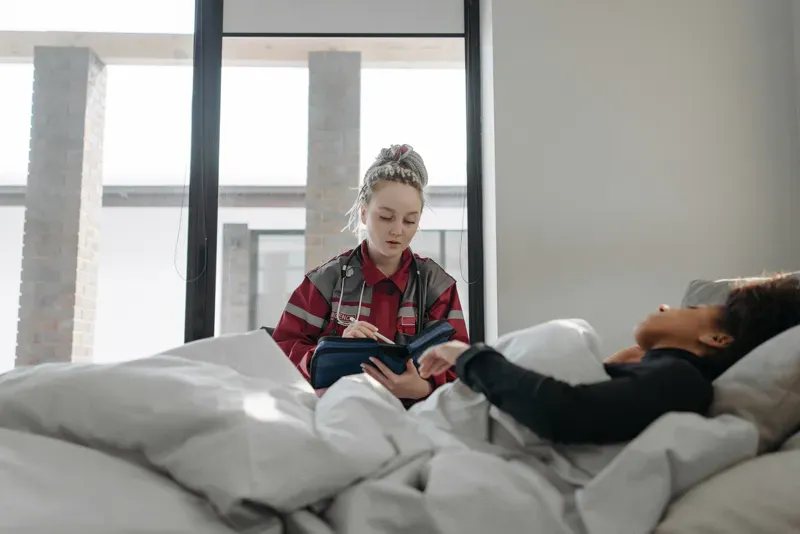
Nurse at Home Dubai: Cost & Services
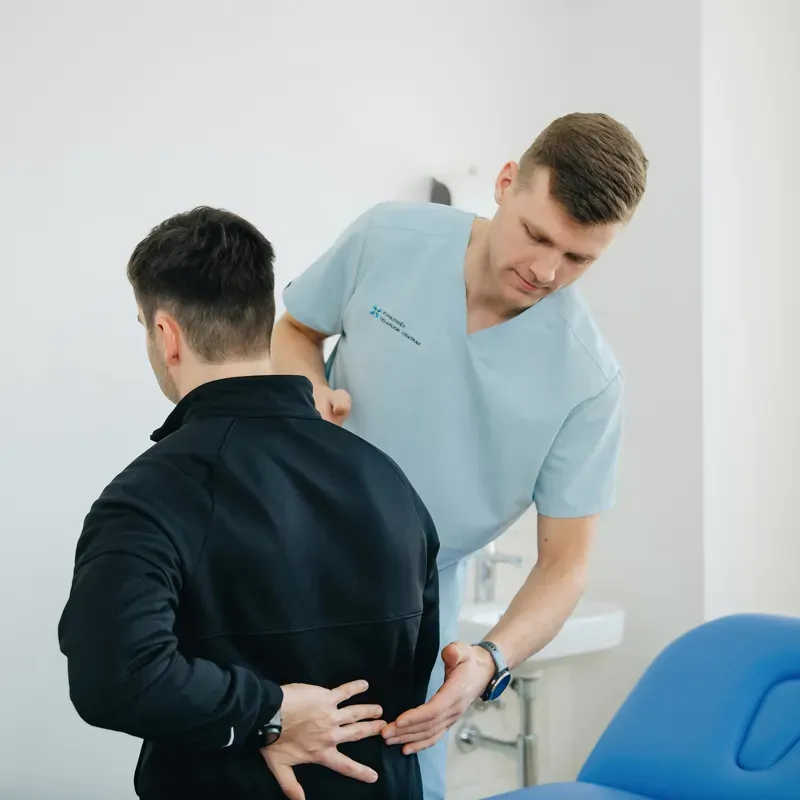
Home Physiotherapy Dubai: When It Makes Sense
Physiotherapy for Seniors Dubai: Falls Prevention
Doctor Home Visit Dubai: Cost & Guide
More in General Health

Epilepsy Treatment Dubai: Symptoms & Care (2026)
Read More
Food Allergy vs Food Intolerance Dubai (2026)
Read More
Pneumonia vs Flu Dubai: Key Differences (2026)
Read More
Swollen Lymph Nodes Dubai: When to Worry (2026)
Read MoreFlu vs Cold Dubai: How to Tell the Difference (2026)
Read More
Sleep Study Cost Dubai: Tests & Pricing (2026)
Read More© 2026 Doctors Clinic Diagnostic Center (DCDC), Dubai Healthcare City. Originally published at https://doctorsclinicdubai.ae/blog/elderly-care-at-home-dubai. All rights reserved. Unauthorized reproduction is prohibited.