Key Takeaways
- Vitiligo is a non-contagious, long-term skin condition in which pigment-producing cells (melanocytes) are lost, causing pale or white patches. It affects roughly 0.5% to 2% of people worldwide and can start at any age.
- It is considered an autoimmune condition influenced by genetics and triggers such as skin injury, sunburn and stress. It is divided into non-segmental vitiligo (the common, often symmetrical form) and segmental vitiligo (one side of the body, usually stabilising after a year or two).
- Diagnosis is mainly clinical, supported by a Wood's lamp examination. A biopsy is rarely needed. Blood tests, especially thyroid function and sometimes an ANA or wider autoimmune panel, check for associated conditions.
- Treatment options include topical corticosteroids, calcineurin inhibitors, ruxolitinib cream, narrowband UVB phototherapy, surgical grafting for stable disease, and in 2026 an oral JAK inhibitor approved for selected adults and adolescents with non-segmental vitiligo. Results take months and early treatment works best.
- Sun protection, cosmetic camouflage and emotional support are core parts of care, as vitiligo can affect confidence and mental wellbeing.
- At DCDC in Dubai Healthcare City, a GP assessment starts from AED 249, with on-site thyroid and ANA testing and same-day results for routine tests. Specialist care such as phototherapy or prescription JAK inhibitor therapy is arranged through referral.
White patches appearing on your skin can be worrying, especially when you do not know why they are there or whether they will spread. If you are looking into vitiligo treatment in Dubai, the first step is understanding what the condition is, what causes it and which options exist. This guide explains vitiligo in plain language, from the immune mechanisms behind it to modern treatments, and describes how a general consultation at DCDC can start your assessment.
Vitiligo is common, medically well understood and increasingly treatable, but it is also unpredictable and emotionally demanding. Below you will find the current medical picture, drawn from international guidance and published research, together with practical advice for living in Dubai's sunny climate.
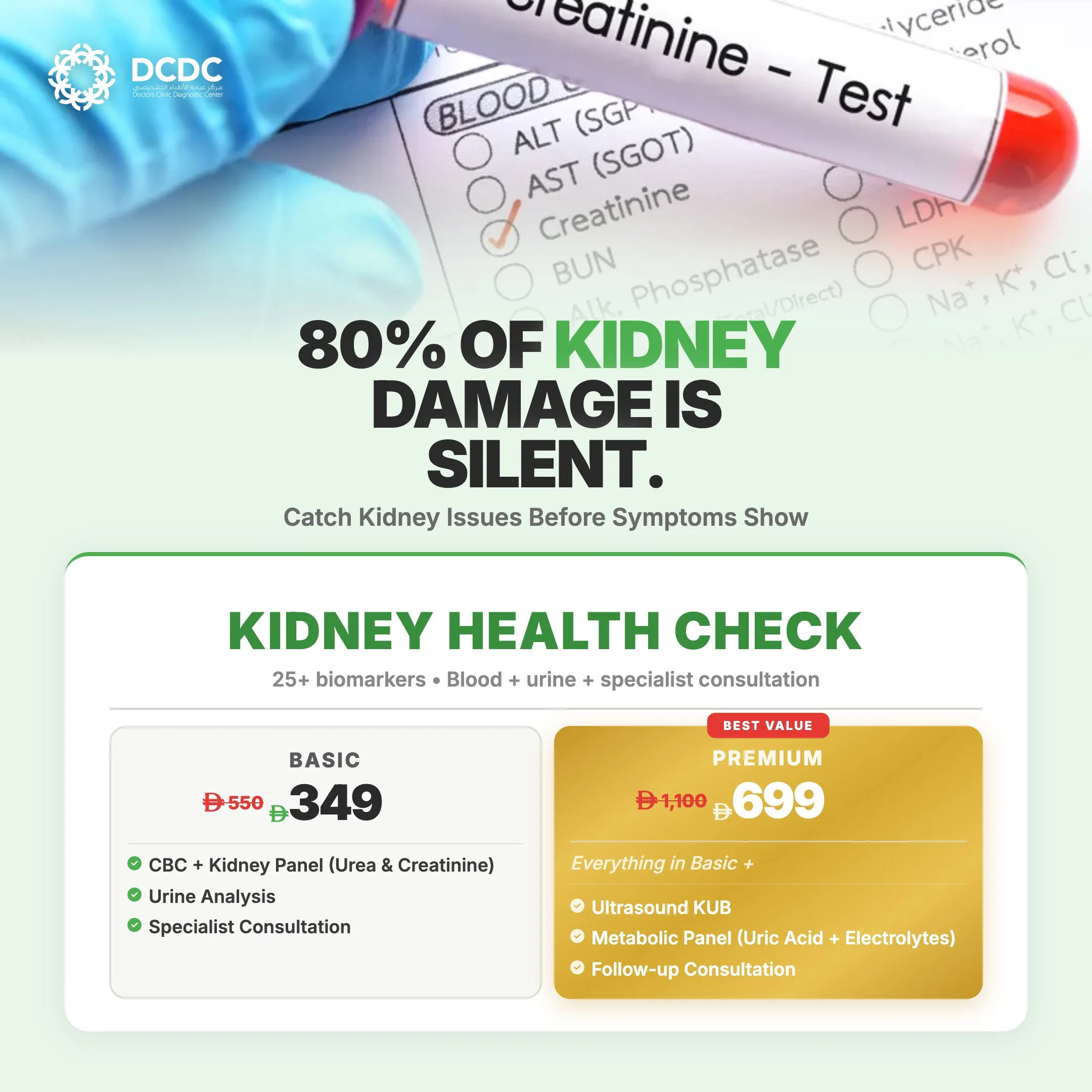
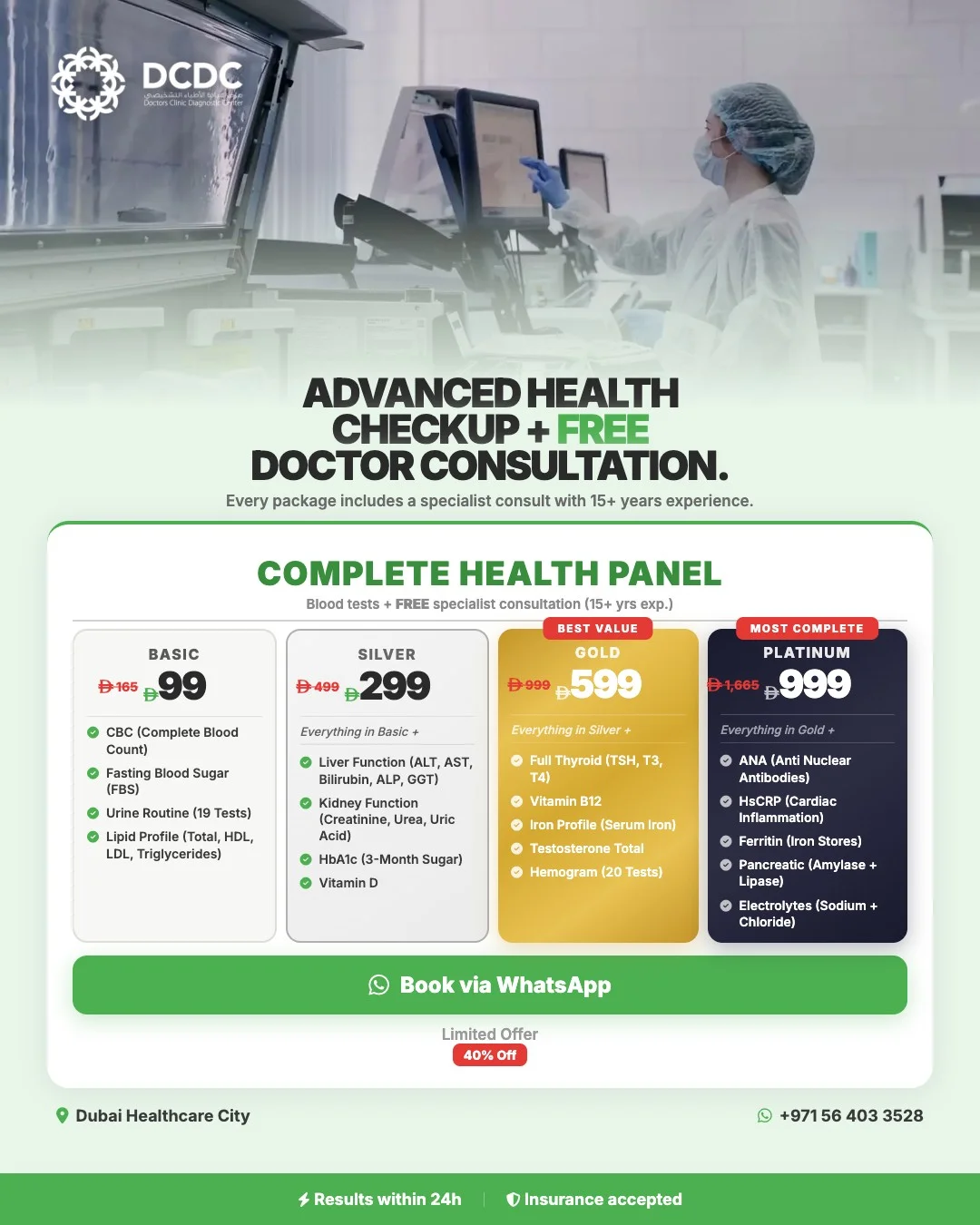
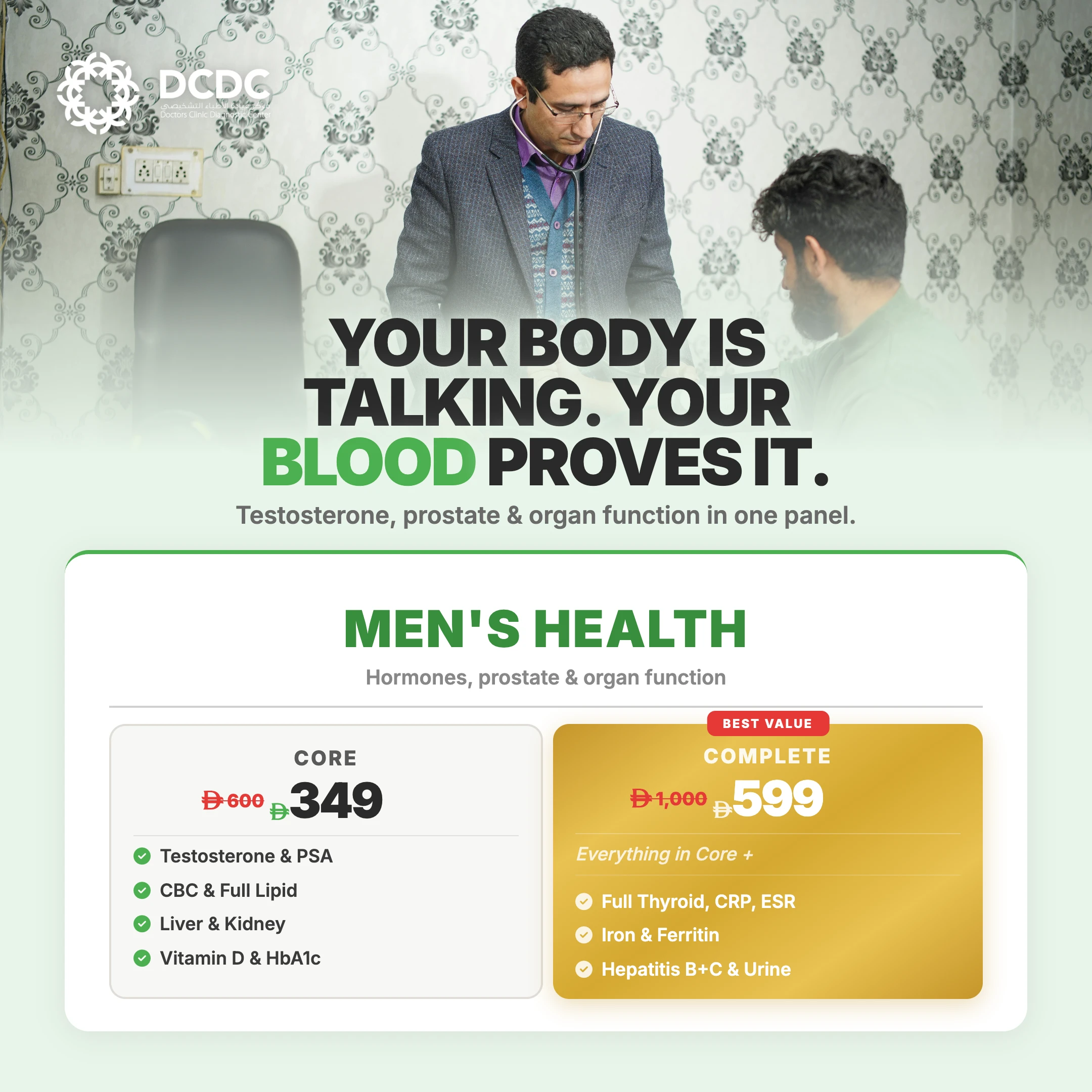
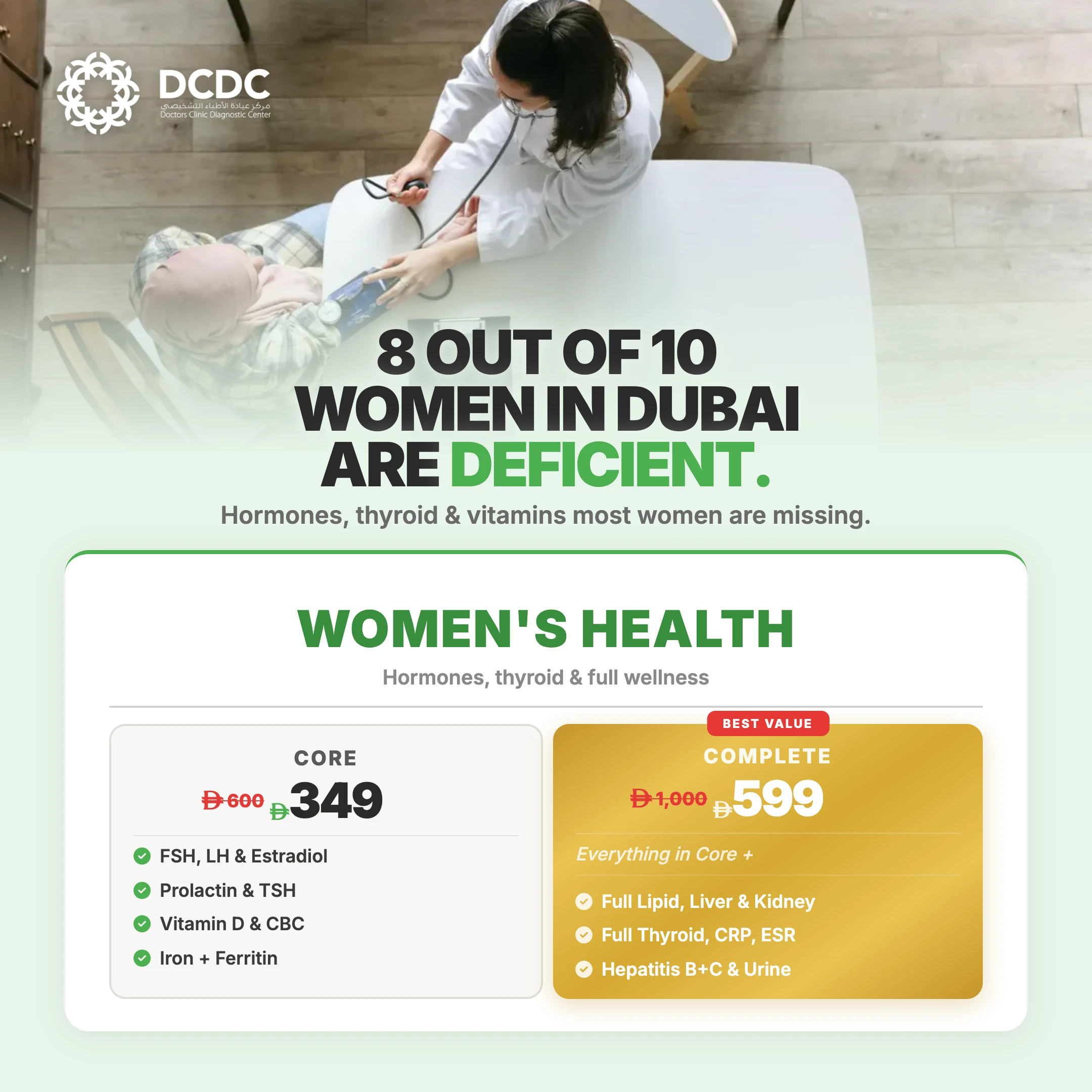
Health Screening Packages
Save with our bundled screening packages — specialist consultation included


What Is Vitiligo?
Vitiligo is a long-term skin condition in which the cells that produce pigment, called melanocytes, are lost or stop working. The result is smooth, pale or milk-white patches of skin that stand out against the surrounding skin tone. It is not contagious, it is not caused by poor hygiene or diet, and it does not cause physical pain. It affects roughly 0.5% to 2% of people worldwide, across all skin tones and both sexes, and it can begin at any age, although about half of cases appear before the age of 20.
The patches happen because melanocytes, the cells in the bottom layer of the epidermis that make the pigment melanin, are targeted and destroyed. Hair that grows in an affected area can also lose its colour and turn white, a change doctors call leukotrichia. Vitiligo can also affect the inside of the mouth and nose, and sometimes the retina of the eye, because melanocytes live in these tissues as well.
Because the contrast is easier to see on darker skin, vitiligo is often noticed earlier and can feel more visible in the UAE's diverse population, where many residents have medium to deep skin tones. The condition also tends to be more noticeable after summer sun exposure, because surrounding skin tans while patches stay pale.
Segmental vs non-segmental vitiligo
The 2012 Vitiligo Global Issues Consensus Conference separated vitiligo into two broad groups, and this distinction still guides care today. Telling them apart matters because the outlook, the associated conditions and the treatment approach are different.
- Non-segmental vitiligo (NSV): the common form, making up the large majority of cases. Patches usually appear on both sides of the body in a roughly symmetrical pattern, often on the hands, feet, face, elbows, knees and around body openings. It tends to progress in phases over years and is the type most strongly linked with other autoimmune conditions.
- Segmental vitiligo (SV): a less common form, more often starting in childhood. Patches appear on one side of the body, typically in a band or segment following a region of skin supplied by a particular nerve. It usually spreads for a year or two and then becomes stable, and it is less often associated with other autoimmune diseases.
What Causes Vitiligo?
No single cause explains every case. Current research points to vitiligo being an autoimmune condition shaped by inherited susceptibility and influenced by environmental triggers. In other words, a person with a certain genetic background may develop vitiligo after cells in the skin are placed under stress.
The autoimmune mechanism
In non-segmental vitiligo, the immune system is thought to mistakenly identify melanocytes as a threat. Specialised white blood cells called CD8+ T cells accumulate in the skin at the edge of active patches and release inflammatory signals, including interferon-gamma and related chemical messengers. These signals act through a pathway known as JAK-STAT, which calls in more immune cells and keeps the attack on melanocytes going. This understanding is the reason that treatments blocking the JAK pathway have become one of the most important advances in vitiligo care in recent years.
Evidence for the autoimmune model includes the fact that vitiligo often occurs together with other autoimmune diseases, that antibodies against melanocyte components are found in many patients, and that immune-suppressing treatments can halt spread and allow pigment to return.
Genetics and family history
Vitiligo runs in families more often than chance would suggest. Studies of large groups of patients have found that around 20% of people with vitiligo have at least one close relative with the condition, and genome-wide studies have identified dozens of gene regions involved, many of which also influence immune function. However, having a relative with vitiligo does not mean you will develop it, and many people with vitiligo have no family history at all. Inheritance is complex and involves many genes rather than a single faulty one.
Oxidative stress and melanocyte vulnerability
Melanocytes make melanin through chemical reactions that produce reactive oxygen molecules as by-products. In some people, melanocytes appear less able to cope with this oxidative stress. Stressed melanocytes may release danger signals that attract the immune system, which is one proposed link between cell stress and the immune attack.
Possible triggers
In people who are already susceptible, certain events may start vitiligo or make existing patches spread. Doctors do not always find an obvious trigger, but the following are commonly reported:
- Physical injury to the skin, such as cuts, friction, tight clothing or severe sunburn. New patches appearing at sites of trauma are known as the Koebner phenomenon.
- Significant emotional or physical stress, including illness or major life events.
- Exposure to certain chemicals, such as some phenolic compounds found in industrial products, hair dyes, rubber and some adhesives.
- Other autoimmune disease activity, particularly thyroid disease.
- Rarely, some medicines, including certain cancer immunotherapies, can be associated with vitiligo-like depigmentation.
It is worth stating clearly that vitiligo is not caused by eating particular food combinations such as fish and milk, by vitamin deficiency alone, or by infection. These are common myths that can add unnecessary guilt and anxiety for patients and families.
Associated autoimmune conditions
People with non-segmental vitiligo have a higher chance of developing certain other autoimmune conditions. The most frequently reported is autoimmune thyroid disease, including Hashimoto's thyroiditis (underactive thyroid) and Graves' disease (overactive thyroid). Other associations include type 1 diabetes, alopecia areata, pernicious anaemia, rheumatoid arthritis, psoriasis and lupus. Most people with vitiligo will never develop these conditions, but the link is the reason doctors check thyroid function at diagnosis. You can read more about thyroid warning signs in our guide to thyroid problems symptoms in Dubai.
Types of Vitiligo
Beyond the segmental and non-segmental split, doctors describe vitiligo by how widely and in what pattern it appears. Many people fit more than one description over time because the condition can change.
| Type | Pattern | Typical features |
|---|---|---|
| Generalized (vulgaris) | Scattered patches on many parts of the body, often symmetrical | The most common non-segmental pattern; hands, feet, face, elbows, knees and body folds are frequent sites |
| Acrofacial | Fingers, toes and the skin around the mouth, eyes and nose | Affects the extremities and face; may later become generalized |
| Segmental | One side of the body, in a band-like segment | Often starts early in life, spreads over a limited period, then usually stabilises |
| Focal | One or a few small patches in a single area, not following a segment | May be an early stage before spreading, or may remain limited |
| Mucosal | Lips, genital area or inside the mouth | Can occur alone or with skin involvement; can be harder to treat |
| Universal | Depigmentation covering most of the body surface (commonly described as over 80%) | Uncommon; usually follows years of progression |
| Mixed | Segmental vitiligo followed by non-segmental patches | A subgroup that needs assessment for both patterns |
Common clinical patterns of vitiligo
Generalized vitiligo
Generalized vitiligo is the form most people mean when they talk about vitiligo. Patches develop over months or years, often appearing on both sides of the body. The course is unpredictable: some people have long quiet periods, while others see new patches appear in bursts.
Segmental vitiligo
Segmental vitiligo behaves differently. It often starts at a younger age, spreads quickly for a limited time and then settles. Because it is less often linked to systemic autoimmunity and tends to respond less well to light therapy and topical treatments than non-segmental disease, surgical options are sometimes considered once it has been stable for a period.
Focal and universal vitiligo
Focal vitiligo means a small number of patches in one area. It can be the first stage of another type, so doctors usually follow it over several months. Universal vitiligo is the opposite end of the spectrum, where most of the skin has lost pigment. In universal vitiligo, sun protection becomes especially important because unpigmented skin has little natural defence against ultraviolet radiation.
Early Signs and Symptoms
The main sign of vitiligo is the appearance of pale patches. Many people first notice them after sun exposure in summer, when the contrast with tanned surrounding skin becomes clearer. Other early features include:
- Flat, well-defined patches that are lighter than your normal skin, usually without scaling, redness or thickening.
- Patches commonly first noticed on sun-exposed areas, hands, fingers, wrists, feet, face, around the eyes or mouth, and in skin folds such as the armpits and groin.
- Premature whitening or greying of hair on the scalp, eyebrows, eyelashes or beard.
- Loss of colour inside the mouth or nose.
- Occasionally mild itching or tingling in the area before a new patch appears. Some people also notice a slightly red or inflamed edge, a sign called inflammatory vitiligo that suggests active disease.
Vitiligo usually does not hurt or cause other physical symptoms. However, similar-looking white patches can have other causes, which is why a proper assessment is worthwhile. Conditions that can look like vitiligo include pityriasis alba, post-inflammatory pigment loss after eczema, tinea versicolor (a fungal infection), and the scarring conditions that leave pale marks. Our article on eczema vs psoriasis in Dubai explains how other common inflammatory skin conditions differ, and why pale marks after inflamed skin should not automatically be assumed to be vitiligo.
Diagnosis: How Vitiligo Is Identified
Vitiligo is mostly diagnosed clinically, meaning a doctor can usually recognise it from the appearance and distribution of the patches and from your history. Additional tests are used to confirm uncertain cases, to judge activity, and to look for associated conditions.
Medical history and skin examination
The doctor will ask when the patches first appeared, whether they are spreading, whether you have had sunburn, skin injury or significant stress, and whether anyone in your family has vitiligo, thyroid disease or other autoimmune conditions. They will examine the skin all over, including the scalp, mouth and skin folds, and may photograph the patches so progress can be compared over time.
Wood's lamp examination
A Wood's lamp is a handheld device that shines long-wave ultraviolet light on the skin in a darkened room. Vitiligo patches, which have no melanin, appear bright, chalky white and sharply outlined under this light. This makes it particularly useful in people with lighter skin, where patches can be subtle in normal lighting, and helps distinguish vitiligo from other conditions causing pale skin.
Skin biopsy
A biopsy is rarely needed. It is considered when the diagnosis is unclear, for example if the pale patches have unusual features such as scaling or a scar-like texture. A small sample is examined under a microscope. In vitiligo, melanocytes are absent from the affected skin.
Blood tests for associated conditions
Because of the link with autoimmune disease, doctors commonly check for related conditions. Testing is tailored to your symptoms and history, but may include:
- Thyroid function tests (TSH, free T3 and free T4, with or without thyroid antibodies), because thyroid disease is the most common associated condition.
- Antinuclear antibody (ANA) test and wider autoimmune markers, when symptoms or history raise the possibility of other autoimmune disease. Our guide to the ANA test in Dubai explains positive results and patterns, and our overview of the autoimmune panel test in Dubai describes how a wider panel is chosen.
- Blood glucose or HbA1c, when there are risk factors for diabetes.
- Full blood count, vitamin B12 and vitamin D, when symptoms suggest anaemia or nutritional deficiency.
Not everyone with vitiligo needs a full autoimmune panel. If you have no other symptoms, a doctor may decide that thyroid testing alone is appropriate at the start, with repeat testing later if symptoms develop.
Treatment Options in Dubai
There is currently no cure for vitiligo, but treatment can stop spread, encourage pigment to return and improve appearance. International expert recommendations from the Vitiligo Task Force emphasise that treatment works best when started early, and that response depends heavily on how active the disease is and which body areas are involved. The face and neck respond best, while hands, feet and lips are slower to repigment. Treatment is usually long, often measured in months rather than weeks, and many people need a combination of approaches.
Treatments in Dubai follow the same international principles used elsewhere. Which options are suitable for you depends on your age, skin type, the type and extent of vitiligo, how active it is, and your preferences. Some treatments, particularly phototherapy, surgery and newer prescription medicines, are delivered by dermatology specialists.
Topical treatments
- Topical corticosteroids: anti-inflammatory creams or ointments are a common first step for limited patches. They can restore colour in some patients, but should be used under medical guidance and for limited periods because long-term use can thin the skin and cause stretch marks, especially on the face and skin folds.
- Topical calcineurin inhibitors (tacrolimus, pimecrolimus): immune-modulating ointments or creams that do not cause skin thinning. They are often preferred for the face, neck, eyelids and genital skin, and are commonly combined with sunlight or light therapy.
- Topical ruxolitinib cream (1.5%): a JAK inhibitor cream that blocks the signalling pathway involved in the immune attack on melanocytes. In the phase 3 TRuE-V trials published in the New England Journal of Medicine, significantly more patients treated with ruxolitinib cream achieved facial repigmentation than with a placebo cream at 24 weeks, with further improvement in many patients through 52 weeks. It is licensed for non-segmental vitiligo in adolescents and adults, and in England NICE has issued guidance on its use for people aged 12 and over whose face is affected and who have not responded to first-line topical treatment. Availability and prescribing in the UAE should be confirmed with your treating specialist.
- Vitamin D analogues: sometimes used alongside other treatments, although the evidence for benefit as a stand-alone treatment is limited.
Phototherapy
Narrowband ultraviolet B (NB-UVB) phototherapy is one of the best-established treatments for widespread vitiligo. Controlled doses of ultraviolet light are given in a cabinet or to targeted patches (using an excimer laser or lamp) two to three times per week. UV light calms the local immune response and stimulates melanocytes in hair follicles to migrate and replace pigment. Courses commonly run for several months, and results are generally better when phototherapy is combined with a topical treatment. Possible side effects include redness, dryness and sunburn-like reactions, and longer-term UV exposure carries theoretical skin-ageing and skin-cancer considerations that your specialist will discuss with you. Phototherapy requires regular visits, which is an important practical consideration for working professionals in Dubai.
Systemic (oral) therapies
For rapidly spreading or widespread vitiligo, doctors may consider treatments that act on the whole body. Short courses of oral corticosteroids, sometimes given as a small pulse dose, have been used to halt active spread, although they carry side effects and are not suitable for long-term use. In 2026 there was an important development: the oral JAK inhibitor upadacitinib was approved in Europe for adults and adolescents aged 12 and over with non-segmental vitiligo who need systemic treatment, and news reports indicate that the UAE regulator approved it for the same group. Systemic JAK inhibitors require careful patient selection, baseline blood tests and ongoing monitoring because they affect the immune system, so they are prescribed and supervised by specialists. They are not a first step for limited patches.
Surgical options
Surgery is reserved for stable vitiligo, meaning no new patches or spread for at least six to twelve months, that has not responded well to medical treatment. It is more often considered for segmental vitiligo. Options include:
- Punch or mini grafting: small pieces of normally pigmented skin are placed into the pale area.
- Suction blister grafting: the top layer of skin is lifted by suction and transferred to a prepared patch.
- Non-cultured epidermal cell suspension: melanocytes are separated from a small skin sample and spread over the treated area.
Surgical techniques carry risks such as scarring, uneven colour match and the Koebner phenomenon at the donor or graft sites, so careful selection is essential.
Depigmentation therapy
In rare cases of very extensive vitiligo, where repigmentation is not realistic, some people choose to lighten the remaining pigmented skin so the whole body has an even tone. This is a permanent decision and should only be made after specialist counselling.
Treatment overview
| Approach | Best suited to | Key considerations |
|---|---|---|
| Topical corticosteroids | Limited, localised patches | Short courses under supervision; risk of skin thinning |
| Topical calcineurin inhibitors | Face, neck, eyelids, skin folds | No skin thinning; often combined with light |
| Ruxolitinib 1.5% cream | Non-segmental vitiligo, particularly facial | JAK inhibitor; long-term daily use; prescription and access vary |
| Narrowband UVB phototherapy | Widespread or active non-segmental vitiligo | Several visits per week for months; combined with topicals for best results |
| Oral systemic therapy (including JAK inhibitors) | Widespread or rapidly progressing disease | Specialist selection and monitoring; not a first step |
| Surgical grafting | Stable segmental or limited vitiligo not responding to other treatment | Needs stable disease; risk of scarring or colour mismatch |
| Depigmentation | Very extensive vitiligo | Permanent; specialist counselling required |
General guide to vitiligo treatment options. Suitability is decided individually.
What about natural or alternative remedies?
Many supplements, herbal products and home remedies are advertised for vitiligo. The evidence is limited and varies in quality. Some, such as certain antioxidant supplements, have been studied in small trials alongside light therapy, but none replaces medical treatment. Avoid applying irritating substances, including strong plant extracts or unregulated creams, to patches, as skin injury can trigger new patches through the Koebner phenomenon. Always tell your doctor what you are using.
Living with Vitiligo
Vitiligo is a medical condition, but its everyday impact is often about appearance, confidence and daily routines. Good self-care and emotional support are part of treatment.
Sun protection
Skin without melanin has little natural protection from ultraviolet radiation, so it burns more easily. In a climate like Dubai's, with strong UV nearly all year, sun protection is essential. Sunburn on affected skin is uncomfortable and can also trigger new patches in people with active disease. Practical steps include:
- Using a broad-spectrum sunscreen with SPF 30 or higher on all exposed skin, and reapplying every two hours when outdoors or after swimming.
- Choosing mineral sunscreens containing zinc oxide or titanium dioxide if you have sensitive skin.
- Wearing a wide-brimmed hat, sunglasses and loose, long-sleeved clothing during peak sun hours.
- Seeking shade and avoiding the midday sun where possible.
- Avoiding tanning beds and deliberate tanning, as tanned surrounding skin increases the contrast with patches.
Some doctors also encourage safe, brief exposure in a supervised way as part of treatment, but the amount should be advised by your clinician rather than guessed. Vitamin D levels can be checked if you are covering up and avoiding the sun, since diet or supplements may be needed.
Cosmetic camouflage
Camouflage products can help you feel more comfortable while treatment takes effect. Options include:
- Waterproof cosmetic cover creams and concealers designed for vitiligo, which last longer than ordinary makeup.
- Self-tanning products containing dihydroxyacetone, which temporarily darken pale patches. Test a small area first and apply sunscreen as well, as they do not protect against UV.
- Medical tattooing (micropigmentation) for stable patches, though colour may change over time and the procedure itself can trigger new patches in active disease.
Psychological impact
The emotional impact of vitiligo can be significant. Studies show higher rates of anxiety, low mood, reduced self-esteem and social avoidance among people with vitiligo, and many report being stared at or asked intrusive questions. Teenagers, people with visible patches on the face and hands, and people who have recently been diagnosed may be particularly affected. Pay attention to your mental health as well as your skin.
- Talk to your doctor if you feel persistently low, anxious or isolated. Counselling and cognitive behavioural therapy can help.
- Connect with others. Peer support groups, in person or online, can reduce the sense of being alone.
- Prepare a short, calm answer for curious questions, such as: "It's vitiligo, a skin condition affecting pigment. It is not contagious."
- Involve family and school or workplace if appropriate, so that people understand vitiligo is not infectious.
What to Expect at DCDC
Doctors Clinic Diagnostic Center (DCDC) is located in Building 64, Block A, Al Razi Medical Complex, Dubai Healthcare City. We are a multi-specialty clinic with an on-site laboratory, which means that your assessment and relevant blood tests can often be arranged in one visit. Below is how a typical vitiligo-related visit works.
Step 1: GP assessment
Your journey starts with a general consultation at DCDC, with consultations from AED 249. The doctor takes a detailed history, examines your skin and looks at the pattern of the patches. They will ask about family history, previous thyroid or autoimmune problems, recent stress or skin injury, medicines you take and any products you have already used. Photographs may be taken to record the baseline so that changes can be monitored.
Step 2: Tests for associated conditions
If appropriate for your history, the doctor may recommend blood tests to look for conditions that commonly accompany vitiligo. DCDC has an on-site laboratory with same-day results for routine tests, so many patients receive their results without waiting days. Examples of tests that may be considered, with the listed individual prices, include:
| Test | Why it may be recommended | Price |
|---|---|---|
| TSH | Screens for underactive or overactive thyroid | AED 149 |
| Free T3 (FT3) | Assesses active thyroid hormone level | AED 149 |
| Free T4 (FT4) | Assesses circulating thyroid hormone | AED 149 |
| Thyroid profile | Combined thyroid assessment | AED 399 |
| ANA test | Screens for antibodies seen in autoimmune conditions | AED 149 |
| Autoimmune panel | Broader autoimmune screening when clinically indicated | Price varies by panel |
Individual test prices at DCDC. Your doctor will advise which tests, if any, are relevant to you. Lab tests start from AED 99.
These tests do not diagnose vitiligo itself. They help your doctor find and treat conditions that can sit alongside it. A normal result is reassuring, and an abnormal one allows early treatment. For more detail on what to expect, see our pages on thyroid testing and autoimmune and inflammatory tests.
Step 3: Plan, advice and starting care
Once the doctor has reviewed your examination and results, they will explain what they found, discuss the likely type and activity of the vitiligo, and agree a plan with you. That may include skin-care and sun-protection advice, guidance on avoiding triggers, and advice on topical treatments that are appropriate for general practice. We explain honestly what is realistic, since repigmentation takes months.
Step 4: Referral pathway
Some aspects of vitiligo care, such as phototherapy, surgical grafting, prescription JAK inhibitor therapy and cases with rapid spread or unclear diagnosis, need a dermatology specialist. If your situation calls for this, your DCDC doctor will advise on the next step and can coordinate a referral, with your test results and notes shared so you do not need to repeat them. Our guide to finding a dermatologist in Dubai explains what to look for in a specialist.
Step 5: Ongoing monitoring
Vitiligo is a long-term condition, so follow-up matters. Your doctor may recommend review visits to check whether patches are stable, spreading or repigmenting, repeat thyroid testing when symptoms change or at intervals, and attention to emotional wellbeing. If you notice new patches, new fatigue, weight change, or heat or cold intolerance, book a visit sooner.
Practical details
- Hours: Saturday to Thursday 8 AM to 10 PM, Friday 9 AM to 9 PM.
- Parking: free parking is available.
- Insurance: direct billing with more than 20 insurance partners. Coverage depends on your plan, so please confirm with us when you book.
- Patient feedback: DCDC has a 4.8/5 Google rating from more than 1,000 reviews.
- Booking: message us on WhatsApp at +971 50 970 3884 or call +971 54 219 5008.
Concerned About White Patches on Your Skin?
Book a GP assessment at DCDC from AED 249. On-site lab tests for thyroid and autoimmune markers with same-day results for routine tests.
WhatsApp +971 50 970 3884 or call +971 54 219 5008 to book
When to See a Doctor
Consider booking an appointment if you notice any of the following:
- New pale or white patches on your skin, particularly if they are spreading or you are unsure of the cause.
- Patches near the eyes, mouth or genitals, or colour loss inside the mouth.
- Hair in an affected area turning white.
- Patches that are itchy, red at the edges, scaly or painful, which may indicate a different condition.
- A family history of vitiligo, thyroid disease or other autoimmune conditions, together with new skin changes.
- Symptoms that could point to thyroid problems, such as unexplained tiredness, weight change, palpitations, feeling too hot or cold, or hair thinning.
- A child or teenager developing patches. Early review can help with treatment planning and emotional support.
- Emotional distress, anxiety or low mood related to your skin.
Seek medical advice promptly if a pale patch is accompanied by a changing mole, a sore that does not heal or any skin lesion that changes in size, shape or colour. Those need separate assessment regardless of vitiligo.
Early assessment is helpful because vitiligo treated sooner tends to respond better, and because identifying thyroid disease early means it can be treated. Even if you are not sure the patches are vitiligo, a short consultation can give clarity.
Related Services at DCDC
Expert care and advanced diagnostics at Dubai Healthcare City
General Consultation
Expert GP assessment for skin conditions including vitiligo diagnosis and management.
Book AppointmentAutoimmune & Inflammatory Tests
ANA and autoimmune panel testing to identify associated autoimmune conditions.
Book AppointmentThyroid Testing
Thyroid function tests to screen for thyroid disorders commonly linked to vitiligo.
Book AppointmentFrequently Asked Questions
Final Thoughts
Vitiligo is a manageable condition, and the treatment landscape has moved on considerably. Topical therapies and phototherapy remain the foundation, while JAK inhibitors, in cream and now oral form for selected patients, have changed what is possible for people with active or widespread disease. The strongest messages from the research are to seek assessment early, to treat consistently over many months, to protect your skin from the sun and to look after your emotional health as well as your skin.
At DCDC in Dubai Healthcare City, we can start that process with a GP assessment from AED 249, on-site blood tests for thyroid and autoimmune markers with same-day results for routine tests, practical advice on skin care, and a clear referral pathway when specialist treatment is needed. To book, message us on WhatsApp at +971 50 970 3884 or call +971 54 219 5008. This article is for general information and does not replace personal medical advice.
Sources & References
This article references the following sources:
- Ezzedine K, Eleftheriadou V, Whitton M, van Geel N. Vitiligo. The Lancet, 2015 (PubMed)
- Ezzedine K, et al. Revised classification/nomenclature of vitiligo and related issues: the Vitiligo Global Issues Consensus Conference (PubMed)
- Rosmarin D, et al. Two Phase 3, Randomized, Controlled Trials of Ruxolitinib Cream for Vitiligo. New England Journal of Medicine, 2022 (PubMed)
- NHS - Vitiligo
- Mayo Clinic - Vitiligo: Symptoms and Causes
- American Academy of Dermatology - Vitiligo: Overview
- NICE - Ruxolitinib cream for treating non-segmental vitiligo in people 12 years and over (TA1140)
This information is educational and does not replace individual medical advice. See our editorial policy for more information.

Written by
Dr. Hadeel Elnur
General Practitioner
MD, General Practice
Dr. Hadeel Elnur is a General Practitioner at Doctors Clinic Diagnostic Center (DCDC) in Dubai Healthcare City, coordinating multi-specialty workups.
Related Articles
ANA Test Dubai: Positive Result & Pattern Explained
Autoimmune Panel Test Dubai: ANA & Guide

Eczema vs Psoriasis Dubai: Key Differences
Thyroid Problems Symptoms Dubai
Dermatologist Dubai: Skin Specialist Guide
More in Dermatology
Skin Tag Removal Cost Dubai: From AED 300 (2026)
Read MoreSkin Rash Causes in Dubai: When to See a Doctor (2026)
Read MoreAlopecia Areata Treatment Dubai: Guide (2026)
Read MoreEczema vs Psoriasis Dubai: Key Differences (2026)
Read MoreRosacea Treatment Dubai: Causes & Care (2026)
Read MoreSkin Allergy Treatment Dubai: Hives Guide (2026)
Read More© 2026 Doctors Clinic Diagnostic Center (DCDC), Dubai Healthcare City. Originally published at https://doctorsclinicdubai.ae/blog/vitiligo-treatment-causes-dubai. All rights reserved. Unauthorized reproduction is prohibited.