Key Takeaways
- Onychomycosis (nail fungus) affects 10–14% of the general population and is more common in Dubai's warm, humid climate.
- Oral terbinafine is the first-line treatment for moderate-to-severe toenail fungus, typically taken for 12–24 weeks.
- Topical antifungals such as amorolfine or efinaconazole can treat mild infections affecting less than 50% of the nail.
- Diabetes, poor circulation and a weakened immune system significantly increase fungal nail infection risk.
- Recurrence rates are 20–25% even after successful treatment, so ongoing prevention is essential.
- A GP consultation at DCDC in Dubai Healthcare City starts from AED 249 and includes on-site lab testing when needed.
Thick, discoloured or crumbly nails are often signs of onychomycosis — a fungal infection that affects up to 14% of the global population. In Dubai, the combination of year-round heat, closed footwear and frequent use of shared gym and pool facilities makes nail fungus especially common. The good news is that effective treatments exist, from prescription oral antifungals to medicated nail lacquers. At Doctors Clinic Diagnostic Center (DCDC) in Dubai Healthcare City, a GP can assess your nails, order on-site laboratory testing and create a personalised treatment plan — all in a single visit.
This guide explains what causes nail fungus, how to recognise the symptoms, the full range of treatment options available in Dubai, when you should see a doctor and how to prevent reinfection after treatment.
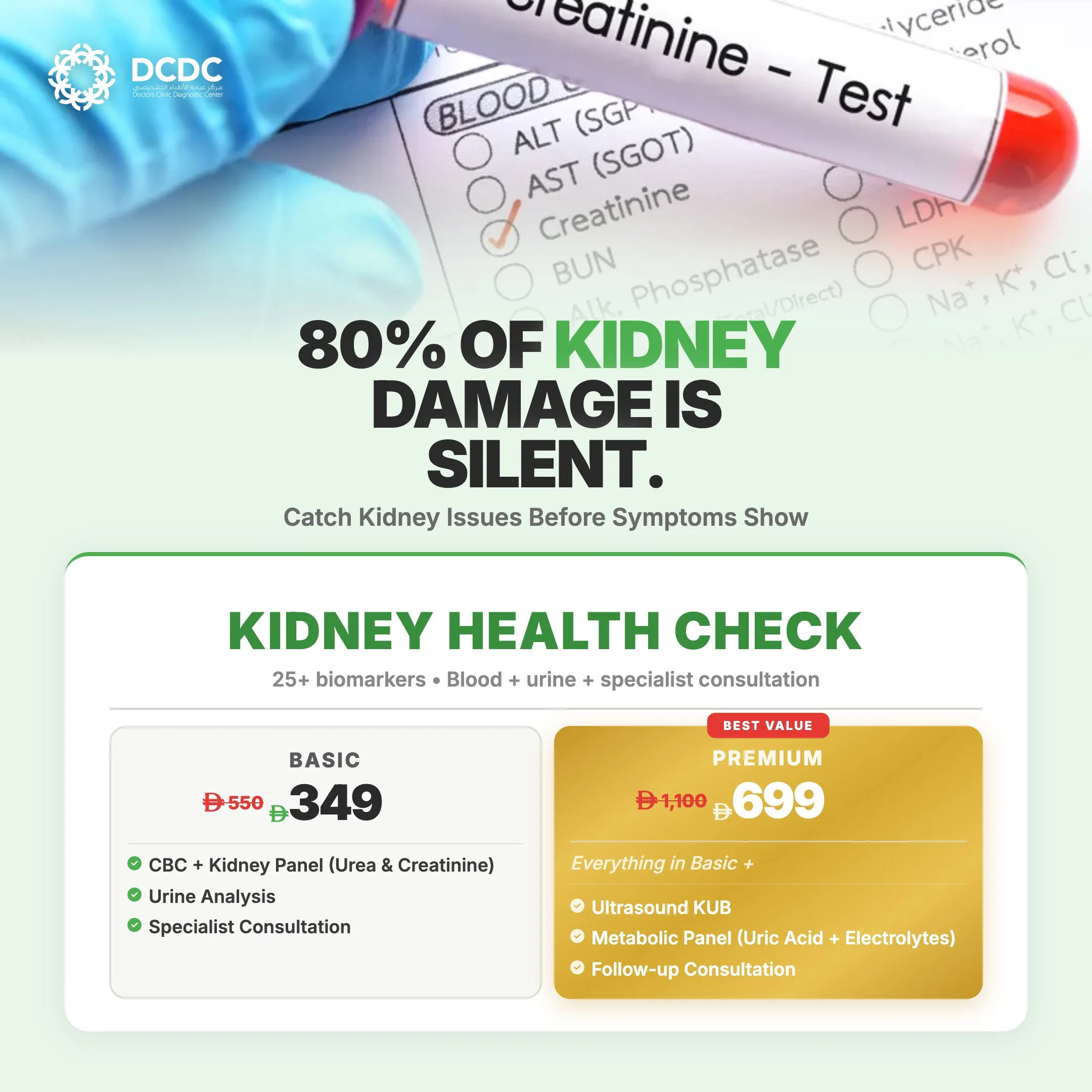
Health Screening Packages
Save with our bundled screening packages — specialist consultation included





What Is Nail Fungus (Onychomycosis)?
Onychomycosis is a fungal infection of the fingernails or toenails caused primarily by dermatophytes — a group of fungi that thrive on keratin, the protein that makes up your nails. Less commonly, yeasts such as Candida and non-dermatophyte moulds can also infect the nail plate. Toenails are affected far more often than fingernails because feet spend more time in warm, moist environments inside shoes.
The infection usually starts at the free edge or side of the nail and gradually spreads toward the cuticle. Without treatment, it can distort the entire nail, cause pain when walking and create an entry point for secondary bacterial infections — a particular concern for patients with diabetes or compromised circulation.
Types of Fungal Nail Infection
Clinicians classify onychomycosis by where the infection begins and how it spreads through the nail unit. Knowing the type helps your doctor choose the most effective treatment.
- Distal lateral subungual onychomycosis (DLSO) — the most common form. Fungi enter under the tip or side of the nail and spread inward, causing yellowish discolouration and thickening.
- Proximal subungual onychomycosis (PSO) — infection begins near the cuticle and moves outward. This pattern is more often seen in immunocompromised patients.
- White superficial onychomycosis (WSO) — fungi invade the top layer of the nail plate, creating chalky white patches. It is easier to treat because the infection remains superficial.
- Candidal onychomycosis — yeast infects the entire nail, often in people whose hands are frequently wet (dishwashers, swimmers). It typically involves fingernails.
- Total dystrophic onychomycosis — the end stage of any type, where the entire nail is thickened, crumbly and deformed.
Causes and Risk Factors
Nail fungus develops when fungi penetrate the nail through tiny cracks or separations between the nail and the nail bed. Several factors increase your risk:
Environmental Factors in Dubai
- Heat and humidity — Dubai's climate (average temperatures above 35 °C for five months of the year) creates ideal conditions for dermatophyte growth, especially inside closed shoes.
- Shared wet areas — gym showers, swimming pool decks and communal changing rooms are common sources of fungal exposure.
- Closed footwear — prolonged wear of non-breathable shoes traps moisture around the toenails.
- Nail salon hygiene — improperly sterilised tools during pedicures can transfer fungal spores between clients.
Medical Risk Factors
- Diabetes — high blood glucose impairs immune defences and reduces blood flow to the feet, making diabetic patients 2–3 times more likely to develop onychomycosis. If you have diabetes, regular diabetic foot care should include nail checks.
- Peripheral vascular disease — poor circulation slows immune response and medication delivery to the nail bed.
- Immunosuppression — HIV, organ transplant medications or chemotherapy weaken the body's ability to fight fungal infections.
- Psoriasis — nail psoriasis damages the nail plate and makes it more vulnerable to secondary fungal colonisation.
- Older age — slower nail growth, reduced circulation and decades of cumulative exposure increase prevalence in adults over 60.
- Athlete's foot (tinea pedis) — an existing fungal skin infection on the foot frequently spreads to the toenails if left untreated.
Symptoms: How to Recognise Nail Fungus
Fungal nail infections develop gradually, so early signs are easy to dismiss. See a doctor if you notice any of the following changes in one or more nails:
- Yellow, brown or white discolouration that starts at the tip or side of the nail
- Thickening of the nail plate, making it difficult to trim
- Brittleness, crumbling or ragged edges
- Separation of the nail from the nail bed (onycholysis)
- A distorted or warped nail shape
- A slightly foul odour from the affected nail
- Pain or discomfort when wearing shoes or pressing on the nail
Not every discoloured nail is fungal. Trauma, psoriasis, lichen planus and melanoma can mimic onychomycosis, which is why laboratory confirmation is important before starting treatment. Your doctor may also want to rule out conditions that look similar — for guidance on when skin changes warrant a medical visit, see our related guide.
Diagnosis: What Tests Are Needed?
An accurate diagnosis prevents unnecessary treatment and ensures the right antifungal is prescribed. Your GP will typically:
- Clinical examination — inspect the affected nails, check for athlete's foot on the surrounding skin and assess circulation in the feet.
- Nail clipping or scraping — a small sample of nail debris is collected (painless) and sent for microscopy and fungal culture to identify the organism.
- KOH preparation — potassium hydroxide dissolves keratin and allows fungi to be seen under a microscope within minutes, giving a rapid preliminary result.
- Fungal culture — grows the organism over 2–4 weeks and identifies the exact species, which helps guide antifungal selection.
- Blood tests (if oral treatment is planned) — a liver function panel may be ordered before prescribing oral antifungals such as terbinafine, since these medications are metabolised by the liver.
At DCDC, all sample collection and blood work are handled on-site in the same visit, with routine blood results often available on the same day.
Treatment Options for Nail Fungus
Treatment depends on the severity of the infection, the number of nails involved and the patient's overall health. Options range from topical lacquers for mild cases to oral medications for moderate-to-severe infections.
Topical Antifungal Treatments
Topical treatments are suitable when the infection affects less than 50% of the nail plate and has not reached the nail matrix (the growth area near the cuticle). They work by delivering antifungal agents directly to the infected nail.
| Medication | How It Works | Treatment Duration |
|---|---|---|
| Amorolfine 5% nail lacquer | Applied once or twice weekly; penetrates the nail plate to inhibit fungal cell membrane synthesis | 6 months (fingernails) to 12 months (toenails) |
| Efinaconazole 10% solution | Applied daily; a triazole antifungal with good nail penetration for distal lateral subungual onychomycosis | 48 weeks |
| Ciclopirox 8% nail lacquer | Applied daily; broad-spectrum antifungal that also has antibacterial properties | Up to 48 weeks |
Common topical antifungal treatments for mild nail fungus
Topical treatments have lower cure rates (around 35–55%) compared with oral medications but carry fewer systemic side effects. They are a reasonable first option for patients who cannot take oral antifungals due to liver disease or drug interactions.
Oral Antifungal Medications
Oral therapy is the standard of care for moderate-to-severe onychomycosis. It delivers the antifungal agent through the bloodstream to the nail matrix, treating the infection from the inside out.
| Medication | Dosage | Duration | Cure Rate |
|---|---|---|---|
| Terbinafine | 250 mg daily | 6 weeks (fingernails) / 12–24 weeks (toenails) | 70–80% |
| Itraconazole (continuous) | 200 mg daily | 6–12 weeks | 60–70% |
| Itraconazole (pulse) | 200 mg twice daily for 1 week per month | 2–3 months (pulses) | 55–70% |
Oral antifungal medications for moderate-to-severe nail fungus
Terbinafine is the preferred first-line oral agent because of its higher mycological cure rate, shorter treatment course and fewer drug interactions compared with itraconazole. However, experts have noted rising terbinafine resistance in certain dermatophyte strains, which underscores the importance of obtaining a fungal culture before starting treatment.
Your doctor will check liver function before prescribing oral antifungals and may repeat the test during treatment. Side effects are uncommon but can include gastrointestinal upset, headache and, rarely, liver enzyme elevation.
Combination Therapy
In resistant or severe cases, your doctor may combine oral and topical treatments — for example, oral terbinafine plus amorolfine nail lacquer — to improve cure rates. Some cases also benefit from mechanical debridement (professional nail filing) to thin the nail plate before applying topical agents, allowing better drug penetration.
Surgical Nail Removal
Nail avulsion (surgical removal) is reserved for single-nail infections that have failed medical therapy. The nail is removed under local anaesthesia, and topical antifungals are applied to the exposed nail bed as the new nail grows. Full regrowth takes 6–12 months for fingernails and 12–18 months for toenails.
A Note on Laser and Home Remedies
Laser treatment for nail fungus is marketed by some clinics, but clinical evidence remains limited. Studies to date have been small, used different success measures and have not consistently demonstrated superiority over conventional antifungal therapy. Home remedies such as tea tree oil, vinegar soaks and Vicks VapoRub have anecdotal support but no robust clinical trial data. Relying on unproven treatments risks allowing the infection to progress.
Nail Fungus Treatment Cost in Dubai
The total cost of treating nail fungus in Dubai depends on the type and duration of therapy. Below is a general overview:
| Item | Estimated Cost (AED) |
|---|---|
| GP consultation at DCDC | From AED 249 |
| Fungal nail culture (laboratory) | AED 100–300 (varies by lab) |
| Liver function blood test at DCDC | From AED 249 (liver panel) |
| Topical antifungal lacquer (per bottle) | AED 80–250 (pharmacy) |
| Oral terbinafine (3-month course) | AED 150–400 (pharmacy) |
| Oral itraconazole (pulse therapy, 3 months) | AED 300–600 (pharmacy) |
Indicative nail fungus treatment costs in Dubai (2026)
Many health insurance plans in the UAE cover GP consultations and prescription medications for diagnosed fungal infections. DCDC works with 20+ insurance partners and handles direct billing, so you typically pay only your co-pay or deductible at the time of your visit.
Concerned About a Nail Change?
Book a same-day GP consultation at DCDC in Dubai Healthcare City. On-site laboratory testing and direct insurance billing available.
Call +971 54 219 5008 or WhatsApp +971 50 970 3884
What to Expect at DCDC
If you visit Doctors Clinic Diagnostic Center for a nail concern, here is what the process typically looks like:
- Arrival and check-in — DCDC is located in Building 64, Block A, Al Razi Medical Complex in Dubai Healthcare City, with free on-site parking. Walk-in and same-day appointments are frequently available.
- GP consultation — your doctor examines the affected nails, reviews your medical history (including diabetes status and current medications) and collects a nail sample if needed. The consultation starts from AED 249.
- On-site laboratory work — nail scrapings are sent to the lab for KOH microscopy and fungal culture. If oral treatment is being considered, blood can be drawn for a liver function panel in the same visit.
- Treatment plan — based on the clinical findings and culture results (available in 2–4 weeks), your doctor prescribes the appropriate topical or oral antifungal and schedules follow-up.
- Follow-up visits — progress is typically reviewed every 3 months. Your doctor checks whether the healthy nail is growing in clear and may repeat liver function tests if you are on oral medication.
- Insurance and payment — DCDC processes direct billing with 20+ insurance partners. The clinic is open Saturday–Thursday 8 AM–10 PM and Friday 9 AM–9 PM.
How Long Does Nail Fungus Treatment Take?
One of the most common frustrations with nail fungus is the length of treatment. Because nails grow slowly — toenails at roughly 1–2 mm per month — even successful antifungal therapy takes months before a visibly healthy nail fully replaces the damaged one.
| Scenario | Treatment Duration | Time to Clear Nail |
|---|---|---|
| Mild toenail (topical only) | 9–12 months of application | 12–18 months |
| Moderate toenail (oral terbinafine) | 12–24 weeks of pills | 9–12 months |
| Fingernail (oral terbinafine) | 6 weeks of pills | 4–6 months |
| Severe / multiple toenails | Combination or extended oral | 12–18 months |
Expected treatment and nail clearance timelines
It is important to complete the full course of medication even after symptoms improve. Stopping early increases the risk of relapse. A mycological cure (negative fungal culture) may be confirmed while the nail still looks partially affected — the clear nail simply needs time to grow out.
Prevention: How to Avoid Nail Fungus in Dubai
Prevention is especially important in Dubai, where the warm climate and active lifestyle create ongoing exposure to fungal organisms. These evidence-based strategies reduce your risk:
Daily Foot Hygiene
- Wash feet daily with soap and water, drying thoroughly between the toes
- Apply antifungal foot powder or spray before putting on socks and shoes
- Trim nails straight across and file down thickened areas — do not cut corners too short
- Alternate shoes each day to allow them to dry completely between uses
Footwear and Environment
- Wear breathable shoes and moisture-wicking socks — cotton blends or synthetic athletic fabrics are better than nylon
- Use flip-flops or shower sandals in gym showers, pool decks and hotel bathrooms
- Discard old shoes that may harbour fungal spores, especially after completing treatment
- Let feet breathe by wearing open-toed sandals when possible — this is practical in Dubai's climate for most of the year
Nail Salon Safety
- Choose salons that autoclave or chemically sterilise instruments between clients
- Bring your own nail tools if you are unsure about the salon's sterilisation practices
- Avoid nail polish on infected nails — it traps moisture and hides early signs of reinfection
- Do not shave your legs immediately before a pedicure, as micro-cuts increase infection risk
Medical Prevention
- Treat athlete's foot promptly to prevent spread to the toenails
- Manage diabetes with regular HbA1c monitoring — DCDC offers HbA1c testing for AED 149
- Address peripheral circulation issues with your doctor, especially if you notice slow-healing wounds on the feet
- Consider prophylactic antifungal nail lacquer once weekly after completing treatment to reduce recurrence
When to See a Doctor for Nail Fungus
While mild cosmetic nail changes can sometimes be monitored, you should book a medical consultation if:
- The discolouration or thickening is spreading to additional nails
- You have diabetes, poor circulation or a weakened immune system — fungal nail infections in these patients can lead to serious secondary complications
- The nail is painful, causing difficulty walking or wearing shoes
- You notice redness, swelling or pus around the nail (possible secondary bacterial infection)
- Over-the-counter topical treatments have not improved the nail after 3 months
- You are unsure whether the nail change is fungal, traumatic or another condition
Book Your Nail Assessment at DCDC
Same-day GP appointments available at Dubai Healthcare City. On-site lab, direct insurance billing and free parking.
Call +971 54 219 5008 or WhatsApp +971 50 970 3884
Nail Fungus in Special Populations
Diabetic Patients
People with diabetes are 2–3 times more likely to develop nail fungus due to impaired blood flow and reduced immune function in the extremities. Untreated onychomycosis can create openings in the skin around the nail, increasing the risk of bacterial cellulitis and diabetic foot ulcers. Diabetic patients should inspect their feet and nails daily, keep blood sugar well controlled and seek prompt treatment for any nail changes.
Athletes and Fitness Enthusiasts
Repeated trauma to toenails from running and sports, combined with sweaty footwear and shared facilities, makes athletes particularly susceptible. Preventive strategies include changing socks after workouts, using antifungal sprays in shoes and trimming nails before they become long enough to press against the shoe.
Children
Onychomycosis is uncommon in children under 12, accounting for less than 2.5% of paediatric dermatology cases. When it does occur, topical treatment is usually preferred because the thinner nail plate allows better drug penetration. Oral therapy may be considered for extensive infections under specialist guidance.
Elderly Patients
Prevalence rises significantly after age 60 due to slower nail growth, reduced circulation, cumulative fungal exposure and coexisting medical conditions. Oral terbinafine remains effective in older adults, but medication interactions and liver function must be carefully assessed.
Can Nail Fungus Come Back After Treatment?
Yes. Studies report a recurrence rate of 20–25% after successful treatment. Recurrence can happen because:
- Fungal spores survive in shoes, socks, carpets and bed linen
- The same environmental exposure (gym, pool, communal areas) reintroduces the organism
- Underlying risk factors such as diabetes or poor circulation persist
- The original infection was not fully eradicated — culture-confirmed cure is the best predictor of lasting success
If your nail fungus returns, your doctor may try a different antifungal agent, test for drug-resistant strains or consider combination therapy. Long-term use of a prophylactic antifungal nail lacquer (once weekly) after cure can help prevent reinfection.
Related Services at DCDC
Expert care and advanced diagnostics at Dubai Healthcare City
Frequently Asked Questions
Final Thoughts
Nail fungus is a common, treatable condition — but it requires patience and the right approach. Over-the-counter remedies work for mild cases, while moderate-to-severe infections almost always need prescription oral antifungals prescribed and monitored by a doctor. Getting a laboratory-confirmed diagnosis before starting treatment ensures you are using the right medication against the right organism.
If you have noticed changes in the colour, thickness or shape of your nails, do not wait for the infection to spread. Book a GP consultation at DCDC in Dubai Healthcare City — same-day appointments are frequently available, on-site lab testing means you can start the diagnostic process in a single visit, and direct insurance billing keeps costs manageable. Call +971 54 219 5008 or WhatsApp +971 50 970 3884 to schedule your appointment.
Sources & References
This article references the following sources:
- Lipner SR - Antifungal Selection for the Treatment of Onychomycosis
- Gupta AK et al. - Onychomycosis: Current and Investigational Therapies
- Lipner SR, Scher RK - Onychomycosis: Clinical Overview and Diagnosis
- Bodman MA, Krishnamurthy K - Onychomycosis (StatPearls)
- HSE Ireland - Dermatophyte Nail Infections Guideline (2026)
- Mayo Clinic - Nail Fungus: Symptoms and Causes
- NHS - Fungal Nail Infection
This information is educational and does not replace individual medical advice. See our editorial policy for more information.

Written by
Dr. Hadeel Elnur
General Practitioner
MD, General Practice
Dr. Hadeel Elnur is a General Practitioner at Doctors Clinic Diagnostic Center (DCDC) in Dubai Healthcare City.
Related Articles

Fungal Skin Infections Dubai: Treatment (2026)
Diabetic Foot Care Dubai: Warning Signs (2026)
Skin Rash Causes in Dubai: When to See a Doctor (2026)
Dermatologist Dubai: Skin Specialist Guide (2026)
Blood Tests for Hair Loss Dubai: Guide (2026)
More in Dermatology
Dandruff Causes & Treatment Dubai (2026)
Read MoreDry Skin in Dubai: Causes & Treatment (2026)
Read MoreBlood Tests for Hair Loss Dubai: Guide (2026)
Read MoreWart Removal Cost Dubai: Methods & Prices (2026)
Read MoreHyperpigmentation Treatment Dubai: Guide (2026)
Read More
Stretch Marks Treatment Dubai: Options (2026)
Read More© 2026 Doctors Clinic Diagnostic Center (DCDC), Dubai Healthcare City. Originally published at https://doctorsclinicdubai.ae/blog/nail-fungus-treatment-dubai. All rights reserved. Unauthorized reproduction is prohibited.