Key Takeaways
- Hyperpigmentation refers to patches of skin that become darker than surrounding areas due to excess melanin production, and it affects people of all skin tones, though it is more common and more persistent in darker skin types (Fitzpatrick IV–VI).
- The three most common types seen in Dubai are melasma (hormonally driven, worsened by sun and heat), post-inflammatory hyperpigmentation (PIH) after acne or injury, and solar lentigines (sun spots) from cumulative UV exposure.
- Dubai's intense year-round UV index (frequently 10–11+ in summer) and high temperatures make sun protection the single most important factor in both preventing and treating hyperpigmentation.
- Topical treatments including prescription retinoids, azelaic acid, vitamin C serums, and regulated hydroquinone can meaningfully fade dark spots over 8–12 weeks of consistent use.
- Procedural options such as chemical peels, microneedling, and specific laser treatments can accelerate results, but must be carefully selected for darker skin tones to avoid worsening pigmentation.
- At DCDC in Dubai Healthcare City, a skin assessment consultation starts from AED 249 and includes evaluation of pigmentation type, contributing factors, and a personalised treatment plan.
Dark patches on the cheeks, forehead, or upper lip. Brown spots that appeared after a bout of acne. Uneven skin tone that seems to deepen with every summer in Dubai. These are among the most common skin concerns that bring patients to our GP consultation clinic at Doctors Clinic Diagnostic Center (DCDC) in Dubai Healthcare City. Hyperpigmentation — the medical term for areas of skin that produce more melanin than usual — is not dangerous, but it can be persistent, distressing, and notoriously difficult to treat without the right approach.
This guide explains the different types of hyperpigmentation, what causes them (with particular attention to Dubai's climate and lifestyle factors), how they are diagnosed, and the full range of treatment options available — from over-the-counter products to prescription topicals and in-clinic procedures. We also cover what to expect during a pigmentation assessment at DCDC and why certain treatments carry higher risk for darker skin tones.
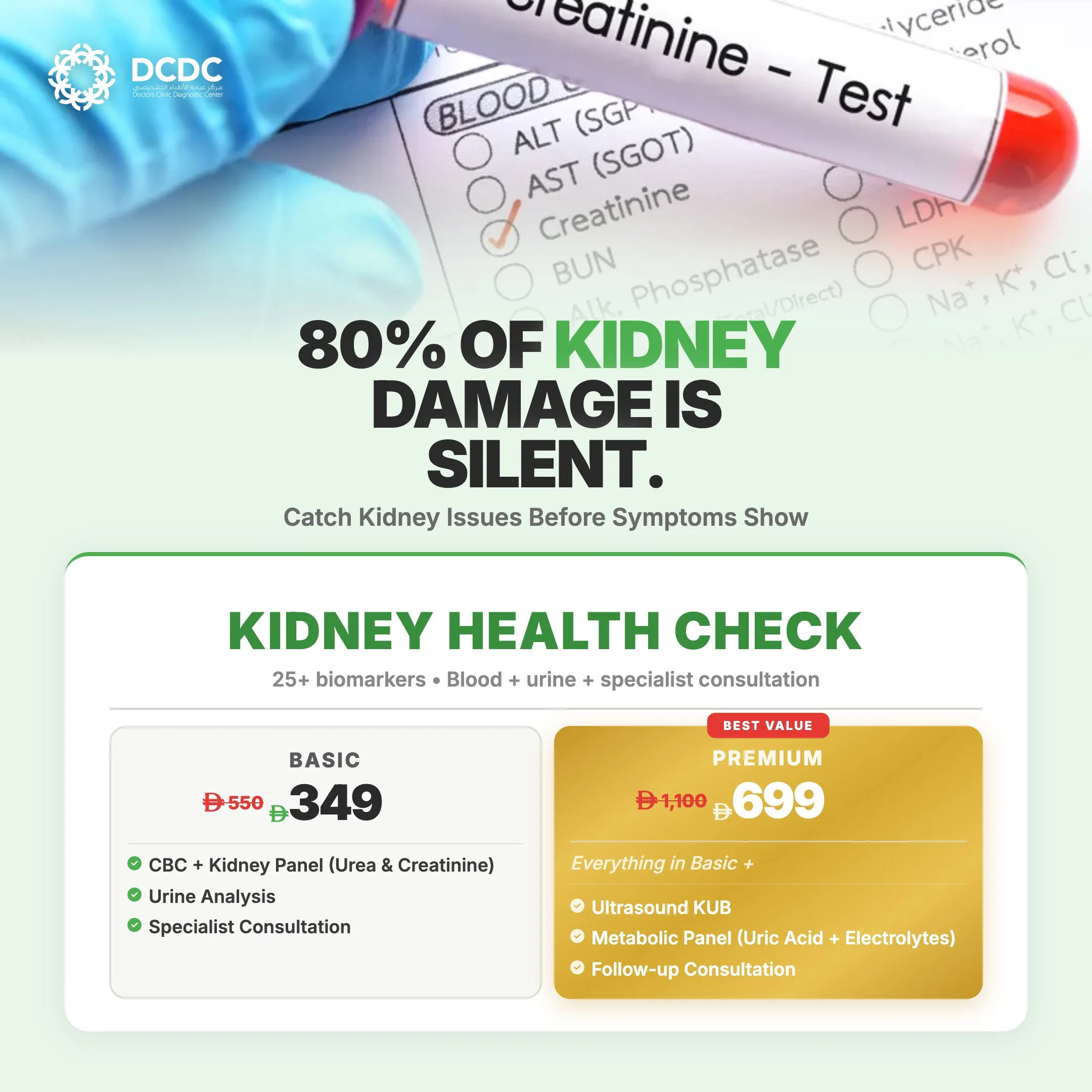
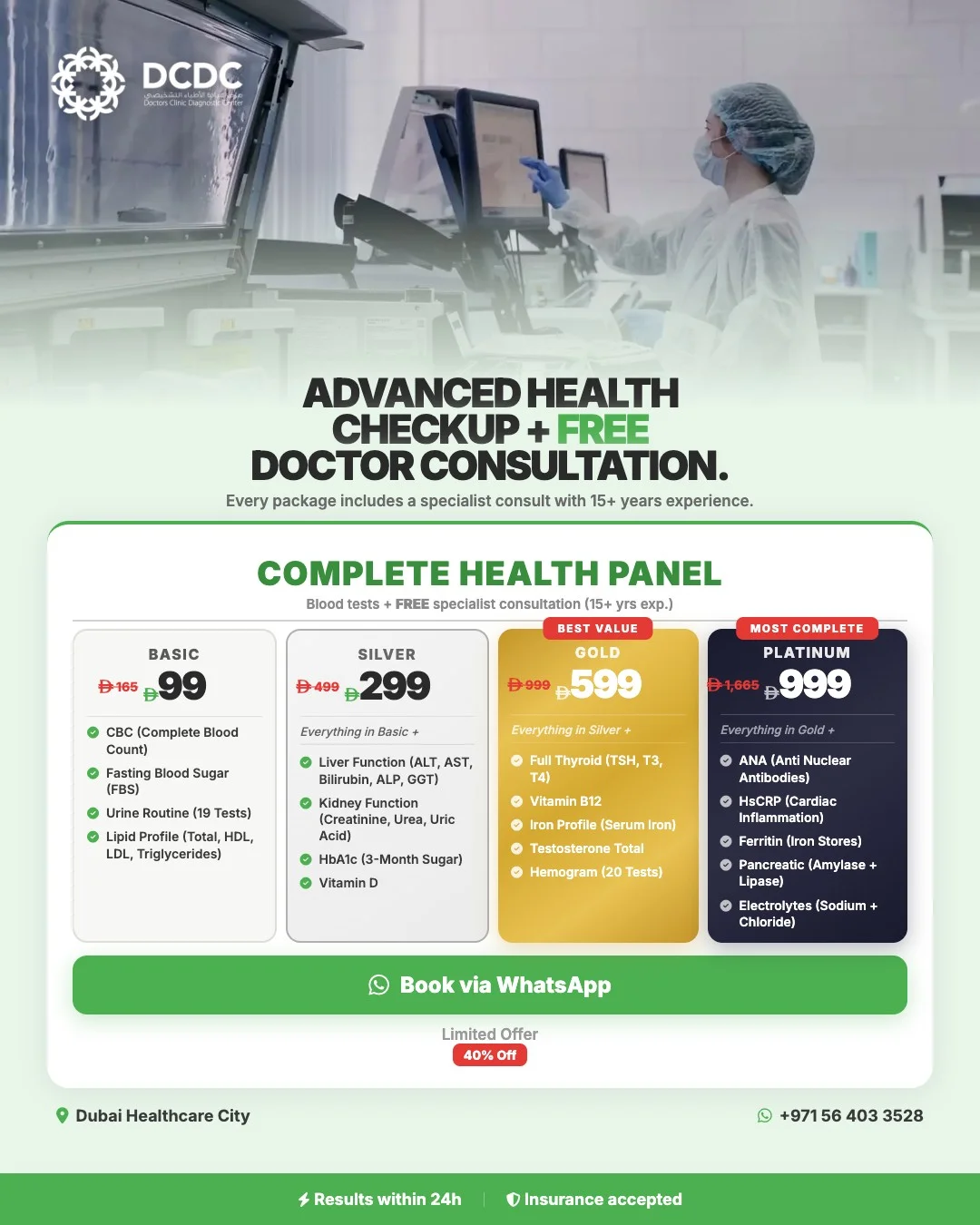
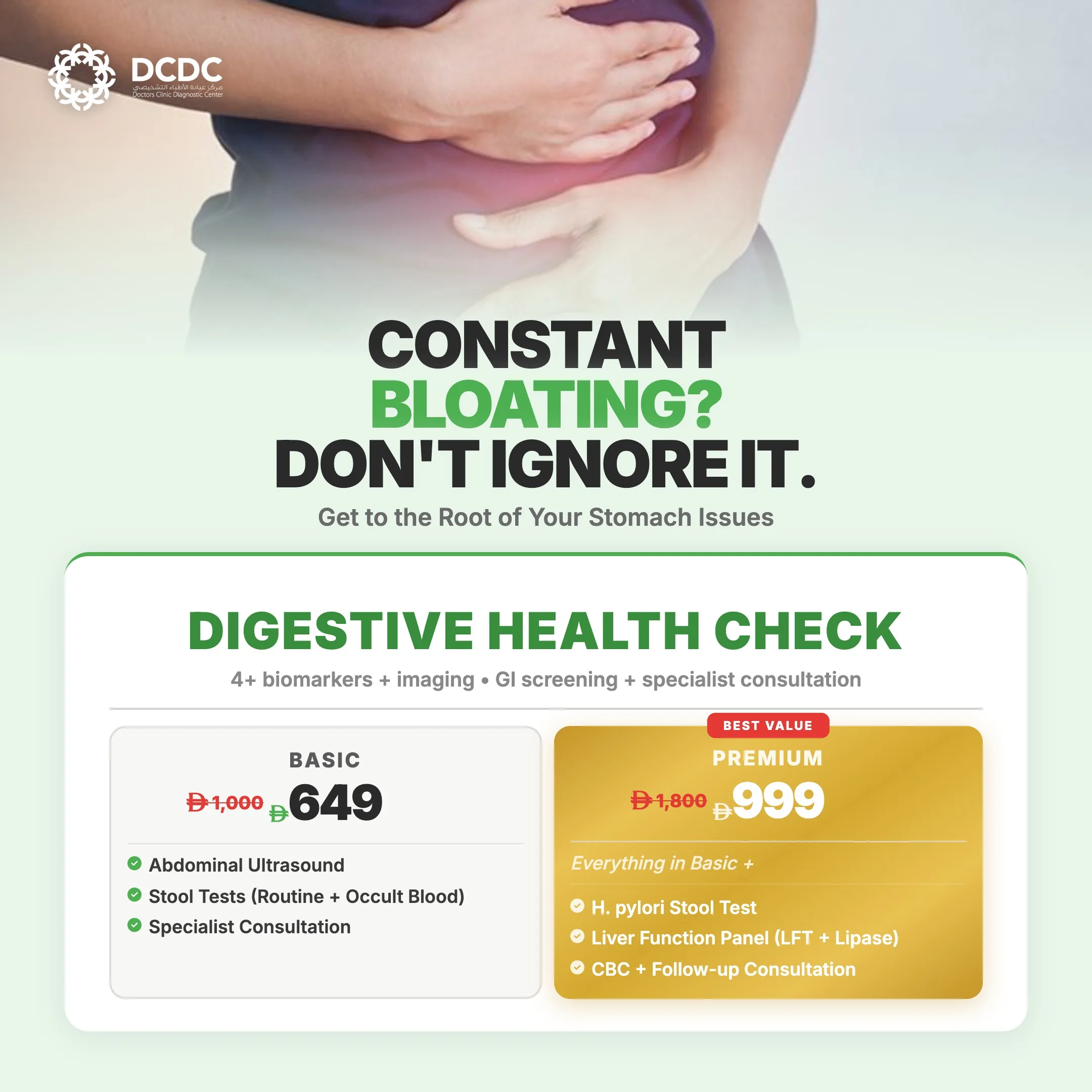
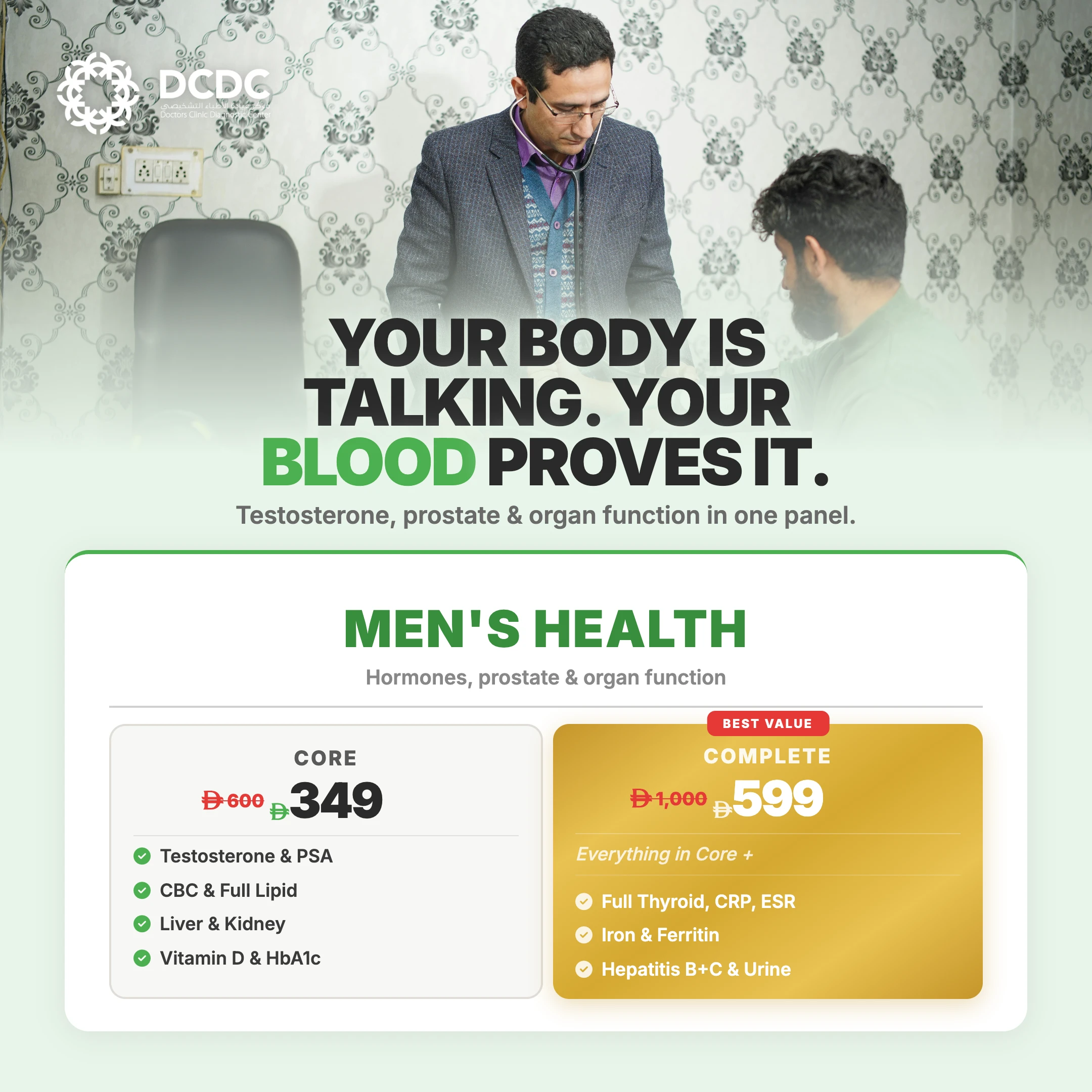
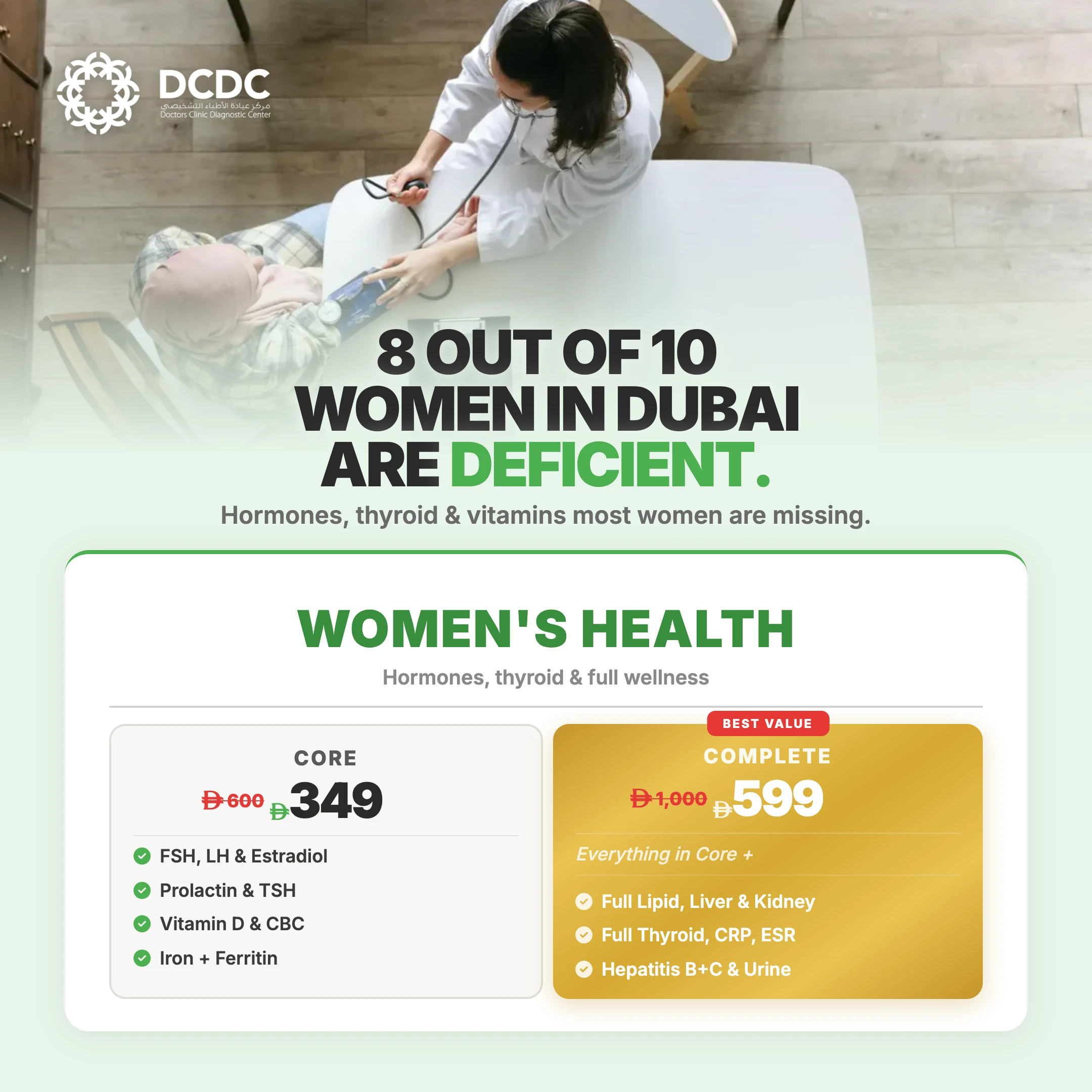
Health Screening Packages
Save with our bundled screening packages — specialist consultation included

What Is Hyperpigmentation?
Hyperpigmentation is a broad term for any condition where patches of skin become noticeably darker than the surrounding area. It occurs when melanocytes — the cells responsible for producing melanin, the pigment that gives skin its colour — become overactive or increase in number. The excess melanin is deposited in the epidermis (surface layer) or dermis (deeper layer), and the depth of pigment deposition significantly affects how the discolouration appears and how well it responds to treatment.
Hyperpigmentation is extremely common. Studies estimate that pigmentary disorders are among the top five reasons for dermatology consultations worldwide, and in regions with high UV exposure and diverse populations — like the UAE — they are even more prevalent. While hyperpigmentation is almost always benign, any new or changing pigmented lesion should be assessed by a doctor to rule out other conditions.
Types of Hyperpigmentation
Melasma
Melasma presents as symmetrical brown or greyish-brown patches, most commonly on the cheeks, forehead, bridge of the nose, upper lip, and chin. It is strongly associated with hormonal changes — pregnancy (often called the "mask of pregnancy" or chloasma), oral contraceptive use, and hormone replacement therapy are all established triggers. However, UV exposure and visible light are equally critical drivers. Melasma is more common in women (approximately 90% of cases) and in individuals with darker skin tones (Fitzpatrick types III–V). It tends to be chronic and relapsing, often fading in winter and returning in summer.
Post-Inflammatory Hyperpigmentation (PIH)
PIH develops after skin inflammation or injury — acne breakouts, eczema flare-ups, burns, cuts, insect bites, or aggressive cosmetic procedures. The inflammatory process stimulates melanocytes to overproduce melanin, leaving dark marks at the site of the original lesion. PIH can affect any skin tone but is more pronounced and longer-lasting in darker skin. The marks are flat (not raised) and range from pink-red in lighter skin to deep brown or black in darker skin. Unlike acne scars, PIH involves colour changes rather than textural changes, though both can coexist.
Solar Lentigines (Sun Spots)
Solar lentigines, commonly called sun spots, age spots, or liver spots (they have nothing to do with the liver), are well-defined flat brown spots that appear on sun-exposed areas: face, hands, forearms, chest, and shoulders. They result from cumulative UV damage over years and are most common in individuals over 40, though they can appear earlier with significant sun exposure. In Dubai, where year-round outdoor activities and strong UV radiation are the norm, solar lentigines frequently appear in patients in their 30s.
Other Types
- Freckles (ephelides): Small, flat spots that darken with sun exposure and fade in winter. Genetically determined and most common in fair-skinned individuals.
- Drug-induced hyperpigmentation: Certain medications including minocycline, amiodarone, antimalarials, and some chemotherapy drugs can cause diffuse or localised skin darkening.
- Acanthosis nigricans: Velvety, dark patches in skin folds (neck, armpits, groin) associated with insulin resistance, obesity, and type 2 diabetes.
Causes of Hyperpigmentation in Dubai
While the fundamental mechanisms of hyperpigmentation are universal, several factors make it particularly common and persistent for people living in Dubai and the wider Gulf region.
UV Radiation and Heat
Dubai's UV index regularly exceeds 10 during summer months and remains moderate to high (6–8) even in winter. UV radiation is the single most potent trigger for melanin production. UVA rays penetrate deep into the dermis and stimulate melanocytes directly, while UVB rays cause sunburn and inflammation that lead to reactive pigmentation. Beyond UV, recent research has shown that infrared radiation and heat itself can worsen melasma by increasing blood flow and inflammatory mediators in the skin. This means that even with sunscreen, spending time outdoors in 40°C+ heat can aggravate pigmentation.
Visible Light Exposure
High-energy visible (HEV) light — also called blue light — from both sunlight and electronic screens has been shown to trigger melanin production, particularly in darker skin tones. While the clinical significance of screen-emitted blue light is still debated, the visible light component of sunlight is a documented contributor to melasma that standard sunscreens (which primarily block UV) may not fully address. Tinted sunscreens containing iron oxide provide broader protection against visible light.
Hormonal Factors
Oestrogen and progesterone directly stimulate melanocyte activity. Pregnancy, oral contraceptive pills, IUDs with hormonal components, and hormone replacement therapy are all associated with melasma. Dubai's large expatriate population of reproductive-age women means melasma is one of the most common pigmentation complaints seen in clinics across the city.
Skin Type and Genetics
People with Fitzpatrick skin types III–VI (medium to very dark skin) have more active melanocytes and are genetically predisposed to producing excess melanin in response to triggers. Dubai's diverse population — which includes significant South Asian, Middle Eastern, East African, and Southeast Asian communities — means a large proportion of residents carry this predisposition. This does not mean hyperpigmentation cannot occur in lighter skin, but it tends to be more visible, more persistent, and harder to treat in darker tones.
How Hyperpigmentation Is Diagnosed
Diagnosing hyperpigmentation itself is straightforward — it is visible. The clinical challenge lies in determining the type, the depth of pigment (epidermal vs dermal), and the underlying cause, because these factors dictate the treatment approach.
- Clinical examination: A doctor examines the distribution, symmetry, colour, and borders of the pigmented areas. The pattern often suggests the diagnosis — symmetrical facial patches suggest melasma, spots at previous acne sites suggest PIH, and scattered spots on sun-exposed areas suggest solar lentigines.
- Wood's lamp examination: A handheld ultraviolet lamp (Wood's lamp) can help distinguish epidermal pigmentation (which appears more defined under UV light) from dermal pigmentation (which appears less defined). Epidermal pigmentation generally responds better to topical treatments.
- Medical history: Medication use, hormonal status, sun exposure habits, and history of skin inflammation or procedures are all relevant. Underlying conditions such as thyroid disorders and vitamin deficiencies may contribute and warrant blood testing.
- Dermoscopy: A handheld magnifying device allows closer inspection of pigment patterns and helps rule out melanocytic lesions that might require biopsy.
Topical Treatments for Hyperpigmentation
Topical treatments are the first line of management for most forms of hyperpigmentation. They work by inhibiting melanin production, accelerating skin cell turnover, or both. Consistency is essential — most topicals require 8–12 weeks of daily use before visible improvement, and premature discontinuation is one of the most common reasons for treatment failure.
Prescription Retinoids (Tretinoin)
Tretinoin (retinoic acid) accelerates epidermal cell turnover, disperses melanin granules, and inhibits melanin transfer to skin cells. It is one of the most well-studied treatments for PIH and is also used as part of combination therapy for melasma. Tretinoin can cause initial irritation, dryness, and peeling — this adjustment period typically lasts 2–4 weeks. It also increases sun sensitivity, making rigorous sunscreen use essential.
Hydroquinone
Hydroquinone is the most potent topical skin-lightening agent available. It works by inhibiting tyrosinase, the enzyme responsible for melanin synthesis. Concentrations of 2% are available over the counter in some countries, while 4% and higher require a prescription. Hydroquinone is effective but should be used under medical supervision: prolonged use (beyond 4–6 months continuously) without breaks can paradoxically cause a blue-grey discolouration called ochronosis. Dermatologists typically recommend cyclical use — 3–4 months on, 2–3 months off.
Azelaic Acid
Azelaic acid (15–20% prescription strength) inhibits tyrosinase and has anti-inflammatory properties, making it particularly useful for PIH associated with acne or rosacea. It is considered safe for long-term use and during pregnancy (Category B), which makes it a preferred option for women with pregnancy-related melasma who cannot use retinoids or hydroquinone.
Vitamin C (L-Ascorbic Acid)
Topical vitamin C is an antioxidant that inhibits melanin production and provides photoprotection. Concentrations of 10–20% L-ascorbic acid are most studied. While gentler than hydroquinone or retinoids, vitamin C serums can be irritating for sensitive skin, and the active ingredient is unstable — products must be stored away from light and heat, which is worth noting in Dubai's climate. Vitamin C works well as an adjunct to other treatments rather than a standalone solution for moderate to severe hyperpigmentation.
Other Topical Agents
- Niacinamide (vitamin B3): Inhibits melanosome transfer from melanocytes to skin cells. Available in 4–5% concentrations in many over-the-counter products. Well-tolerated and suitable for most skin types. Results are modest compared to prescription options.
- Alpha arbutin: A naturally derived tyrosinase inhibitor considered gentler than hydroquinone. Often found in Korean and Japanese skincare products and gaining popularity in the UAE market.
- Kojic acid: A fungal-derived tyrosinase inhibitor used in concentrations of 1–4%. Can cause contact dermatitis in some individuals and is less stable than other options.
- Tranexamic acid (topical): Originally a blood-clotting medication, topical tranexamic acid has shown promise in melasma treatment by reducing melanocyte-stimulating plasmin activity. Available in some specialised formulations.
Procedural Treatments for Hyperpigmentation
When topical treatments alone are insufficient, or when patients want faster results, in-clinic procedures can significantly accelerate improvement. However, procedural treatments for pigmentation require particular expertise when treating darker skin tones, as overly aggressive treatment can trigger PIH and worsen the original problem.
Chemical Peels
Chemical peels use acids (glycolic, salicylic, lactic, or trichloroacetic acid) to remove the outer layers of skin, taking excess pigment with them and stimulating fresh, more evenly pigmented skin growth. Superficial peels (glycolic acid 30–50%, salicylic acid 20–30%) are safest for darker skin and can be repeated every 2–4 weeks. Medium-depth peels (TCA 15–35%) are more effective but carry higher risk of PIH in darker skin and require longer recovery.
Microneedling
Microneedling uses fine needles to create controlled micro-injuries in the skin, triggering the wound-healing response and promoting collagen remodelling. When combined with topical serums (vitamin C, tranexamic acid, or growth factors), microneedling can improve product penetration and enhance pigmentation treatment. It is generally well-tolerated across skin types, with a lower risk of PIH than laser treatments.
Laser and Light-Based Treatments
Several laser and light technologies target melanin specifically. Q-switched Nd:YAG lasers, picosecond lasers, and fractional lasers can break down pigment deposits with precision. Intense pulsed light (IPL) is effective for solar lentigines in lighter skin but carries higher risk for darker skin tones. The choice of laser, wavelength, energy settings, and treatment protocol must be tailored to the individual's skin type and type of pigmentation. Inappropriate laser settings on darker skin can cause burns, scarring, and paradoxical darkening.
Treatment Comparison: Topical vs Procedural Options
| Treatment | Best For | Timeline to Results | Sessions Needed | Skin Type Safety |
|---|---|---|---|---|
| Prescription retinoids | PIH, mild melasma | 8–12 weeks | Daily home use | All types (start low) |
| Hydroquinone 4% | Moderate–severe melasma, PIH | 6–8 weeks | 3–4 month cycles | All types (supervised) |
| Azelaic acid 20% | PIH with acne, pregnancy-safe | 8–12 weeks | Daily home use | All types |
| Chemical peels | Surface pigmentation, melasma | 2–4 weeks per peel | 4–6 sessions | Caution in types IV–VI |
| Microneedling | PIH, melasma (adjunct) | 4–6 weeks per session | 3–6 sessions | Generally safe for all |
| Q-switched laser | Solar lentigines, stubborn spots | 1–2 weeks per session | 2–4 sessions | Expert selection needed |
| IPL | Solar lentigines, freckles | 1–2 weeks | 2–3 sessions | Types I–III only |
Comparison of hyperpigmentation treatment options by type, timeline, and skin type suitability
Sun Protection: The Non-Negotiable Foundation
No hyperpigmentation treatment will produce lasting results without consistent, rigorous sun protection. UV exposure triggers melanocyte activity within minutes, and a single day of unprotected sun exposure can undo weeks of treatment progress. This is especially relevant in Dubai, where the UV index is high year-round and residents frequently move between intense outdoor sun and air-conditioned interiors.
- SPF 30–50 broad-spectrum sunscreen applied every morning, reapplied every 2 hours during outdoor exposure. For melasma, SPF 50+ is recommended.
- Tinted sunscreens with iron oxide provide protection against visible light, which standard chemical sunscreens do not block. This is particularly important for melasma.
- Physical barriers: Wide-brimmed hats, UV-protective clothing, and seeking shade during peak UV hours (10 AM – 4 PM in Dubai) are important adjuncts.
- Car window consideration: Standard car side windows block UVB but allow most UVA through. Given Dubai's driving culture, UV-protective window film or applying sunscreen before driving is advisable for facial pigmentation.
Treating Hyperpigmentation in Darker Skin Tones
Darker skin (Fitzpatrick types IV–VI) contains more active melanocytes that respond more vigorously to any form of skin irritation or inflammation. This creates a treatment paradox: the very treatments designed to reduce pigmentation can trigger new PIH if they are too aggressive. This makes treatment selection and dosing particularly important for the large South Asian, Middle Eastern, and African communities in Dubai.
- Start low, go slow: Begin with lower concentrations of active ingredients and increase gradually. A retinoid that causes peeling in lighter skin may cause weeks of PIH in darker skin.
- Avoid aggressive procedures: Deep chemical peels, ablative lasers, and IPL at standard settings carry significant PIH risk in darker skin. Superficial peels and non-ablative fractional lasers are safer alternatives.
- Patch testing: Test any new product or procedure on a small, inconspicuous area first and wait 1–2 weeks to check for adverse reactions before full application.
- Combination approach: Using multiple gentle agents simultaneously (e.g., azelaic acid + niacinamide + vitamin C) often produces better results than one aggressive treatment.
What to Expect at DCDC: Pigmentation Assessment
If you are concerned about dark spots or uneven skin tone, a consultation at DCDC in Dubai Healthcare City follows a structured assessment process designed to identify the type and cause of your pigmentation and recommend the most appropriate treatment pathway.
- Initial consultation (from AED 249): Your doctor takes a detailed history including sun exposure habits, hormonal factors, medication use, previous skin treatments, and family history of pigmentary conditions.
- Clinical skin examination: The doctor examines your pigmentation under normal and enhanced lighting to assess the type, distribution, and depth of pigment involvement.
- Contributing factor investigation: If hormonal or nutritional factors are suspected, your doctor may recommend hormone testing or vitamin D testing (AED 99) to identify underlying causes.
- Personalised treatment plan: Based on your skin type, pigmentation type, lifestyle, and goals, your doctor recommends a tailored treatment approach — typically starting with topical therapy and sun protection, with procedural options discussed if needed.
- Follow-up: Pigmentation treatment is a gradual process. Follow-up appointments allow your doctor to monitor progress, adjust treatments, and manage any side effects.
DCDC is located in Dubai Healthcare City with free parking available. Our on-site laboratory processes routine blood work with same-day results, so any recommended investigations can be completed during the same visit.
Concerned About Dark Spots or Uneven Skin Tone?
Book a skin assessment consultation at DCDC in Dubai Healthcare City. Our doctors evaluate your pigmentation type, identify contributing factors, and create a personalised treatment plan.
Call +971 54 219 5008 or WhatsApp +971 50 970 3884
When to See a Doctor About Pigmentation Changes
While most hyperpigmentation is cosmetic and benign, certain changes warrant prompt medical evaluation.
- A pigmented spot that is asymmetric, has irregular borders, shows multiple colours, is larger than 6 mm, or is evolving in size, shape, or colour (the ABCDE criteria for melanoma)
- Pigmentation that appeared suddenly without an obvious trigger (no sun exposure, no inflammation, no hormonal change)
- Dark patches in skin folds (neck, armpits, groin) that have a velvety texture — this may indicate insulin resistance
- Widespread or rapidly progressive pigmentation changes that could suggest an endocrine or systemic condition
- Pigmentation that is not responding to treatment after 3 months of consistent use, which may indicate the diagnosis needs reassessment
Related Services at DCDC
Expert care and advanced diagnostics at Dubai Healthcare City
Frequently Asked Questions
Key Points on Hyperpigmentation Treatment
Hyperpigmentation is one of the most common skin concerns in Dubai, driven by the region's intense UV exposure, diverse population, and hormonal factors. The good news is that most types are highly treatable with the right approach — the key is accurate diagnosis of the pigmentation type, a treatment plan matched to your skin tone, and consistent sun protection as the foundation of any regimen.
If dark spots or uneven skin tone are affecting your confidence, a consultation at DCDC in Dubai Healthcare City (from AED 249) can help identify what type of pigmentation you have, what is causing it, and which treatments are most likely to work for your skin. Book a visit by calling +971 54 219 5008 or messaging us on WhatsApp at +971 50 970 3884.
Sources & References
This article references the following sources:
- Passeron T, Picardo M. Melasma, a photoaging disorder. Pigment Cell Melanoma Res. 2018
- Callender VD, et al. Postinflammatory Hyperpigmentation. Am J Clin Dermatol. 2011
- Cestari TF, et al. Hyperpigmentation. An Bras Dermatol. 2014
- American Academy of Dermatology — Melasma: Overview
- Sarkar R, et al. Chemical Peels for Melasma in Dark-Skinned Patients. J Cutan Aesthet Surg. 2012
This information is educational and does not replace individual medical advice. See our editorial policy for more information.

Written by
Dr. Hadeel Elnur
General Practitioner
MD, General Practice
Dr. Hadeel Elnur is a General Practitioner at Doctors Clinic Diagnostic Center (DCDC) in Dubai Healthcare City.
Related Articles

Skin Signs You Should See a Dermatologist in Dubai
Vitiligo Treatment and Causes in Dubai
More in Dermatology

Stretch Marks Treatment Dubai: Options (2026)
Read MoreSkin Signs to See a Dermatologist Dubai (2026)
Read MoreVitiligo Treatment Dubai: Causes & Care (2026)
Read MoreSkin Tag Removal Cost Dubai: From AED 300 (2026)
Read MoreSkin Rash Causes in Dubai: When to See a Doctor (2026)
Read MoreAlopecia Areata Treatment Dubai: Guide (2026)
Read More© 2026 Doctors Clinic Diagnostic Center (DCDC), Dubai Healthcare City. Originally published at https://doctorsclinicdubai.ae/blog/hyperpigmentation-dark-spots-treatment-dubai. All rights reserved. Unauthorized reproduction is prohibited.