Key Takeaways
- No single test diagnoses hair loss, but blood tests uncover treatable causes such as iron deficiency, thyroid disease and low vitamin D
- The core panel is ferritin, iron studies, TSH, vitamin D, vitamin B12 and CBC; hormones and autoimmune tests are added based on your history
- Ferritin can be low while hemoglobin is normal, so a normal CBC does not rule out iron deficiency
- Vitamin D deficiency is common in Dubai despite the sunshine because of indoor lifestyles, AC and covered clothing
- Hair regrowth after correcting a deficiency takes 4 to 6 months or more because of the hair growth cycle
- At DCDC, tests start from AED 99, a GP consultation from AED 249, and the full panel can be done in one visit
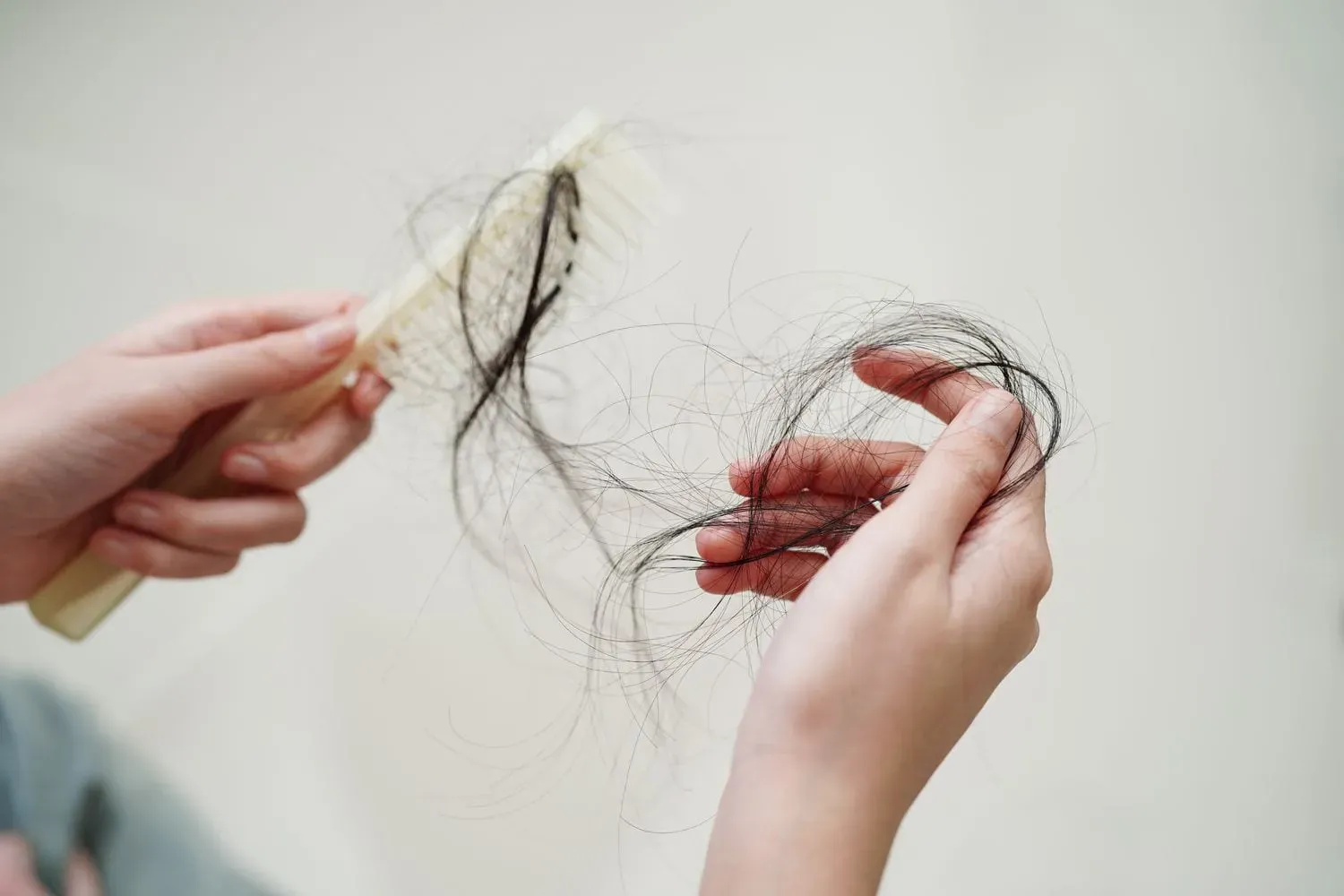
If you are losing more hair than usual, the right blood tests can show whether iron deficiency, a thyroid problem, low vitamin D or a hormonal imbalance is behind it. Blood tests for hair loss do not replace a scalp examination, but they are the quickest way to find treatable causes before you spend money on shampoos, supplements or procedures. This guide explains which tests doctors order, what the normal ranges are, how each result relates to hair loss and what it costs in Dubai.
At Doctors Clinic Diagnostic Center (DCDC) in Dubai Healthcare City, a GP can examine your scalp, order a targeted hair loss panel and explain your results in a single visit, with an on-site laboratory that provides same-day results for routine tests.
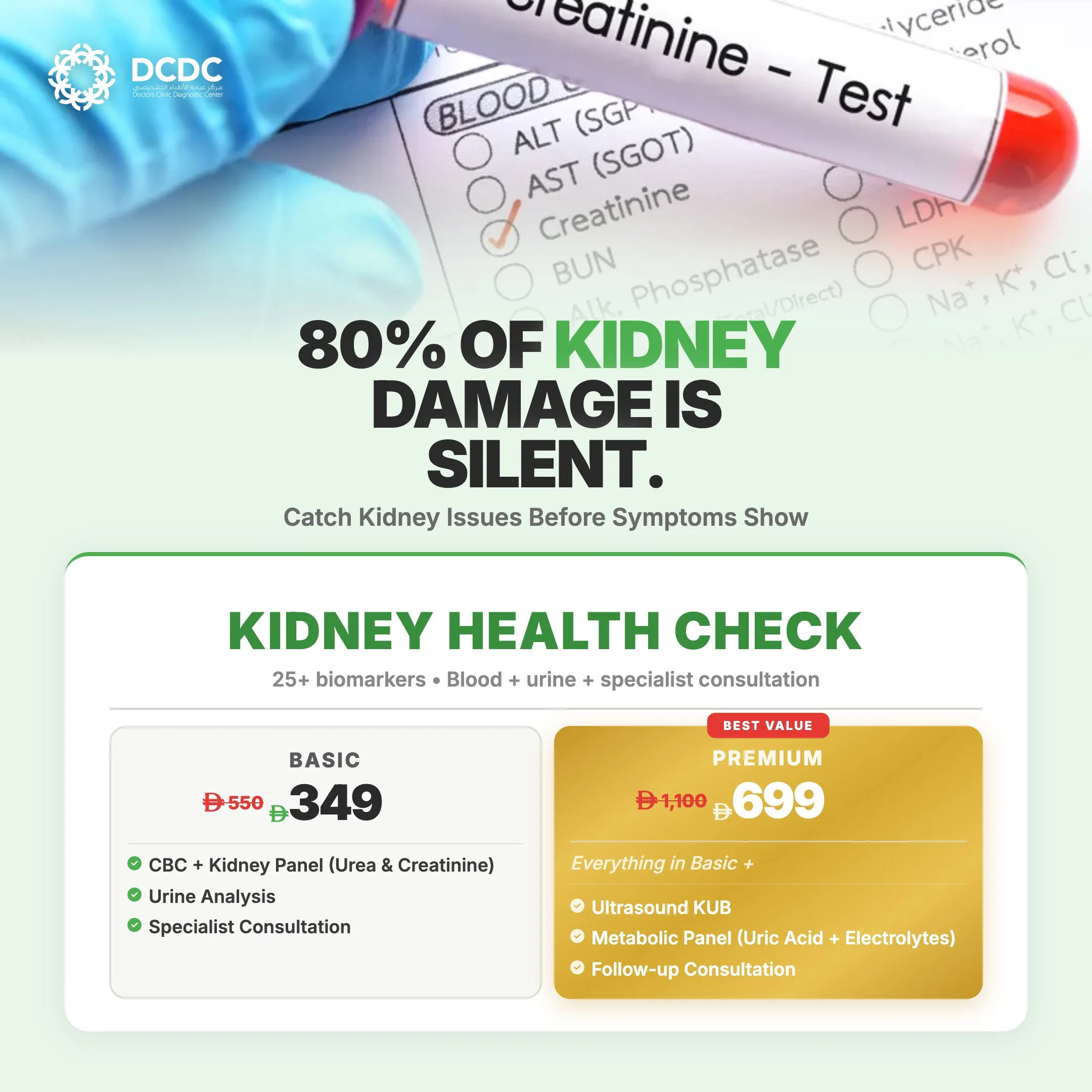
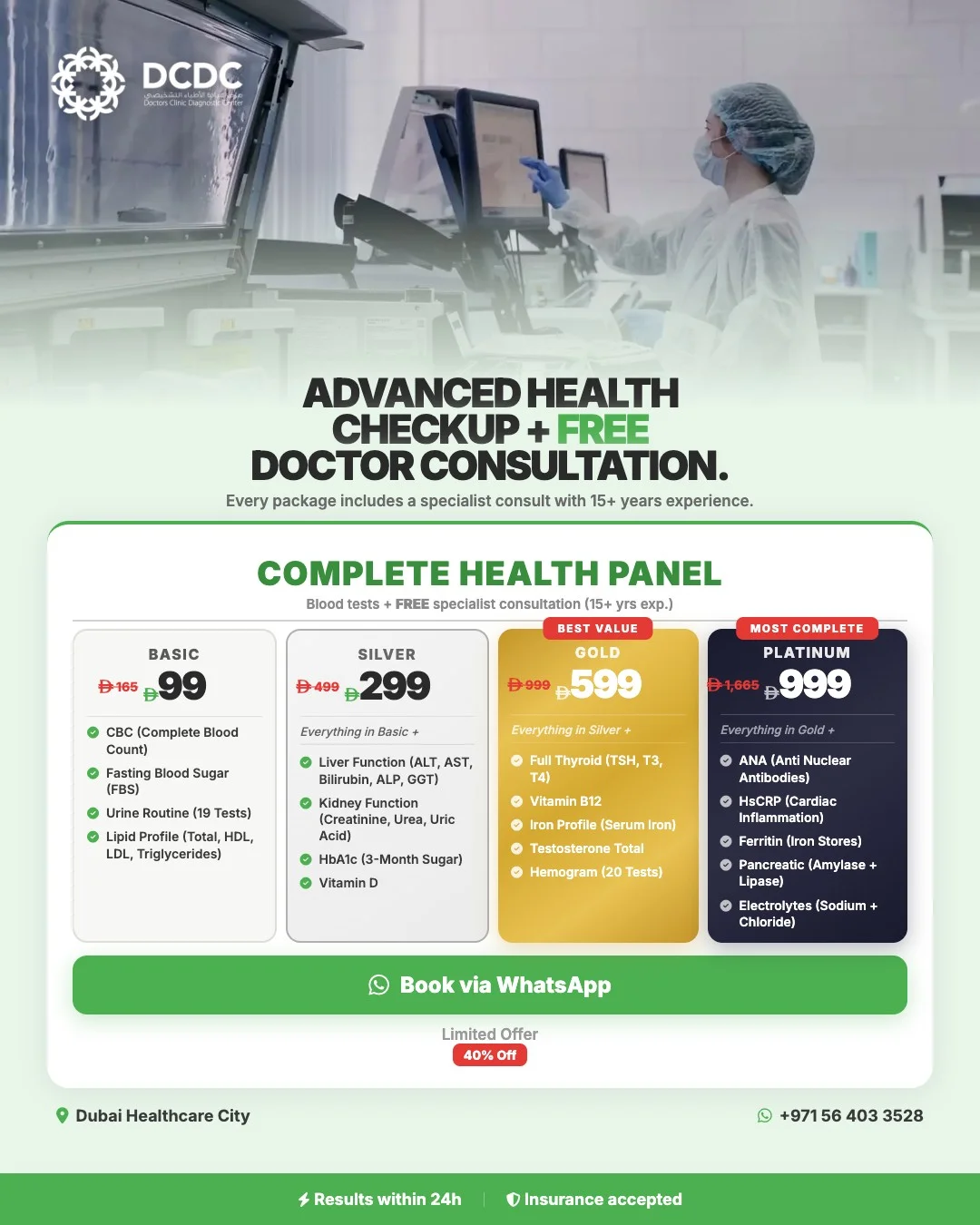
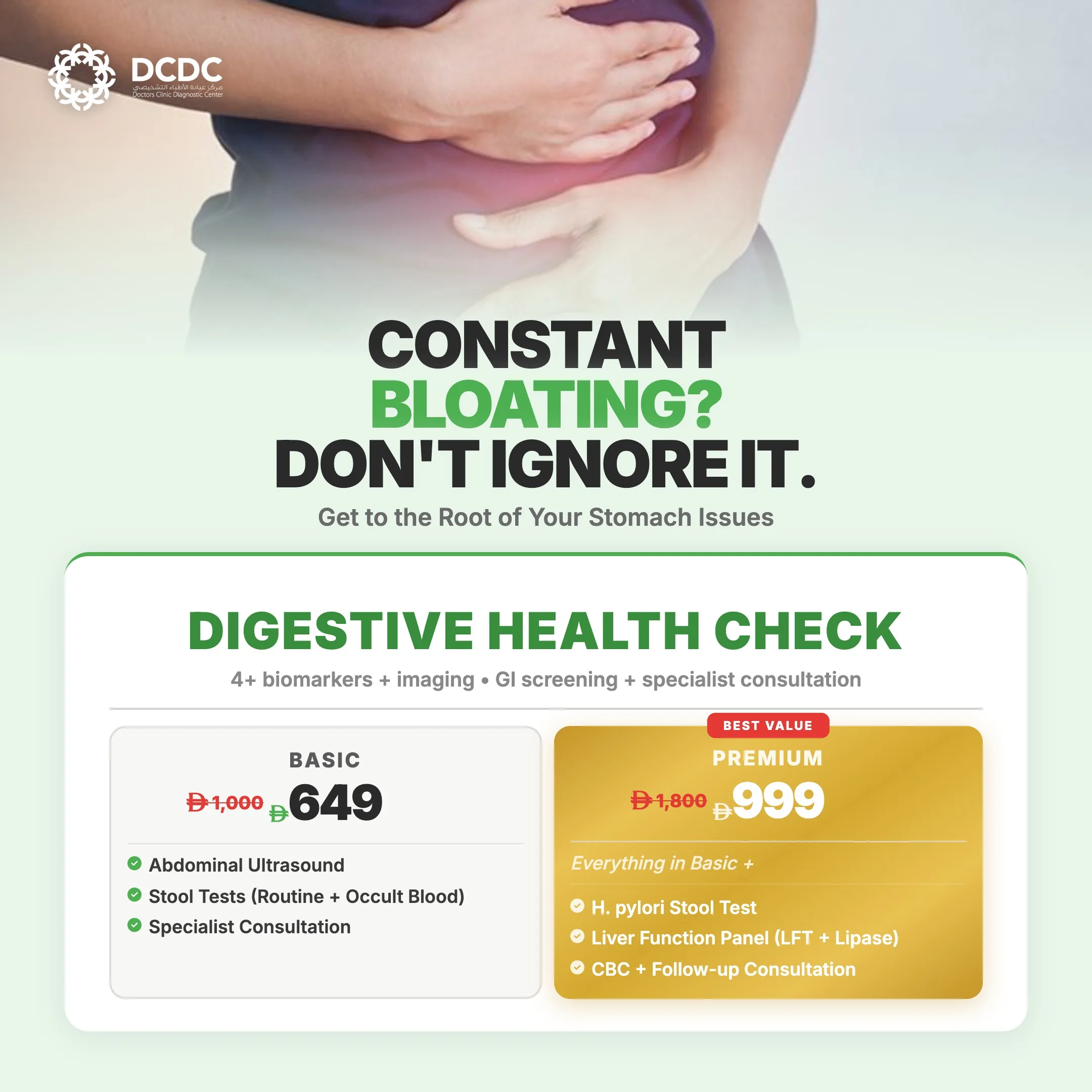
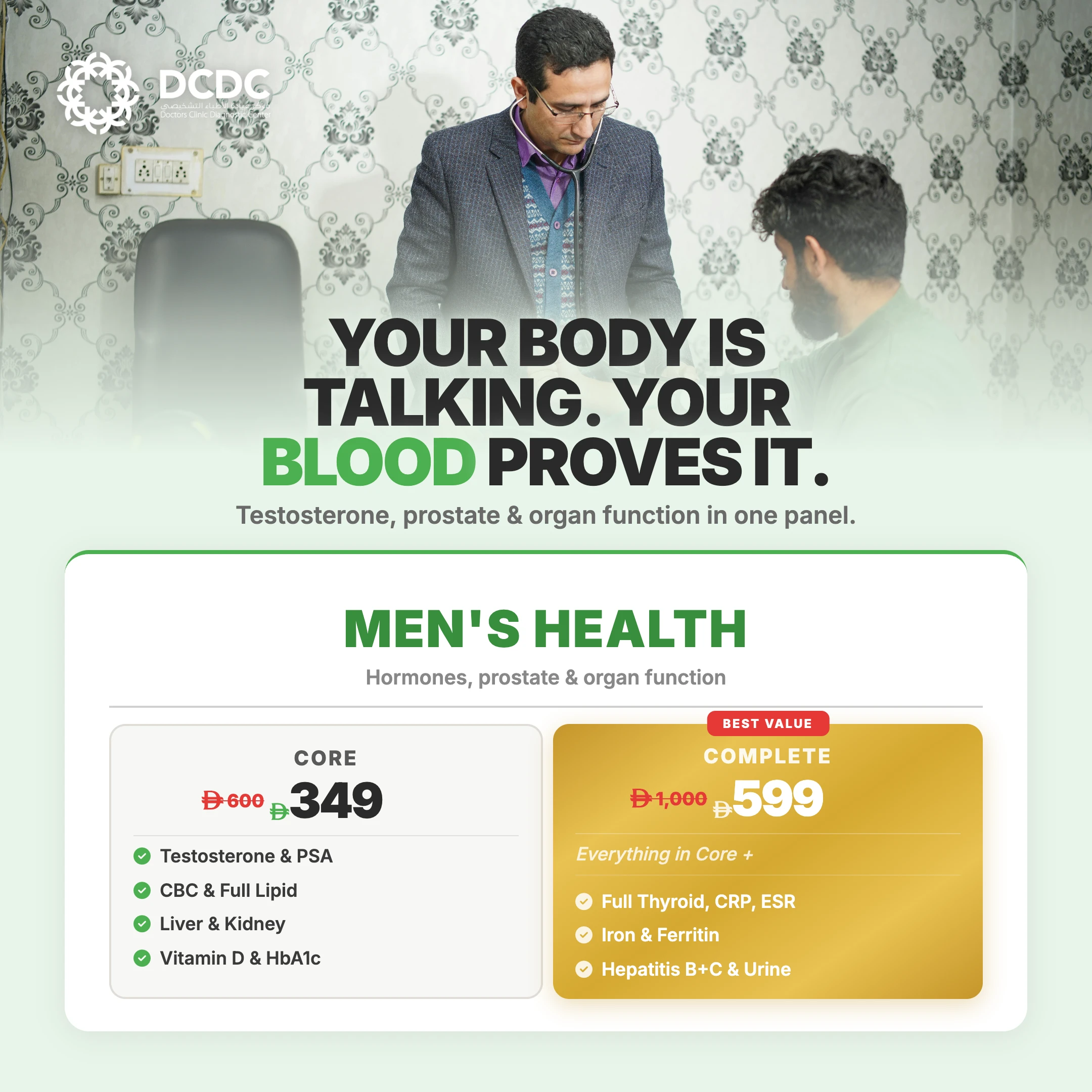
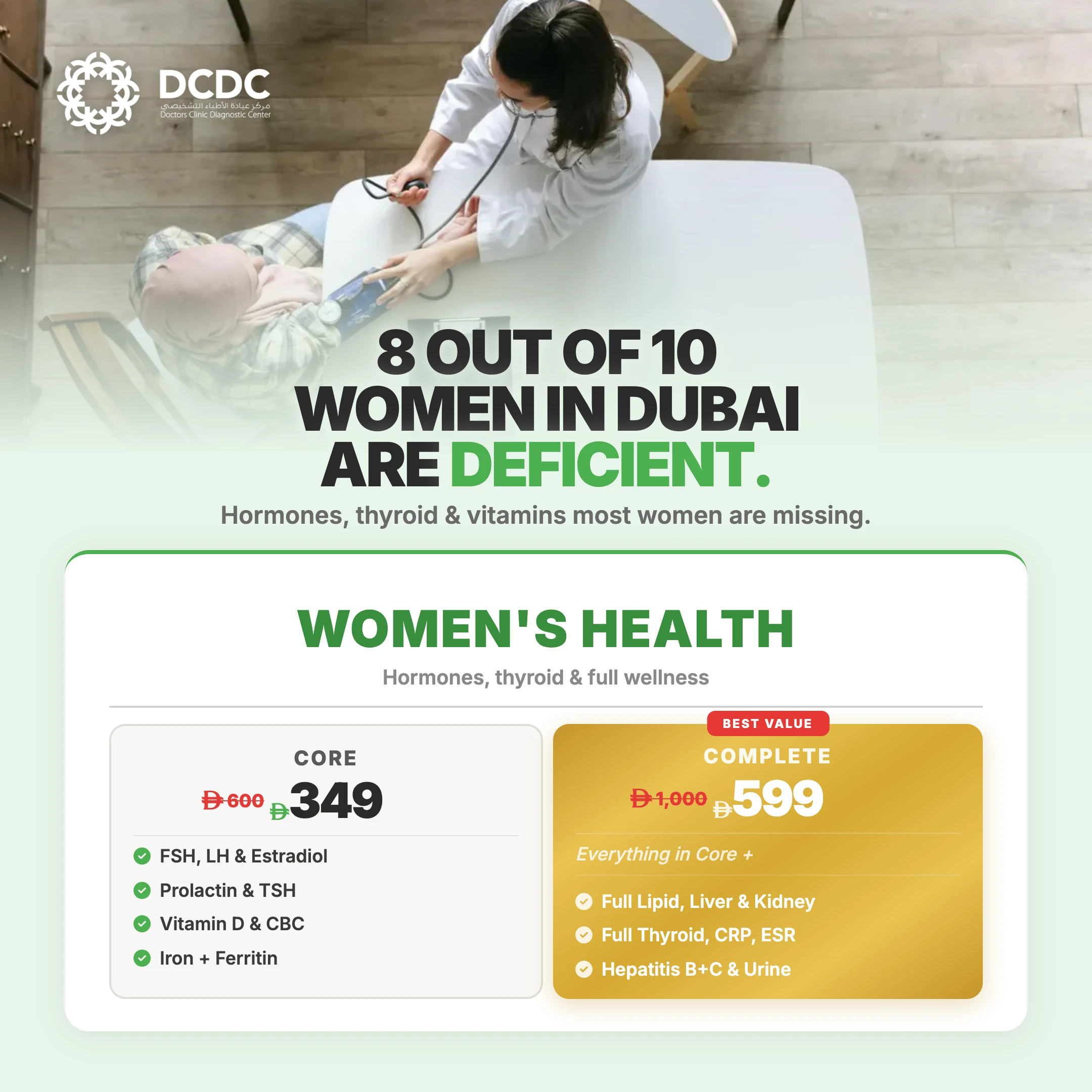
Health Screening Packages
Save with our bundled screening packages — specialist consultation included

Why Blood Tests Matter in Hair Loss Diagnosis
Hair loss is a symptom, not a diagnosis. Behind a thinning ponytail or a clogged shower drain there may be iron deficiency, a thyroid problem, low vitamin D, a hormonal imbalance, an autoimmune condition, or simply genetics. The scalp looks similar in many of these cases, which is why dermatologists and GPs rely on a combination of history, scalp examination and laboratory testing rather than guessing. The American Academy of Dermatology (AAD) notes that a doctor may order blood tests to look for medical causes such as thyroid disease or nutritional deficiencies when hair loss is not clearly explained by examination alone.
It is important to be realistic about what blood tests can and cannot do. They do not diagnose pattern hair loss (androgenetic alopecia) on their own, and a normal panel does not mean your hair loss is imaginary. What they do very well is identify correctable contributors, especially in diffuse shedding (telogen effluvium), where something has pushed a large number of follicles into the resting phase at once. Evidence for some markers is observational, and reference ranges vary between laboratories, so results are always interpreted together with your symptoms and examination by a doctor.
If you are already researching treatment, our hair loss treatment guide covers PRP, medical therapy and procedures. This article focuses on the step that should come first: finding out why you are losing hair, so that treatment is aimed at the right target.
The Hair Growth Cycle and What Disrupts It
Each hair follicle cycles through three phases: anagen (active growth, lasting 2 to 7 years), catagen (a short transition lasting a few weeks) and telogen (rest, lasting about 3 months, after which the hair sheds). Normally about 85 to 90 percent of scalp follicles are in anagen. Losing 50 to 100 hairs a day is normal.
Hair follicles are among the most metabolically active tissues in the body, so they are sensitive to shortages of iron, vitamins and thyroid hormone. When the body is under physiological stress, follicles can switch prematurely into telogen. Shedding then appears roughly 2 to 3 months after the trigger, which is why people often cannot connect their hair loss to an illness, crash diet or deficiency that began months earlier. That delay is one more reason a panel of blood tests is more useful than relying on memory.
The Essential Blood Test Panel for Hair Loss
Most doctors start with a core group of tests that capture the most common reversible causes. The table below summarises the tests we discuss in this guide, what each measures, typical reference ranges, how it relates to hair loss and what it costs at DCDC. Ranges are general adult values; individual laboratories and your doctor may apply slightly different cut-offs.
| Test | What It Measures | Typical Normal Range | Hair Loss Connection | DCDC Price |
|---|---|---|---|---|
| Ferritin | Stored iron | Women 15-150 ng/mL; men 30-300 ng/mL (many doctors aim above 40-50 for hair) | Low stores linked to telogen effluvium and diffuse shedding | AED 149 |
| Iron total | Circulating iron | Approx. 60-170 mcg/dL | Low levels support a diagnosis of iron deficiency | AED 149 |
| Iron panel (iron, TIBC, transferrin saturation) | Iron supply and transport | Transferrin saturation approx. 20-45% | Confirms whether iron deficiency is true or masked by inflammation | AED 299 |
| TSH | Thyroid stimulating hormone | Approx. 0.4-4.0 mIU/L | High or low values disrupt the hair cycle | AED 149 |
| Thyroid profile (TSH + FT3 + FT4) | Thyroid hormone output | FT4 approx. 0.8-1.8 ng/dL | Hypo- and hyperthyroidism both cause diffuse thinning | AED 399 |
| Vitamin D 25-OH | Vitamin D status | Sufficient: 30 ng/mL or above | Low levels reported in alopecia areata and shedding | AED 99 |
| Vitamin B12 | B12 stores | Approx. 200-900 pg/mL | Deficiency affects cell division in follicles | AED 149 |
| CBC | Red cells, white cells, platelets | Hemoglobin: women 12-15.5 g/dL; men 13.5-17.5 g/dL | Detects anemia and infection or inflammation clues | AED 149 |
| Total testosterone | Androgen level | Women approx. 15-70 ng/dL; men approx. 270-1,070 ng/dL | High in women may indicate PCOS-related thinning | AED 149 |
| DHEA-S | Adrenal androgen | Varies by age and sex | Raised levels point to adrenal androgen excess | AED 149 |
| Prolactin | Pituitary hormone | Non-pregnant women approx. under 25 ng/mL | High levels can disturb hormones and cycles | AED 149 |
| FSH | Pituitary hormone | Varies by cycle phase | Helps assess ovarian function and menopause transition | AED 149 |
| LH | Pituitary hormone | Varies by cycle phase | LH:FSH ratio can support a PCOS assessment | AED 149 |
| ANA | Antinuclear antibodies | Negative or low titre | Screens for autoimmune disease such as lupus | AED 149 |
| ESR | Inflammation marker | Approx. 0-20 mm/hr (varies by age and sex) | Raised in inflammatory and autoimmune conditions | AED 99 |
| Female hormone panel | Combined reproductive hormones | Interpreted by cycle phase | One-visit hormone work-up for women with thinning and irregular cycles | AED 499 |
Hair loss blood tests, reference ranges and DCDC prices (2026). Ranges are indicative and vary by laboratory.
You will rarely need every test. A GP typically selects a focused set based on your age, sex, cycle history, diet, medications and the pattern of shedding. Below we explain the most important tests one by one.
Ferritin and Iron Studies: The First Place to Look
Ferritin: your iron savings account
Ferritin is the protein that stores iron, and it is usually the single most useful blood test for hair loss in women. Iron is required by the enzyme that drives rapid cell division in the hair matrix. When iron stores fall, the body prioritises red blood cells and sacrifices non-essential tissues such as hair. Importantly, this can happen long before hemoglobin drops, so a normal CBC does not exclude it. Our ferritin test guide explains the stages of iron depletion in depth.
Laboratory reference ranges often start as low as 10 to 15 ng/mL, but this is where anemia becomes likely, not where hair is happiest. Many dermatologists treat ferritin below roughly 30 to 40 ng/mL as relevant in diffuse hair loss, and some aim for 50 ng/mL or higher. The evidence for a single optimal threshold is mixed, so your doctor will weigh the number against your symptoms. Ferritin is also an acute-phase protein: infection or inflammation can push it up and hide a true deficiency, which is why an iron panel is sometimes added. A standalone ferritin test costs AED 149 at DCDC.
Iron total and the iron panel
Serum iron measures the iron circulating in your blood right now and varies with meals and time of day. On its own it is a weak guide, but combined with TIBC and transferrin saturation in the AED 299 iron panel it shows whether iron supply to tissues is truly low. Read more about interpreting the full set in our iron deficiency and anemia test guide.
Who is most at risk in Dubai? Women with heavy periods, vegetarians and vegans, people who have recently dieted, blood donors, pregnant and postpartum women, and those with digestive conditions such as coeliac disease. Many Dubai residents also drink a lot of tea and coffee with meals, which reduces non-heme iron absorption.
Thyroid Tests: TSH, Free T3 and Free T4
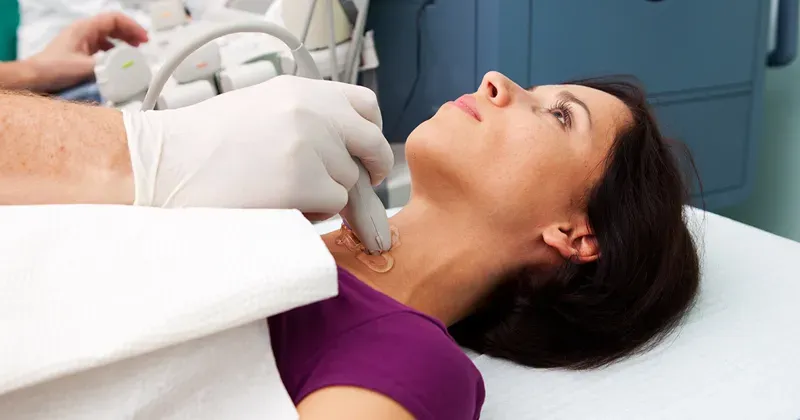
The thyroid gland sets the metabolic pace of the whole body, including the hair follicle. Both an underactive thyroid (hypothyroidism) and an overactive one (hyperthyroidism) can cause diffuse hair thinning, along with dry, brittle hair and, in hypothyroidism, thinning of the outer eyebrows. Cleveland Clinic notes that thyroid disease is a recognised cause of hair loss and that hair often regrows once thyroid levels are controlled.
The first-line test is TSH (AED 149), which rises when the thyroid is underactive and falls when it is overactive. If TSH is abnormal, or symptoms strongly suggest thyroid disease, the thyroid profile with TSH, free T3 and free T4 (AED 399) gives the full picture. Antibody tests may be added if autoimmune thyroiditis is suspected. Typical TSH reference limits are about 0.4 to 4.0 mIU/L. To understand what each value means, see our thyroid test guide.
A note on strength of evidence: a small 2022 study of women with diffuse hair loss did not find a strong association with thyroid dysfunction, while low ferritin and vitamin D appeared more relevant. That does not make thyroid testing unnecessary, because untreated thyroid disease matters for your health far beyond hair, but it is a reminder that a normal TSH is common in people with hair loss.
Vitamin D: Common in Dubai Despite the Sunshine
Vitamin D receptors are present in hair follicles and the vitamin appears to play a role in follicle cycling. Low 25-hydroxyvitamin D levels have been reported in people with alopecia areata, telogen effluvium and pattern hair loss, although it is not yet proven that correcting vitamin D reverses hair loss in people who are not deficient. The 25-OH vitamin D test (AED 99) is the standard measure.
Sufficiency is generally defined as 30 ng/mL or above, with 20 to 30 ng/mL considered insufficient and below 20 ng/mL deficient, although some sources use slightly different cut-offs. Paradoxically, deficiency is very common in the UAE. Many residents spend their days in air-conditioned offices, malls and cars, avoid midday sun for good reason, use sun protection, or wear covering clothing for cultural or personal preference. See our full vitamin D deficiency guide for causes and treatment.
Vitamin B12, Folate and the Complete Blood Count
Vitamin B12
Vitamin B12 supports DNA synthesis and red blood cell formation, both essential for rapidly dividing follicle cells. Deficiency is more likely in vegetarians and vegans, older adults, people with digestive disorders, and long-term users of metformin or acid-reducing medicines. B12 costs AED 149. Levels in the low-normal range can still cause symptoms, so your doctor may consider additional testing if you are symptomatic.
Complete blood count (CBC)
The CBC (AED 149) measures hemoglobin, red cell size, white cells and platelets. Low hemoglobin with small red cells (low MCV) points to iron deficiency anemia; large red cells suggest B12 or folate deficiency; abnormal white cells can hint at infection or other illness. It is a broad screen that complements ferritin rather than replacing it, because iron stores can be depleted while the CBC remains normal.
Hormone Tests: Testosterone, DHEA-S, Prolactin, FSH and LH
In women, androgen excess is a well-known cause of scalp hair thinning, usually at the crown and parting, often with acne, excess facial or body hair and irregular periods. The British Association of Dermatologists (BAD) advises that women with hair loss plus signs of androgen excess should be investigated for conditions such as polycystic ovary syndrome (PCOS). Useful tests include total testosterone (AED 149), DHEA-S (AED 149), prolactin (AED 149), FSH (AED 149) and LH (AED 149). Timing matters: many female hormones should be drawn on a specific day of the menstrual cycle, so ask your doctor before booking.
DCDC also offers a female hormone panel at AED 499, which combines the key reproductive hormones in a single draw and is usually better value than ordering several tests separately. In men, hormone testing is less often needed for typical male pattern hair loss, which is driven by sensitivity of follicles to dihydrotestosterone rather than abnormal blood levels, but a doctor may check testosterone if there are other symptoms such as low libido or fatigue.
Additional Tests: ANA, ESR, Zinc and Cortisol
- ANA (antinuclear antibody, AED 149): screens for autoimmune conditions such as lupus, which can cause scarring or patchy hair loss. A positive result needs clinical correlation because low-titre ANA is common in healthy people.
- ESR (AED 99): a general marker of inflammation that may be raised in autoimmune or chronic inflammatory disease.
- Zinc: zinc deficiency has been linked to hair shedding, particularly in people with poor intake, malabsorption or restrictive diets. Zinc is ordered selectively; supplementing without a documented deficiency can lower copper and is not advised.
- Cortisol: chronic stress affects the hair cycle, but a random cortisol level rarely changes management. It is reserved for suspected adrenal or pituitary disorders.
- Fasting glucose or HbA1c: sometimes added in women with suspected PCOS or insulin resistance.
Ask your doctor which of these are relevant to you. Ordering large unfocused panels can produce borderline results that cause anxiety without changing treatment.
When Should You Get Tested?
The AAD recommends seeing a board-certified dermatologist or doctor if you notice sudden or patchy hair loss, rapid thinning, or loss with other symptoms. Consider blood tests for hair loss if you recognise any of the following:
- Diffuse shedding that has lasted more than 6 to 8 weeks, or noticeably more hair in the shower, brush or on your pillow
- Visible thinning at the parting, crown or temples, especially in women
- Fatigue, pale skin, breathlessness or restless legs (possible iron deficiency)
- Weight change, feeling cold or overheated, constipation, palpitations or mood changes (possible thyroid disease)
- Irregular or absent periods, acne or unwanted facial hair (possible hormonal cause)
- Heavy periods, a recent pregnancy, crash diet, surgery, high fever or serious illness in the last 3 to 6 months
- Vegetarian or vegan diet, digestive disease, or long-term use of medicines that affect nutrient absorption
- Patchy bald spots, scalp redness, scaling, pain or burning (needs examination as well as bloods)
Dubai lifestyle factors worth mentioning to your doctor
- Indoor lifestyle and covered clothing: reduce sun-driven vitamin D production, so deficiency is common despite the climate.
- Heat and air conditioning: the move between outdoor heat and cold AC dries the scalp and hair shaft, increases breakage and can aggravate dandruff or seborrheic dermatitis. These worsen the appearance of thinning but are not the same as true shedding.
- High stress and long working hours: relocation, work pressure and distance from family are common in the expat community. Major stress can trigger telogen effluvium 2 to 3 months later.
- Hard, desalinated water: mineral build-up can leave hair dry and brittle and irritate the scalp. It rarely causes true hair loss, but it can contribute to breakage; a shower filter and gentle shampoos may help.
Understanding Your Results
Receiving a lab report can be confusing. A few principles help:
- Normal does not always mean optimal: a ferritin of 18 ng/mL falls inside many laboratory ranges but may be too low for healthy hair growth. Your doctor interprets values in context.
- One abnormal result does not equal the cause: hair loss often has more than one contributor, such as mild iron deficiency plus stress plus genetic thinning.
- Inflammation can distort results: ferritin rises during infection, so a recent illness can mask low stores.
- Biotin can interfere with tests: high-dose biotin supplements can falsely alter thyroid and some hormone assays. Tell your doctor and consider stopping biotin for several days before testing, as advised by your doctor.
- Timing and fasting: iron tests are best in the morning; hormone tests may need to be timed to your cycle.
If every test comes back normal, that is useful information too. It points towards androgenetic alopecia, a scalp condition, or a trigger that has already passed, and your doctor may recommend examination with dermoscopy or a referral to a dermatologist.
Treatment Pathways Based on Your Results
| Result | Typical Next Step | Notes |
|---|---|---|
| Low ferritin or iron deficiency | Iron supplementation with dietary changes; investigate the cause (periods, diet, absorption) | Repeat ferritin after about 3 months; regrowth takes 6 months or longer |
| Abnormal thyroid tests | Thyroid treatment or further tests such as antibodies | Hair usually recovers once hormone levels normalise |
| Low vitamin D | Vitamin D3 replacement at a dose chosen by your doctor, then maintenance | Recheck after 8 to 12 weeks |
| Low B12 | B12 supplementation or injections depending on severity and cause | Look for cause such as diet or medication |
| Raised androgens or PCOS features | Hormonal assessment, medical therapy, lifestyle measures | May need gynaecology or endocrine input |
| Positive ANA or high ESR | Further autoimmune work-up and specialist referral | Interpret alongside symptoms |
| All tests normal | Examine for pattern hair loss or scalp disease; consider topical minoxidil, PRP or other options | See our hair loss treatment guide |
What doctors commonly do with abnormal hair loss blood tests.
Treating a deficiency is not a quick fix. Because of the hair cycle, you will typically see shedding slow after 2 to 3 months and visible regrowth after 4 to 6 months of treatment. Taking supplements without testing is not advised: excess iron is harmful, and over-supplementing vitamins such as vitamin A and selenium can itself cause hair loss. Once any deficiency is corrected, if thinning persists, treatments such as minoxidil or PRP covered in our hair loss treatment guide can be considered.
What to Expect at DCDC
At Doctors Clinic Diagnostic Center in Dubai Healthcare City, the process is designed to be efficient so that you leave with answers rather than more questions.
- GP consultation: from AED 249. Dr. Hadeel Elnur or another GP reviews your history, examines your scalp and orders the right tests rather than an unnecessary long list.
- On-site laboratory: samples are drawn and processed in our own laboratory, with same-day results for routine tests.
- One-visit hair loss panel: a comprehensive panel (for example ferritin, iron, thyroid, vitamin D, B12 and CBC) can be collected in a single visit.
- Results discussion: your GP explains the numbers and builds a plan, with referral to dermatology if needed.
- Home collection: available at the same test prices plus a collection fee of AED 199 per visit, so combine all tests into one visit.
- Insurance: 20+ insurance partners with direct billing.
- Location and hours: Dubai Healthcare City with free parking. Open Saturday to Thursday 8AM-10PM and Friday 9AM-9PM.
As an example of cost, a basic hair loss work-up of ferritin (AED 149), TSH (AED 149), vitamin D (AED 99), vitamin B12 (AED 149) and CBC (AED 149) comes to AED 695 before the consultation. Prices are subject to confirmation at booking, and insurance coverage depends on your plan.
Find Out Why You Are Losing Hair
Book a GP consultation and a hair loss blood test panel at DCDC in Dubai Healthcare City. Same-day results for routine tests and direct insurance billing.
WhatsApp us to book your appointment
Final Thoughts
Blood tests are a practical first step in hair loss, particularly when shedding is sudden or diffuse. They will not explain everything, but they can quickly uncover treatable issues such as low iron stores, thyroid disease and vitamin deficiencies.
Related Services at DCDC
Expert care and advanced diagnostics at Dubai Healthcare City
Frequently Asked Questions
Final Thoughts
Blood tests are a practical first step in hair loss, particularly when shedding is sudden or diffuse. They will not explain everything, but they can quickly uncover treatable issues such as low iron stores, thyroid disease and vitamin deficiencies, and they give your doctor a clear baseline for follow-up.
At DCDC in Dubai Healthcare City, you can see a GP, have a complete hair loss panel drawn in one visit and discuss your results with the same team. Book a consultation or ask about home collection to start finding the cause of your hair loss. This article is for general information and is not a substitute for personal medical advice.
Sources & References
This article references the following sources:
- American Academy of Dermatology - Hair Loss: Diagnosis and Treatment
- British Association of Dermatologists - Hair Loss Patient Information
- Cleveland Clinic - Hair Loss
- Cleveland Clinic - Telogen Effluvium
- American Academy of Dermatology - Hair Loss: Who Gets and Causes
This information is educational and does not replace individual medical advice. See our editorial policy for more information.

Written by
Dr. Hadeel Elnur
General Practitioner
MD, General Practice
Dr. Hadeel Elnur is a General Practitioner at Doctors Clinic Diagnostic Center (DCDC) in Dubai Healthcare City.
Related Articles
Hair Loss Treatment Dubai: PRP & Options (2026)
Ferritin Test Dubai: Price & Normal Range (2026)
Iron Deficiency & Anemia Test Dubai: Guide (2026)
Thyroid Test Dubai: TSH, T3 & T4 Guide (2026)

Vitamin D Deficiency Dubai: Signs & Treatment (2026)
More in Dermatology

Wart Removal Cost Dubai: Methods & Prices (2026)
Read MoreHyperpigmentation Treatment Dubai: Guide (2026)
Read More
Stretch Marks Treatment Dubai: Options (2026)
Read MoreSkin Signs to See a Dermatologist Dubai (2026)
Read MoreVitiligo Treatment Dubai: Causes & Care (2026)
Read MoreSkin Tag Removal Cost Dubai: From AED 300 (2026)
Read More© 2026 Doctors Clinic Diagnostic Center (DCDC), Dubai Healthcare City. Originally published at https://doctorsclinicdubai.ae/blog/blood-tests-for-hair-loss-dubai. All rights reserved. Unauthorized reproduction is prohibited.