Key Takeaways
- Swollen feet and ankles are usually harmless — caused by prolonged standing, Dubai's summer heat, long flights, or a salty meal — but persistent, one-sided, or worsening swelling can signal heart, kidney, or liver disease that needs prompt evaluation
- Red flag symptoms include sudden swelling in only one leg, swelling with chest pain or breathlessness, or swelling that leaves a deep pit when pressed for more than a few seconds — these warrant same-day medical attention, not a wait-and-see approach
- Dubai's climate creates a genuine dehydration paradox: extreme outdoor heat combined with heavily air-conditioned interiors makes blood vessels repeatedly dilate and constrict, worsening fluid pooling in the lower legs even in people who are drinking enough water
- The three organs most often responsible for gradual, bilateral swelling are the heart, kidneys, and liver — which is why a proper workup includes blood tests and often an ECG or echocardiogram rather than just rest and elevation
- A simple pitting test — pressing a finger into the swollen area for 5 seconds — is a useful home check: an indentation that lingers points toward fluid overload rather than simple gravity-related swelling
- Diagnosis usually starts with one GP consultation and a targeted blood panel — kidney function, liver function, and inflammatory markers can all be drawn in a single visit, with same-day results from an on-site laboratory
- At DCDC Dubai Healthcare City, swollen feet evaluation starts with a GP consultation from AED 200, and the same-day team can add a blood panel, kidney function test, ECG, or echocardiogram without booking separate clinic visits
Swollen feet and ankles are one of the most common reasons adults in Dubai visit a general practitioner — and one of the most frequently misunderstood symptoms in general medicine. For most people, mild swelling after a long-haul flight, a full shift on their feet in the heat, or a salty meal at a weekend brunch is harmless and settles within a day or two. But swelling that persists, keeps getting worse, shows up in only one leg, or arrives together with breathlessness or chest discomfort can be an early warning sign of heart, kidney, or liver disease. Dubai's extreme summer heat, long hours spent in air-conditioned offices and malls, and frequent travel through the city's airports all add extra strain on the circulatory system, which is why ankle and foot swelling becomes a near-universal complaint from May through September. This guide walks through the full range of causes, the red flags that mean you should not wait, how doctors work out what's really going on, and what a same-day evaluation looks like in practice. If you are noticing swelling that concerns you, DCDC's General Consultation service offers same-day assessment with on-site blood testing at Dubai Healthcare City.
From the everyday causes of a long Dubai summer day to the red flags that point toward heart, kidney, or liver disease, this guide covers everything you need to know about swollen feet and ankles — including the diagnostic tests your doctor may order and what treatment looks like at every stage. Reviewed by Dr. Hadeel Elnur, General Practitioner at DCDC Dubai Healthcare City.
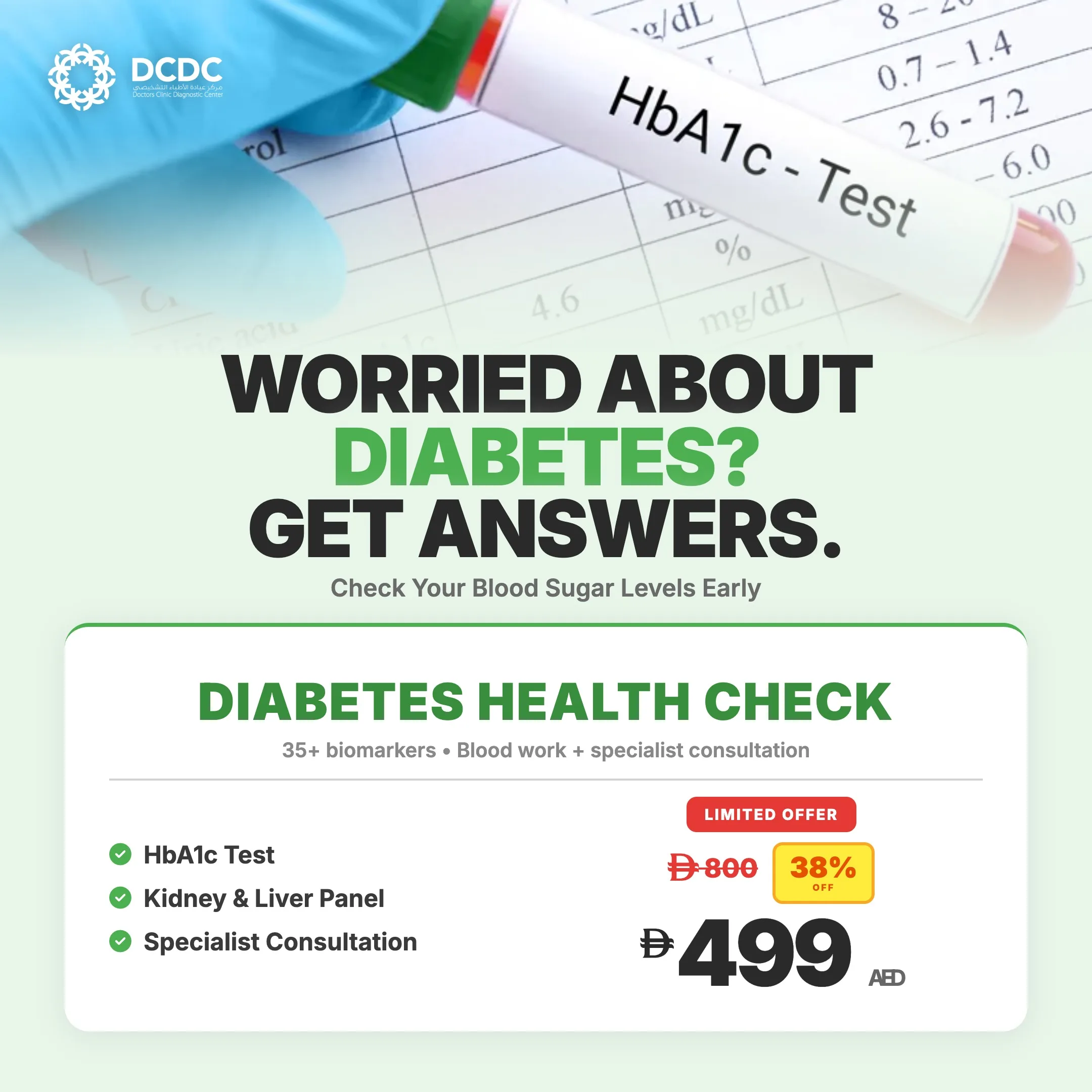
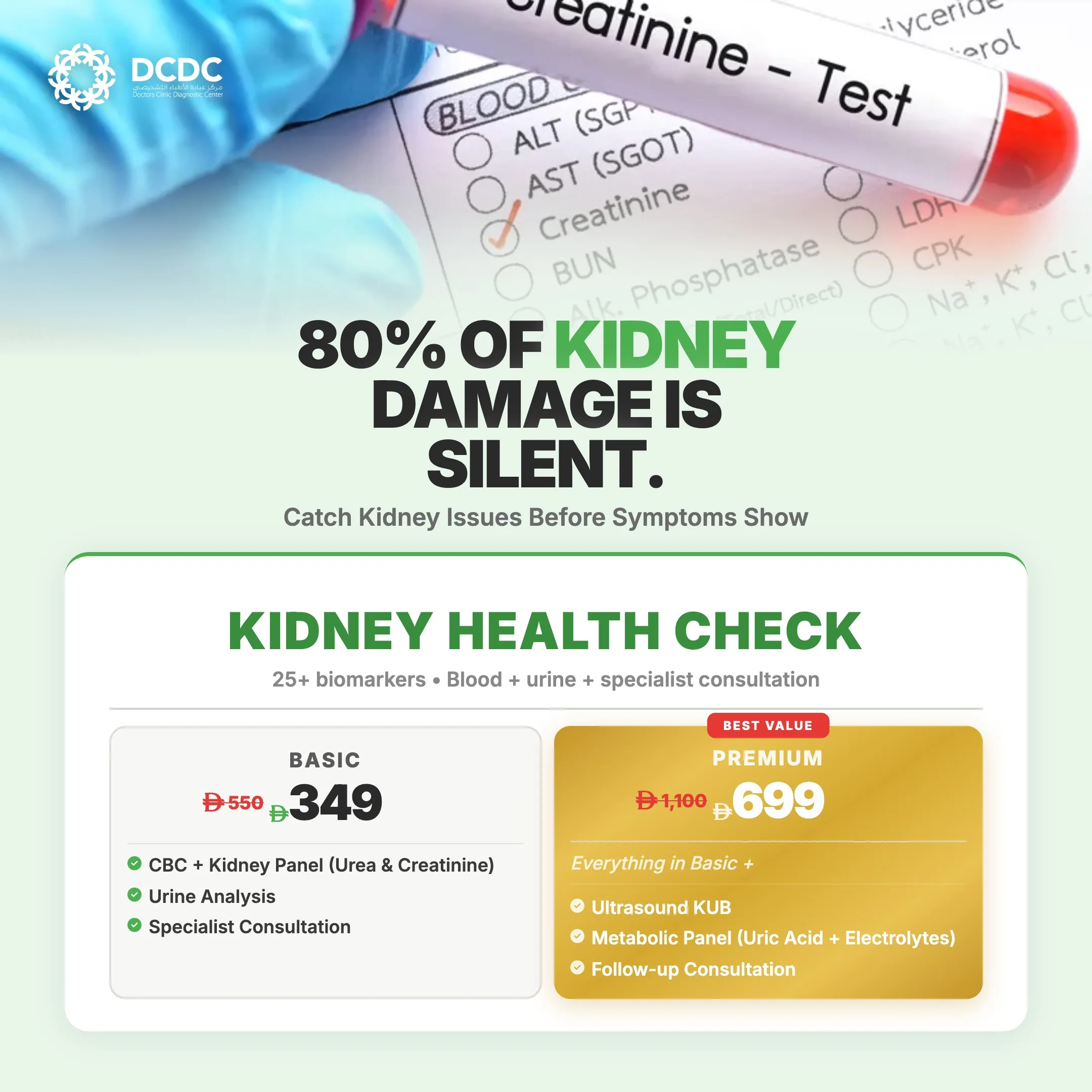
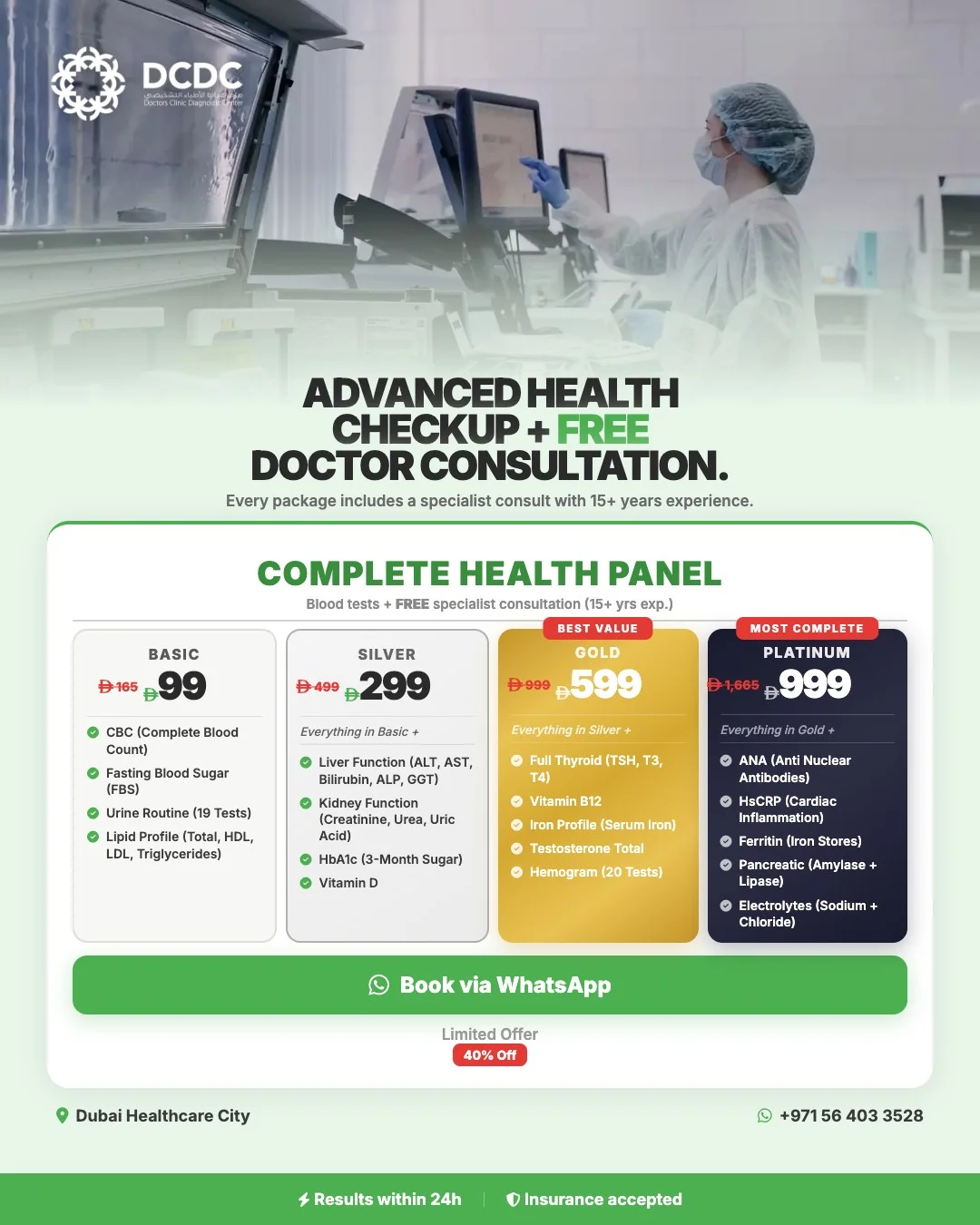
Health Screening Packages
Save with our bundled screening packages — specialist consultation included



Swollen Feet and Ankles: Red Flags You Should Never Ignore
Most swelling in the feet and ankles is not dangerous, but a handful of warning signs should prompt you to seek medical attention the same day rather than waiting to see if it settles on its own. Learning to recognise these red flags early can be the difference between a routine consultation and an emergency room visit.
- Sudden swelling in only one leg, especially with pain, warmth, or redness in the calf — this pattern can indicate a deep vein thrombosis (DVT), a blood clot that requires urgent evaluation
- Swelling with chest pain, shortness of breath, or a rapid or irregular heartbeat — this combination can point to heart failure or, in the most serious cases, a pulmonary embolism
- Swelling accompanied by fever, which may suggest a skin or soft tissue infection (cellulitis) rather than simple fluid retention
- New swelling during pregnancy together with a severe headache, blurred vision, or pain under the ribs — these are warning signs of pre-eclampsia and need immediate assessment
- Rapid, unexplained weight gain of a kilogram or more over a few days, which often reflects fluid retention rather than fat gain
- Skin changes over the swollen area — tight, shiny, discoloured (pale, blue, or dark), or beginning to break down or ulcerate
- Gradual swelling in both legs over several weeks that does not improve with rest, elevation, or reduced salt intake
- Reduced urine output alongside swelling, which can point toward kidney involvement
If you experience any of the above — particularly sudden one-sided swelling with pain, or swelling with chest pain and severe breathlessness — treat it as urgent. If you have chest pain, are struggling to breathe, or cough up blood alongside leg swelling, call 998 (UAE ambulance) immediately, since this combination can indicate a pulmonary embolism, a medical emergency.
What Causes Swollen Feet and Ankles?
The medical term for swelling caused by fluid build-up in the tissues is edema. It happens when fluid leaks out of small blood vessels into the surrounding tissue faster than the lymphatic system can drain it away. Gravity pulls this excess fluid downward, which is why the feet and ankles are usually the first and most visible place it shows up. The list of possible causes is long, ranging from completely benign lifestyle factors to serious underlying disease, so context and accompanying symptoms matter enormously.
Everyday and Lifestyle Causes
- Prolonged standing or sitting: Gravity causes fluid to pool in the lower legs when the calf muscles, which normally help pump blood back to the heart, are not being used
- Long-haul flights and long car journeys: Sitting still for several hours reduces circulation in the legs, a particularly common issue for residents flying frequently through Dubai's airports
- Hot weather: Heat causes blood vessels to widen (vasodilation) to help cool the body, which increases pressure in the small vessels of the legs and pushes fluid into surrounding tissue
- High salt intake: Excess sodium causes the body to retain more water, a common contributor after restaurant meals or processed foods
- Normal pregnancy swelling: Increased blood volume and pressure from the growing uterus on pelvic veins commonly cause mild ankle swelling, especially in the third trimester
- Tight footwear or clothing: Restrictive shoes or compression around the calves and thighs can impede venous return
- Certain medications: Calcium channel blockers (for blood pressure), NSAIDs like ibuprofen, corticosteroids, some diabetes medications, and hormone therapy are well-known causes of medication-related swelling
Medical Causes That Need Evaluation
- Chronic venous insufficiency: Damaged or weakened valves in the leg veins allow blood to pool instead of flowing efficiently back to the heart
- Heart failure: When the heart cannot pump efficiently, blood backs up in the veins, forcing fluid into the tissues — usually causing swelling in both legs that worsens through the day. Read more in our heart disease symptoms guide for Dubai
- Kidney disease: Damaged kidneys struggle to remove excess sodium and water, and can also leak protein into the urine, both of which drive fluid retention. See our guide to chronic kidney disease stages for more detail
- Liver disease (cirrhosis): A damaged liver produces less albumin, the protein that keeps fluid inside blood vessels, and can also raise pressure in the portal vein, causing fluid to leak into the legs and abdomen
- Lymphedema: Blockage or damage to the lymphatic system, often after surgery, radiation, or infection, prevents lymph fluid from draining properly
- Deep vein thrombosis (DVT): A blood clot in a deep leg vein blocks normal blood flow, typically causing sudden, painful, one-sided swelling
- Hypothyroidism: An underactive thyroid can cause a distinctive non-pitting swelling, along with fatigue, weight gain, and cold intolerance
- Infection (cellulitis): A bacterial skin infection causes localised swelling, warmth, redness, and often fever
Common Causes of Swollen Feet and Ankles at a Glance
Because so many conditions can cause similar-looking swelling, doctors rely heavily on the pattern of swelling and the symptoms that accompany it to narrow down the cause. The table below summarises the most useful clues:
| Possible Cause | Typical Pattern | Other Clues |
|---|---|---|
| Heat, standing, or travel | Both feet, worse by evening, improves overnight | No other symptoms; resolves with rest and elevation |
| Heart failure | Both legs, worse in the evening, slowly progressive | Breathlessness, fatigue, rapid weight gain, difficulty lying flat |
| Kidney disease | Both legs, often with puffiness around the eyes in the morning | Foamy urine, reduced urine output, fatigue, itching |
| Liver disease (cirrhosis) | Both legs plus abdominal swelling | Yellowing of skin or eyes, easy bruising, spider veins |
| Deep vein thrombosis | One leg only, sudden onset | Pain, warmth, and redness in the calf; may worsen with walking |
| Chronic venous insufficiency | Both legs, worse by end of day | Improves with elevation, visible varicose veins, skin discolouration |
| Medication side effect | Both legs, gradual onset after starting a new drug | Linked to calcium channel blockers, steroids, or NSAIDs |
| Lymphedema | One or both legs, non-pitting, persistent | History of surgery, radiation, or recurrent infection |
This table is a general guide, not a diagnosis. Many causes overlap and only a clinical assessment can confirm the cause of your swelling.
Why Dubai's Heat and Lifestyle Make Ankle Swelling Worse
Dubai's climate does not cause swelling on its own, but it amplifies almost every risk factor described above. Understanding why can help you tell the difference between a normal reaction to the environment and something that needs medical attention.
The Air-Conditioning Paradox
Stepping between 45°C outdoor heat and heavily air-conditioned interiors set to 18-20°C forces your blood vessels to repeatedly dilate and constrict within minutes. This constant vascular "whiplash" is more taxing on circulation than a stable temperature in either direction, and it is one of the reasons office workers, retail staff, and anyone commuting frequently between outdoor heat and cold interiors in Dubai often notice their ankles swelling more than they would in a milder, more consistent climate.
The Dehydration Paradox
It seems counter-intuitive, but under-hydration can actually make swelling worse, not better. When the body senses reduced fluid intake, it responds by retaining sodium and water more aggressively to protect blood volume — and that retained fluid tends to pool in the ankles and feet, especially after a day of heat exposure and sweating. Ironically, many people in Dubai reduce their water intake in the mistaken belief this will "dry out" the swelling, when in fact adequate hydration helps the kidneys flush excess sodium and reduces fluid retention. For more on how heat and hydration interact, see our guide to dehydration symptoms and treatment in Dubai.
Prolonged Standing, Sitting, and Commuting
Dubai's retail, hospitality, and healthcare workforces spend long shifts on their feet, while office workers and drivers often sit for hours in traffic or at a desk. Both extremes reduce the calf muscle's natural pumping action on the leg veins, allowing fluid to pool by the end of the day. Long commutes and frequent regional travel through Dubai's airports add another layer, since sitting still for two or more hours reduces venous return in exactly the same way as sitting on a desk all day.
Swollen Feet in Pregnancy, Diabetes, and Older Adults
Certain groups face a higher baseline risk of swelling, and in Dubai's climate that risk is compounded further. Recognising what is normal for each group — and what is not — is essential.
Pregnancy
Mild ankle swelling is extremely common in the second and third trimesters as blood volume increases by up to 50% and the growing uterus puts pressure on the pelvic veins. In Dubai's heat, this swelling can appear earlier and more intensely than it would in a cooler climate. However, sudden or severe swelling — particularly in the hands and face, or accompanied by headache, visual disturbances, or pain under the ribs — can signal pre-eclampsia, a serious pregnancy complication that requires urgent obstetric assessment.
Diabetes
People with diabetes are at higher risk of both kidney disease and peripheral vascular disease, two conditions that commonly cause leg and foot swelling. Diabetic neuropathy can also mask pain from an infection or ulcer that would otherwise prompt earlier treatment, making regular foot checks essential. Our diabetes management guide for Dubai covers the full range of complications to watch for, including swelling.
Older Adults
Age-related changes in vein valve function, combined with a higher likelihood of taking medications that cause fluid retention (such as calcium channel blockers for blood pressure), make swollen ankles very common in older adults. Because heart failure and kidney disease also become more common with age, new or worsening swelling in an older person should not be dismissed as "just getting older" without at least a basic check-up.
When to See a Doctor: Urgency Guide for Swollen Feet
Not all swelling requires the same response. Use this guide to judge how quickly you should seek care:
| Symptom Pattern | Recommended Action |
|---|---|
| Chest pain, severe breathlessness, or coughing up blood with leg swelling | Call 998 immediately — possible pulmonary embolism |
| Sudden swelling in one leg with pain, warmth, or redness | Seek care the same day — possible deep vein thrombosis |
| Pregnancy swelling with headache, blurred vision, or upper abdominal pain | Seek emergency obstetric care immediately |
| Gradual swelling in both legs for more than a week, or with fatigue and breathlessness | Book a GP consultation within a few days |
| Swelling with fever, warmth, and spreading redness | Seek care the same day — possible skin infection |
| Swelling only after standing, heat exposure, or travel, resolving overnight | Monitor at home; adjust lifestyle factors and hydration |
This urgency guide is intended for general information and does not replace individual medical advice.
Noticed Swelling That Isn't Going Away?
Book a same-day General Consultation at DCDC Dubai Healthcare City. On-site blood testing, kidney function checks, and multi-specialty referrals are all available in a single visit.
Walk in or WhatsApp us — open until 10 PM with free parking
How Swollen Feet Are Diagnosed: The Workup Explained
A thorough evaluation of swollen feet always starts with a detailed history and physical examination, and expands into targeted tests based on what the doctor finds. Here is what the process typically looks like.
The Pitting Edema Test
One of the simplest and most informative parts of the physical exam is the pitting test. The doctor (or you, at home) presses a finger firmly into the swollen area for about 5 seconds. If a visible dent remains after releasing the pressure, this is called pitting edema and points toward fluid overload from causes such as heart, kidney, or liver disease, or venous insufficiency. If no dent forms, the swelling is non-pitting, which is more typical of lymphedema or thyroid-related swelling. Your doctor will also check pulses in the feet, listen to the heart and lungs, feel the abdomen for fluid or liver enlargement, and look for signs of jugular vein distension in the neck, which can indicate heart failure.
Blood Tests
Blood tests are central to working out the underlying cause of persistent or unexplained swelling:
- Complete blood count (CBC): Screens for anaemia or signs of infection
- Kidney function tests (creatinine, eGFR, BUN): Assess how well the kidneys are filtering waste and fluid. Learn more in our kidney function test guide, and see our article on high creatinine levels if your results come back elevated
- Liver function tests: Check albumin levels and liver enzymes, since low albumin from liver disease is a common driver of fluid leakage into tissue
- Thyroid function tests: Identify hypothyroidism, a treatable cause of non-pitting swelling
- BNP (B-type natriuretic peptide): A blood marker that rises when the heart is under strain, useful for confirming or ruling out heart failure
- Inflammatory markers (CRP, ESR): Help identify infection or inflammatory causes of swelling
For a full breakdown of what a routine blood panel includes and how to prepare, see our comprehensive blood test guide for Dubai.
Heart Tests
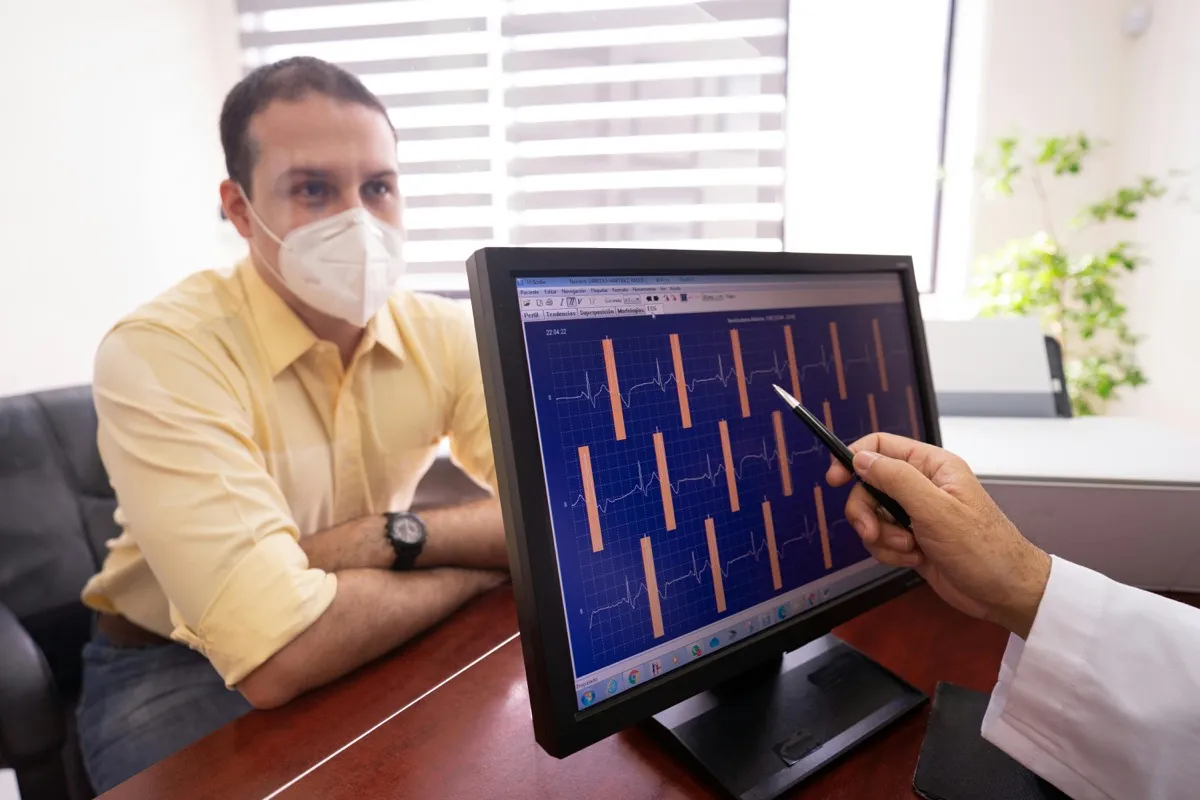
If heart-related swelling is suspected — particularly with breathlessness, fatigue, or an irregular heartbeat — your doctor may order an ECG to check the heart's electrical rhythm, and an echocardiogram to visualise the heart's chambers, valves, and pumping strength. These tests can confirm or rule out heart failure and other structural heart problems. Our guides on heart disease symptoms and heart palpitations cover related warning signs in more detail.
Imaging
When a blood clot or venous insufficiency is suspected, a Doppler ultrasound of the affected leg can visualise blood flow through the veins and detect clots or valve dysfunction non-invasively, usually within 20-30 minutes.
Treatment Options for Swollen Feet and Ankles
Treatment always depends on the underlying cause, but there are general measures that help almost everyone, alongside specific medical treatments for confirmed conditions.
Lifestyle and Self-Care Measures
- Elevate your legs above heart level for 15-30 minutes, several times a day, to help fluid drain back toward the torso
- Wear compression stockings, particularly during long flights, long shifts on your feet, or hot Dubai afternoons
- Reduce salt intake, especially processed and restaurant food, which is typically far saltier than home-cooked meals
- Stay well hydrated — counter-intuitively, adequate water intake helps the kidneys excrete excess sodium rather than retain fluid
- Move regularly — take a short walk or do ankle pumps every hour if you sit or stand for long periods
- Avoid tight footwear and restrictive clothing around the calves and ankles
Medical Treatment
- Diuretics: Prescribed for heart failure, kidney disease, or liver disease to help the body eliminate excess fluid — always used under medical supervision, since they can affect electrolyte balance
- Treating the underlying condition: This might mean heart failure medication, kidney disease management as outlined in our CKD stages guide, or thyroid hormone replacement
- Medication adjustment: If swelling is caused by a blood pressure medication or NSAID, your doctor may switch you to an alternative
- Anticoagulation: If a deep vein thrombosis is confirmed, blood-thinning medication is started promptly to prevent clot progression
- Referral to a specialist: Persistent swelling with an unclear or complex cause is often referred to cardiology, nephrology, or vascular specialists for further management
Cost of Swollen Feet Evaluation in Dubai (2026)
Understanding likely costs upfront makes it easier to seek care promptly rather than delaying. Here is a breakdown of the core services involved in a swollen feet evaluation at DCDC Dubai Healthcare City:
| Service | DCDC Price | What It Checks |
|---|---|---|
| GP Consultation | From AED 200 | History, physical exam, pitting test, and initial assessment of likely cause |
| Blood Test Panel | From AED 149 | Kidney function, liver function, inflammatory markers, and complete blood count |
| Kidney Function Test | From AED 120 | Creatinine, eGFR, and BUN to assess fluid retention linked to the kidneys |
| ECG | From AED 150 | Heart rhythm and electrical activity to screen for heart-related causes |
| Echocardiogram | From AED 500 | Detailed heart structure and pumping function to confirm or rule out heart failure |
Prices are indicative starting rates and may vary based on insurance coverage. DCDC operates under DHA-regulated pricing at Dubai Healthcare City. Prices valid as of August 2026.
DCDC accepts 20+ insurance partners with direct billing, so most patients only pay a co-payment at the time of visit. Self-pay patients benefit from transparent, DHA-regulated pricing with no hidden fees. Identifying the cause of swelling early with a targeted blood panel is almost always less expensive — and far less stressful — than waiting until symptoms escalate.
What to Expect at DCDC for Swollen Feet Evaluation
One of the biggest advantages of visiting a multi-specialty clinic like DCDC for swollen feet is that the entire diagnostic workup can happen in a single visit, rather than requiring separate appointments across different providers. Here is what the patient journey typically looks like.
Step 1: Same-Day Appointment or Walk-In
DCDC offers same-day appointments and walk-in availability for symptoms like swollen feet. The clinic is MOHAP-licensed and located in Building 64, Block A, Al Razi Medical Complex, Dubai Healthcare City. With an average wait time of just 15 minutes and free on-site parking, most patients are seen quickly without needing to plan around a long wait.
Step 2: History and Physical Exam
Dr. Hadeel Elnur or another GP will ask detailed questions about when the swelling started, whether it affects one or both legs, whether it improves overnight, and about related symptoms such as breathlessness, weight changes, or urine changes. The physical exam includes the pitting test, pulse checks, and listening to the heart and lungs.
Step 3: One-Visit Diagnostics
This is where DCDC's model genuinely saves patients time. Rather than being sent elsewhere for each test, blood work, an ECG, an echocardiogram, and kidney function testing can all be arranged in a single visit, using the clinic's on-site laboratory. Routine blood test results are typically available the same day, so your doctor can review the full picture before you leave or shortly afterward.
Step 4: Same-Day Specialist Referral if Needed
If your results point toward a heart, kidney, or hormonal cause, DCDC's multi-specialty team allows your GP to refer you the same day to a cardiologist, nephrologist, or endocrinologist for further management, rather than requiring a separate booking process at a different facility.
Step 5: Treatment Plan and Follow-Up
Depending on the findings, your doctor will discuss a treatment plan, which may include lifestyle changes, medication, or ongoing monitoring with follow-up blood tests. DCDC is open Saturday to Thursday from 8 AM to 10 PM, and Friday from 9 AM to 9 PM, making follow-up visits easy to schedule around work.
Dr. Hadeel Elnur's Clinical Perspective
"Swollen feet is one of those symptoms patients often apologise for bringing up, assuming it's 'just the heat' or 'just standing too much.' Most of the time, that assumption is correct. But I always take a careful history, because the pattern of swelling tells me so much — one leg versus two, morning versus evening, whether it improves overnight. If something doesn't fit the simple explanation, I don't wait to investigate. As the first point of contact, I can order a blood panel, kidney function test, and a cardiac assessment all in the same visit, which means we usually have a clear direction within a day rather than weeks of separate appointments. In Dubai's heat, I remind patients constantly that drinking less water to reduce swelling is the opposite of what helps — proper hydration actually supports the kidneys in clearing the excess fluid that's causing the swelling in the first place."
DCDC is a MOHAP-licensed facility in Dubai Healthcare City, rated 4.8/5 on Google with over 1,000 reviews and 98% patient satisfaction. The combination of an on-site laboratory, extended hours, and a multi-specialty team makes it possible to move from first symptom to a confirmed diagnosis without the delays that usually come from being referred between separate clinics.
Preventing Swollen Feet and Ankles in Dubai's Climate
While not all causes of swelling are preventable, simple daily habits can meaningfully reduce the everyday, lifestyle-driven swelling that is so common in Dubai's climate.
- Stay consistently hydrated throughout the day rather than drinking large amounts occasionally — this supports healthy kidney function and reduces sodium retention
- Wear compression socks during long flights, long shifts on your feet, or full days of outdoor-to-indoor transitions
- Take movement breaks every hour if you sit or stand for extended periods — even a short walk or a set of calf raises activates the muscle pump that moves blood back up the legs
- Moderate your salt intake, particularly with restaurant meals, which tend to contain significantly more sodium than home cooking
- Ease the transition between heat and air conditioning where possible — avoid going straight from an extremely hot car into a very cold office, and allow your body a few minutes to adjust
- Elevate your legs in the evening, especially after a day spent standing or in the heat, to help drain accumulated fluid before bed
- Choose breathable, properly fitted footwear rather than tight shoes or sandals that restrict circulation around the ankle
- Monitor your weight periodically — a sudden increase of a kilogram or more over a few days can be an early sign of fluid retention worth mentioning to your doctor
- Schedule an annual check-up that includes kidney function and heart screening if you have risk factors such as diabetes, high blood pressure, or a family history of heart or kidney disease
Get to the Bottom of Persistent Swelling
Book a General Consultation at DCDC Dubai Healthcare City. On-site blood work, kidney function testing, ECG, and echocardiogram are all available in one visit, with same-day results and same-day specialist referral if needed.
Rated 4.8/5 on Google with 98% patient satisfaction — walk in or call to book
Related Services at DCDC
Expert care and advanced diagnostics at Dubai Healthcare City
General Consultation
Comprehensive assessment to identify the cause of swelling and coordinate specialist referrals
Book AppointmentBlood Tests
On-site kidney function, liver function, and inflammatory marker testing with same-day results
Book AppointmentCardiology Consultation
Heart assessment including ECG and echocardiogram for cardiac-related edema
Book AppointmentFrequently Asked Questions
Take Swelling Seriously — But Don't Panic
Swollen feet and ankles sit at an unusual intersection in medicine: the vast majority of cases are harmless and explained entirely by Dubai's heat, a long day on your feet, or a long-haul flight, yet the same symptom is also one of the earliest visible signs of heart, kidney, and liver disease. The skill is not in memorising every possible cause, but in recognising the pattern — one leg or two, morning or evening, improving overnight or not — and knowing when that pattern deserves a proper look rather than an assumption.
If your swelling fits the everyday pattern, simple changes to hydration, movement, salt intake, and footwear will usually resolve it within days. If it doesn't — if it's persistent, one-sided, or accompanied by breathlessness, chest pain, or changes in urination — a same-day GP visit with targeted blood work can identify the cause quickly rather than letting weeks pass with uncertainty. At DCDC Dubai Healthcare City, that entire process, from consultation to blood work to a same-day specialist referral if needed, can happen in a single visit. Walk in, WhatsApp us, or call to book — we are open until 10 PM with free parking.
Sources & References
This article was reviewed by our medical team and references the following sources:
- Mayo Clinic — Edema: Symptoms and Causes
- NHS — Swollen Ankles, Feet and Legs
- Cleveland Clinic — Edema
- World Health Organization — Cardiovascular Diseases (CVDs)
- American Heart Association — Warning Signs of Heart Failure
- National Kidney Foundation — Swelling (Edema)
Medical content on this site is reviewed by DHA-licensed physicians. See our editorial policy for more information.

Written by
Dr. Hadeel Elnur
General Practitioner
MD, General Practice
Dr. Hadeel Elnur is a General Practitioner at Doctors Clinic Diagnostic Center (DCDC) in Dubai Healthcare City.
Related Articles
Heart Disease Symptoms Dubai Guide (2026)
Chronic Kidney Disease Stages Dubai (2026)
Blood Test Guide Dubai (2026)

Kidney Function Test Guide Dubai (2026)

Dehydration Symptoms Treatment Dubai (2026)
More in General Health
Blood Pressure by Age Dubai: Normal Ranges (2026)
Read More
Low Magnesium Symptoms Dubai: Testing Guide (2026)
Read More
Summer Health Risks in Dubai: Expert Guide (2026)
Read More
Allergy vs Sinus Infection Dubai: Signs (2026)
Read MoreGP vs Specialist Dubai: When to See Which (2026)
Read More
Leg Cramps at Night Dubai: Causes & Fix (2026)
Read More© 2026 Doctors Clinic Diagnostic Center (DCDC), Dubai Healthcare City. Originally published at https://doctorsclinicdubai.ae/blog/swollen-feet-ankles-causes-dubai. All rights reserved. Unauthorized reproduction is prohibited.