
Key Takeaways
- Fitness blood tests go beyond a standard checkup — testosterone, ferritin, vitamin D, CRP, and creatine kinase reveal how your body is actually responding to training, not just whether you are sick.
- The core markers sports medicine most often recommends for active people are CBC, ferritin/iron studies, vitamin D, testosterone, thyroid (TSH), lipid profile, CRP, and creatine kinase (CK).
- "Optimal" ranges for active adults are often narrower than the general population's normal range — a ferritin of 28 ng/mL can look "fine" on a standard report yet still limit endurance performance.
- Vitamin D deficiency remains widespread across the UAE despite abundant sunshine, and low levels are linked in research to reduced muscle strength, slower recovery, and higher stress-fracture risk.
- Creatine kinase and CRP can spike after a single hard workout — book your fitness blood panel 24 to 48 hours after your last intense session to avoid a falsely alarming result.
- DCDC's Gym & Fitness Health Check (liver, kidney, testosterone, CRP, lipid profile, CBC, plus specialist consultation) starts from AED 349, versus AED 500-1,500 for comparable panels elsewhere in Dubai.
- ACSM's current pre-exercise screening guidelines have moved away from routine blood work for healthy, symptom-free adults — but targeted fitness blood tests remain valuable for anyone training hard or using supplements.
Whether you are chasing a new personal best, training for your first Dubai marathon, or simply want reassurance that months of hard training and supplement use are not quietly stressing your organs, a fitness blood test panel gives you objective data that no scale, mirror, or fitness tracker can provide. This guide walks through exactly which fitness blood tests gym-goers and athletes should check in 2026, how "optimal" athletic ranges differ from standard reference ranges, how often to retest, and what to expect at DCDC's laboratory in Dubai Healthcare City.
At Doctors Clinic Diagnostic Center (DCDC) in Dubai Healthcare City, individual fitness-relevant blood tests start from AED 99, and the dedicated Gym & Fitness Health Check package — covering liver function, kidney function, testosterone, CRP, a full lipid profile, and a CBC with specialist consultation — starts from AED 349. With a MOHAP-licensed on-site laboratory, on-site sample collection, same-day results for routine panels, direct billing with 20+ insurance providers, and a 4.8/5 Google rating from over 1,000 verified reviews, DCDC is built for gym-goers who want their training backed by real data, not guesswork.
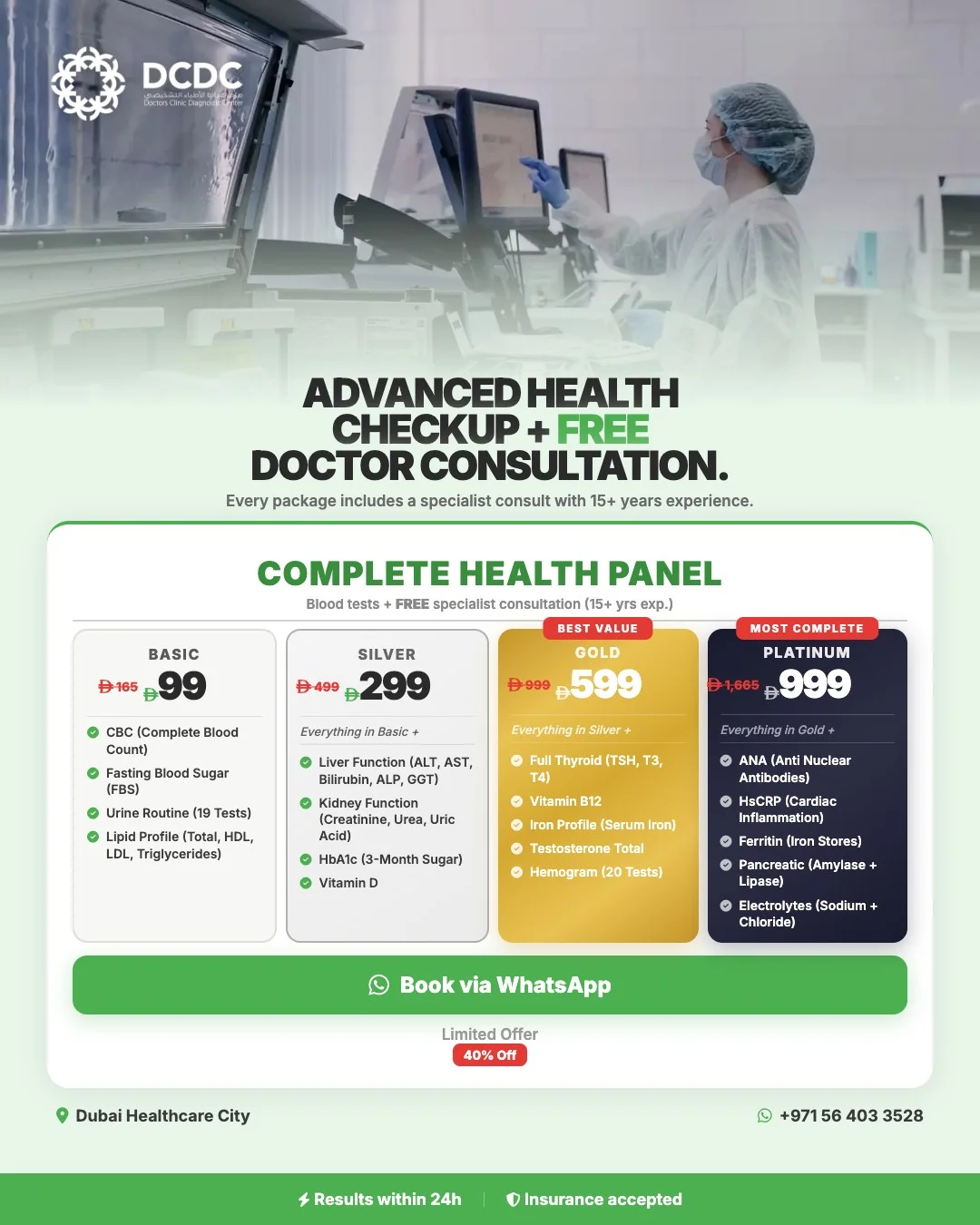
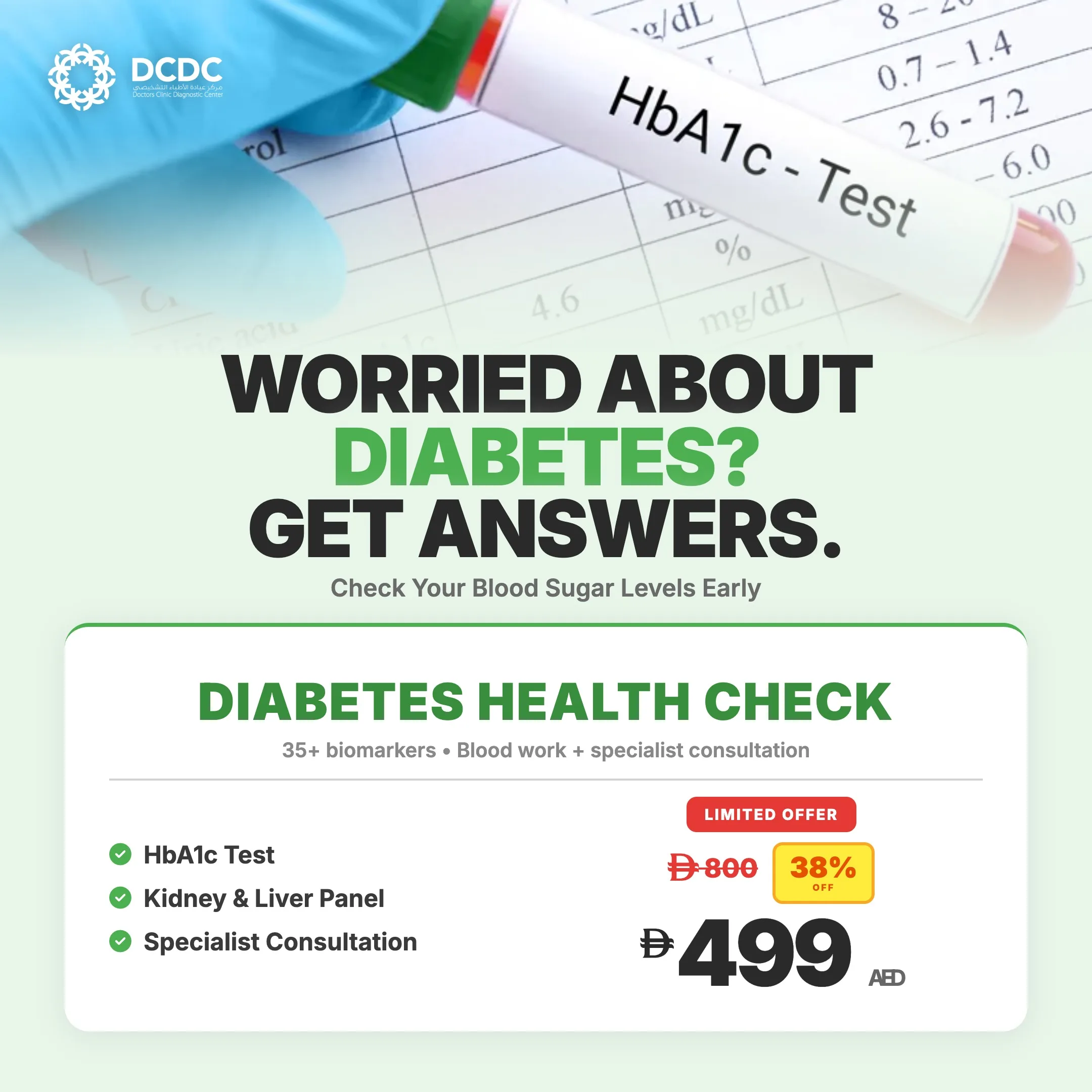
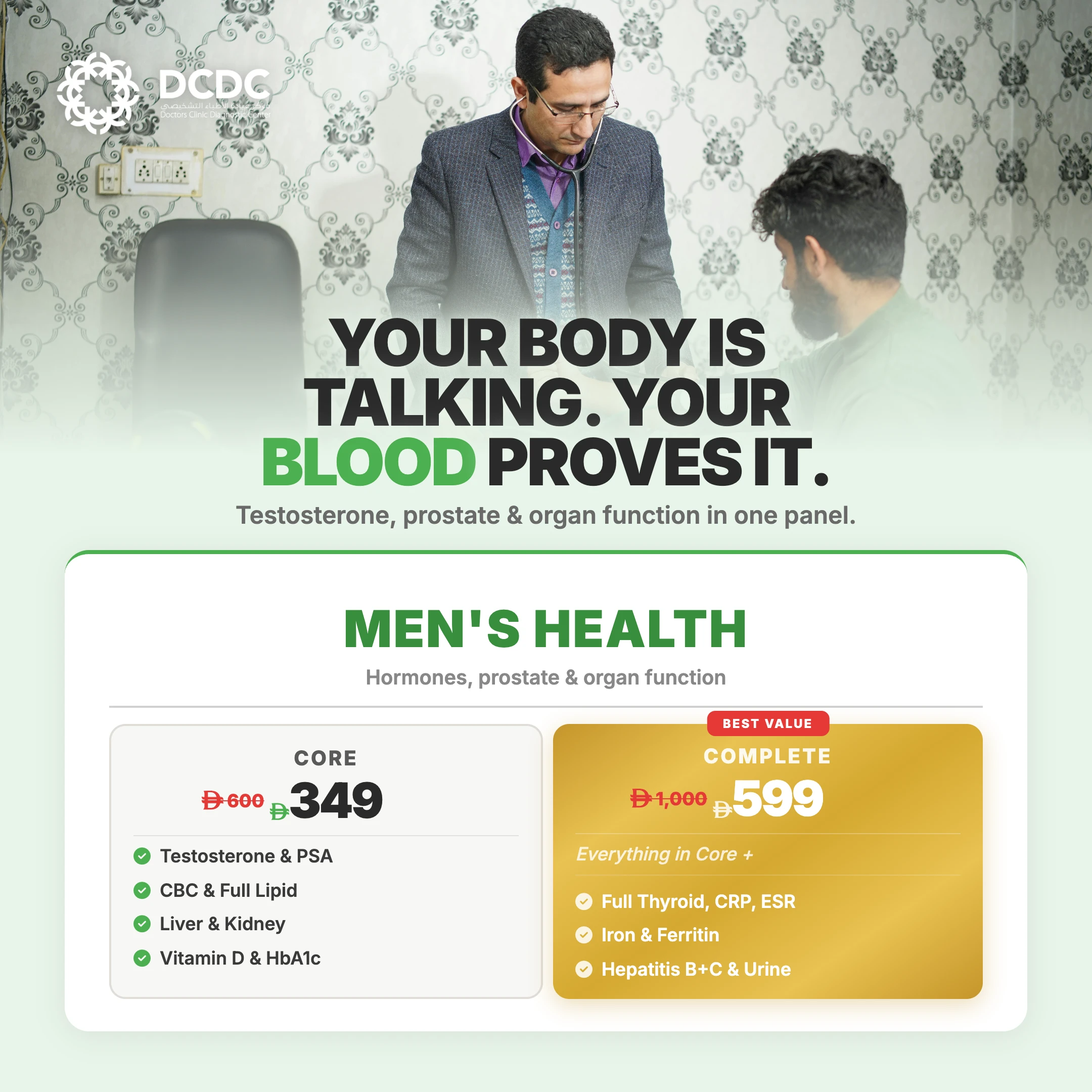
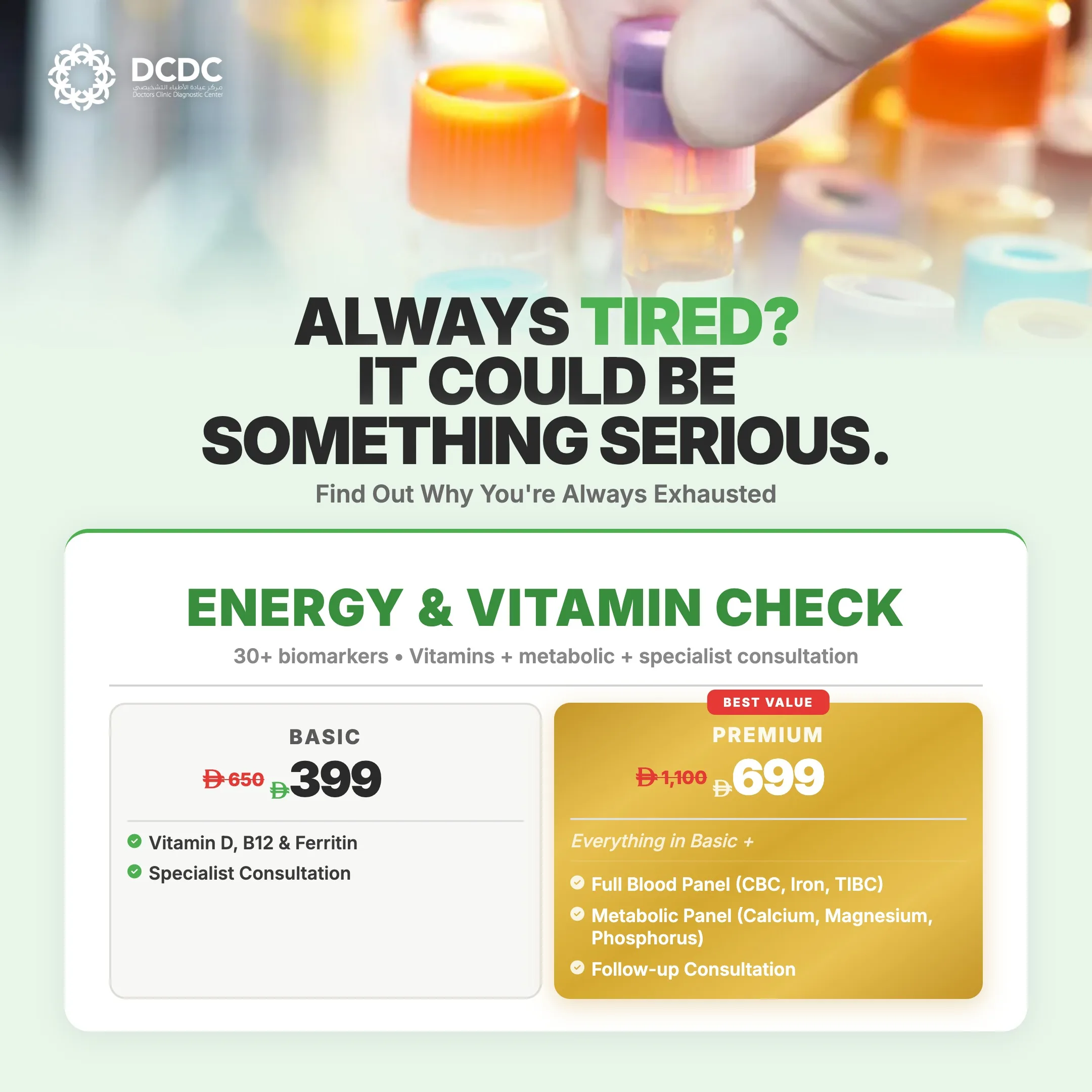
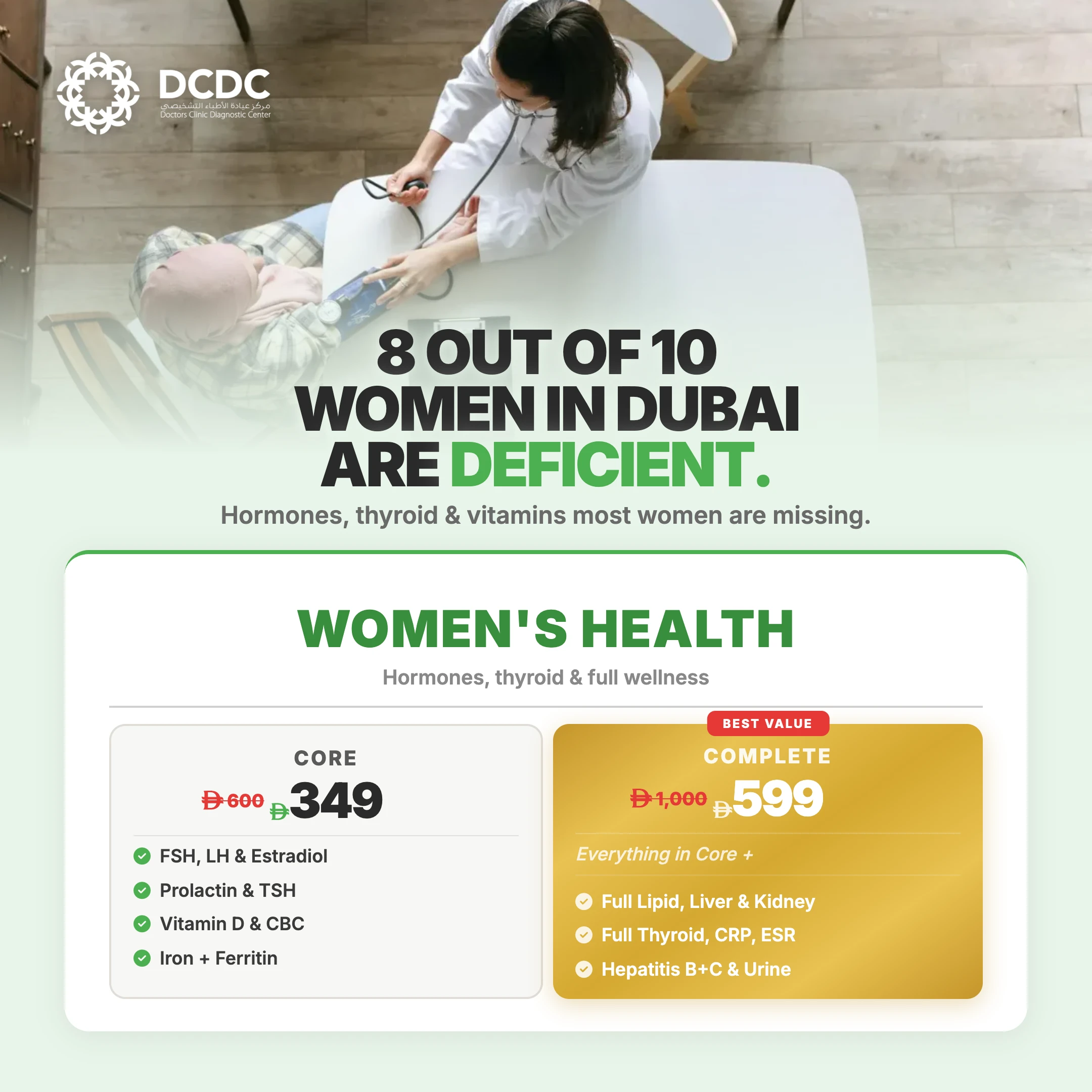
Health Screening Packages
Save with our bundled screening packages — specialist consultation included

Why Gym-Goers and Athletes in Dubai Need Blood Tests
Lifting heavier, running faster, or simply showing up at the gym five or six days a week all place real physiological demands on your body — demands that a scale, a mirror, or even a body composition scan cannot fully capture. Hormone levels shift, iron stores deplete, inflammation markers rise and fall, and organs working overtime to process protein, creatine, and pre-workout supplements can show early stress long before symptoms appear. This is exactly where fitness blood tests fill the gap: they measure what training is actually doing to your body from the inside, not just how it looks from the outside.
Sports medicine bodies such as the American College of Sports Medicine (ACSM) have moved away from recommending routine blood glucose and cholesterol screening for every healthy adult starting an exercise program, focusing instead on identifying people with existing symptoms or chronic disease risk factors before they begin vigorous training. That shift does not mean blood work is unnecessary for active people — it means the reasoning has changed. For committed gym-goers, competitive athletes, and anyone using supplements or performance-enhancing compounds, fitness blood tests are no longer about screening for disease before you start exercising; they are about monitoring how your body is responding once you are already deep into a training program. If blood testing is new to you, our general blood test guide covers the basics of types, cost, and fasting rules before you dive into the fitness-specific markers below.
In Dubai, where gym culture is intense, supplement use is widespread, and extreme heat and humidity add an extra layer of physiological stress for much of the year, this kind of proactive monitoring matters even more. Heavy sweating increases iron and electrolyte losses, indoor training schedules can worsen an already high rate of vitamin D deficiency, and the sheer availability of imported supplements and pre-workouts — not all of them third-party tested — makes periodic liver and kidney checks a sensible habit rather than an overreaction.
Essential Blood Tests for Fitness Enthusiasts: What to Check
There is no single "fitness blood test" — instead, a well-designed gym blood panel combines markers from several categories: blood cell counts, hormones, inflammation, muscle damage, and organ function. Below are the tests that come up most often in sports medicine literature and in DCDC's own Gym & Fitness Health Check package, along with what each one tells you about your training.
Complete Blood Count (CBC) — Oxygen Delivery and Recovery
A CBC counts your red blood cells, white blood cells, and platelets in a single draw. For anyone training intensely, the most relevant numbers are hemoglobin and hematocrit, which determine how efficiently oxygen reaches your muscles — low values (sometimes called sports anemia in endurance athletes) show up as unexplained fatigue, poor recovery, and stalled performance despite consistent training. White blood cell counts matter too: values that stay persistently low or trend downward across several tests can be an early sign of overtraining syndrome, where your immune system is being run down faster than it can recover.
Testosterone — Muscle Growth, Recovery, and Energy
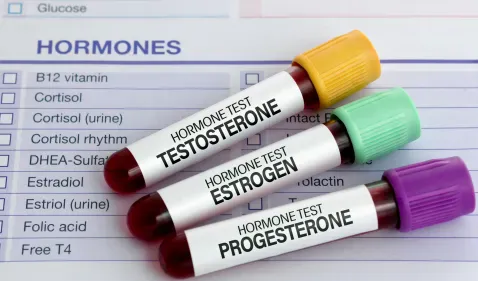
Testosterone is the hormone most directly tied to muscle protein synthesis, strength gains, energy, libido, and mood, in both men and women, though normal ranges differ significantly by sex. For men who train hard but see disappointing results despite consistent effort, a low baseline testosterone level is one of the most overlooked explanations. It is equally relevant for anyone considering or already using testosterone replacement therapy or other performance-enhancing compounds, since baseline testing establishes what "normal" looks like for that individual before any intervention. Our dedicated testosterone test guide covers normal ranges, symptoms of low testosterone, and what a full hormone panel adds beyond a single total testosterone number.
Vitamin D — Muscle Strength and Injury Prevention
Vitamin D does far more than support bone health — it plays a direct role in muscle fiber strength, contraction efficiency, and immune function, and low levels have been linked in sports medicine research to reduced muscle power, slower recovery, and a higher risk of stress fractures in athletes who train on hard surfaces. Counterintuitively, Dubai's abundant sunshine does not protect most residents from deficiency: long indoor working hours, air-conditioned gyms, sun-avoidant clothing, and sunscreen use mean vitamin D deficiency remains extremely common across the UAE population, gym-goers included. Our detailed guide on vitamin D deficiency explains symptoms, testing, and treatment in more depth.
Ferritin and Iron Studies — Fueling Endurance
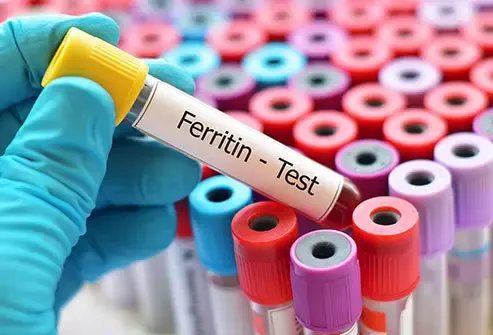
Ferritin measures how much iron your body has stored, and it is typically the first marker to drop — often long before hemoglobin falls low enough to be classified as anemia on a standard CBC. This matters enormously for anyone training aerobically, since heavy sweating increases iron losses and intense, high-impact training such as running can cause additional iron loss through a process called foot-strike hemolysis. Athletes, particularly women and endurance runners, run a meaningfully higher risk of iron deficiency than the general population. Our guides on iron deficiency testing and the ferritin test both explain normal ranges and what a low result means for training capacity.
Lipid Profile — Cardiovascular Health Under Load
A lipid profile measures total cholesterol, LDL, HDL, and triglycerides, and it stays relevant for fitness enthusiasts for two reasons: regular intense exercise generally improves HDL ("good") cholesterol over time, so tracking your own trend is genuinely motivating feedback, and certain supplements — particularly oral anabolic compounds and some high-dose fat burners — can significantly worsen LDL and triglyceride levels even in someone who otherwise looks lean and healthy. Our full lipid profile test guide and our breakdown of cholesterol levels by age both help put your own numbers in context.
Thyroid Panel (TSH) — Metabolism and Energy
Thyroid-stimulating hormone (TSH) regulates your metabolic rate, and both an underactive and an overactive thyroid can sabotage training goals — hypothyroidism often causes fatigue, unexplained weight gain, and poor cold tolerance, while hyperthyroidism can cause muscle wasting, anxiety, and a racing heart rate that gets misread as overtraining. Because fatigue and plateaued progress are common complaints in both thyroid dysfunction and simple overtraining, a TSH test is a useful way to rule one out before assuming the problem is purely programming or recovery.
CRP (C-Reactive Protein) — Inflammation and Overtraining
C-reactive protein is a general marker of inflammation in the body. Some rise in CRP after a genuinely hard training session is normal and temporary, but a persistently elevated CRP measured while well-rested — not within 48 hours of an intense workout — can flag overtraining syndrome, inadequate recovery between sessions, an underlying infection, or joint and tendon inflammation that has not yet caused obvious pain. Tracking CRP over time gives athletes an early, objective signal that training load and recovery are out of balance, well before performance visibly declines.
Creatine Kinase (CK) — Muscle Damage Marker
Creatine kinase is released into the bloodstream when muscle fibers are damaged, and it rises predictably after intense resistance training or a long endurance session — this is a normal part of the muscle-building process, not a red flag on its own. Sports medicine research shows that trained athletes often run a higher baseline CK than sedentary people, with levels above 1,000 U/L reachable from training alone in some individuals. The distinction that matters clinically is between a temporary post-workout spike and a persistently or extremely elevated level — above roughly 5,000 U/L, or accompanied by dark urine and severe muscle pain — which can indicate rhabdomyolysis, a genuine medical emergency. This is exactly why a fitness blood panel should be drawn after a rest day rather than immediately following a punishing workout.
Liver and Kidney Function — Supplement Safety Check
Liver enzymes (ALT, AST, GGT) and kidney markers (creatinine, urea, uric acid) round out a complete fitness panel because both organs work overtime in anyone eating a high-protein diet or regularly using supplements. The liver processes nearly everything you swallow, from protein powder to fat burners to oral anabolic compounds, while the kidneys filter the extra nitrogen waste generated by a high-protein diet and by creatine supplementation. A useful nuance for gym-goers: creatine supplementation can raise creatinine on a blood test purely because creatinine is a breakdown product of creatine, which can look like reduced kidney function to a doctor unfamiliar with your training and supplement history — one reason DCDC's fitness panel includes a specialist consultation rather than just a printed report.
HbA1c — Blood Sugar and Body Composition
HbA1c reflects your average blood sugar over the past two to three months and is a useful addition for anyone working on body composition goals, since insulin resistance can make fat loss and muscle gain both slower and harder to sustain, even with a disciplined training and diet plan. It requires no fasting and is typically added to a fitness panel for anyone with a family history of diabetes, a higher body fat percentage, or difficulty losing weight despite consistent training.
Normal Ranges vs Optimal Ranges for Athletes
One of the most important things to understand about a fitness blood panel is that the "normal range" printed on your lab report is built from a broad, mixed population — not from athletes. A value can sit comfortably inside the standard reference range and still be suboptimal for someone training hard multiple times a week. The table below compares standard adult reference ranges with the tighter, evidence-based ranges many sports medicine practitioners consider optimal for active training and recovery.
| Marker | Standard Normal Range | Optimal Range for Active Training | Why It Matters |
|---|---|---|---|
| Ferritin (Men) | 24–336 ng/mL | Above 50 ng/mL | Below 50 ng/mL is linked to reduced endurance capacity even without diagnosed anemia |
| Ferritin (Women) | 11–307 ng/mL | Above 30–40 ng/mL | Female athletes face higher iron depletion risk from menstrual losses plus training losses |
| Vitamin D (25-OH) | 30–100 ng/mL | 40–60 ng/mL | Below 40 ng/mL is associated with reduced muscle strength and higher stress-fracture risk |
| Total Testosterone (Men) | 270–1,070 ng/dL | 500–700 ng/dL | Upper-normal levels support muscle protein synthesis and recovery |
| Hemoglobin (Men) | 13.5–17.5 g/dL | 14.5–16.5 g/dL | Low-normal hemoglobin can limit oxygen delivery during endurance efforts |
| Creatine Kinase (CK) | 30–200 U/L (untrained) | Up to 300–400 U/L (trained, rested) | Athletes run a naturally higher baseline; a sudden spike matters more than a stable elevated baseline |
| CRP (C-Reactive Protein) | Below 3.0 mg/L | Below 1.0 mg/L (well-rested) | Lower resting CRP reflects better recovery between training sessions |
| HDL Cholesterol | Above 40 mg/dL (men) / 50 mg/dL (women) | Above 60 mg/dL | Regular aerobic training tends to raise HDL; a higher number is protective |
Standard reference ranges vs. optimal ranges commonly cited in sports medicine and exercise physiology literature. Always discuss your individual results with a doctor rather than self-diagnosing from a table.
These optimal ranges are guidance drawn from sports medicine research, not a replacement for your lab's reference range — you should never chase an "optimal" number that a doctor has not confirmed is appropriate for your individual health history, medications, or sex. What the comparison does highlight is why a fitness-literate physician matters: a ferritin of 28 ng/mL might be read as "fine" against a standard range, but a doctor reviewing it alongside your training volume and recovery complaints may recommend a different target entirely.
When and How Often Should You Get a Fitness Blood Panel
How often you need testing depends heavily on your training intensity and whether you use any supplements or performance-enhancing compounds.
- Recreational gym-goers (2-3 sessions/week, basic supplements like protein and creatine): once a year, alongside a general health checkup
- Regular trainers (4+ sessions/week, multiple supplements or pre-workouts): every 6 months
- Competitive athletes and bodybuilders in a structured training block: every 3-6 months, or as directed by your coach or doctor
- Anyone using testosterone or other performance-enhancing compounds: every 8-12 weeks, given the more significant hormonal and organ impact
- Anyone with new symptoms — persistent fatigue, stalled progress, poor recovery, or unusual soreness — regardless of your usual testing schedule
Fasting Requirements for a Fitness Blood Panel
Fasting rules for a fitness blood panel are slightly more nuanced than for a standard checkup, because the timing of your last workout matters almost as much as your last meal.
- Lipid profile and HbA1c-adjacent glucose tests: fast for 9-12 hours (water is fine)
- CBC, testosterone, thyroid, ferritin, vitamin D: no fasting required, though morning testing is preferred for testosterone since levels are naturally highest a few hours after waking
- Avoid intense training for 24-48 hours before your blood draw — a hard leg day or long run can temporarily elevate creatine kinase, CRP, and even liver enzymes, giving a falsely alarming snapshot of "muscle damage" or "inflammation" unrelated to any underlying problem
- Stay well hydrated the day before testing — dehydration can artificially raise hematocrit and creatinine
- Continue your normal creatine dose — there is no need to stop before testing, but mention it to your doctor so creatinine is interpreted in the correct context
How to Read Your Fitness Blood Test Results
Once your results come back, resist the urge to compare every number to the first "optimal range" chart you find online. Our companion guide on blood test results explained walks through how reference ranges, flags, and units work on a lab report in more general detail, which is a useful foundation before applying the athlete-specific context in this guide. In short: look for patterns across related markers (low ferritin plus low hemoglobin plus fatigue is more informative than any single number alone), track your own values across multiple tests rather than reacting to one snapshot, and bring your training history to the consultation so your doctor can interpret creatinine, CK, and CRP correctly instead of comparing them against a sedentary population's baseline.
Book Your Fitness Blood Panel at DCDC
Get a comprehensive gym and fitness health check — liver, kidney, testosterone, CRP, lipid profile, and CBC — reviewed by a doctor who understands athletic training. Walk-ins welcome, with early morning fasting slots available.
Call +971 54 219 5008 or WhatsApp us
What to Expect at DCDC for Your Fitness Blood Panel
DCDC is located at Building 64, Block A, Al Razi Medical Complex in Dubai Healthcare City, with free on-site parking — convenient for an early fasting blood draw before your morning gym session or a full workday. The clinic is open Saturday to Thursday from 8 AM to 10 PM and Friday from 9 AM to 9 PM, so an early-morning or late-evening fasting appointment fits around most training schedules in Dubai.
- Walk in, no appointment needed — routine panels (CBC, lipid profile, CRP, thyroid) accept walk-ins from 8 AM, ideal for a fasting draw before breakfast
- Register at reception — bring your Emirates ID and insurance card; DCDC offers direct billing with 20+ insurance partners
- 5-10 minute blood draw — an experienced phlebotomist collects your sample with minimal wait
- Same-day results for routine markers — CBC, lipid profile, CRP, and thyroid panels processed on-site in DCDC's MOHAP-licensed laboratory; testosterone and specialized hormone panels are typically ready within 24-48 hours
- Specialist review in context — your doctor interprets creatinine, CK, and CRP alongside your actual training volume and supplement use, not a generic sedentary baseline
- One-stop diagnostic center — imaging, laboratory, and specialist consultations under one roof, so a flagged result can be followed up the same day without a separate referral cycle
DCDC holds a 4.8/5 Google rating from more than 1,000 verified reviews and a 98% patient satisfaction score, reflecting a Dubai clinic built around fast, convenient testing without sacrificing the doctor follow-up that makes fitness blood tests actually useful.
Fitness Blood Test Pricing in Dubai: DCDC vs Market
Pricing for fitness-relevant blood tests varies significantly across Dubai depending on the facility and whether tests are bought individually or bundled into a package. Here is how DCDC's pricing compares to typical market rates for the same markers.
| Test / Panel | DCDC Price (AED) | Market Range in Dubai (AED) |
|---|---|---|
| CBC (Complete Blood Count) | From AED 149 | AED 80–250 |
| Lipid Profile | From AED 199 | AED 99–300 |
| CRP (C-Reactive Protein) | From AED 149 | AED 100–250 |
| Vitamin D (25-OH) | From AED 99 | AED 150–350 |
| Ferritin | From AED 149 | AED 100–250 |
| Thyroid Panel (TSH) | From AED 399 | AED 100–300 |
| Testosterone (Total) | From AED 200 | AED 200–450 |
| Iron Studies (Iron + TIBC + Transferrin) | From AED 299 | AED 200–450 |
| HbA1c | From AED 149 | AED 149–350 |
| Gym & Fitness Health Check (40+ biomarkers: liver, kidney, testosterone, CRP, lipid profile, CBC + specialist consult) | From AED 349 | AED 500–1,500 |
Indicative pricing for Dubai (2026). DCDC's bundled Gym & Fitness Health Check combines the core panel plus a specialist consultation at a lower total cost than ordering each test individually elsewhere. Actual pricing may vary with insurance coverage and lab promotions.
For anyone who wants a broader annual screening beyond fitness-specific markers, DCDC's general health checkup packages start from AED 249. If you would prefer the full bundled fitness panel with a specialist consultation already built in, the Gym & Fitness Health Check package is designed specifically for that purpose.
How to Prepare for Your Fitness Blood Test
- Schedule an early morning appointment so fasting tests (lipid profile, glucose) can be drawn before you eat
- Skip intense training for 24-48 hours beforehand to avoid a temporary CK or CRP spike
- Stay well hydrated in the 24 hours before your draw, but avoid excess caffeine or alcohol
- Bring a list of every supplement, pre-workout, and medication you currently take, including creatine and protein powder brands
- Bring your Emirates ID and insurance card for direct billing
- Mention any testosterone, SARMs, or performance-enhancing compound use to your doctor confidentially — it directly affects how your results should be interpreted
A Doctor's Perspective: Why Fitness Screening Matters
"Gym-goers often assume that looking and feeling good in the mirror means everything internally is fine," says Dr. Hadeel Elnur, General Practitioner at DCDC. "But liver stress from supplements, low ferritin from heavy sweating, or a testosterone level that has quietly drifted down over months of overtraining rarely show obvious symptoms until performance has already stalled. A fitness blood panel catches that trend early, while it is still easy to correct with a diet, recovery, or supplement adjustment."
As a general practitioner, Dr. Elnur is often the first point of contact for patients starting or adjusting a training program, and she coordinates multi-specialty workups when a result needs a closer look — referring to endocrinology for a persistently low testosterone, or to cardiology when a lipid panel raises questions in someone using performance-enhancing compounds. "I can order a comprehensive fitness panel and interpret every result in the context of someone's actual training goals," she explains, "rather than flagging a naturally higher creatinine or CK as abnormal just because it sits outside a sedentary population's reference range."
Train Smarter With Data, Not Guesswork
Book a fitness blood test at DCDC and get a doctor's interpretation of your results in the context of your actual training, not a generic reference chart. Same-day results for routine markers, direct insurance billing, and walk-in fasting slots available.
Fitness blood tests from AED 99, Gym & Fitness Health Check from AED 349 — Sat–Thu 8 AM–10 PM, Fri 9 AM–9 PM
Related Services at DCDC
Expert care and advanced diagnostics at Dubai Healthcare City
Frequently Asked Questions
Final Thoughts
A fitness blood panel is one of the few tools that tells you what is actually happening inside your body while you train — not just how you look or how heavy you can lift this week. Understanding which markers matter (CBC, ferritin, vitamin D, testosterone, thyroid, lipid profile, CRP, and creatine kinase), how athlete-optimal ranges differ from standard reference ranges, and how training timing affects your results turns a confusing lab report into a genuinely useful training tool.
At DCDC in Dubai Healthcare City, fitness-relevant blood tests start from AED 99, and the dedicated Gym & Fitness Health Check bundles the core panel with a specialist consultation from AED 349. With walk-in blood draws from 8 AM, same-day results for routine markers, and a doctor who interprets your numbers in the context of your actual training, DCDC makes it simple to train with data instead of guesswork. Call +971 54 219 5008 or WhatsApp us to book your fitness blood panel.
Sources & References
This article was reviewed by our medical team and references the following sources:
- American College of Sports Medicine (ACSM) – Preparticipation Health Screening Guidelines
- NCBI/PMC – Pre-Exercise Screening: Role of the Primary Care Physician
- PubMed – Reference Intervals for Serum Creatine Kinase in Athletes
- WHO – Anaemia Fact Sheet
- NHS – Blood Tests: Types
- Mayo Clinic – Complete Blood Count (CBC)
Medical content on this site is reviewed by DHA-licensed physicians. See our editorial policy for more information.

Written by
Dr. Hadeel Elnur
General Practitioner
MD, General Practice
Dr. Hadeel Elnur is a General Practitioner at Doctors Clinic Diagnostic Center (DCDC) in Dubai Healthcare City.
Related Articles
Blood Test Dubai: Types, Cost & Fasting Guide
Blood Test Results Dubai: What's Normal

Vitamin D Deficiency Dubai: Signs & Treatment
Testosterone Test Dubai: Cost & Levels Guide
Iron Deficiency & Anemia Test Dubai: Guide
More in Laboratory
HbA1c vs Fasting Blood Sugar Dubai: Guide (2026)
Read More
TB Test Cost Dubai: From AED 100–690 (2026)
Read MoreHIV Test Cost Dubai: Pricing & Guide (2026)
Read MorePaternity Test Dubai: How It Works (2026)
Read MoreBlood Test Results Dubai: What's Normal (2026)
Read More
Stool Test Dubai: Types, Results & Cost (2026)
Read More© 2026 Doctors Clinic Diagnostic Center (DCDC), Dubai Healthcare City. Originally published at https://doctorsclinicdubai.ae/blog/fitness-blood-tests-dubai. All rights reserved. Unauthorized reproduction is prohibited.