Key Takeaways
- Perform a breast self-exam (BSE) once a month, ideally 3 to 5 days after your period ends when breasts are least swollen and tender; post-menopausal women should pick the same calendar date every month
- There are three complementary techniques: visual inspection in a mirror, palpation lying down using the pads of your three middle fingers in small circular motions, and a shower check on soap-slicked skin
- Look for a new lump or thickening, skin dimpling or puckering, nipple retraction or discharge, an orange-peel skin texture, or a new asymmetry between the breasts — not every change is cancer, but any new or persistent change deserves a professional check
- Roughly 80 to 90% of breast lumps are benign, most commonly fibrocystic changes, simple cysts, or fibroadenomas — but only a clinical exam and imaging can confirm this with certainty
- A breast self-exam is a habit of awareness, not a diagnostic test — it does not replace a clinical breast exam or a mammogram, which remain the gold standard for detecting cancers too small to feel
- DCDC offers digital mammography from AED 250 with female radiographers, breast ultrasound for dense tissue, and same-day results for urgent cases, all within a private women's imaging suite in Dubai Healthcare City
- Women of Middle Eastern and South Asian descent — a large share of Dubai's population — tend to have denser breast tissue, which can make lumps harder to feel and mammograms harder to read, making regular self-awareness and screening especially important
A breast self-exam is one of the simplest health habits a woman can build, yet it remains one of the most powerful tools for noticing changes in your body early. Learning to perform a breast self-exam correctly — and knowing what is normal for you — means you are far more likely to catch something unusual while it is still small and highly treatable. This guide walks through exactly how to check your breasts at home, what counts as a normal finding versus a warning sign, and when it is time to book a mammogram or see a doctor in Dubai. With Breast Cancer Awareness Month approaching in October, there has never been a better time to build this habit into your monthly routine.
This comprehensive guide covers everything you need to know about breast self-examination in 2026: why it matters, exactly when and how to perform one using three different techniques, what normal versus abnormal findings feel and look like, common non-cancerous breast changes, warning signs that need urgent attention, how a self-exam fits alongside clinical breast exams and mammograms, a screening schedule by age, breast cancer risk factors relevant to women living in Dubai and the UAE, and what to expect if you visit Doctors Clinic Diagnostic Center (DCDC) after finding something that concerns you.
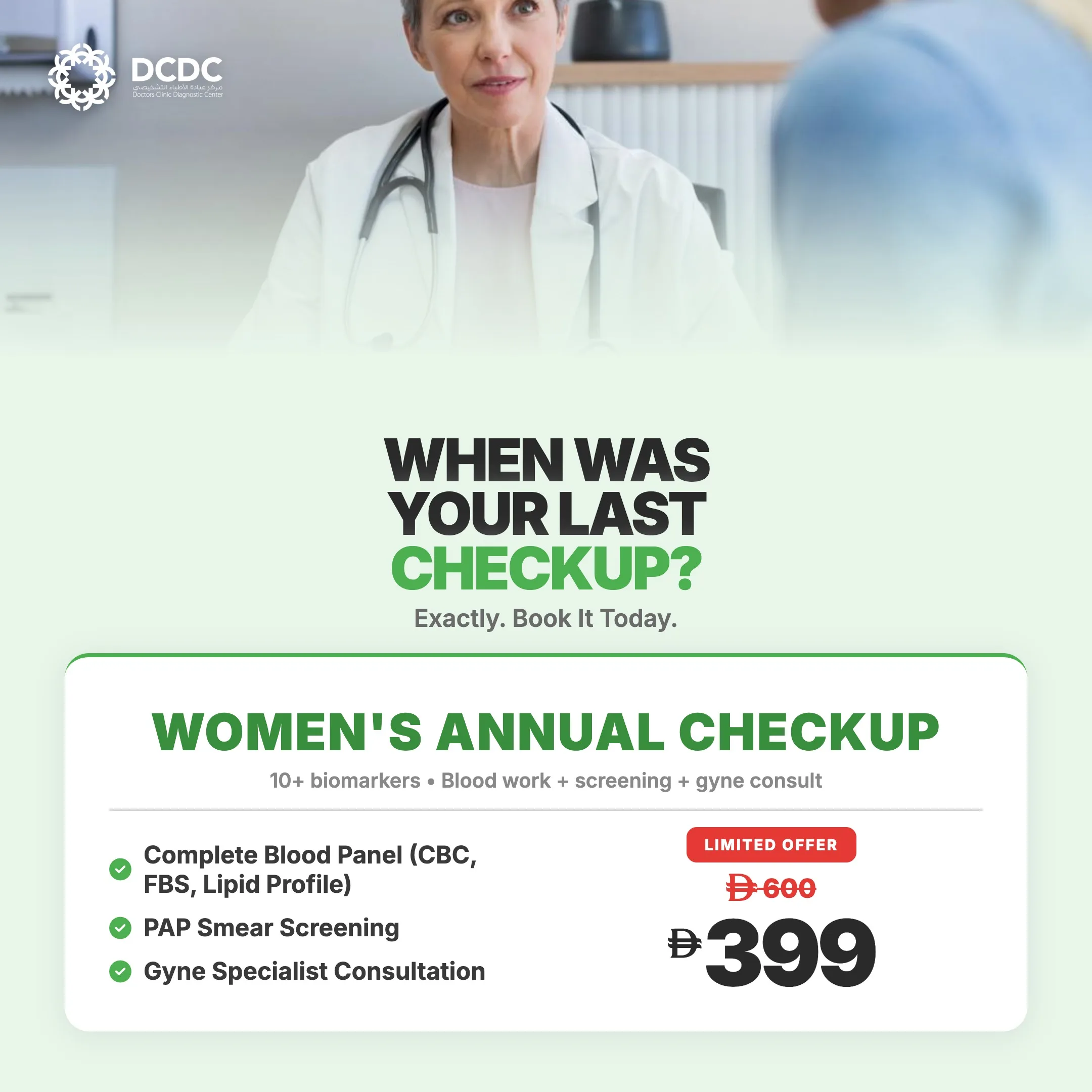
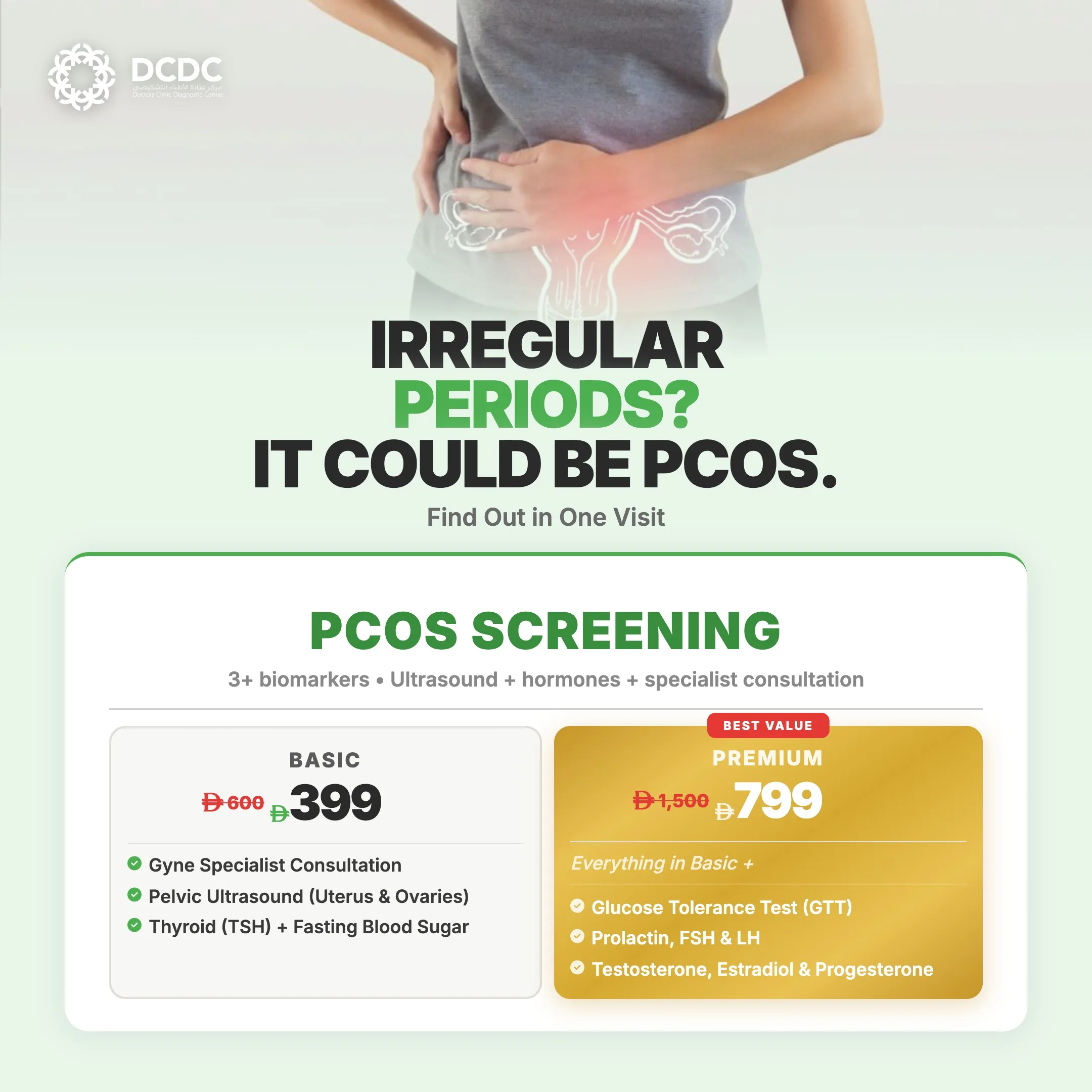
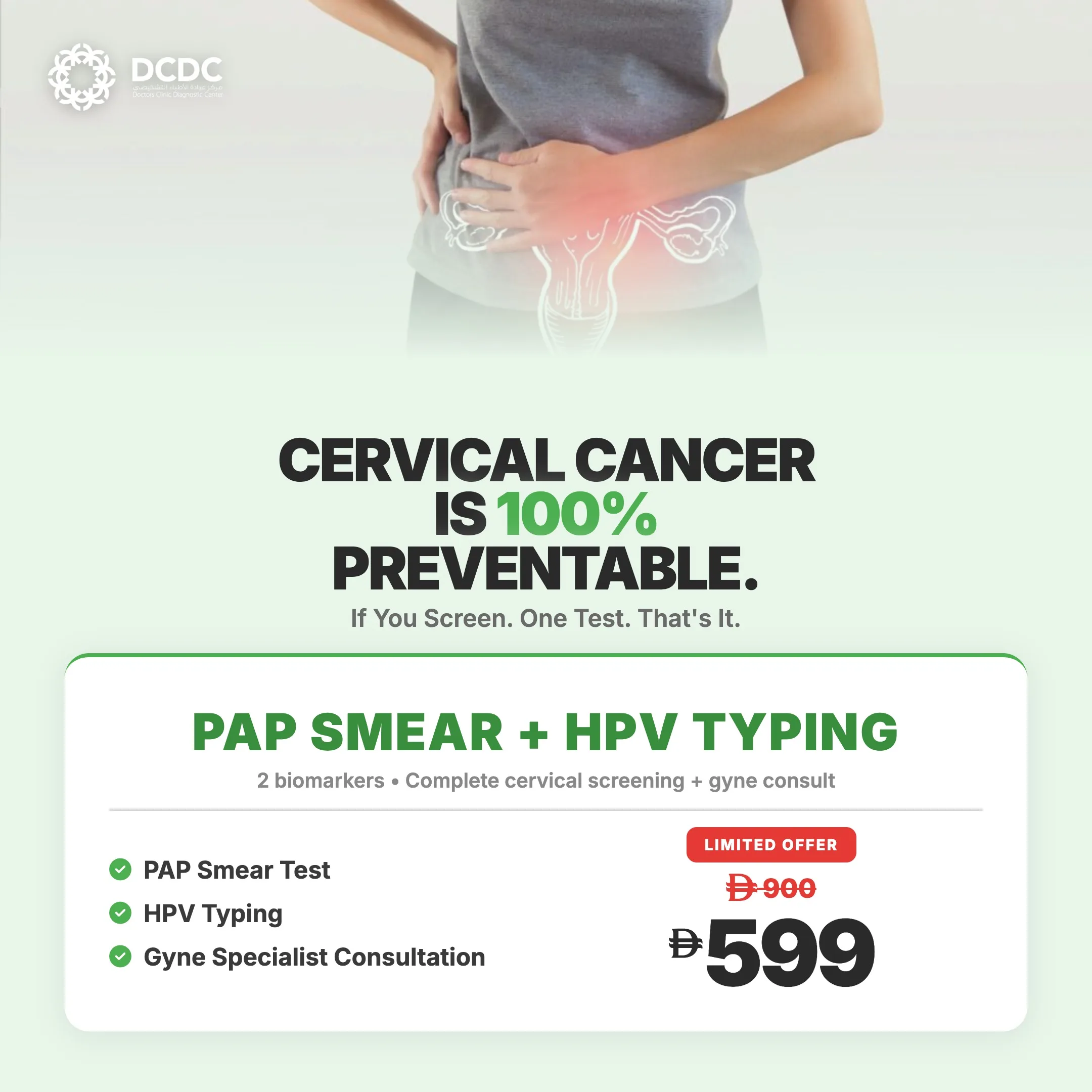
Health Screening Packages
Save with our bundled screening packages — specialist consultation included



What Is a Breast Self-Exam and Why It Matters
A breast self-exam (BSE) is a systematic way of looking at and feeling your own breasts to become familiar with how they normally look, feel, and change over time. It is not a diagnostic test in the way a mammogram or ultrasound is, and it cannot detect cancer on its own. What it does is build breast awareness — an understanding of your own baseline — so that when something genuinely new or different appears, you notice it quickly instead of months or years later.
Breast tissue naturally changes throughout life: with the menstrual cycle, pregnancy, breastfeeding, weight changes, and menopause. A woman who checks her breasts regularly learns to distinguish these normal fluctuations from something that persists, grows, or feels distinctly different. This is why major health organizations, including the American Cancer Society and Cleveland Clinic, describe breast self-awareness as a valuable complement to clinical screening rather than a replacement for it. Many breast cancers, particularly in younger women who are not yet eligible for routine mammograms, are first discovered by the woman herself during a self-exam or simply while getting dressed or showering.
In Dubai, where many women juggle demanding careers, family responsibilities, and frequent travel, a monthly self-exam takes less than five minutes and requires no equipment or appointment. It is a habit that fits into any lifestyle, and it is entirely free.
When to Perform a Breast Self-Exam
Timing matters because breast tissue changes in density and tenderness throughout the menstrual cycle, and checking at the same point each month gives you a consistent, comparable baseline.
For Menstruating Women
The best time to perform a breast self-exam is 3 to 5 days after your period ends. At this point in the cycle, hormone levels (particularly oestrogen and progesterone) are at their lowest, so breasts are least swollen, lumpy, and tender. Checking during the week before or during your period, when breasts are naturally fuller and more sensitive, makes it much harder to distinguish normal hormonal lumpiness from something that needs attention.
For Post-Menopausal Women
Once periods have stopped, there is no hormonal cycle to time around. Instead, choose a fixed calendar date each month — for example, the first day of the month — and check on that date consistently. This routine makes it easy to remember and keeps your comparison points evenly spaced.
During Pregnancy and Breastfeeding
Breast tissue changes significantly during pregnancy and lactation, becoming fuller, denser, and sometimes lumpy due to milk ducts and glands. Continue monthly checks, ideally right after a feed or pumping session when breasts are least full, and mention any new or persistent finding to your OB/GYN rather than assuming it is simply a blocked duct or normal engorgement.
How to Perform a Breast Self-Exam: Step-by-Step Guide
A thorough breast self-exam has three parts: a visual check in the mirror, a physical check lying down, and an optional check in the shower. Doing all three gives you the most complete picture. The whole process takes about five minutes.
Step 1: Visual Inspection in the Mirror
- Stand undressed from the waist up in front of a mirror with good lighting, arms relaxed at your sides. Look at the size, shape, and colour of your breasts, checking for visible swelling, distortion, or asymmetry
- Raise both arms overhead and look again for the same changes, plus any dimpling, puckering, or skin texture changes that only become visible when the tissue stretches
- Press your hands firmly on your hips and flex your chest muscles, checking for any dimpling or bulging along the breast contour
- Look closely at each nipple for any change in direction (turning inward), scaling, redness, or discharge appearing without squeezing
Step 2: Palpation Lying Down
- Lie flat on your back with a pillow or folded towel under your right shoulder, and place your right arm behind your head — lying down spreads the breast tissue evenly over the chest wall, making it thinner and easier to feel accurately
- Use the pads of your three middle fingers (not the fingertips) on your left hand to examine the right breast, applying light pressure for the skin surface, medium pressure for the mid-tissue, and firm pressure to feel down to the ribs
- Move in small, overlapping circular motions, following a systematic pattern — most experts recommend an up-and-down vertical strip pattern, moving fingers in a straight line from the collarbone to the bra line and from the armpit to the breastbone, covering the entire breast without missing gaps
- Cover the entire breast area, including the tissue that extends into the armpit (the axillary tail) and up to the collarbone, since breast tissue is not limited to the visible mound
- Repeat on the left breast, switching the pillow to your left shoulder and using your right hand
Step 3: Check in the Shower
Many women find it easiest to feel subtle changes when the skin is wet and soapy, since fingers glide more smoothly over the surface. With one arm raised behind your head, use the flat pads of the fingers of the opposite hand to check the breast and armpit area in the same circular pattern described above. This is a convenient way to build the habit into an existing daily routine rather than treating it as a separate task. For a full walkthrough of what happens if a self-exam finding needs professional imaging, our guide to mammogram preparation in Dubai explains exactly what to expect at your appointment.
What to Look For: Normal vs Abnormal Findings
Breast tissue is naturally lumpy, uneven, and asymmetric for most women, which is precisely why building a baseline matters — you are not looking for perfection or symmetry, you are looking for change. The table below summarises the most common findings women notice during self-exams and whether they typically warrant a routine follow-up or urgent evaluation.
| Finding | Often Normal / Benign | Needs Prompt Evaluation |
|---|---|---|
| Lumpiness | General, diffuse lumpiness that changes with your cycle and is present in both breasts | A single, distinct lump that feels different from surrounding tissue and does not go away after your next period |
| Texture | Soft, mobile, tender areas that fluctuate monthly (fibrocystic changes) | A hard, fixed, painless lump that does not move when pressed |
| Skin | No visible change, or mild stretch marks from weight or hormonal changes | Dimpling, puckering, redness, scaling, or an orange-peel (peau d'orange) texture |
| Nipple | Nipples that have always pointed inward (long-standing inversion) | A nipple that newly turns inward, or spontaneous clear, bloody, or dark discharge |
| Size/Shape | Mild, lifelong asymmetry between breasts | A new, noticeable change in the size or shape of one breast only |
| Pain | Cyclical tenderness or soreness tied to your period, present in both breasts | Persistent, localised pain in one specific spot that does not resolve |
Comparing common self-exam findings: what is usually benign versus what should prompt a clinical evaluation or mammogram in Dubai.
The key principle radiologists and gynaecologists emphasise is change from your own baseline, not comparison to an idealised "normal" breast. If something feels new, feels different from the surrounding tissue, or persists beyond one full menstrual cycle, it is worth having examined — even if it later turns out to be nothing serious.
Common Breast Changes That Are Not Cancer
Finding a lump or change can be frightening, but the great majority of breast changes women discover during self-exams are benign. Understanding the most common non-cancerous conditions can ease anxiety while you wait for a clinical opinion.
- Fibrocystic changes: The most common benign breast condition, causing generalised lumpiness, tenderness, and swelling that fluctuates with the menstrual cycle. It affects a large proportion of women at some point and is not a disease requiring treatment, only monitoring
- Simple cysts: Fluid-filled sacs that feel smooth, round, and often slightly tender or mobile. Cysts are extremely common, especially in women aged 35 to 50, and are easily confirmed with a quick ultrasound
- Fibroadenomas: Solid, benign lumps made of glandular and fibrous tissue, typically smooth, firm, rubbery, and highly mobile under the fingers (sometimes described as feeling like a marble that slips away when pressed). They are most common in women under 30
- Fat necrosis: A firm, sometimes tender lump that can develop after an injury, bruise, or surgery to the breast, as fatty tissue reacts to trauma. It can mimic a more concerning lump on examination and is usually confirmed with imaging
- Milk-related changes (lactation): Blocked ducts, engorgement, and galactoceles (milk-filled cysts) are common during breastfeeding and typically resolve with feeding adjustments, though persistent lumps should still be checked
Roughly 80 to 90% of breast lumps investigated turn out to be benign. Even so, the only way to confirm that a finding falls into one of these harmless categories is through a clinical breast exam, ultrasound, or mammogram — self-diagnosis, even with a careful exam, cannot definitively rule out something more serious.
Warning Signs That Need Immediate Medical Attention
While most changes are benign, certain findings should prompt you to book an appointment promptly rather than waiting to see if they resolve on their own.
- A new lump or area of thickened tissue that feels distinctly different from the surrounding breast and persists beyond one menstrual cycle
- Dimpling, puckering, or an orange-peel texture on the skin of the breast, especially when raising your arms
- A nipple that newly turns inward, or spontaneous discharge (clear, bloody, or otherwise) without squeezing
- Persistent redness, warmth, scaling, or a rash on the breast or nipple that does not resolve within a week or two
- A new, noticeable change in the size, shape, or contour of one breast compared to the other
- A swollen or painless lump under the arm or near the collarbone, which can indicate lymph node involvement
- Any breast change accompanied by unexplained weight loss or persistent, localised bone pain
None of these signs are a guaranteed diagnosis of cancer, but every one of them deserves a clinical breast exam and, in most cases, imaging within days rather than weeks. Our detailed guide on 10 early signs of breast cancer to watch for covers these warning signs in greater depth, and our article on when a breast lump is worth worrying about walks through exactly what tests follow a concerning finding in Dubai.
Found Something That Concerns You?
Do not wait and wonder. DCDC offers same-week appointments, digital mammography from AED 250, breast ultrasound for dense tissue, and female radiographers throughout.
Call +971 54 219 5008 or WhatsApp to book
BSE vs Clinical Breast Exam vs Mammogram: How They Work Together
A breast self-exam, a clinical breast exam performed by a doctor, and a mammogram are three distinct layers of breast health protection, each catching things the others might miss. None of them alone is sufficient.
- Breast self-exam (BSE): Performed monthly by you, at home, at no cost. Builds awareness of your personal baseline and can catch a change between annual check-ups. Cannot detect very small or deep changes, and cannot distinguish benign from malignant findings
- Clinical breast exam (CBE): Performed by a doctor or trained nurse, typically as part of an annual gynaecological visit. A trained examiner may notice subtleties an untrained hand would miss, and can order further tests immediately if something feels concerning
- Mammogram: An X-ray of the breast tissue that can detect changes, including tiny calcifications, years before they would ever be large enough to feel by hand. This is why mammography remains the gold standard for early cancer detection, particularly for women aged 40 and above
Think of these three layers as complementary rather than competing: a monthly self-exam keeps you attentive between check-ups, a clinical exam adds a trained second opinion, and a mammogram sees what no hand can feel. For women with dense breast tissue, an ultrasound is often added alongside mammography, since dense tissue can hide small masses on an X-ray image. Our comprehensive breast cancer screening guide covers mammograms, ultrasound, and BRCA genetic testing in detail for women assessing their overall risk profile.
Breast Screening Schedule by Age
How often you should combine self-exams with clinical exams and mammograms depends primarily on age and personal risk factors. The table below summarises widely followed guidance for women in Dubai and the UAE.
| Age Group | Self-Exam | Clinical Exam | Mammogram |
|---|---|---|---|
| 20s | Monthly, to learn your normal baseline | Every 1–3 years | Not routinely recommended unless high-risk |
| 30s | Monthly | Annually | Baseline mammogram if family history or high-risk |
| 40–49 | Monthly | Annually | Annual mammogram recommended |
| 50–74 | Monthly | Annually | Annual mammogram — gold standard screening age |
| High-risk (any age) | Monthly, plus prompt reporting of any change | Every 6–12 months | Annual mammogram often paired with ultrasound or MRI, sometimes starting in the 30s |
Recommended breast self-exam, clinical exam, and mammogram schedule by age and risk category, based on ACS and NHS guidance.
"High-risk" typically includes women with a BRCA1 or BRCA2 gene mutation, a first-degree relative diagnosed with breast cancer, prior chest radiation, or certain benign biopsy results. If any of these apply to you, discuss a personalised screening plan with your OB/GYN rather than relying solely on the general age-based schedule above.
What to Expect at DCDC If You Find Something Concerning
Finding something unusual during a self-exam is unsettling, but knowing exactly what happens next removes much of the uncertainty. At Doctors Clinic Diagnostic Center in Dubai Healthcare City, the pathway from concern to clarity is designed to be fast and reassuring.
- Same-week (often same-day) consultation: Call or WhatsApp to describe what you found, and the team will prioritise an appointment with an OB/GYN or the radiology team as needed
- Clinical breast exam: Your doctor examines the area you noticed, along with the rest of the breast tissue and lymph nodes, to determine the most appropriate next step
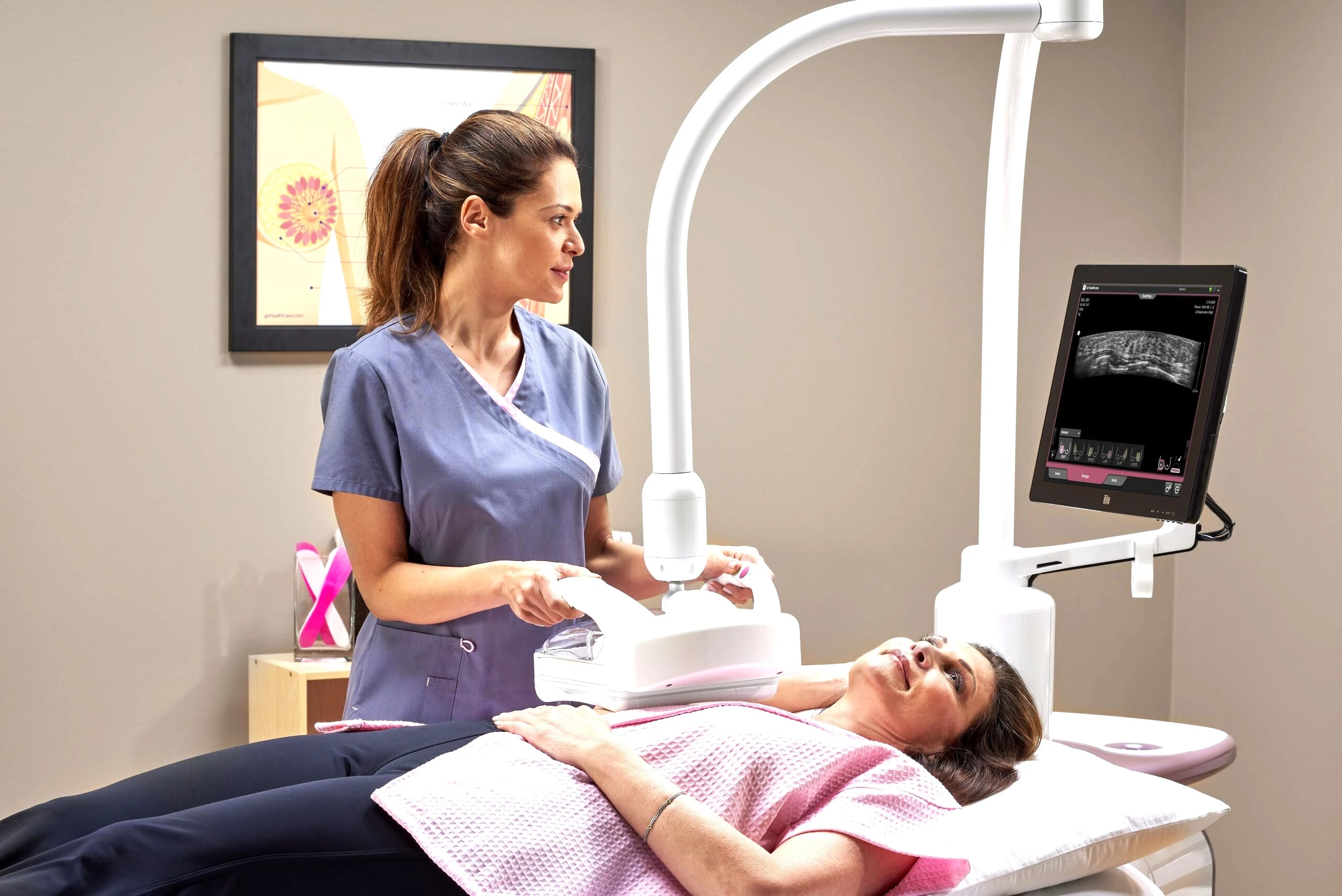
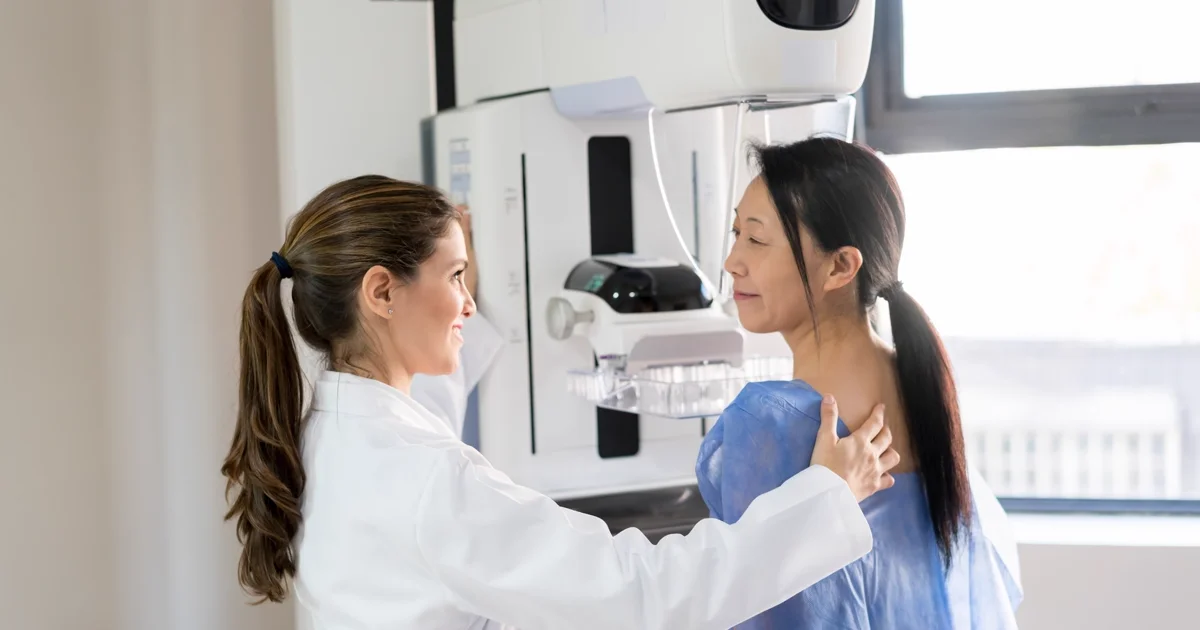
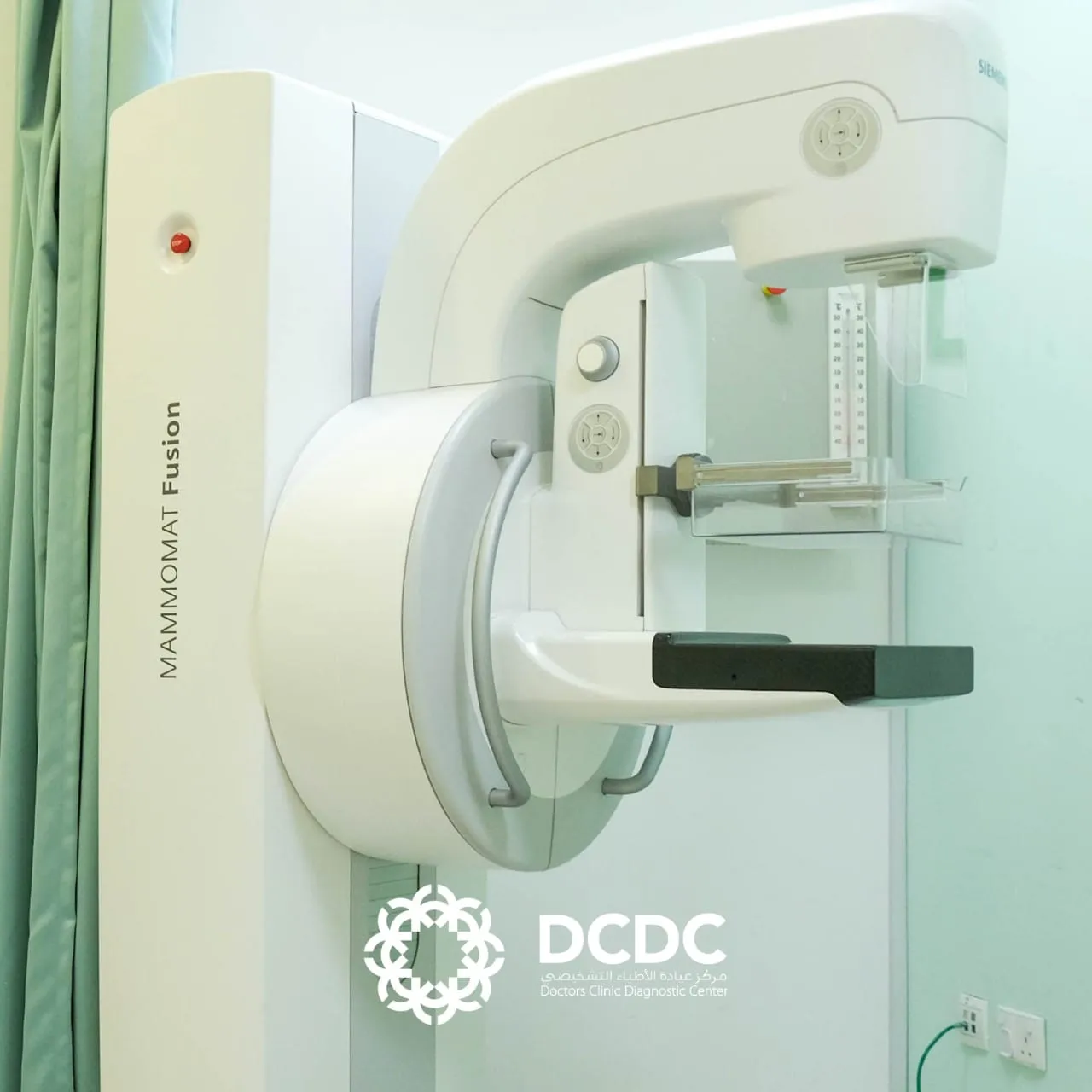
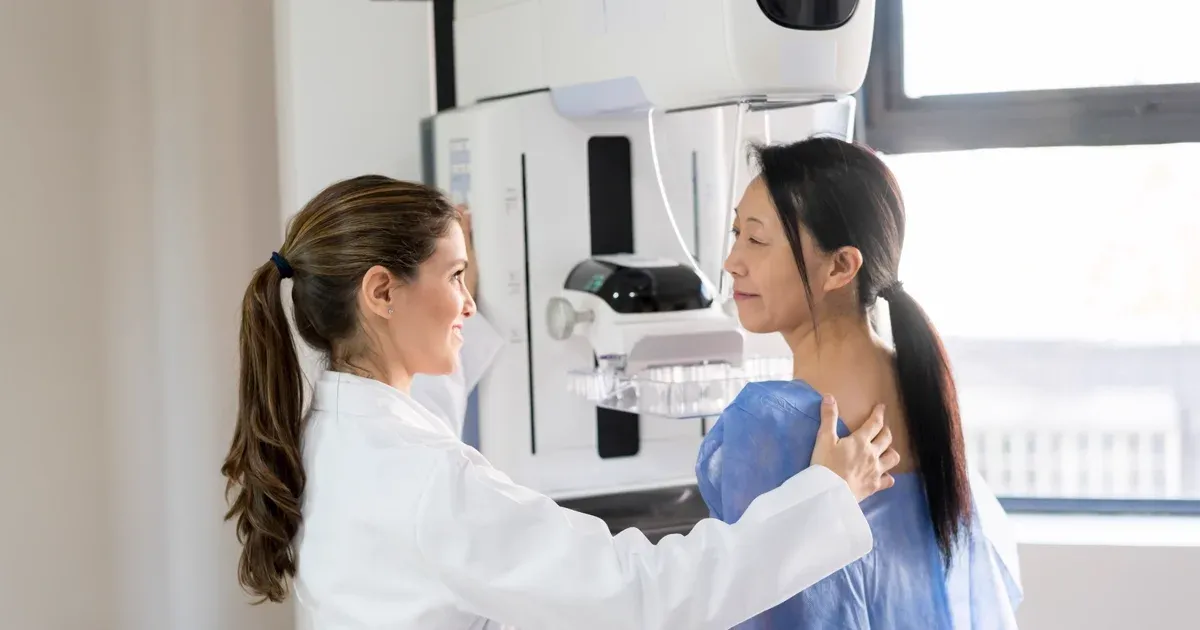
- Digital mammography, from AED 250: Performed by a female radiographer in a private women's imaging suite, producing detailed images reviewed by a radiologist with breast imaging expertise
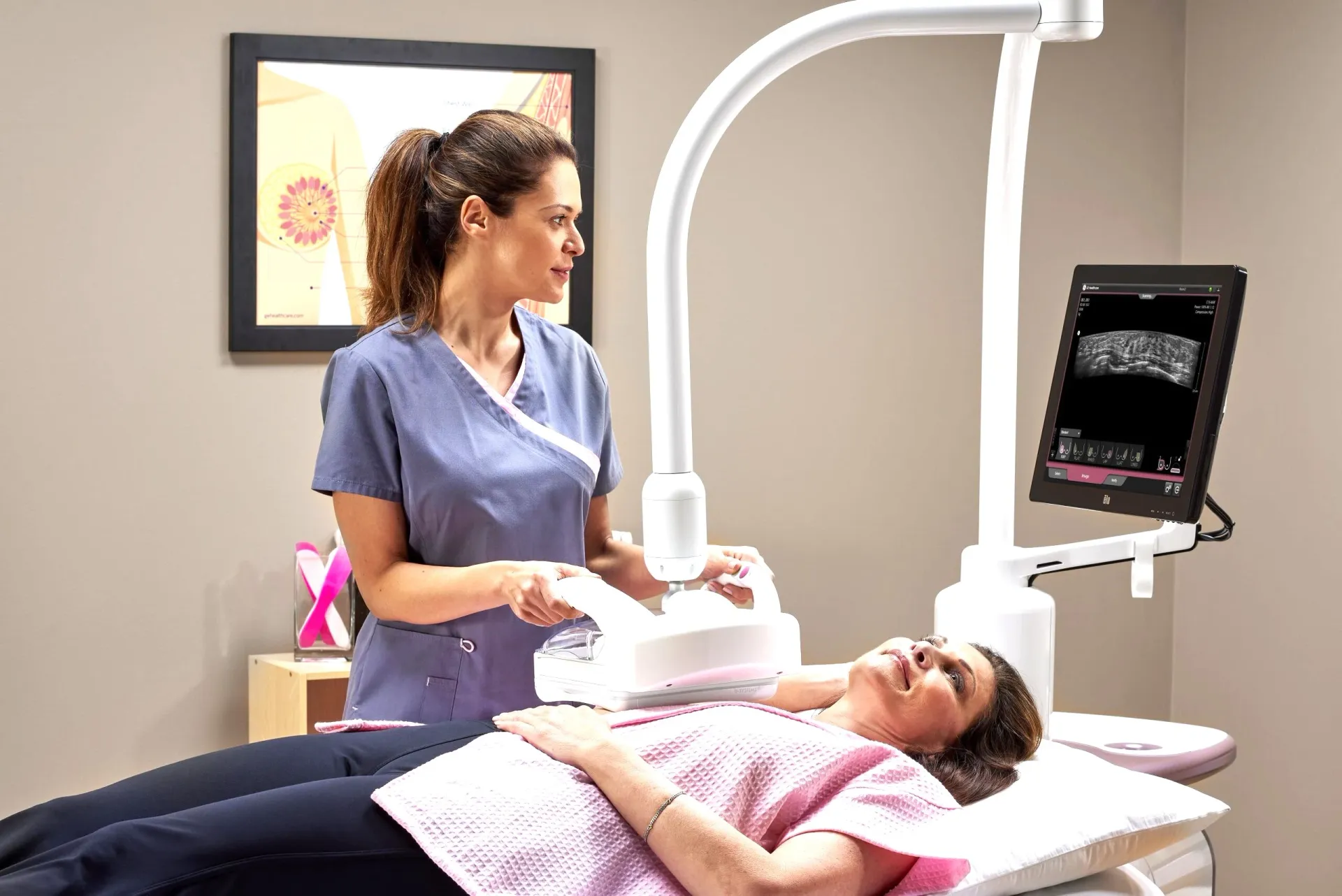
- Breast ultrasound, when needed: Often added for women with dense breast tissue or to further characterise a specific finding, since ultrasound distinguishes fluid-filled cysts from solid masses with excellent clarity
- Results timeline: Standard reports are available within 24 to 48 hours; urgent or concerning cases are prioritised for same-day results
- Clear next steps: Whether the finding is benign and simply requires monitoring, or additional testing such as a biopsy is recommended, your doctor walks you through exactly what it means and what happens next
DCDC is located in Building 64, Block A, Al Razi Medical Complex, Dubai Healthcare City, with free dedicated parking and an average wait time of just 15 minutes from arrival to appointment. For a closer look at the pricing landscape for breast imaging across the city, see our guide to mammogram cost in Dubai, which breaks down 2D, 3D, and diagnostic pricing in detail.
Mammogram and Breast Ultrasound Options at DCDC
DCDC offers a full range of breast imaging services designed around comfort, speed, and accuracy, all performed with female radiographers who understand the cultural preferences of Dubai's diverse patient community.
- Digital mammography: From AED 250 for a standard 2D screening mammogram, with 3D tomosynthesis available for women with dense breast tissue or elevated risk
- Breast ultrasound: A non-invasive imaging option that complements mammography, particularly valuable for women under 40, during pregnancy or breastfeeding, or for further characterising a specific lump
- Women's health packages: Bundled preventive packages ranging from AED 299 to AED 1,499, combining breast imaging with a broader women's health assessment such as a gynaecological consultation, pelvic ultrasound, and relevant blood work
- Female radiographers throughout: Every mammogram and breast ultrasound at DCDC is performed by a female radiographer in a private, dedicated imaging suite
- Direct billing with 20+ insurers: Including Daman, AXA, and Bupa, so most of the cost is handled directly between DCDC and your insurance provider
DCDC is MOHAP licensed (license NIMY7VY5-240925) and holds a 4.8 out of 5 Google rating from over 1,000 verified patient reviews, with a 98% patient satisfaction rate. The clinic is open Saturday through Thursday from 8 AM to 10 PM and Friday from 9 AM to 9 PM, making it straightforward to fit a screening appointment around a working schedule.
Breast Cancer Risk Factors Relevant to Women in Dubai
Certain risk factors are universal, while others are particularly relevant to the demographic makeup of Dubai's population, which includes large communities of Emirati, South Asian, Middle Eastern, and East Asian women.
- Dense breast tissue: More common among women of Middle Eastern, South Asian, and East Asian descent, dense tissue can make both self-exams and mammograms harder to interpret, since dense fibroglandular tissue appears white on a mammogram, similar to how a tumour would appear
- Family history and genetics: A first-degree relative with breast or ovarian cancer, or a known BRCA1/BRCA2 mutation, significantly raises lifetime risk and may warrant earlier or more frequent screening
- Later age at first pregnancy or fewer pregnancies: A pattern increasingly common among career-focused women in Dubai, and one associated with a modestly higher lifetime risk
- Lower routine screening uptake among expatriate women: Many women who relocate to Dubai fall out of their home country's screening reminder systems and may go years without a mammogram simply due to the disruption of moving; rebuilding this habit locally closes that gap
- Lifestyle factors: Limited physical activity, alcohol consumption, and obesity are all modifiable risk factors that apply broadly, regardless of where you live
None of these factors mean breast cancer is inevitable, but they do mean breast awareness and regular screening deserve particular attention for many women living in Dubai, especially those who may not have an established local doctor to remind them when a mammogram is due.
Dr. Parisa Dini's Perspective on Breast Self-Awareness
According to Dr. Parisa Dini, "A breast self-exam is not a replacement for mammography, but it teaches women what is normal for their body. When you know your baseline, you notice changes earlier — and early detection saves lives."
Dr. Dini regularly sees patients in Dubai who discover a change during a self-exam and are unsure whether it warrants a visit. Her guidance is consistent: "I would always rather see a patient for a finding that turns out to be a simple cyst than have someone wait months out of fear or uncertainty. Most of what we find during these visits is completely benign, and even when it is not, catching it early dramatically improves outcomes and treatment options." With a clinical focus spanning preventive women's health, PCOS, and menopause management, Dr. Dini emphasises building sustainable health habits, of which a monthly breast self-exam is one of the simplest and most impactful.
Book Your Breast Health Check at DCDC
Take Charge of Your Breast Health Today
Whether you noticed something during a self-exam or it is simply time for your annual screening, DCDC offers digital mammography from AED 250, breast ultrasound, and women's health packages from AED 299, all with female radiographers and results within 24–48 hours.
Call +971 54 219 5008 or WhatsApp to book
Related Services at DCDC
Expert care and advanced diagnostics at Dubai Healthcare City
Mammogram
Digital 2D and 3D mammography for breast cancer screening and early detection.
Book AppointmentBreast Ultrasound
Non-invasive breast imaging complementing mammography for dense breast tissue.
Book AppointmentWomen's Health Consultation
Comprehensive women's health assessment and preventive care planning.
Book AppointmentFrequently Asked Questions
Final Thoughts
A breast self-exam takes only a few minutes each month, costs nothing, and gives you something invaluable: familiarity with your own body. Knowing your normal baseline means you are far more likely to notice a genuine change early, and early detection consistently leads to simpler treatment and better outcomes. Most findings turn out to be completely benign, but the only way to know for certain is to pair regular self-checks with professional evaluation whenever something new or persistent appears — and with routine clinical exams and mammograms as recommended for your age and risk profile.
At Doctors Clinic Diagnostic Center (DCDC) in Dubai Healthcare City, women have access to digital mammography from AED 250, breast ultrasound, and women's health packages from AED 299, all delivered by female radiographers in a private imaging suite with results within 24 to 48 hours. Whether you have noticed something during a self-exam or it is simply time for your annual screening, the DCDC team is ready to help. Contact the team by phone at +971 54 219 5008, by WhatsApp, or through the online booking form to schedule your appointment.
Sources & References
This article was reviewed by our medical team and references the following sources:
- American Cancer Society - Breast Self-Exam for Breast Awareness
- World Health Organization - Breast Cancer Early Detection and Screening
- NHS - Breast Awareness and Signs of Breast Cancer
- Mayo Clinic - Breast Self-Exam for Breast Awareness
- Cleveland Clinic - Breast Self-Exam: How to Check Your Breasts
Medical content on this site is reviewed by DHA-licensed physicians. See our editorial policy for more information.

Written by
Dr. Parisa Dini
OB-GYN
MD, OB-GYN
Dr. Parisa Dini is an OB-GYN at Doctors Clinic Diagnostic Center (DCDC) in Dubai Healthcare City.
Related Articles
10 Early Signs of Breast Cancer to Watch For
Mammogram Cost Dubai: AED 250–900
Breast Lump Dubai: When to Worry & Tests
Mammogram Preparation Dubai: What to Expect
Breast Cancer Prevention Dubai: Guide
More in Women's Health

BRCA Test: Who Should Consider Genetic Counselling?
Read More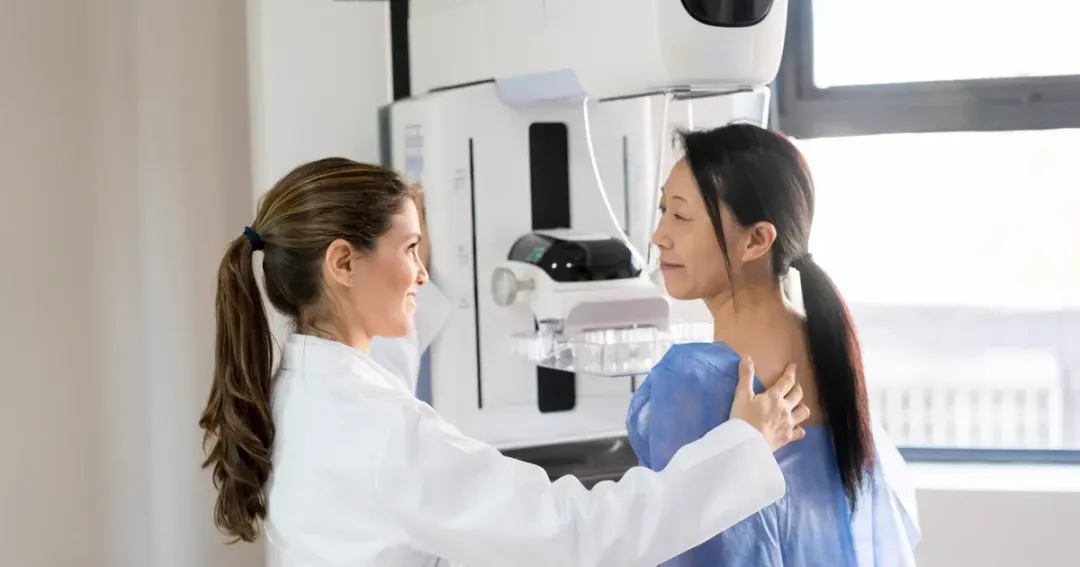
Breast Cancer Awareness Month: October 2026 Dubai
Read MoreDense Breast Tissue: What Your Mammogram Report Means
Read More
Emsella After Childbirth Dubai: Postpartum Guide (2026)
Read More
How Emsella Works: Pelvic Floor Chair Guide Dubai (2026)
Read More
Pelvic Floor Physiotherapy Dubai: Who Needs It (2026)
Read More© 2026 Doctors Clinic Diagnostic Center (DCDC), Dubai Healthcare City. Originally published at https://doctorsclinicdubai.ae/blog/breast-self-exam-guide-dubai. All rights reserved. Unauthorized reproduction is prohibited.