Key Takeaways
- Roughly 8 out of 10 breast lumps that are biopsied turn out to be benign, most commonly fibroadenomas, cysts, or fibrocystic changes, but no lump can be safely dismissed without medical evaluation
- Red-flag signs that raise suspicion include a hard, painless, irregular lump that does not move under the skin, skin dimpling or puckering, nipple retraction, spontaneous bloody discharge, and a lump that persists beyond one full menstrual cycle
- Benign lumps are often smooth, mobile, and tender, but texture alone is not reliable enough to rule out cancer, which is why every new lump needs clinical examination plus imaging
- Triple assessment, meaning clinical exam plus imaging plus biopsy when needed, correctly identifies about 95% of symptomatic breast cancers and is the internationally recommended diagnostic pathway
- Women under 40 are typically evaluated with breast ultrasound first, while women 40 and older start with a mammogram plus ultrasound on the same visit
- Breast cancer is the most commonly diagnosed cancer among women in the UAE, accounting for roughly 37-38% of all female cancer cases, and the majority of UAE cases are diagnosed before age 50
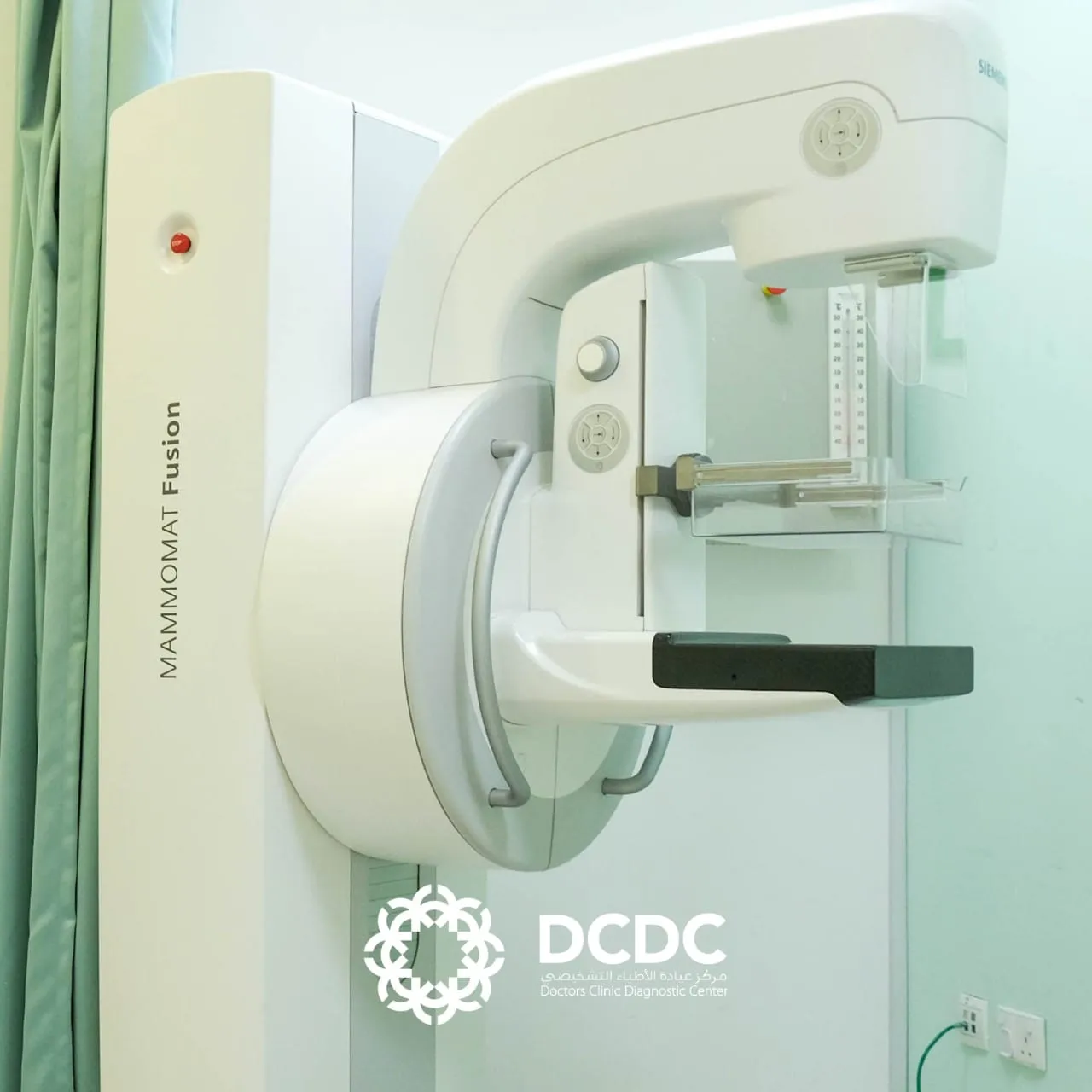
- At DCDC in Dubai Healthcare City, breast lump evaluation starts from AED 250 for a mammogram, with mammogram and ultrasound available on the same visit and subspecialty radiologist results within 18 to 24 hours
Finding a new lump in your breast is unsettling, but the statistics are genuinely reassuring: approximately 80% of breast lumps that undergo biopsy turn out to be benign. Still, the only way to know whether your lump belongs to that reassuring majority is proper evaluation, which is exactly why understanding breast lump when to worry signs matters so much. This guide walks through the specific characteristics that separate low-concern lumps from those needing urgent attention, the self-assessment questions doctors actually ask, the diagnostic pathway used in Dubai and internationally, and where to get a same-visit mammogram and ultrasound at DCDC in Dubai Healthcare City.
In the sections below you will find a symptom checklist of what is and is not typically worrying, a red-flag urgency guide for when to see a doctor, a comparison table of common benign versus malignant lump types, self-assessment questions to ask yourself, an age-based risk table, a step-by-step diagnostic pathway explaining triple assessment, a comparison of mammogram, ultrasound and MRI, transparent Dubai pricing, and what an actual breast lump evaluation looks like at DCDC.
Health Screening Packages
Save with our bundled screening packages — specialist consultation included





Breast Lump When to Worry: The Signs That Matter Most
Not every breast lump signals cancer, but every breast lump deserves a proper look. Doctors assess new lumps using a combination of physical characteristics, patient age, hormonal timing, and imaging findings rather than any single feature in isolation. Research summarized by breast cancer organizations shows that a cancerous lump is typically painless, hard, and irregularly shaped, and it tends to be fixed in place rather than sliding freely under the fingers when pressed. Benign lumps, by contrast, are more often smooth, rounded, tender to touch, and mobile. However, this is a general pattern, not a diagnostic rule: some cancers are soft and mobile, and some benign cysts feel rock-hard when they are tense with fluid. This overlap is precisely why self-examination alone can never rule cancer in or out, and why recognizing early warning signs should always be paired with clinical evaluation.
"Patients often ask me to just look at a lump and tell them if it's cancer," says Dr. Osama Elzamzami, Diagnostic Radiologist at DCDC. "But even experienced radiologists cannot make that call from touch or a single image. What we can do reliably is combine the clinical picture with targeted imaging, and in the vast majority of cases, that combination gives a confident answer within the same visit."
Symptom Checklist: What's Normal and What's Not
Breast tissue changes constantly with the menstrual cycle, pregnancy, breastfeeding, and age, so not every lump or bump is abnormal. The checklist below separates features that are usually low-concern from those that warrant prompt evaluation. This is a screening tool for your own awareness, not a diagnosis.
Usually Lower Concern
- A lump that appears and becomes tender in the days before your period and settles afterward (common with fibrocystic changes)
- A smooth, round, rubbery lump that moves easily under your fingers, especially in women under 30 (often a fibroadenoma)
- A soft, painless lump that has felt exactly the same for years without growing
- Generalized lumpiness or a "cobblestone" texture affecting both breasts symmetrically
- A tender area that developed after a bump, bruise, or recent breastfeeding, then gradually softens
Signs That Should Worry You
- A hard, painless lump with irregular, uneven edges that feels distinctly different from the rest of your breast tissue
- A lump that does not move at all when pressed, as if it is fixed to the skin or chest wall
- A lump that is new, growing, or persists beyond one full menstrual cycle
- Skin dimpling, puckering, or an orange-peel (peau d'orange) texture over or near the lump
- Nipple retraction, a new inward-turning nipple, or spontaneous clear or bloody nipple discharge
- A lump appearing alongside a hard, painless swelling in the armpit or near the collarbone
- Any new lump in a woman over 40, or any lump in a postmenopausal woman, regardless of how it feels
Not Sure Which Category Your Lump Falls Into?
Do not wait to find out. At DCDC in Dubai Healthcare City, a mammogram and breast ultrasound can be performed on the same visit, read by a subspecialty radiologist, with results in as little as 18 to 24 hours.
When to See a Doctor: Red-Flag Signs That Need Urgent Care
There is a difference between "book a routine appointment this week" and "be seen within days." Understanding when to see a doctor for a breast lump urgently can change outcomes, particularly for the small number of aggressive cancers that progress quickly. Seek same-week evaluation for any of the following:
- A new lump in a woman aged 40 or older, or any new lump in a postmenopausal woman of any age
- Rapid swelling, redness, and warmth of the breast that does not improve with antibiotics within 7 to 10 days, which can signal inflammatory breast cancer, an aggressive but uncommon subtype
- Spontaneous, one-sided nipple discharge that is clear or bloody, especially without squeezing
- Skin changes such as dimpling, thickening, scaling, or a persistent rash on the nipple that does not respond to standard dermatological treatment
- A hard, fixed, painless lump under the arm or near the collarbone that has been present for more than two weeks
- Two or more warning signs occurring together, such as a lump plus skin dimpling, or a lump plus nipple retraction
If none of these red flags apply but you still have a new lump, you should still book an evaluation within the next one to two weeks rather than waiting for your next annual check-up. A physician can coordinate imaging referrals through internal medicine or gynecology, and no referral is required to book a screening mammogram or ultrasound directly at DCDC.
Types of Breast Lumps: Benign vs Malignant Characteristics
Most lumps women find fall into a handful of well-understood categories. Fibroadenomas alone affect an estimated 10% of women at some point in their lives, most commonly in their 20s and 30s, while fibrocystic changes affect 50 to 60% of all women to some degree. The table below compares the most common benign lump types with the features typically seen in a malignant lump, to make clear why texture alone is never a substitute for imaging.
| Lump Type | Typical Feel | Common Age Group | Usual Next Step |
|---|---|---|---|
| Fibroadenoma | Smooth, firm, rubbery, moves freely | Teens to late 30s | Ultrasound to confirm; often monitored |
| Simple cyst | Round, smooth, can feel soft or tense/hard | 35-50, often pre-menopausal | Ultrasound (fluid-filled sacs are diagnostic on scan) |
| Fibrocystic changes | Diffuse lumpy or ropy texture, tender pre-period | 20s-40s | Ultrasound if a dominant lump is felt |
| Lipoma | Soft, painless, mobile, slow-growing | Any age, more common 40+ | Ultrasound or mammogram to confirm fat composition |
| Fat necrosis | Firm, round, sometimes painless after injury or surgery | Any age with prior trauma or surgery | Imaging to distinguish from malignancy |
| Suspicious/malignant | Hard, irregular edges, painless, fixed in place | Risk rises sharply after 40 | Mammogram + ultrasound, then biopsy if indicated |
General characteristics only. Only clinical examination plus imaging, and biopsy when indicated, can confirm what type of lump you have.
Self-Assessment: Is My Breast Lump Something to Worry About?
Before your appointment, it helps to answer the same questions your doctor will ask. Your answers will not give you a diagnosis, but they help your physician prioritize which imaging to order first and how quickly to see you.
- Is it painful? Pain alone is reassuring but not conclusive; most cancers are painless, but a minority are tender, so painful lumps still need checking
- Does it move under your fingers, or does it feel fixed? Mobility is one of the more reliable reassuring signs, while fixation to skin or chest wall is concerning
- Has it changed size, shape, or texture recently? A stable lump present for years is lower concern than one that has grown over weeks or months
- Does it fluctuate with your menstrual cycle? Lumps that swell and soften with hormonal changes are more typical of fibrocystic tissue or cysts
- Is there any skin or nipple change nearby? Dimpling, retraction, or discharge alongside a lump raises the level of concern
- Is it in one breast only, or do you feel similar texture in both? Bilateral, symmetric lumpiness is usually benign fibrocystic tissue; a single distinct lump in one breast warrants closer attention
- What is your age and family history? Risk rises with age and with a first-degree relative diagnosed with breast or ovarian cancer, particularly before age 50
Breast Lump Risk by Age
Age is one of the strongest factors doctors use to decide how urgently to investigate a new lump and which test to order first. Roughly 80% of breast cancers in the UAE are diagnosed in women over 50, though a notably younger average age at diagnosis has been observed regionally compared with Western populations.
| Age Group | Most Likely Cause of a New Lump | Recommended First Test |
|---|---|---|
| Under 25 | Fibroadenoma or fibrocystic change | Breast ultrasound |
| 25-39 | Fibroadenoma, cyst, or fibrocystic change | Breast ultrasound (+ mammogram if higher risk) |
| 40-49 | Cyst, fibrocystic change; cancer risk rising | Mammogram + ultrasound same visit |
| 50 and older | Cancer risk highest of any age group | Mammogram + ultrasound, biopsy if suspicious |
General clinical guidance. Personal and family history can move any woman into an earlier or more intensive screening category.
How Breast Lumps Are Diagnosed: The Triple Assessment Pathway
The internationally recognized standard for evaluating a new breast lump is called triple assessment: clinical examination, imaging, and pathology (biopsy) when imaging is inconclusive or suspicious. Studies on triple assessment show it correctly identifies approximately 95% of symptomatic breast cancers, far more accurately than any single component alone. When all three elements agree that a lump looks benign, the accuracy of that reassurance approaches 100%.
- Step 1 - Clinical examination: A physician or radiologist examines the lump's size, texture, mobility, and location, and checks the skin, nipple, and lymph nodes in the armpit and collarbone area
- Step 2 - Imaging: A mammogram and/or breast ultrasound is performed based on age and breast density. Ultrasound is generally preferred as the first-line test under 40, while mammogram plus ultrasound is standard from 40 onward
- Step 3 - BI-RADS classification: The radiologist assigns a standardized BI-RADS score from 1 (normal) to 5 (highly suggestive of malignancy) based on the imaging findings
- Step 4 - Biopsy, if needed: A BI-RADS 4 or 5 result, or any imaging that does not fully explain a palpable lump, is followed by a core needle biopsy to obtain a tissue sample for pathology
- Step 5 - Results and follow-up plan: BI-RADS 1-2 needs no further action beyond routine screening; BI-RADS 3 is monitored with a repeat scan in 6 months; BI-RADS 4-5 or a positive biopsy moves directly to specialist referral and treatment planning
"Triple assessment exists because no single test is perfect on its own," explains Dr. Osama Elzamzami. "A clinical exam can miss a small deep lump, imaging alone can occasionally look ambiguous, and biopsy is only needed when the first two steps do not agree. When all three line up, a patient can walk away confident in the result the same day or within a day or two, rather than living with weeks of uncertainty."
Mammogram vs Ultrasound vs MRI: Which Test Do You Need?
Choosing the right imaging test depends on your age, breast density, and how the lump feels. Understanding the differences helps explain why your doctor may order one, two, or occasionally all three of these tests. For a deeper side-by-side comparison, see our guide on mammogram vs breast ultrasound.
| Test | Best For | Radiation | Typical Duration |
|---|---|---|---|
| Mammogram | Women 40+, detecting microcalcifications | Low-dose X-ray | 10-15 minutes |
| Breast ultrasound | Any age, distinguishing solid lumps from fluid cysts, dense breasts | None | 15-30 minutes |
| Breast MRI | High-risk/BRCA screening, inconclusive mammogram, dense tissue, implant evaluation | None (contrast injection used) | 30-45 minutes |
For most women who find a new lump, ultrasound or mammogram plus ultrasound is sufficient. MRI is reserved for specific high-risk or inconclusive scenarios.
Breast MRI provides the highest sensitivity of any breast imaging test, with studies showing sensitivity above 99% for evaluating symptomatic breast lesions, but it is not a routine first step. At DCDC, breast MRI is performed on a Siemens 1.5T wide-bore scanner, which combines high image resolution with a more comfortable, less claustrophobic scanning experience, and is typically reserved for BRCA carriers, women with very dense breast tissue, or cases where a mammogram and ultrasound together remain inconclusive.
Breast Lump Evaluation Cost in Dubai
Cost should never be the reason a lump goes unchecked in Dubai. Pricing below reflects self-pay rates; most UAE insurance plans, including Daman, AXA, and Bupa, cover diagnostic breast imaging ordered by a physician for a palpable lump, often with minimal or no copay.
| Test | DCDC Price | Dubai Market Range |
|---|---|---|
| Breast ultrasound | From AED 399 | AED 350-800 |
| 2D digital mammogram | From AED 250 | AED 250-500 |
| 3D tomosynthesis mammogram | From AED 500 | AED 500-900 |
| Combined mammogram + ultrasound (same visit) | From AED 600 | AED 600-1,200 |
| Breast MRI (Siemens 1.5T, with contrast) | From AED 1,500 | AED 1,500-2,500 |
| Core needle biopsy (if imaging is suspicious) | From AED 1,200 | AED 1,000-3,000 |
Self-pay prices in AED, 2026. Most insurance plans cover diagnostic breast imaging for a symptomatic lump with a physician referral.
Get Your Breast Lump Checked This Week
Breast screening at DCDC in Dubai Healthcare City starts from AED 250 for a mammogram, with breast ultrasound available on the same visit. Direct billing with 20+ insurers including Daman, AXA, and Bupa.
Or WhatsApp us directly for a same-week appointment.
What to Expect at DCDC: Your Breast Lump Evaluation Journey
Knowing what the appointment itself looks like removes much of the anxiety around finding a lump. Here is what a typical breast lump evaluation looks like at DCDC in Dubai Healthcare City, Building 64.
- Arrival: DCDC is located in Dubai Healthcare City with free on-site parking, easily reached from Oud Metha, Bur Dubai, Downtown Dubai, and Karama
- Consultation: A brief clinical discussion covers when you noticed the lump, its characteristics, your menstrual cycle, and relevant family history
- Imaging, same visit: A mammogram and/or breast ultrasound is ordered and performed in one appointment wherever clinically appropriate, so you are not sent home to rebook a second scan
- Subspecialty radiologist read: Images are interpreted by a subspecialty diagnostic radiologist rather than a general reporting service, which matters because subtle findings, such as architectural distortion or clustered microcalcifications, are more reliably caught by someone who reads breast imaging regularly
- Results: Radiologist-reported results are typically available within 18 to 24 hours, with same-day reporting available for urgent clinical cases
- Follow-up plan: Depending on the BI-RADS category, you leave with a clear plan: routine screening, a 6-month follow-up scan, or a referral for biopsy and specialist consultation
"The value of a subspecialty radiologist is that we are not just looking for a mass; we are looking for the subtle signs that a generalist can miss, like tiny clustered calcifications or a faint architectural distortion," says Dr. Osama Elzamzami. "Combined with same-visit mammogram and ultrasound, most of our patients leave with an answer, not another appointment to wait for." DCDC is a MOHAP-licensed diagnostic imaging center and holds a 4.8 out of 5 Google rating from more than 1,000 verified patient reviews, with direct billing arranged for over 20 UAE insurers.
Breast Lumps and Younger Women: Does Age Change the Approach?
A common misconception is that breast lumps in women under 40 are automatically nothing to worry about. It is true that the overwhelming majority of lumps in this age group are benign fibroadenomas or cysts, and breast cancer risk rises sharply with age. However, breast cancer does occur in younger women, and when it does, it is sometimes diagnosed at a later stage because both patients and clinicians can be slower to suspect it. The recommended approach for women under 40 is breast ultrasound as the first-line test, since younger breast tissue is denser and mammography is less sensitive in this age group, with escalation to mammogram or MRI if the ultrasound is inconclusive or the clinical picture is concerning. For a broader look at screening timelines by decade, see our guide on breast cancer screening.
Living with a Benign Lump: Monitoring and Follow-Up
If imaging confirms your lump is benign, that is not always the end of the story, particularly for a BI-RADS 3 finding, which is classified as probably benign but not definitively so. In this scenario, a short-interval follow-up scan at 6 months, and again at 12 months, confirms the lump has remained stable, at which point it is reclassified as benign and returned to routine annual screening. Fibroadenomas that are confirmed on ultrasound are often simply monitored rather than removed unless they are growing, causing discomfort, or the patient prefers excision for peace of mind. Simple cysts frequently resolve on their own or can be drained if they are large or painful. Continuing monthly self-awareness and knowing your baseline breast texture remains valuable even after a benign result, since it helps you notice if anything changes before your next scheduled scan.
Breast Cancer Awareness Month: Why October Matters in Dubai
Every October, Dubai's hospitals, clinics, and community organizations mark Breast Cancer Awareness Month with campaigns encouraging women to prioritize screening rather than postpone it. The Middle East region is projected to see breast cancer cases rise sharply in the coming decades, with regional forecasts pointing to among the fastest-growing case numbers globally by 2050, according to recent oncology reporting. Locally, breast cancer already accounts for roughly 37 to 38% of all cancers diagnosed in women in the UAE, and studies of Dubai patient populations show a notably younger average age at diagnosis than in many Western countries. October is a useful annual prompt, but a lump found in any month deserves the same urgency; waiting for an awareness campaign should never be the reason to delay an evaluation.
Book Your Breast Lump Evaluation at DCDC
Whether your lump turns out to be one of the 80% that are benign or needs further investigation, getting an answer quickly brings peace of mind. DCDC offers same-visit mammogram and breast ultrasound, subspecialty radiologist interpretation, and results within 18 to 24 hours.
Related Services at DCDC
Expert care and advanced diagnostics at Dubai Healthcare City
Frequently Asked Questions
Final Thoughts
Finding a breast lump triggers understandable anxiety, but the evidence should offer real reassurance: the majority of lumps women find are benign, and the tools available today, from high-resolution ultrasound to digital mammography and triple assessment protocols, can usually deliver a confident answer within a day. The goal of understanding when to worry about a breast lump is not to eliminate every moment of concern, but to know precisely which signs warrant urgent action and which can be evaluated calmly and promptly through routine channels.
If you have found a new lump, do not wait for your next scheduled check-up to have it looked at, and do not rely on self-examination alone to decide it is nothing. At Doctors Clinic Diagnostic Center in Dubai Healthcare City, mammogram and breast ultrasound can be performed on the same visit, interpreted by a subspecialty radiologist, with results available within 18 to 24 hours. Whether your lump turns out to be one of the 80% that are benign or requires further investigation, getting a clear, fast answer is the single most useful thing you can do for your peace of mind and your health.
Sources & References
This article was reviewed by our medical team and references the following sources:
- World Health Organization - Breast Cancer Facts
- American Cancer Society - Breast Cancer Screening Guidelines
- National Breast Cancer Foundation - What You Need to Know About Breast Lumps
- Cleveland Clinic - Breast Lumps: Types, Benign, Moveable, Causes & Diagnosis
- PMC - Triple Assessment of Breast Lump: Should We Perform Core Biopsy for Every Patient?
- NHS - Breast Changes and Breast Cancer Symptoms
- IARC/WHO GLOBOCAN - United Arab Emirates Cancer Fact Sheet
Medical content on this site is reviewed by DHA-licensed physicians. See our editorial policy for more information.

Written by
Dr. Osama Elzamzami
Diagnostic Radiologist
MD, FRCR
Dr. Osama Elzamzami is a Diagnostic Radiologist at Doctors Clinic Diagnostic Center (DCDC) in Dubai Healthcare City.
Related Articles
10 Early Signs of Breast Cancer to Watch For
Breast Ultrasound Dubai: Cost & Guide
Mammogram Cost Dubai: AED 250-900
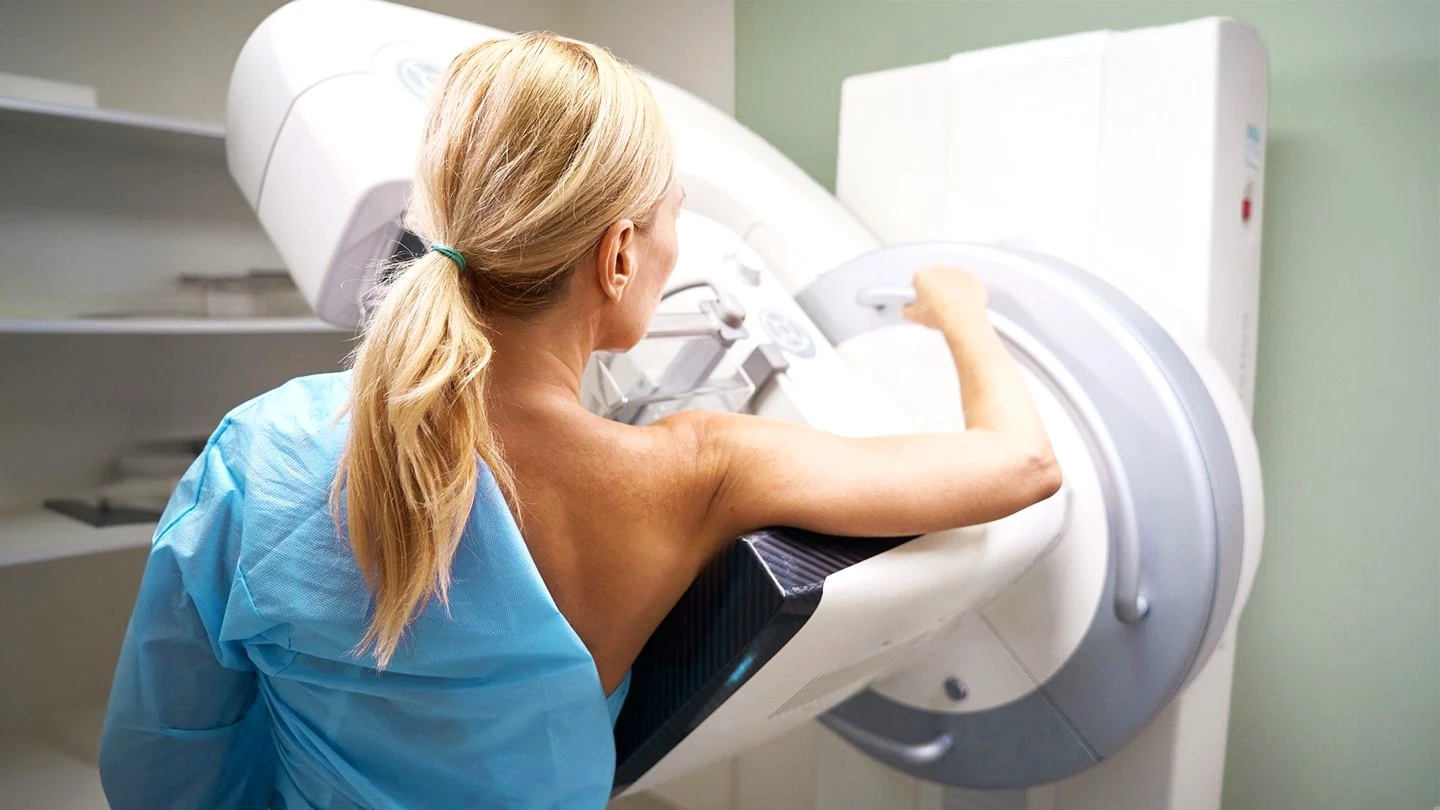
Breast Cancer Screening: Mammogram & BRCA Guide
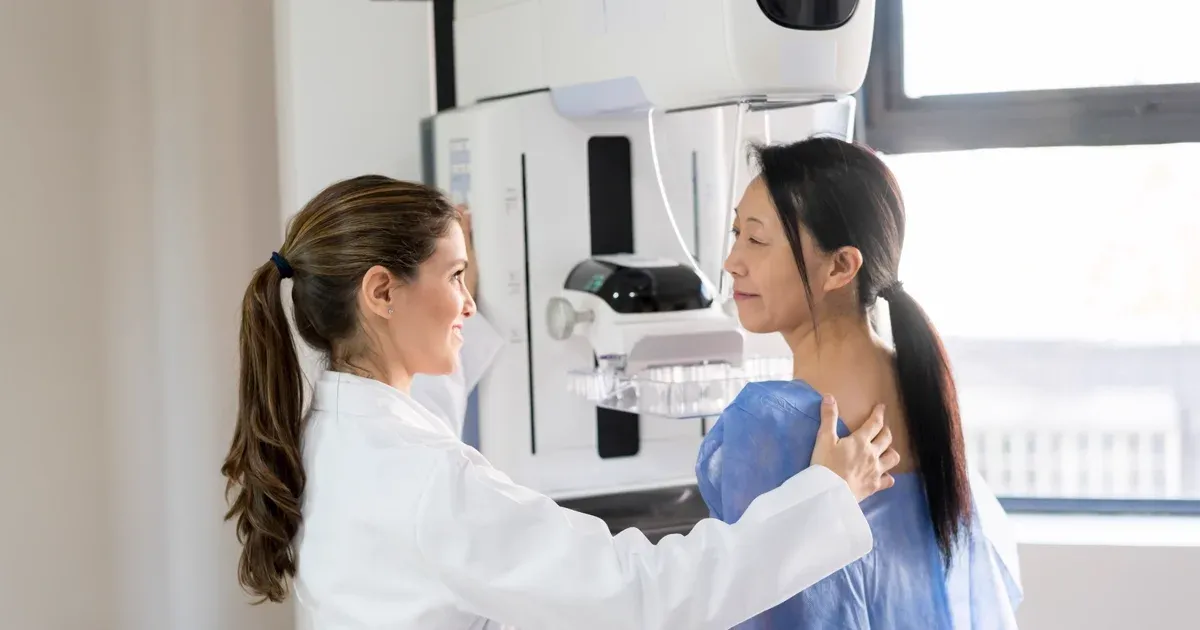
Mammogram vs Breast Ultrasound Dubai
More in Women's Health

BRCA Test: Who Should Consider Genetic Counselling?
Read More
Breast Cancer Awareness Month: October 2026 Dubai
Read MoreDense Breast Tissue: What Your Mammogram Report Means
Read More
Emsella After Childbirth Dubai: Postpartum Guide (2026)
Read More
How Emsella Works: Pelvic Floor Chair Guide Dubai (2026)
Read More
Pelvic Floor Physiotherapy Dubai: Who Needs It (2026)
Read More© 2026 Doctors Clinic Diagnostic Center (DCDC), Dubai Healthcare City. Originally published at https://doctorsclinicdubai.ae/blog/breast-lump-when-to-worry-dubai. All rights reserved. Unauthorized reproduction is prohibited.