
Key Takeaways
- BRCA testing looks for inherited gene changes; it does not diagnose a current breast lump.
- The pattern of cancer in your family can guide a referral, including relatives on your father’s side.
- A negative or uncertain result needs interpretation. A test is useful when its result can inform a care plan.
A BRCA test checks for inherited changes in BRCA1 and BRCA2, usually using a blood or saliva sample. Cleveland Clinic’s patient guide explains the test and why counselling matters. For someone concerned about breast cancer in their family, the first decision is often whether a cancer-genetics assessment is appropriate—not which test package to buy.
October awareness campaigns can prompt useful family conversations. Write down what you know, but do not assume one relative’s diagnosis means you carry a gene change. A clinician or genetic counsellor can help decide which information is relevant and whether testing would affect your care.
Who should ask about a genetics referral?
Reasons to discuss referral include a known harmful BRCA variant in the family, breast cancer diagnosed at a young age, ovarian cancer, male breast cancer, or a pattern involving pancreatic or certain prostate cancers. The NCI BRCA fact sheet describes factors used in assessment. These are prompts for a clinical discussion, not a checklist that confirms inherited cancer risk.
Include both sides of your family. If possible, note the cancer type, age at diagnosis, relationship to you and whether a genetic result is available. “My aunt had cancer” is a starting point; a written pathology or genetics report can be more useful if the relative chooses to share it. Missing details should not stop you seeking advice.
What genetic counselling helps you decide
Counselling covers which test is suitable, possible results, implications for relatives and how results could affect screening or prevention. The NCI genetic-testing guide explains why an informed discussion before testing matters. A broader panel is not automatically the right choice just because it analyses more genes.
- What question are we trying to answer with this test?
- Would it be more informative for a relative who has had cancer to be tested first?
- Is there a known family variant that the laboratory should specifically check?
- How will each possible result change my follow-up?
- Who will explain the result, and how can I contact them afterwards?
Positive, negative and uncertain: three different results
| Result | Meaning to discuss |
|---|---|
| Pathogenic or likely pathogenic variant | A harmful inherited change has been identified. It can inform a personalised risk-management plan; it is not a diagnosis of current cancer. |
| Negative | No relevant harmful change was identified by that test. Interpretation depends on the family history, test scope and whether a known family variant was checked. |
| Variant of uncertain significance (VUS) | A change was found, but its significance is unclear. It should not be treated as a confirmed harmful mutation. |
A negative result can be reassuring in one family and leave unanswered questions in another. The Mayo Clinic BRCA guide explains why results must be interpreted in context. Ask for a written explanation of what remains recommended for you, rather than changing screening on the basis of the word “negative” alone.
BRCA testing is different from breast and cervical screening
| Assessment | Main purpose |
|---|---|
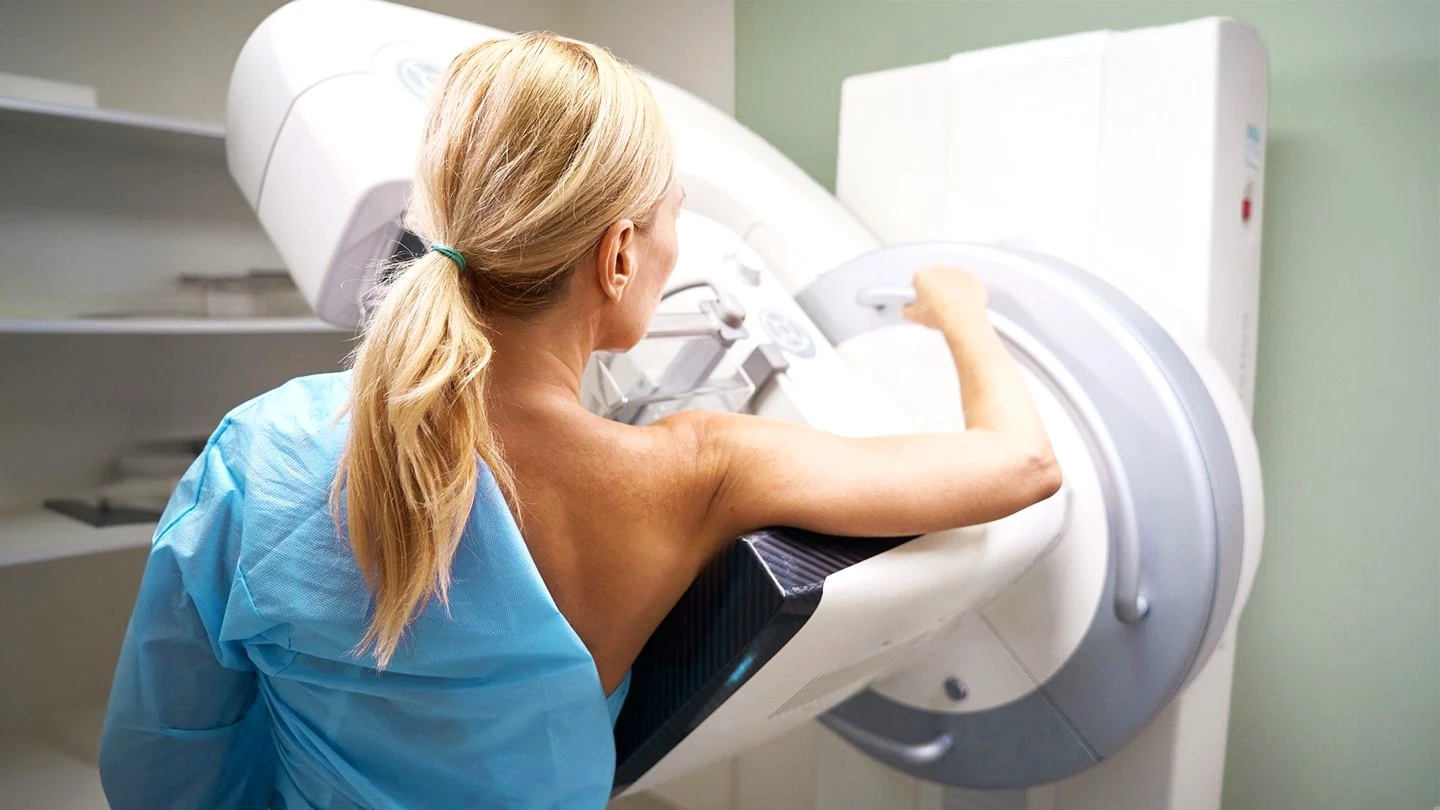
| Mammogram or targeted breast imaging | Examines breast tissue for findings that need interpretation. |
| Inherited BRCA test | Investigates inherited susceptibility to certain cancers. |
| Pap smear or HPV test | Supports cervical screening; does not test for BRCA or screen the breasts. |
A new breast lump or concerning change needs clinical assessment without waiting for a genetics result. Likewise, a breast screening appointment does not establish whether you carry an inherited variant. Keeping these questions separate helps you book the right visit and avoids paying for a test that does not answer your concern.
Prepare a one-page family history
- List close relatives on your mother’s and father’s sides.
- Record confirmed cancer types and approximate ages at diagnosis, and mark anything you are unsure about.
- Bring copies of any family genetic results you have permission to share.
- Bring your own relevant reports, previous screening dates and medication list.
- Write down your main concern, including whether you are seeking information for yourself or planning a conversation with relatives.
Ask the testing provider about the laboratory, sample requirements, expected reporting time, price, insurance approval and who provides post-test counselling. Also ask how your genetic information is stored and shared. These details should be clear before you consent to testing; this article does not quote a BRCA test price or promise insurance cover.
What to expect at DCDC
Start with a women’s health consultation to discuss your history and whether specialist referral is needed. This article does not advertise onsite BRCA testing or a cancer-genetics clinic at DCDC. Our October breast screening offer and its optional Gold cervical upgrade do not include BRCA testing. Tell the team if your main concern is family history so the request is routed appropriately.
At the consultation, explain your main concern and share previous reports before deciding on tests. DCDC has on-site digital mammography and ultrasound; the clinician will discuss which assessment, if any, is appropriate. Before leaving, confirm how results will be reviewed and how any specialist referral will be arranged. Ask the team for the expected reporting time for your specific examination.
Related Services at DCDC
Expert care and advanced diagnostics at Dubai Healthcare City
Frequently Asked Questions
Your next step
Bring your questions and previous reports to a clinical discussion. An individual plan is more useful than choosing tests by a package name alone.
Sources & References
This article references the following sources:
- Cleveland Clinic: BRCA testing
- NCI: BRCA gene changes
- NCI: Genetic testing for inherited cancer risk
- Mayo Clinic: BRCA gene test
This information is educational and does not replace individual medical advice. See our editorial policy for more information.

Written by
DCDC Editorial Team
Patient education
Patient information from Doctors Clinic Diagnostic Center, based on the references listed here. This article supports a clinical discussion and does not provide an individual diagnosis.
Related patient guides
Breast screening overview

When to start mammograms

October breast awareness plan
More in Women's Health

Emsella vs Incontinence Surgery Dubai (2026)
Read More
Double Marker Test Dubai: Timing, Results & Price (2026)
Read More
Emsella Side Effects & Safety Dubai (2026)
Read More
FSH & LH Test Dubai: Day 3 Levels, Ratio & Price
Read More
NIPT Test Dubai: Cost, Accuracy & Timing (2026)
Read More
NIPT Results: High-Risk vs Low-Risk Explained (2026)
Read More© 2026 Doctors Clinic Diagnostic Center (DCDC), Dubai Healthcare City. Originally published at https://doctorsclinicdubai.ae/blog/brca-test-who-needs-genetic-counselling. All rights reserved. Unauthorized reproduction is prohibited.