Key Takeaways
- Breast cancer accounts for 37% of all female cancers in the UAE, and women here are diagnosed a decade earlier than in Western countries — prevention and early screening are critical
- Up to 30-50% of breast cancers are linked to modifiable lifestyle factors: maintaining a healthy weight, exercising regularly, limiting alcohol, and breastfeeding all reduce your risk
- Start annual mammograms at age 40 (ACS 2025 guideline). In the UAE, 21% of breast cancers occur in women aged 30-40, so discuss earlier screening with your doctor if you have risk factors
- Early-stage breast cancer has a 99% five-year survival rate — but only if detected early through regular screening. Late-stage survival drops significantly
- Monthly breast self-awareness helps you recognise changes early. Know how your breasts normally look and feel, and report any new lumps, skin changes, or nipple discharge promptly
- High-risk women (BRCA carriers, family history, chest radiation) should start annual MRI screening at age 25 and mammograms at 30, with alternating exams every 6 months
Breast cancer is the most common cancer among women in the UAE, accounting for approximately 37% of all female cancer diagnoses. But here is the empowering reality: a significant proportion of breast cancers are preventable through lifestyle choices, and nearly all are survivable when detected early. Whether you are looking to reduce your personal risk or establish a screening routine, this guide covers every evidence-based strategy — from dietary changes and exercise to mammogram screening schedules and genetic testing — tailored to women living in Dubai and the UAE.
According to Dr. Parisa Dini, who specialises in preventive women's health at DCDC: "I encourage every woman to think of breast cancer prevention as a two-part approach — actively reducing your modifiable risk factors through lifestyle, and committing to age-appropriate screening so that if cancer does develop, we catch it at its earliest, most treatable stage. In the UAE, where we see breast cancer presenting in younger women, this proactive approach is especially important."
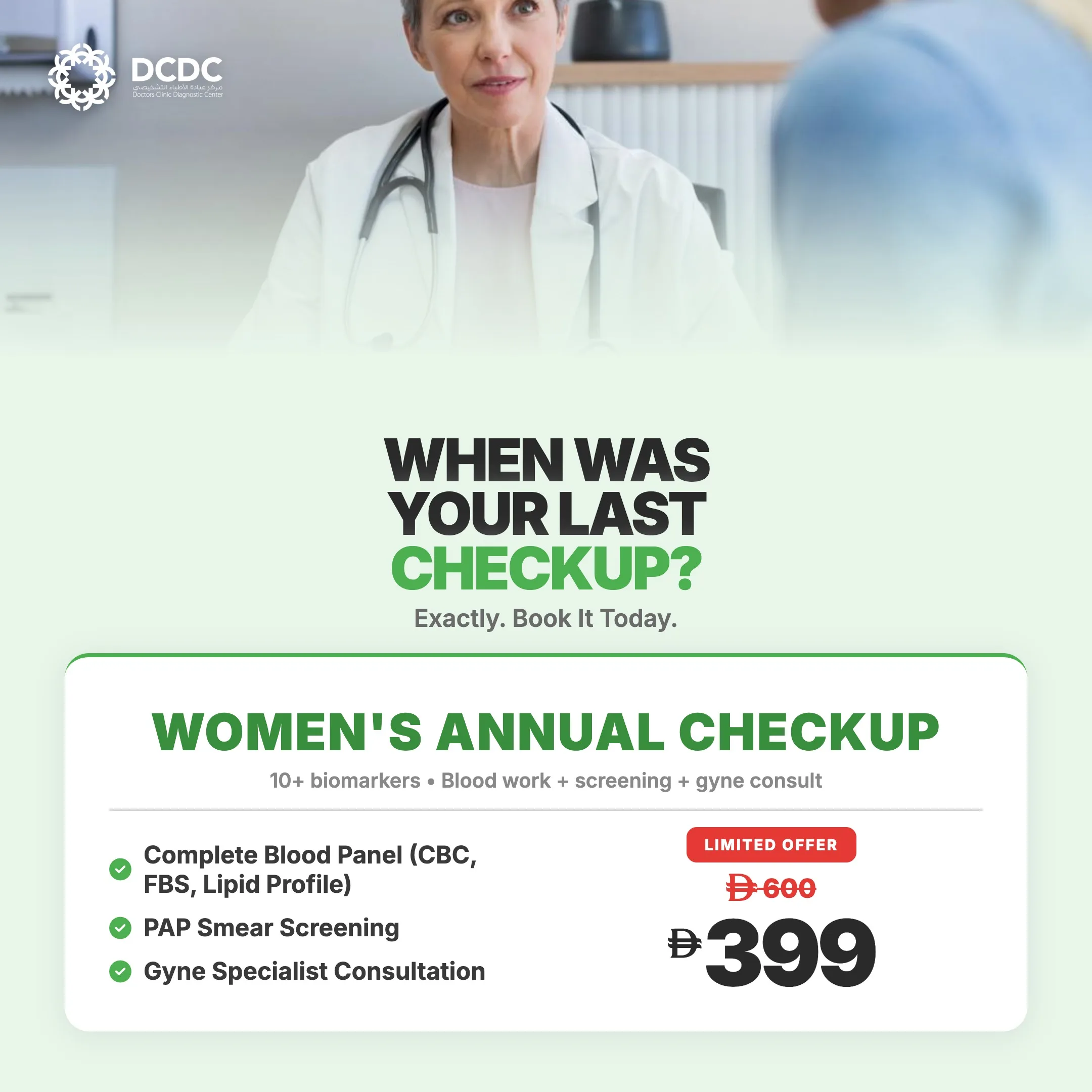
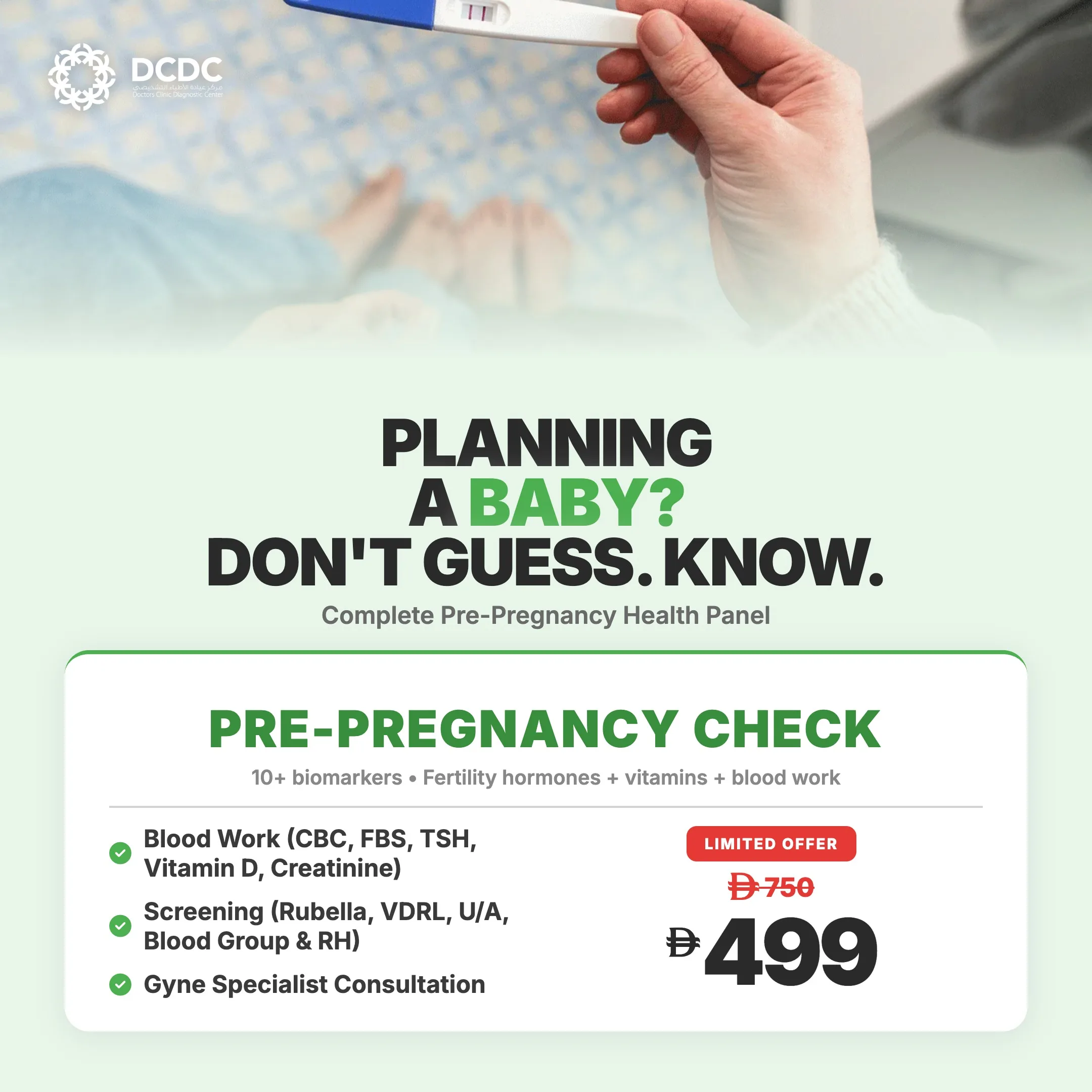
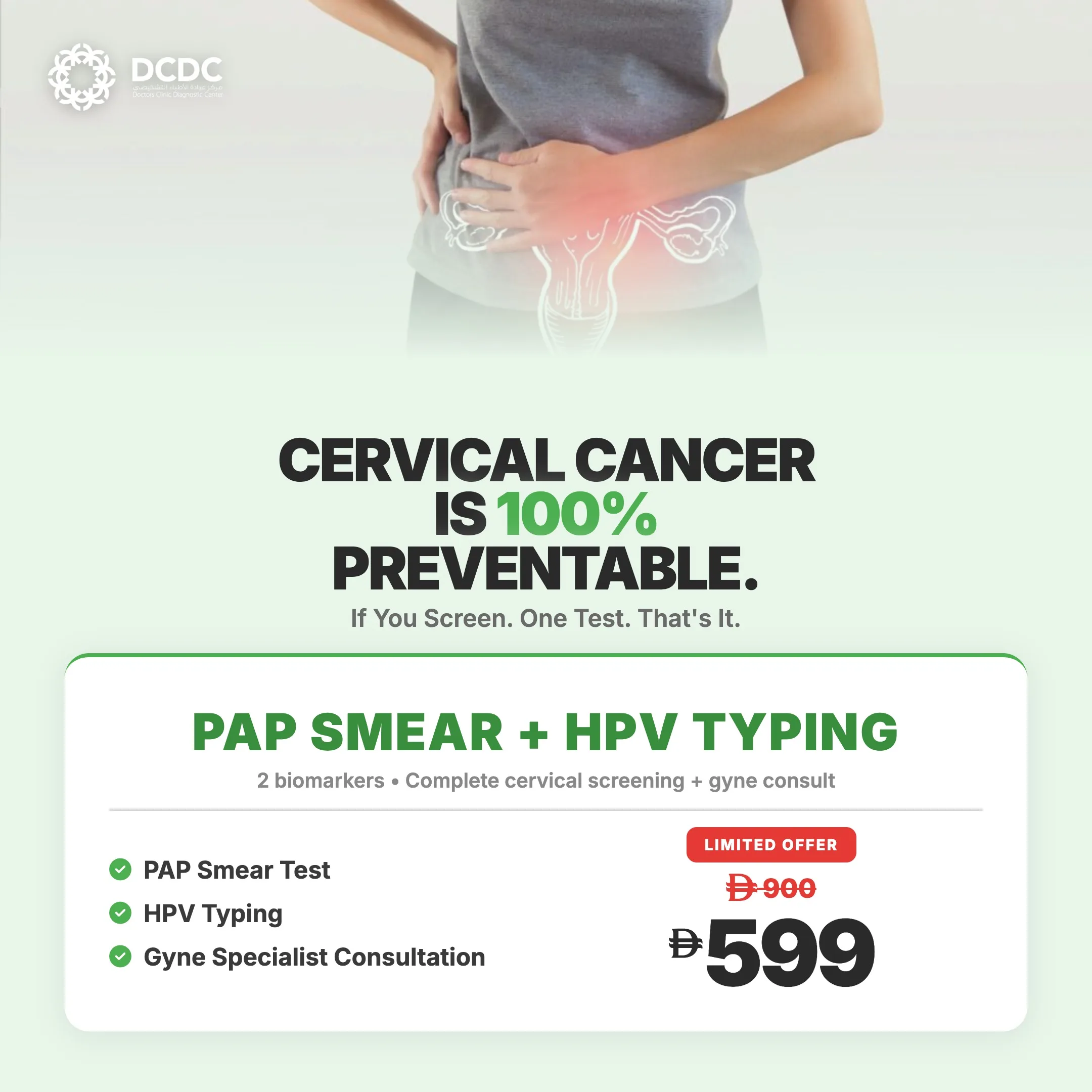
Health Screening Packages
Save with our bundled screening packages — specialist consultation included



Breast Cancer in the UAE: Why Prevention Matters
The UAE faces a unique breast cancer landscape that makes prevention and early screening more urgent than in many Western countries. According to the UAE National Cancer Registry, breast cancer is the most common malignancy among women, comprising approximately 37% of all female cancer cases. The crude incidence rate stands at 40.1 per 100,000 women, with an age-standardised rate of 52 per 100,000.
What sets the UAE apart is the younger age of diagnosis. The median age of breast cancer diagnosis in the Arab population is approximately 48 years — a full decade earlier than in Western countries. Even more striking:
- 74% of women diagnosed with breast cancer in the UAE are under 54 years old
- 21.5% of cases occur in women between the ages of 30 and 40
- 12% of cases are diagnosed in women under 35 — compared to roughly 2% in Western populations
- 28% of breast cancer deaths in the UAE occur in women under 45, versus only 11% in the USA
These numbers underscore why waiting until age 50 to begin screening — as some older guidelines suggested — is inadequate for women living in the UAE. Prevention strategies and earlier screening can save lives.
Understanding Breast Cancer Risk Factors
Breast cancer risk factors fall into two categories: those you cannot change (non-modifiable) and those you can influence (modifiable). Understanding both helps you take targeted action where it matters most.
| Category | Risk Factor | Impact Level | Details |
|---|---|---|---|
| Non-Modifiable | Age | High | Risk increases with age; however, in the UAE, peak incidence is 45-55 years |
| Non-Modifiable | BRCA1/BRCA2 mutations | Very High | 60-90% lifetime risk of breast cancer for carriers |
| Non-Modifiable | Family history | Moderate–High | First-degree relative with breast cancer doubles your risk |
| Non-Modifiable | Dense breast tissue | Moderate | 4-6x higher risk and reduces mammogram sensitivity |
| Non-Modifiable | Early menstruation / late menopause | Moderate | Longer lifetime oestrogen exposure increases risk |
| Non-Modifiable | Prior chest radiation | High | Radiation therapy before age 30 significantly increases risk |
| Modifiable | Physical inactivity | Moderate | Sedentary lifestyle increases risk by 10-20% |
| Modifiable | Excess body weight (post-menopause) | Moderate–High | Adipose tissue produces oestrogen, fuelling hormone-receptor-positive cancers |
| Modifiable | Alcohol consumption | Moderate | Each daily drink increases risk by approximately 7-10% |
| Modifiable | Never breastfeeding | Low–Moderate | Breastfeeding for 12+ months reduces risk by approximately 4.3% |
| Modifiable | Hormone replacement therapy | Moderate | Combined HRT for 5+ years increases risk; discuss alternatives with your doctor |
| Modifiable | Vitamin D deficiency | Emerging | Common in the UAE despite sunshine; low levels associated with higher cancer risk |
Breast cancer risk factors: non-modifiable versus modifiable. Focus your prevention efforts on the modifiable factors while monitoring non-modifiable risks through appropriate screening.
An important reassurance: approximately 75-85% of breast cancers occur in women with no family history. This means every woman benefits from prevention strategies and screening — not only those with known genetic risk.
Breast Cancer Prevention: Evidence-Based Strategies
Research from the American Institute for Cancer Research estimates that one in three breast cancer cases could be prevented through lifestyle modifications alone. Here are the strategies with the strongest evidence.
1. Maintain a Healthy Weight
After menopause, excess body fat becomes the primary source of oestrogen production. Women who are overweight or obese after menopause have a 20-60% higher risk of breast cancer compared to women at a healthy weight. Aim for a body mass index (BMI) between 18.5 and 24.9, and focus particularly on reducing abdominal fat, which is metabolically more active.
2. Exercise Regularly
Physical activity is one of the most well-established protective factors. Pre-menopausal women who are most active have a 17% lower risk, and post-menopausal women have a 10% lower risk of developing breast cancer. The mechanism involves reducing insulin, IGF-1, and oestrogen levels. Aim for at least 150 minutes of moderate-intensity exercise (brisk walking, swimming) or 75 minutes of vigorous exercise (running, cycling) per week.
3. Eat a Plant-Rich, Anti-Inflammatory Diet
While no single food prevents breast cancer, dietary patterns matter. A Mediterranean-style diet rich in fruits, vegetables, whole grains, legumes, and healthy fats (olive oil, nuts) is associated with lower breast cancer risk. Cruciferous vegetables (broccoli, cauliflower, kale) contain compounds that may help regulate oestrogen metabolism. Limit processed meats, refined sugars, and highly processed foods.
4. Limit Alcohol Intake
Alcohol is a confirmed breast cancer risk factor. Even moderate consumption — one drink per day — increases risk by approximately 7-10%. The mechanism involves increased oestrogen levels and direct DNA damage. The safest level for breast cancer prevention is zero alcohol, according to the World Cancer Research Fund.
5. Breastfeed If Possible
Breastfeeding for 12 months or more (cumulative across children) reduces breast cancer risk by approximately 4.3%. Longer durations offer greater protection. The protective effect is thought to involve delayed return of menstrual cycles, reduced lifetime oestrogen exposure, and changes in breast cell differentiation that make cells more resistant to becoming cancerous.
6. Be Cautious with Hormone Replacement Therapy
Combined oestrogen-progesterone HRT used for more than five years increases breast cancer risk. If you need HRT for menopausal symptoms, discuss with your gynaecologist the lowest effective dose for the shortest duration. Alternatives such as non-hormonal medications, lifestyle changes, and localised oestrogen therapy may manage symptoms with lower risk. For a comprehensive guide to breast cancer screening options, including when and how to begin, see our detailed screening guide.
Breast Cancer Screening Schedule by Age
Screening does not prevent breast cancer, but it detects it at its earliest and most treatable stage — when the five-year survival rate is 99%. The following table summarises current guidelines from the American Cancer Society (ACS 2025), the US Preventive Services Task Force (USPSTF 2024), and the UAE Ministry of Health.
| Age Group | Recommended Screening | Frequency | Key Notes |
|---|---|---|---|
| 20-29 | Breast self-awareness; clinical breast exam | Monthly self-awareness; clinical exam every 1-3 years | Discuss earlier mammograms with your doctor if you have risk factors (family history, BRCA, chest radiation) |
| 30-39 | Clinical breast exam; consider mammogram for high-risk women | Clinical exam annually; mammogram as advised | In the UAE, 21% of breast cancers occur in this age group — do not ignore symptoms |
| 40-49 | Annual mammogram (2D or 3D) | Every year | ACS 2025 updated guidelines now recommend starting at 40. Discuss 3D tomosynthesis if you have dense breasts |
| 50-74 | Mammogram (annual or biennial) | Every 1-2 years | ACS recommends annual until 54, then option to switch to biennial. Continue as long as you are in good health |
| 75+ | Mammogram based on individual health | As recommended by your doctor | Continue screening if life expectancy is 10+ years and you are in good overall health |
Breast cancer screening schedule by age group, based on ACS 2025 and USPSTF 2024 guidelines. Women with risk factors may need to start earlier or screen more frequently.
Given the younger age of onset in the UAE, Dr. Dini recommends that women in Dubai discuss their personal risk profile with their gynaecologist at age 25-30, rather than waiting until 40, to determine whether earlier screening is warranted.
How to Perform a Breast Self-Examination
While formal monthly breast self-exams (BSE) are no longer universally mandated by guidelines, breast self-awareness remains valuable. Knowing how your breasts normally look and feel means you can detect changes earlier. The best time to perform a self-exam is 7-10 days after the start of your period, when breasts are least tender.
Step 1: Visual Inspection
Stand in front of a large mirror with your arms at your sides. Look for any changes in size, shape, or symmetry. Check for skin dimpling, puckering, or redness. Then raise your arms overhead and check again. Finally, press your hands firmly on your hips and lean slightly forward — this contracts the chest muscles and makes any dimpling more visible.
Step 2: Manual Examination (Standing)
Using the pads of your three middle fingers (not fingertips), feel each breast in a systematic pattern — either lines (up and down), circles (outer edge spiralling inward), or wedges (outer edge toward the nipple). Use three levels of pressure: light (skin surface), medium (mid-tissue), and firm (deep tissue near the chest wall). Cover the entire breast area from collarbone to bra line, and from armpit to breastbone.
Step 3: Manual Examination (Lying Down)
Lie down with a pillow under your right shoulder and your right arm behind your head. This spreads the breast tissue evenly. Repeat the systematic palpation using your left hand. Switch sides and repeat. Many women find this position easier for detecting deeper lumps.
Step 4: Check Your Nipples
Gently squeeze each nipple between your thumb and forefinger. Check for any discharge (clear, bloody, or milky), inversion (nipple pulling inward), or changes in direction. Any persistent nipple discharge — particularly if it is spontaneous, unilateral, or bloody — should be evaluated by your doctor. For a comprehensive list of warning signs, read our guide on early signs and symptoms of breast cancer.
When to See a Doctor
- A new lump or thickening in the breast or underarm area
- Change in the size, shape, or appearance of a breast
- Dimpling, puckering, or redness of the breast skin
- Nipple discharge (especially if bloody or spontaneous)
- A nipple that has recently become inverted
- Persistent, localised breast pain that does not follow your menstrual cycle
- Peeling, scaling, or flaking skin around the nipple or breast
Mammogram Screening: What to Expect
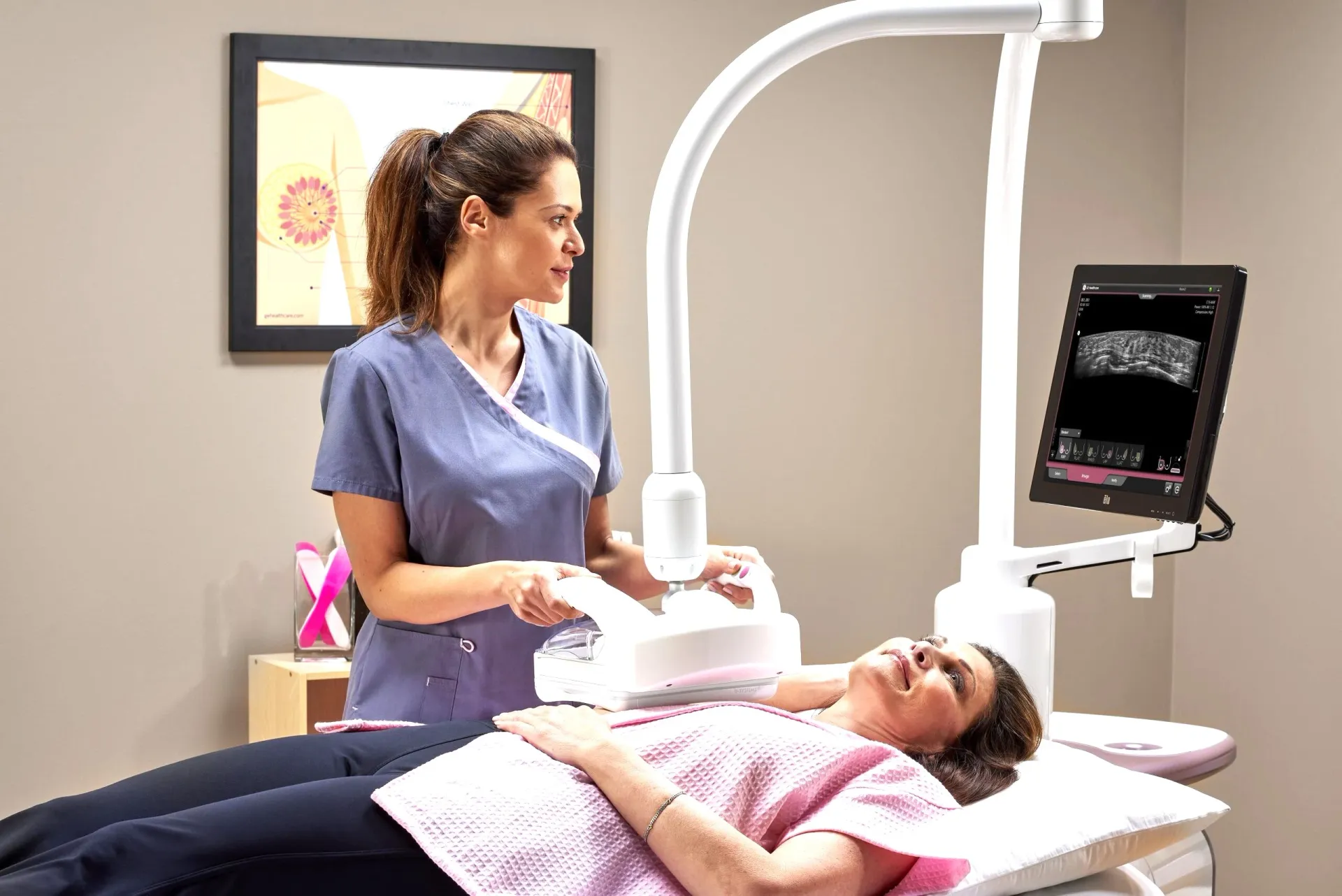
A mammogram is a low-dose X-ray of the breast and remains the gold standard for breast cancer detection. It can identify cancers up to 1-3 years before they become large enough to feel as a lump. Understanding what to expect can reduce anxiety and help you prepare.
2D vs 3D Mammography
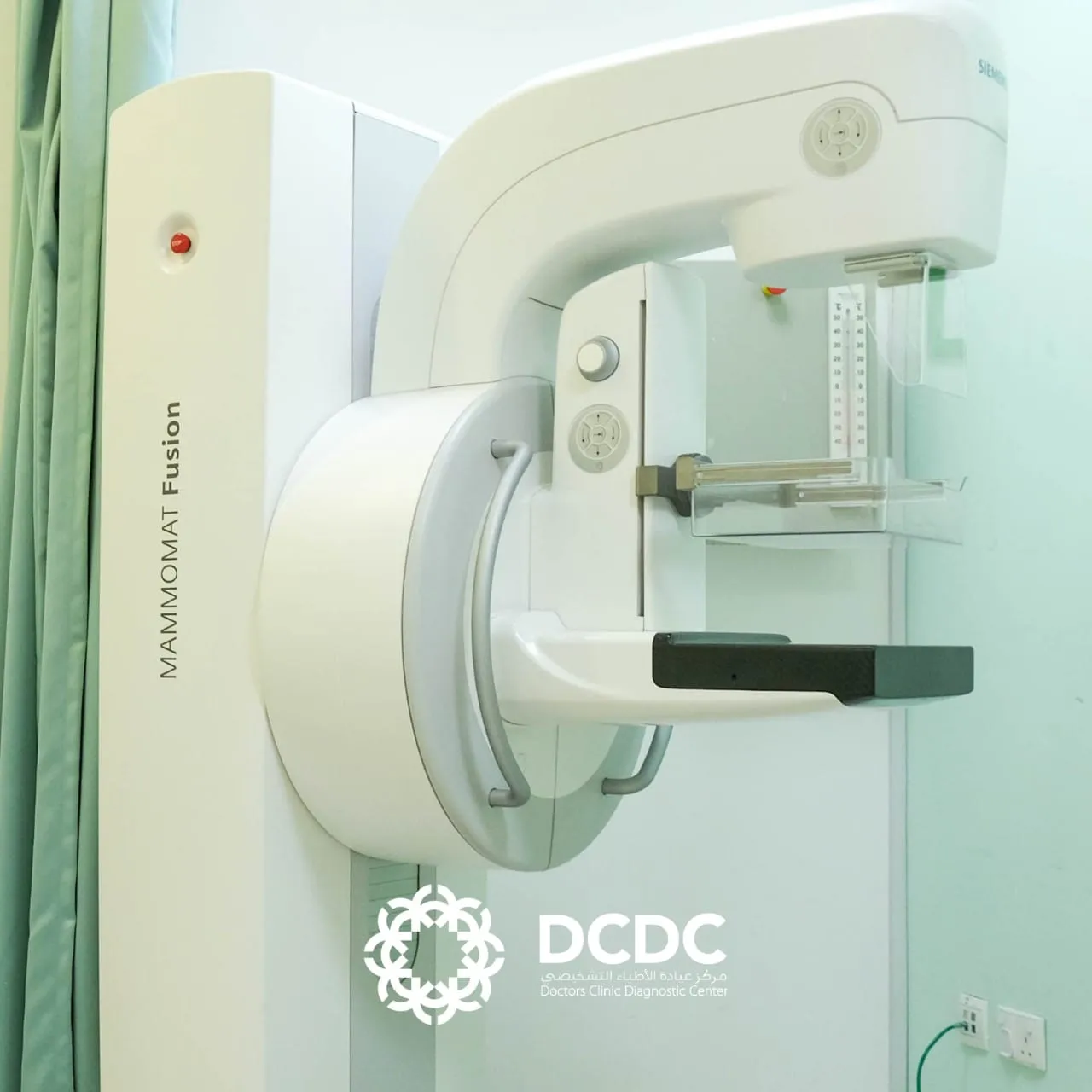
Standard 2D digital mammography captures flat images of the breast from two angles. 3D tomosynthesis takes multiple low-dose images from different angles and reconstructs them into thin slices, allowing the radiologist to examine the breast layer by layer. 3D mammography detects 20-41% more invasive cancers and reduces false-positive callbacks by 15%, making it particularly valuable for women with dense breasts. For a detailed comparison, see our guide on 3D vs 2D mammograms.
The Procedure
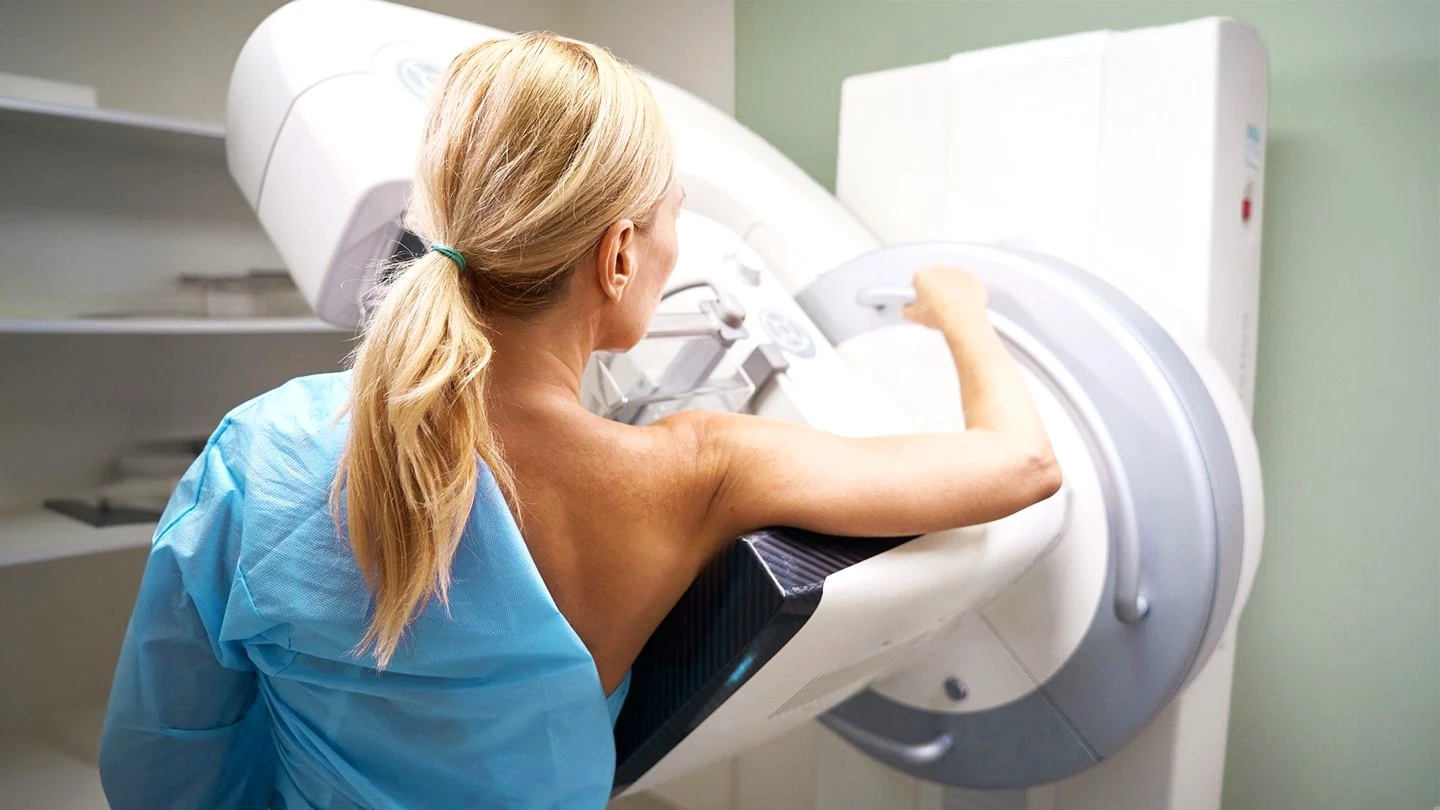
The entire mammogram takes approximately 15-20 minutes. Each breast is positioned on a flat detector plate and gently compressed by a clear plastic paddle. Compression lasts only 10-15 seconds per image and is necessary to spread the tissue, reduce radiation dose, and produce clear images. Most women rate the discomfort at 3-4 out of 10 — more pressure than pain. Four images are typically taken (two per breast).
Tips for a More Comfortable Mammogram
- Schedule timing: Book your mammogram 7-10 days after your period starts, when breasts are least tender
- Skip deodorant: Do not apply deodorant, powder, or lotion to your chest or underarms — they can create imaging artefacts
- Pain relief: Take 400 mg of ibuprofen 30-60 minutes before your appointment if you are concerned about discomfort
- Reduce caffeine: Consider limiting caffeine 1-2 days before if you have tender or fibrocystic breasts
- Wear a two-piece outfit: You will need to undress from the waist up, so a separate top and bottom is most convenient
Beyond Mammograms: Additional Screening Options
While mammography is the primary screening tool, other modalities play important roles — especially for women with dense breasts, high risk factors, or specific clinical concerns.
Breast Ultrasound
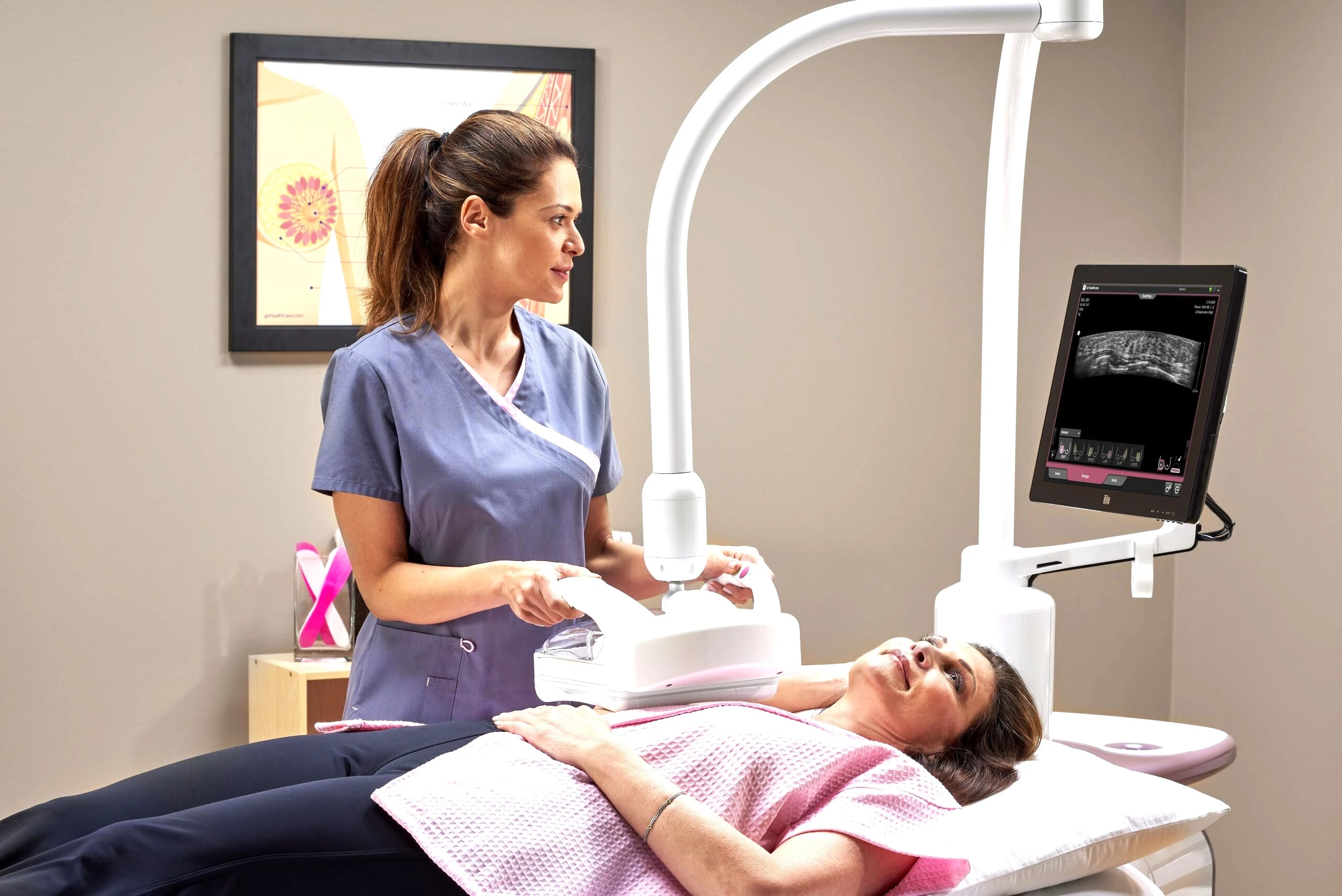
Breast ultrasound uses sound waves (no radiation) to create images of breast tissue. It is particularly useful for evaluating palpable lumps (distinguishing solid masses from fluid-filled cysts), imaging dense breasts where mammograms may be less sensitive, and guiding biopsies. Supplemental ultrasound detects 2-4 additional cancers per 1,000 women with dense breasts that mammography alone missed. Learn more in our breast ultrasound guide.
Breast MRI
Breast MRI has the highest sensitivity of any breast imaging modality (94-99%), making it invaluable for high-risk screening. It uses magnetic fields and contrast dye — no radiation. However, it also has a higher false-positive rate, which is why it is reserved for high-risk women rather than routine screening. MRI is recommended alongside mammography for BRCA carriers, women with 20%+ lifetime risk, and those with prior chest radiation. For more details, see our breast MRI guide.
BRCA Genetic Testing
BRCA1 and BRCA2 gene mutations carry a lifetime breast cancer risk of 60-90%. Genetic testing is recommended if you have a strong family history: multiple relatives with breast or ovarian cancer, breast cancer diagnosed before age 50 in a relative, male breast cancer in the family, or Ashkenazi Jewish heritage. A simple blood test can determine your BRCA status. At DCDC, genetic counselling and BRCA testing are available through our women's health department.
Tumour Markers
Blood-based tumour markers such as CA 15-3 and CEA are not recommended for screening average-risk women, as they lack the sensitivity and specificity needed for early detection. However, they play a role in monitoring treatment response and detecting recurrence in women already diagnosed with breast cancer.
Breast Cancer Prevention for High-Risk Women
If you are at elevated risk — due to BRCA mutations, strong family history, prior chest radiation, or certain genetic syndromes — your prevention and screening plan should be more intensive than standard guidelines.
Enhanced Screening Protocols
The National Comprehensive Cancer Network (NCCN) recommends the following for BRCA1/BRCA2 carriers:
- Age 25: Begin annual breast MRI and clinical breast exams
- Age 30: Add annual mammogram, alternating with MRI every 6 months (so you are screened every 6 months)
- Consider 3D tomosynthesis over standard 2D mammography for improved detection in dense, younger breast tissue
- Discuss risk-reducing options with your specialist, including chemoprevention (tamoxifen, raloxifene) or prophylactic surgery
Risk-Reducing Medications
Selective oestrogen receptor modulators (SERMs) such as tamoxifen and raloxifene can reduce breast cancer risk by 30-50% in high-risk women. Aromatase inhibitors like exemestane and anastrozole offer similar protection for post-menopausal women. These medications carry their own side effects and must be prescribed by a specialist after careful risk-benefit analysis.
Prophylactic Surgery
Prophylactic (preventive) bilateral mastectomy reduces breast cancer risk by approximately 90-95% in BRCA carriers. Prophylactic bilateral oophorectomy (removal of ovaries) reduces both breast cancer risk (by approximately 50% when performed before menopause) and ovarian cancer risk. These are significant decisions that require thorough genetic counselling, psychological support, and multidisciplinary planning.
Know Your Breast Cancer Risk
Book a women's health consultation at DCDC to discuss your personal risk factors, family history, and create a tailored screening plan with Dr. Parisa Dini.
Women's health consultations available. Mammograms from AED 250.
What to Expect at DCDC
At Doctors Clinic Diagnostic Center (DCDC) in Dubai Healthcare City, we have designed our breast screening pathway to be thorough, comfortable, and efficient. Here is what your visit looks like:
Your Mammogram Journey
- Arrive at DHCC Building 64, Block A: We are located in Dubai Healthcare City with free parking available. The clinic is approximately 10 minutes from Downtown Dubai and open until 10 PM for evening appointments
- Registration and consultation: If this is your first visit, a brief consultation reviews your medical history, family history, and risk factors to determine the most appropriate screening
- Mammogram by female radiographers: All mammograms at DCDC are performed by experienced female radiographers for your comfort and dignity. We offer both digital 2D and 3D tomosynthesis mammography
- Subspecialty radiologist interpretation: Your images are reviewed by a subspeciality radiologist with expertise in breast imaging, ensuring the highest diagnostic accuracy
- Results within 18-24 hours: You will receive your mammogram results within 18-24 hours, with urgent findings communicated immediately
- Follow-up with your specialist: If any findings require further investigation, your gynaecologist or referring doctor will discuss next steps — whether that is additional imaging, ultrasound, or a referral for biopsy
Pricing and Packages
Mammograms at DCDC start from AED 250 for standard 2D digital mammography. Women's health screening packages range from AED 299-1,499 depending on the comprehensiveness of the assessment. We work with 20+ insurance providers with direct billing, so most patients pay nothing out of pocket for covered screening mammograms.
Why Women Choose DCDC
- Patient satisfaction: 4.8/5 Google rating from 1,000+ reviews with 98% patient satisfaction
- MOHAP licensed: Fully licensed by the UAE Ministry of Health and Prevention
- Female radiographers: All mammograms performed by women, for women
- Advanced technology: Both 2D and 3D digital mammography available on-site
- Convenient access: DHCC Building 64, Block A — free parking, open until 10 PM, direct billing with 20+ insurers
The Role of Lifestyle in Breast Cancer Prevention: Dubai-Specific Advice
Living in Dubai presents unique lifestyle factors that can influence breast cancer risk — both positively and negatively. Understanding these local considerations helps you make targeted changes.
Vitamin D: The Sunshine Paradox
Despite living in one of the sunniest regions on earth, vitamin D deficiency is extremely common in the UAE — affecting an estimated 70-90% of the population. The culprit: indoor lifestyles (air-conditioned malls, offices, and homes), modest dress codes, and avoiding outdoor activity during the intense summer heat. Emerging research associates low vitamin D levels with increased breast cancer risk. Have your vitamin D levels checked as part of your annual health screening, and supplement if deficient (your doctor will advise on dosage).
Indoor Lifestyle and Physical Inactivity
Dubai's extreme summer heat (May through September) pushes residents indoors, leading to reduced physical activity. Combat this by joining a gym or fitness class (many Dubai malls have gyms), exercising early morning or after sunset during summer, swimming (an excellent full-body workout available year-round), and using indoor walking tracks at facilities such as Dubai Sports World.
Dietary Considerations
Dubai's vibrant food culture offers both challenges and opportunities. On the positive side, the availability of fresh fruits, vegetables, and Mediterranean-style cuisine supports a cancer-protective diet. On the challenging side, the prevalence of dining out, food delivery, and processed convenience foods can lead to excess calorie intake and weight gain. Focus on home-cooked meals rich in vegetables, whole grains, lean protein, and healthy fats.
Stress Management
While the direct link between chronic stress and breast cancer is still being studied, stress contributes to behaviours that increase risk — poor sleep, comfort eating, physical inactivity, and increased alcohol consumption. Dubai's fast-paced lifestyle makes deliberate stress management important. Consider mindfulness, regular exercise, adequate sleep (7-8 hours), and maintaining social connections.
Breast Cancer Prevention and Insurance in Dubai
Understanding your insurance coverage for breast cancer screening removes a common barrier to getting screened.
What Insurance Typically Covers
- Screening mammograms: Most major health insurance plans in the UAE cover annual screening mammograms for women aged 40 and above. Many insurers extend coverage to women as young as 35 with elevated risk factors
- Diagnostic mammograms: Covered when ordered by a doctor to investigate symptoms or abnormal findings
- Breast ultrasound: Typically covered when clinically indicated (symptoms, dense breasts, abnormal mammogram)
- BRCA testing: Coverage varies; often covered when genetic counselling indicates testing is appropriate based on family history
- Breast MRI: Usually requires prior authorisation and is covered for high-risk women meeting specific criteria
DCDC Direct Billing
DCDC works with over 20 insurance providers in the UAE, offering direct billing for most breast screening services. This means you typically pay only your co-pay or deductible at the time of your visit — no upfront payment and no claim paperwork. Contact our reception team to verify your coverage before your appointment.
Self-Pay Options
For patients without insurance or those whose plans do not cover screening, DCDC offers competitive self-pay rates. A screening mammogram starts from AED 250. Women's health packages that combine a mammogram with additional screenings are available from AED 299-1,499. October (Breast Cancer Awareness Month) often brings special screening promotions — contact us for current offers.
Book Your Breast Cancer Screening Today
Take the first step in breast cancer prevention. Schedule your mammogram at DCDC Dubai Healthcare City — female radiographers, 2D and 3D options, results in 18-24 hours.
Mammograms from AED 250. Direct billing with 20+ insurers. Open until 10 PM.
Breast Cancer Prevention at Every Age: A Summary
Prevention is not a one-time action — it is a lifelong commitment that evolves with your age and risk profile. Here is a quick-reference summary:
| Age | Prevention Focus | Key Actions |
|---|---|---|
| 20s | Foundation building | Establish exercise habits, learn breast self-awareness, discuss family history with your doctor, check vitamin D levels |
| 30s | Risk assessment | Clinical breast exams, risk assessment with your gynaecologist, BRCA testing if indicated, maintain healthy weight |
| 40s | Active screening | Annual mammogram, continue lifestyle measures, discuss 3D tomosynthesis if you have dense breasts |
| 50s-60s | Sustained vigilance | Continue regular mammograms, manage post-menopausal weight, be cautious with HRT, maintain exercise routine |
| 70+ | Individualised approach | Continue screening based on health status, maintain physical activity, regular check-ups with your doctor |
Age-based breast cancer prevention and screening roadmap. Discuss your individual plan with your gynaecologist at each stage.
Related Services at DCDC
Expert care and advanced diagnostics at Dubai Healthcare City
Frequently Asked Questions
Take Charge of Your Breast Health This October
October is Breast Cancer Awareness Month — but breast cancer prevention is a year-round commitment. The strategies in this guide are not theoretical: maintaining a healthy weight, staying active, eating well, limiting alcohol, and committing to regular screening are proven to save lives. In the UAE, where breast cancer affects women at a younger age than in Western countries, these steps are especially important.
The single most powerful thing you can do is combine prevention with early detection. When breast cancer is found at stage I, the five-year survival rate is 99%. That number drops with each later stage. A mammogram takes 15-20 minutes and can catch cancer years before you would feel it.
If you have not had a mammogram in the past year, or if you have never discussed your breast cancer risk with a doctor, make that appointment today. At DCDC in Dubai Healthcare City, we offer mammograms from AED 250 with female radiographers, both 2D and 3D options, and results within 18-24 hours. Book your screening today — your future self will thank you.
Sources & References
This article was reviewed by our medical team and references the following sources:
- American Cancer Society — Breast Cancer Risk and Prevention (2025)
- World Health Organization — Breast Cancer Fact Sheet
- UAE Ministry of Health and Prevention — Breast Cancer Awareness Campaign
- American Institute for Cancer Research — Breast Cancer Prevention
- PMC / National Library of Medicine — Breast Cancer Screening and Prevention in the UAE
- NHS — Breast Cancer Risk Factors and Prevention
- NCCN Clinical Practice Guidelines — Breast Cancer Risk Reduction (Version 1.2026)
Medical content on this site is reviewed by DHA-licensed physicians. See our editorial policy for more information.

Written by
Dr. Parisa Dini
Obstetrics & Gynecology
MD, OB-GYN
Dr. Parisa Dini is an Obstetrics & Gynecology specialist at Doctors Clinic Diagnostic Center (DCDC) in Dubai Healthcare City. She focuses on PCOS, menopause, and preventive women's health, guiding patients through personalised breast cancer screening plans, hormonal health assessments, and lifestyle-based cancer prevention strategies.
Related Articles
Breast Cancer Screening: Mammogram & BRCA Guide (2026)
10 Early Signs of Breast Cancer to Watch For (2026)
3D vs 2D Mammogram Dubai: Key Differences (2026)
Breast Lump Dubai: When to Worry & Tests (2026)
More in Women's Health

BRCA Test: Who Should Consider Genetic Counselling?
Read More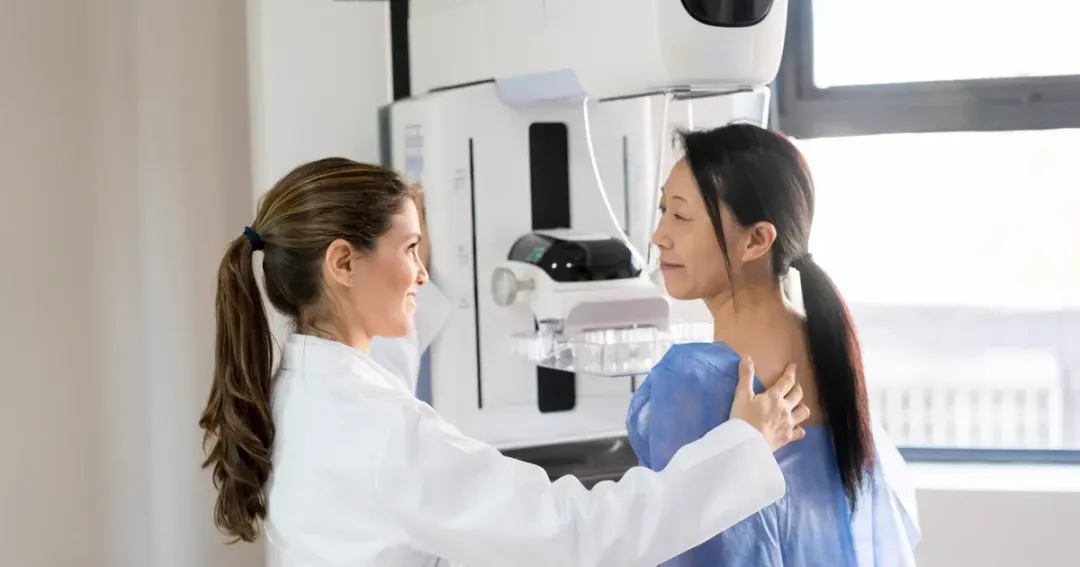
Breast Cancer Awareness Month: October 2026 Dubai
Read More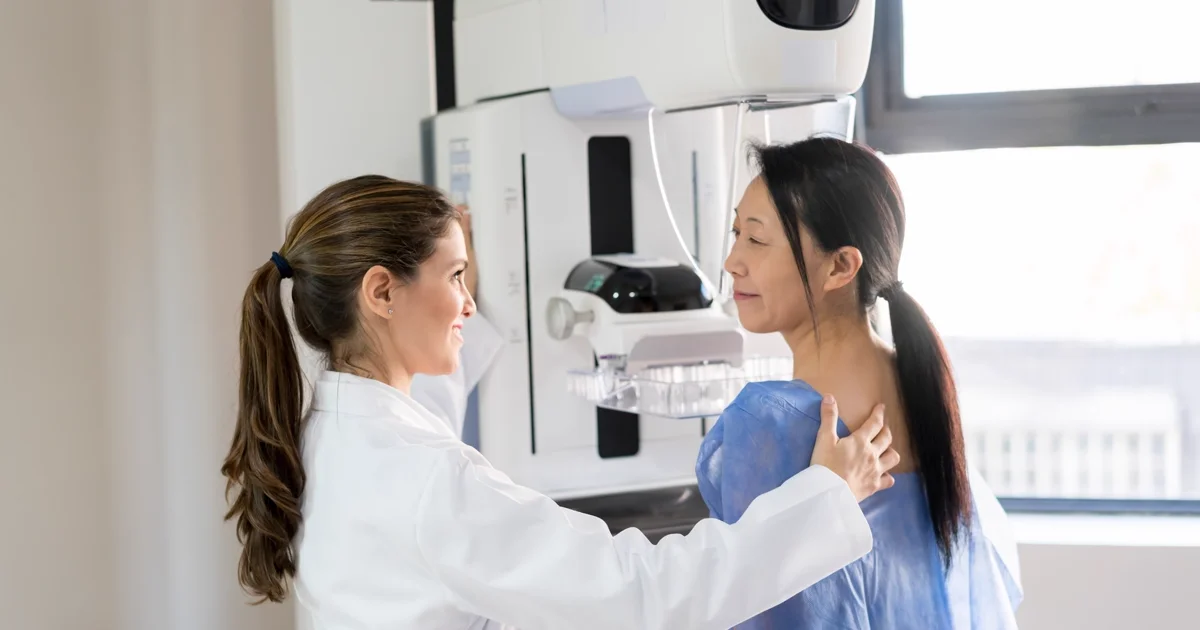
Dense Breast Tissue: What Your Mammogram Report Means
Read More
Emsella After Childbirth Dubai: Postpartum Guide (2026)
Read More
How Emsella Works: Pelvic Floor Chair Guide Dubai (2026)
Read More
Pelvic Floor Physiotherapy Dubai: Who Needs It (2026)
Read More© 2026 Doctors Clinic Diagnostic Center (DCDC), Dubai Healthcare City. Originally published at https://doctorsclinicdubai.ae/blog/breast-cancer-prevention-dubai. All rights reserved. Unauthorized reproduction is prohibited.