Key Takeaways
- A breast MRI in Dubai typically costs between AED 1,500 and AED 2,500, reflecting the specialized equipment, contrast dye, and expert interpretation required
- Breast MRI is NOT a replacement for mammogram — it is a supplemental screening tool recommended for specific high-risk groups including BRCA mutation carriers and women with very dense breasts
- Breast MRI has the highest sensitivity of any imaging modality for detecting breast cancer (approximately 95 to 100 percent), significantly surpassing mammogram (approximately 80 percent) and ultrasound
- The main indications for breast MRI include high-risk screening (lifetime risk 20 percent or greater), inconclusive mammogram findings, pre-surgical planning, post-treatment surveillance, and evaluation of breast implant integrity
- Breast MRI is always performed with intravenous gadolinium contrast and takes approximately 30 to 45 minutes, with optimal timing during days 7 to 14 of the menstrual cycle in premenopausal women
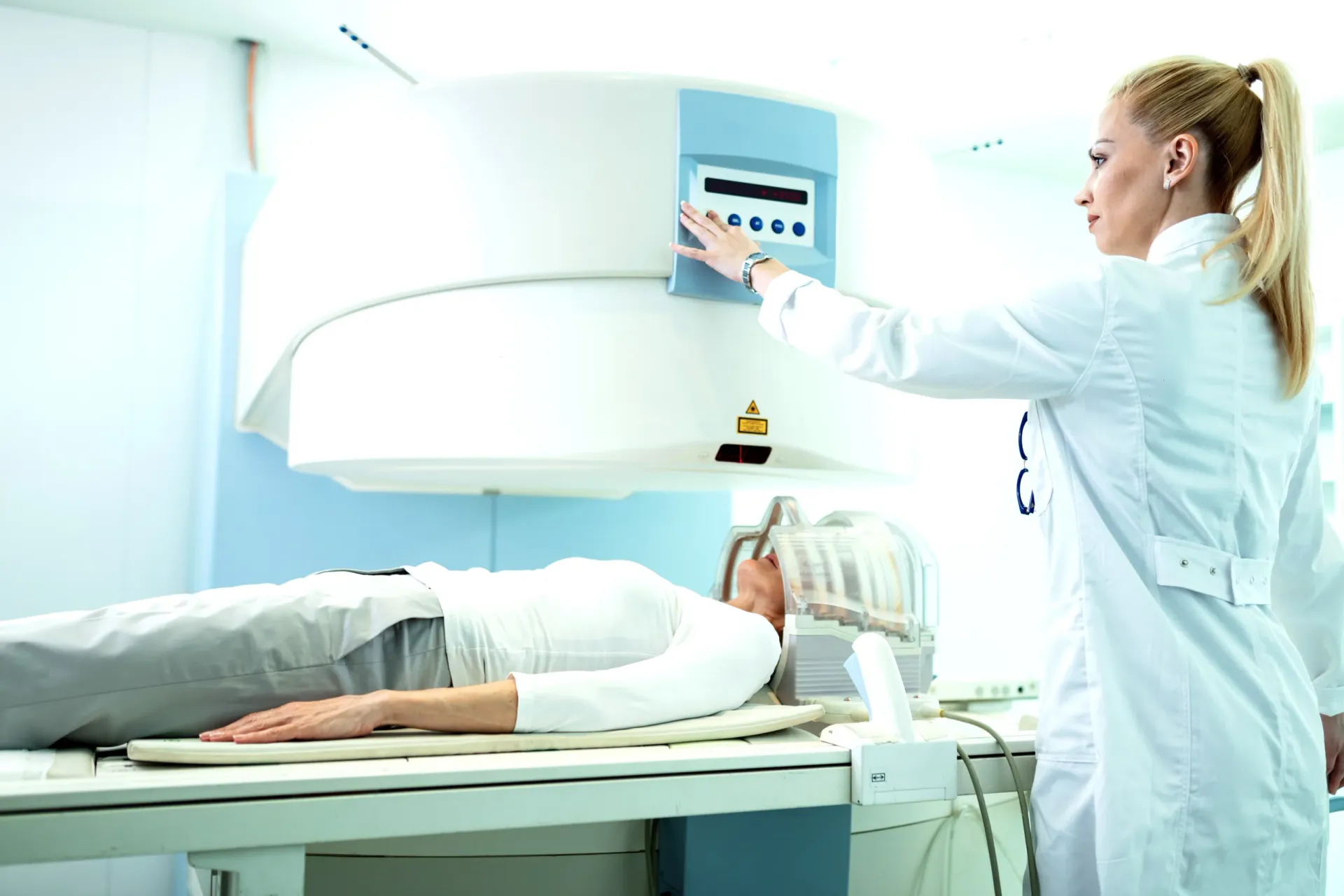
A breast MRI scan is the most sensitive imaging tool available for detecting breast cancer. While mammography remains the foundation of breast cancer screening for the general population, breast MRI plays a critical supplemental role for women at elevated risk or when mammogram findings are inconclusive. Breast MRI uses powerful magnetic fields, radio waves, and intravenous contrast dye to produce detailed images of breast tissue, detecting cancers that mammograms and ultrasound may miss — particularly in women with dense breasts or genetic predisposition. However, it is essential to understand that breast MRI is not a standalone screening tool and is not recommended as a replacement for mammography. This guide explains exactly when breast MRI is indicated, how much it costs in Dubai, and what to expect during the examination.



When Is a Breast MRI Recommended?
Breast MRI is not recommended for routine screening in average-risk women. Its high sensitivity comes with a trade-off — a higher rate of false-positive findings compared to mammography, which can lead to unnecessary biopsies and patient anxiety. However, for specific patient populations where the benefits clearly outweigh these limitations, breast MRI is an invaluable and sometimes life-saving tool. The following indications are supported by major radiology and oncology guidelines:
- BRCA1 or BRCA2 mutation carriers: Women with confirmed BRCA gene mutations have a lifetime breast cancer risk of 45 to 85 percent. Annual breast MRI screening, alternating with mammography every 6 months, is strongly recommended starting at age 25 to 30. MRI detects cancers in BRCA carriers that mammography misses, particularly in younger women with denser breast tissue.
- High lifetime risk (20 percent or greater): Women whose lifetime breast cancer risk is 20 percent or higher — based on family history, genetic testing results, or validated risk assessment models (Tyrer-Cuzick, BRCAPRO) — are candidates for supplemental MRI screening. This includes women with a strong family history of breast or ovarian cancer even without confirmed genetic mutations.
- Prior chest radiation (ages 10 to 30): Women who received radiation therapy to the chest area (typically for Hodgkin lymphoma) between ages 10 and 30 have a significantly elevated breast cancer risk. Annual breast MRI screening is recommended starting 8 years after radiation or at age 25, whichever comes later.
- Extremely dense breast tissue: Women with extremely dense breasts (BI-RADS density category D) have both an increased cancer risk and a significantly reduced mammographic sensitivity. Supplemental breast MRI and ultrasound improve cancer detection in this population, although recommendations vary among different guideline bodies.
- Inconclusive mammogram or ultrasound: When mammography detects a finding that cannot be fully characterized (BI-RADS 0 or BI-RADS 3 with clinical concern), breast MRI serves as a problem-solving tool, providing additional information to determine whether biopsy is needed.
- Pre-surgical planning (extent of disease): After a breast cancer diagnosis, MRI may be ordered to assess the extent of disease — mapping tumor size, detecting additional cancer foci in the same breast (multifocal) or the opposite breast (bilateral), and evaluating chest wall involvement. This information influences surgical planning, particularly the choice between breast-conserving surgery (lumpectomy) and mastectomy.
- Post-treatment surveillance: Breast MRI is used to monitor the surgical site after breast-conserving surgery and radiation therapy, distinguishing between post-treatment scarring and recurrent cancer. It is also used after neoadjuvant chemotherapy to assess treatment response and residual disease before surgery.
- Breast implant evaluation: MRI is the most sensitive imaging tool for detecting silicone breast implant rupture (both intracapsular and extracapsular). The FDA recommends periodic MRI screening for silicone implant integrity.
Breast MRI Sensitivity: How It Compares to Mammogram and Ultrasound
One of the most important aspects of breast MRI is understanding how its diagnostic performance compares to other breast imaging modalities. No single test is perfect, and each has specific strengths and limitations.
| Factor | Mammogram | Ultrasound | Breast MRI |
|---|---|---|---|
| Cancer sensitivity (overall) | ~80% | ~65-80% | ~95-100% |
| Cancer sensitivity (dense breasts) | ~50-60% | ~75-80% | ~95-100% |
| Specificity (avoiding false positives) | Good (~90%) | Moderate (~80%) | Lower (~70-85%) |
| Radiation | Low dose | None | None |
| Contrast dye | Not needed | Not needed | Required (gadolinium IV) |
| Cost | AED 400 – 800 | AED 400 – 700 | AED 1,500 – 2,500 |
| Scan time | 15 – 20 minutes | 15 – 30 minutes | 30 – 45 minutes |
| Calcification detection | Excellent | Poor | Moderate |
| Best role | Population screening (gold standard) | Dense breasts, palpable lumps, cyst evaluation | High-risk screening, problem-solving, staging |
Mammogram remains the standard screening tool. Breast MRI is the most sensitive supplemental tool for high-risk women.
The key takeaway is that breast MRI has the highest sensitivity of any breast imaging modality — it detects cancers that mammograms and ultrasound miss. However, mammography is better at detecting certain findings such as microcalcifications (which can indicate ductal carcinoma in situ), and its higher specificity means fewer false alarms. This is why breast MRI supplements rather than replaces mammography. The combination of annual mammography plus annual MRI provides the most comprehensive screening for high-risk women.
How Much Does a Breast MRI Cost in Dubai?
The cost of a breast MRI in Dubai generally ranges from AED 1,500 to AED 2,500. Breast MRI always requires intravenous gadolinium contrast and dedicated breast coil imaging, which accounts for its higher cost compared to MRI of other body parts. At Doctors Clinic Diagnostic Center in Dubai Healthcare City, breast MRI pricing includes the scan, contrast agent, a comprehensive radiologist report, and digital image copies. For related information, see our guide on Breast Cancer Screening: Mammogram & BRCA Guide.
| Breast MRI Type | Approximate Cost (AED) |
|---|---|
| Breast MRI (bilateral with contrast) | 1,500 – 2,500 |
| Breast MRI + mammogram combination | 2,000 – 3,000 |
| Breast MRI for implant evaluation | 1,500 – 2,200 |
| MRI-guided breast biopsy | 3,000 – 5,000 |
Prices are approximate and include the radiologist report at DCDC. Contact us for exact pricing.
Most health insurance plans in the UAE cover breast MRI when it is medically indicated and ordered by a licensed physician — for example, in women with confirmed BRCA mutations, elevated lifetime risk, or inconclusive mammographic findings. DCDC assists patients with insurance pre-authorization to confirm coverage before the appointment. Breast MRI may also be included as part of a comprehensive health checkup plan.
What to Expect During a Breast MRI
A breast MRI differs from other MRI scans in several ways. Understanding the process helps patients prepare and feel comfortable during the examination. If you have claustrophobia concerns with standard MRI, read about open MRI options in Dubai.
- Timing: For premenopausal women, breast MRI should ideally be scheduled between days 7 and 14 of the menstrual cycle (the second week). During this phase, normal breast tissue shows the least background enhancement on MRI, making it easier to detect abnormal areas. For postmenopausal women or women on continuous hormone therapy, the scan can be performed at any time.
- Before the scan: Complete the standard MRI safety questionnaire. An intravenous (IV) line will be placed in your arm for the gadolinium contrast injection. You will change into a gown and remove all metal objects.
- Positioning: You will lie face down on the MRI table with your breasts positioned in a dedicated breast coil — a device with two openings that the breasts rest in. This positioning may feel unusual but is essential for optimal imaging. Padding is provided for comfort.
- During the scan: The table slides into the MRI machine. Images are taken before and after the contrast dye injection. The contrast agent highlights areas of increased blood flow, which is a characteristic of cancers and some benign conditions. The machine produces knocking sounds — earplugs or headphones are provided. Remain as still as possible throughout.
- Duration: The scan takes approximately 30 to 45 minutes from start to finish. Remain still and follow any breathing instructions given by the technologist.
- After the scan: The IV line is removed. There is no recovery period — you can return to normal activities immediately. Drink extra water to help your body eliminate the contrast agent. See our mammogram cost guide for combined mammogram and MRI package pricing. Your radiologist report will typically be available within 24 to 48 hours.
Important: Breast MRI Is Not a Mammogram Replacement
It is essential to understand that breast MRI does not replace mammography, even though it has higher cancer detection sensitivity. There are several reasons for this:
- Calcification detection: Mammography is superior at detecting microcalcifications — tiny calcium deposits that can be the earliest sign of ductal carcinoma in situ (DCIS). MRI is less reliable at detecting calcifications, and DCIS that presents only as calcifications may be missed on MRI.
- False positives: Breast MRI has a higher false-positive rate than mammography, meaning it identifies more areas that appear suspicious but turn out to be benign. In average-risk women, this leads to unnecessary biopsies, increased anxiety, and additional costs without a clear benefit.
- Cost and access: Breast MRI is significantly more expensive than mammography and requires specialized equipment and expertise. For general MRI pricing, see our MRI cost breakdown. For population-wide screening, mammography remains far more practical and cost-effective.
- Evidence base: The mortality reduction benefit of screening mammography is supported by decades of large randomized controlled trials. Breast MRI screening data, while compelling for high-risk populations, is based primarily on observational studies.
For women at average risk, annual mammography starting at age 40 (with clinical breast examination) remains the appropriate screening strategy. Breast MRI is reserved for the specific high-risk indications outlined earlier in this article. If you are unsure whether you qualify for supplemental breast MRI screening, discuss your family history and risk factors with your physician. For a broader overview of MRI imaging, see our complete guide to MRI scans in Dubai.
Book Your Breast MRI at DCDC
At Doctors Clinic Diagnostic Center in Dubai Healthcare City, we offer breast MRI with dedicated breast coil imaging and experienced radiologist interpretation. Combined mammogram and MRI packages are available for high-risk screening.
Related Services at DCDC
Expert care and advanced diagnostics at Dubai Healthcare City
Frequently Asked Questions
Final Thoughts
Breast MRI is the most sensitive imaging tool for detecting breast cancer and plays a critical role in screening high-risk women, evaluating inconclusive mammogram findings, staging newly diagnosed cancers, and monitoring treatment response. Our breast cancer screening guide covers all available screening options. However, it is not a replacement for mammography — the two tests are complementary, and the combination provides the most comprehensive breast cancer screening available.
If you have been told you are at high risk for breast cancer, have dense breasts, carry a BRCA mutation, or have an inconclusive mammogram finding, speak with your physician about whether breast MRI is appropriate for you. At Doctors Clinic Diagnostic Center in Dubai Healthcare City, our experienced radiologists provide expert breast MRI interpretation with comprehensive reporting. Contact us to book your scan.
Sources & References
This article was reviewed by our medical team and references the following sources:
- American Cancer Society - Breast MRI Screening Guidelines
- American College of Radiology - BI-RADS and Breast MRI
- National Comprehensive Cancer Network - Breast Cancer Screening
- European Society of Breast Imaging - MRI Screening Recommendations
- Dubai Health Authority - Breast Cancer Screening Guidelines
Medical content on this site is reviewed by DHA-licensed physicians. See our editorial policy for more information.

Written by
Dr. Osama Elzamzami
Diagnostic Radiology
MD, FRCR
Dr. Osama Elzamzami is a Consultant Radiologist specializing in diagnostic imaging including MRI, CT, and ultrasound at DCDC Dubai Healthcare City.
Related Articles
MRI Scan Dubai: Complete Guide to Types, Cost & Full Body MRI
Mammogram Cost Dubai: Prices, Insurance & Screening Guide
Breast Cancer Early Signs and Symptoms: Complete Guide
Mammogram Screening Age: When to Start and How Often
MRI With Contrast: What to Expect, Safety & When It Is Needed
More in Diagnostic Imaging
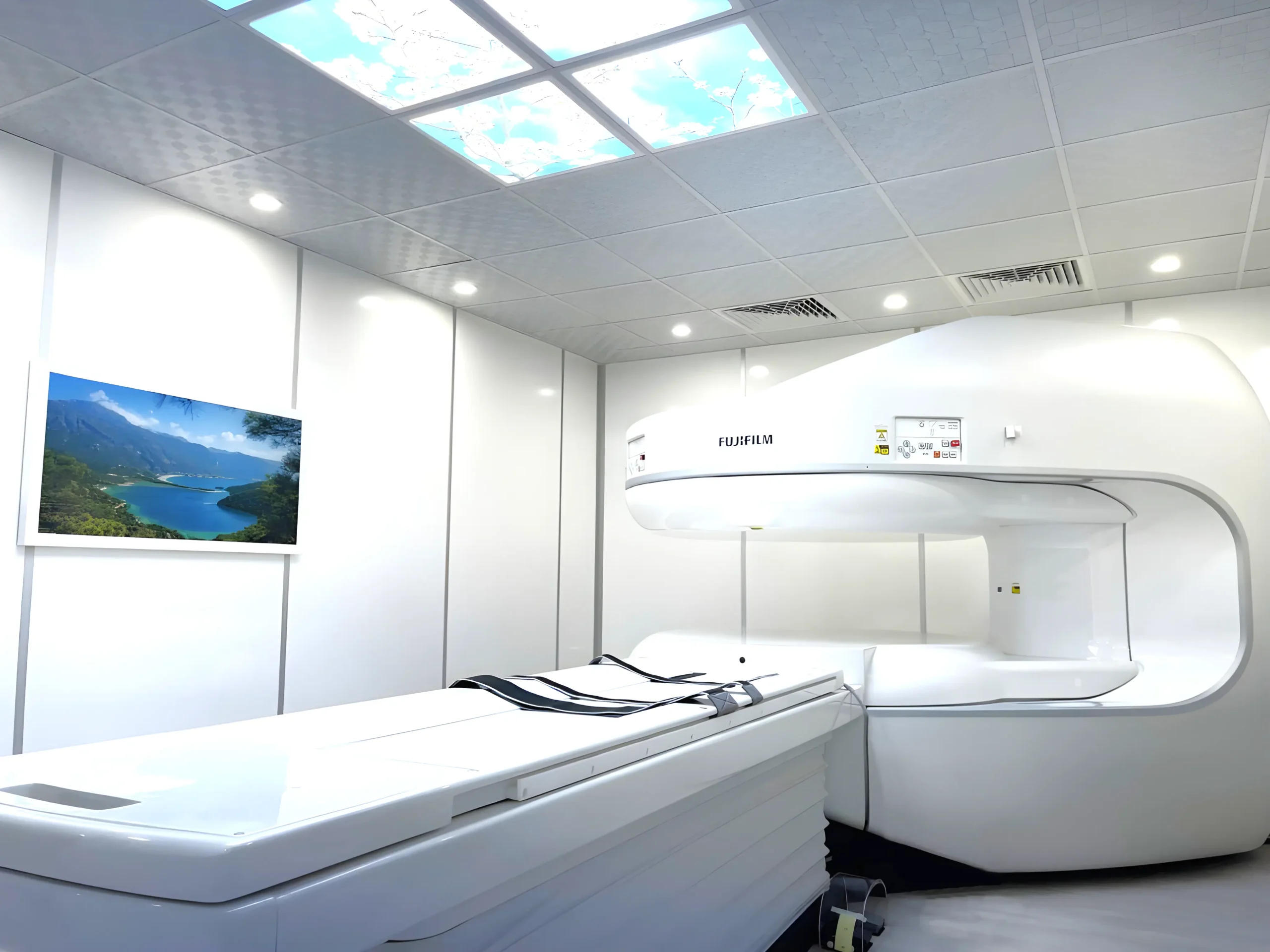
CT Scan vs Ultrasound Dubai: Which Test? (2026)
Read More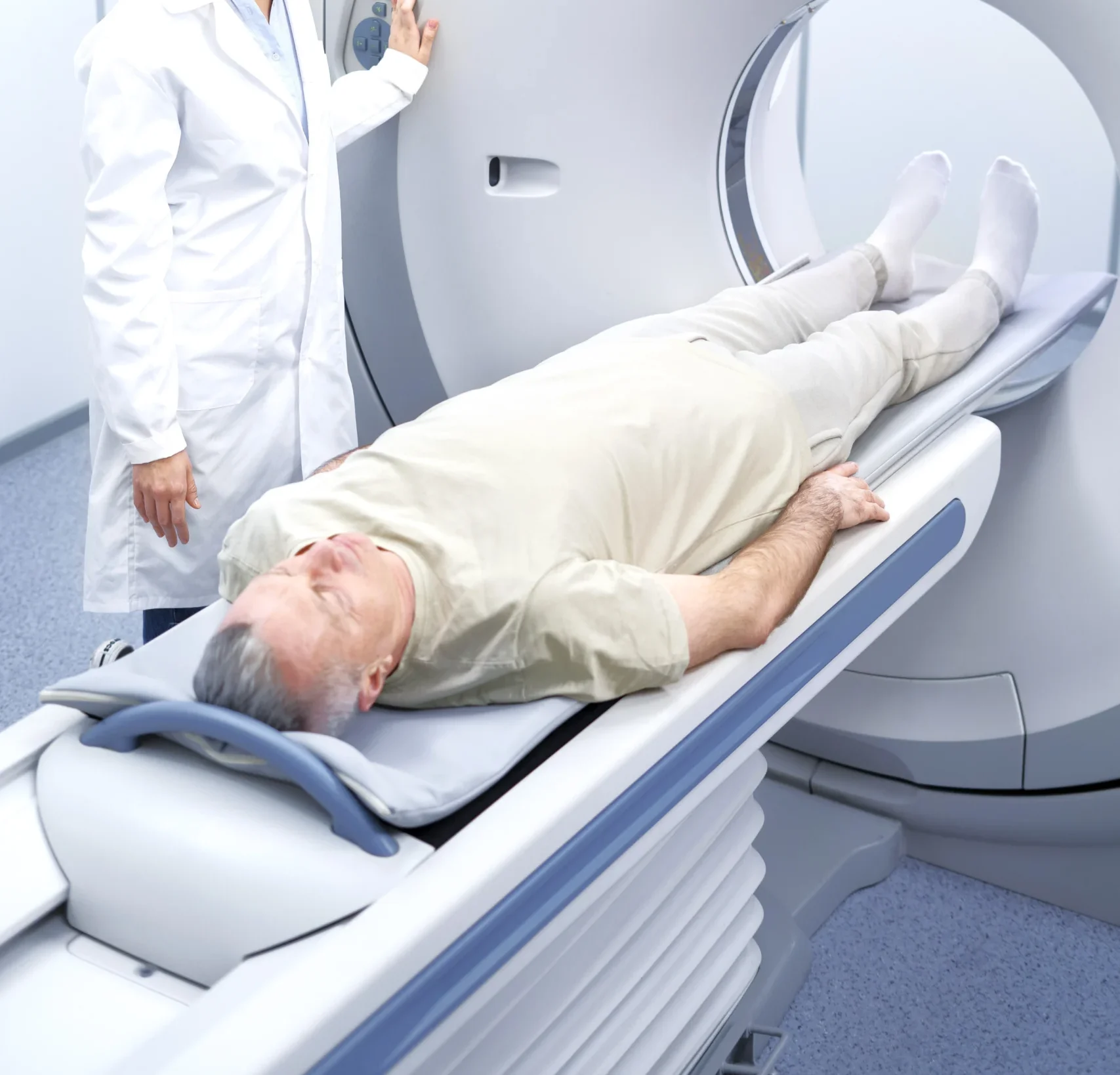
Open vs Closed MRI Dubai: Key Differences (2026)
Read More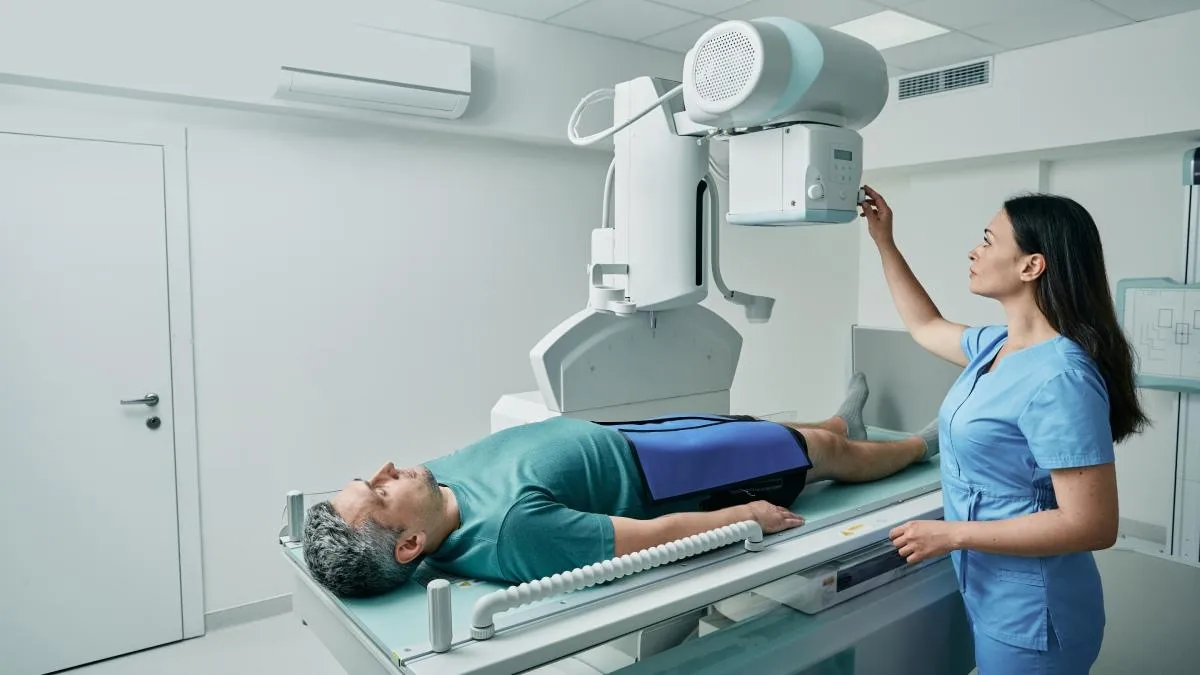
X-Ray Cost Dubai: Prices by Body Part (2026)
Read More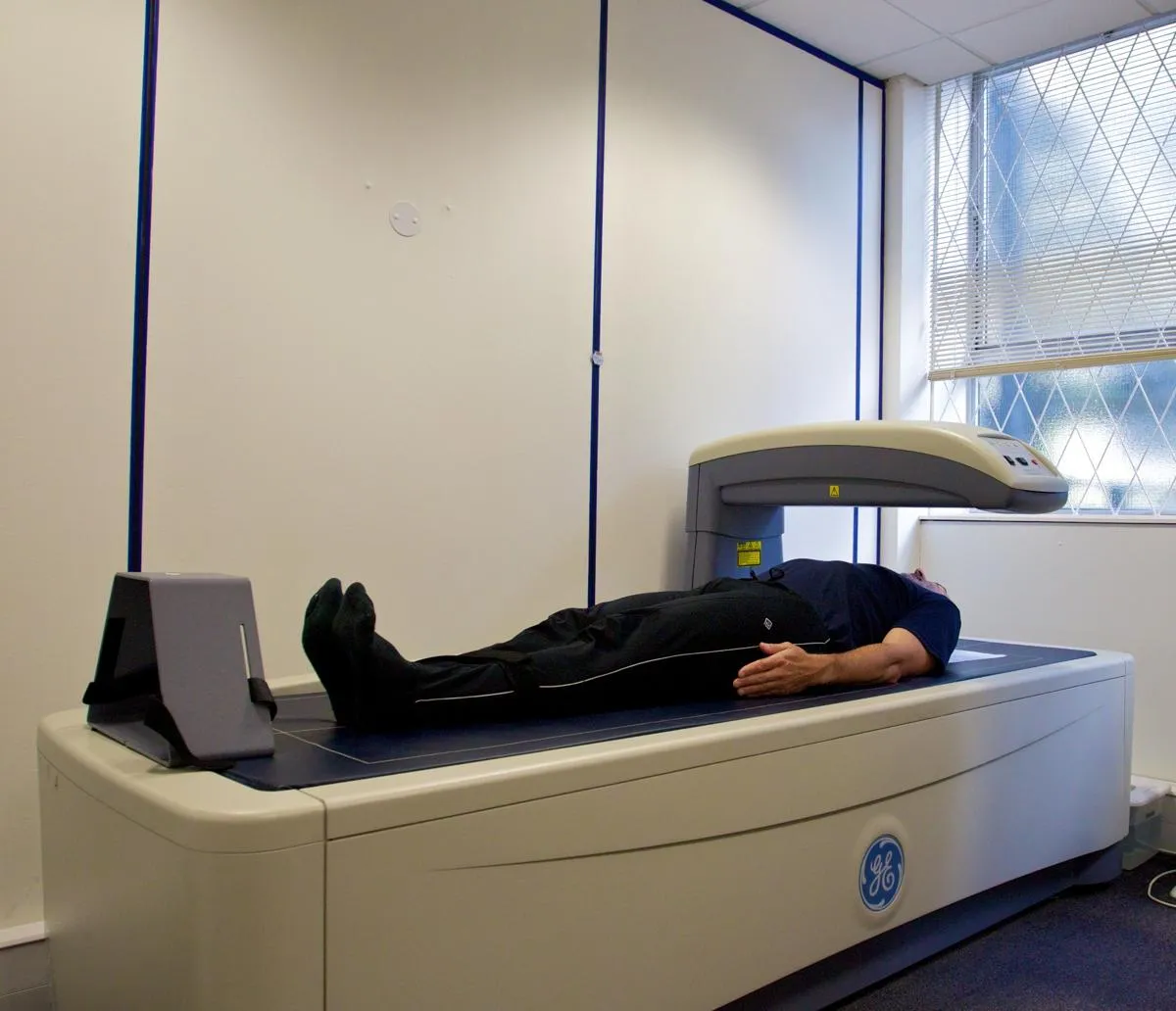
DEXA Scan Cost Dubai: From AED 399 (2026)
Read More
CT Scan Cost Dubai: Prices & Types (2026)
Read More
DEXA Scan Dubai: Cost, T-Score & Who Needs It (2026)
Read More© 2026 Doctors Clinic Diagnostic Center (DCDC), Dubai Healthcare City. Originally published at https://doctorsclinicdubai.ae/blog/breast-mri-dubai. All rights reserved. Unauthorized reproduction is prohibited.