Key Takeaways
- MRI contrast (gadolinium) adds AED 300 to AED 500 to the base cost of any MRI scan in Dubai
- Gadolinium contrast is one of the safest contrast agents in medical imaging, with serious adverse reactions occurring in fewer than 1 in 100,000 administrations
- A kidney function blood test (creatinine/eGFR) is required before contrast administration to ensure the kidneys can safely process the agent
- Contrast MRI is primarily ordered for evaluating tumors, infections, inflammatory conditions, blood vessel abnormalities, and post-surgical changes
- Most patients experience no side effects; mild and transient symptoms such as a cool sensation at the injection site or brief nausea occur in fewer than 5 percent of cases
An MRI with contrast involves the injection of a gadolinium-based contrast agent through an intravenous line during the MRI scan. This contrast agent temporarily enhances the visibility of certain structures, abnormalities, and pathological processes that may not be clearly visible on a standard non-contrast MRI. If your doctor has ordered an MRI with contrast, understanding what gadolinium is, why it is needed, how to prepare, and what side effects to watch for will help you approach the scan with confidence.


What Is Gadolinium Contrast and How Does It Work?
Gadolinium is a rare earth metal that, when chelated (bound to a safe carrier molecule), serves as the contrast agent used in MRI scanning. Unlike the iodine-based contrast used in CT scans and X-ray procedures, gadolinium-based contrast agents (GBCAs) work by altering the magnetic properties of nearby water molecules, causing tissues that absorb the contrast to appear brighter on certain MRI sequences.
When injected intravenously, gadolinium travels through the bloodstream and accumulates preferentially in areas with increased blood supply, disrupted blood-brain barrier, or active inflammation. This makes it particularly useful for detecting and characterizing tumors (which develop their own blood supply), infections (which increase local blood flow), inflammatory lesions (which disrupt tissue barriers), and areas of active disease that would otherwise blend in with surrounding normal tissue.
The gadolinium contrast agent is eliminated from the body primarily through the kidneys, with most of the dose excreted within 24 hours in patients with normal kidney function. This is why a kidney function test is required before contrast administration — to ensure your kidneys can efficiently clear the agent.
When Is MRI with Contrast Needed?
Not all MRI scans require contrast. In fact, the majority of MRI studies — including most knee, shoulder, and routine spine MRI scans — are performed without contrast and provide excellent diagnostic information. Your doctor or radiologist will order contrast when specific clinical questions require it. The most common indications for MRI with contrast include:
- Brain tumor evaluation: Contrast is essential for detecting, characterizing, and monitoring brain tumors. Gadolinium highlights areas where the blood-brain barrier has been disrupted by the tumor, revealing tumor boundaries, active growth areas, and distinguishing tumor recurrence from post-treatment changes.
- Spinal tumors and infections: Contrast-enhanced spine MRI differentiates tumors from surrounding tissues and detects infection-related changes such as discitis, osteomyelitis, and epidural abscess with greater sensitivity than non-contrast studies.
- Multiple sclerosis monitoring: Contrast helps identify active (enhancing) MS lesions, distinguishing new disease activity from old, stable plaques. This information guides treatment decisions.
- Inflammatory and autoimmune conditions: Contrast MRI detects active inflammation in joints (for rheumatoid arthritis), organs (for hepatitis, pancreatitis), and the brain (for vasculitis, encephalitis).
- Vascular abnormalities: MR angiography with contrast evaluates blood vessel anatomy, detecting aneurysms, stenoses, malformations, and other vascular pathology without the radiation of conventional angiography.
- Post-surgical evaluation: After surgery — particularly brain, spine, or joint surgery — contrast MRI distinguishes scar tissue from recurrent or residual disease, which is often impossible on non-contrast imaging.
- Liver and abdominal imaging: Contrast-enhanced MRI is the most sensitive tool for detecting and characterizing liver lesions, differentiating benign hemangiomas from malignant metastases, and evaluating liver cirrhosis.
- Breast MRI: MRI screening for breast cancer always includes contrast, as the enhancement pattern of lesions is key to distinguishing benign from malignant findings.
"I always explain to patients that contrast is not a routine addition — it is specifically chosen when it will provide diagnostic information that the non-contrast scan cannot," says Dr. Osama Elzamzami, Consultant Radiologist at DCDC. "When I recommend contrast, it is because the clinical question demands it. For a straightforward knee injury or lumbar disc evaluation, non-contrast MRI is perfectly adequate. But for a suspected brain tumor or an infection, contrast is essential for an accurate diagnosis."
Safety of Gadolinium Contrast: What the Evidence Shows
Gadolinium-based contrast agents have been used in hundreds of millions of MRI scans worldwide and have an excellent safety record. Modern macrocyclic gadolinium agents — which are the standard at reputable imaging centers including DCDC — have a more stable molecular structure that binds the gadolinium tightly, minimizing any risk of the metal being released in the body. For related information, see our guide on CT Scan Cost Dubai: Prices & Types.
- Mild reactions (fewer than 5% of patients): The most common side effects are mild and transient. These include a cool or warm sensation at the IV injection site, brief nausea, a metallic taste in the mouth, or a mild headache. These symptoms typically resolve within minutes to hours without treatment.
- Allergic-like reactions (extremely rare): Serious allergic reactions to gadolinium contrast occur in fewer than 1 in 10,000 administrations. Symptoms may include hives, itching, or in very rare cases, difficulty breathing. Imaging centers are equipped to manage these reactions immediately.
- Nephrogenic systemic fibrosis (NSF): This serious condition was historically associated with older linear gadolinium agents in patients with severe kidney disease (eGFR below 30). Modern macrocyclic agents have virtually eliminated this risk, and pre-scan kidney function testing provides an additional safety layer. No confirmed cases of NSF have been linked to macrocyclic agents.
- Gadolinium retention: Research has shown that trace amounts of gadolinium can remain in certain tissues (including the brain) after repeated contrast MRI studies. Current evidence indicates that this retention has no known clinical consequences, but it has prompted the medical community to follow the principle of using contrast only when clinically necessary.
The key safety measure is the pre-scan kidney function test. Patients with significantly impaired kidney function (eGFR below 30 mL/min) are generally not given gadolinium contrast, or alternative approaches are considered. For patients with normal kidney function, the risk-benefit ratio of gadolinium contrast is overwhelmingly favorable when contrast is clinically indicated.
How Much Does MRI with Contrast Cost in Dubai?
The addition of gadolinium contrast to an MRI scan typically adds AED 300 to AED 500 to the base price of the scan. The contrast cost covers the gadolinium agent itself, the IV supplies, and the additional imaging sequences performed after contrast injection. At Doctors Clinic Diagnostic Center, contrast pricing is transparent and discussed before the scan.
| MRI Type | Without Contrast (AED) | With Contrast (AED) | Contrast Add-on Cost |
|---|---|---|---|
| Brain MRI | 1,200 – 1,500 | 1,500 – 2,000 | AED 300 – 500 |
| Spine MRI (per region) | 1,000 – 1,400 | 1,300 – 1,800 | AED 300 – 500 |
| Knee/Joint MRI | 900 – 1,200 | 1,200 – 1,600 | AED 300 – 400 |
| Abdomen/Pelvis MRI | 1,200 – 1,700 | 1,500 – 2,200 | AED 300 – 500 |
| MR Angiography | 1,500 – 2,000 | 1,800 – 2,500 | AED 300 – 500 |
Prices are approximate. The contrast add-on includes the gadolinium agent, IV supplies, and additional imaging sequences.
Insurance plans that cover the base MRI scan typically also cover the contrast when it is medically indicated. The contrast is considered part of the diagnostic procedure rather than a separate service. DCDC handles the combined authorization for both the MRI and contrast component.
How to Prepare for an MRI with Contrast
Preparation for an MRI with contrast is straightforward but involves a few more steps than a standard non-contrast MRI. Following these preparation guidelines ensures the scan proceeds safely and efficiently:
- Get a kidney function test: A serum creatinine blood test to calculate your eGFR (estimated glomerular filtration rate) is required before contrast administration. This test must be done within 30 days of the MRI. If you have known kidney disease, a more recent test (within 7 days) may be required. Your doctor can order this test, or DCDC can arrange it on the same day as your MRI.
- Fast for 2 to 4 hours: Avoid eating solid food for 2 to 4 hours before your appointment. This reduces the small risk of nausea from the contrast injection. You may continue to drink water and stay hydrated — in fact, good hydration helps your kidneys process the contrast more efficiently.
- Report all allergies: Inform the radiology team about any previous allergic reactions to contrast agents (whether MRI or CT contrast), any drug allergies, and any history of asthma. Patients with a history of contrast allergy may be pre-medicated with antihistamines or corticosteroids as a precaution.
- List your medications: Bring a list of all medications you take, including supplements. Certain medications may need to be noted in the context of kidney function, though medication adjustments are rarely needed for MRI contrast.
- Wear comfortable clothing: Wear clothes without metal zippers, buttons, or fasteners. You may be given a gown to change into.
- Plan for a slightly longer appointment: MRI with contrast takes approximately 15 to 20 minutes longer than a non-contrast study, as additional imaging sequences are acquired after the contrast injection. Allow 60 to 90 minutes total for a contrast MRI appointment.
Book Your MRI with Contrast at DCDC
At Doctors Clinic Diagnostic Center, we use modern macrocyclic gadolinium agents with an excellent safety profile. Our team handles kidney function screening, insurance pre-authorization, and provides detailed consultant radiologist reports. Learn more about our MRI services.
MRI with Contrast vs Without Contrast: Key Differences
Understanding when contrast adds value — and when it does not — helps patients have informed discussions with their physicians about their MRI. You may also find our MRI Safety: 10 Myths vs Facts About MRI Scans helpful.
| Factor | MRI Without Contrast | MRI With Contrast |
|---|---|---|
| IV injection required | No | Yes (gadolinium via IV line) |
| Kidney function test needed | No | Yes (creatinine/eGFR within 30 days) |
| Fasting required | No | Yes (2-4 hours) |
| Scan duration | 30 – 45 minutes | 45 – 60 minutes |
| Cost | Base price | Base price + AED 300-500 |
| Best for | Knee/joint injuries, routine spine disc evaluation, brain screening | Tumors, infections, inflammation, vascular studies, post-surgical evaluation |
| Side effects | None | Rare (mild nausea, cool sensation in <5% of cases) |
The decision to use contrast is always made based on the clinical question being asked. Your referring physician or the radiologist will determine whether contrast is needed based on your symptoms, medical history, and what information the scan needs to provide. If you have concerns about contrast, discuss them with your doctor — in some cases, alternative imaging strategies can be considered.
Have Questions About MRI with Contrast?
Our radiology team at DCDC Dubai Healthcare City is available to answer any questions about contrast MRI, including safety, preparation, and costs. Contact us for a consultation before your scan.
Related Services at DCDC
Expert care and advanced diagnostics at Dubai Healthcare City
Frequently Asked Questions
Final Thoughts
MRI with gadolinium contrast is a safe, well-established diagnostic tool that significantly enhances the diagnostic capability of MRI for specific conditions. When your doctor orders a contrast MRI, it is because the additional information provided by gadolinium is essential for making an accurate diagnosis — whether for a suspected tumor, infection, inflammatory condition, or post-surgical evaluation.
At Doctors Clinic Diagnostic Center in Dubai Healthcare City, we use modern macrocyclic gadolinium agents with the highest safety profile, perform kidney function screening before every contrast study, and have protocols in place to manage the rare event of an adverse reaction. Contact us to book your MRI or to discuss any concerns about contrast with our radiology team.
Sources & References
This article was reviewed by our medical team and references the following sources:
- American College of Radiology - Manual on Contrast Media (Gadolinium)
- European Society of Radiology - Gadolinium Contrast Safety Statement
- Radiological Society of North America - MRI Contrast Materials
- FDA - Gadolinium-Based Contrast Agents Safety Information
- Dubai Health Authority - Diagnostic Imaging Regulations
Medical content on this site is reviewed by DHA-licensed physicians. See our editorial policy for more information.

Written by
Dr. Osama Elzamzami
Diagnostic Radiology
MD, FRCR
Dr. Osama Elzamzami is a Consultant Radiologist specializing in diagnostic imaging including MRI, CT, and ultrasound at DCDC Dubai Healthcare City.
Related Articles
MRI Cost in Dubai: Complete Guide to Types & Pricing (2026)
Brain MRI in Dubai: What It Detects, Cost & When You Need One
Breast MRI Dubai: When You Need It Beyond Mammogram
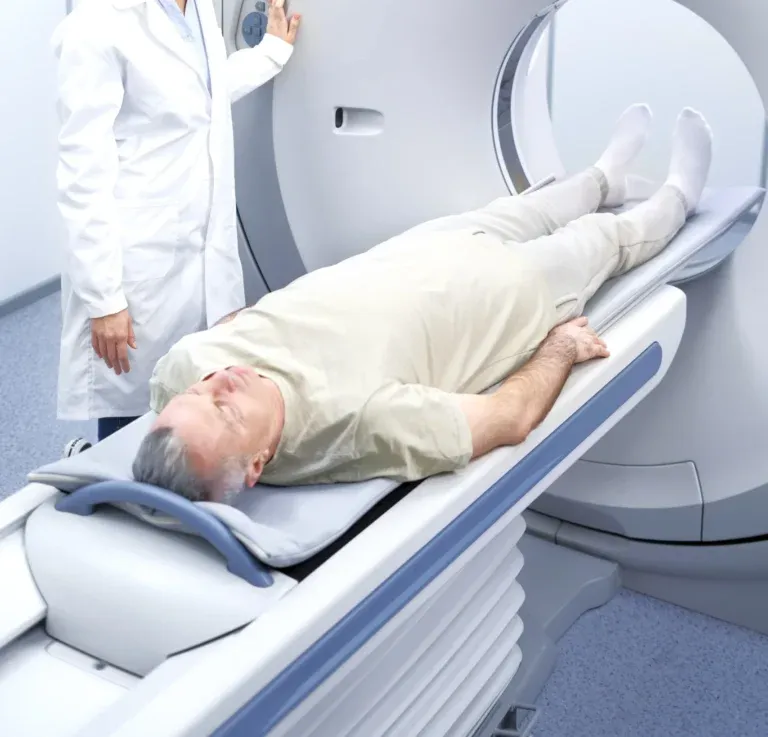
MRI Safety: 10 Myths vs Facts About MRI Scans
Claustrophobic in MRI? 8 Tips to Get Through Your Scan
More in Diagnostic Imaging
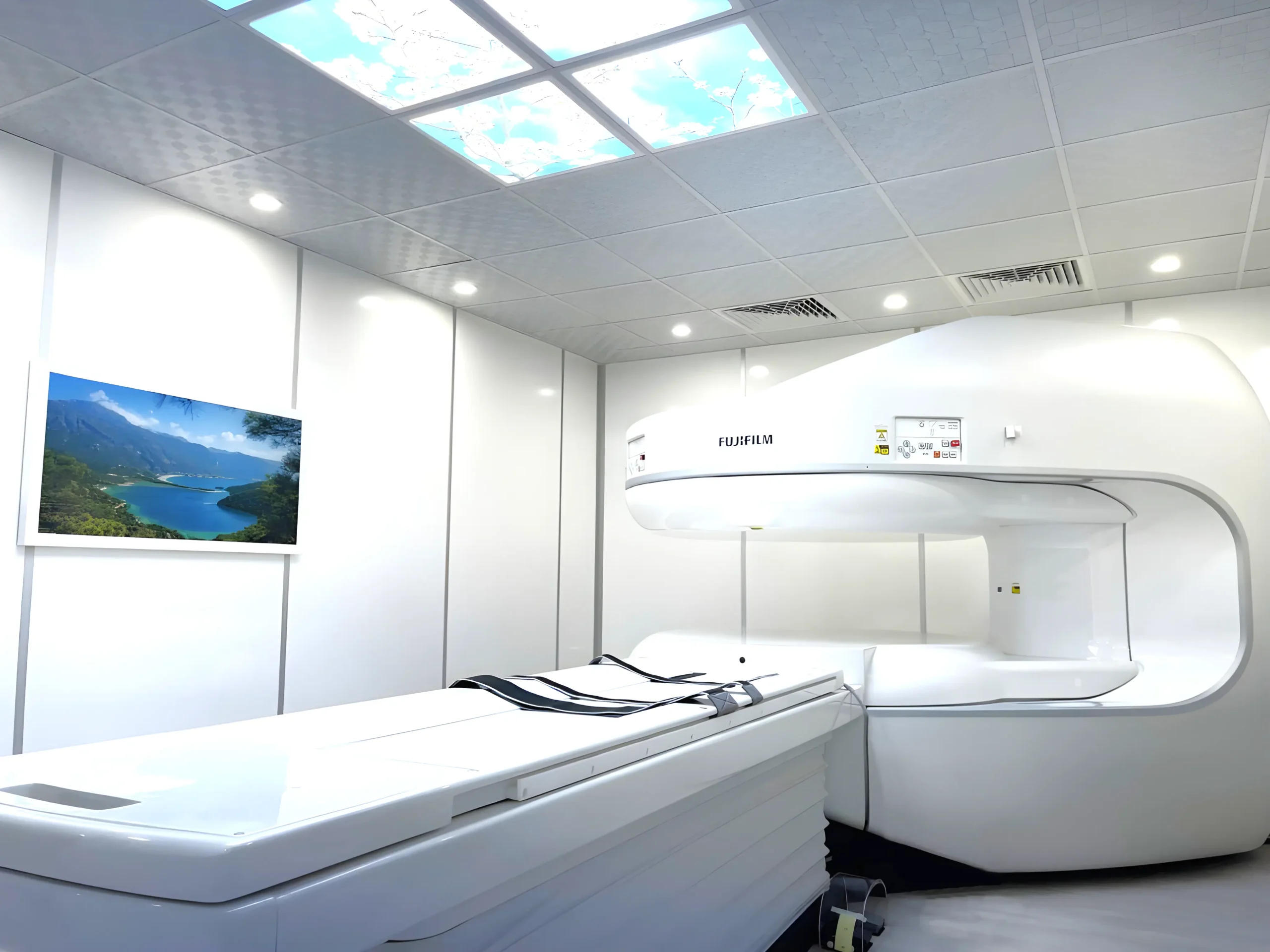
CT Scan vs Ultrasound Dubai: Which Test? (2026)
Read More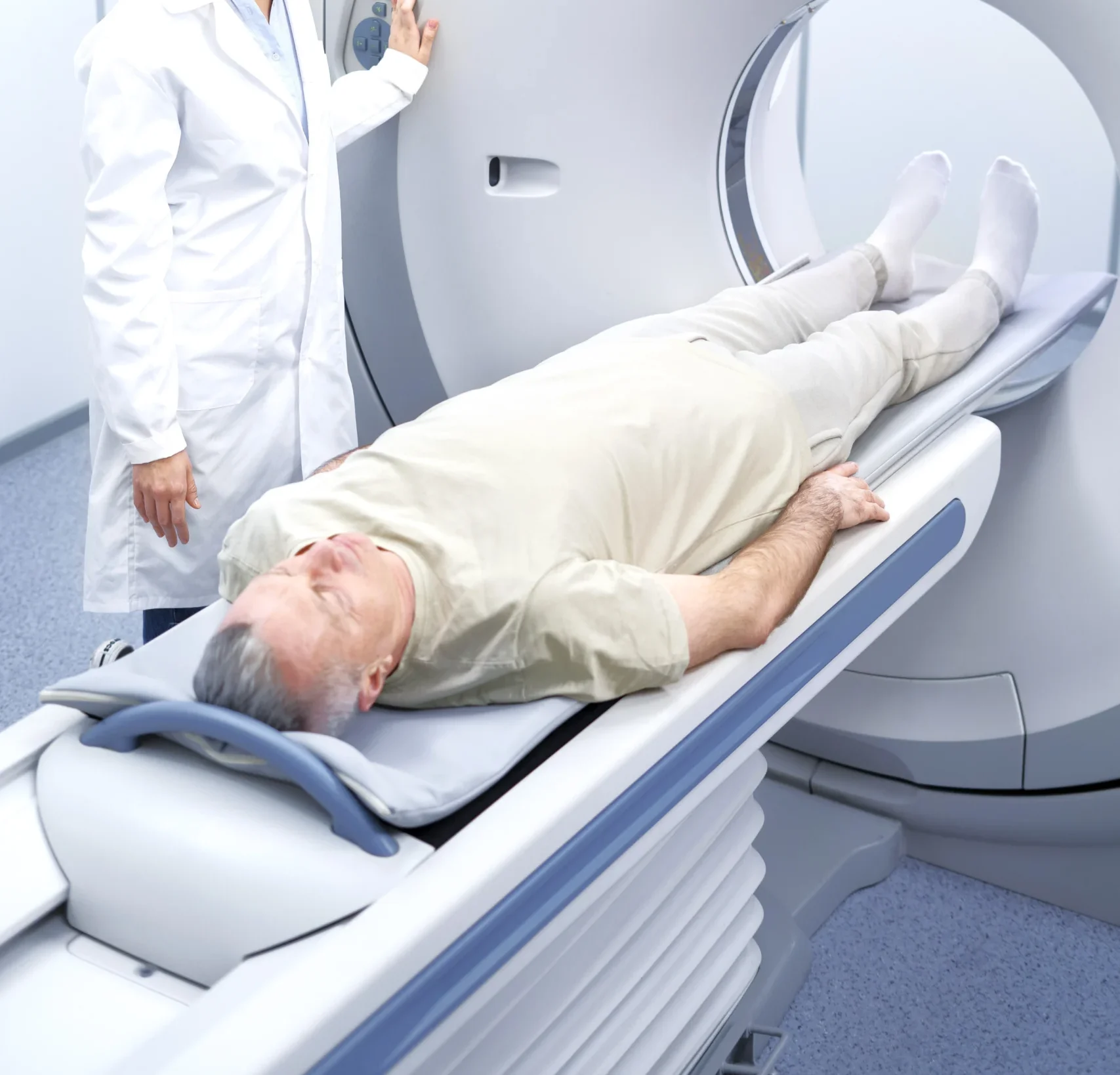
Open vs Closed MRI Dubai: Key Differences (2026)
Read More
X-Ray Cost Dubai: Prices by Body Part (2026)
Read More
DEXA Scan Cost Dubai: From AED 399 (2026)
Read More
CT Scan Cost Dubai: Prices & Types (2026)
Read More
DEXA Scan Dubai: Cost, T-Score & Who Needs It (2026)
Read More© 2026 Doctors Clinic Diagnostic Center (DCDC), Dubai Healthcare City. Originally published at https://doctorsclinicdubai.ae/blog/mri-with-contrast-guide. All rights reserved. Unauthorized reproduction is prohibited.