Key Takeaways
- MRI uses magnetic fields and radio waves — it involves absolutely zero ionizing radiation and does not increase cancer risk
- Most modern tattoos are safe for MRI, though some older tattoos with iron-based inks may cause mild skin warming — the risk is very low and is not a reason to skip a medically necessary scan
- MRI is generally considered safe during the second and third trimesters of pregnancy when clinically indicated, though it is typically avoided in the first trimester as a precaution — gadolinium contrast is avoided throughout pregnancy
- Not all metal implants prevent MRI — many modern implants (including some pacemakers and joint replacements) are MRI-conditional, meaning they are safe under specific conditions documented by the manufacturer
- MRI is not painful, does not cause lasting side effects in the vast majority of patients, and results typically take 24 to 48 hours — not instantly
MRI (Magnetic Resonance Imaging) is one of the most powerful and commonly used diagnostic imaging tools in modern medicine. Despite its widespread use and excellent safety record spanning over four decades, misconceptions about MRI persist among patients and the general public. From fears about radiation exposure to concerns about tattoos, pregnancy, and metal implants, these myths can cause unnecessary anxiety and even lead patients to avoid medically necessary scans. This article separates fact from fiction with evidence-based information about MRI safety.



Myth 1: MRI Uses Radiation
FACT: MRI uses absolutely no ionizing radiation. This is perhaps the most important myth to dispel. MRI works by using a powerful magnetic field and radiofrequency (RF) pulses to align hydrogen atoms in the body's water molecules and then detect the signals they emit as they return to their normal alignment. The entire process involves magnetism and radio waves — the same type of non-ionizing energy used by FM radio stations, just at different frequencies and intensities.
This confusion likely arises because MRI is grouped under "radiology" alongside X-rays and CT scans, which do use ionizing radiation. However, the physics underlying MRI is fundamentally different. There is no X-ray tube, no gamma source, and no radiation dose whatsoever. This is precisely why MRI is the preferred imaging modality for children, pregnant women (when indicated), patients requiring serial monitoring (such as multiple sclerosis patients), and anyone who needs repeated imaging over time.
Myth 2: MRI Can Cause Cancer
FACT: There is no evidence that MRI causes cancer. Because MRI uses non-ionizing radiation (magnetic fields and radio waves), it does not damage DNA and does not carry the cancer risk associated with ionizing radiation sources like X-rays or CT scans. Decades of research and billions of MRI scans performed worldwide have produced no evidence linking MRI to increased cancer risk.
This myth may persist due to the general confusion between MRI and X-ray-based imaging. In fact, MRI is often specifically chosen over CT because it avoids radiation exposure, making it the safer long-term choice for patients who need multiple imaging studies — such as those being monitored for tumors, neurological conditions, or joint problems.
Myth 3: MRI Is Painful
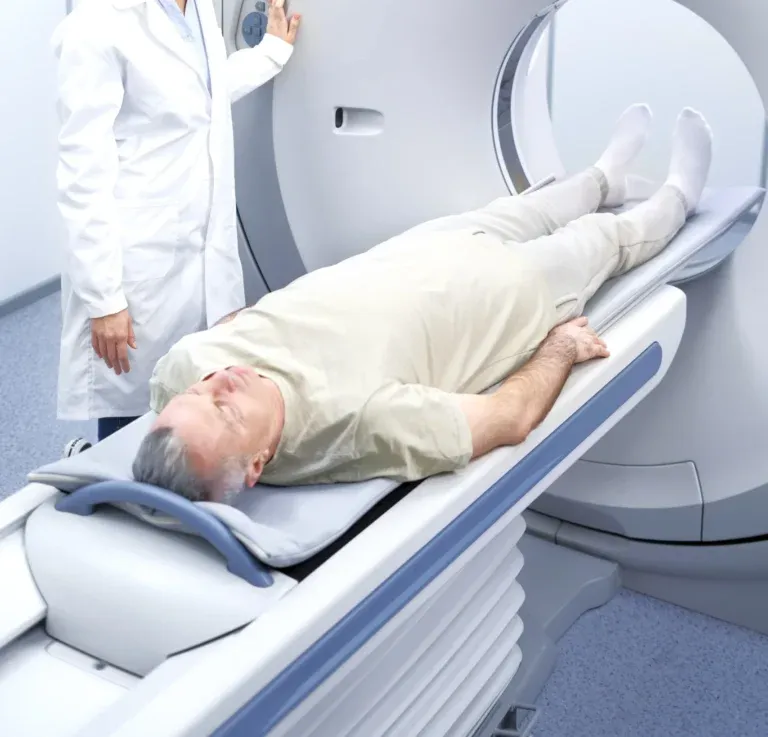
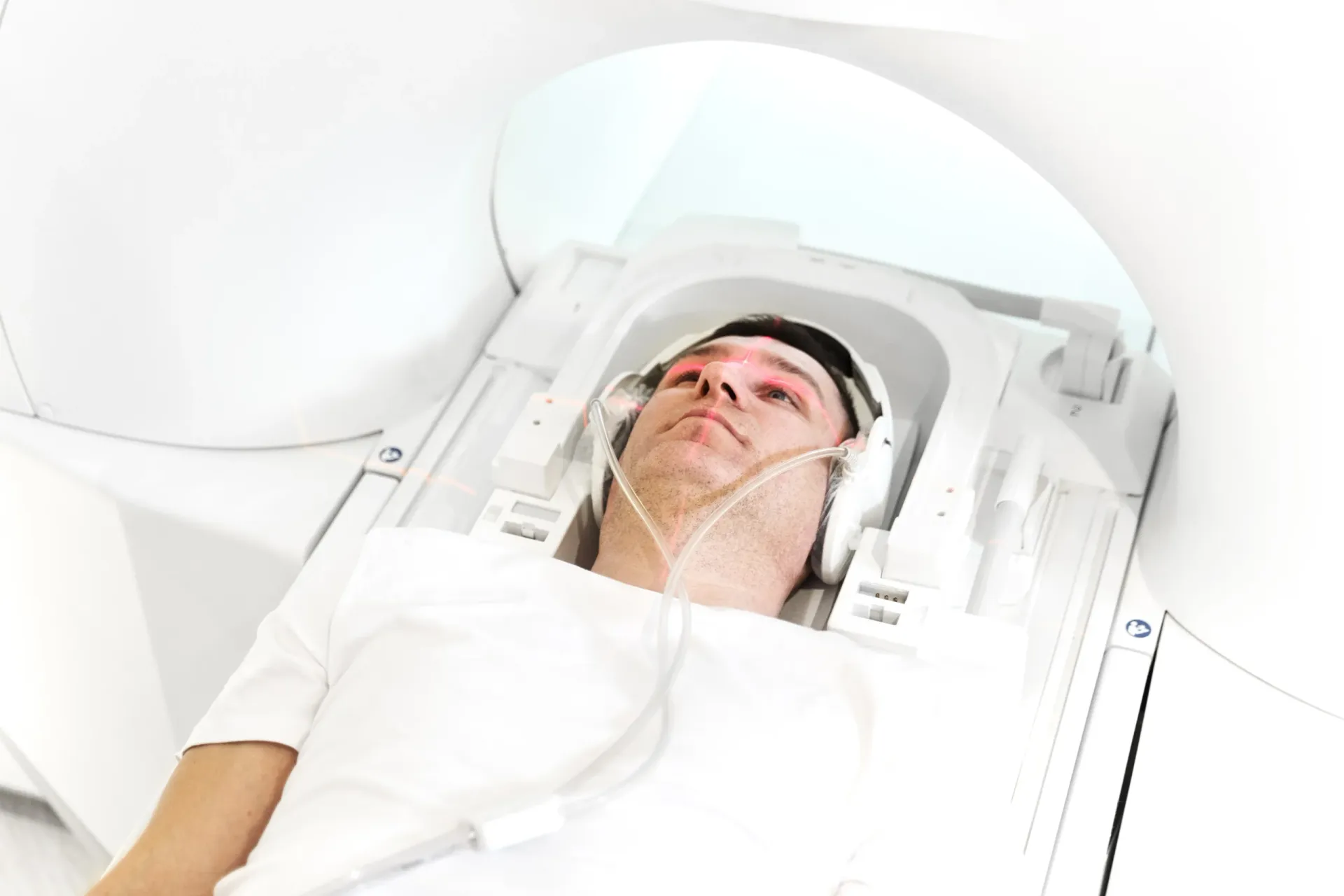
FACT: MRI is completely painless. The MRI scan itself involves lying still on a padded table while the machine captures images. You feel nothing during the scan — no heat, no pressure, no injection (unless contrast dye is used, which involves a standard IV). The only sensations patients report are the loud knocking and buzzing sounds the machine makes (for which earplugs or headphones are provided) and possibly a mild warmth in the area being scanned, which is normal and not uncomfortable.
The discomfort some patients experience is not from the scan itself but from lying still for 30 to 60 minutes, which can be challenging for patients with back pain, arthritis, or restlessness. The radiology team can provide padding, cushions, and positioning modifications to maximize comfort. Patients with anxiety about enclosed spaces may find the experience psychologically uncomfortable, but this is addressed with various strategies (see Myth 9 below).
Myth 4: Tattoos Prevent You from Having an MRI
FACT: Most tattoos are safe for MRI. This myth stems from the fact that some older tattoo inks — particularly dark pigments from decades ago — contained iron oxide particles that could interact with the magnetic field and potentially cause mild skin warming or, in very rare cases, a slight burning sensation at the tattoo site during the scan.
Modern tattoo inks have largely moved away from iron-based formulations, and the vast majority of contemporary tattoos are completely safe for MRI. Even with older tattoos, clinically significant reactions are exceedingly rare. The standard protocol is to inform the MRI technologist about your tattoos before the scan. If you experience any warmth or discomfort at a tattoo site during the scan, you can alert the technologist via the intercom, and the scan can be paused if needed. A tattoo is never a reason to refuse a medically necessary MRI scan.
Myth 5: Pregnant Women Cannot Have an MRI
FACT: MRI is generally considered safe during pregnancy when clinically indicated, particularly in the second and third trimesters. Unlike CT and X-rays, MRI does not use ionizing radiation, which is the primary concern for fetal exposure. The American College of Radiology and the American College of Obstetricians and Gynecologists both state that MRI can be used during pregnancy when the benefits outweigh any theoretical risks.
As a precaution, MRI is typically avoided in the first trimester when organogenesis (organ formation) is occurring, unless urgently needed. No adverse fetal effects from MRI have been demonstrated in human studies at standard clinical field strengths (1.5T and 3T). However, gadolinium-based contrast agents are generally avoided during all trimesters of pregnancy because gadolinium crosses the placenta and its effects on the developing fetus have not been fully established. In rare cases where contrast is absolutely essential for a life-threatening maternal condition, the decision is made jointly by the radiologist, obstetrician, and patient.
Myth 6: MRI Contrast (Gadolinium) Is Dangerous
FACT: Gadolinium-based contrast agents have an excellent safety profile in patients with normal kidney function. Gadolinium is a paramagnetic contrast agent injected intravenously during certain MRI examinations to enhance the visibility of blood vessels, tumors, inflammation, and infections. Millions of gadolinium doses are administered worldwide each year, and serious adverse reactions are rare.
The most common side effects of gadolinium are mild and transient: a cool sensation during injection, a brief metallic taste, and occasionally mild nausea. Allergic-type reactions occur in approximately 0.01 to 0.1 percent of injections, and severe anaphylactic reactions are extremely rare (approximately 1 in 100,000). The main safety concern with gadolinium is nephrogenic systemic fibrosis (NSF), a serious condition that can occur in patients with severely impaired kidney function (GFR below 30). For this reason, kidney function is assessed before administering gadolinium, and the agent is avoided or used with extreme caution in patients with advanced kidney disease. For more about MRI contrast, see our complete guide to MRI with contrast.
Myth 7: MRI Can Cause Burns
FACT: MRI can cause burns, but only when safety protocols are not followed — specifically when ferromagnetic metal objects or conductive loops are present in the MRI environment. This is not a myth to completely dismiss; rather, it is a known safety concern that is rigorously managed through established protocols.
RF-induced burns can occur when conductive material (such as wires, monitoring leads, or metallic objects) forms a loop or is in direct contact with the patient's skin during the scan. The radiofrequency pulses used by MRI can induce electrical currents in conductive materials, generating heat. This is why all metal objects must be removed before entering the scan room, and why MRI-compatible monitoring equipment is used for patients who require monitoring during the scan. At Doctors Clinic Diagnostic Center, our technologists follow strict screening and safety protocols to eliminate burn risk.
Myth 8: All Metal Implants Prevent You from Having an MRI
FACT: Many modern metal implants are MRI-safe or MRI-conditional. The relationship between metal implants and MRI is more nuanced than a simple "yes or no." Medical implants are classified into three categories:
- MR Safe: Implants made entirely of non-metallic, non-magnetic, non-conductive materials (such as certain plastics and ceramics) that pose no known hazards in any MRI environment.
- MR Conditional: Implants that have been tested and determined to be safe under specific MRI conditions — typically at field strengths up to 1.5T or 3T, with specific absorption rate (SAR) limits, and within a certain time from implantation. Most modern joint replacements (hip, knee, shoulder), many spinal hardware systems, many modern pacemakers (MRI-conditional models), cochlear implants, dental implants, and some heart valves fall into this category.
- MR Unsafe: Implants that are known to be hazardous in the MRI environment. These include older pacemakers and defibrillators (non-MRI-conditional models), certain types of cerebral aneurysm clips (particularly older ferromagnetic clips), metallic foreign bodies (such as metal shrapnel or fragments in the eye), and some cochlear implant models.
Before any MRI scan, a thorough screening process identifies all implants and verifies their MRI compatibility using manufacturer documentation and established databases. "The pre-scan safety screening is the most important step in MRI," explains Dr. Osama Elzamzami. "We verify every implant, every device, and every piece of metal before a patient enters the scan room. The majority of modern implants are MRI-conditional, meaning patients can be safely scanned when the appropriate conditions are met."
Myth 9: MRI Is Claustrophobic for Everyone
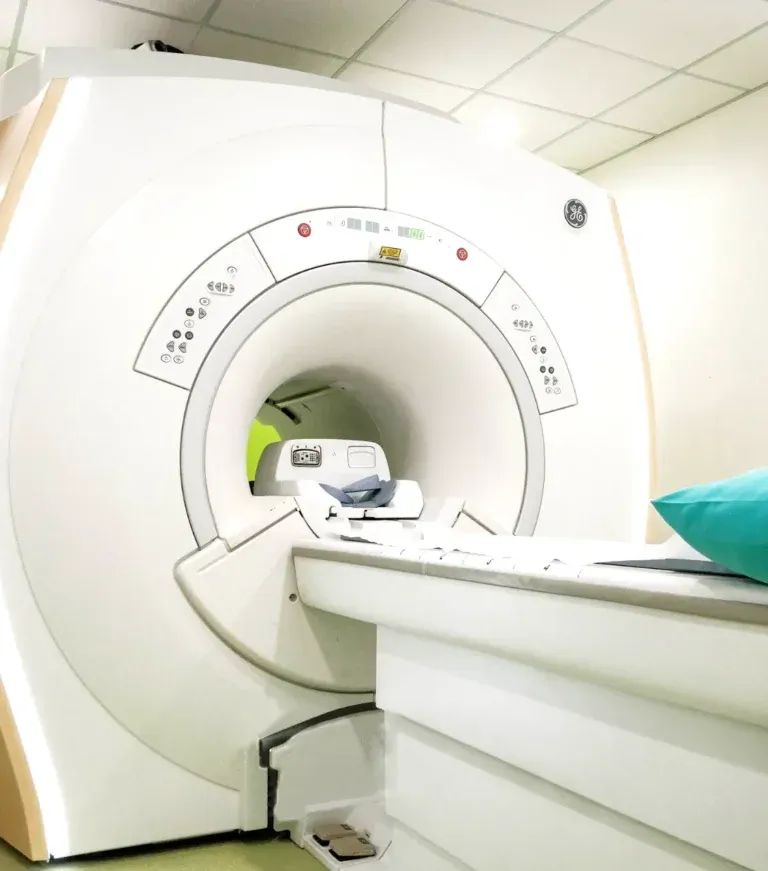
FACT: While some patients experience claustrophobia in a standard MRI machine, it is not universal, and multiple solutions exist. Standard (closed-bore) MRI machines involve lying in a tunnel approximately 60 centimeters in diameter and 150 to 200 centimeters long. Some patients find this confining, while many others have no difficulty at all.
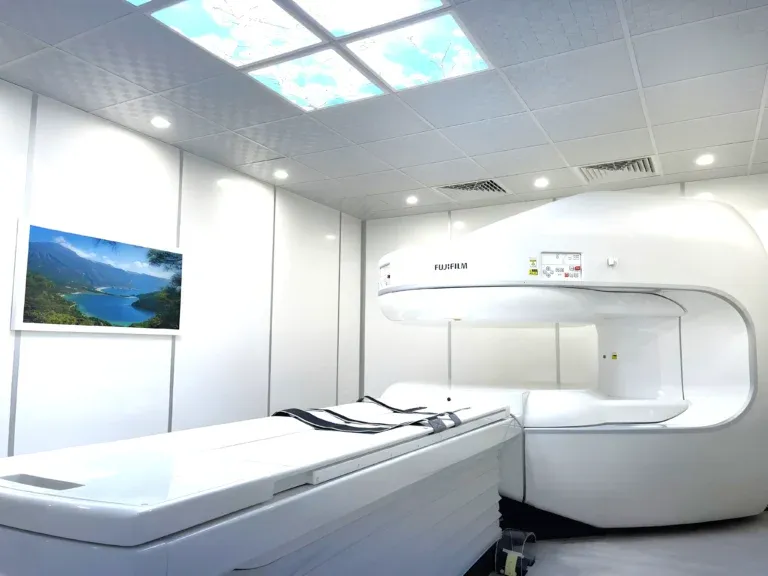
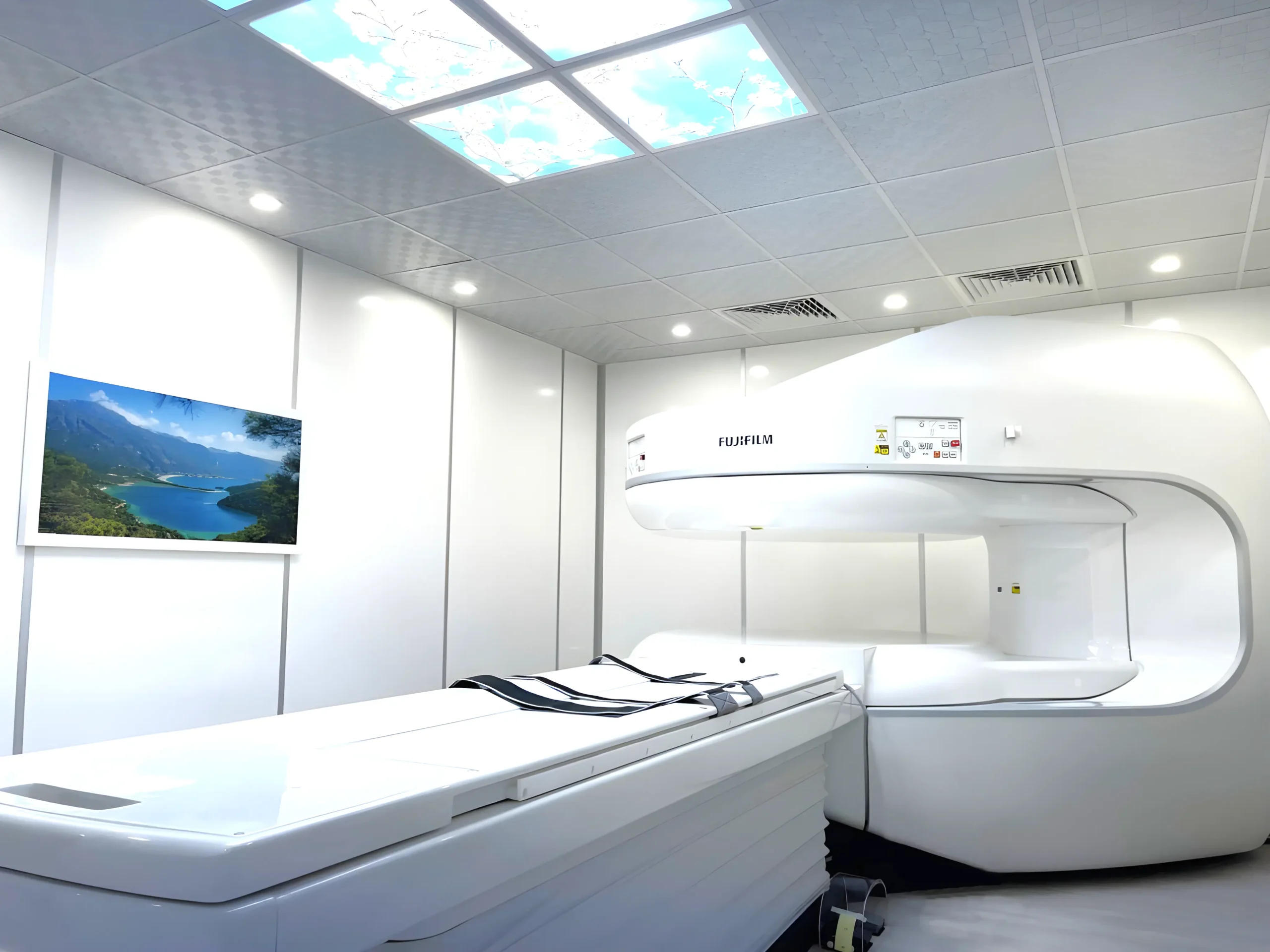
For patients who do experience MRI-related anxiety, several options are available. Open MRI machines provide a much less enclosed experience, with the patient lying between two flat magnetic plates rather than inside a tunnel. Additionally, many strategies help patients tolerate standard MRI: earplugs with music, closing the eyes before entering the scanner, controlled breathing techniques, having a companion in the room, and in some cases a mild sedative prescribed by a physician. For a comprehensive guide, see our article on managing claustrophobia during MRI.
Myth 10: MRI Results Are Available Instantly
FACT: MRI results typically take 24 to 48 hours. Unlike blood tests or point-of-care diagnostics, MRI produces hundreds of images across multiple sequences that must be carefully reviewed by a consultant radiologist. The radiologist examines each sequence systematically, correlates findings with the patient's clinical history and prior imaging, and prepares a detailed written report with diagnosis and recommendations.
This process cannot be meaningfully accelerated without compromising quality. A rushed interpretation risks missing subtle but important findings. At DCDC, our consultant radiologists typically complete reports within 24 to 48 hours for routine studies. Urgent or emergency studies are prioritized and may be reported within hours when clinically necessary. The MRI technologist who performs your scan is not authorized to interpret or communicate results — this is always done by the radiologist, and results are communicated through your referring physician.
It is worth noting that the MRI technologist may tell you "the images look fine" or "we got good images" — this refers to the technical quality of the images (sharpness, positioning, absence of motion artifacts), not a diagnostic interpretation. Only the radiologist provides the clinical interpretation.
Safe, Expert MRI at DCDC Dubai Healthcare City
At Doctors Clinic Diagnostic Center, patient safety is our highest priority. Our MRI unit follows strict safety protocols, thorough pre-scan screening, and all scans are interpreted by experienced consultant radiologists. Learn more about our MRI services.
Related Services at DCDC
Expert care and advanced diagnostics at Dubai Healthcare City
Frequently Asked Questions
Final Thoughts
MRI is one of the safest and most valuable diagnostic tools available in modern medicine. It has been in clinical use for over four decades, with billions of scans performed worldwide, and its safety record is excellent. The myths that persist — about radiation, cancer risk, tattoos, pregnancy, and metal implants — can cause unnecessary anxiety and may even lead patients to avoid scans that could detect serious medical conditions.
At Doctors Clinic Diagnostic Center in Dubai Healthcare City, MRI safety is our highest priority. Every patient undergoes thorough pre-scan screening, our technologists follow rigorous safety protocols, and our consultant radiologists ensure that every scan is clinically justified and properly interpreted. If you have questions or concerns about MRI safety, do not hesitate to contact our radiology team — we are here to help you feel informed and confident about your imaging.
Sources & References
This article was reviewed by our medical team and references the following sources:
- American College of Radiology - MRI Safety Guidelines
- Radiological Society of North America - MRI Safety
- FDA - MRI Safety Information
- International Society for Magnetic Resonance in Medicine - MRI Safety
- European Society of Radiology - MRI Safety Best Practices
Medical content on this site is reviewed by DHA-licensed physicians. See our editorial policy for more information.

Written by
Dr. Osama Elzamzami
Diagnostic Radiology
MD, FRCR
Dr. Osama Elzamzami is a Consultant Radiologist specializing in diagnostic imaging including MRI, CT, and ultrasound at DCDC Dubai Healthcare City.
Related Articles
MRI Cost in Dubai: Complete Guide to Types & Pricing (2026)
Claustrophobic in MRI? 8 Tips to Get Through Your Scan
MRI with Contrast: What to Expect, Safety & Cost
1.5T vs 3T vs Open MRI: Which MRI Type Is Best for You?
Brain MRI in Dubai: What It Detects, Cost & When You Need One
More in Diagnostic Imaging
CT Scan vs Ultrasound Dubai: Which Test? (2026)
Read More
Open vs Closed MRI Dubai: Key Differences (2026)
Read More
X-Ray Cost Dubai: Prices by Body Part (2026)
Read More
DEXA Scan Cost Dubai: From AED 399 (2026)
Read More
CT Scan Cost Dubai: Prices & Types (2026)
Read More
DEXA Scan Dubai: Cost, T-Score & Who Needs It (2026)
Read More© 2026 Doctors Clinic Diagnostic Center (DCDC), Dubai Healthcare City. Originally published at https://doctorsclinicdubai.ae/blog/mri-safety-myths-facts. All rights reserved. Unauthorized reproduction is prohibited.