Ключевые выводы
- Cardiovascular disease is the leading cause of death in the UAE, accounting for roughly 30-40% of all deaths. The World Health Organization estimates CVD kills 17.9 million people globally each year, making regular cardiac screening essential for Dubai residents
- You should see a cardiologist if you experience chest pain, shortness of breath, palpitations, dizziness, or if you have risk factors like high blood pressure, diabetes, family history of heart disease, or are over 40 with a sedentary lifestyle
- A cardiology consultation at DCDC includes a 30-45 minute initial assessment with cardiovascular risk evaluation, and on-site diagnostics including ECG, echocardiogram, treadmill stress test, and 24-hour Holter monitoring — often completed in a single visit
- Cardiology consultation starts from AED 250 at DCDC Dubai Healthcare City. Over 20 insurance partners offer direct billing, including Daman, AXA, Bupa, Cigna, and MetLife
- When choosing a cardiologist in Dubai, look for board certification, on-site diagnostic capabilities, MOHAP licensing, insurance acceptance, and a clinic that offers same-day appointments with minimal waiting times
- Prevention is the most effective cardiac strategy: maintaining a healthy weight, 150 minutes of weekly exercise, managing blood pressure and cholesterol, and getting baseline cardiac screening from age 40 can significantly reduce heart disease risk
Cardiovascular disease is the number one cause of death in the United Arab Emirates, responsible for roughly one in three deaths according to the Dubai Health Authority. Globally, the World Health Organization reports that 17.9 million people die from cardiovascular conditions each year. Yet many heart problems are preventable or manageable when caught early through proper cardiac evaluation. Whether you are experiencing symptoms like chest pain or palpitations, managing a chronic condition such as hypertension, or simply due for a routine heart checkup, finding the right cardiologist in Dubai is one of the most important healthcare decisions you can make.
This guide covers everything you need to know about seeing a heart specialist in Dubai: what cardiologists do, when you need one, what to expect during your visit, the tests that may be ordered, how to choose the right specialist, and what cardiac care costs in the UAE. We also include practical advice on heart disease prevention tailored to the Dubai lifestyle, insurance coverage for cardiology, and when a cardiac symptom becomes an emergency.
What Does a Cardiologist Do?
A cardiologist is a medical doctor who specializes in diagnosing, treating, and preventing diseases of the heart and blood vessels. After completing medical school and internal medicine training, cardiologists undergo several additional years of fellowship training focused entirely on the cardiovascular system. This advanced training gives them deep expertise in conditions ranging from high blood pressure and cholesterol disorders to complex heart failure and arrhythmias.
In clinical practice, a cardiologist's work includes evaluating patients with cardiac symptoms, interpreting heart tests like ECGs and echocardiograms, managing chronic cardiovascular conditions with medication and lifestyle strategies, performing risk assessments to identify people likely to develop heart disease, and coordinating with other specialists when surgical or interventional procedures are needed.
Cardiologists treat a wide range of conditions including:
- Coronary artery disease — narrowing or blockage of the heart's blood vessels
- Heart failure — when the heart cannot pump blood efficiently
- Hypertension — persistent high blood pressure that damages arteries over time
- High cholesterol — elevated lipid levels that accelerate plaque buildup
- Atrial fibrillation (AFib) — irregular heart rhythm that increases stroke risk
- Heart valve disease — malfunction of one or more heart valves
- Cardiomyopathy — disease of the heart muscle itself
- Peripheral vascular disease — narrowing of blood vessels outside the heart
- Syncope — unexplained fainting or near-fainting episodes
A significant portion of modern cardiology is preventive. Rather than waiting for a heart attack or stroke to occur, cardiologists work to identify and reduce risk factors years or even decades before a cardiac event. This is especially relevant in the UAE, where lifestyle factors such as sedentary work, high-sodium diets, and workplace stress combine to create elevated cardiovascular risk across the population.
When to See a Cardiologist in Dubai
Many people assume a cardiologist is only for older adults or those who have already had a heart attack. In reality, a large number of cardiology patients are younger adults seeking evaluation for symptoms they cannot explain, or individuals with risk factors who want to prevent future problems. The following situations are clear indicators that you should schedule a cardiology consultation.
You should see a cardiologist if you experience any of these warning signs:
- Chest pain, pressure, or tightness — especially during physical activity or emotional stress
- Shortness of breath during normal activities that previously caused no difficulty
- Heart palpitations, racing heart, or sensation of skipped beats
- Dizziness, lightheadedness, or unexplained fainting
- Swelling in the legs, ankles, or feet without obvious cause
- Persistent fatigue or reduced exercise tolerance
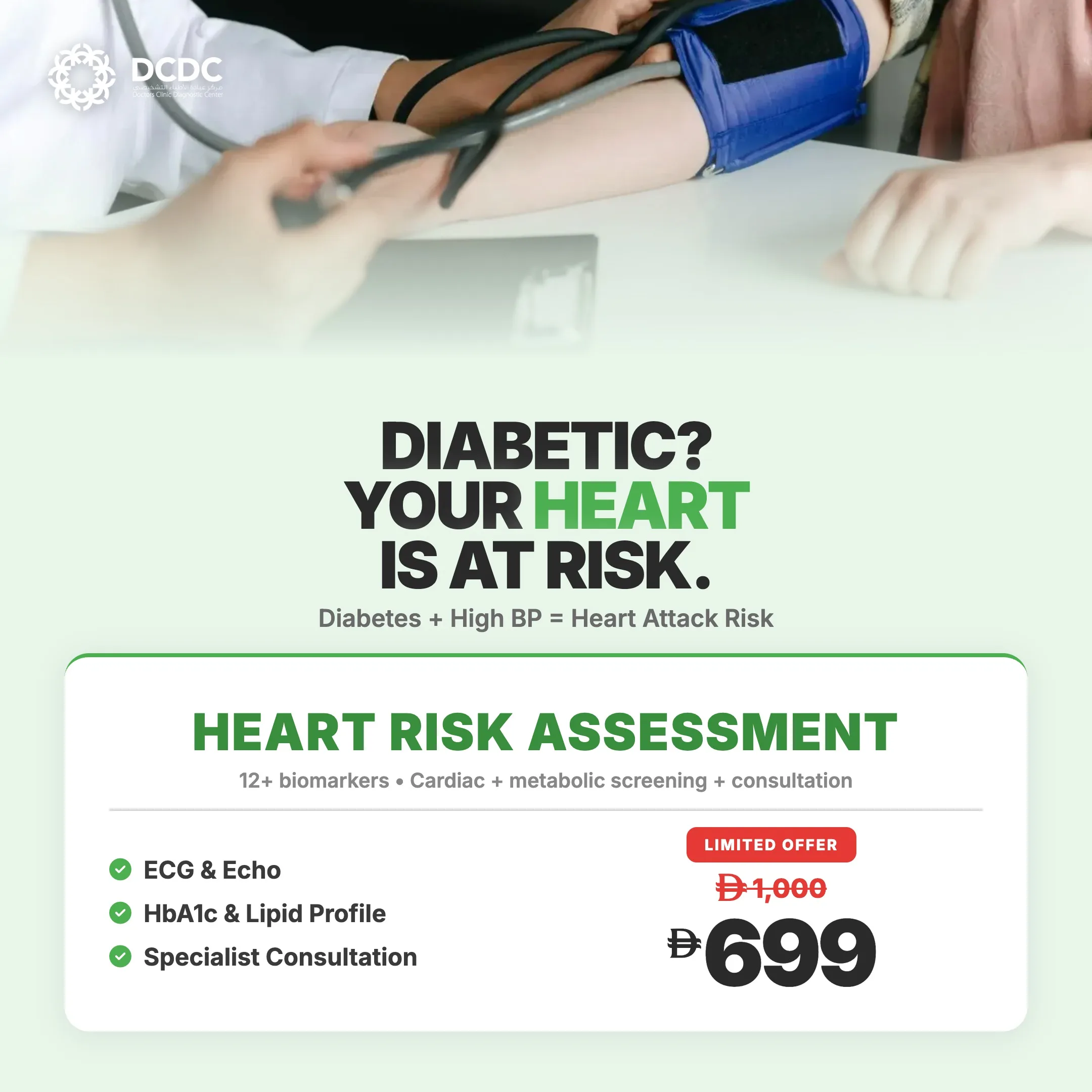
- High blood pressure readings (consistently above 140/90 mmHg)
Even without symptoms, you should consider a cardiology evaluation if you have a family history of early heart disease (a parent or sibling who had a heart attack before age 55 for men or 65 for women), if you have diabetes combined with hypertension, if you smoke or recently quit, or if you are over 40 and planning to start a vigorous exercise program. For more details on cardiac warning signs, read our guide on heart disease symptoms you should watch for.
10 Reasons You May Need a Heart Specialist
Beyond acute symptoms, there are many clinical scenarios where a cardiologist adds significant value to your care. Here are ten common reasons patients in Dubai are referred to or choose to see a cardiologist.
- 1. Persistent chest pain: Any recurrent chest discomfort that does not have a clear non-cardiac explanation needs proper cardiac workup including ECG and possibly stress testing
- 2. Uncontrolled high blood pressure: If your blood pressure remains elevated despite medication from your GP, a cardiologist can optimize your treatment and investigate secondary causes
- 3. Abnormal ECG or blood test results: An unusual finding on a routine ECG or elevated cardiac markers on blood work warrants specialist interpretation
- 4. Family history of sudden cardiac death: If a close relative died suddenly from a heart condition, screening for inherited cardiac disorders is essential
- 5. Diabetes with cardiovascular risk factors: The combination of diabetes with hypertension, high cholesterol, or obesity dramatically accelerates heart disease and benefits from cardiology oversight
- 6. Heart murmur detected by your GP: A heart murmur may be harmless, but it can also indicate valve disease that needs monitoring or treatment — an echocardiogram will clarify
- 7. Pre-operative cardiac clearance: Before major surgery, especially for patients over 50 or those with cardiac risk factors, surgeons often require cardiologist clearance
- 8. Post-COVID cardiac symptoms: Patients who had COVID-19 and now experience chest pain, palpitations, or exercise intolerance may benefit from cardiac evaluation including echocardiogram
- 9. Exercise clearance for adults over 40: Starting a vigorous exercise program after years of inactivity carries cardiac risk — a stress test can identify hidden problems
- 10. Routine cardiac screening at age 40+: Even without symptoms, a baseline cardiac assessment establishes your heart health profile and identifies modifiable risks early
If you are experiencing heart palpitations or chest pain, these guides explain what may be causing your symptoms and when to seek urgent care.
See a Cardiologist at DCDC Dubai Healthcare City
Experiencing chest discomfort, palpitations, or shortness of breath? Or due for a routine cardiac screening? Book a cardiology consultation from AED 250 at Doctors Clinic Diagnostic Center with same-day ECG, comprehensive cardiac assessment, and clear answers from our board-certified cardiologist. WhatsApp to book your appointment.
What Happens During a Cardiology Consultation?
Understanding what to expect during your first cardiology visit helps reduce anxiety and ensures you get the most from your appointment. A thorough cardiology consultation typically lasts 30-45 minutes for an initial visit and follows a structured process designed to evaluate your cardiovascular health comprehensively.
Medical History Review
Your cardiologist will begin by asking detailed questions about your symptoms: when they started, what triggers them, how long they last, and what makes them better or worse. They will review your full medical history including previous diagnoses, surgeries, medications, and allergies. Family history is particularly important — your cardiologist will ask about heart disease, stroke, sudden death, and related conditions in your immediate family.
Physical Examination
The cardiac physical examination includes listening to your heart and lungs with a stethoscope (auscultation), checking your blood pressure in both arms, assessing your pulse rate and rhythm, examining your neck veins for signs of heart failure, checking for swelling in your legs and ankles, and palpating your abdomen. These simple checks provide immediate information about heart function, valve status, and fluid balance.
Cardiovascular Risk Assessment
Based on your history, examination findings, and any available test results, your cardiologist will calculate your cardiovascular risk profile. This takes into account your age, gender, blood pressure, cholesterol levels, smoking status, diabetes history, and family history. The assessment helps determine whether you need immediate testing, medication, lifestyle modifications, or a combination of all three.
Diagnostic Plan
After the initial assessment, your cardiologist will explain what tests — if any — are needed and why. This might include a resting ECG (often done immediately during the same visit), blood tests, an echocardiogram, or a stress test. At clinics with on-site diagnostics, many of these tests can be completed the same day, allowing for faster diagnosis and treatment planning.
Heart Tests a Cardiologist May Order
Cardiology relies on a set of well-established diagnostic tests that help your heart specialist understand the structure and function of your heart. Each test serves a specific purpose, and not every patient needs every test. Your cardiologist will recommend investigations based on your symptoms, risk factors, and clinical findings.
The following comparison table outlines the most commonly ordered cardiac tests, what they detect, and when each is typically recommended.
| Test | What It Detects | Duration | Cost Range (AED) | When Recommended |
|---|---|---|---|---|
| ECG (Electrocardiogram) | Heart rhythm, electrical activity, arrhythmias, signs of ischemia or past heart attack | 5-10 minutes | 150 – 300 | First-line test for any cardiac symptom; baseline screening |
| Echocardiogram | Heart structure, valve function, pumping efficiency (ejection fraction), chamber size | 30-45 minutes | 800 – 2,000 | Suspected valve disease, heart failure, murmur, shortness of breath |
| Treadmill Stress Test | Exercise capacity, blood flow under exertion, exercise-induced ischemia or arrhythmias | 45-60 minutes | 500 – 1,500 | Chest pain with activity, exercise clearance, coronary artery disease screening |
| Holter Monitor (24-48 hrs) | Continuous rhythm monitoring, intermittent arrhythmias, palpitation correlation | 24-48 hours | 500 – 1,200 | Palpitations that come and go, suspected rhythm disorders, syncope evaluation |
| CT Angiogram (Cardiac) | Coronary artery blockages, calcium score, detailed vessel anatomy | 30-45 minutes | 2,500 – 5,000 | Intermediate-risk chest pain, coronary artery disease assessment, calcium scoring |
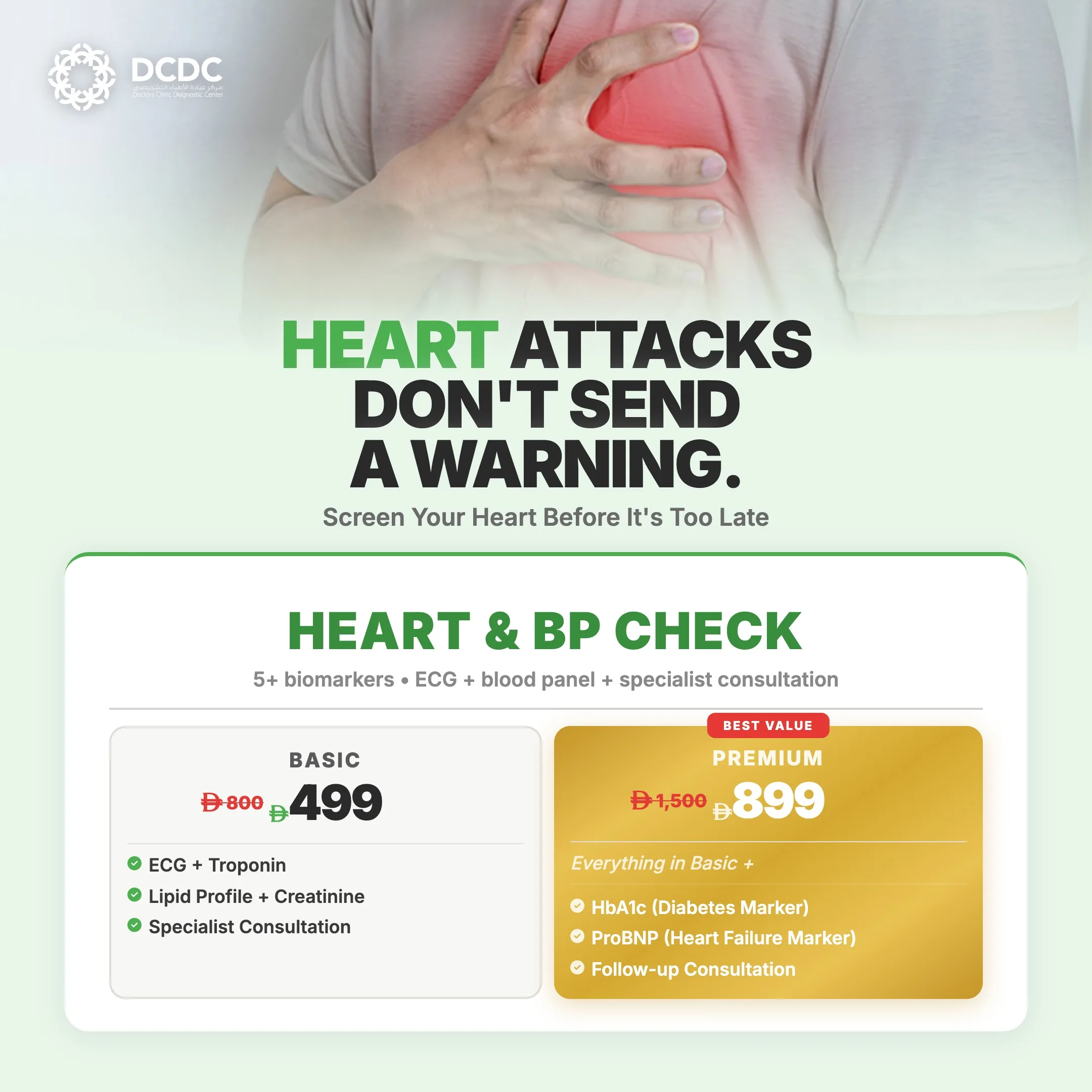
| Blood Tests (Lipid Panel, Cardiac Markers) | Cholesterol, triglycerides, troponin, BNP, glucose, HbA1c | 15 minutes (draw) | 200 – 600 | Baseline screening, risk stratification, acute chest pain evaluation |
Common cardiac tests ordered by cardiologists in Dubai (2026). Your cardiologist will recommend the most appropriate test based on your symptoms and clinical presentation.
"The choice of cardiac test always depends on the clinical question we are trying to answer," explains Dr. Shahoo Mazhari, Cardiologist at DCDC. "An ECG is the right starting point for rhythm concerns, but if we need to evaluate how well the heart muscle is functioning or whether a valve is leaking, an echocardiogram provides the detailed images we need. The key is matching the test to the patient's specific situation."
For detailed information on individual tests, see our guides on ECG testing in Dubai, echocardiograms, and cardiac stress testing.
How to Choose the Right Cardiologist in Dubai
Dubai has numerous cardiology providers ranging from large hospital cardiac centers to specialist clinics. Choosing the right cardiologist involves evaluating several factors beyond just proximity or brand name. The following criteria will help you make an informed decision.
Board Certification and Credentials
Verify that your cardiologist is board-certified in cardiology and holds a valid MOHAP (Ministry of Health and Prevention) license to practice in the UAE. Board certification confirms that the physician has completed accredited training and passed rigorous examinations. You can check licensing status through the MOHAP Shafafiya portal. Look for credentials such as MD in Cardiology, MRCP, or equivalent qualifications from recognized medical bodies.
On-Site Diagnostic Capabilities
A cardiologist who works in a facility with on-site ECG, echocardiography, stress testing, and Holter monitoring can complete your evaluation more efficiently. If these tests require referral to a separate facility, it adds time, cost, and inconvenience to your care. At DCDC in Dubai Healthcare City, all standard cardiac tests are available under one roof, meaning ECG, echo, blood work, and stress testing can often be completed in a single visit.
Insurance Acceptance and Transparent Pricing
Confirm that the clinic accepts your insurance plan before booking. Some clinics accept limited insurance networks, while others work with 20 or more providers. Transparent pricing for self-pay patients is also important — a reputable clinic will provide clear cost estimates before any test or procedure. Ask about consultation fees, test costs, and whether packages are available for comprehensive screening.
Appointment Availability and Wait Times
Heart symptoms should not wait weeks for evaluation. Look for a cardiologist who offers same-day or next-day appointments, particularly for urgent symptoms. In-clinic wait times also matter — spending two hours in a waiting room adds unnecessary stress for patients with cardiac concerns. Clinics with efficient scheduling and reasonable patient volumes tend to offer the best experience.
Communication and Patient-Centered Approach
A good cardiologist explains your condition, test results, and treatment options in clear language that you can understand. They should welcome your questions, involve you in decision-making, and provide written summaries of findings and plans. Patient reviews on Google and other platforms can offer insight into a cardiologist's communication style and bedside manner.
What to Expect at DCDC Cardiology
At Doctors Clinic Diagnostic Center (DCDC) in Dubai Healthcare City, the cardiology patient journey is designed for efficiency and thoroughness. Here is what a typical visit looks like from arrival to results.
- Booking: Schedule online, by phone, or via WhatsApp. Same-day appointments are available, and urgent cases are prioritized. Bring your Emirates ID, insurance card, and any previous medical records or test results
- Arrival and registration: The clinic is located in Building 64, Block A, Al Razi Medical Complex in Dubai Healthcare City. Free parking is available. Average wait time is approximately 15 minutes
- Consultation (30-45 minutes): Your board-certified cardiologist conducts a full cardiovascular assessment including medical history, physical examination, and risk evaluation. A resting ECG is typically performed during the same visit
- On-site diagnostics: If additional tests are needed — echocardiogram, treadmill stress test, blood work, or Holter monitor — they can usually be done the same day without referral to an external facility
- Results and treatment plan: Your cardiologist explains all findings clearly, answers your questions, and provides a written treatment plan. For straightforward cases, results are discussed on the same visit. Holter monitor results typically take 24-48 hours after the monitoring period
- Follow-up: Follow-up consultations (15-20 minutes) are scheduled based on your condition. Stable patients may return in 3-6 months, while those starting new medications or with complex conditions may be seen sooner
DCDC is MOHAP Licensed (NIMY7VY5-240925) and maintains a 4.8/5 Google rating from over 1,000 reviews with 98% patient satisfaction. The clinic is open Saturday through Thursday from 8 AM to 10 PM and Friday from 9 AM to 9 PM.
For a broader overview of all cardiac investigations available at DCDC, see our comprehensive guide to heart tests in Dubai including ECG, echo, and stress test costs.
Cardiology Consultation Cost in Dubai
Understanding cardiology costs in Dubai helps patients plan their healthcare budget and make informed decisions. Prices vary by facility type, specialist experience, and the scope of testing required. The table below provides current pricing for common cardiology services in Dubai.
| Cardiology Service | Cost Range (AED) | What's Included |
|---|---|---|
| Cardiology consultation (initial) | From 250 | 30-45 minute assessment, cardiovascular risk evaluation, treatment plan |
| Cardiology consultation (follow-up) | From 150 – 250 | 15-20 minute progress review, medication adjustment, ongoing monitoring |
| ECG (Electrocardiogram) | 150 – 300 | ECG recording, cardiologist interpretation, written report |
| Echocardiogram | 800 – 2,000 | Transthoracic echo, Doppler assessment, specialist report |
| Cardiac stress test (treadmill) | 500 – 1,500 | Supervised exercise test, continuous ECG monitoring, cardiologist report |
| Holter monitor (24-hour) | 500 – 1,200 | Device fitting, 24-hour continuous recording, rhythm analysis report |
| CT angiogram (cardiac) | 2,500 – 5,000 | Contrast-enhanced CT scan, 3D reconstruction, specialist interpretation |
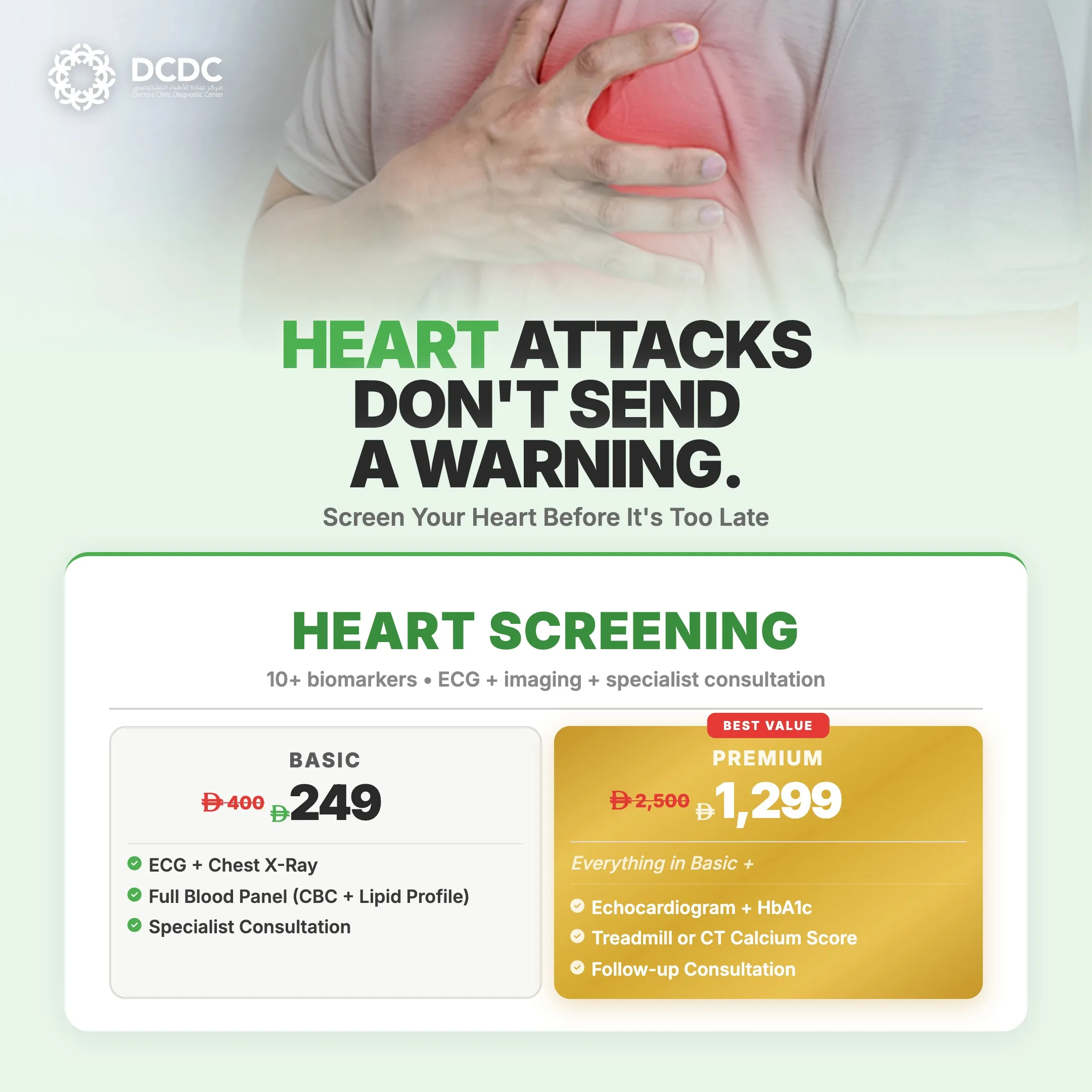
| Cardiac screening package | From 1,500 | Consultation + ECG + echo + blood tests (lipid profile, glucose) |
Cardiology service costs in Dubai (2026). Insurance coverage may significantly reduce out-of-pocket expenses. Prices reflect typical ranges at quality facilities in Dubai Healthcare City.
"The cost of a cardiac screening is modest compared to treating advanced heart disease," notes Dr. Shahoo Mazhari. "A comprehensive heart evaluation in Dubai costs less than most smartphones, yet it can identify conditions that, left untreated, lead to hospitalization, surgery, or worse. Prevention is always more cost-effective than treatment."
Does Insurance Cover Cardiology in Dubai?
Most health insurance plans in the UAE cover cardiology consultations and diagnostic tests when they are medically indicated. This means that if your GP refers you for a cardiac evaluation or if you present with symptoms requiring cardiology assessment, the costs of consultation and testing are typically covered under your plan.
Key points about insurance coverage for cardiology in Dubai:
- Medically necessary consultations are covered by virtually all UAE insurance plans, though a GP referral may be required depending on your insurer
- Diagnostic tests including ECG, echocardiogram, stress test, and Holter monitoring are covered when ordered for clinical reasons
- Pre-authorization may be required for advanced imaging such as CT angiogram or cardiac MRI — your clinic can handle this process
- Screening tests for asymptomatic patients may have variable coverage depending on your plan tier and insurer
- Direct billing is available at clinics like DCDC, which partners with over 20 insurers including Daman, AXA, Bupa, Cigna, and MetLife — meaning you pay only your copay or deductible, not the full amount upfront
Always verify coverage with your insurer before your appointment. At DCDC, the front desk team can check your insurance eligibility and pre-authorization requirements before you see the cardiologist, so there are no surprises regarding cost.
Book Your Cardiology Consultation at DCDC
Don't wait for symptoms to become serious. Book a cardiology consultation from AED 250 at Doctors Clinic Diagnostic Center in Dubai Healthcare City. On-site ECG, echocardiogram, and stress testing available same-day. Over 20 insurance partners with direct billing. WhatsApp us to book now.
Heart Health Tips: Prevention Advice from Our Cardiologist
Prevention is the most effective strategy against cardiovascular disease. According to the American Heart Association, up to 80% of heart attacks and strokes are preventable through lifestyle modifications. The following evidence-based tips are particularly relevant for people living and working in Dubai.
Monitor Your Blood Pressure Regularly
Hypertension is called the "silent killer" because it rarely causes noticeable symptoms until significant organ damage has occurred. The European Society of Cardiology recommends maintaining blood pressure below 130/80 mmHg for most adults. Home blood pressure monitors are affordable and allow you to track trends between doctor visits. If your readings are consistently above 140/90, schedule a consultation promptly. For more on managing blood pressure, see our guide on high blood pressure screening and treatment in Dubai.
Know Your Cholesterol Numbers
Elevated LDL cholesterol is a major driver of atherosclerosis (plaque buildup in arteries). The American Heart Association recommends all adults over 20 have their cholesterol checked every 4-6 years, and more frequently if levels are borderline or high. A simple blood test reveals your total cholesterol, LDL, HDL, and triglyceride levels. Diet modifications, exercise, and when necessary, statin medications can bring cholesterol to safe levels. Learn more in our article on high cholesterol causes and treatment.
Stay Physically Active Despite the Heat
The WHO recommends at least 150 minutes of moderate-intensity aerobic activity per week for cardiovascular health. In Dubai, where outdoor temperatures exceed 40 degrees Celsius for several months, indoor alternatives are essential. Swimming, gym workouts, mall walking during early hours, or home exercise programs maintain cardiovascular fitness year-round. Even replacing one hour of sitting with light activity reduces cardiovascular mortality risk by 15-20% according to the European Heart Journal.
Manage Stress Proactively
Chronic stress triggers cortisol and adrenaline release, which over time raise blood pressure, promote vascular inflammation, and increase clotting risk. Research in the European Heart Journal shows that working more than 55 hours per week increases heart attack risk by 13% and stroke risk by 33%. For Dubai professionals working long hours, scheduling regular downtime, physical activity, and maintaining social connections are not luxuries — they are cardiovascular necessities.
Get Baseline Cardiac Screening at 40
A baseline cardiac assessment at age 40 — or earlier if you have risk factors — gives your cardiologist a reference point against which future changes can be measured. This typically includes a consultation, resting ECG, blood tests (lipid panel, glucose, HbA1c), and often an echocardiogram. The earlier problems like borderline hypertension, elevated cholesterol, or subtle structural changes are detected, the more effective prevention becomes. For complete details on cardiac screening options, read our guide on heart screening packages and prevention in Dubai.
When Is It a Heart Emergency?
While many cardiac symptoms warrant a scheduled consultation, some situations require immediate emergency care. Understanding the difference can save your life or the life of someone around you.
Call 999 (UAE emergency) or go to the nearest emergency room immediately if you experience:
- Severe chest pain or pressure lasting more than a few minutes, especially if it radiates to the left arm, jaw, neck, or back
- Sudden shortness of breath that is severe and accompanied by chest discomfort, sweating, or nausea
- Loss of consciousness or sudden collapse without explanation
- Very rapid or irregular heartbeat accompanied by dizziness, chest pain, or near-fainting
- Sudden weakness or numbness on one side of the body (possible stroke)
- Sudden severe headache described as the worst headache of your life (possible hemorrhagic stroke)
In a heart attack, every minute counts. The American Heart Association emphasizes that treatment within the first hour — the "golden hour" — significantly improves survival and reduces heart muscle damage. Do not drive yourself to the hospital if you suspect a heart attack; call emergency services so treatment can begin en route.
Women may experience heart attack symptoms differently from men, including unusual fatigue, nausea, jaw pain, or back pain without the classic central chest pain. Any sudden, unexplained combination of these symptoms should be treated as a potential cardiac emergency.
"Many patients tell me they hesitated before calling an ambulance because they weren't sure if their symptoms were serious enough," says Dr. Shahoo Mazhari. "My advice is always the same: when in doubt, call. It is far better to be evaluated and told everything is fine than to wait at home with a heart attack in progress. Time lost is heart muscle lost."
Conditions Treated by Our Cardiologist in Dubai
The cardiology team at DCDC manages the full spectrum of cardiovascular conditions commonly seen in the Dubai population. Each condition is approached with evidence-based evaluation and individualized treatment planning.
- Coronary artery disease (CAD): Narrowing of the heart's blood supply vessels due to plaque buildup. Managed through lifestyle modification, medication, and monitoring with periodic stress testing and imaging
- Hypertension: Persistent high blood pressure requiring medication optimization, lifestyle guidance, and regular monitoring to prevent target organ damage
- Atrial fibrillation (AFib): The most common heart rhythm disorder, significantly increasing stroke risk. Managed with rate/rhythm control medications and anticoagulation when appropriate. See our detailed guide on atrial fibrillation diagnosis and care
- Heart failure: When the heart cannot pump blood efficiently, causing fluid retention, fatigue, and breathlessness. Requires careful medication management and regular echocardiographic monitoring
- Heart valve disease: Malfunction of one or more heart valves, diagnosed by echocardiogram and monitored with periodic imaging to determine if intervention is needed
- High cholesterol and dyslipidemia: Abnormal lipid levels that accelerate atherosclerosis, managed through diet, exercise, and statin therapy when indicated
- Cardiomyopathy: Disease of the heart muscle that can reduce pumping function, requiring echocardiographic monitoring and specialized medication regimens
- Peripheral vascular disease: Narrowing of blood vessels in the legs or other parts of the body, often associated with coronary artery disease
Why Dubai Residents Face Higher Cardiovascular Risk
The UAE has one of the highest rates of cardiovascular disease in the region, driven by a unique combination of lifestyle, environmental, and genetic factors. Understanding these Dubai-specific risks helps explain why proactive cardiac care is particularly important for residents.
- Sedentary office lifestyles: Dubai's service economy means long hours sitting in air-conditioned offices, with car-dependent commutes and limited walkability in many areas
- High-sodium restaurant culture: Frequent dining out with large portions, generous salt use, and processed ingredients contributes to hypertension risk
- Chronic workplace stress: Competitive industries, long working hours, and performance pressure elevate cortisol and cardiovascular strain
- South Asian genetic predisposition: Dubai's large South Asian community faces heart disease onset 5-10 years earlier than European populations, partly due to genetic factors and higher rates of metabolic syndrome
- Vitamin D deficiency: Despite abundant sunshine, up to 80% of UAE residents are vitamin D deficient due to indoor lifestyles, which is linked to increased cardiovascular risk
- Diabetes prevalence: The UAE has one of the highest diabetes rates globally, and diabetes dramatically accelerates coronary artery disease
The encouraging news is that the vast majority of these risk factors are modifiable. A combination of regular exercise, dietary improvements, stress management, smoking cessation, and appropriate medical screening can substantially reduce cardiovascular risk — even in the presence of genetic predisposition.
Связанные услуги в DCDC
Квалифицированная помощь и современная диагностика в Dubai Healthcare City
Часто задаваемые вопросы
Заключение
Finding the right cardiologist in Dubai is not just about treating existing heart problems — it is about building a relationship with a specialist who can monitor your cardiovascular health over time, catch problems early, and guide you toward a heart-healthy lifestyle. In the UAE, where cardiovascular disease accounts for roughly one in three deaths, proactive cardiac care is not optional. It is one of the most important investments you can make in your long-term health.
The unique combination of sedentary office work, high-sodium dining, workplace stress, and genetic risk factors makes Dubai residents particularly vulnerable to heart disease. But these same factors — because they are largely lifestyle-driven — are also the most modifiable. A comprehensive cardiac evaluation establishes your baseline, identifies hidden risks, and gives you a clear roadmap for prevention.
At Doctors Clinic Diagnostic Center in Dubai Healthcare City, our cardiology team provides thorough, patient-centered heart care with on-site ECG, echocardiography, stress testing, and Holter monitoring — often completed in a single visit. Consultations start from AED 250, with over 20 insurance partners offering direct billing. To book your cardiology consultation, WhatsApp us or call our team today.
Источники и ссылки
Эта статья проверена нашей медицинской командой и ссылается на следующие источники:
- World Health Organization — Cardiovascular Diseases (CVDs) Fact Sheet
- American Heart Association — Heart Disease Prevention & Treatment Guidelines
- European Society of Cardiology — Clinical Practice Guidelines
- Dubai Health Authority — Cardiovascular Health Statistics & Guidelines
- European Heart Journal — Working Hours and Cardiovascular Risk
- Mayo Clinic — Heart Disease: Types, Diagnosis & Treatment
- Cleveland Clinic — Cardiology Overview & Heart Health
Медицинский контент на этом сайте проверяется врачами, лицензированными DHA. См. нашу редакционную политику для получения дополнительной информации.

Автор
DCDC Medical Team
Doctors Clinic Diagnostic Center
Dubai Healthcare City
DCDC (Doctors Clinic Diagnostic Centre) is a multi-specialty medical center in Dubai Healthcare City offering comprehensive healthcare services across cardiology, orthopedics, gynecology, internal medicine, neurology, radiology, laboratory, and more.
Похожие статьи
Heart Tests Dubai: ECG, Echo & Stress Test Cost
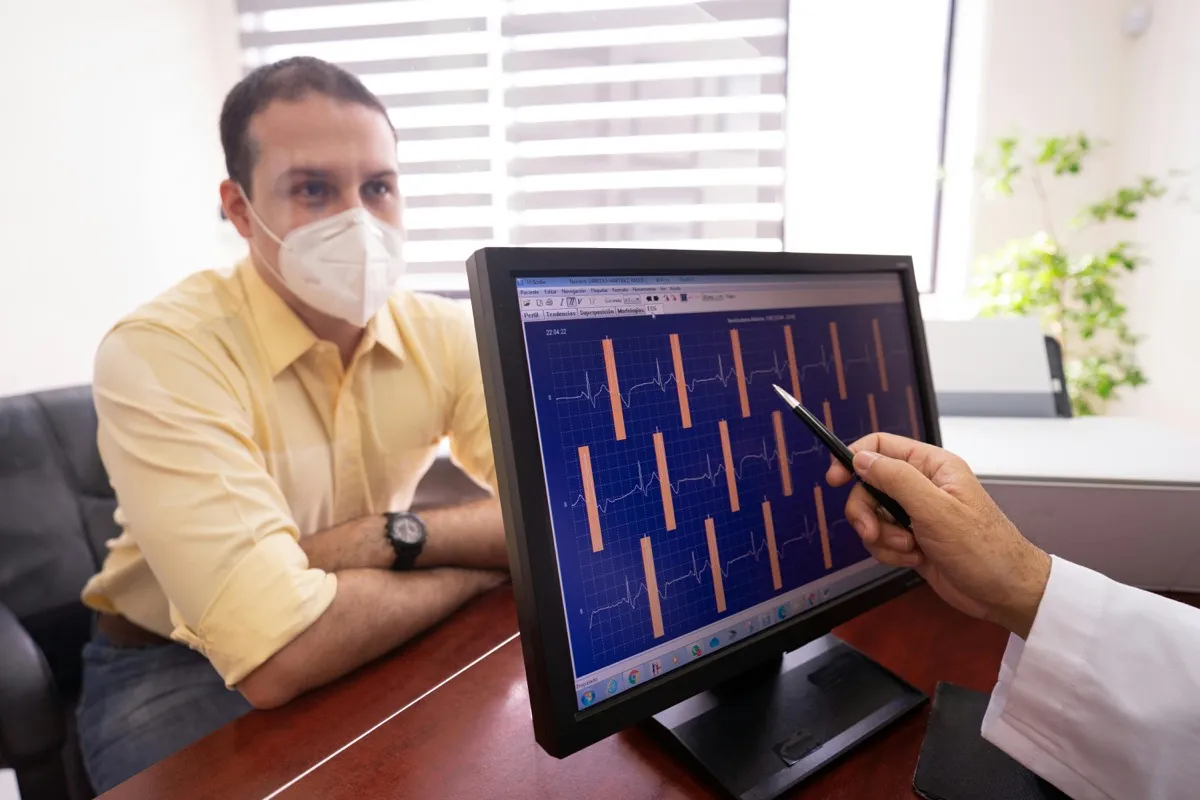
Heart Disease Symptoms Dubai: 8 Signs to Watch

ECG Test Dubai: Cost, Types & Results
Heart Screening Dubai: Checkup Packages & Prevention

High Blood Pressure Dubai: Screening & Treatment
Больше в Cardiology
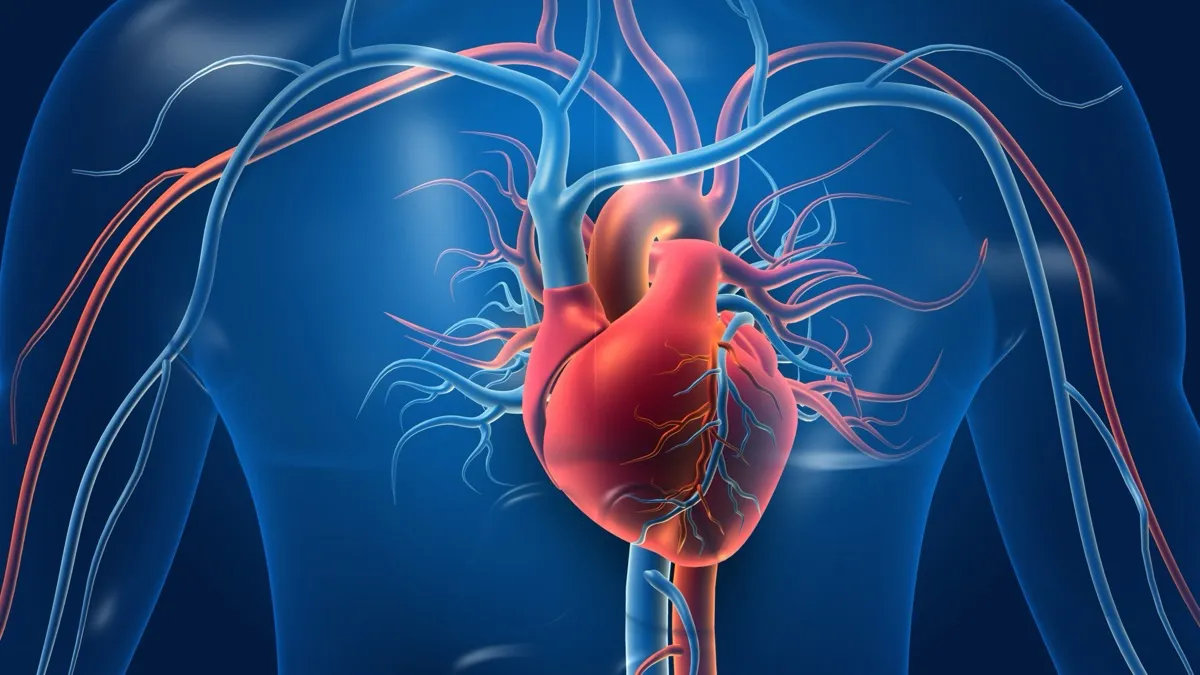
Angiogram Dubai: Types, Cost & Guide (2026)
Читать далееECG Test Dubai: Cost, Types & Results (2026)
Читать далее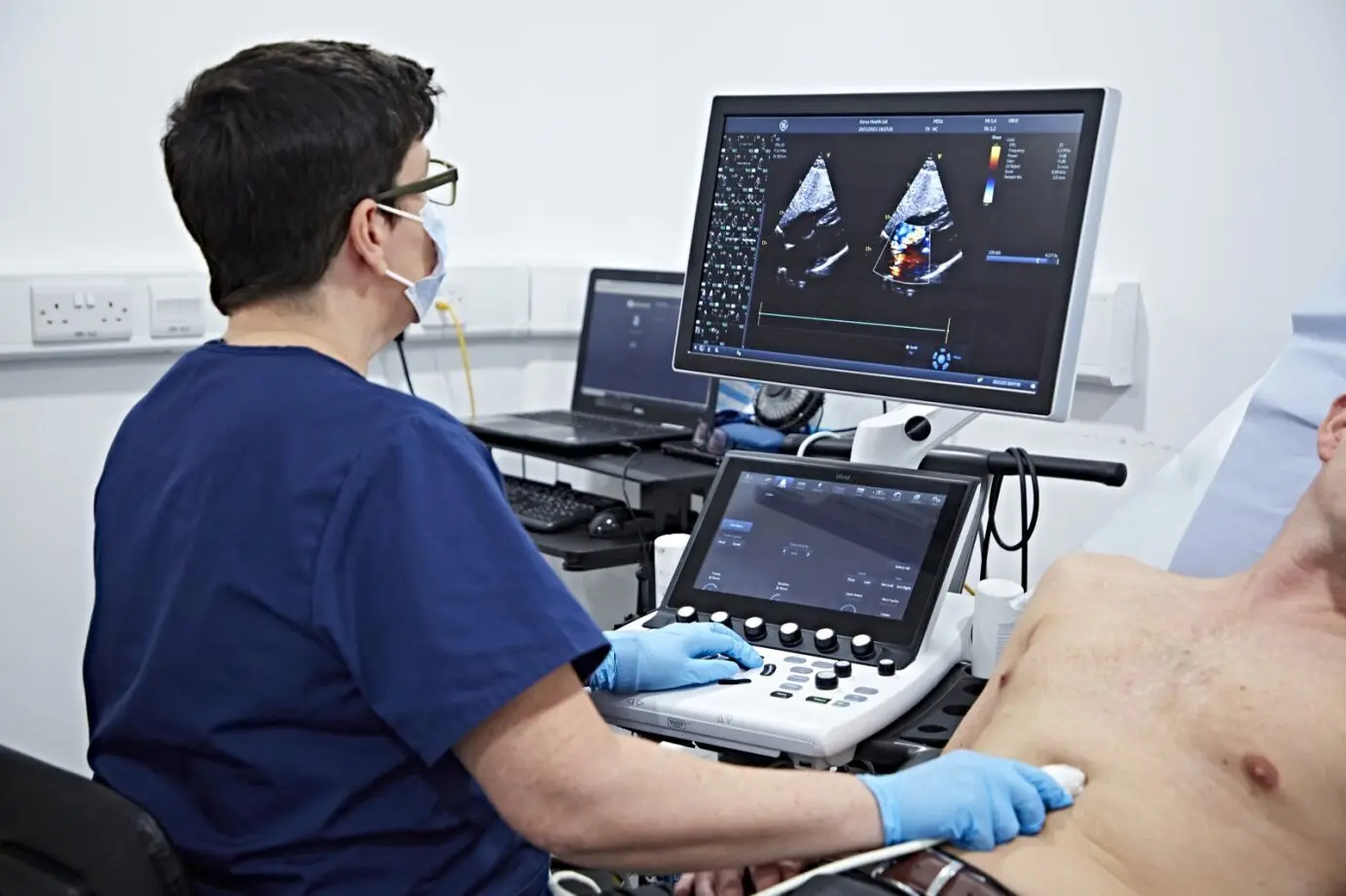
Echocardiogram (Echo) Test in Dubai: Cost, Procedure & What to Expect (2026)
Читать далееHolter Monitor Test Dubai: Cost & Guide (2026)
Читать далееECG Cost in Dubai: From AED 200 (2026)
Читать далее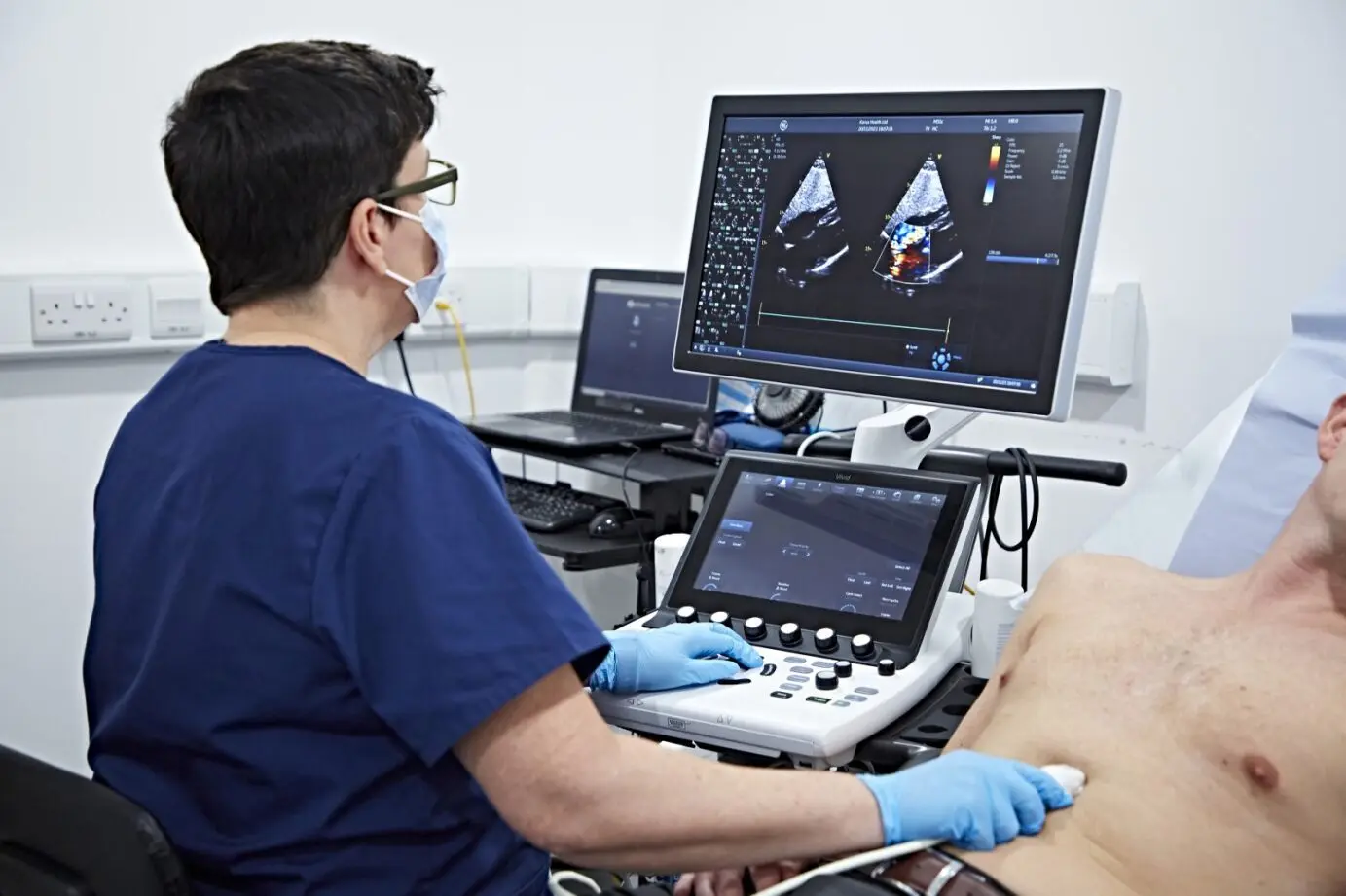
Echo at Home Dubai: From AED 799 (2026)
Читать далее© 2026 Doctors Clinic Diagnostic Center (DCDC), Dubai Healthcare City. Originally published at https://doctorsclinicdubai.ae/blog/cardiologist-dubai-guide. All rights reserved. Unauthorized reproduction is prohibited.