Key Takeaways
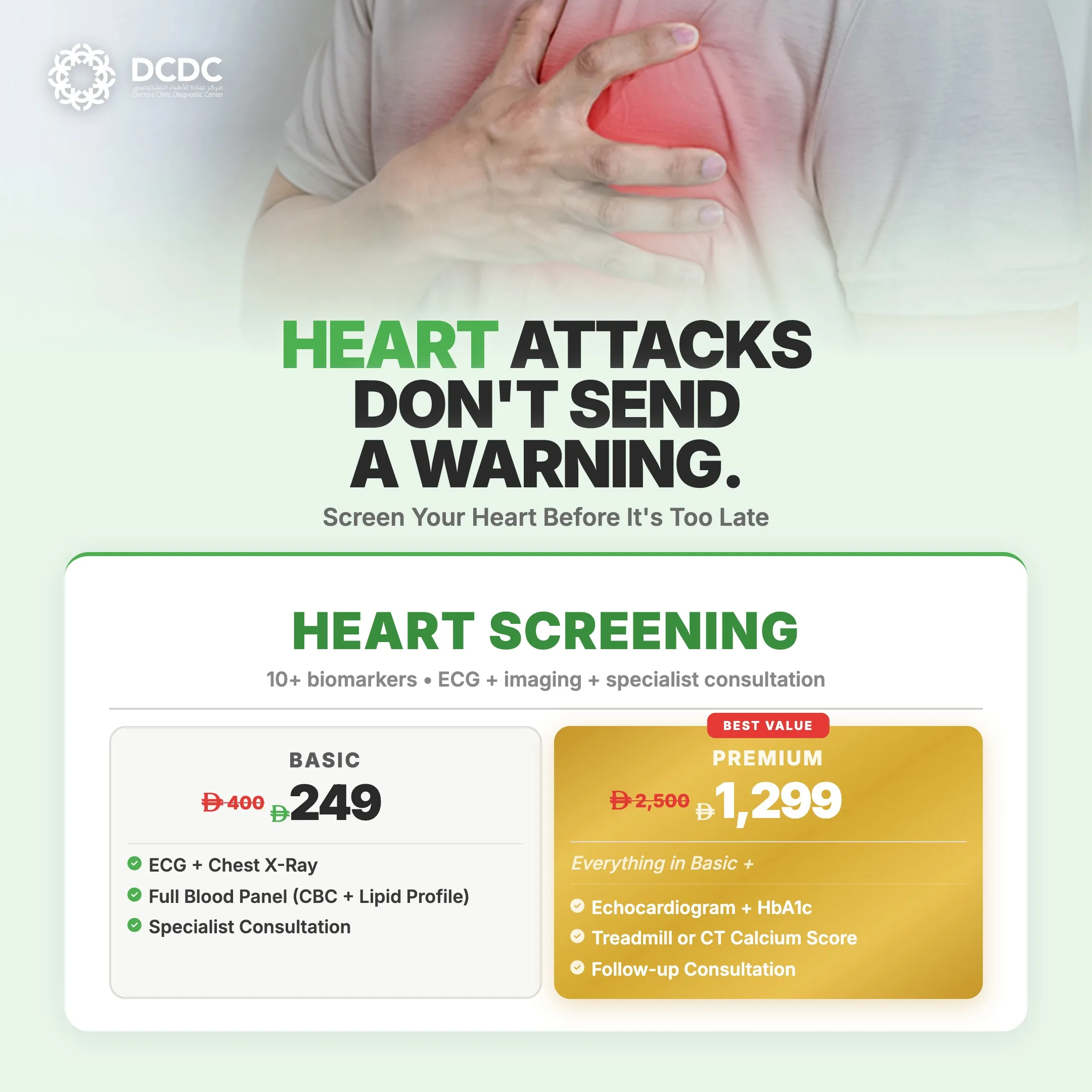
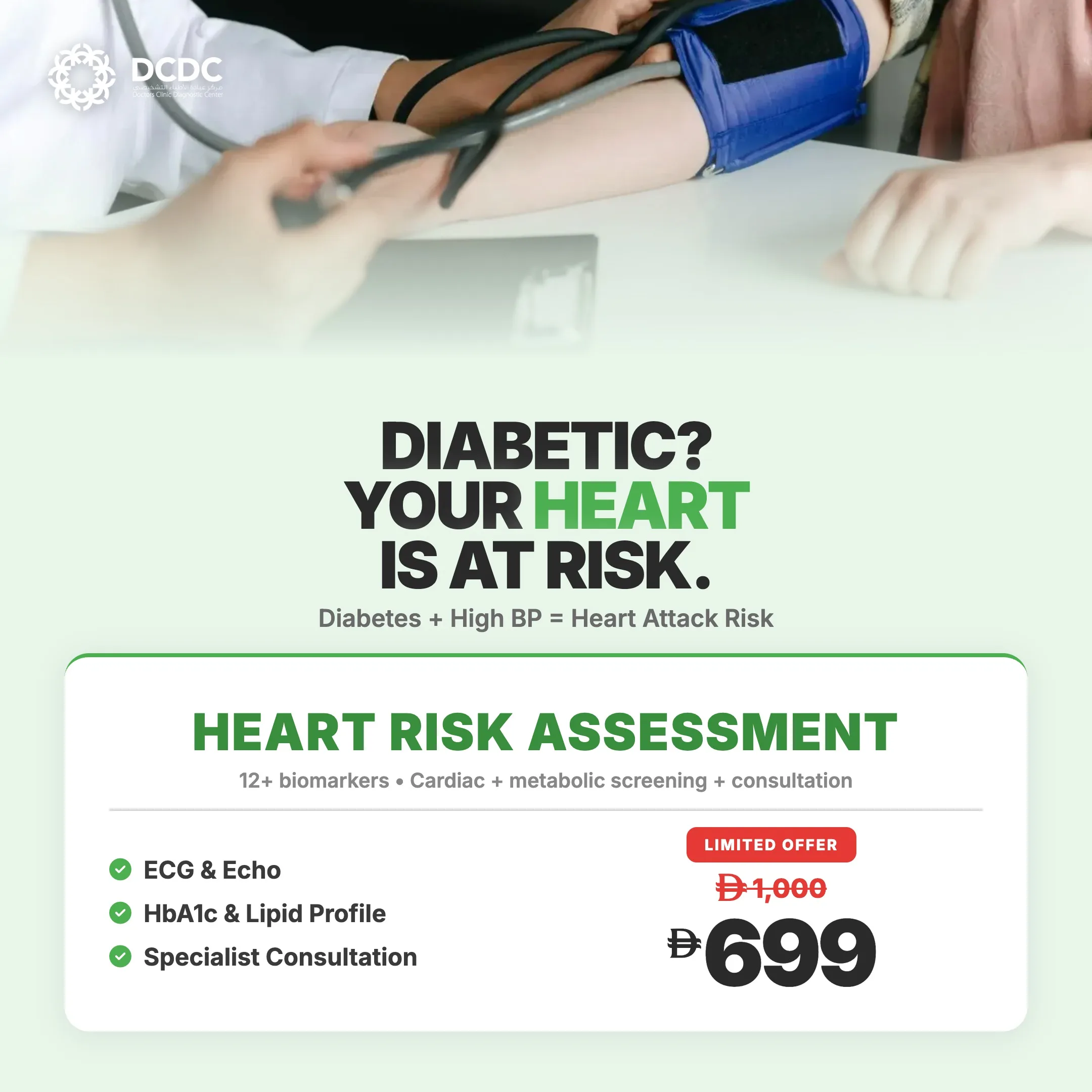
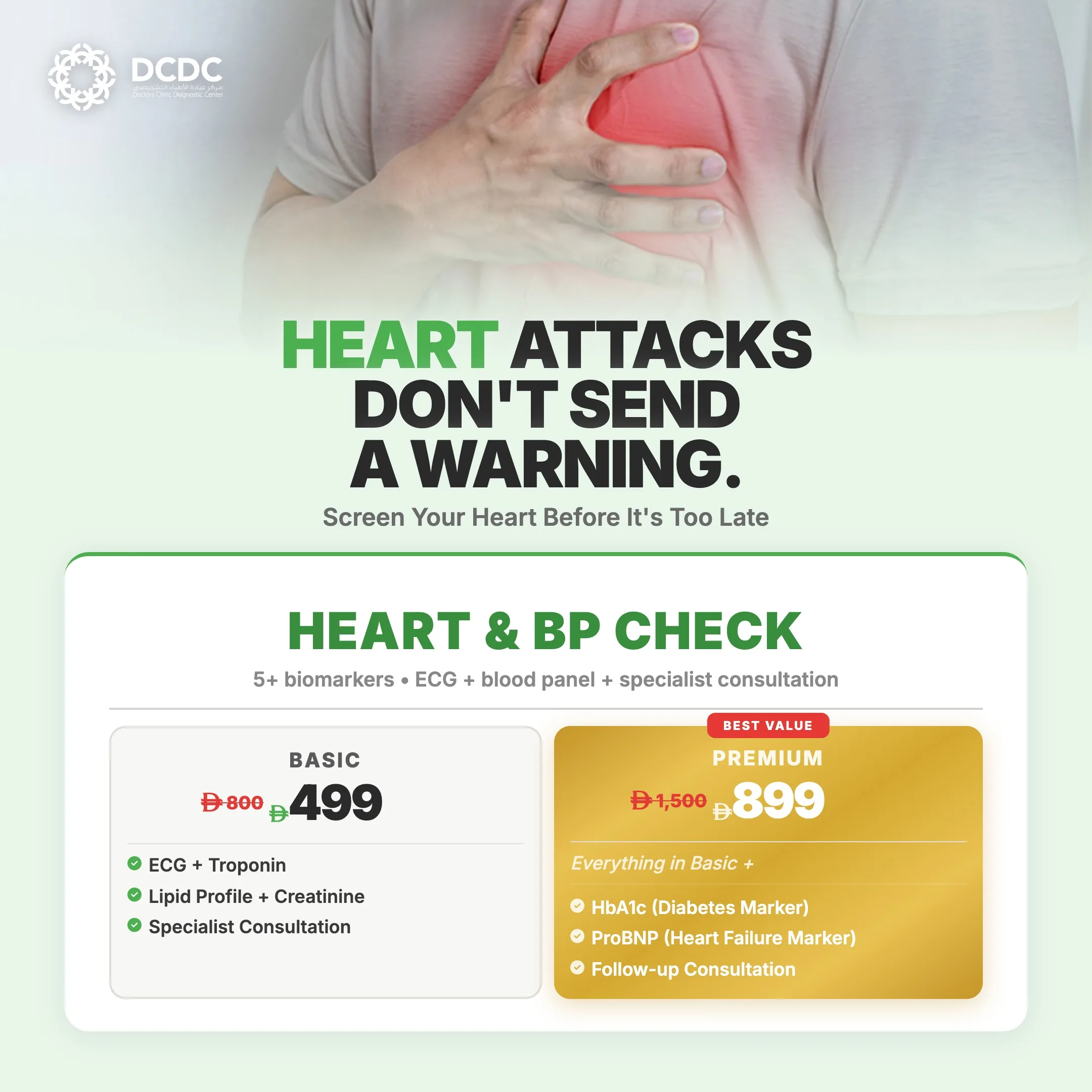
- ECG costs in Dubai range from AED 200 to AED 800 depending on the type of ECG, the facility, and whether cardiologist interpretation is included — DCDC offers ECG testing from AED 200 with same-day cardiologist review
- A standard resting 12-lead ECG takes only 10-15 minutes and is completely painless — no needles, no preparation, and no recovery time needed
- At DCDC, every ECG is interpreted by a board-certified cardiologist who can immediately correlate findings with your clinical picture and recommend next steps
- Most Dubai insurance plans cover ECG tests when medically indicated with a doctor's referral — DCDC offers direct billing with 20+ insurance providers including Daman, AXA, and Bupa
- DCDC provides a complete cardiac workup in a single visit: resting ECG, echocardiogram, treadmill stress test, and 24-hour Holter monitoring are all available on-site
- ECG is the most cost-effective first-line heart screening tool — it can detect arrhythmias, heart attacks, enlarged chambers, and conduction abnormalities within minutes
If you are looking for an ECG test in Dubai, the first question on your mind is likely the cost. ECG pricing in Dubai varies from AED 200 for a basic resting electrocardiogram to over AED 800 for advanced monitoring such as a 24-hour Holter test. At DCDC, a cardiology consultation with ECG testing starts from AED 200, which includes cardiologist interpretation. This guide breaks down every ECG type, what drives the cost, and how to get the best value for your heart health.
Whether your doctor has recommended a routine heart check, you are experiencing chest pain or palpitations, or you simply want a baseline cardiac screening, understanding ECG costs upfront helps you plan ahead. We cover pricing for resting, stress, and Holter ECGs, insurance coverage details, the complete patient journey at DCDC in Dubai Healthcare City, and how to interpret your results — everything you need before booking your appointment.
ECG Cost in Dubai: Complete Pricing Breakdown
ECG pricing in Dubai depends primarily on the type of ECG performed, whether cardiologist interpretation is included, and the facility you visit. Below is a comprehensive breakdown of current ECG pricing ranges across Dubai clinics and hospitals. At DCDC, ECG testing starts from AED 200, which includes recording and same-day cardiologist review — compare that to the AED 200-800 range you will find at other Dubai clinics.
| ECG Type | Dubai Market Price Range (AED) | DCDC Price (AED) | Includes |
|---|---|---|---|
| Resting 12-Lead ECG | 200 - 500 | From 200 | Recording + cardiologist interpretation |
| ECG with Cardiology Consultation | 400 - 800 | From 350 | Full consultation + ECG + interpretation + follow-up plan |
| Treadmill Stress Test (Exercise ECG) | 500 - 1,500 | From 500 | Supervised exercise ECG + cardiologist report |
| 24-Hour Holter Monitor | 500 - 1,500 | From 500 | Device fitting + 24-hr recording + cardiologist analysis |
| 48-72 Hour Holter Monitor | 800 - 2,000 | From 800 | Extended monitoring + comprehensive rhythm analysis |
| ECG at Home (Portable) | 400 - 1,000 | From 400 | Nurse home visit + 12-lead ECG + cardiologist review |
Prices are approximate and may vary. Contact DCDC for current pricing and insurance verification.
The price difference between clinics largely comes down to whether cardiologist interpretation is included or billed separately, and whether the facility is a large hospital (typically higher overhead) or a specialized diagnostic center like DCDC. Some facilities charge for the ECG recording alone and then add a separate fee for the specialist to read it — always confirm what is included before booking. For a detailed comparison of ECG types and what each reveals, see our ECG test guide for Dubai.
What Affects ECG Cost in Dubai?
Several factors determine what you will pay for an ECG in Dubai. Understanding these variables helps you compare quotes accurately and avoid unexpected charges on your bill.
- Type of ECG: A standard resting 12-lead ECG is the most affordable option. Stress tests and Holter monitors cost more because they require specialized equipment, longer monitoring time, and more complex interpretation by the cardiologist
- Cardiologist interpretation: Some clinics quote a low ECG price but charge separately for the cardiologist to read and interpret the results. At DCDC, interpretation is included in the ECG price — every recording is reviewed by Dr. Shahoo Mazhari or a board-certified cardiologist on the same day
- Facility type: Large hospitals in Dubai typically charge more due to higher operational costs. Specialized diagnostic centers and outpatient clinics like DCDC in Dubai Healthcare City often provide the same quality at more competitive rates
- Bundled vs standalone: An ECG performed as part of a cardiology consultation or health checkup package is often more cost-effective than booking it as a standalone test. DCDC offers combined cardiology consultation + ECG packages
- Insurance vs self-pay: Insured patients typically pay only their co-pay (usually 10-20%) when the ECG is pre-authorized. Self-pay patients can often access competitive cash rates at diagnostic centers
- Add-on tests: If your cardiologist recommends additional tests based on your ECG results — such as an echocardiogram or stress test — the total cost of your cardiac workup will increase. Having all tests available at one facility saves both time and money
Insurance Coverage for ECG Tests in Dubai
Most health insurance plans in Dubai cover ECG tests when they are medically indicated and supported by a doctor's referral. Under Dubai's mandatory health insurance regulations, essential diagnostic services including ECG are covered when a licensed physician determines the test is clinically necessary. This applies to resting ECGs, stress tests, and Holter monitoring alike.
To use your insurance for an ECG, you typically need a referral from your treating doctor specifying the clinical indication — for example, chest pain, palpitations, shortness of breath, or pre-operative clearance. Some insurers require pre-authorization for stress tests and Holter monitors, though standard resting ECGs are often covered without pre-approval. The co-pay for ECG tests is typically 10-20% of the total cost depending on your plan.
DCDC offers direct billing with 20+ insurance providers including Daman, AXA, and Bupa. Our front desk team can verify your insurance coverage and handle the pre-authorization process before your appointment, so you know your out-of-pocket cost upfront. For patients without insurance, DCDC provides transparent self-pay pricing with no hidden fees.
Types of ECG Tests Explained
Not all ECGs are the same. Each type captures different information about your heart's electrical activity, and your cardiologist will recommend the most appropriate test based on your symptoms, medical history, and what clinical question needs to be answered.
Resting 12-Lead ECG
The standard resting 12-lead ECG is the most common and most affordable heart test. Twelve adhesive electrodes are placed on your chest, arms, and legs to record your heart's electrical signals from different angles. The test takes 5-10 minutes from electrode placement to completion and produces a tracing that reveals your heart rate, rhythm, and the electrical conduction pattern through your heart chambers. It can detect arrhythmias (irregular heartbeats), signs of a current or previous heart attack, chamber enlargement, electrolyte imbalances, and conduction abnormalities such as bundle branch block. A resting ECG is often the first test ordered when a patient presents with chest pain, palpitations, dizziness, or shortness of breath.
Treadmill Stress Test (Exercise ECG)
A treadmill stress test, also called an exercise ECG, records your heart's electrical activity while you walk and then jog on a treadmill at progressively increasing speed and incline. The test lasts 15-30 minutes in total and reveals how your heart responds to physical exertion — critical for detecting coronary artery disease that may not be apparent at rest. Your heart rate, blood pressure, and ECG are continuously monitored throughout the exercise. A stress test can uncover reduced blood flow to the heart muscle (ischemia), exercise-induced arrhythmias, and abnormal blood pressure responses. It is commonly ordered for patients with risk factors for heart disease, those experiencing chest pain during activity, or as part of pre-operative cardiac clearance. For more about this test, read our guide on cardiac stress testing in Dubai.
24-Hour Holter Monitor
A Holter monitor is a portable device that continuously records your heart's electrical activity for 24 to 72 hours while you go about your normal daily activities. It is the gold standard for detecting intermittent arrhythmias that a brief resting ECG might miss — such as paroxysmal atrial fibrillation, intermittent heart blocks, or unexplained palpitations that come and go. The device is small, lightweight, and worn under your clothing with adhesive electrodes on your chest. You keep a diary of your activities and any symptoms you experience, which the cardiologist correlates with the recorded rhythm data. After the monitoring period, you return the device and the cardiologist analyzes the full recording. Learn more about this test in our article on Holter monitor testing.
ECG at Home
For patients who have difficulty traveling to a clinic — whether due to mobility limitations, post-surgical recovery, or simply convenience — DCDC offers ECG at home services. A trained cardiac technician visits your home with a portable 12-lead ECG machine, performs the recording, and transmits the results to a cardiologist for same-day interpretation. This is an excellent option for elderly patients, those recovering from surgery, or anyone who needs a repeat ECG without visiting the clinic. For a full overview of this service, see our guide on ECG at home in Dubai.
When Do You Need an ECG?
An ECG may be recommended in a wide range of clinical situations. Your doctor or cardiologist will order one based on your symptoms, risk factors, and medical history. Common reasons for an ECG include:
- Chest pain or discomfort: The most common reason for an ECG. It helps determine whether chest pain is related to reduced blood flow to the heart (angina or heart attack) or has another cause
- Palpitations or irregular heartbeat: If you feel your heart racing, skipping beats, or fluttering, an ECG can identify the type of arrhythmia and guide treatment
- Shortness of breath: Unexplained breathlessness, especially during exertion, may indicate heart failure, arrhythmia, or coronary artery disease
- Dizziness or fainting: Sudden loss of consciousness (syncope) or near-fainting episodes can be caused by dangerous heart rhythm disturbances that an ECG can detect
- Family history of heart disease: If a close relative had a heart attack, sudden cardiac death, or inherited heart condition, your doctor may recommend a baseline ECG for early detection
- Pre-operative clearance: Many surgeons require an ECG before general anesthesia to ensure your heart can safely tolerate the procedure
- Monitoring existing conditions: Patients with known heart conditions, those on cardiac medications (such as anti-arrhythmics), or those with pacemakers require regular ECG monitoring
- Health screening: A baseline ECG is part of many comprehensive health checkup packages, especially for adults over 40 or those with cardiovascular risk factors such as diabetes, hypertension, or high cholesterol
If you are experiencing any of these symptoms or risk factors, do not delay. Early detection of heart problems through a simple, affordable ECG can be lifesaving. Be aware of the heart disease warning signs that should prompt an immediate evaluation.
Book Your ECG Test
Schedule your ECG at DCDC Dubai Healthcare City. Same-day appointments available from AED 200 with cardiologist interpretation.
What to Expect at DCDC: Your ECG Journey
At DCDC, we have streamlined the ECG process to make it as comfortable and efficient as possible. Here is exactly what happens from the moment you arrive at our clinic in Dubai Healthcare City.
- Arrival and check-in: DCDC is located in Building 64, Block A, Dubai Healthcare City. Free parking is available for patients. When you arrive, our reception team will confirm your appointment, verify your identity and insurance (if applicable), and guide you to the cardiology suite. The average wait time is approximately 15 minutes
- Preparation: A cardiac technician will ask you to remove upper-body clothing and lie down on the examination bed. You may be given a gown for comfort and privacy. No fasting or special preparation is required for a resting ECG
- Electrode placement: Ten adhesive electrode patches are placed on specific positions across your chest, wrists, and ankles. The electrodes connect to the ECG machine via thin, flexible wires. The patches may feel slightly cold, but the process is completely painless
- Recording: You will be asked to lie still and breathe normally for approximately 10-15 seconds while the machine records your heart's electrical signals. The entire ECG recording takes under one minute, though the full appointment including preparation takes 10-15 minutes
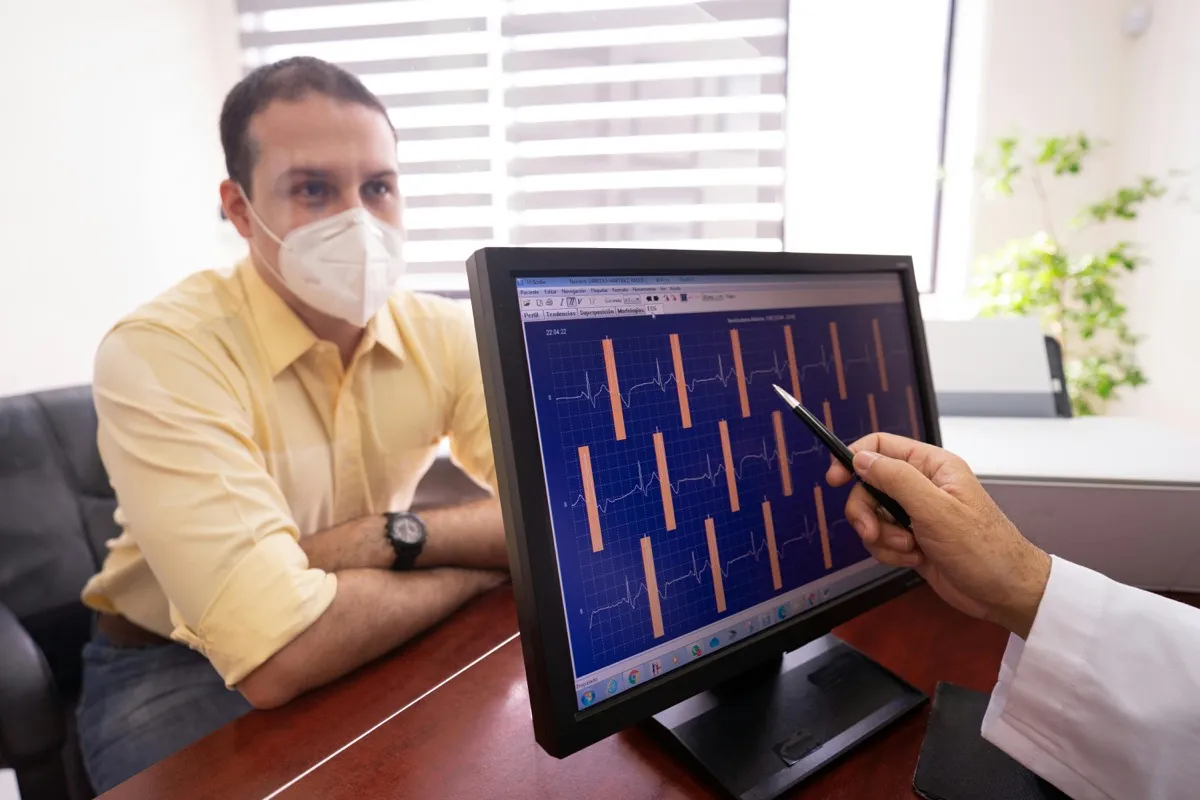
- Cardiologist review: At DCDC, your ECG results are reviewed the same day by a board-certified cardiologist. Unlike many clinics where you receive a report days later, our on-site cardiologist can immediately discuss your results with you, explain any findings, and recommend next steps if needed
- Additional testing if needed: If your ECG shows anything that requires further investigation, DCDC has on-site echocardiogram, treadmill stress test, and 24-hour Holter monitoring equipment — meaning you can complete your entire cardiac workup in a single visit without being referred to another facility
- Digital access: Your ECG results and cardiologist report are uploaded to DCDC's digital patient portal, giving you secure access to your records from anywhere. You can share these records with other doctors if needed
This one-visit capability is a significant advantage. Many patients in Dubai report visiting one clinic for the ECG, another for the echo, and a third for the stress test — wasting time and money. At DCDC, with a 4.8/5 Google rating from over 1,000 verified patient reviews, you get a complete cardiac assessment under one roof at a MOHAP-licensed facility.
Understanding Your ECG Results
An ECG tracing can seem intimidating with its peaks, valleys, and wavy lines, but each component tells your cardiologist something specific about your heart's electrical function. Understanding the basics helps you participate in the conversation with your doctor about your results.
Key Components of an ECG Tracing
Every heartbeat produces a characteristic pattern on the ECG with specific waves, intervals, and segments. The P wave represents the electrical signal spreading through the upper chambers (atria), triggering them to contract and push blood into the lower chambers. The QRS complex — the tallest spike on the tracing — represents the electrical signal spreading through the lower chambers (ventricles), causing the main pumping action of the heart. The T wave represents the ventricles resetting their electrical charge for the next beat. Abnormalities in the shape, size, timing, or pattern of these waves can indicate specific heart conditions.
What Can an ECG Detect?
- Arrhythmias: Irregular heart rhythms such as atrial fibrillation, supraventricular tachycardia, ventricular tachycardia, or heart block
- Heart attack (current or previous): ST-segment elevation or depression, pathological Q waves, and T-wave inversions can indicate active ischemia or scarring from a past heart attack
- Chamber enlargement: Increased voltage or altered wave patterns suggest the atria or ventricles are enlarged, which may indicate high blood pressure, valve disease, or cardiomyopathy
- Conduction abnormalities: Bundle branch blocks, fascicular blocks, and other conduction delays that affect how electrical signals travel through the heart
- Electrolyte imbalances: Abnormal potassium, calcium, or magnesium levels can produce characteristic ECG changes that alert your doctor before symptoms develop
- Pericarditis: Inflammation of the sac surrounding the heart produces a distinctive diffuse ST-elevation pattern on the ECG
According to Dr. Shahoo Mazhari, DCDC's cardiologist, "An ECG is often the first window into your heart's electrical health. What matters most is not just the recording itself, but the expert interpretation — at DCDC, every ECG is reviewed by a board-certified cardiologist who can immediately correlate findings with your clinical picture and recommend next steps if needed."
Normal vs Abnormal ECG: When to Worry
A "normal" ECG report means the heart rate, rhythm, and electrical conduction pattern all fall within expected ranges. However, it is important to understand that a normal ECG does not rule out all heart conditions — some problems, like intermittent arrhythmias or coronary artery disease at rest, may not be visible on a standard resting ECG, which is why your cardiologist may recommend additional tests such as a stress test or Holter monitor. Conversely, an "abnormal" ECG does not always mean you have a serious heart problem. Some ECG variations are normal for certain individuals, and your cardiologist will interpret the tracing in the context of your symptoms, physical examination, and medical history. To understand how an ECG compares with imaging tests, read our article on ECG vs echocardiogram differences.
ECG vs Other Heart Tests: Comparison
An ECG is often the starting point for cardiac evaluation, but your cardiologist has several other tools available. Understanding how these tests compare helps you appreciate why your doctor may recommend one test over another — or a combination of tests for a complete assessment.
| Test | What It Measures | Duration | Cost Range (AED) | Best For |
|---|---|---|---|---|
| Resting ECG | Heart's electrical activity at rest | 5-10 minutes | 200 - 500 | First-line screening, arrhythmias, heart attack signs |
| Stress Test (Exercise ECG) | Heart's electrical response to exercise | 15-30 minutes | 500 - 1,500 | Coronary artery disease, exercise-induced arrhythmias |
| Holter Monitor | Continuous rhythm over 24-72 hours | 24-72 hours | 500 - 2,000 | Intermittent arrhythmias, palpitation episodes |
| Echocardiogram | Heart structure, valves, pumping function | 30-45 minutes | 800 - 2,000 | Valve disease, heart failure, chamber size |
| CT Calcium Score | Coronary artery calcification | 10 minutes | 800 - 1,500 | Heart attack risk prediction, plaque detection |
| Cardiac MRI | Detailed heart structure and tissue | 45-60 minutes | 3,000 - 6,000 | Cardiomyopathy, myocarditis, complex anatomy |
Your cardiologist will recommend the most appropriate test or combination based on your symptoms and risk factors.
In many cases, an ECG is the starting point and the cardiologist will determine whether further tests are needed based on the results. At DCDC, all of these tests — ECG, stress test, Holter monitor, and echocardiogram — are available on-site, so you can complete your entire evaluation without multiple clinic visits.
How to Save on ECG Costs in Dubai
While an ECG is one of the most affordable cardiac tests available, there are several strategies to minimize your out-of-pocket cost without compromising quality.
- Choose a diagnostic center over a hospital: Specialized outpatient clinics like DCDC typically offer the same ECG quality at lower prices than large hospitals due to lower overhead costs
- Confirm interpretation is included: Always ask whether the quoted price includes cardiologist interpretation. A cheap ECG recording without expert analysis is of limited clinical value — you need a qualified cardiologist to read and interpret the results
- Use your insurance: If you have health insurance in Dubai, an ECG ordered by your doctor should be covered. DCDC handles pre-authorization and direct billing with major insurers, reducing your out-of-pocket cost to just the co-pay
- Bundle with a consultation: Booking an ECG as part of a cardiology consultation is often more economical than ordering each separately. At DCDC, the consultation fee typically includes the ECG when clinically indicated
- Health checkup packages: Many annual health checkup packages include a resting ECG. If you are due for a general health screening, this can be a cost-effective way to get your ECG along with blood tests and other assessments
- Get all tests at one facility: If you need multiple cardiac tests (ECG + echo + stress test), doing them all at one clinic saves on separate consultation fees and reduces time off work. DCDC's single-visit cardiac workup capability is designed for exactly this
ECG Preparation: What You Need to Know
One of the major advantages of a resting ECG is that it requires virtually no preparation. Unlike many other medical tests, you do not need to fast, stop medications, or make any special arrangements. However, there are a few practical tips that will help ensure your ECG recording is as accurate as possible.
- Avoid caffeine and smoking: Try to avoid coffee, tea, energy drinks, and smoking for at least 2 hours before the test. These stimulants can temporarily affect your heart rate and rhythm, potentially making interpretation less straightforward
- Avoid heavy exercise: Do not engage in vigorous physical activity immediately before your resting ECG, as elevated heart rate can affect the baseline recording
- Wear comfortable clothing: You will need to remove upper-body clothing for electrode placement. A loose-fitting, front-opening top makes this easier
- Skin preparation: The technician may need to clean small areas of skin with alcohol wipes to ensure good electrode contact. Men with very hairy chests may have small patches shaved for better adhesion
- Bring your medication list: Certain medications affect the ECG pattern. Inform your cardiologist about all medications you are taking so they can account for drug effects when interpreting your results
- Stress test preparation: If you are having a treadmill stress test rather than a resting ECG, wear comfortable walking shoes and exercise-friendly clothing. Your doctor may ask you to stop certain heart medications 24-48 hours before the test
Get Your ECG at DCDC
ECG testing from AED 200 with same-day cardiologist review. Direct insurance billing with 20+ providers. Book your appointment today.
DCDC — Building 64, Block A, Dubai Healthcare City
Why Choose DCDC for Your ECG in Dubai?
With many clinics offering ECG tests across Dubai, choosing the right facility matters more than you might think. The quality of an ECG depends not just on the recording equipment, but on the expertise of the cardiologist interpreting the results and the ability to act on findings immediately.
- Board-certified cardiologist on-site: Every ECG at DCDC is interpreted by a board-certified cardiologist who can immediately discuss your results with you — no waiting days for a report
- Complete cardiac diagnostic suite: On-site 12-lead ECG, echocardiogram, treadmill stress test, and 24-hour Holter monitoring — complete your entire cardiac workup in a single visit
- MOHAP-licensed facility: DCDC operates under full MOHAP licensure in Dubai Healthcare City, adhering to the highest standards of clinical quality and patient safety
- 98% patient satisfaction rate: With a 4.8/5 Google rating from over 1,000 verified patient reviews, DCDC's commitment to patient care is backed by measurable results
- Insurance convenience: Direct billing with 20+ insurance providers including Daman, AXA, and Bupa — our team handles pre-authorization so you do not have to
- Competitive pricing: ECG testing from AED 200 with cardiologist interpretation included — transparent pricing with no hidden fees
- Convenient location: Building 64, Block A, Dubai Healthcare City, with free parking and easy access from all major Dubai roads
Related Services at DCDC
Expert care and advanced diagnostics at Dubai Healthcare City
Frequently Asked Questions
Taking the First Step for Your Heart Health
An ECG is the most accessible, affordable, and widely available cardiac screening tool in modern medicine. It can reveal critical information about your heart's health in just minutes — from arrhythmias and heart attacks to conduction abnormalities and chamber enlargement. With ECG testing in Dubai starting from AED 200, there is no reason to delay if your doctor has recommended one or if you are experiencing any cardiac symptoms.
What truly matters is not just getting the ECG done, but getting it done at a facility where the results are expertly interpreted and acted upon. At DCDC Dubai Healthcare City, every ECG is reviewed by a board-certified cardiologist who can immediately discuss findings with you and, if needed, proceed with additional testing — echocardiogram, stress test, or Holter monitoring — all in the same visit. This streamlined approach saves you time, reduces costs, and ensures nothing falls through the cracks.
Whether you need a routine heart screening, are investigating symptoms like chest pain or palpitations, or want a pre-operative cardiac clearance, DCDC offers comprehensive cardiac diagnostics at competitive prices with the convenience of same-day appointments, direct insurance billing, and free parking at Building 64, Block A, Dubai Healthcare City. Contact us today to book your ECG and take the first step toward heart health with confidence.
Sources & References
This article was reviewed by our medical team and references the following sources:
- American Heart Association — Understanding Electrocardiogram (ECG/EKG)
- NHS UK — Electrocardiogram (ECG)
- Mayo Clinic — Electrocardiogram (ECG or EKG)
- Cleveland Clinic — Electrocardiogram (ECG/EKG)
- World Health Organization — Cardiovascular Diseases (CVDs)
Medical content on this site is reviewed by DHA-licensed physicians. See our editorial policy for more information.

Written by
Dr. Shahoo Mazhari
Cardiologist
MD, Cardiology
Dr. Shahoo Mazhari is a Cardiologist at Doctors Clinic Diagnostic Center (DCDC) in Dubai Healthcare City.
Related Articles

ECG Test Dubai: Cost, Types & Results (2026)
ECG vs Echocardiogram: Differences Explained (2026)
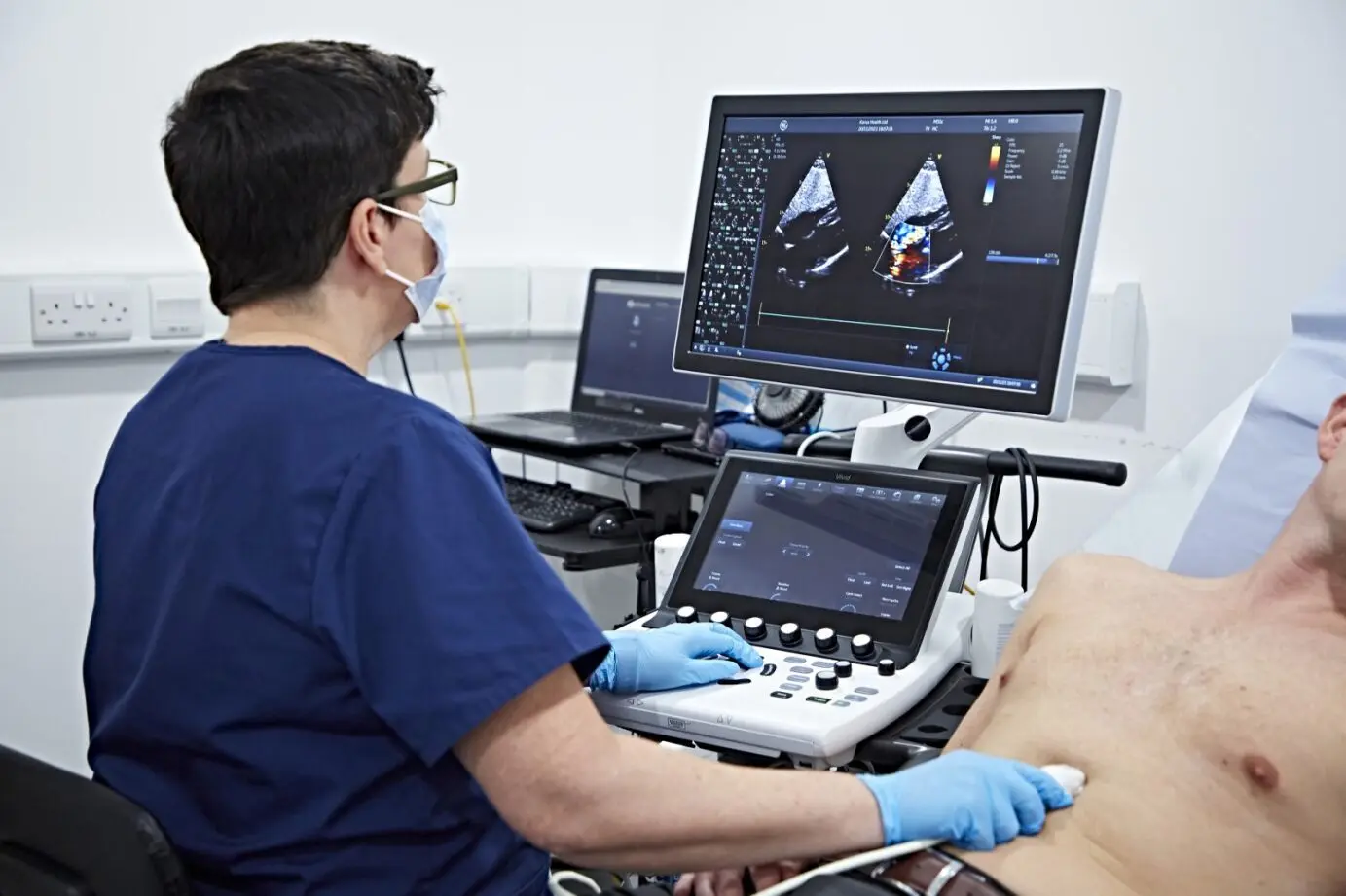
ECG at Home Dubai: Cost & What to Expect (2026)
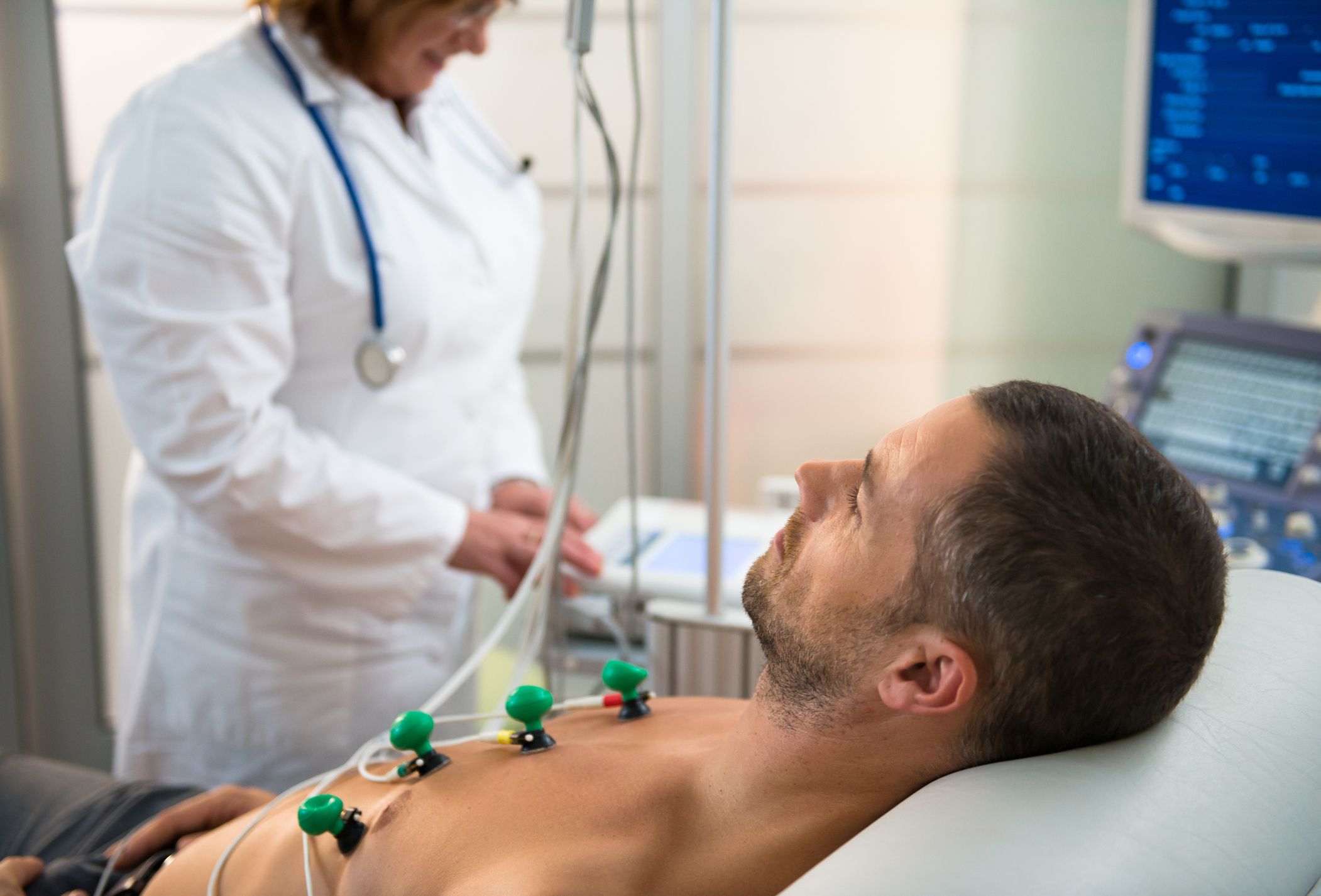
Holter Monitor vs ECG Dubai: Which Test? (2026)
Heart Disease Symptoms Dubai: 8 Signs to Watch (2026)
More in Cardiology
Holter Monitor Prep Dubai: What to Expect (2026)
Read More
When to See a Cardiologist Dubai (2026)
Read More
Echo Test Preparation Dubai: What to Expect (2026)
Read MoreHeart Attack vs Panic Attack Dubai: Signs (2026)
Read MoreHeart Failure Warning Signs Dubai (2026)
Read MoreStress Test Cost Dubai: AED 800–5,000 (2026)
Read More© 2026 Doctors Clinic Diagnostic Center (DCDC), Dubai Healthcare City. Originally published at https://doctorsclinicdubai.ae/blog/ecg-cost-dubai. All rights reserved. Unauthorized reproduction is prohibited.