Key Takeaways
- A panic attack and a heart attack can produce nearly identical chest pain, breathlessness, and a racing heart, which is why guessing is dangerous -- an ECG and blood test are the only reliable way to tell them apart
- Heart attack pain is usually pressure, tightness, or squeezing that often radiates to the arm, jaw, neck, or back, while panic attack chest pain tends to be sharper, more localized, and does not typically radiate
- Panic attacks usually peak within about 10 minutes and substantially ease within 20-30 minutes, while heart attack symptoms build gradually and do not resolve on their own with rest or calming down
- According to Dr. Shahoo Mazhari at DCDC, roughly 40% of patients who present with chest pain are ultimately found to have anxiety-related symptoms rather than a cardiac event -- but this can only be confirmed through proper testing, never by guessing
- Dubai's extreme summer heat, dehydration, and high-pressure work culture can intensify both cardiac symptoms and panic symptoms, making self-diagnosis even less reliable during the hottest months of the year
- Any chest pain accompanied by radiating arm or jaw pain, cold sweats, or pain that persists beyond a few minutes without easing should be treated as a possible heart attack -- call 998 for an ambulance immediately rather than waiting it out
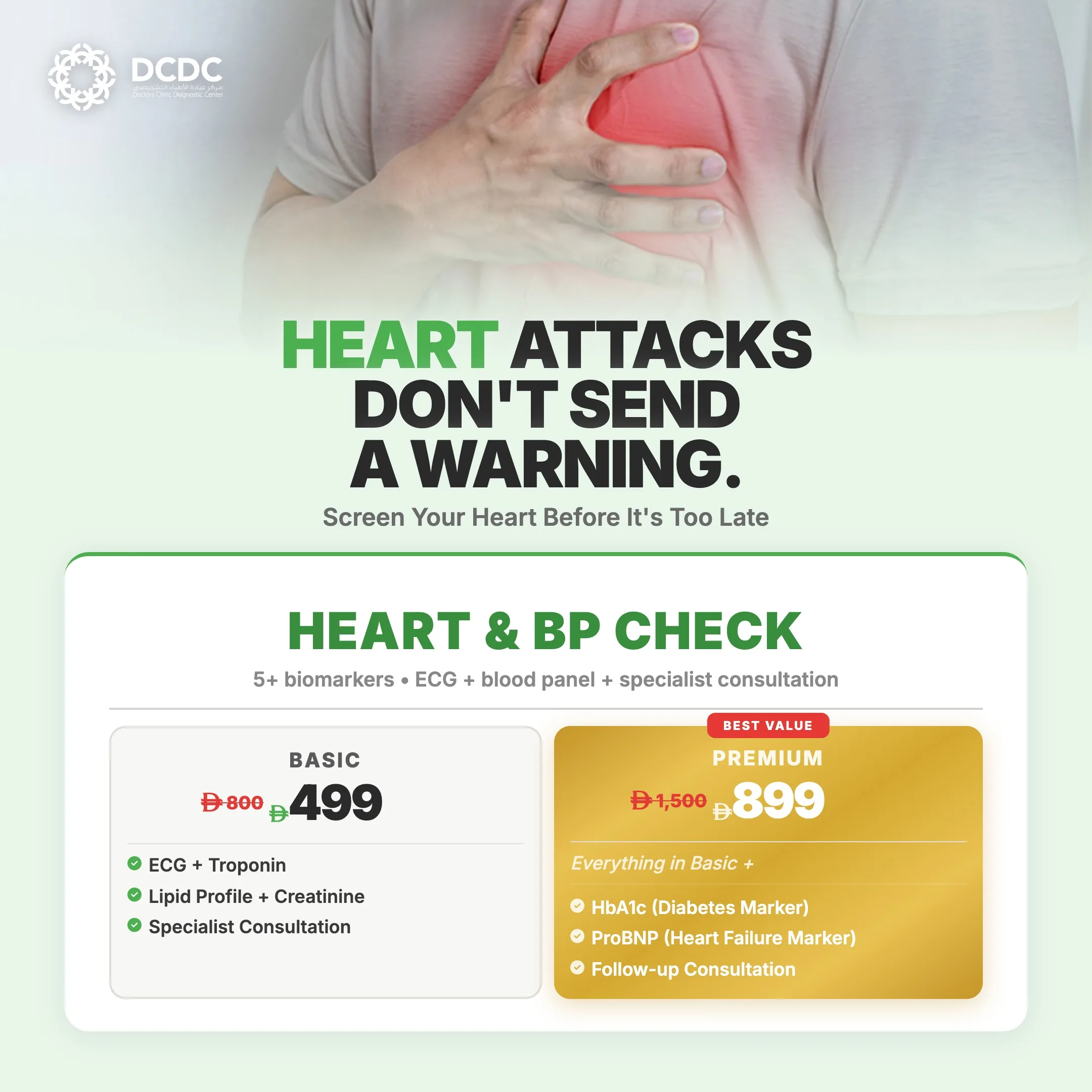
- At DCDC in Dubai Healthcare City, an ECG can be performed within minutes of arrival, and troponin blood testing plus a same-day cardiologist consultation are available on-site, ruling a heart attack in or out within hours
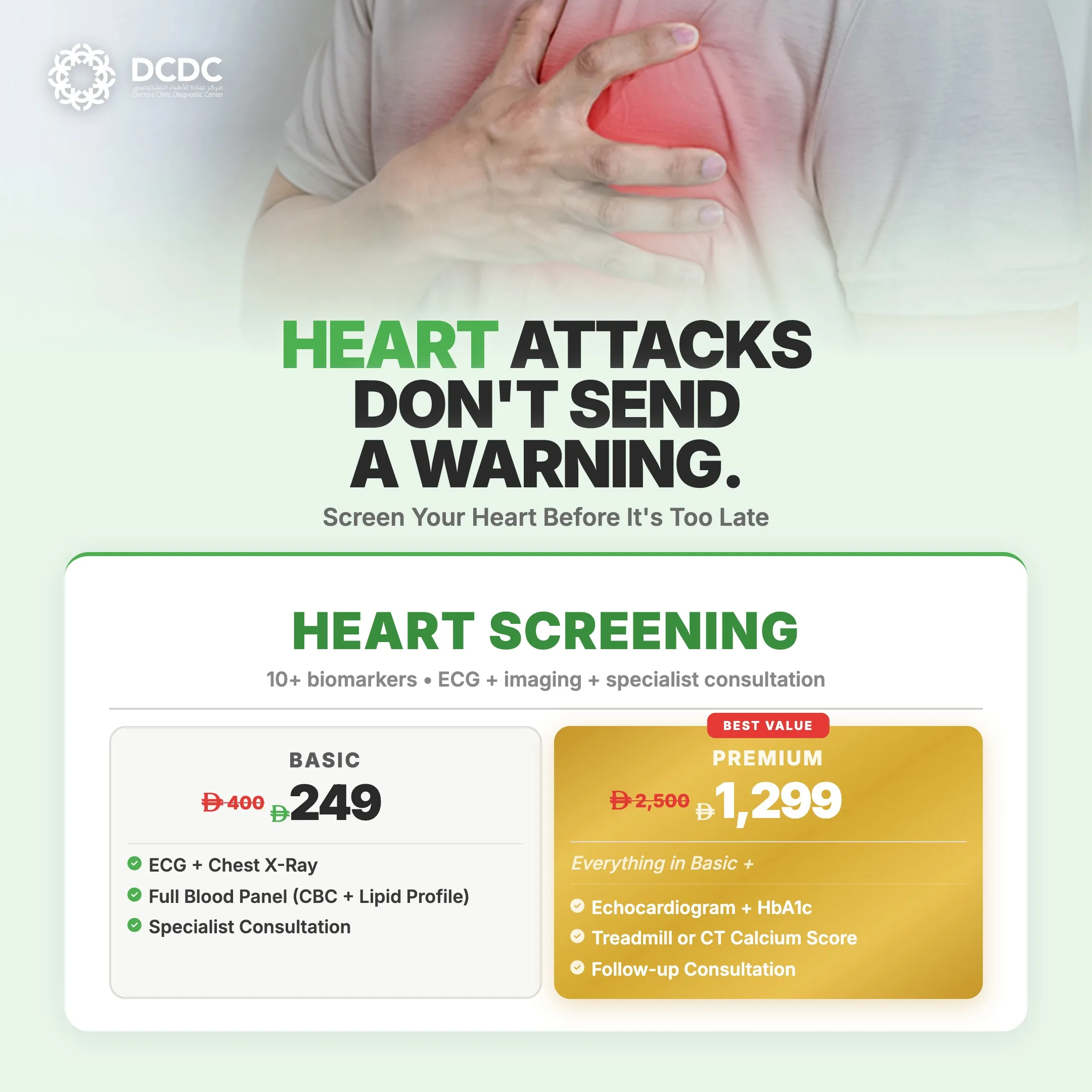
- Cardiology consultation at DCDC starts from AED 250, with ECG from AED 200 and echocardiogram from AED 800 -- fast, affordable options for anyone unsure whether their chest pain is cardiac or anxiety-related
Heart attack vs panic attack -- the two conditions can feel almost identical in the moment, both capable of producing crushing chest pain, a pounding or racing heart, shortness of breath, and an overwhelming sense that something is seriously wrong. Yet one is a life-threatening blockage of blood flow to the heart muscle, and the other, while genuinely frightening and distressing, is not dangerous to the heart itself. Telling the two apart by symptoms alone is notoriously unreliable, even for people who have experienced both before, which is why so many patients arrive at an emergency room or walk-in clinic unsure which one is happening to them. This guide breaks down the real differences in pain quality, timing, and accompanying symptoms between a heart attack and a panic attack, explains Dubai-specific factors such as extreme heat and a high-pressure work culture that can blur the picture further, and outlines how a same-day cardiology consultation at DCDC in Dubai Healthcare City can give you a definitive answer within hours rather than days of uncertainty.
Heart Attack vs Panic Attack: Quick Comparison
Before exploring each condition in depth, the table below lays out the core differences side by side. Use it as a starting point for recognizing patterns in your own symptoms, but do not rely on it alone to make a final decision -- overlapping presentations are common, and the only way to be certain is a same-day ECG and blood test performed by a doctor.
| Feature | Heart Attack | Panic Attack |
|---|---|---|
| Onset | Often gradual, building over several minutes; can also start suddenly during exertion or even at rest | Sudden and rapid, typically reaching peak intensity within about 10 minutes |
| Pain location | Central chest, often described as pressure or tightness; frequently radiates to the left arm, jaw, neck, back, or upper abdomen | Often sharp or stabbing, usually localized directly over the heart or left side of the chest, and less likely to radiate |
| Pain quality | Squeezing, crushing, heavy pressure -- often described as "something sitting on my chest" | Sharp, stabbing, or a tight band-like sensation; sometimes described as a lump in the throat |
| Duration | Persistent, lasting more than a few minutes and not relieved by rest or changing position | Usually peaks within about 10 minutes and substantially eases within 20-30 minutes |
| Breathing | Shortness of breath that builds gradually, often with a sense of suffocation or air hunger | Rapid, shallow breathing or hyperventilation, sometimes with a feeling of not getting enough air despite normal oxygen levels |
| Common triggers | Physical exertion, extreme heat, a heavy meal, or no clear trigger at all, including during sleep | Acute stress, a specific fear, caffeine or stimulants, or an unexpected episode with no identifiable cause |
| Sweating | Cold, clammy sweat, often widespread across the body | Sweating can occur but is usually linked to the adrenaline surge rather than a cold, clammy quality |
| Associated feelings | Nausea, lightheadedness, extreme fatigue, a sense of impending doom tied to physical collapse | Intense fear or dread, dizziness, tingling in the hands or lips, a fear of losing control or dying |
| Response to rest | Little to no improvement with rest; pain often persists or worsens over time | Symptoms generally ease once the person calms down, breathing slows, or the trigger is removed |
| Typical background | More common with risk factors such as high blood pressure, diabetes, smoking, high cholesterol, or a family history of heart disease | More common in people with a prior history of anxiety, though it can occur in anyone, including for the very first time |
General comparison only -- symptoms overlap significantly between the two conditions, and cardiac testing remains the only reliable way to confirm the cause of chest pain.
What Does a Panic Attack Feel Like?
A panic attack is a sudden surge of the body's fight-or-flight response, triggered even when there is no real physical danger. Adrenaline floods the bloodstream, the heart rate spikes, breathing quickens, and blood vessels in the chest and limbs constrict -- all of which can produce chest tightness, a pounding heartbeat, dizziness, and a genuine feeling that something is medically wrong. Many people experiencing their first panic attack describe it as the most frightening physical sensation of their life, precisely because it mimics a medical emergency so convincingly.
Clinically, a panic attack is defined as an abrupt surge of intense fear or discomfort that reaches its peak within minutes, accompanied by at least four of the following: palpitations or a racing heart, sweating, trembling, shortness of breath, a choking sensation, chest pain or discomfort, nausea, dizziness or lightheadedness, chills or heat sensations, numbness or tingling, a feeling of unreality, fear of losing control, and fear of dying. The chest pain itself is often described as a tight band across the chest or a sharp, fleeting pain rather than the heavy, crushing pressure typical of a cardiac event, and it tends to move around or fluctuate rather than staying fixed in one spot.
What Does a Heart Attack Feel Like?
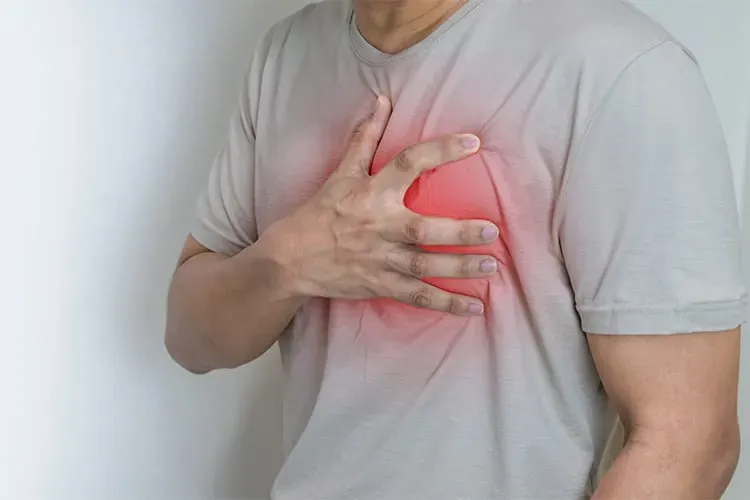
A heart attack, or myocardial infarction, occurs when blood flow to part of the heart muscle is suddenly reduced or blocked, usually by a clot forming over a ruptured plaque inside a coronary artery. Without oxygen, heart muscle tissue begins to die within minutes, which is why speed of diagnosis and treatment matters so much. Classic heart attack pain is often described as pressure, squeezing, fullness, or an ache in the center of the chest that lasts more than a few minutes, or that goes away and comes back. Our detailed chest pain causes and when to worry guide covers the full range of conditions -- cardiac and non-cardiac -- that can produce chest discomfort, and is a useful companion to this comparison.
- Chest discomfort: Pressure, squeezing, fullness, or pain in the center or left side of the chest lasting more than a few minutes, or that recurs
- Radiating pain: Discomfort spreading to one or both arms, the jaw, neck, back, or upper abdomen
- Shortness of breath: Often occurring with or even before chest discomfort, sometimes without any obvious chest pain at all
- Cold sweat: Breaking out in a clammy sweat unrelated to heat or exertion
- Nausea or lightheadedness: A wave of nausea, indigestion-like discomfort, or feeling faint
- Atypical symptoms in women: Research published in JAMA found women having a heart attack are more likely than men to present without chest pain at all, instead reporting unusual fatigue, shortness of breath, back or jaw discomfort, or nausea -- a pattern that increases the risk of missed or delayed diagnosis
- A sense of impending doom: Distinct from the fear of a panic attack, this is often described as a deep, physical certainty that the body is failing, rather than a psychological fear response
Heart Attack vs Panic Attack: Risk Factors Compared
Understanding who is statistically more likely to experience each condition can help contextualize new symptoms, although risk factors alone never confirm or rule out either diagnosis on their own.
| Risk Factor | Raises Heart Attack Risk | Raises Panic Attack Risk |
|---|---|---|
| Age | Risk rises significantly after age 45 in men and 55 in women, though earlier onset is increasingly seen with lifestyle-related risk factors | Most common between the late teens and mid-30s, though it can begin at any age |
| Family history | A close relative with early heart disease meaningfully increases personal risk | A family history of anxiety disorders or panic disorder increases likelihood |
| Chronic conditions | High blood pressure, diabetes, high cholesterol, obesity, and chronic kidney disease all raise risk substantially | Thyroid disorders, chronic stress, and pre-existing anxiety or mood disorders raise likelihood |
| Lifestyle factors | Smoking, sedentary lifestyle, poor diet, and excessive alcohol use are major contributors | High caffeine intake, poor sleep, chronic overwork, and substance use can trigger episodes |
| Prior episodes | A previous heart attack or diagnosed coronary artery disease significantly raises future risk | A prior panic attack increases the likelihood of recurrence, especially under similar stress |
| Gender pattern | Historically more common in men at younger ages, though risk equalizes and can exceed men's after menopause in women | Panic disorder is diagnosed roughly twice as often in women as in men |
Risk factors help identify who should be more vigilant about new chest symptoms, but they do not diagnose an individual episode -- testing does.
Dubai's Heat, Stress Culture, and Overlapping Symptoms
Dubai's climate adds a genuine layer of complexity to distinguishing cardiac from anxiety-related chest symptoms. Summer temperatures routinely exceed 45 degrees Celsius, and large-scale international research has linked extreme heat exposure directly to a measurable rise in cardiovascular mortality, likely driven by dehydration, increased cardiac workload from the body's cooling response, and electrolyte shifts that can affect heart rhythm. At the same time, heat and dehydration are well known to trigger or intensify anxiety symptoms, including palpitations, breathlessness, and chest tightness -- meaning that a patient stepping from an air-conditioned office into 45-degree heat and back again may experience genuine physiological strain that mimics both conditions simultaneously.
Dubai's fast-paced, high-pressure professional environment and its large expatriate population add further nuance. Many residents live far from their usual support networks, work long hours in demanding roles, and face the everyday stress of adapting to a new culture and climate -- all recognized contributors to panic and anxiety symptoms. At the same time, a significant proportion of Dubai's population may be unfamiliar with local emergency protocols, including the fact that 998 is the dedicated ambulance number in the UAE (separate from the 999 police line), which can cause dangerous delays for someone genuinely experiencing a heart attack. Cultural attitudes toward mental health in some communities can also lead people to under-report anxiety symptoms or, conversely, to fear the worst and delay a simple reassurance visit that could resolve their uncertainty quickly.
Unsure If Your Chest Pain Is Cardiac or Anxiety-Related?
DCDC in Dubai Healthcare City offers same-day cardiology consultations with on-site ECG, troponin blood testing, and echocardiogram, so you get a definitive answer within hours rather than living with uncertainty.
Open Sat-Thu 8 AM-10 PM, Fri 9 AM-9 PM. Cardiology consultation from AED 250. 20+ insurance partners with direct billing.
Which Is It? A Self-Assessment Decision Guide
The questions below are designed to help you organize your symptoms before seeking care -- they are not a diagnostic tool, and they should never delay a call to emergency services if you feel seriously unwell. If you want to understand exactly what happens during the test that ultimately settles the question, our ECG test guide for Dubai explains how the procedure works, what it can and cannot detect on its own, and why it is usually paired with a blood test.
- Did the pain start suddenly during high stress or a specific trigger, or did it build gradually, including during physical activity? A clear psychological trigger with a sudden onset leans toward panic; gradual onset or exertion-related pain leans toward cardiac
- Does the pain radiate to your arm, jaw, neck, or back? Radiating pain is a classic heart attack pattern and is far less typical of a panic attack
- Has it been more than 20-30 minutes and the pain has not eased at all? Panic attacks almost always begin to subside within this window; persistent, unchanging or worsening pain warrants urgent evaluation
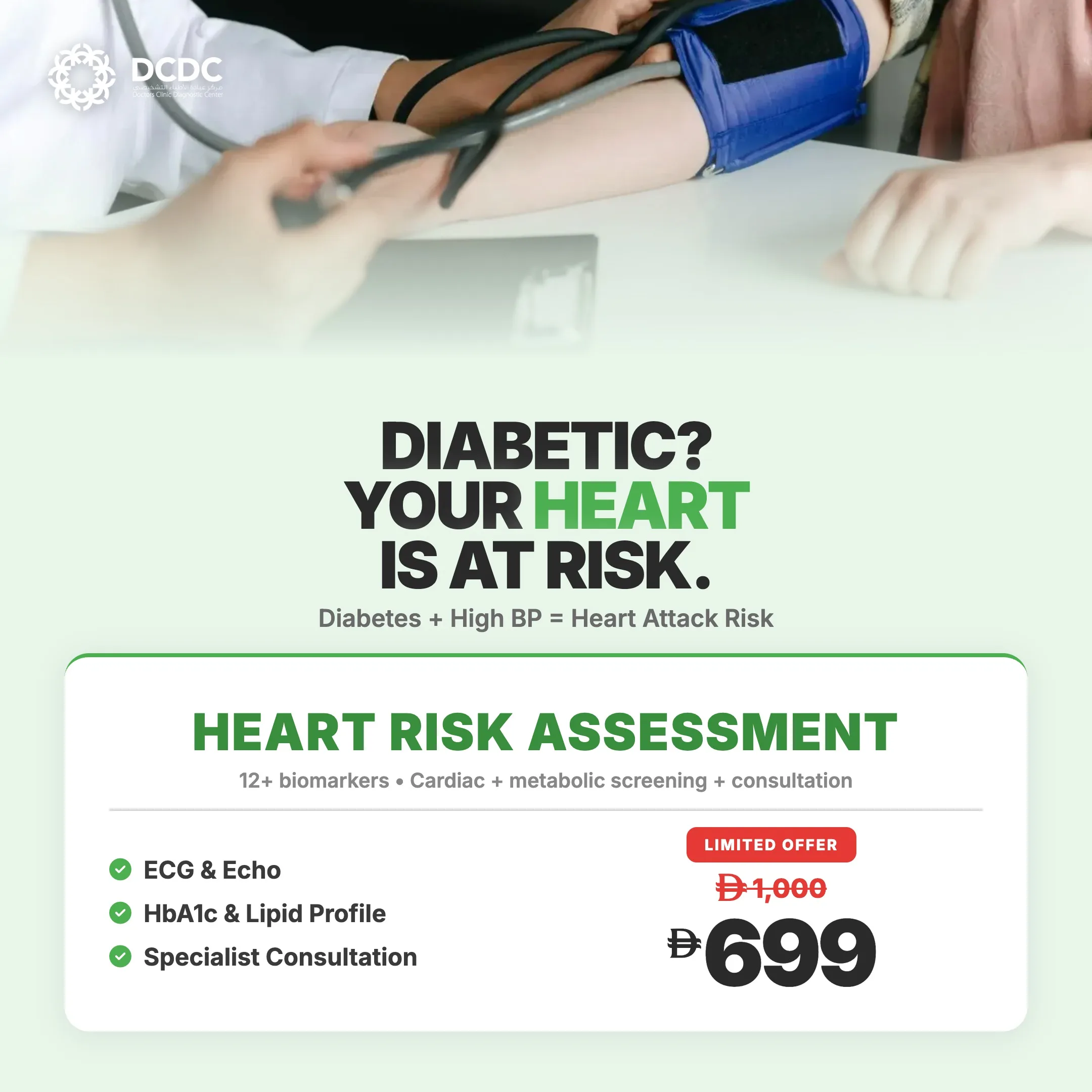
- Do you have risk factors such as diabetes, high blood pressure, high cholesterol, smoking history, or a family history of heart disease? The presence of these factors should lower your threshold for seeking urgent cardiac evaluation
- Have you had this exact sensation before and been diagnosed with panic disorder? A prior confirmed diagnosis of panic attacks with an identical symptom pattern is reassuring, but any new or different symptom still deserves attention
- Bottom line: If you answered yes to radiating pain, persistent unrelieved symptoms, or the presence of significant risk factors, treat it as a possible cardiac event and seek immediate evaluation -- when in doubt, always err on the side of caution
When to Call an Ambulance (998) vs When to See a Doctor
In the UAE, 998 is the dedicated ambulance and medical emergency number, distinct from 999 for police. Knowing this number, and knowing when to use it, can make a genuine difference in outcome for a true cardiac emergency.
- Call 998 immediately if: chest pain or pressure lasts more than a few minutes without easing, radiates to the arm, jaw, neck, or back, is accompanied by cold sweats, severe shortness of breath, fainting, or a sense of impending physical collapse, or if you have known heart disease and your usual symptoms feel different or more severe than before
- Seek same-day medical care if: chest discomfort is mild to moderate, does not radiate, resolves within 20-30 minutes, and is not accompanied by red-flag symptoms, but you remain unsure of the cause or the episode is new, recurrent, or worrying enough that you cannot simply dismiss it
- It is always appropriate to seek urgent evaluation even after symptoms resolve: a resolved panic attack does not need an ambulance, but if you have never had an ECG or cardiac workup and experienced a frightening chest episode, a same-day consultation provides peace of mind and establishes a baseline for the future
- Never drive yourself to the hospital if you suspect a heart attack: call an ambulance so treatment, including ECG monitoring and medication, can begin en route rather than after arrival
Diagnostic Pros and Cons: ECG, Troponin, and Clinical Assessment
No single test is perfect on its own, which is why doctors combine several diagnostic tools to reach a confident conclusion. Understanding the strengths and limitations of each helps explain why a full workup, rather than a single test, is the standard of care.
ECG (Electrocardiogram)
- Pros: Fast, painless, non-invasive, results available within minutes, and highly effective at detecting active ST-elevation heart attacks and rhythm abnormalities
- Cons: Can appear normal or show only subtle changes in certain types of heart attack (NSTEMI), meaning a normal ECG alone does not fully rule out a cardiac event -- it must be paired with blood testing
Troponin Blood Test
- Pros: Highly sensitive marker of heart muscle injury, can detect a heart attack the ECG misses, and serial testing over a few hours gives near-conclusive certainty
- Cons: Levels can take a few hours to rise after symptom onset, so a single early test may need to be repeated for full confidence, and mildly elevated levels can occur with other conditions such as kidney disease
Cardiac Stress Test
- Pros: Evaluates how the heart performs under physical exertion, useful for detecting narrowed arteries that may not show symptoms at rest, and helpful for assessing overall cardiac fitness
- Cons: Not appropriate during active chest pain or a suspected acute event -- it is typically used for planned evaluation of risk once an emergency has been ruled out
Clinical and Psychological Assessment
- Pros: A doctor's assessment of symptom pattern, triggers, and history adds essential context that no single test can capture, and can identify panic disorder for appropriate long-term management once cardiac causes are excluded
- Cons: Should never be used as a substitute for objective cardiac testing when red-flag symptoms are present -- history and instinct alone are not sufficient to safely rule out a heart attack
What to Expect at DCDC: Your Chest Pain Visit
Knowing the diagnostic pathway in advance can ease anxiety before your visit. For a broader look at how cardiac symptoms are evaluated and managed over time, see our guide to heart disease symptoms in Dubai. Here is what a typical chest pain evaluation looks like at Doctors Clinic Diagnostic Center in Dubai Healthcare City.
- 1. Rapid triage: Patients presenting with chest pain are prioritized immediately at reception -- this is never a case where you should wait in a general queue
- 2. ECG within minutes: A 12-lead ECG is performed on-site within minutes of arrival to check the heart's electrical activity and screen for signs of an active cardiac event
- 3. On-site blood work: Troponin and other cardiac markers, along with a complete blood count (CBC), are drawn and processed in DCDC's in-house laboratory, with results available the same day
- 4. Echocardiogram if needed: If findings warrant further evaluation, an on-site echocardiogram assesses heart structure, valve function, and pumping strength using ultrasound imaging
- 5. Stress test if appropriate: Once any acute emergency has been ruled out, a treadmill stress test may be scheduled to evaluate how the heart performs under exertion
- 6. Cardiologist consultation, same day: A board-certified cardiologist reviews your history, exam findings, ECG, and lab results to provide a clear diagnosis and next steps during the same visit
- 7. Clear next steps: Whether the conclusion is a cardiac diagnosis requiring treatment or a reassuring result pointing to anxiety, you leave with a specific plan rather than open-ended uncertainty
DCDC's on-site equipment includes ECG, echocardiography, treadmill cardiac stress testing, and 24-hour Holter monitoring for patients whose symptoms come and go, alongside a full laboratory capable of processing troponin and other cardiac markers -- meaning ECG, echo, and blood work can often be completed in a single visit. DCDC is MOHAP-licensed, holds a 4.8/5 Google rating from more than 1,000 verified reviews, reports a 98% patient satisfaction rate, and offers direct billing with more than 20 insurance partners, so many patients pay only their co-pay for a same-day cardiac workup.
Doctor's Perspective: Dr. Shahoo Mazhari on Chest Pain in Dubai

Cardiologist
Dr. Shahoo Mazhari is a Cardiologist (MD, Cardiology) at Doctors Clinic Diagnostic Center (DCDC) in Dubai Healthcare City.
"Approximately 40% of patients who present to our clinic with chest pain are experiencing anxiety-related symptoms rather than a cardiac event," says Dr. Shahoo Mazhari. "However, the only safe way to distinguish between the two is through proper cardiac evaluation. An ECG and a troponin test can rule out a heart attack within hours, giving patients immediate peace of mind or, when needed, life-saving early treatment. I always tell my patients: it is far better to spend twenty minutes ruling out a heart attack than to spend twenty minutes guessing and being wrong. In Dubai especially, where the heat, long working hours, and being far from home can all raise stress levels, I would rather see ten patients with anxiety symptoms who wanted to be sure than miss a single genuine cardiac event because someone assumed it was 'just stress'."
Diagnostic Test Pricing at DCDC
Cost should never be a barrier to ruling out a heart attack. DCDC's cardiac diagnostic pricing is transparent and available upfront, with direct billing through more than 20 insurance partners for eligible patients.
| Test / Service | Price | What It Checks |
|---|---|---|
| Cardiology Consultation | From AED 250 | History, physical exam, and clinical assessment by a board-certified cardiologist |
| ECG (Electrocardiogram) | From AED 200 | Heart's electrical activity, rhythm abnormalities, and signs of an active cardiac event |
| Echocardiogram (Echo) | From AED 800 | Heart structure, valve function, and pumping strength via ultrasound imaging |
| Cardiac Stress Test | AED 800-5,000 | Heart performance and blood flow under physical exertion, depending on protocol required |
| Troponin & Cardiac Blood Panel | Available on-site | Blood marker of heart muscle injury, used together with ECG to confirm or rule out a heart attack |
Prices are indicative starting rates; your doctor will confirm the exact tests needed and final cost based on your symptoms and insurance coverage.
Prevention and Long-Term Heart Health in Dubai
Whether your chest pain turns out to be cardiac or anxiety-related, the episode is often a useful prompt to invest in long-term heart health, particularly given Dubai's demanding climate and pace of life.
- Stay consistently hydrated: Aim for 2.5-3.5 liters of water daily, increasing further during outdoor exposure or exercise in summer heat, since dehydration strains both the cardiovascular system and anxiety symptoms
- Manage stress proactively: Regular exercise, adequate sleep, and structured downtime reduce both long-term cardiac risk and the frequency of panic episodes
- Limit caffeine and stimulants: High caffeine intake can trigger palpitations and anxiety symptoms that mimic cardiac events, particularly in people prone to panic attacks
- Know your numbers: Regular blood pressure, cholesterol, and blood sugar checks after age 40 allow risk factors to be managed before they contribute to a cardiac event
- Do not self-diagnose recurring chest symptoms: If chest discomfort recurs, even if previous episodes were confirmed as anxiety-related, each new pattern deserves its own evaluation rather than an assumption based on past experience
- Seek support for anxiety, not just reassurance about your heart: If panic attacks are frequent, addressing the underlying anxiety with appropriate support improves quality of life and reduces the number of emergency visits over time
Get a Definitive Answer for Your Chest Pain
Whether your symptoms are cardiac or anxiety-related, DCDC in Dubai Healthcare City offers a same-day cardiology consultation from AED 250, with on-site ECG, troponin testing, echocardiogram, and stress testing available under one roof.
MOHAP-licensed in Dubai Healthcare City. 4.8/5 Google rating from 1,000+ reviews. 98% patient satisfaction. Walk in or book via WhatsApp.
Related Services at DCDC
Expert care and advanced diagnostics at Dubai Healthcare City
Frequently Asked Questions
Final Thoughts
Heart attack vs panic attack is one of the most common sources of medical uncertainty, precisely because the two conditions can produce genuinely overlapping symptoms -- chest pain, a racing heart, breathlessness, and intense fear. Paying attention to whether pain radiates to your arm or jaw, whether it persists beyond 20-30 minutes without easing, and whether you have significant cardiac risk factors will give you a strong initial indication of which is more likely. In Dubai, extreme summer heat, dehydration, and a demanding pace of life can intensify both conditions simultaneously, making self-diagnosis even less dependable during the hotter months.
The only truly reliable way to tell the two apart is objective testing -- an ECG, a troponin blood test, and a doctor's clinical assessment. At DCDC in Dubai Healthcare City, this entire evaluation is available under one MOHAP-licensed roof, with cardiology consultations starting from AED 250 and same-day access to ECG, echocardiogram, stress testing, and on-site laboratory work. If you are experiencing chest pain and are not certain what is causing it, do not guess and do not wait it out -- seek evaluation and get a clear, confirmed answer.
Sources & References
This article was reviewed by our medical team and references the following sources:
- Fleet R, Lavoie K, Beitman BD -- Is Panic Disorder Associated With Coronary Artery Disease? A Critical Review of the Literature (J Psychosom Res, 2000)
- Katerndahl DA -- Chest Pain and Its Importance in Patients With Panic Disorder: An Updated Literature Review (Prim Care Companion J Clin Psychiatry, 2008)
- Fleet RP, Dupuis G, Marchand A, et al. -- Panic Disorder in Emergency Department Chest Pain Patients: Prevalence, Comorbidity, Suicidal Ideation, and Physician Recognition (Am J Med, 1996)
- Canto JG, Rogers WJ, Goldberg RJ, et al. -- Association of Age and Sex With Myocardial Infarction Symptom Presentation and In-Hospital Mortality (JAMA, 2012)
- Thygesen K, Alpert JS, Jaffe AS, et al. -- Fourth Universal Definition of Myocardial Infarction (2018)
- Alahmad B, Khraishah H, Royé D, et al. -- Associations Between Extreme Temperatures and Cardiovascular Cause-Specific Mortality: Results From 27 Countries (Circulation, 2023)
Medical content on this site is reviewed by DHA-licensed physicians. See our editorial policy for more information.
Written by
Dr. Shahoo Mazhari
Cardiologist
MD, Cardiology
Dr. Shahoo Mazhari is a Cardiologist (MD, Cardiology) at Doctors Clinic Diagnostic Center (DCDC) in Dubai Healthcare City.
Related Articles
Chest Pain Dubai: Causes & When to Worry
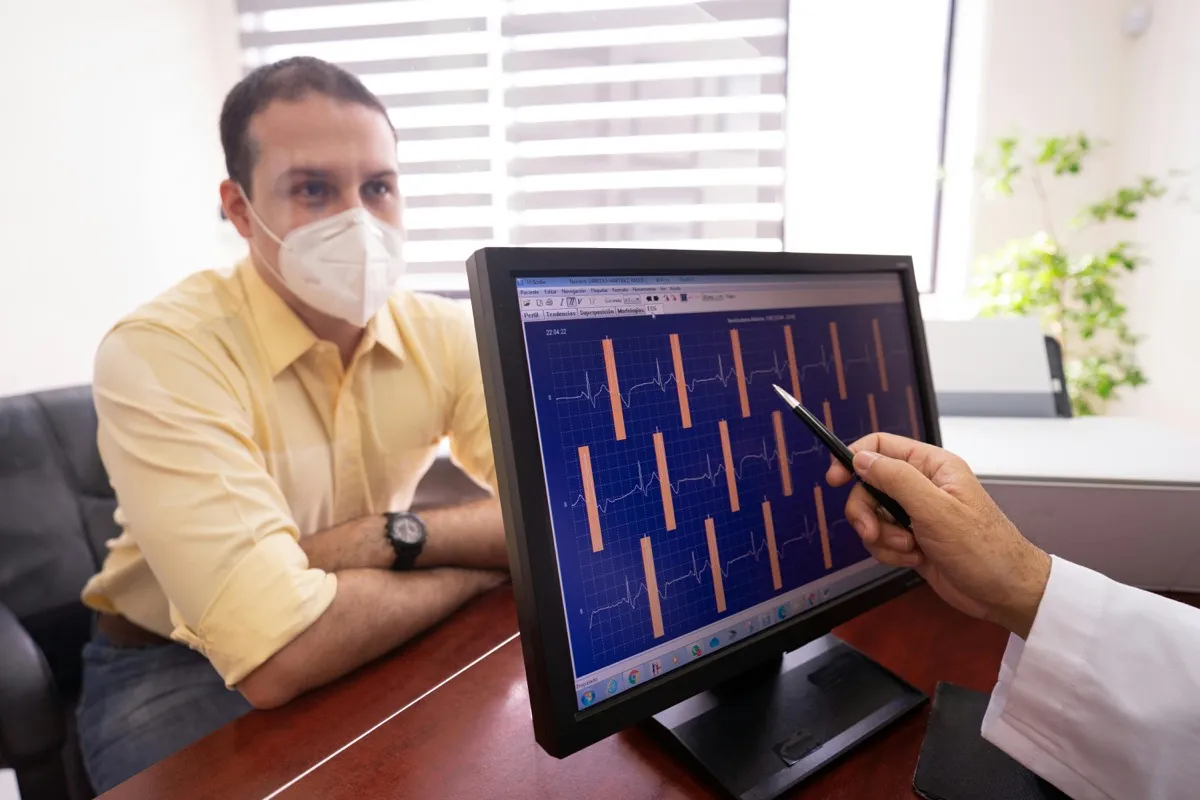
Heart Palpitations Dubai: Causes & Help
ECG vs Echocardiogram: Differences Explained
Troponin Test Dubai: Heart Attack Marker
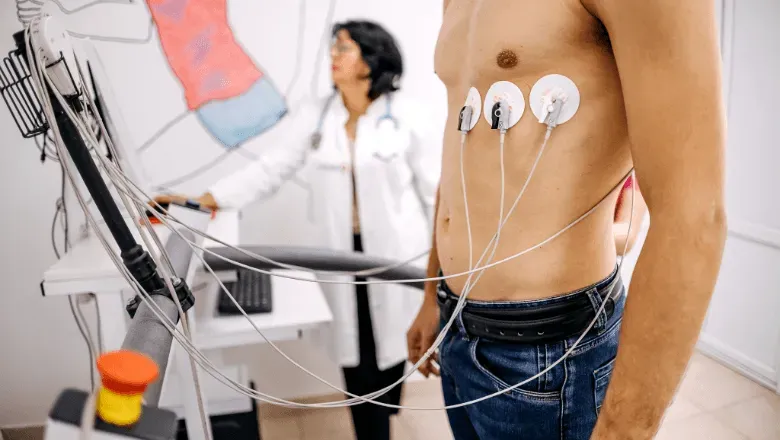
Cardiac Stress Test Dubai: Cost & What to Expect
More in Cardiology

Holter Monitor Prep Dubai: What to Expect (2026)
Read MoreWhen to See a Cardiologist Dubai (2026)
Read More
Echo Test Preparation Dubai: What to Expect (2026)
Read MoreHeart Failure Warning Signs Dubai (2026)
Read MoreStress Test Cost Dubai: AED 800–5,000 (2026)
Read MoreStress Test vs Echo Dubai: Which Heart Test? (2026)
Read More© 2026 Doctors Clinic Diagnostic Center (DCDC), Dubai Healthcare City. Originally published at https://doctorsclinicdubai.ae/blog/heart-attack-vs-panic-attack-dubai. All rights reserved. Unauthorized reproduction is prohibited.