Key Takeaways
- Troponin is the most sensitive and specific blood marker for detecting heart muscle damage, released into the bloodstream within 1-3 hours of cardiac injury.
- High-sensitivity troponin I (hs-cTnI) assays can detect extremely small amounts of cardiac damage, enabling earlier diagnosis and treatment of heart attacks.
- Serial troponin measurements at 0, 3, and 6 hours are the standard protocol for ruling in or ruling out acute myocardial infarction.
- No fasting is required before a troponin test, and urgent testing is available at DCDC for patients presenting with acute chest pain or cardiac symptoms.
- Troponin levels can be elevated in conditions beyond heart attacks, including myocarditis, pulmonary embolism, heart failure, and strenuous exercise.
- At DCDC in Dubai Healthcare City, troponin testing starts from AED 149 with same-day results, on-site ECG, and direct insurance billing with 20+ providers.
If you or a loved one has ever experienced chest pain, shortness of breath, or unexplained fatigue, your doctor may have ordered a troponin test. This simple blood test is the gold standard for detecting heart muscle damage and is the single most important laboratory marker used in the diagnosis of heart attacks worldwide. At Doctors Clinic Diagnostic Center (DCDC) in Dubai Healthcare City, our MOHAP-licensed laboratory offers high-sensitivity cardiac troponin I testing with rapid, same-day results to help protect your heart health.
Whether you have been referred by a cardiologist or are experiencing symptoms that concern you, understanding what troponin is, how the test works, and what your results mean can empower you to take the right next steps. This comprehensive guide covers everything you need to know about troponin testing in Dubai, from the science behind the biomarker to what to expect during your visit at DCDC.
What Is a Troponin Test and Why Is It Important?
A troponin test measures the level of troponin proteins in your blood. Troponin is a regulatory protein complex found exclusively in cardiac and skeletal muscle cells. The cardiac-specific forms, troponin I (cTnI) and troponin T (cTnT), are released into the bloodstream when heart muscle cells are damaged or destroyed. Because these proteins are not normally present in the blood at detectable levels, even a small rise above the normal reference range signals that some degree of cardiac injury has occurred.
The troponin test has revolutionized the diagnosis of acute coronary syndromes since its introduction in the 1990s. According to the European Society of Cardiology (ESC) and the American Heart Association (AHA), elevated troponin levels, combined with clinical symptoms and ECG findings, form the cornerstone of the universal definition of myocardial infarction. Modern high-sensitivity troponin assays can detect cardiac damage far earlier than previous generations of the test, allowing clinicians to diagnose or rule out a heart attack within just a few hours.
If you have been experiencing chest pain or discomfort, your physician may order a troponin test as part of a broader cardiac workup. Understanding this test is the first step toward taking control of your heart health.
How the Troponin Test Works: The Science Behind Cardiac Markers
Troponin exists as a complex of three subunits: troponin C, troponin I, and troponin T. While troponin C is shared between cardiac and skeletal muscle, troponin I and troponin T have cardiac-specific isoforms that can be distinguished by laboratory assays. When myocardial cells sustain damage, whether from reduced blood flow (ischemia), inflammation, or direct trauma, the cell membrane becomes permeable, and troponin proteins leak into the bloodstream.
At DCDC, we use a high-sensitivity cardiac troponin I (hs-cTnI) assay. This next-generation test can detect troponin concentrations as low as a few nanograms per litre, which is roughly 10 to 100 times more sensitive than conventional troponin assays. The clinical advantage is significant: high-sensitivity assays can identify cardiac injury within 1 to 3 hours of symptom onset, compared to 6 to 12 hours with older tests.
- Detection window: Troponin becomes detectable in the blood 1-3 hours after cardiac injury with high-sensitivity assays.
- Peak levels: Troponin typically peaks at 12-24 hours after the onset of myocardial damage.
- Clearance: Elevated troponin levels can persist for 7-14 days following a significant cardiac event, making it useful for detecting recent injury even if the patient presents late.
- Serial testing: Standard protocol calls for measurements at 0, 3, and 6 hours to track the rise-and-fall pattern that characterizes acute myocardial infarction.
When Is a Troponin Test Ordered? Common Indications
Your doctor may order a troponin test for a variety of clinical reasons. The most common scenario is when a patient presents with symptoms suggestive of acute coronary syndrome (ACS), but troponin testing also plays an important role in evaluating other cardiac and systemic conditions.
Primary Indications
- Acute myocardial infarction (Type 1 MI): Suspected heart attack due to coronary artery plaque rupture and thrombosis, presenting with chest pain, ECG changes, and haemodynamic instability.
- Type 2 myocardial infarction: Cardiac injury due to an imbalance between oxygen supply and demand, often seen in patients with severe anaemia, sepsis, tachyarrhythmias, or respiratory failure.
- Unstable angina evaluation: Patients with new-onset or worsening chest pain at rest, where troponin helps stratify risk and guide treatment decisions.
- Myocarditis and pericarditis: Inflammation of the heart muscle or its surrounding sac, which can elevate troponin without coronary artery disease.
- Post-procedural monitoring: Following cardiac catheterisation, percutaneous coronary intervention (PCI), or cardiac surgery to detect peri-procedural myocardial injury.
Other Conditions That May Elevate Troponin
- Pulmonary embolism: Right ventricular strain from a blood clot in the lungs.
- Heart failure: Both acute decompensated and chronic heart failure can cause low-grade troponin elevation.
- Chronic kidney disease: Impaired renal clearance can lead to mildly elevated baseline troponin levels.
- Takotsubo cardiomyopathy: Stress-induced cardiomyopathy ("broken heart syndrome") often causes significant troponin release.
- Strenuous exercise: Marathon runners and endurance athletes may show transient, mild troponin elevations that normalise within 24-48 hours.
Recognising the signs and symptoms of heart disease early can be life-saving. If you experience chest pressure, jaw or arm pain, unexplained sweating, or severe shortness of breath, seek medical attention immediately.
Understanding Your Troponin Test Results
Interpreting troponin results requires clinical context. A single elevated value does not automatically mean you are having a heart attack, just as a normal value does not completely exclude cardiac injury if symptoms began very recently. Here is a general framework for understanding your results.
| Troponin Level | Interpretation | Typical Next Steps |
|---|---|---|
| Below 99th percentile (normal) | No detectable cardiac injury at this time | Clinical reassessment; repeat test at 3 hours if symptoms persist |
| Mildly elevated (1-3x upper reference limit) | Possible early myocardial injury or non-cardiac cause | Serial testing at 3 and 6 hours; ECG monitoring; cardiology consultation |
| Moderately elevated (3-10x upper reference limit) | Significant cardiac injury likely | Urgent cardiology evaluation; echocardiogram; possible coronary angiography |
| Markedly elevated (>10x upper reference limit) | Acute myocardial infarction highly probable | Immediate intervention; cardiac catheterisation; intensive care unit admission |
General guide to troponin level interpretation. Exact reference ranges vary by assay and laboratory. Always discuss results with your cardiologist.
The rise-and-fall pattern is key to diagnosing an acute heart attack. A single elevated troponin value may reflect chronic cardiac stress (e.g., in heart failure or chronic kidney disease), whereas a dynamic change of more than 20% between serial measurements strongly suggests an acute event. This is why your doctor may ask you to stay for repeat blood draws at 3-hour and 6-hour intervals.
Troponin Test Cost in Dubai: Pricing at DCDC
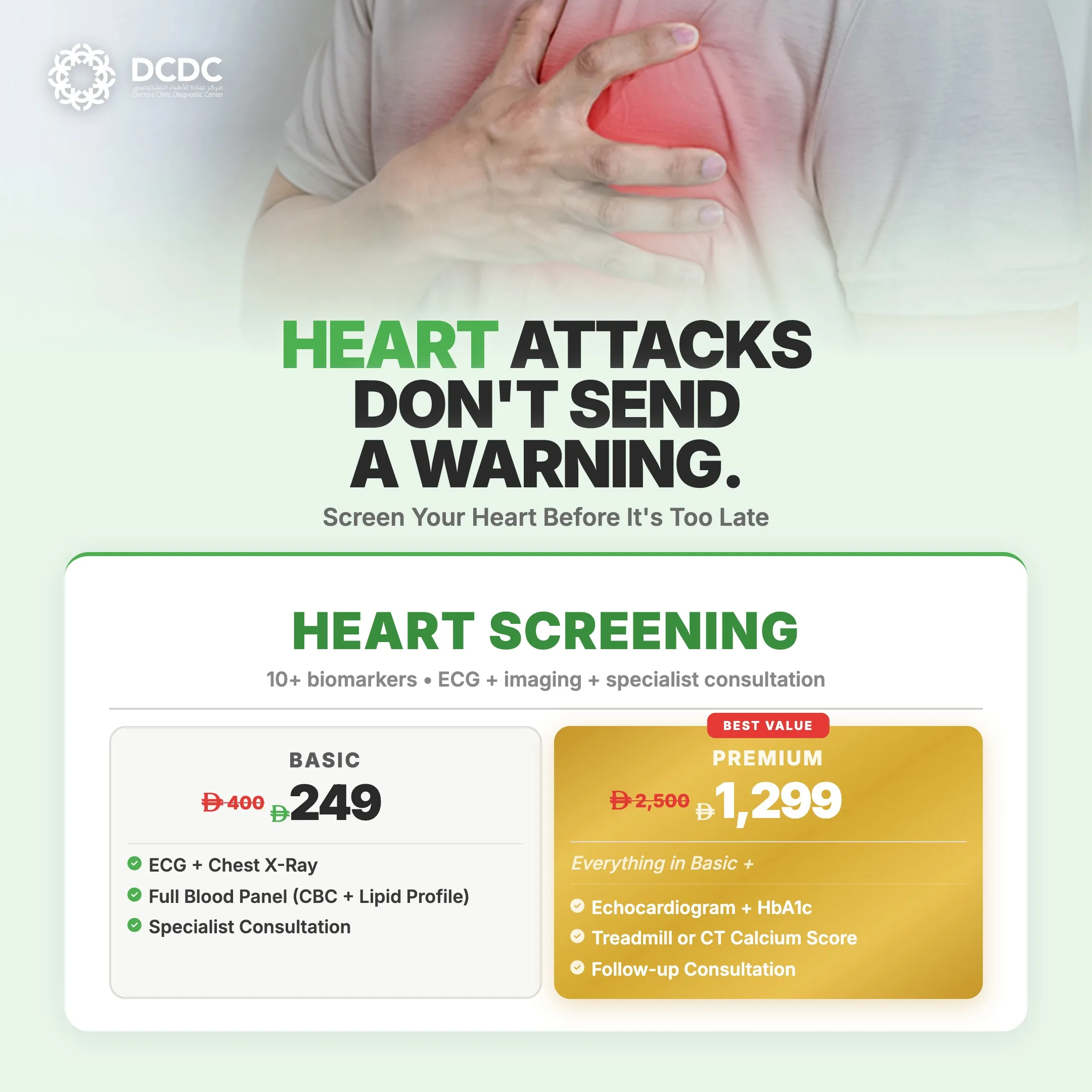
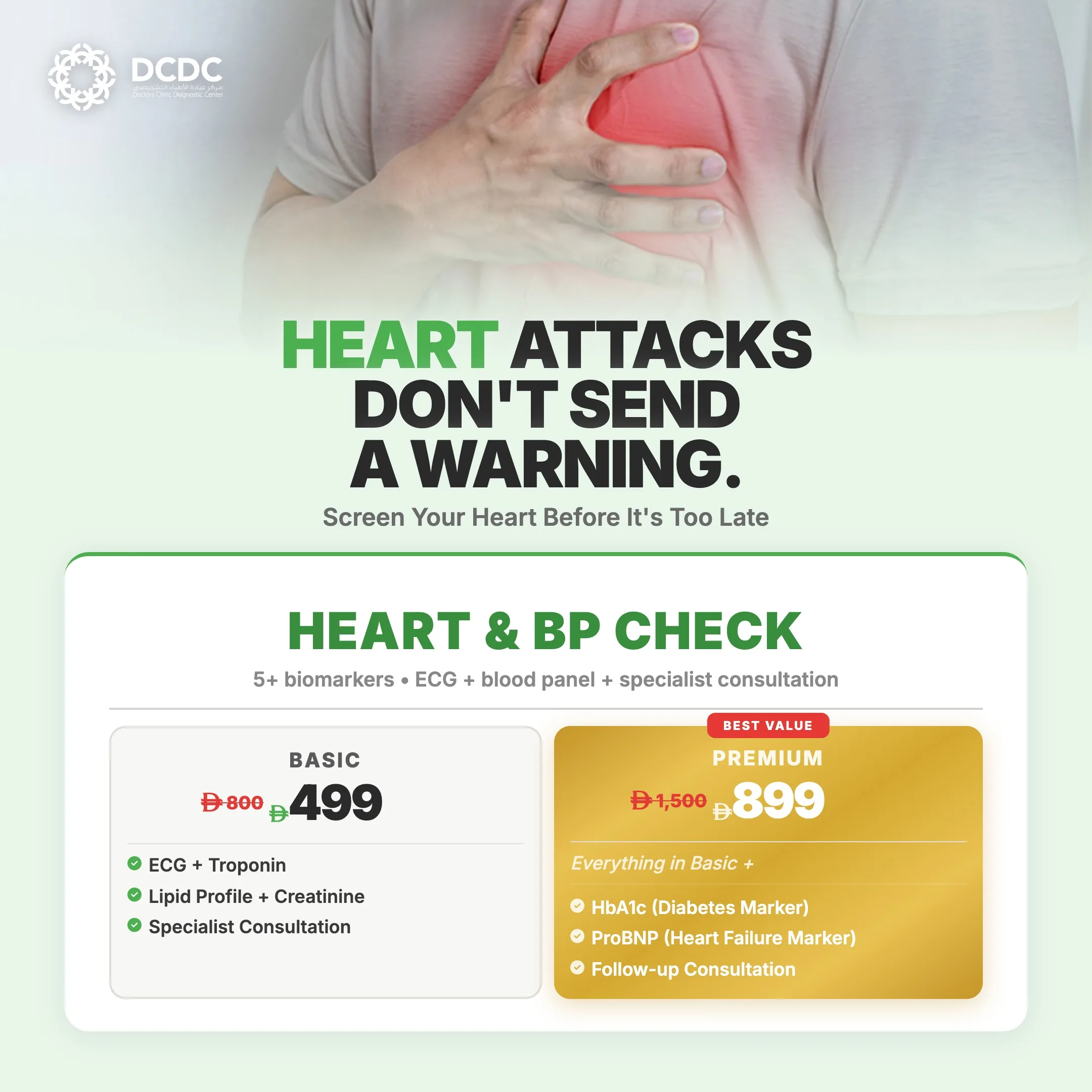
Cardiac testing should be accessible and affordable. At DCDC, we offer competitive pricing for troponin testing and related cardiac investigations, with transparent costs and direct billing through 20+ insurance partners including Daman, AXA, and Bupa.
| Test / Service | Price Range | Turnaround Time |
|---|---|---|
| Troponin I (hs-cTnI) single test | From AED 149 | Same day (routine) / 1-2 hours (urgent) |
| Cardiac marker panel (Troponin + CK-MB + BNP) | AED 350-600 | Same day |
| Resting ECG (12-lead) | AED 100-200 | Immediate |
| Cardiology consultation | From AED 250 | By appointment or walk-in |
| Echocardiogram | AED 400-800 | Same day or next day |
| Treadmill stress test | AED 500-900 | By appointment |
Prices are indicative and may vary based on insurance coverage and clinical requirements. Direct billing available with 20+ insurance partners.
All prices include on-site sample collection at our MOHAP-licensed laboratory in Dubai Healthcare City. Patients with insurance can take advantage of direct billing, meaning you pay nothing upfront if your plan covers the test. For self-pay patients, our team can provide a detailed cost breakdown before any blood is drawn.
What to Expect at DCDC: Your Troponin Test Visit
We understand that cardiac testing can feel stressful, so we have streamlined every step to make your experience at DCDC as comfortable and efficient as possible. Our clinic in Building 64, Block A, Al Razi Medical Complex in Dubai Healthcare City is designed with patients in mind, from free parking to multilingual staff who speak Arabic, English, Farsi, Urdu, and Hindi.
Before Your Test
- No fasting required: Unlike many blood tests, you do not need to fast before a troponin test. Eat, drink, and take your regular medications as normal.
- Bring your documents: Have your Emirates ID, insurance card (if applicable), and any referral letters or recent test results on hand.
- Walk-ins welcome: While appointments are recommended, DCDC accepts walk-in patients for troponin testing. Our average wait time is just 15 minutes.
- Inform the staff: Let our team know if you are experiencing active chest pain or acute symptoms so we can prioritise your care.
During the Blood Draw
A trained phlebotomist will draw a small sample of blood from a vein in your arm. The procedure takes less than five minutes and involves only mild discomfort similar to a standard blood test. The sample is processed immediately in our on-site laboratory, eliminating delays from external courier services.
After Your Test
- Routine results: Available within the same day (typically within 24 hours).
- Urgent results: For patients with acute symptoms, rapid troponin results can be available within 1-2 hours.
- Serial testing: If your doctor orders serial measurements, you will be asked to remain at the clinic or return for follow-up draws at 3-hour and 6-hour intervals.
- Result review: A cardiologist can review your results and provide a clinical interpretation on the same visit if needed.
Concerned About Your Heart Health?
Book your troponin test at DCDC in Dubai Healthcare City. Same-day results, no fasting required, and direct insurance billing with 20+ providers.
Call us or send a WhatsApp message to schedule your appointment today.
Troponin Test vs. Other Cardiac Markers: How They Compare
While troponin is the most sensitive and specific marker for myocardial injury, it is not the only cardiac biomarker available. Understanding how troponin compares to other markers can help you appreciate why your doctor may order a panel of tests rather than troponin alone.
| Biomarker | What It Detects | Detection Window | Specificity for Heart |
|---|---|---|---|
| Troponin I / T (hs) | Myocardial cell damage | 1-3 hours (hs) | Very high (cardiac-specific isoforms) |
| CK-MB | Myocardial necrosis | 4-6 hours | Moderate (also found in skeletal muscle) |
| BNP / NT-proBNP | Heart wall stress / heart failure | Varies | Moderate (elevated in renal disease, ageing) |
| Myoglobin | Muscle cell damage (general) | 1-3 hours | Low (not cardiac-specific) |
| D-dimer | Blood clot formation | Varies | Low (used primarily for pulmonary embolism) |
Comparison of common cardiac biomarkers. Troponin remains the gold-standard marker for acute myocardial infarction.
In clinical practice, a cardiac marker panel combining troponin with CK-MB and BNP provides the most comprehensive picture. Troponin confirms whether cardiac injury has occurred, CK-MB helps estimate the timing and extent of damage, and BNP indicates whether heart failure is developing. At DCDC, our cardiac marker panel is available from AED 350-600 and includes all three biomarkers.
The Role of ECG and Imaging Alongside Troponin Testing
A troponin test is rarely used in isolation. It is most informative when combined with other diagnostic tools that evaluate heart rhythm, structure, and function. At DCDC, we offer a full suite of cardiac diagnostics on-site, allowing your cardiologist to build a complete clinical picture without referring you elsewhere.
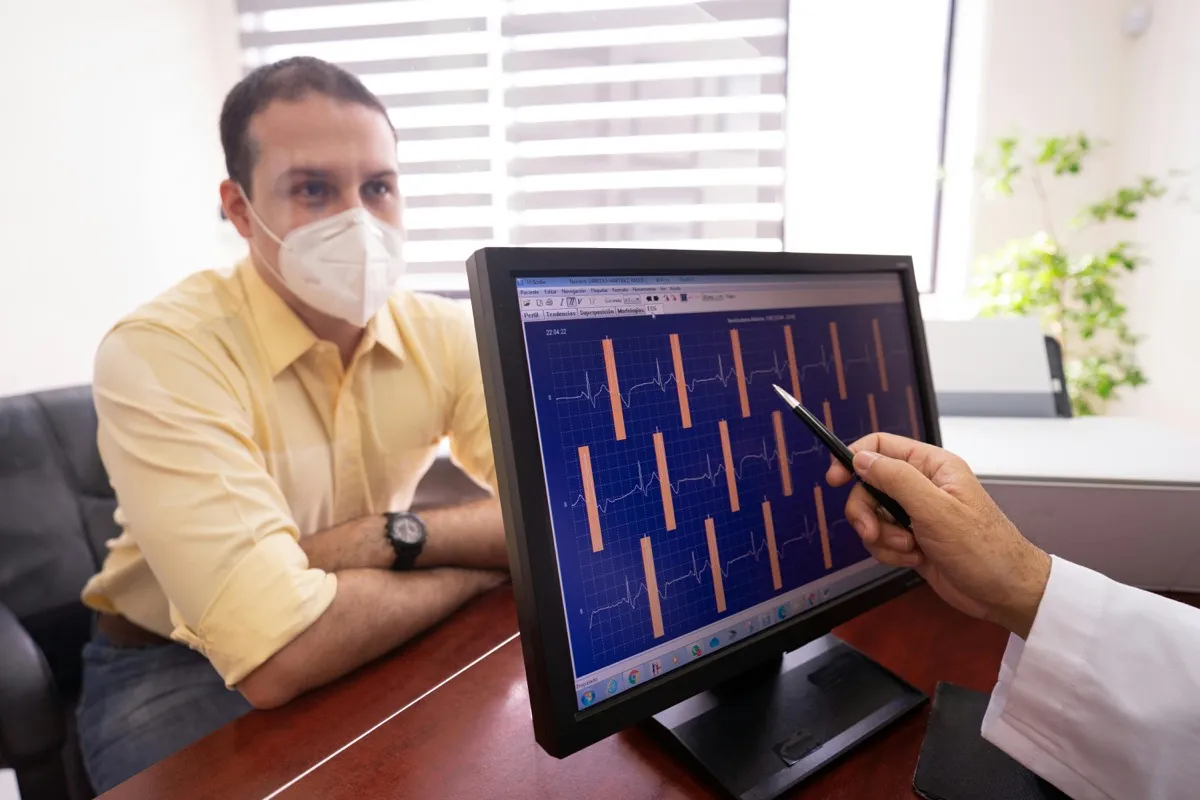
- 12-lead ECG: An electrocardiogram (ECG) records the electrical activity of your heart and can identify patterns suggestive of ischaemia, arrhythmia, or prior infarction. It is typically performed alongside the first troponin draw.
- Echocardiogram: This ultrasound-based imaging study assesses heart chamber size, wall motion, valve function, and ejection fraction. It is especially useful when troponin is elevated and the clinical picture suggests heart failure or structural abnormality.
- Treadmill stress test: For patients whose acute symptoms have resolved and troponin levels have normalised, a stress test can evaluate whether exercise-induced ischaemia is present, guiding decisions about further intervention.
- 24-hour Holter monitoring: Continuous ECG recording over 24 hours can detect intermittent arrhythmias that may contribute to symptoms or troponin elevation.
Having all of these services under one roof in Dubai Healthcare City means faster diagnosis, fewer delays, and a more coordinated approach to your cardiac care.
Who Should Get a Troponin Test? Risk Factors and Screening
While troponin testing is not typically used as a routine screening tool for asymptomatic individuals, certain risk factors and clinical scenarios warrant proactive testing. Understanding your personal risk profile can help you and your doctor decide whether troponin testing is appropriate.
High-Risk Groups
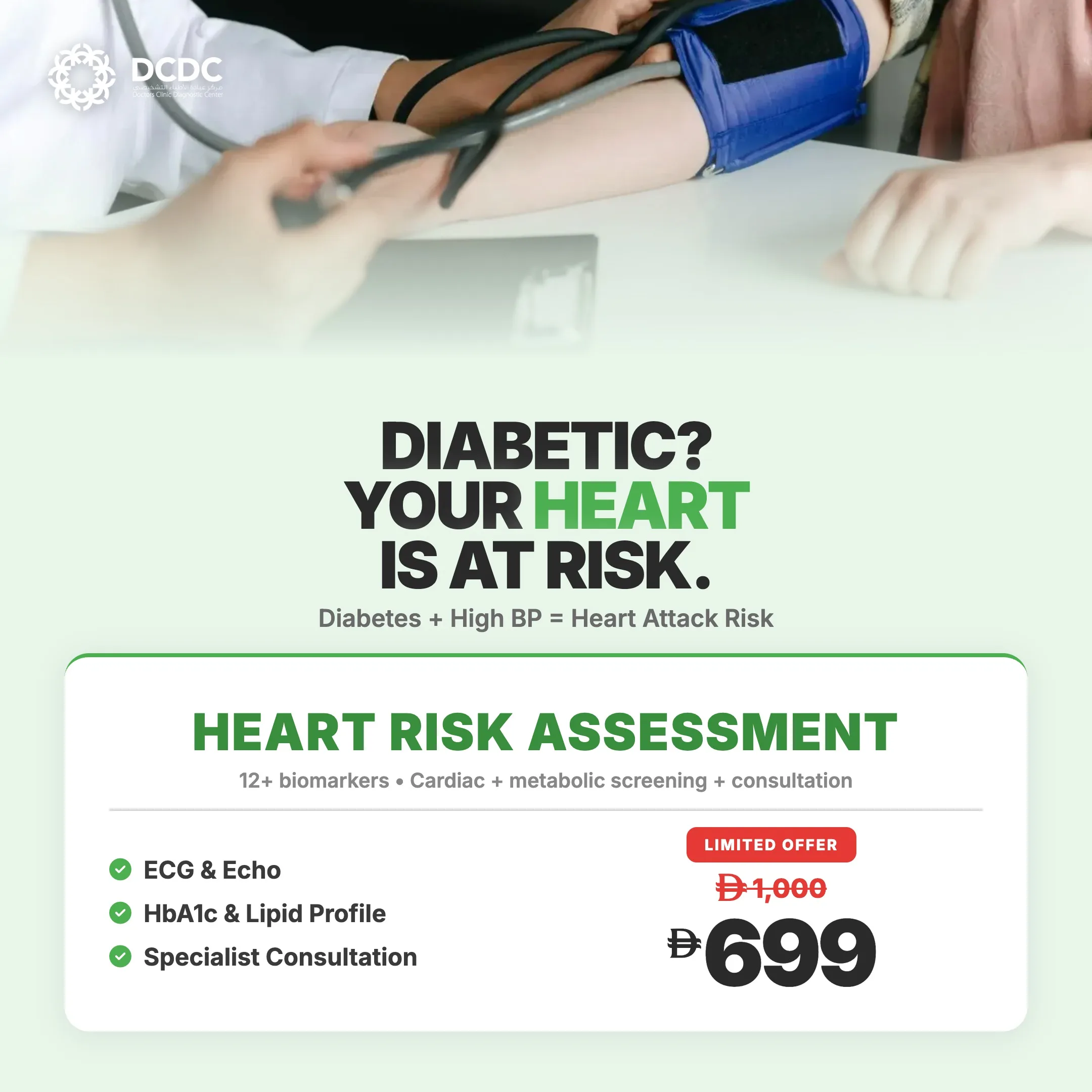
- Adults over 50 with cardiovascular risk factors: Hypertension, diabetes, hyperlipidaemia, smoking, obesity, or a family history of premature coronary artery disease.
- Patients with known coronary artery disease: Those with prior heart attacks, stents, or coronary artery bypass grafts who develop new or worsening symptoms.
- Patients presenting with acute symptoms: Chest pain, chest tightness, shortness of breath, palpitations, syncope, or unexplained fatigue.
- Post-surgical patients: Individuals undergoing major non-cardiac surgery who develop haemodynamic instability or new ECG changes.
- Patients with chronic conditions: Heart failure, chronic kidney disease, or pulmonary hypertension, where baseline troponin monitoring may guide management.
Dubai's diverse population includes many individuals with metabolic syndrome, diabetes, and hypertension, all of which significantly increase the risk of coronary events. Proactive cardiac assessment, including troponin testing when indicated, is an important part of heart disease prevention in this region.
Dr. Shahoo Mazhari on Cardiac Markers and Early Detection

Cardiologist
English, Farsi, Arabic
Dr. Shahoo Mazhari is a specialist cardiologist at DCDC in Dubai Healthcare City with extensive experience in diagnosing and managing acute coronary syndromes, heart failure, and preventive cardiology.
"High-sensitivity troponin testing has fundamentally changed how we approach chest pain in clinical practice. The ability to detect myocardial injury within one to three hours of symptom onset means we can start life-saving treatment earlier and, just as importantly, reassure patients more quickly when their hearts are healthy. I always advise patients not to ignore chest discomfort or wait for symptoms to resolve on their own. A simple blood test can make the difference between early intervention and a missed diagnosis."
At DCDC, Dr. Mazhari works closely with our laboratory team to ensure that troponin results are interpreted in the full clinical context, including ECG findings, patient history, and imaging when necessary. This integrated approach, rated 4.8 out of 5 by over 1,000 verified patients, ensures accurate diagnosis and appropriate follow-up care.
Preparing for Your Troponin Test: Practical Tips
One of the advantages of the troponin test is its simplicity. Unlike cholesterol panels or glucose tolerance tests, no special preparation is needed. Here are some practical tips to ensure your visit goes smoothly.
- No fasting necessary: You can eat and drink normally before the test. There is no need to avoid food, caffeine, or water.
- Continue your medications: Take all prescribed medications, including blood thinners, blood pressure drugs, and statins, unless your doctor specifically instructs otherwise.
- Stay hydrated: Drinking water makes it easier for the phlebotomist to find a vein, reducing discomfort during the blood draw.
- Wear accessible clothing: A short-sleeved shirt or a top with sleeves that roll up easily will make the process faster.
- Arrive early if symptomatic: If you are experiencing active chest pain or shortness of breath, inform the front desk immediately upon arrival so our team can fast-track your assessment.
- Plan for serial testing: If your doctor has ordered serial troponin measurements, expect to stay at the clinic for 3-6 hours. Bring a book, charger, or entertainment for the waiting periods between draws.
Troponin Testing for Specific Populations in Dubai
Dubai is home to a remarkably diverse population, and cardiovascular risk profiles vary significantly across different demographic groups. Understanding how troponin testing applies to specific populations helps ensure equitable and effective cardiac care.
Women and Heart Disease
Heart disease remains the leading cause of death in women globally, yet women are more likely to present with atypical symptoms such as fatigue, nausea, back pain, and jaw discomfort rather than classic chest pain. High-sensitivity troponin assays have been particularly valuable in improving the diagnosis of heart attacks in women, who tend to have lower absolute troponin levels than men. Sex-specific reference ranges, now recommended by the ESC, help prevent under-diagnosis in female patients.
Elderly Patients
Older adults are more likely to have mildly elevated baseline troponin levels due to age-related cardiac remodelling, chronic kidney disease, or heart failure. Interpretation in this group relies heavily on the rise-and-fall pattern rather than a single absolute value. Serial testing is especially important for elderly patients presenting with vague symptoms.
Athletes and Active Individuals
Endurance athletes may show transient troponin elevations after intense exercise such as marathon running or long-distance cycling. These elevations are typically mild and resolve within 24-48 hours. However, any athlete experiencing exertional chest pain, syncope, or palpitations should be evaluated with troponin testing and an ECG to rule out underlying cardiac pathology.
Book Your Cardiac Assessment Today
Visit DCDC in Dubai Healthcare City for comprehensive troponin testing and cardiac evaluation. Our team offers on-site ECG, echocardiogram, and treadmill stress testing with a 98% patient satisfaction rate.
Walk-ins welcome. Open Saturday to Thursday 8 AM-10 PM, Friday 9 AM-9 PM.
Common Myths About Troponin Testing
Misinformation about cardiac markers can cause unnecessary anxiety or, worse, discourage people from seeking timely medical care. Let us address some of the most common misconceptions about troponin testing.
- Myth: An elevated troponin always means a heart attack. Fact: While troponin is the most specific marker for cardiac injury, many conditions besides heart attacks can raise troponin levels, including myocarditis, pulmonary embolism, severe sepsis, and even strenuous exercise. Clinical context is essential.
- Myth: A normal troponin result means your heart is perfectly healthy. Fact: A normal troponin level means there is no detectable cardiac injury at that moment. It does not exclude coronary artery disease, valve disorders, or arrhythmias, which may require additional testing such as an ECG, stress test, or echocardiogram.
- Myth: You need to fast before a troponin test. Fact: No fasting is required. Troponin levels are not affected by food intake, caffeine, or hydration status.
- Myth: Troponin testing is only for emergencies. Fact: While troponin testing is critical in the emergency setting, it is also used for pre-operative cardiac risk assessment, monitoring heart failure, evaluating myocarditis, and post-procedural follow-up.
- Myth: One blood draw is enough to diagnose a heart attack. Fact: Current guidelines recommend serial troponin measurements at 0, 3, and 6 hours. A single value may miss an early or evolving heart attack.
Why Choose DCDC for Troponin Testing in Dubai?
Choosing the right facility for cardiac diagnostics matters. At Doctors Clinic Diagnostic Center, we combine clinical expertise, advanced technology, and patient-centred care to deliver a world-class experience in the heart of Dubai Healthcare City.
- MOHAP-licensed laboratory: Our on-site laboratory meets the highest regulatory standards for accuracy and quality assurance.
- High-sensitivity troponin I assay: We use the latest hs-cTnI technology for the earliest possible detection of cardiac injury.
- Comprehensive cardiac diagnostics: On-site ECG, echocardiogram, treadmill stress testing, and 24-hour Holter monitoring, so your entire cardiac workup can happen under one roof.
- Expert cardiology team: Board-certified cardiologists available for same-day consultation and result interpretation.
- Fast turnaround: Same-day routine results and rapid 1-2 hour results for urgent cases.
- Insurance-friendly: Direct billing with Daman, AXA, Bupa, and 20+ other insurance providers. Self-pay options also available.
- Patient satisfaction: 98% satisfaction rate with an average wait time of just 15 minutes, backed by 4.8/5 from over 1,000 verified Google reviews.
- Convenient access: Located in Building 64, Block A, Al Razi Medical Complex with free parking. Open Saturday to Thursday 8 AM-10 PM, Friday 9 AM-9 PM.
Related Services at DCDC
Expert care and advanced diagnostics at Dubai Healthcare City
Frequently Asked Questions
Final Thoughts
The troponin test remains one of the most powerful tools in modern cardiology. Its ability to detect heart muscle damage within hours of injury has saved countless lives worldwide by enabling faster diagnosis and earlier treatment of heart attacks. Whether you are experiencing symptoms, managing cardiovascular risk factors, or simply want peace of mind about your heart health, understanding what troponin testing involves puts you in a stronger position to make informed decisions.
At DCDC in Dubai Healthcare City, our goal is to make cardiac diagnostics accessible, affordable, and as stress-free as possible. From the moment you walk through our doors to the moment you receive your results, our team of cardiologists, laboratory professionals, and multilingual support staff are here to guide you through every step. With high-sensitivity troponin I testing from AED 149, same-day results, and comprehensive cardiac services all under one roof, there is no reason to delay when your heart health is on the line.
If you have questions about troponin testing or would like to schedule a cardiac assessment, contact DCDC today. Early detection saves lives, and your heart deserves the best care available in Dubai.
Sources & References
This article was reviewed by our medical team and references the following sources:
- Thygesen K, et al. Fourth Universal Definition of Myocardial Infarction (2018) — European Society of Cardiology
- American Heart Association — Cardiac Biomarkers and Heart Attack Diagnosis
- Collet J-P, et al. 2020 ESC Guidelines for the Management of Acute Coronary Syndromes
- Mayo Clinic — Troponin Test Overview and Clinical Interpretation
- Cleveland Clinic — Understanding Troponin Levels and Heart Health
- World Health Organization — Cardiovascular Diseases: Key Facts
Medical content on this site is reviewed by DHA-licensed physicians. See our editorial policy for more information.
Written by
Dr. Shahoo Mazhari
Cardiologist
MD, Cardiology
Dr. Shahoo Mazhari is a Cardiologist at Doctors Clinic Diagnostic Center (DCDC) in Dubai Healthcare City.
Related Articles
Chest Pain: Causes & When to Worry
Heart Disease Symptoms Dubai

ECG Test Guide Dubai
Blood Test Dubai Guide
Cardiologist Dubai Guide
Heart Health Prevention Dubai
More in Cardiology
Holter Monitor Prep Dubai: What to Expect (2026)
Read MoreWhen to See a Cardiologist Dubai (2026)
Read More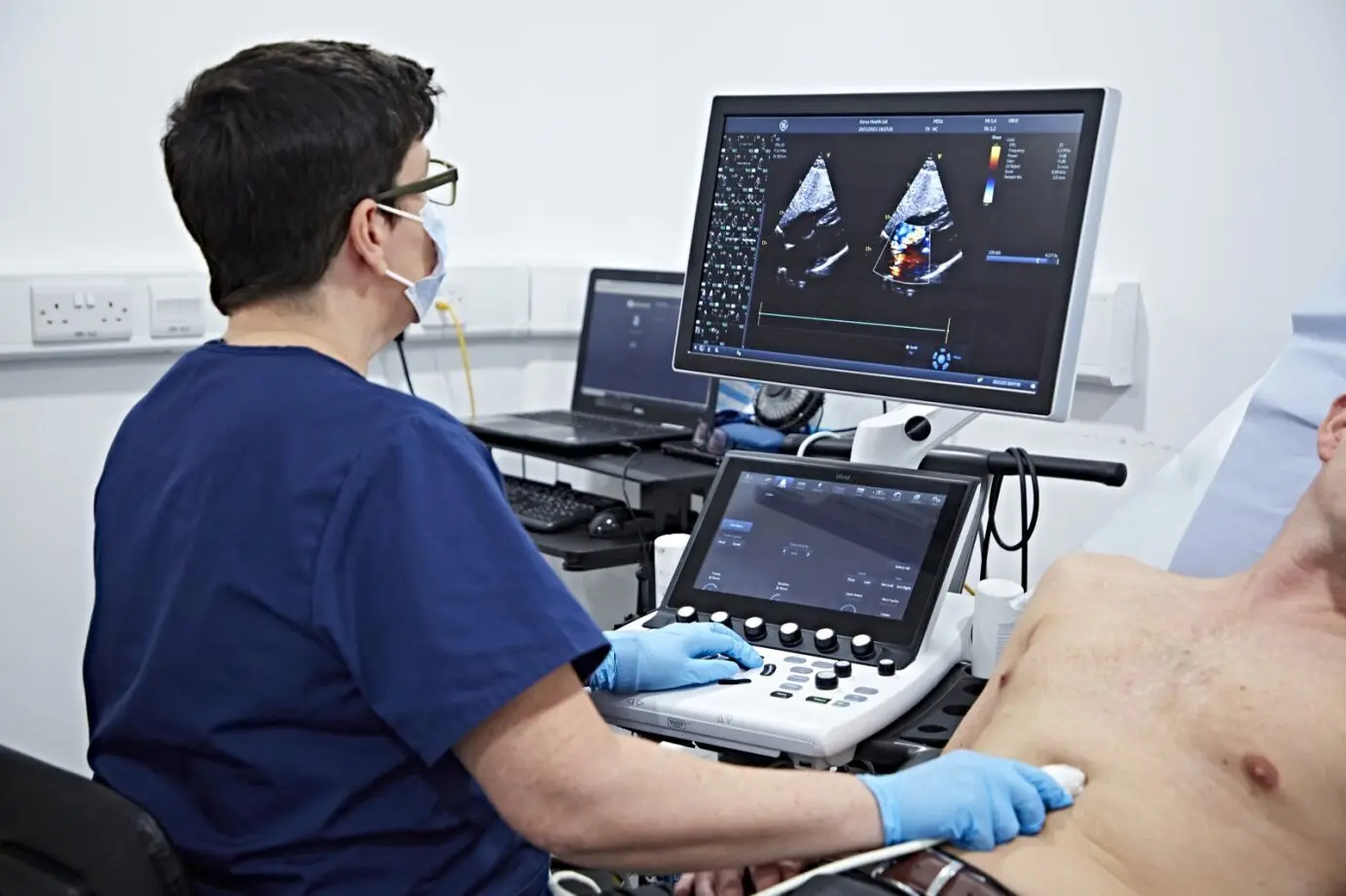
Echo Test Preparation Dubai: What to Expect (2026)
Read MoreHeart Attack vs Panic Attack Dubai: Signs (2026)
Read MoreHeart Failure Warning Signs Dubai (2026)
Read MoreStress Test Cost Dubai: AED 800–5,000 (2026)
Read More© 2026 Doctors Clinic Diagnostic Center (DCDC), Dubai Healthcare City. Originally published at https://doctorsclinicdubai.ae/blog/troponin-test-heart-marker-dubai. All rights reserved. Unauthorized reproduction is prohibited.