
Key Takeaways
- Cardiac rehabilitation reduces mortality by 20-30% and rehospitalization by up to 47% in patients who have experienced a heart attack, stent placement, or bypass surgery
- A typical cardiac rehab program lasts 6-12 weeks (Phase II) and includes supervised exercise, risk factor education, nutrition counseling, and stress management
- Cardiology consultation at DCDC starts from AED 250, with ECG from AED 100, echocardiogram from AED 800, and stress testing from AED 500
- DCDC offers both cardiology and physiotherapy under one roof in Dubai Healthcare City, enabling seamless coordination between your cardiologist and physiotherapist
- Exercise after a heart event is not only safe when properly supervised but is one of the most effective treatments for long-term cardiac recovery
- Most major insurance providers in the UAE cover cardiac rehabilitation when medically indicated, including DHA plans, Daman, AXA, and Bupa
- Cardiac rehab is recommended after heart attack (MI), coronary stent (PCI), bypass surgery (CABG), heart failure, valve surgery, and stable angina
Cardiac rehabilitation is a medically supervised program that helps patients recover after a heart attack, stent placement, bypass surgery, or other cardiac event. At Doctors Clinic Diagnostic Center (DCDC) in Dubai Healthcare City, our cardiology team works alongside on-site physiotherapy specialists to deliver integrated cardiac recovery programs. Heart disease remains the number one cause of death in the UAE, accounting for approximately 30% of all deaths. Yet despite the proven benefits of cardiac rehabilitation, fewer than 30% of eligible patients worldwide complete a structured program. This guide covers everything you need to know about cardiac rehabilitation in Dubai, from who needs it and what it involves to cost, insurance coverage, and what to expect at every stage of your recovery.
Whether you are recovering from a recent heart attack, have just had a coronary stent placed, or are preparing for life after bypass surgery, cardiac rehabilitation is one of the single most effective interventions available to improve your outcomes. The evidence is clear: patients who complete cardiac rehab live longer, spend less time in hospital, return to work sooner, and report a better quality of life. This guide walks you through every phase of cardiac rehabilitation, with specific information about programs, costs, and services available in Dubai.
What Is Cardiac Rehabilitation?
Cardiac rehabilitation is a comprehensive, multidisciplinary program designed to optimize physical, psychological, and social functioning in patients with cardiovascular disease. The World Health Organization defines it as the sum of activities required to ensure the best possible physical, mental, and social conditions so that patients with chronic or post-acute cardiovascular disease may, by their own efforts, preserve or resume their proper place in society. In practice, cardiac rehab combines supervised exercise training with education on heart-healthy lifestyle habits, nutrition counseling, stress management, and medication optimization.
The evidence supporting cardiac rehabilitation is among the strongest in all of cardiology. A Cochrane systematic review of 63 randomized controlled trials found that exercise-based cardiac rehabilitation reduces cardiovascular mortality by 26% and hospital readmissions by 18%. The American Heart Association and the European Society of Cardiology both give cardiac rehabilitation a Class I recommendation, meaning it is considered essential for patients who have experienced a qualifying cardiac event. Despite this, cardiac rehabilitation remains underutilized globally, with participation rates estimated at only 20-50% in most countries.
A complete cardiac rehabilitation program addresses not just the heart but the whole patient. The core components include medical evaluation and risk stratification, prescribed exercise training with cardiac monitoring, nutritional counseling tailored to cardiovascular risk reduction, weight management, lipid management, blood pressure control, diabetes management, smoking cessation support, psychosocial management including depression and anxiety screening, and vocational counseling for return to work.
Who Needs Cardiac Rehabilitation in Dubai?
Cardiac rehabilitation is indicated for a broad range of cardiovascular conditions. If you have experienced any of the following, you are a candidate for a structured cardiac rehab program:
- Heart attack (myocardial infarction): Both STEMI and NSTEMI patients benefit from cardiac rehabilitation. Rehab should begin as soon as the patient is medically stable, typically within 1-2 weeks of the event.
- Coronary stent placement (PCI): Patients who have undergone percutaneous coronary intervention with stent implantation should start outpatient cardiac rehab within 2-4 weeks of the procedure.
- Coronary artery bypass surgery (CABG): Bypass surgery patients require a carefully graduated rehabilitation program that accounts for sternotomy healing, typically beginning 4-6 weeks post-surgery.
- Heart failure (HFrEF and HFpEF): Exercise training in stable heart failure patients improves exercise capacity, quality of life, and reduces hospitalization. Both heart failure with reduced and preserved ejection fraction benefit.
- Heart valve repair or replacement: Patients who have undergone valve surgery benefit from structured rehabilitation to regain functional capacity and confidence.
- Stable angina: Patients with chronic stable angina who are managed medically benefit from supervised exercise to improve exercise tolerance and reduce symptoms.
- Cardiac transplantation: Transplant recipients have unique rehabilitation needs but derive significant benefit from structured exercise programs.
- Peripheral arterial disease: Supervised exercise programs are a first-line treatment for claudication symptoms in peripheral vascular disease.
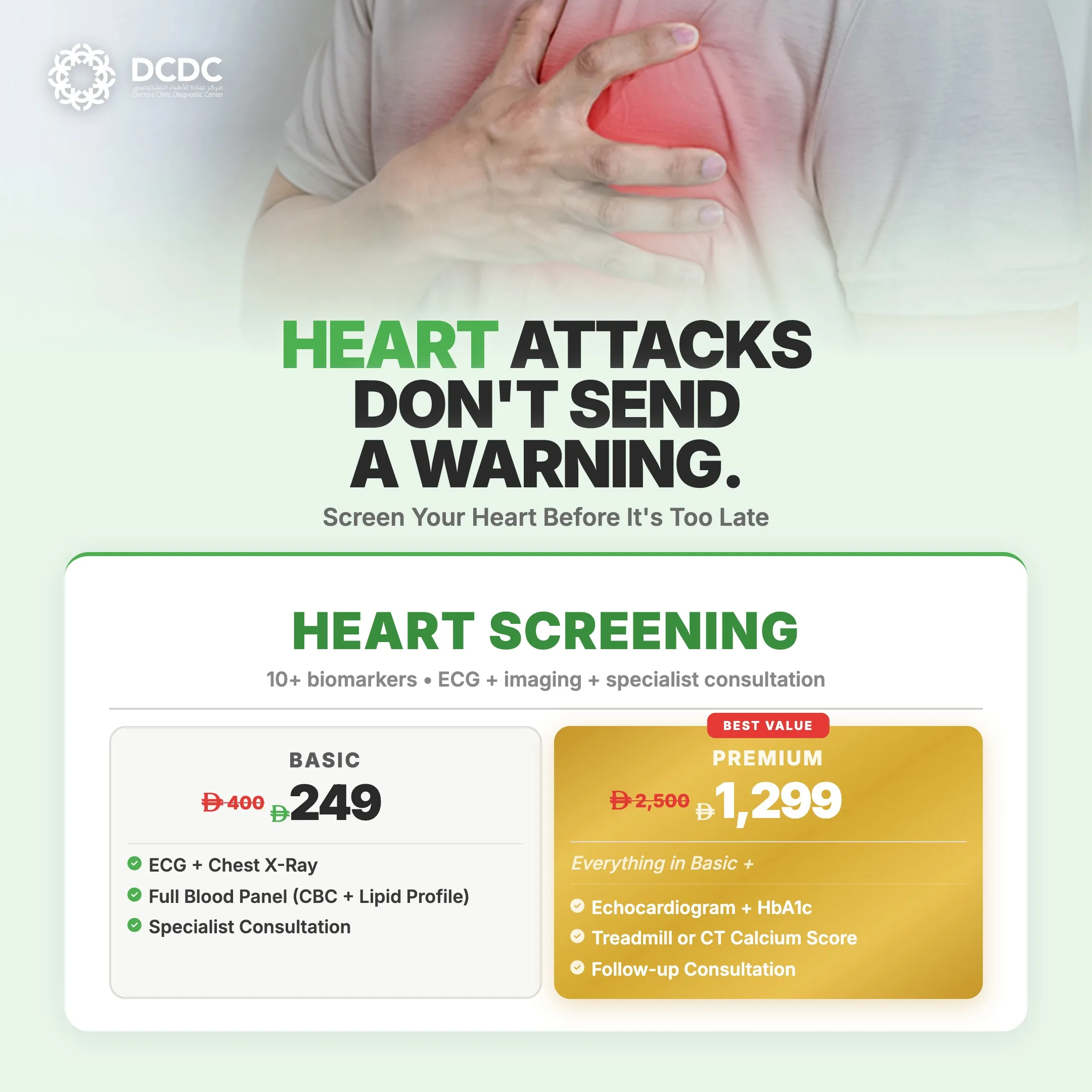
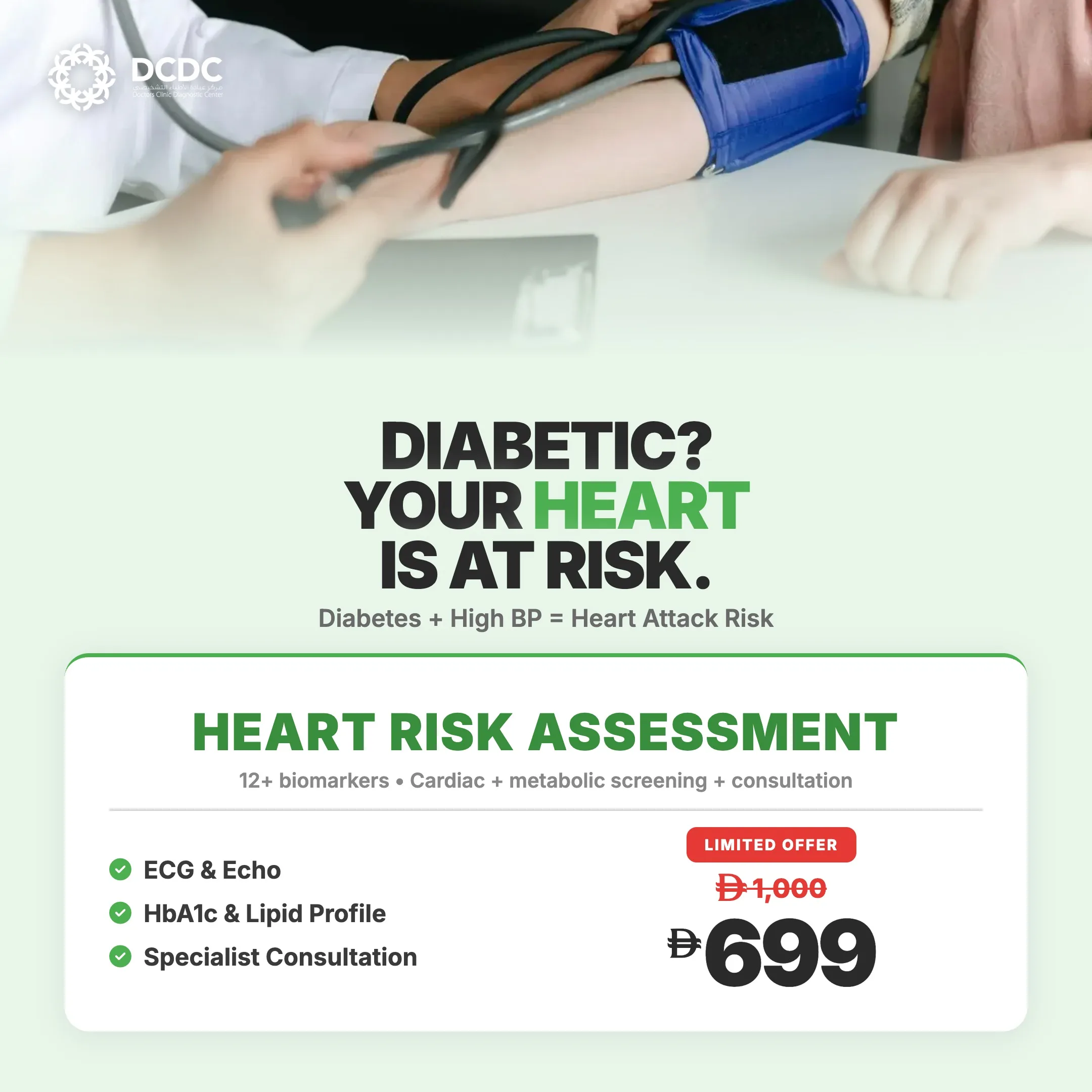
In Dubai, the prevalence of cardiovascular risk factors including diabetes, obesity, hypertension, and sedentary lifestyle is particularly high, making cardiac rehabilitation especially relevant for the local population. For more on preventive heart care, see our guide on heart screening and prevention in Dubai.
The 4 Phases of Cardiac Rehabilitation
Cardiac rehabilitation is structured into four distinct phases, each with specific goals, activities, and timeframes. Understanding these phases helps patients know what to expect at each stage of their recovery journey.
Phase I: Inpatient Rehabilitation (Hospital Stay)
Phase I begins during the hospital admission for the acute cardiac event or surgery. The primary goals are early mobilization, patient education, and discharge planning. Activities include bedside range-of-motion exercises, assisted sitting, standing, and short corridor walks. Patients receive initial education about their condition, medications, warning signs, and the importance of continuing rehabilitation after discharge. A physiotherapist or cardiac rehabilitation specialist assesses functional capacity and creates an individualized discharge exercise plan. Phase I typically lasts 3-7 days depending on the cardiac event and any complications.
Phase II: Early Outpatient Rehabilitation (6-12 Weeks)
Phase II is the core of cardiac rehabilitation and begins 1-6 weeks after hospital discharge, depending on the qualifying event. This phase consists of 12-36 supervised exercise sessions, typically 2-3 times per week, conducted in a clinical setting with cardiac monitoring capability. Each session lasts 45-60 minutes and includes a warm-up, aerobic exercise, resistance training, cool-down, and educational component. Heart rate, blood pressure, and symptoms are monitored throughout. Exercise intensity is prescribed based on the results of an exercise stress test or cardiopulmonary exercise test performed before or early in the program.
Phase II also includes structured education sessions covering heart-healthy nutrition, medication adherence, smoking cessation, stress management, sexual activity after cardiac events, return to work, and recognition of warning symptoms. Psychological screening for depression and anxiety is conducted, as these conditions are common after cardiac events and can impair recovery if left untreated.
Phase III: Ongoing Supervised Rehabilitation (3-6 Months)
Phase III is a transitional phase where patients continue supervised exercise but with less intensive monitoring. Sessions may be reduced to 1-2 times per week, with patients also performing independent exercise on non-supervised days. The exercise prescription is progressively advanced as fitness improves. Phase III focuses on building long-term exercise habits, reinforcing lifestyle modifications, and gradually transitioning responsibility for self-monitoring from the clinical team to the patient. Regular follow-up with the cardiologist occurs to adjust medications and assess cardiac status.
Phase IV: Independent Maintenance (Lifelong)
Phase IV is the lifelong maintenance phase where patients independently manage their exercise program and heart-healthy lifestyle. The goal is to sustain the fitness gains and risk factor improvements achieved during Phases II and III. Patients typically exercise independently at home or at a gym, following the exercise prescription established during earlier phases. Periodic reassessment by the cardiologist and physiotherapist ensures the program remains appropriate and effective. Annual cardiac check-ups, including ECG, echocardiogram, and stress testing as indicated, monitor long-term cardiac health.
Cardiac Rehab Cost in Dubai
Understanding the cost of cardiac rehabilitation helps patients plan their recovery. At DCDC, we offer competitive pricing for all cardiac services, with transparent fees and direct insurance billing. The following table compares DCDC pricing with typical Dubai averages for key cardiac rehabilitation services:
| Service | DCDC Price | Dubai Average |
|---|---|---|
| Cardiology Consultation | From AED 250 | AED 400-800 |
| ECG (Electrocardiogram) | From AED 100 | AED 150-350 |
| Echocardiogram (Echo) | From AED 800 | AED 1,000-2,500 |
| Treadmill Stress Test | From AED 500 | AED 800-2,000 |
| Physiotherapy Session | From AED 300 | AED 400-800 |
| 24-Hour Holter Monitor | AED 1,000 | AED 700-1,500 |
| Lipid Profile Blood Test | From AED 249 | AED 150-400 |
| HbA1c (Diabetes Check) | From AED 149 | AED 149 |
Cardiac rehabilitation service pricing at DCDC vs. Dubai average (2026). All DCDC prices shown are starting prices; actual cost depends on complexity and insurance coverage.
Cardiology consultation at DCDC starts from AED 250, with comprehensive cardiac workup including ECG and echo available same-day. The total cost of a cardiac rehabilitation program depends on the number of sessions prescribed, the diagnostic tests required, and insurance coverage. Most patients require 12-36 supervised exercise sessions over 6-12 weeks, in addition to periodic cardiology follow-up visits and diagnostic monitoring.
What Does a Cardiac Rehabilitation Program Include?
A comprehensive cardiac rehabilitation program addresses multiple dimensions of recovery. Each component is designed to target a specific aspect of cardiovascular health and overall wellbeing:
- Supervised exercise training: The cornerstone of cardiac rehab. Patients perform aerobic exercise (walking, cycling, treadmill) and resistance training under clinical supervision with heart rate and blood pressure monitoring. Exercise intensity is carefully prescribed and progressively increased.
- Risk factor education: Structured sessions covering cardiovascular risk factors including hypertension, diabetes, dyslipidemia, obesity, and smoking. Patients learn how each risk factor contributes to heart disease and specific strategies for managing each one.
- Nutritional counseling: Individualized dietary guidance focused on heart-healthy eating patterns, particularly the Mediterranean diet, which has the strongest evidence for cardiovascular risk reduction. Topics include sodium restriction, healthy fats vs. unhealthy fats, portion control, and reading food labels.
- Stress management: Techniques including deep breathing exercises, progressive muscle relaxation, mindfulness meditation, and cognitive behavioral strategies. Chronic stress contributes to elevated cortisol, increased blood pressure, and unhealthy coping behaviors.
- Medication optimization: Review and education about cardiac medications including antiplatelet agents, statins, beta-blockers, ACE inhibitors, and anticoagulants. Understanding why each medication is prescribed improves adherence.
- Return-to-work planning: Assessment of occupational demands and development of a graduated return-to-work plan. Many patients can return to work within 2-8 weeks depending on the nature of their cardiac event and job requirements.
- Psychological support: Screening and management of depression, anxiety, and adjustment disorders, which affect up to 40% of cardiac patients. Psychological wellbeing directly impacts recovery and long-term outcomes.
Exercise During Cardiac Rehabilitation
Exercise is the single most important component of cardiac rehabilitation. When properly prescribed and supervised, exercise after a cardiac event is not only safe but is one of the most effective therapies available. The exercise prescription in cardiac rehab is individualized based on the results of a baseline exercise test, the patient's cardiac condition, comorbidities, and functional capacity. For detailed information on cardiac stress testing, see our guide on stress test in Dubai.
Types of Exercise in Cardiac Rehab
- Aerobic exercise: Walking, treadmill, stationary cycling, and arm ergometry form the foundation. Patients typically start with 15-20 minutes of continuous aerobic exercise and progress to 30-60 minutes. Intensity is prescribed using heart rate zones (typically 60-80% of peak heart rate achieved on stress test) or the Borg Rating of Perceived Exertion scale (target 11-14 out of 20).
- Resistance training: Light to moderate resistance exercises using elastic bands, free weights, or machines are introduced after 2-4 weeks of aerobic conditioning. Resistance training improves muscular strength, bone density, and metabolic health. Patients typically perform 1-3 sets of 10-15 repetitions at 40-60% of one-repetition maximum.
- Flexibility exercises: Stretching and range-of-motion exercises are performed during warm-up and cool-down periods. For bypass surgery patients, specific upper body stretches address stiffness from sternotomy. Flexibility work also reduces musculoskeletal injury risk during aerobic and resistance training.
- Balance and coordination: Particularly important for older patients or those who have experienced deconditioning during prolonged bed rest. Balance exercises reduce fall risk and improve confidence in daily activities.
Exercise Intensity Monitoring
During supervised cardiac rehabilitation sessions, exercise intensity is monitored using multiple methods. Continuous ECG telemetry detects arrhythmias or ischemic changes during exercise. Heart rate is tracked to ensure the patient stays within the prescribed target zone. Blood pressure is measured before, during, and after exercise. The Borg Rating of Perceived Exertion (RPE) scale provides a subjective measure of how hard the patient feels they are working, with a target of 11 (fairly light) to 14 (somewhat hard) on the 6-20 scale. Patients also learn to recognize warning symptoms that require exercise to be stopped immediately, including chest pain, excessive shortness of breath, dizziness, or irregular heartbeat.
Exercise Progression Timeline
Exercise is progressed gradually over the course of cardiac rehabilitation. In the first 1-2 weeks, the focus is on low-intensity walking and gentle range-of-motion exercises. By weeks 3-4, aerobic duration increases to 20-30 minutes and intensity progresses to moderate levels. Resistance training is typically introduced around weeks 3-6. By weeks 8-12, most patients are performing 30-45 minutes of moderate-intensity aerobic exercise plus resistance training, closely approximating an independent exercise program. Throughout this progression, the physiotherapist adjusts the prescription based on the patient's response, symptoms, and any changes in cardiac status.
Start Your Cardiac Recovery at DCDC
Our cardiology team and physiotherapy specialists work together under one roof to create personalized cardiac rehabilitation programs. Cardiology consultation from AED 250.
What to Expect at DCDC for Cardiac Rehabilitation
DCDC offers both cardiology and physiotherapy under one roof in Dubai Healthcare City — a rare combination that allows seamless coordination between your cardiologist and physiotherapist. This integrated approach means your exercise prescription, medication management, and rehabilitation goals are aligned from the very first visit, eliminating the fragmentation that often occurs when patients must travel between separate cardiology and physiotherapy clinics.
Your Patient Journey at DCDC
- Step 1 — Initial cardiology assessment: Your journey begins with a comprehensive consultation with your cardiologist, including a detailed review of your cardiac history, current symptoms, medications, and recovery goals. On-site ECG and echocardiogram are performed same-day to establish your baseline cardiac function.
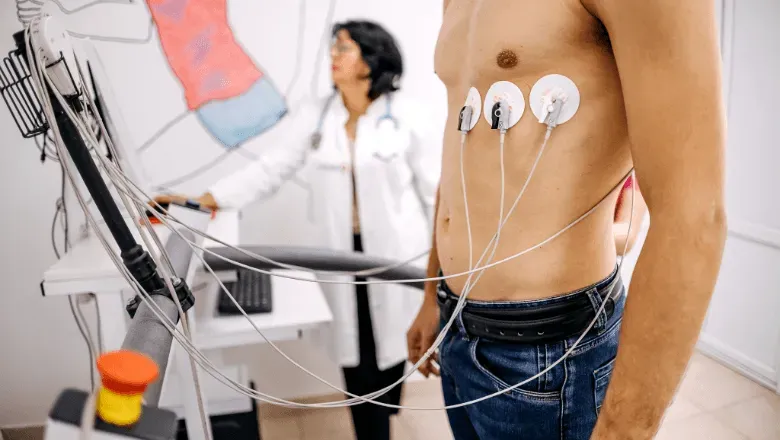
- Step 2 — Cardiac risk stratification: Based on your cardiac assessment, your cardiologist determines your risk level and clears you for exercise. A treadmill stress test may be performed to establish your safe exercise heart rate range and identify any exercise-induced ischemia or arrhythmia.
- Step 3 — Personalized rehab plan: Your cardiologist and physiotherapist collaborate to design a rehabilitation program tailored to your specific condition, functional capacity, and goals. The plan includes exercise type, intensity, duration, and progression schedule.
- Step 4 — Supervised exercise sessions: You attend physiotherapy-led exercise sessions where your heart rate and blood pressure are monitored. The physiotherapist guides your exercise technique, adjusts intensity in real time, and progresses your program as your fitness improves.
- Step 5 — Regular cardiac monitoring: Periodic follow-up visits with your cardiologist include repeat ECG, echocardiogram, or stress testing as indicated. This ensures your heart is responding well to the rehabilitation program and allows medication adjustments as needed.
- Step 6 — Progress review and transition: At program completion, a comprehensive reassessment measures your progress. You receive a detailed home exercise program and long-term maintenance plan for independent continuation of your cardiac recovery.
On-site ECG, echocardiogram, treadmill stress testing, and 24-hour Holter monitoring are all available at DCDC, meaning all the diagnostic tests required during cardiac rehabilitation can be performed in a single location. This eliminates the inconvenience and delays of referrals to external facilities. To understand more about how echocardiograms support cardiac monitoring, read our echocardiogram guide.
"Many patients assume cardiac rehabilitation is optional, but the evidence is clear — structured rehab after a heart event reduces mortality by up to 30%. At DCDC, we combine cardiology expertise with on-site physiotherapy to create truly integrated recovery programs that address both the heart and the whole patient," explains Dr. Shahoo Mazhari, Cardiologist at DCDC.
Benefits of Cardiac Rehabilitation
The benefits of cardiac rehabilitation are supported by decades of clinical research involving hundreds of thousands of patients. The following table summarizes the key evidence-based outcomes:
| Outcome | Evidence |
|---|---|
| Cardiovascular mortality | 20-30% reduction compared to usual care alone |
| Hospital readmissions | Up to 47% reduction in cardiac rehospitalization |
| Exercise capacity | 15-25% improvement in peak oxygen consumption (VO2 max) |
| Quality of life | Significant improvements in physical, emotional, and social functioning |
| Depression and anxiety | 40-50% reduction in depression scores; reduced anxiety symptoms |
| Medication adherence | Higher compliance with prescribed cardiac medications |
| Return to work | Earlier and more successful return to employment |
| Risk factor control | Improved blood pressure, cholesterol, blood sugar, and weight management |
| Smoking cessation | Higher quit rates in patients participating in cardiac rehab |
| Long-term survival | Sustained survival benefit observed at 5 and 10 years of follow-up |
Evidence-based benefits of cardiac rehabilitation. Data compiled from Cochrane reviews, AHA/ACC guidelines, and meta-analyses.
Beyond the statistics, patients consistently report feeling more confident, more in control of their health, and less fearful about physical activity after completing cardiac rehabilitation. The educational component empowers patients to become active participants in their own care rather than passive recipients of treatment.
Cardiac Rehabilitation After Stent Placement
Percutaneous coronary intervention (PCI) with stent placement is one of the most common procedures leading to cardiac rehabilitation referral. After stent placement, the artery has been reopened and blood flow restored, but rehabilitation is essential to address the underlying atherosclerotic disease, optimize risk factors, and build exercise capacity.
Timeline After Stent Placement
- Days 1-3: Rest at home. Light walking within the house is encouraged. Avoid lifting anything heavier than 5 kg. Keep the catheterization site clean and dry.
- Days 3-7: Gradually increase walking distance. Short walks outside the house, 10-15 minutes, 1-2 times per day. Continue to avoid heavy lifting and strenuous activity.
- Weeks 2-4: Begin outpatient cardiac rehabilitation (Phase II). Initial supervised exercise sessions with cardiac monitoring. Walking up to 20-30 minutes at moderate pace.
- Weeks 4-8: Progressive increase in exercise intensity and duration. Introduction of resistance training. Most patients can resume driving (check with cardiologist).
- Weeks 8-12: Continue supervised rehabilitation with increasing independence. Many patients can return to work during this period, depending on job demands.
- 3 months onwards: Transition to independent exercise program. Regular cardiology follow-up continues with repeat stress testing at 3-6 months.
Medication compliance after stent placement is critical. Dual antiplatelet therapy (typically aspirin plus clopidogrel, prasugrel, or ticagrelor) must be taken consistently to prevent stent thrombosis. Missing even a few days can have serious consequences. The cardiac rehabilitation program includes medication education to reinforce adherence.
Cardiac Rehabilitation After Heart Bypass Surgery
Recovery after coronary artery bypass grafting (CABG) follows a longer and more gradual trajectory than after stent placement, primarily because bypass surgery involves a major sternotomy (opening of the chest bone) that requires 8-12 weeks to heal fully. The rehabilitation program must account for sternotomy precautions while still progressing exercise to optimize cardiac outcomes.
CABG Recovery Timeline
- Weeks 1-2 (Hospital and early home): Phase I rehabilitation begins in hospital with assisted mobilization. Breathing exercises (incentive spirometry) are critical to prevent pulmonary complications. At home, short walks of 5-10 minutes, 2-3 times daily. Strict sternal precautions: no pushing, pulling, or lifting more than 2-3 kg.
- Weeks 3-4: Gradual increase in walking duration to 15-20 minutes. Sternal precautions continue. Pain should be managed but is expected to decrease. Sleep may still be disrupted; sleeping semi-upright or using a heart pillow for support is helpful.
- Weeks 5-6: Begin outpatient cardiac rehabilitation (Phase II). Supervised walking and gentle lower-body exercises. Upper body exercises are limited until sternal healing is confirmed. Echocardiogram may be performed to assess cardiac function.
- Weeks 7-8: Progressive increase in exercise intensity. Gradual introduction of light upper body exercises as sternum heals. Most patients notice significant improvement in energy levels.
- Weeks 9-12: Full cardiac rehabilitation with aerobic and resistance training. Sternal precautions are typically relaxed after 10-12 weeks once healing is confirmed. Many patients return to driving and light work.
- 3-6 months: Ongoing supervised and then independent exercise. Stress test performed to assess cardiac function under exertion. Return to full occupational and recreational activities for most patients.
Breathing exercises deserve special emphasis after bypass surgery. Deep breathing with an incentive spirometer, performed 10 times per hour while awake during the first 2-4 weeks, is essential for preventing atelectasis (lung collapse) and pneumonia. Coughing, while painful, should be done using a splinting pillow held against the chest to support the sternum. The physiotherapy team at DCDC provides detailed instruction and supervision of these critical respiratory exercises.
Lifestyle Changes During Cardiac Recovery
Cardiac rehabilitation extends beyond supervised exercise sessions to encompass fundamental lifestyle changes that reduce long-term cardiovascular risk. The following modifications form the foundation of secondary prevention after any cardiac event:
Heart-Healthy Diet
The Mediterranean diet has the strongest evidence for cardiovascular risk reduction, with studies showing a 30% reduction in major cardiac events. Key principles include abundant fruits and vegetables (5+ servings per day), whole grains over refined carbohydrates, olive oil as the primary fat source, fish 2-3 times per week for omega-3 fatty acids, limited red meat (1-2 times per week maximum), nuts and legumes as protein sources, and minimal processed foods and added sugars. Sodium intake should be limited to less than 2,000 mg per day to support blood pressure control.
Smoking Cessation
Quitting smoking is the single most impactful lifestyle change a cardiac patient can make. Continued smoking after a heart event doubles the risk of recurrent myocardial infarction and death. Within one year of quitting, the excess risk of coronary heart disease drops by 50%. Cardiac rehabilitation programs offer counseling and support for smoking cessation, including referral for pharmacological aids such as nicotine replacement therapy, varenicline, or bupropion when appropriate.
Stress Management
Chronic psychological stress is an independent risk factor for cardiovascular disease. After a cardiac event, many patients experience anxiety about their heart, fear of exertion, depression, and relationship strain. Structured stress management techniques including regular physical activity, deep breathing exercises, progressive muscle relaxation, adequate sleep (7-9 hours per night), and maintaining social connections are all associated with improved cardiac outcomes. Professional psychological support should be sought when depression or anxiety is significant.
Dubai-Specific Considerations
Patients undertaking cardiac rehabilitation in Dubai face some unique environmental considerations. During the summer months (June through September), outdoor temperatures regularly exceed 45 degrees Celsius with high humidity. Exercising outdoors in these conditions is dangerous for cardiac patients. All outdoor exercise should be performed in the early morning (before 7 AM) or evening (after 7 PM), or ideally in an air-conditioned indoor environment. Hydration is critical: cardiac patients should drink adequate water throughout the day while following any fluid restriction guidelines from their cardiologist, particularly those with heart failure.
During Ramadan, cardiac patients should consult their cardiologist before fasting. Some patients with stable conditions can fast safely with medication timing adjustments, while others, particularly those with heart failure, recent cardiac events, or complex medication regimens, may be medically exempt from fasting. Dehydration and hypoglycemia during fasting hours can be dangerous for cardiac patients, and medication schedules may need to be restructured to the suhoor and iftar periods.
Insurance Coverage for Cardiac Rehabilitation in Dubai
Cardiac rehabilitation is considered a medically necessary service by most major insurance providers in the UAE when prescribed by a cardiologist following a qualifying cardiac event. Coverage typically includes cardiology consultations, diagnostic tests (ECG, echocardiogram, stress test), and a specified number of physiotherapy sessions.
- DHA Essential Benefits Plan: The mandatory Dubai Health Authority insurance plan covers cardiac rehabilitation as part of inpatient and outpatient cardiology benefits. Number of physiotherapy sessions may vary by specific plan.
- Daman: National Health Insurance Company plans generally cover cardiac rehabilitation including supervised exercise sessions, with pre-authorization typically required.
- AXA: Most AXA plans cover cardiac rehabilitation physiotherapy sessions when referred by a cardiologist. The number of approved sessions typically ranges from 12 to 24.
- Bupa Global: Comprehensive coverage for cardiac rehabilitation including physiotherapy, with higher-tier plans offering more sessions and fewer restrictions.
- Other major providers: Cigna, MetLife, Allianz, and other major insurers operating in Dubai generally cover cardiac rehabilitation. Coverage details and session limits vary by plan.
DCDC offers direct billing with 20+ insurance providers including Daman, AXA, and Bupa. Our patient services team handles pre-authorization and claims processing, so patients can focus on their recovery rather than paperwork. For patients without insurance or with limited coverage, self-pay pricing is available with transparent fee structures.
Book Your Cardiac Rehabilitation Consultation
At Doctors Clinic Diagnostic Center in Dubai Healthcare City, our integrated cardiology and physiotherapy team provides comprehensive cardiac rehabilitation. Direct billing with 20+ insurers. Building 64, Block A, DHCC. Free parking available.
Related Services at DCDC
Expert care and advanced diagnostics at Dubai Healthcare City
Frequently Asked Questions
Final Thoughts
Cardiac rehabilitation is not an optional add-on to cardiac care — it is an essential, evidence-based treatment that significantly improves survival, reduces rehospitalization, and enhances quality of life after a heart event. The evidence supporting cardiac rehab is among the strongest in medicine, with consistent data showing 20-30% mortality reduction across decades of research and hundreds of trials.
If you or a family member has experienced a heart attack, received a coronary stent, undergone bypass surgery, or been diagnosed with heart failure, starting a structured cardiac rehabilitation program should be a priority. The sooner rehabilitation begins after your cardiac event, the better the outcomes.
At Doctors Clinic Diagnostic Center in Dubai Healthcare City, our integrated cardiology and physiotherapy team provides comprehensive cardiac rehabilitation under one roof. With on-site ECG, echocardiogram, stress testing, and Holter monitoring, every aspect of your cardiac recovery is managed in a single MOHAP-licensed facility. DCDC's 4.8/5 Google rating from over 1,000 verified reviews reflects our commitment to patient-centered care. Contact us to schedule your cardiac rehabilitation consultation. Building 64, Block A, Dubai Healthcare City. Free parking. Extended hours available.
Sources & References
This article was reviewed by our medical team and references the following sources:
- WHO - Cardiovascular Diseases (CVDs) Fact Sheet
- American Heart Association - Cardiac Rehabilitation
- NHS - Cardiac Rehabilitation
- Mayo Clinic - Cardiac Rehabilitation
- Cleveland Clinic - Cardiac Rehabilitation
- Cochrane Review - Exercise-Based Cardiac Rehabilitation for Coronary Heart Disease
Medical content on this site is reviewed by DHA-licensed physicians. See our editorial policy for more information.

Written by
Dr. Shahoo Mazhari
Cardiologist
MD, Cardiology
Dr. Shahoo Mazhari is a Cardiologist at Doctors Clinic Diagnostic Center (DCDC) in Dubai Healthcare City.
Related Articles

Heart Screening Dubai: Checkup Packages & Prevention (2026)
Cardiac Stress Test Dubai: Cost & What to Expect (2026)
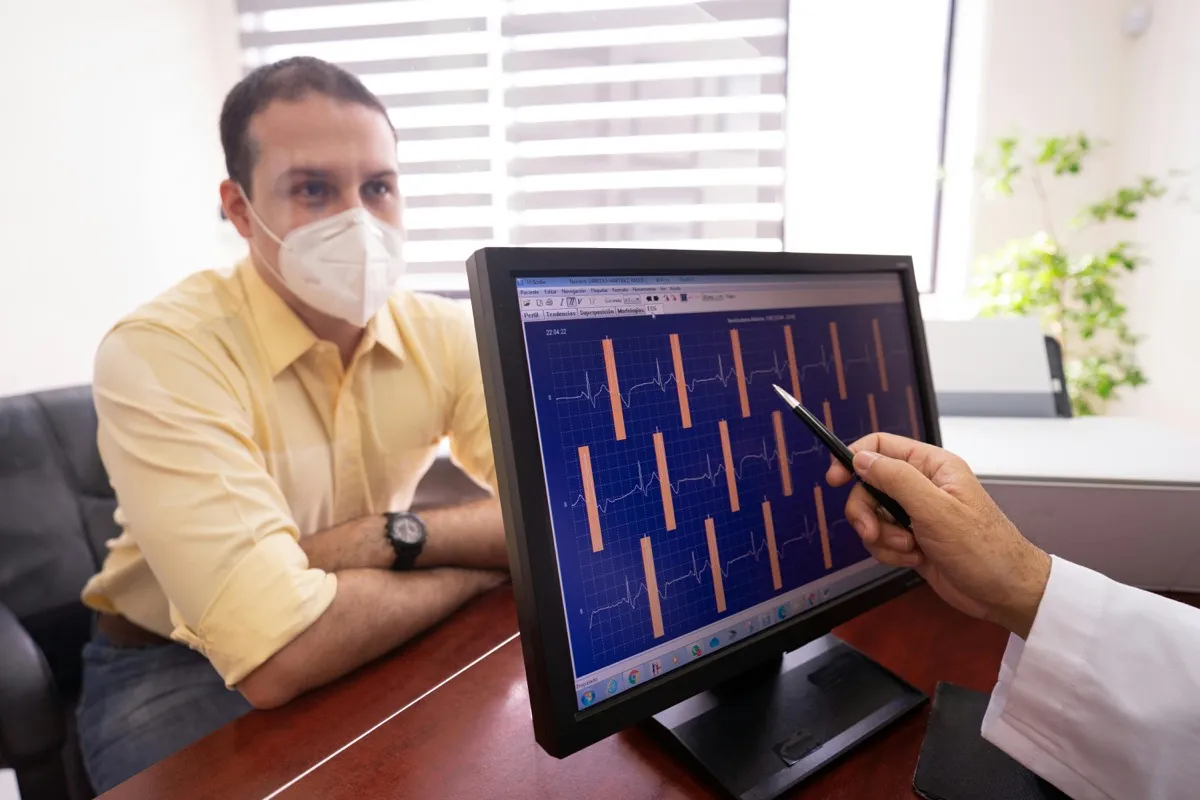
Echocardiogram Dubai: Types & What It Shows (2026)
Heart Disease Symptoms Dubai: 8 Signs to Watch (2026)
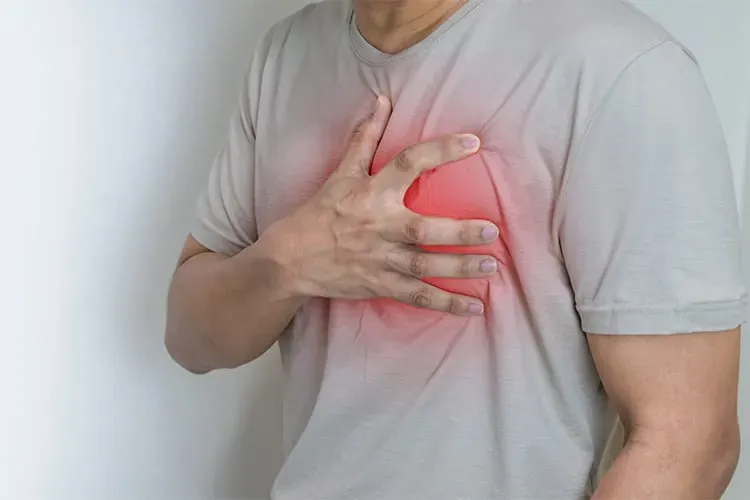
Chest Pain Dubai: Causes & When to Worry (2026)
More in Cardiology
Heart Tests Dubai: ECG, Echo & Stress Test Cost (2026)
Read More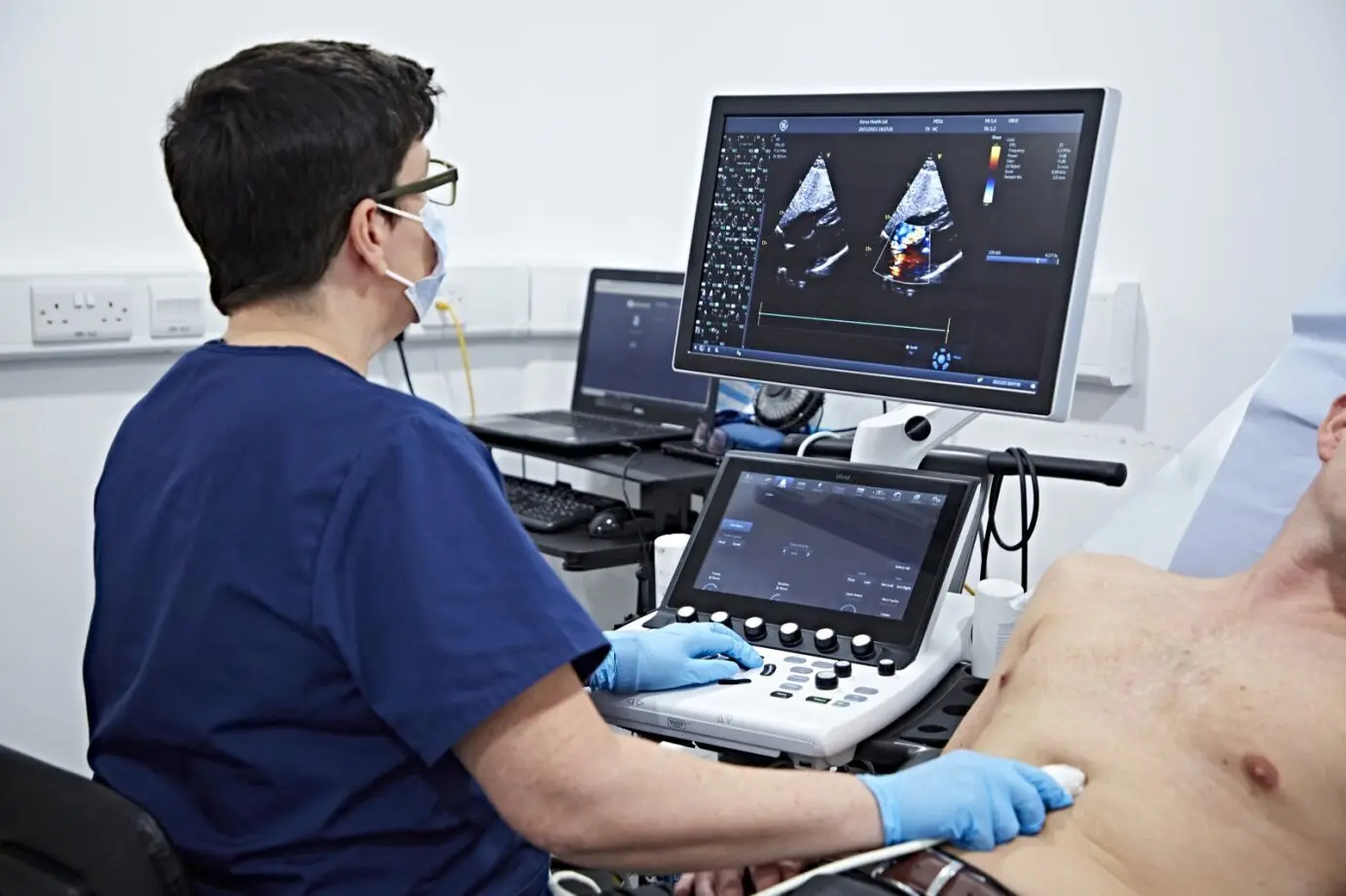
Echo Test Cost Dubai: 2D Echo Price & What It Includes
Read MoreHeart Checkup Dubai: Cardiac Packages From AED 249 (2026)
Read MoreHeart Screening Dubai: Checkup Packages & Prevention (2026)
Read MoreHolter Monitor Prep Dubai: What to Expect (2026)
Read MoreWhen to See a Cardiologist Dubai (2026)
Read More© 2026 Doctors Clinic Diagnostic Center (DCDC), Dubai Healthcare City. Originally published at https://doctorsclinicdubai.ae/blog/cardiac-rehabilitation-dubai. All rights reserved. Unauthorized reproduction is prohibited.