Key Takeaways
- A stress test evaluates how your heart performs under physical exertion, mainly to detect blocked coronary arteries; an echocardiogram images your heart's structure at rest, mainly to detect valve and muscle problems
- Stress tests require walking on a treadmill using the Bruce Protocol and take 30-45 minutes total; echocardiograms are painless ultrasound scans that also take about 30-45 minutes with no exercise involved
- Echocardiograms use zero radiation and need no preparation; stress tests require stopping certain medications like beta blockers 24-48 hours beforehand under physician guidance
- At DCDC, a stress test starts from AED 900, while echocardiogram pricing is competitively set and confirmed during your cardiology consultation
- Many patients need both tests together (a "stress echo") when a cardiologist wants to see how the heart's structure and pumping function respond specifically to exertion
- Stress test results are discussed immediately after the test; echocardiogram results are typically ready in 18-24 hours, with same-day turnaround for urgent cases
If your doctor has recommended a heart test but you are not sure whether you need a stress test or an echocardiogram, you are not alone. Both are common, non-invasive tests ordered during a cardiology consultation in Dubai, yet they answer completely different clinical questions. A stress test evaluates how your heart copes with physical exertion, while an echocardiogram images the heart's internal structure and pumping function at rest. This guide compares both tests side by side so you can understand exactly what each one detects, what to expect, and which one your symptoms may point toward.
Patients in Dubai often assume these two tests are interchangeable simply because both fall under "cardiac testing." In reality, a stress test and an echocardiogram examine different aspects of heart health, and in many cases a cardiologist will order both together for a complete picture. Below, we break down the purpose, preparation, cost, and decision-making process for each test, plus what actually happens when you come in for either procedure at DCDC in Dubai Healthcare City.
What Is a Cardiac Stress Test?
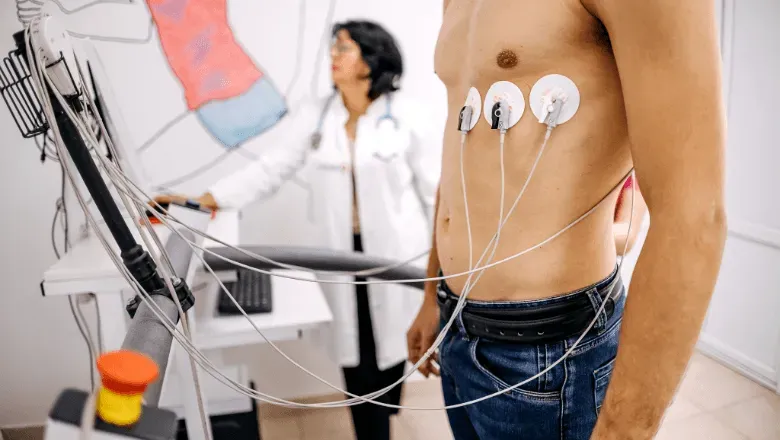
A cardiac stress test (also called an exercise stress test or treadmill test) measures how your heart responds to increasing physical demand. You walk on a treadmill while a cardiologist monitors your heart's electrical activity via ECG, your blood pressure, and your symptoms in real time. As your heart rate rises, any coronary artery narrowing that limits blood flow to the heart muscle becomes apparent as changes on the ECG tracing or as symptoms like chest discomfort or unusual shortness of breath.
At DCDC, stress tests are performed using the Bruce Protocol, the gold-standard exercise protocol recommended by the American Heart Association. The treadmill speed and incline increase in three-minute stages, gradually pushing the heart toward its target rate under continuous supervision. A board-certified cardiologist personally supervises every stress test at DCDC, monitoring for warning signs and stopping the test immediately if anything concerning appears.
- Primary purpose: Detecting coronary artery disease (narrowed or blocked heart arteries) that may not show up on a resting ECG
- Also detects: Exercise-induced arrhythmias (abnormal rhythms that only appear during exertion), abnormal blood pressure response to exercise, and overall exercise capacity
- Total appointment time: 30-45 minutes, including preparation, the exercise portion (10-15 minutes), and recovery monitoring
- Requires physical exertion: Yes - you must be able to walk on a treadmill; a pharmacological (medication-induced) alternative exists for patients who cannot exercise due to knee, hip, or mobility limitations
What Is an Echocardiogram?
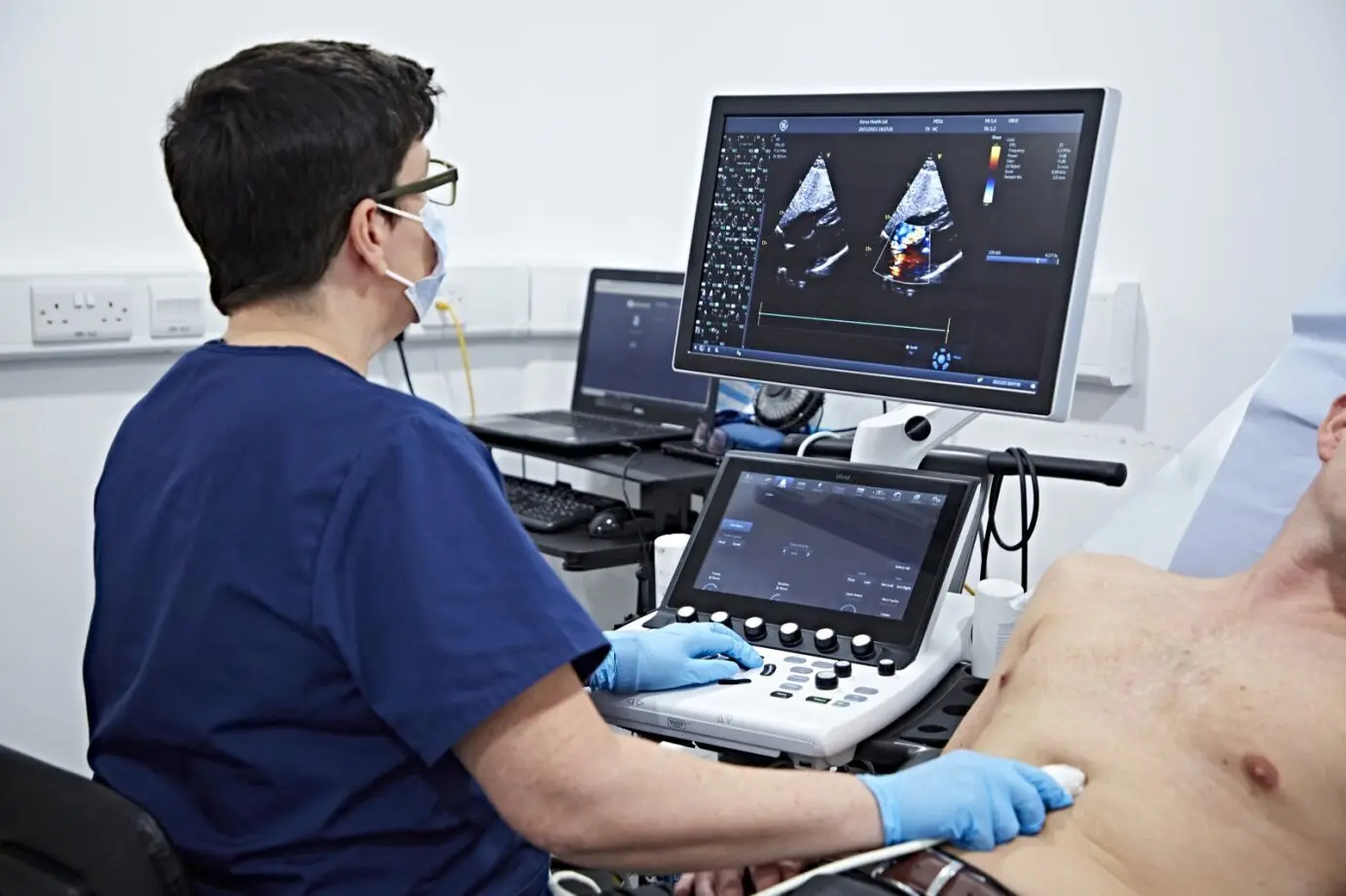
An echocardiogram (echo) uses ultrasound waves, the same painless technology used in pregnancy scans, to create real-time moving images of your heart. A trained sonographer or cardiologist places a small probe on your chest, and sound waves bounce off the heart's structures to produce detailed images of the chambers, valves, and surrounding tissue, along with the direction and speed of blood flow using Doppler technology.
Unlike a stress test, an echocardiogram is performed entirely at rest. There is no treadmill, no exercise, and no physical exertion required. It is completely non-invasive, involves zero radiation, and causes no pain beyond mild pressure from the probe against the skin.
- Primary purpose: Evaluating heart structure, including chamber size, wall thickness, valve function, and ejection fraction (pumping efficiency)
- Also detects: Valve disease (stenosis or regurgitation), cardiomyopathy, pericardial effusion (fluid around the heart), and congenital heart defects
- Total appointment time: 30-45 minutes, with the imaging portion itself taking 20-40 minutes
- Requires physical exertion: No - the standard echocardiogram is performed entirely at rest, making it safe for patients who cannot exercise, including pregnant women and those with joint or mobility limitations
Stress Test vs Echo: Side-by-Side Comparison
The table below summarizes the core differences between the two tests. Neither test replaces the other - they answer different clinical questions, which is why your cardiologist may recommend one, the other, or both depending on your symptoms and risk profile.
| Feature | Stress Test | Echocardiogram |
|---|---|---|
| Purpose | Assess heart function under physical exertion; detect coronary artery disease | Assess heart structure and pumping function at rest; detect valve and muscle problems |
| Duration | 30-45 minutes (10-15 min exercise) | 30-45 minutes (20-40 min imaging) |
| Preparation | Stop beta blockers 24-48 hrs before (per physician instruction); avoid caffeine; comfortable shoes | None required - eat and drink normally |
| Radiation | None | None |
| Cost in Dubai | From AED 900 | Competitively priced - confirmed at consultation |
| Results timeline | Discussed immediately after the test | 18-24 hours; same-day for urgent cases |
| What it detects | Coronary artery disease, exercise-induced arrhythmias, exercise capacity, blood pressure response | Valve disease, ejection fraction, cardiomyopathy, pericardial effusion, congenital defects |
| Ideal for | Chest pain on exertion, known or suspected coronary artery disease, exercise capacity assessment, pre-clearance for intense activity | Heart murmur, breathlessness, suspected heart failure, valve disease monitoring, pregnancy-safe cardiac screening |
Stress test and echocardiogram measure different aspects of cardiac health - most complete evaluations may involve either or both.
If you are still unsure which test applies to your symptoms, our companion guide on the ECG vs Echocardiogram comparison explains how these two tests differ from a stress test as well, since ECG, echo, and stress testing are often confused with one another despite testing very different things.
When Your Cardiologist Recommends Each Test
Think of the decision process as a simple branch: what is the specific concern being investigated?
A Stress Test Is Usually Recommended When:
- You experience chest pain, tightness, or pressure specifically during physical activity or exertion
- You have known risk factors for coronary artery disease (diabetes, high cholesterol, hypertension, smoking history, family history) and need a baseline cardiac risk assessment
- You need medical clearance before starting an intense exercise program or returning to sport after age 40-45
- Your resting ECG was inconclusive but symptoms suggest exertion-related heart strain
- You have had a previous heart attack or angioplasty and your cardiologist wants to assess your current exercise tolerance
An Echocardiogram Is Usually Recommended When:
- A heart murmur was detected during a physical examination
- You experience unexplained shortness of breath, especially when lying flat or with mild exertion, without a clear exertional trigger
- You have swelling in the legs or ankles that could indicate heart failure
- You have been diagnosed with high blood pressure and need to check for its effects on heart muscle thickness
- You are pregnant and need cardiac screening without any radiation or physical strain
- You have a known heart condition requiring monitoring of ejection fraction or valve function over time
What Each Test Actually Measures
A stress test primarily tracks your ECG tracing, heart rate, and blood pressure as workload increases in stages. The cardiologist is watching for ST-segment changes on the ECG that suggest reduced blood flow to part of the heart muscle (ischemia), abnormal rhythms that only appear under exertion, and whether your blood pressure rises appropriately or drops abnormally, which can itself be a warning sign. Your subjective symptoms - chest discomfort, breathlessness, dizziness, or fatigue relative to your workload - are documented throughout.
An echocardiogram, by contrast, measures physical dimensions and motion. The sonographer captures multiple views of the heart to measure chamber size, wall thickness, and valve movement. Doppler ultrasound overlays color-coded blood flow information, allowing the cardiologist to detect turbulent flow across a narrowed valve or backward leakage through a valve that does not close properly. The single most important number generated is the ejection fraction - the percentage of blood pumped out of the left ventricle with each heartbeat, normally 55-70%. A reduced ejection fraction is a hallmark finding in heart failure.
Preparation Comparison: What to Do Before Each Test
Preparation requirements differ significantly between the two tests, and getting this wrong can mean rescheduling your appointment.
| Step | Before a Stress Test | Before an Echocardiogram |
|---|---|---|
| Medications | Stop beta blockers and certain heart medications 24-48 hours before, only on your cardiologist's instruction - never stop medication on your own | No medication changes needed |
| Food and drink | Avoid heavy meals and caffeine for 3-4 hours prior; light snack acceptable | Eat and drink normally - no restrictions |
| Clothing | Comfortable clothing and walking shoes suitable for treadmill exercise | Comfortable clothing you can partially remove from the chest area |
| Physical readiness | Avoid strenuous exercise the day of the test before your appointment | No special physical preparation needed |
Never stop a prescribed medication before a stress test without confirming with your cardiologist first.
This difference in preparation reflects the underlying purpose of each test. A stress test needs your heart to reach a genuine target heart rate to detect coronary artery disease accurately, so medications that blunt your heart rate response (like beta blockers) can mask a problem if not paused appropriately. An echocardiogram, however, images physical structures that do not change based on recent food intake or medication timing, which is why patients often ask about early heart disease symptoms and are relieved to learn the echo portion of their evaluation needs no special prep at all.
Cost Comparison in Dubai
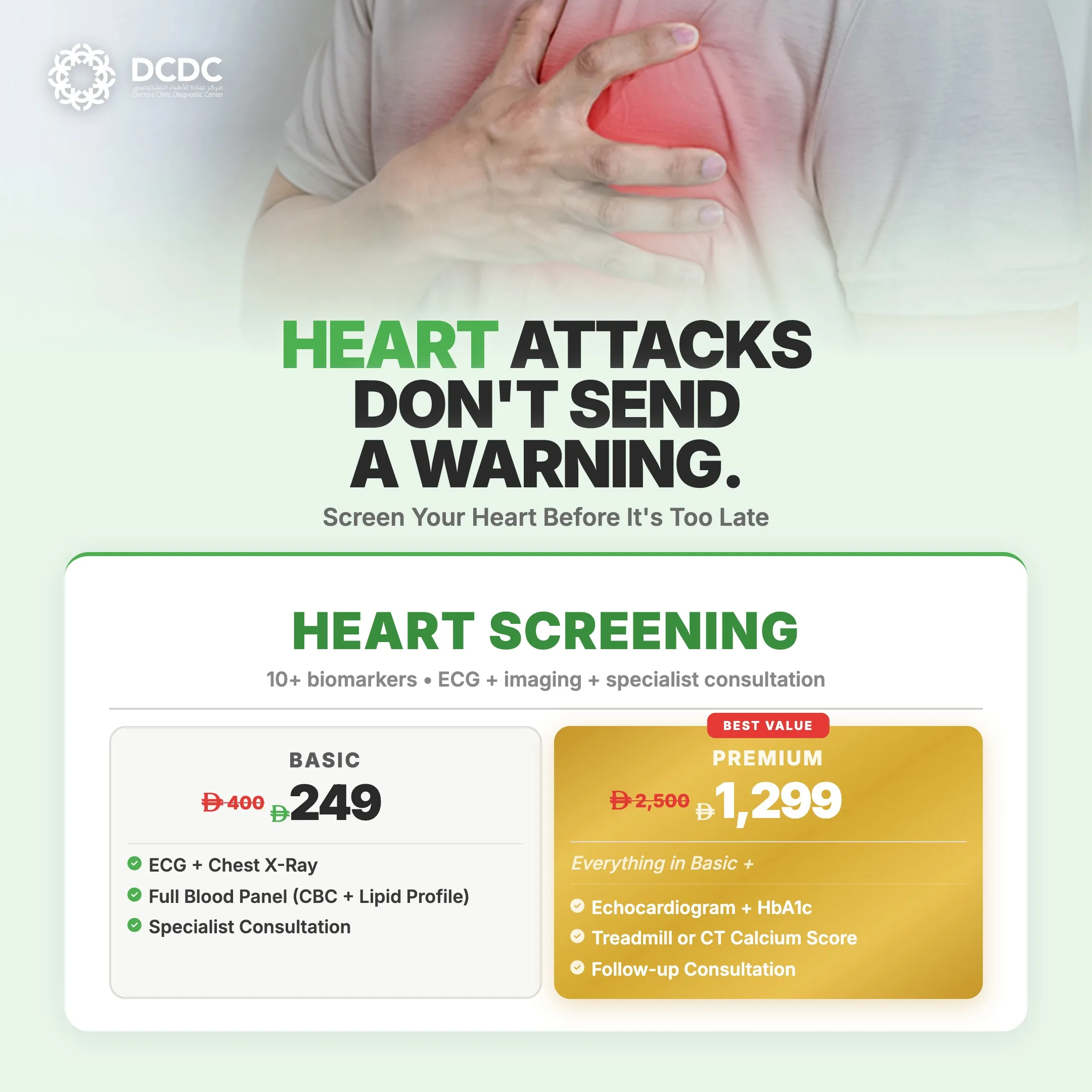
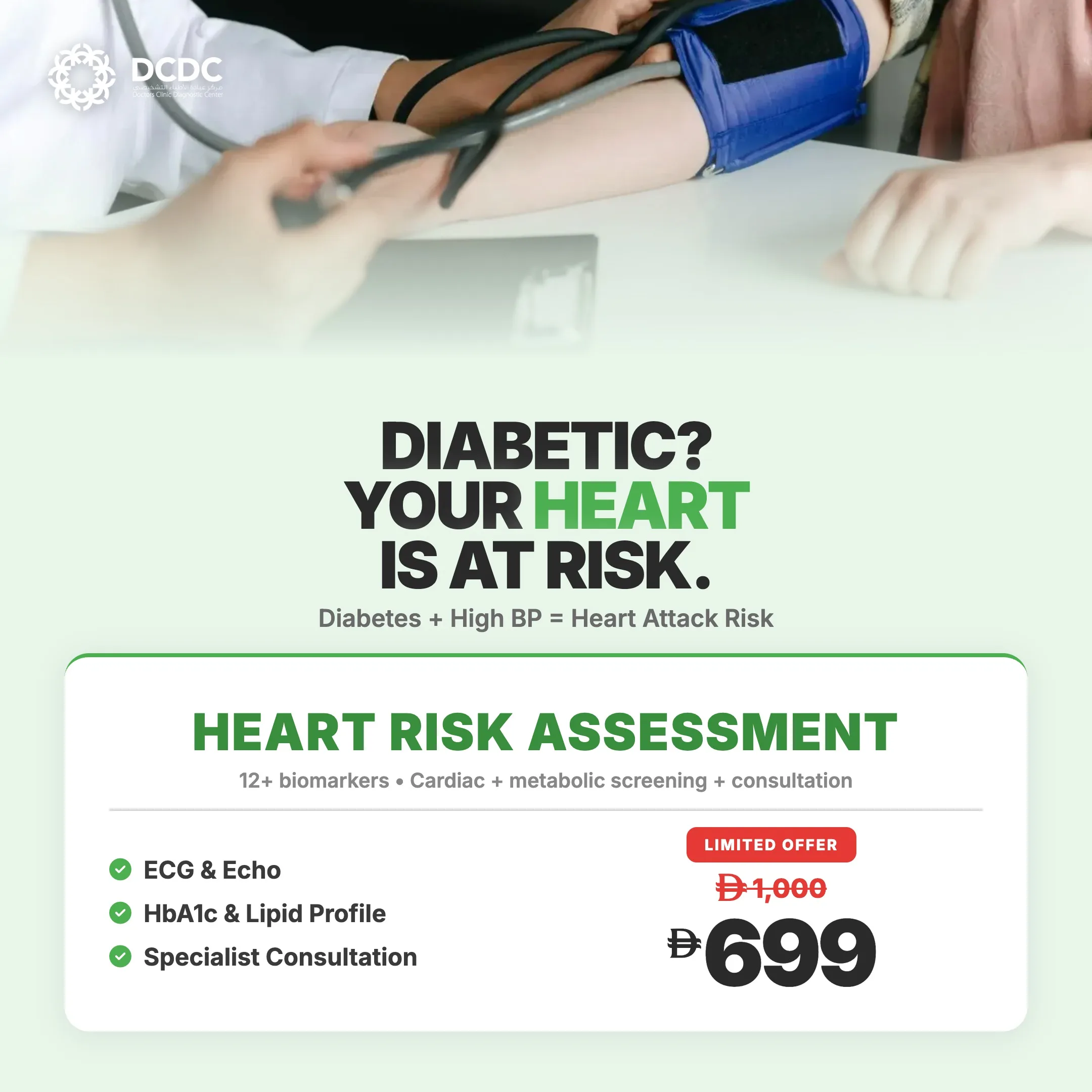
Pricing for cardiac tests in Dubai varies by clinic, equipment, and whether the test is bundled with a cardiology consultation. At DCDC, a stress test starts from AED 900, which includes cardiologist supervision, ECG monitoring throughout, and an immediate results discussion. Echocardiogram pricing at DCDC is competitively positioned within the Dubai market and is confirmed precisely during your cardiology consultation, since final pricing can depend on whether a basic or comprehensive Doppler study is required.
| Test | Starting Price (AED) | What's Included |
|---|---|---|
| Cardiac stress test | From AED 900 | Bruce Protocol treadmill test, continuous ECG monitoring, cardiologist supervision, immediate results discussion |
| Echocardiogram (TTE) | Competitively priced - confirmed at consultation | Structural imaging, Doppler blood flow assessment, ejection fraction measurement, cardiologist interpretation |
| Cardiology consultation | From AED 300-500 (varies by package) | Clinical assessment, risk factor review, test recommendation, results review |
| Combined stress echo | Priced as a package - confirmed at consultation | Both structural and exertional cardiac assessment in a single combined test |
Prices reflect starting rates at DCDC; final cost depends on your specific clinical needs and insurance coverage.
Both tests are typically covered by insurance in Dubai when medically indicated and ordered by a cardiologist. DCDC offers direct billing with 20+ insurance providers, which means most patients do not need to pay out of pocket or file for reimbursement afterward - this is confirmed at the front desk before your test begins.
Not Sure Which Test You Need?
Book a cardiology consultation at DCDC and our cardiologist will determine whether a stress test, echocardiogram, or both are right for your symptoms.
Call or WhatsApp to schedule same-week
What to Expect at DCDC
Stress Test Day at DCDC
When you arrive at DCDC in Dubai Healthcare City, you will check in at the front desk, where free parking and extended hours until 10 PM make scheduling around work simple. After a brief review of your medical history and current medications, electrodes are placed on your chest for continuous ECG monitoring, and a blood pressure cuff is applied. You then begin walking on the treadmill following the Bruce Protocol, with speed and incline increasing every three minutes while a board-certified cardiologist watches your ECG tracing, blood pressure, and symptoms in real time. The test typically lasts 10-15 minutes of active exercise, followed by a short recovery monitoring period. Because DCDC has on-site ECG, echo, stress test, and Holter monitoring capability under one roof, your cardiologist can order any follow-up test immediately if something requires further evaluation - no separate appointment or referral needed. Results and their clinical meaning are discussed with you immediately after the test, the same day.
Echocardiogram Day at DCDC
For an echocardiogram, no special preparation is needed - you can eat and drink normally beforehand. After check-in, you will lie on an examination table, and a small amount of gel is applied to your chest to help the ultrasound probe glide smoothly and improve image quality. The sonographer or cardiologist moves the probe across several positions on your chest to capture multiple views of the heart, a process that takes roughly 20-40 minutes. There is no pain, no radiation, and no recovery time needed - you can resume normal activities immediately afterward. Because the test is entirely non-invasive, it is safe during pregnancy and for patients with joint or mobility limitations who cannot undergo treadmill testing. Results are typically ready within 18-24 hours, with same-day turnaround available for urgent clinical situations, and your cardiologist will personally walk you through the findings and any recommended next steps.
Patients frequently tell us that understanding the difference between these two tests in advance makes the actual appointment far less stressful - part of why DCDC maintains a 4.8/5 Google rating from over 1,000 verified patient reviews and a 98% patient satisfaction rate, with many reviews specifically mentioning clear communication before and after cardiac testing.
Can You Need Both Tests?
Yes, and it is more common than many patients expect. A stress test and an echocardiogram evaluate different mechanisms of heart disease, and many cardiac conditions involve both an electrical/circulatory component and a structural one. For example, a patient with exertional chest pain and a heart murmur may need a stress test to evaluate for coronary artery disease and an echocardiogram to characterize the murmur's source. Similarly, a patient recovering from a heart attack may need an echocardiogram to assess the extent of muscle damage and a stress test to determine safe activity levels going forward.
If you experience symptoms like unexplained chest discomfort, this chest pain causes guide explains which warning signs typically warrant a stress test, an echo, or urgent evaluation of both together. In general, a cardiologist orders both tests when the clinical picture involves overlapping risk factors, when initial findings from one test raise questions that only the other test can answer, or when a comprehensive baseline cardiac assessment is needed for a patient with multiple risk factors.
Stress Echo: The Combined Test
A stress echocardiogram (stress echo) combines both tests into a single, more powerful evaluation. Instead of relying only on ECG changes during exercise, the cardiologist captures echocardiogram images of your heart both before exercise and immediately after peak exertion. This allows direct visualization of how well the heart muscle contracts under stress - areas of the heart that receive inadequate blood flow due to coronary artery narrowing often show visibly reduced wall motion on the post-exercise images, even when the ECG changes are subtle or ambiguous.
- Why it's ordered: Higher diagnostic accuracy for coronary artery disease than a standard stress test alone, particularly in patients with abnormal baseline ECGs or inconclusive standard stress test results
- Who benefits most: Patients with an equivocal standard stress test, women (whose ECG changes during ischemia can be less specific), and patients being evaluated before major non-cardiac surgery
- What to expect: The same treadmill exercise as a standard stress test, with an additional echocardiogram scan performed immediately before and right after peak exertion
What Our Cardiologist Recommends
"Patients often ask me to just pick the 'better' test, but that is the wrong question. A stress test tells me whether your coronary arteries are supplying enough blood during exertion. An echocardiogram tells me whether your heart's structure and pumping function are normal at rest. If your symptoms only happen with exercise - chest tightness climbing stairs, for example - I usually start with a stress test. If I hear a murmur or you are breathless even at rest, I go straight to an echo. When the picture is unclear, or when a patient has several risk factors, I will often order a stress echo so I can see both pieces of information from one combined test," explains Dr. Shahoo Mazhari, cardiologist at DCDC. He adds that most of his patients are relieved to learn neither test is invasive, and that DCDC's on-site cardiology setup means a follow-up test can often be scheduled the same week rather than requiring a referral elsewhere in Dubai.
Complete Cardiac Testing in Dubai Healthcare City
At Doctors Clinic Diagnostic Center (DCDC), we offer on-site stress testing, echocardiography, ECG, and Holter monitoring - MOHAP-licensed, with direct billing across 20+ insurance providers and free parking.
Same-week appointments available
Related Services at DCDC
Expert care and advanced diagnostics at Dubai Healthcare City
Frequently Asked Questions
Final Thoughts
A stress test and an echocardiogram are not competing options - they are complementary tools that answer different clinical questions about your heart. A stress test reveals how your heart performs under physical demand, making it the go-to test for coronary artery disease. An echocardiogram reveals the physical structure and pumping efficiency of your heart at rest, making it the go-to test for valve disease, heart failure, and structural abnormalities.
If your symptoms occur specifically during exertion, a stress test is likely your starting point. If you have a heart murmur, unexplained breathlessness, or need a radiation-free, exertion-free evaluation, an echocardiogram is usually recommended first. When the clinical picture is more complex, a combined stress echo or both tests together may be needed for a complete answer.
The most reliable way to know which test - or combination of tests - applies to your specific situation in Dubai is a cardiology consultation. At Doctors Clinic Diagnostic Center in Dubai Healthcare City, our cardiology team offers on-site stress testing, echocardiography, ECG, and Holter monitoring, so your entire cardiac work-up can often be completed in a single visit.
Sources & References
This article was reviewed by our medical team and references the following sources:
- American Heart Association - Exercise Stress Test
- American College of Cardiology - Stress Testing Guidelines
- Mayo Clinic - Echocardiogram Overview
- Cleveland Clinic - Stress Test
- NHS - Echocardiogram
- World Health Organization - Cardiovascular Diseases
Medical content on this site is reviewed by DHA-licensed physicians. See our editorial policy for more information.

Written by
Dr. Shahoo Mazhari
Cardiologist
MD, Cardiology
Dr. Shahoo Mazhari is a Cardiologist at Doctors Clinic Diagnostic Center (DCDC) in Dubai Healthcare City.
Related Articles
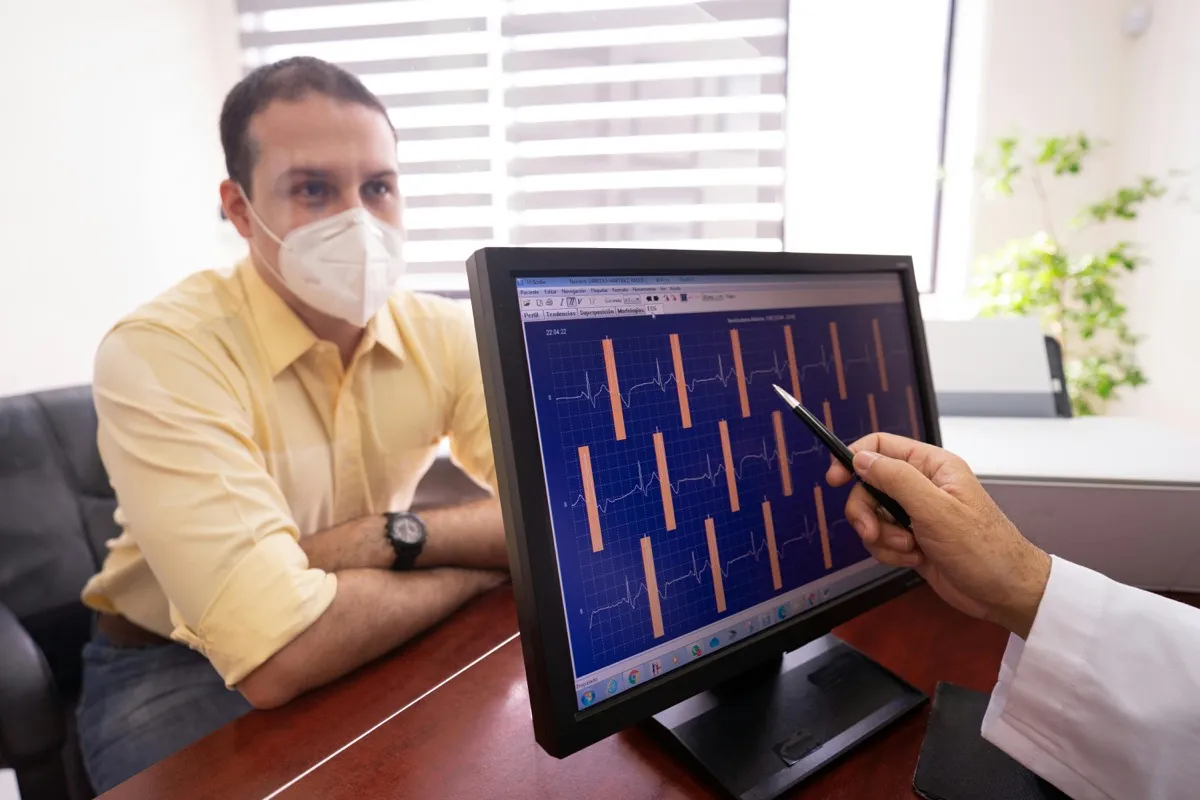
ECG vs Echocardiogram: Differences Explained
Heart Disease Symptoms Dubai: 8 Signs to Watch
Echo Test Cost Dubai: AED 800-2,000
Cardiac Stress Test Dubai: Cost & What to Expect

Heart Screening Dubai: Checkup Packages & Prevention
More in Cardiology
Holter Monitor Prep Dubai: What to Expect (2026)
Read More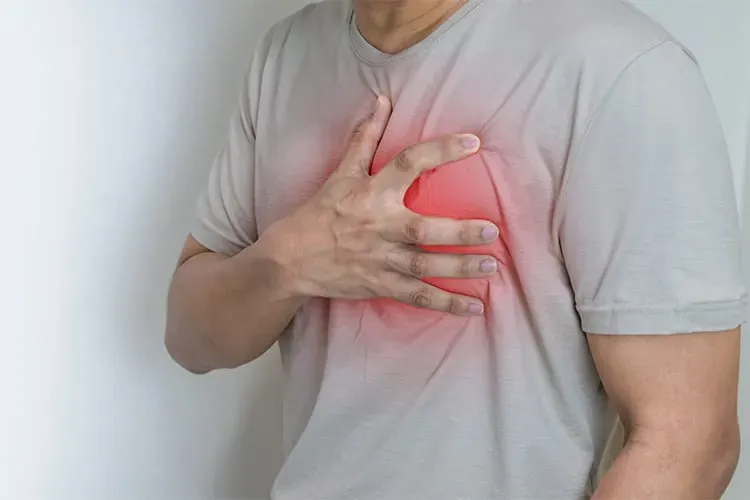
When to See a Cardiologist Dubai (2026)
Read MoreEcho Test Preparation Dubai: What to Expect (2026)
Read MoreHeart Attack vs Panic Attack Dubai: Signs (2026)
Read MoreHeart Failure Warning Signs Dubai (2026)
Read MoreStress Test Cost Dubai: AED 800–5,000 (2026)
Read More© 2026 Doctors Clinic Diagnostic Center (DCDC), Dubai Healthcare City. Originally published at https://doctorsclinicdubai.ae/blog/stress-test-vs-echo-dubai. All rights reserved. Unauthorized reproduction is prohibited.