Key Takeaways
- The core heart failure symptoms are breathlessness (especially lying flat or at night), persistent fatigue, and swelling in the legs, ankles, or abdomen — these often develop gradually over weeks or months and are easy to mistake for ageing, poor fitness, or Dubai's heat
- Heart failure is classified into 4 NYHA stages (I-IV) based on how much symptoms limit physical activity, ranging from no limitation (Stage I) to symptoms at complete rest (Stage IV) — knowing your stage guides treatment intensity
- Heart failure is not the same as a heart attack — a heart attack is a sudden blockage that damages heart muscle in minutes, while heart failure is a gradual decline in the heart's pumping or filling ability that develops over time, though a heart attack can be a cause of heart failure
- Sudden, severe breathlessness, pink frothy sputum, chest pain, or fainting are emergency warning signs requiring immediate care, while gradual swelling, weight gain, or increasing tiredness warrant a prompt but scheduled cardiology visit
- Dubai residents face elevated heart failure risk from high rates of diabetes (~17% of adults), hypertension, obesity (~30%), and a sedentary, heat-limited lifestyle that accelerates the underlying coronary artery disease and hypertensive heart disease that lead to heart failure
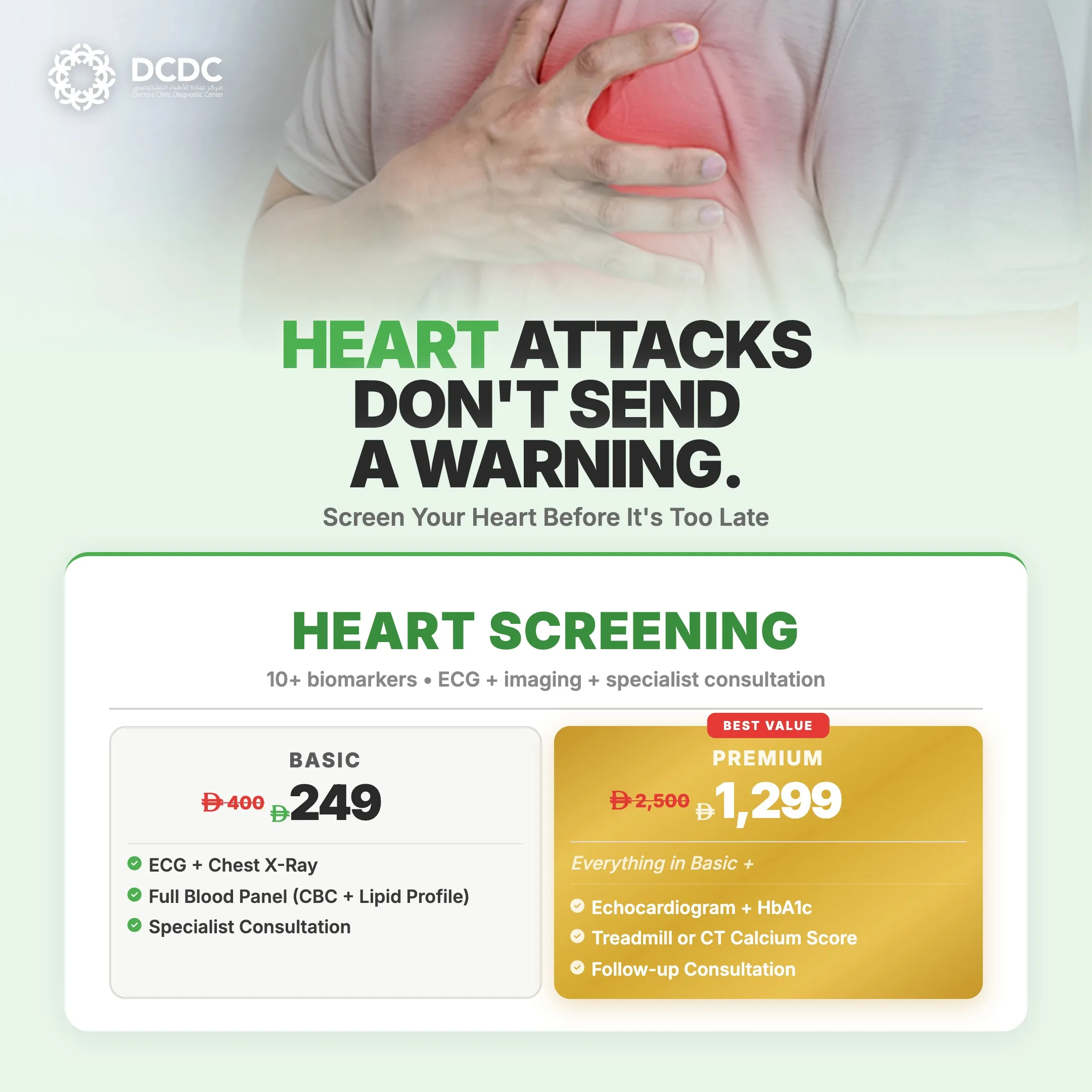
- A full diagnostic work-up for suspected heart failure at DCDC in Dubai Healthcare City — consultation, ECG, echocardiogram, and BNP blood test — can be completed in one visit, with cardiology consultations from AED 299 and same-day results
- At DCDC, patients get same-day appointments, on-site ECG, echocardiography, stress testing, and 24-hour Holter monitoring, direct billing with 20+ insurers, a 4.8/5 Google rating, and an average wait time of just 15 minutes
Feeling more breathless than usual climbing the stairs? Noticing your ankles are puffy by the end of the day, or that you need an extra pillow to sleep comfortably? These are not simply signs of getting older or being unfit — they can be early warning signs of heart failure, a condition in which the heart is no longer pumping or filling with blood as efficiently as it should. Heart failure affects millions of people worldwide, and in Dubai, where diabetes and hypertension rates run high, the condition is more common than many residents realise. The good news is that heart failure symptoms are recognisable, testable, and — when caught early through a cardiology consultation in Dubai — very manageable.
This guide, medically reviewed by Dr. Shahoo Mazhari, Cardiologist at Doctors Clinic Diagnostic Center (DCDC) in Dubai Healthcare City, walks through the early and advanced warning signs of heart failure, a self-assessment you can do at home, the four NYHA stages of heart failure severity, the key differences between heart failure and a heart attack, and exactly which tests are used to confirm a diagnosis in Dubai — along with transparent pricing. Whether you are worried about your own symptoms or those of a family member, this guide gives you the clinical context to know when to act.
What Is Heart Failure? A Quick Overview
Heart failure (sometimes called congestive heart failure, or CHF) does not mean the heart has stopped working — it means the heart muscle has become too weak or too stiff to pump or fill with blood efficiently. As a result, blood and fluid can back up in the lungs, abdomen, and legs, while the rest of the body receives less oxygen-rich blood than it needs. According to the American Heart Association, heart failure affects more than 6 million adults in the United States alone, and similar patterns of rising prevalence are seen across the Gulf region as rates of diabetes, hypertension, and obesity climb.
Heart failure is generally caused by an underlying condition that has damaged or overworked the heart over months or years — most commonly coronary artery disease, long-standing high blood pressure, a previous heart attack, valve disease, or cardiomyopathy (a disease of the heart muscle itself). Because it develops gradually in most cases, the early warning signs are frequently subtle and easy to dismiss, which is exactly why symptom awareness matters.
"One of the most common things I hear from patients newly diagnosed with heart failure is that they thought their breathlessness was just being out of shape, or that their swollen ankles were from the Dubai heat," says Dr. Shahoo Mazhari, Cardiologist at DCDC. "Heart failure symptoms build slowly, so patients adapt without realising how much their capacity has declined. Recognising the pattern early — and getting a simple echocardiogram and blood test — makes an enormous difference to how well the condition can be managed."
Early Signs of Heart Failure: The Symptom Checklist
Heart failure symptoms exist on a spectrum from mild and easy to overlook to severe and unmistakable. The checklist below covers the core warning signs recognised by cardiology guidelines from the American Heart Association and the European Society of Cardiology. If you recognise several of these symptoms in yourself or a loved one — particularly if they have developed or worsened over recent weeks — a cardiology evaluation is strongly recommended.
- Shortness of breath during activities that used to be easy — climbing stairs, walking to the car, carrying groceries
- Breathlessness when lying flat (orthopnoea), often relieved by sitting up or propping yourself with extra pillows
- Waking up suddenly at night gasping for air (paroxysmal nocturnal dyspnoea), typically 1-2 hours after falling asleep
- Persistent fatigue and weakness that is out of proportion to your activity level and not relieved by rest
- Swelling in the ankles, feet, legs, or abdomen (oedema) that is often worse by evening and may leave an indentation when pressed
- Rapid or unexplained weight gain of 1-2 kg or more over a few days, reflecting fluid retention rather than fat gain
- Persistent cough or wheeze, sometimes producing white or pink-tinged (frothy) sputum
- Reduced appetite, nausea, or a feeling of fullness caused by fluid build-up around the liver and gut
- Rapid or irregular heartbeat as the heart compensates by beating faster to maintain blood flow
- Difficulty concentrating or reduced alertness, caused by lower blood flow to the brain in more advanced cases
Not everyone experiences all of these symptoms, and the pattern can differ depending on whether the left or right side of the heart is more affected — a distinction explained further below. Importantly, early-stage heart failure may cause no symptoms at all during ordinary daily activity, which is why risk-factor-based screening matters as much as symptom-based evaluation, particularly for adults with diabetes, hypertension, or a prior heart attack.
For a broader overview of cardiac warning signs beyond heart failure specifically, see our guide on heart disease symptoms in Dubai, which covers the full range of conditions that can affect the heart.
Left-Sided vs Right-Sided Heart Failure Symptoms
Heart failure is often described according to which side of the heart is primarily affected, because the symptom pattern differs meaningfully between the two. Many patients ultimately develop a combination of both, but understanding the distinction helps explain why some people present mainly with breathlessness while others present mainly with swelling.
Left-Sided Heart Failure
The left side of the heart receives oxygen-rich blood from the lungs and pumps it out to the rest of the body. When the left ventricle weakens or stiffens, blood backs up into the lungs, causing fluid to accumulate in lung tissue (pulmonary congestion). This is why left-sided heart failure is dominated by respiratory symptoms: breathlessness on exertion, orthopnoea, paroxysmal nocturnal dyspnoea, a persistent cough, and in advanced cases, pink frothy sputum. Left-sided heart failure is further divided into two types based on echocardiogram findings — heart failure with reduced ejection fraction (HFrEF), where the pumping chamber is weak, and heart failure with preserved ejection fraction (HFpEF), where the chamber pumps normally but is too stiff to fill properly.
Right-Sided Heart Failure
The right side of the heart receives deoxygenated blood from the body and pumps it to the lungs. When the right ventricle weakens — often as a consequence of longstanding left-sided failure, or from lung disease — blood backs up into the venous system throughout the body. This produces the classic signs of fluid retention: swelling in the legs, ankles, and feet, abdominal swelling and discomfort from liver congestion, reduced appetite, nausea, and rapid weight gain. Because right-sided failure frequently develops as a consequence of untreated left-sided failure, the two often coexist as "congestive" heart failure, with patients experiencing both breathlessness and swelling together.
Distinguishing left-sided from right-sided heart failure — and measuring exactly how well each heart chamber is pumping — is done primarily with an echocardiogram. Our echocardiogram guide for Dubai explains what this ultrasound test measures and how to prepare for it.
When to See a Doctor: Urgency Guide
Not every heart failure symptom requires an emergency room visit, but some absolutely do. Knowing the difference between a symptom pattern that needs urgent same-day evaluation and one that constitutes a true medical emergency can prevent a hospital admission — or save a life.
Seek emergency care immediately (call 999 in the UAE) if you experience:
- Sudden, severe shortness of breath at rest, especially if you cannot speak in full sentences or feel you are suffocating
- Coughing up pink, frothy sputum — a sign of acute pulmonary oedema (fluid flooding the lungs)
- Chest pain or pressure accompanied by breathlessness, sweating, or nausea (possible heart attack)
- Fainting or a sudden episode of severe dizziness, particularly with palpitations
- A rapid, irregular heartbeat combined with chest discomfort or breathlessness
- Bluish lips or fingertips, indicating dangerously low oxygen levels
Book a same-day or urgent cardiology appointment if you experience:
- New or gradually worsening breathlessness with everyday activities over days to weeks
- Increasing swelling in the ankles, legs, or abdomen that does not improve overnight
- Unexplained weight gain of 1-2 kg or more over 2-3 days
- Needing more pillows than usual to sleep comfortably, or waking breathless at night
- Persistent fatigue that limits your normal daily routine
- A known heart condition (prior heart attack, valve disease, hypertension) with any new symptom above
As a general rule, the threshold for seeking evaluation should be low. A same-day cardiology consultation with an ECG and echocardiogram can provide rapid clarity, and early-stage heart failure managed proactively has a far better long-term outlook than heart failure diagnosed only after a hospital admission.
Self-Assessment: Could Your Symptoms Be Heart Failure?
While only a cardiologist can diagnose heart failure, the following self-assessment questions can help you decide whether your symptoms warrant a prompt evaluation. Answering "yes" to two or more of these questions is a reasonable trigger to book a cardiology appointment.
- Have you noticed a decline in what you can do physically compared with 2-3 months ago — for example, needing to stop and rest on stairs you used to climb easily?
- Do you feel breathless lying flat, or do you now sleep propped up on extra pillows?
- Have you woken up gasping for air in the middle of the night in the past month?
- Are your shoes or rings feeling tighter than usual, or have you noticed swelling in your ankles by the end of the day?
- Has your weight increased by more than 1-2 kg within a few days without a change in diet?
- Do you feel unusually tired or weak, even after a full night's sleep?
- Do you have a history of high blood pressure, diabetes, a prior heart attack, or valve disease?
- Has a family member or friend commented that you seem more short of breath or tired than usual?
If you answered yes to two or more of these, or yes to any single question combined with a known cardiac risk factor, it is time to book an evaluation rather than wait for symptoms to worsen. This self-assessment is not a diagnostic tool — it is a prompt to seek professional evaluation, which typically involves a clinical exam, ECG, blood test (including BNP), and echocardiogram.
For more on how heart rhythm irregularities can overlap with or worsen heart failure symptoms, see our guide on heart palpitations in Dubai.
Heart Failure Stages: The NYHA Classification
Once heart failure is diagnosed, cardiologists use the New York Heart Association (NYHA) functional classification to describe how much the condition limits physical activity. This four-stage system, first introduced in 1928 and still in routine clinical use, helps guide treatment intensity, monitor progress, and communicate severity between healthcare providers. It is separate from — but often used alongside — the American College of Cardiology / American Heart Association (ACC/AHA) staging system, which classifies heart failure from Stage A (at risk, no structural disease) through Stage D (advanced, refractory heart failure).
| NYHA Class | Symptom Level | Typical Presentation |
|---|---|---|
| Class I | No limitation | Ordinary physical activity (walking, climbing stairs) does not cause undue breathlessness, fatigue, or palpitations. Heart disease is present but does not limit activity. |
| Class II | Mild limitation | Comfortable at rest, but ordinary activity (brisk walking, climbing two flights of stairs) results in breathlessness, fatigue, or palpitations. |
| Class III | Marked limitation | Comfortable at rest, but less-than-ordinary activity (walking short distances, light housework) causes symptoms. Significant restriction of daily activity. |
| Class IV | Symptoms at rest | Unable to carry out any physical activity without discomfort; symptoms of heart failure are present even at rest and worsen with any activity. |
NYHA functional classification of heart failure severity. Staging is determined by a cardiologist based on clinical assessment, echocardiogram findings, and functional testing such as a treadmill stress test.
It is important to understand that NYHA class can change over time — both worsening without treatment and improving with appropriate medication, lifestyle changes, and monitoring. Many patients diagnosed at Class II or III can improve to Class I or II with consistent management, which is one of the strongest arguments for early diagnosis: the earlier heart failure is caught and treated, the more functional capacity can typically be preserved or regained.
Staying at an earlier, milder NYHA class often comes down to catching risk factors before they progress to heart failure at all. Our heart screening guide for Dubai covers checkup packages and prevention strategies tailored to residents of the UAE.
Heart Failure vs Heart Attack: Key Differences
Heart failure and heart attack are frequently confused, but they are distinct conditions with different mechanisms, timelines, and emergency implications — although one can lead to the other. Understanding the difference is important both for recognising which emergency you might be facing and for understanding your own diagnosis if you have been told you have one or the other.
A heart attack (myocardial infarction) is a sudden, acute event caused by a complete or near-complete blockage of a coronary artery, usually from a ruptured plaque and blood clot. Blood flow to part of the heart muscle is cut off, and without rapid treatment, that portion of muscle begins to die within minutes to hours. Heart attack symptoms come on suddenly: crushing chest pain or pressure, pain radiating to the arm or jaw, sweating, nausea, and a sense of impending doom. A heart attack is always a medical emergency requiring immediate treatment.
Heart failure, by contrast, is a chronic condition in which the heart's pumping or filling capacity has gradually declined — sometimes over months or years — so that it can no longer meet the body's circulatory demands. Heart failure symptoms (breathlessness, fatigue, swelling) typically build up progressively rather than striking suddenly, although acute decompensation (a sudden worsening) can occur and does require emergency treatment. Critically, a heart attack is one of the most common causes of heart failure: when heart muscle is damaged during a heart attack and does not fully recover, the heart's overall pumping capacity can be permanently reduced, leading to heart failure weeks, months, or years later.
| Feature | Heart Attack | Heart Failure |
|---|---|---|
| Onset | Sudden — minutes to hours | Usually gradual — weeks to years (can also decompensate suddenly) |
| Underlying cause | Blocked coronary artery cutting off blood supply | Weakened or stiff heart muscle, often from prior heart attack, hypertension, or valve disease |
| Core symptoms | Crushing chest pain/pressure, radiating pain, sweating, nausea | Breathlessness, fatigue, leg/ankle swelling, weight gain |
| Emergency status | Always a medical emergency — call 999 immediately | Chronic condition managed long-term; acute worsening is an emergency |
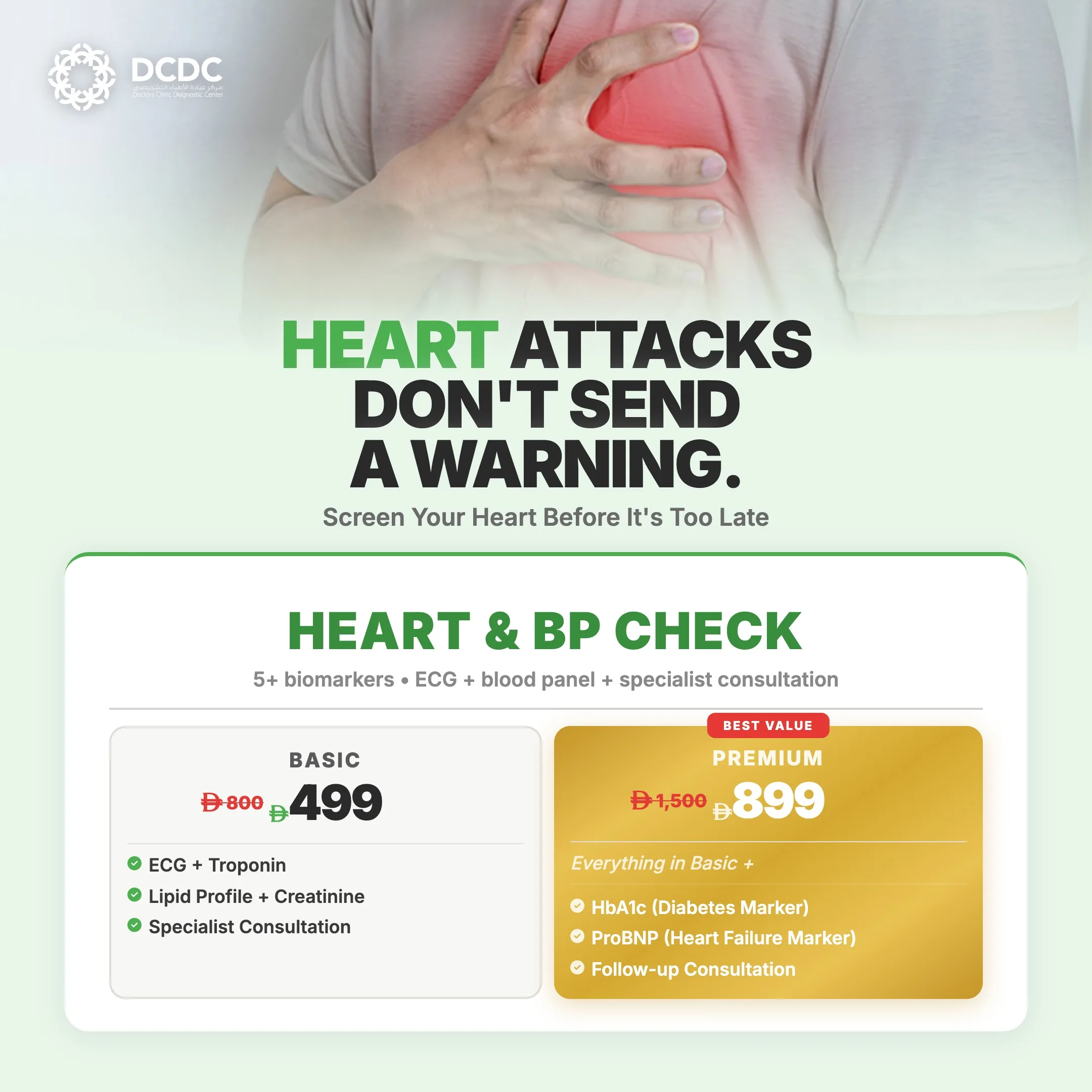
| Key diagnostic test | ECG + troponin blood test | Echocardiogram + BNP blood test |
| Relationship | Can directly cause heart failure if muscle damage does not recover | Can be a long-term consequence of one or more heart attacks |
Heart failure vs heart attack: key clinical differences. Both require prompt cardiology evaluation; a heart attack is always a call-999 emergency.
For a detailed breakdown of chest pain patterns and how to distinguish cardiac from non-cardiac causes, read our guide on chest pain causes and when to worry.
Why Heart Failure Risk Is Elevated in Dubai
Several factors specific to life in Dubai and the wider UAE contribute to an elevated risk of the conditions that lead to heart failure. Recognising these risk factors helps explain why symptom awareness — and proactive screening — matters more here than in many other parts of the world.
Diabetes Prevalence
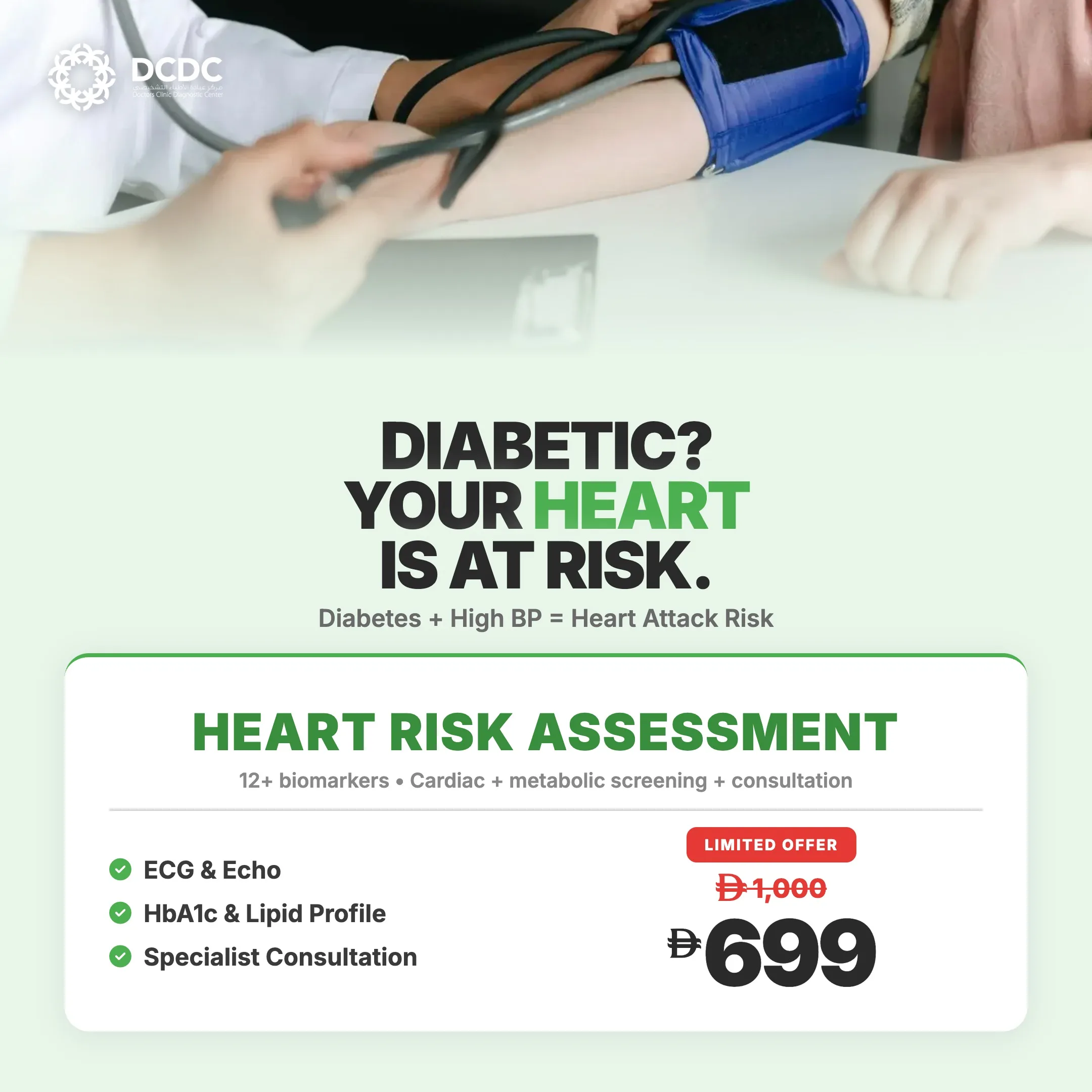
The UAE has a diabetes prevalence of approximately 17% of the adult population, among the highest globally according to the International Diabetes Federation. Diabetes accelerates coronary artery disease and directly damages heart muscle (a condition known as diabetic cardiomyopathy), making it one of the strongest risk factors for developing heart failure over time.
Hypertension and Obesity
Untreated high blood pressure forces the heart to work harder over years, thickening and eventually weakening the heart muscle — a leading cause of heart failure with preserved ejection fraction. Combined with an obesity rate of approximately 30% among UAE adults, the burden on the cardiovascular system compounds over time. Managing blood pressure is one of the single most effective ways to prevent heart failure; see our guide on high blood pressure screening and treatment in Dubai for more detail.
Extreme Heat and Sedentary Lifestyle
Summer temperatures in Dubai regularly exceed 40-45 degrees Celsius for several months of the year, discouraging outdoor activity and contributing to sedentary, car-dependent routines. Physical inactivity is independently linked to a higher risk of obesity, hypertension, and diabetes — all upstream contributors to heart failure. It can also mask a genuine decline in exercise tolerance, since residents who are already doing very little activity may not notice a gradual reduction in what they can manage.
Delayed Presentation and Health-Seeking Behaviour
Dubai's demanding work culture, long commutes, and — for many expatriate residents — limited local family support can mean that early symptoms are pushed aside until they become disruptive. Because heart failure symptoms build gradually, many patients unconsciously adapt their routines (taking the lift instead of stairs, sitting down more often) rather than recognising the pattern as a medical warning sign, which delays diagnosis until the condition is more advanced.
Heart Failure Diagnosis Tests in Dubai (with Pricing)
Confirming a heart failure diagnosis — and identifying its underlying cause — relies on a combination of clinical assessment, blood testing, electrical testing, and cardiac imaging. At DCDC in Dubai Healthcare City, all of the core tests used to diagnose and monitor heart failure are available on-site, allowing most patients to complete a full work-up in a single visit rather than being referred between multiple facilities.
| Test | DCDC Price (AED) | What It Detects |
|---|---|---|
| Cardiology Consultation | From 299 | Clinical history, physical exam, cardiovascular risk assessment, and treatment planning |
| ECG (Resting 12-Lead) | From 150 | Heart rhythm abnormalities, evidence of prior heart attack, heart enlargement patterns |
| Echocardiogram | From 800 | Ejection fraction (pumping strength), chamber size, valve function, fluid around the heart |
| BNP / NT-proBNP Blood Test | From 250 | Natriuretic peptide levels — a key blood marker that rises when the heart is under strain |
| Treadmill Stress Test | From 800 | Heart's functional capacity and performance under physical exertion |
| 24-Hour Holter Monitor | AED 1,000 | Intermittent arrhythmias that may be contributing to or worsening heart failure symptoms |
| Comprehensive Blood Panel (Renal, Electrolytes, Thyroid, Lipids) | From 250 | Kidney function, electrolyte balance, thyroid disease, and cholesterol — all relevant to heart failure management |
Heart failure diagnostic test pricing at DCDC Dubai Healthcare City (2026). Prices shown are starting rates; final cost depends on which tests your cardiologist orders. Direct billing available with 20+ insurance providers.
A typical initial heart failure work-up — consultation, ECG, BNP blood test, and echocardiogram — starts from around AED 1,500 at DCDC, with most costs covered under standard UAE insurance plans when clinically indicated. The echocardiogram is the single most important test in confirming a heart failure diagnosis, as it directly measures the heart's ejection fraction (the percentage of blood pumped out with each heartbeat) and distinguishes between HFrEF and HFpEF, which affects treatment choice.
The 24-hour Holter monitor included in this work-up is also the key test used to detect arrhythmias such as atrial fibrillation, which can both cause and worsen heart failure; see our guide on atrial fibrillation treatment in Dubai for more on this connection.
Worried About Heart Failure Symptoms? Get Evaluated Today
Breathlessness, swelling, or persistent fatigue should not be dismissed. Book a same-day cardiology evaluation at DCDC in Dubai Healthcare City — on-site ECG, echocardiogram, and blood work, with a cardiology consultation from AED 299. Rated 4.8/5 from Google reviews, MOHAP-licensed, and direct billing with 20+ insurance providers. WhatsApp us to book your appointment.
What to Expect at DCDC for Suspected Heart Failure
At Doctors Clinic Diagnostic Center (DCDC), located in Building 64, Block A, Dubai Healthcare City, patients presenting with possible heart failure symptoms follow a structured pathway designed to reach a clear answer as quickly as possible. DCDC is a MOHAP-licensed facility with a 4.8/5 Google rating, 98% patient satisfaction, and an average wait time of just 15 minutes.
Step 1: Booking and Arrival
Same-day cardiology appointments are available for patients with new or worsening breathlessness, swelling, or fatigue. You can book by WhatsApp, phone, or online, and walk-ins are accommodated for urgent concerns. No GP referral is required to see the cardiologist directly. Free parking is available on the DHCC campus, and DCDC is open Saturday to Thursday from 8 AM to 10 PM and Friday from 9 AM to 9 PM.
Step 2: Vital Signs and ECG
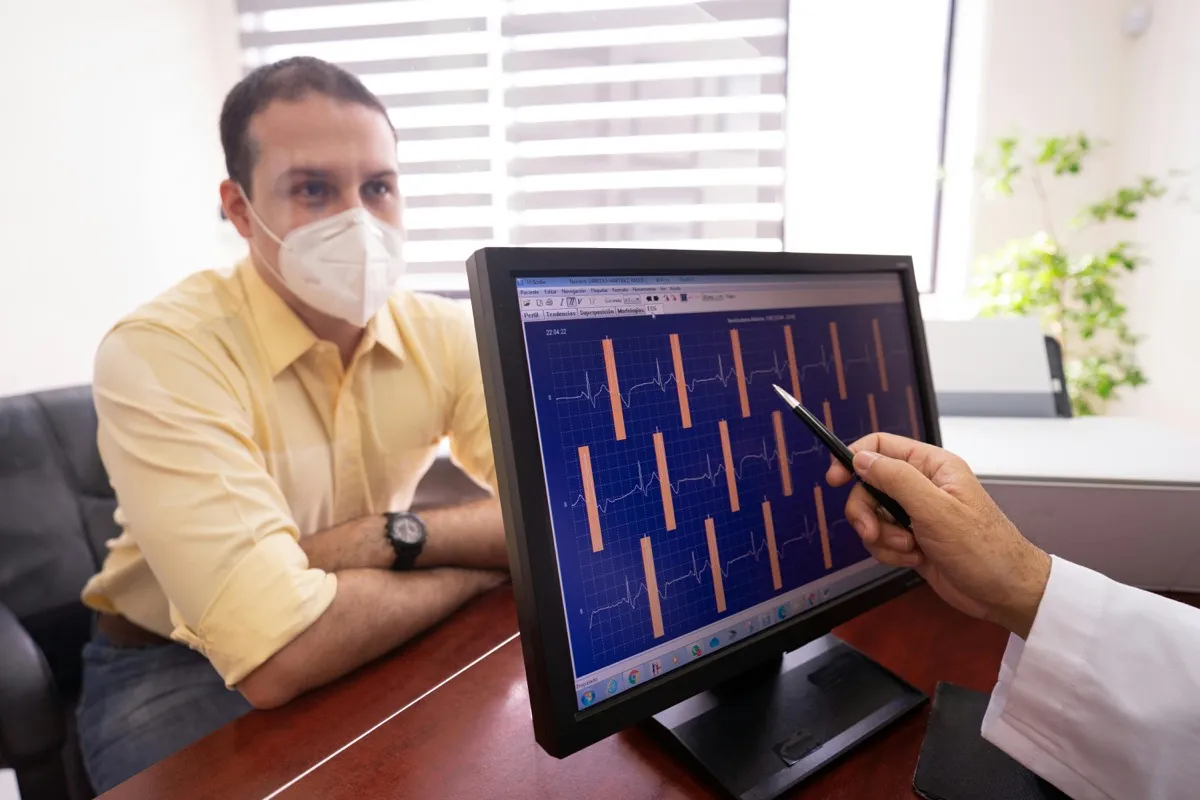
On arrival, the nursing team records your blood pressure, heart rate, oxygen saturation, and weight — an important baseline for monitoring fluid retention over time. A resting 12-lead ECG is typically performed before your consultation, giving Dr. Mazhari objective data to review from the outset.
Step 3: Cardiologist Consultation
Dr. Shahoo Mazhari conducts a detailed clinical assessment, including a thorough symptom history (asking specifically about breathlessness patterns, orthopnoea, night-time symptoms, swelling, and weight changes), review of cardiovascular risk factors and existing medications, and a focused physical examination including listening for abnormal heart sounds and lung crackles, and checking for ankle or leg swelling. A cardiovascular risk assessment is included as part of every consultation.
Step 4: One-Visit Diagnostics
Depending on clinical findings, Dr. Mazhari may order an echocardiogram to directly assess heart chamber size, wall thickness, valve function, and ejection fraction, a BNP blood test to measure the biochemical marker of cardiac strain, comprehensive blood work to check kidney function, electrolytes, and thyroid status (which can mimic or worsen heart failure symptoms), and a treadmill stress test or 24-hour Holter monitor if arrhythmia or exercise-related symptoms are suspected. All of these tests are performed on-site with DCDC's own equipment, so most patients complete their full diagnostic work-up in a single visit.
Step 5: Results and Personalised Treatment Plan
ECG results are available immediately, and echocardiogram and blood results are typically ready the same day. Dr. Mazhari reviews the findings with you, explains your diagnosis and NYHA classification if heart failure is confirmed, and develops a personalised management plan that may include medication, lifestyle guidance, and a follow-up monitoring schedule. If specialist inpatient care or intervention is needed, direct referral to partner hospitals is arranged promptly.
Living with Heart Failure: Monitoring and Follow-Up
Heart failure is a chronic condition that requires ongoing monitoring rather than a one-time treatment. For patients diagnosed and started on treatment, regular follow-up allows the cardiology team to track symptom progression, adjust medication, and catch early signs of decompensation before they require hospital admission.
Simple home-monitoring habits make a meaningful difference: weighing yourself at the same time each morning and reporting a gain of more than 1-2 kg within 2-3 days, tracking your daily activity tolerance and reporting any decline, monitoring for increasing swelling, and taking prescribed medications consistently, particularly diuretics and heart-failure-specific drug classes. Periodic follow-up echocardiograms — typically every 6-12 months, or sooner if symptoms change — allow the cardiologist to track ejection fraction and adjust treatment. Our detailed guide to echocardiograms in Dubai explains what the test involves and how results are interpreted.
For patients whose heart failure is related to coronary artery disease, a periodic stress test can help assess how well the heart tolerates exertion and whether further intervention is needed; see our guide on stress testing in Dubai for details on what to expect and how the test is performed.
Reducing Your Risk of Developing Heart Failure
Because most cases of heart failure develop as a downstream consequence of other cardiovascular conditions, managing those underlying risk factors is the most effective way to prevent it. For Dubai residents, several strategies are particularly relevant.
- Control blood pressure — sustained hypertension is one of the leading modifiable causes of heart failure; regular monitoring and treatment adherence matter
- Manage diabetes tightly — good glycaemic control reduces the risk of diabetic cardiomyopathy and accelerated coronary artery disease
- Stay physically active despite the heat — indoor gyms, swimming, and mall walking during cooler hours are practical options in Dubai's climate
- Limit sodium intake — high-salt diets contribute to fluid retention and elevated blood pressure over time
- Avoid smoking and shisha — both accelerate coronary artery disease, a leading cause of heart failure
- Treat coronary artery disease and heart attacks promptly — timely treatment limits the amount of heart muscle damage that can later progress to heart failure
- Have valve disease and arrhythmias assessed early — untreated valve problems and chronic arrhythmias such as atrial fibrillation can lead to heart failure over time; see our guide on atrial fibrillation treatment in Dubai
- Schedule regular cardiovascular screening — particularly if you are over 40, or younger with risk factors such as diabetes, hypertension, obesity, or a family history of heart disease; our heart screening guide for Dubai outlines recommended checkup packages
Take Control of Your Heart Health — Book at DCDC
Heart failure is manageable when caught early. Book a comprehensive cardiac evaluation at Doctors Clinic Diagnostic Center in Dubai Healthcare City. On-site ECG, echocardiogram, stress testing, Holter monitoring, and BNP blood work — all in one visit. Cardiology consultation from AED 299. MOHAP-licensed, 4.8/5 Google rating, same-day appointments, extended hours until 10 PM. WhatsApp us now to book.
Related Services at DCDC
Expert care and advanced diagnostics at Dubai Healthcare City
Frequently Asked Questions
Final Thoughts
Heart failure warning signs — breathlessness, persistent fatigue, and swelling in the legs or abdomen — are rarely dramatic in their early stages, which is exactly why they are so often dismissed as ageing, poor fitness, or Dubai's heat. But these symptoms are your heart's way of signalling that its pumping or filling capacity has started to decline, and the earlier this is recognised, the more effectively it can be managed. Understanding the NYHA stages, knowing the difference between heart failure and a heart attack, and being aware of Dubai-specific risk factors like high diabetes and hypertension prevalence all help you make an informed decision about when to seek care.
If you recognise any of the symptoms or self-assessment patterns described in this guide, do not wait for them to worsen. At Doctors Clinic Diagnostic Center in Dubai Healthcare City, our cardiology team led by Dr. Shahoo Mazhari provides comprehensive heart failure evaluation with on-site ECG, echocardiography, BNP blood testing, treadmill stress testing, and Holter monitoring — most of it completed in a single visit with same-day results. With a 4.8/5 Google rating, 98% patient satisfaction, same-day appointments, extended hours until 10 PM, and direct billing with 20+ insurance providers, DCDC makes expert cardiac evaluation accessible when you need it. To book your heart failure evaluation, WhatsApp us or call our team today.
Sources & References
This article was reviewed by our medical team and references the following sources:
- American Heart Association - What is Heart Failure?
- American Heart Association - Classes of Heart Failure
- NHS - Heart Failure Symptoms
- Mayo Clinic - Heart Failure: Symptoms and Causes
- Cleveland Clinic - Heart Failure
- World Health Organization - Cardiovascular Diseases (CVDs) Fact Sheet
- International Diabetes Federation - IDF MENA Region
Medical content on this site is reviewed by DHA-licensed physicians. See our editorial policy for more information.

Written by
Dr. Shahoo Mazhari
Cardiologist
MD, Cardiology
Dr. Shahoo Mazhari is a Cardiologist at Doctors Clinic Diagnostic Center (DCDC) in Dubai Healthcare City.
Related Articles
Heart Disease Symptoms Dubai: 8 Signs to Watch (2026)

Heart Screening Dubai: Checkup Packages & Prevention (2026)
Heart Palpitations Dubai: Causes & Help (2026)
Echocardiogram Dubai: Complete Guide (2026)
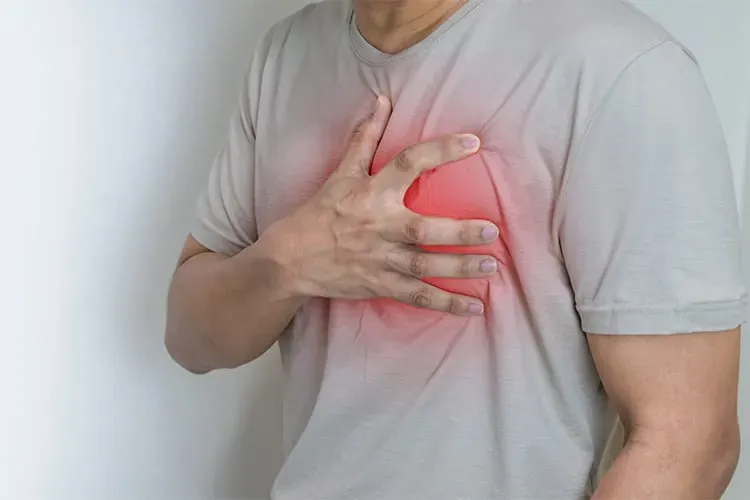
Chest Pain Dubai: Causes & When to Worry (2026)
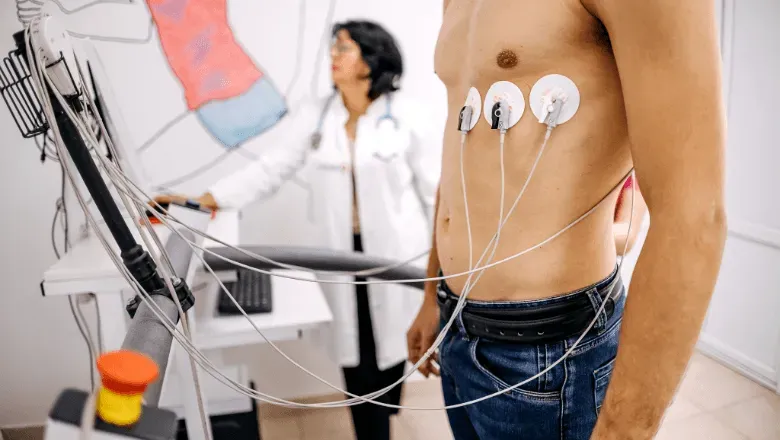
Stress Test Dubai: Heart Exercise Testing Guide (2026)

High Blood Pressure Dubai: Screening & Treatment (2026)
Atrial Fibrillation Treatment Dubai (2026)
More in Cardiology
Holter Monitor Prep Dubai: What to Expect (2026)
Read MoreWhen to See a Cardiologist Dubai (2026)
Read More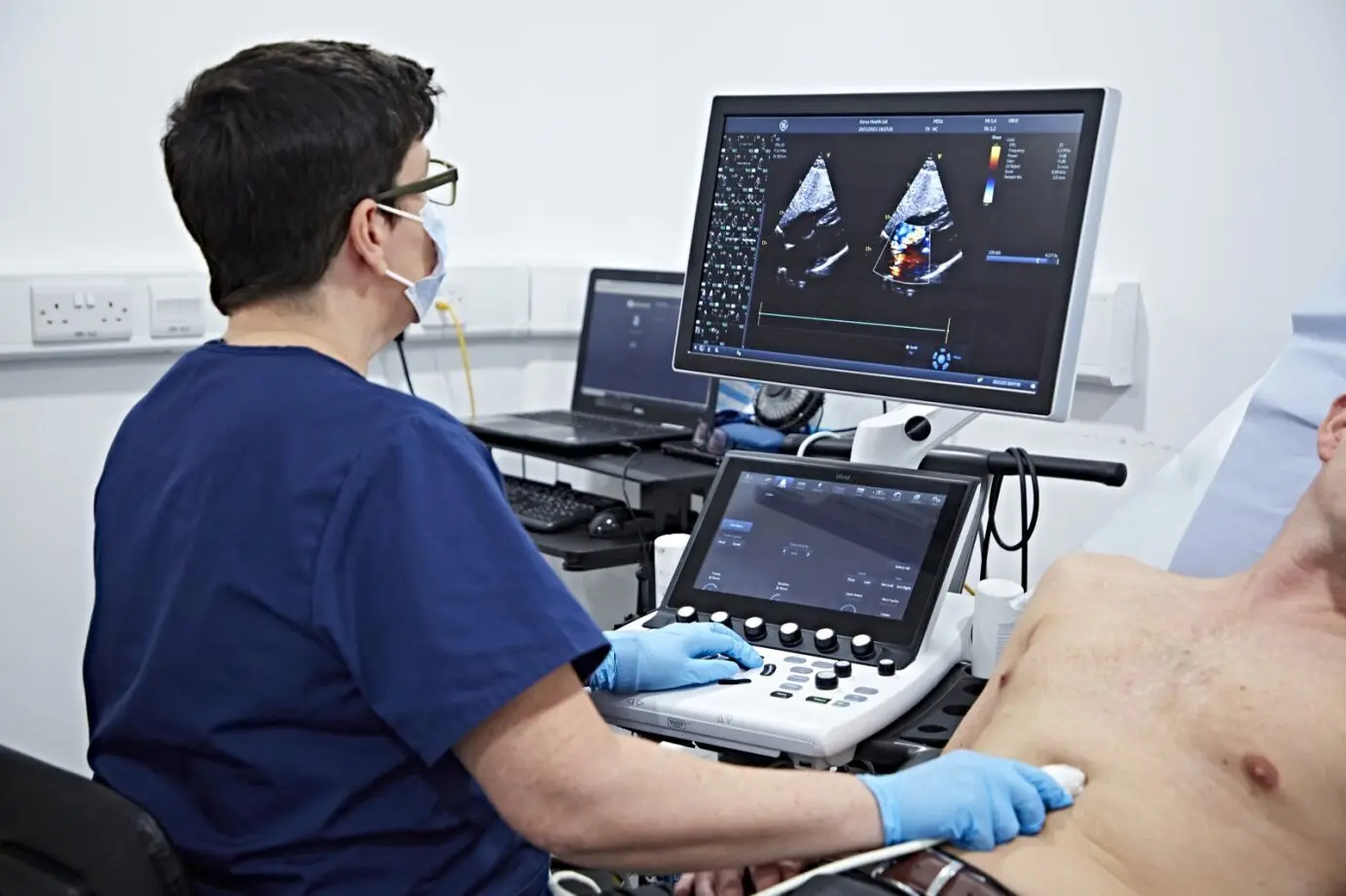
Echo Test Preparation Dubai: What to Expect (2026)
Read MoreHeart Attack vs Panic Attack Dubai: Signs (2026)
Read MoreStress Test Cost Dubai: AED 800–5,000 (2026)
Read MoreStress Test vs Echo Dubai: Which Heart Test? (2026)
Read More© 2026 Doctors Clinic Diagnostic Center (DCDC), Dubai Healthcare City. Originally published at https://doctorsclinicdubai.ae/blog/heart-failure-warning-signs-dubai. All rights reserved. Unauthorized reproduction is prohibited.