نکات کلیدی
- CT uses X-rays and is faster (5-15 min); MRI uses magnetic fields with no radiation but takes longer (30-60 min)
- CT excels for bones, lungs, emergency imaging, and kidney stones; MRI excels for brain, spinal cord, joints, and soft tissue detail
- MRI provides superior soft tissue contrast without radiation, making it preferred for neurological, musculoskeletal, and repeated imaging needs
- CT is significantly faster and more widely available, making it the standard for emergency departments and acute conditions
- Cost in Dubai: CT ranges AED 800-3,000; MRI ranges AED 1,500-5,000 depending on body part and contrast requirements
When your doctor orders imaging, the choice between a CT scan and an MRI scan depends on what part of the body needs to be examined and what condition is suspected. Both are powerful diagnostic tools, but they use fundamentally different technologies and each has distinct strengths. Understanding these differences helps you appreciate why your doctor chose one over the other and what to expect from the results.
This guide provides a comprehensive comparison of CT and MRI technology, explains which test is better for each body part, covers cost and radiation considerations, and addresses the most common questions patients have about choosing between these two essential imaging modalities.
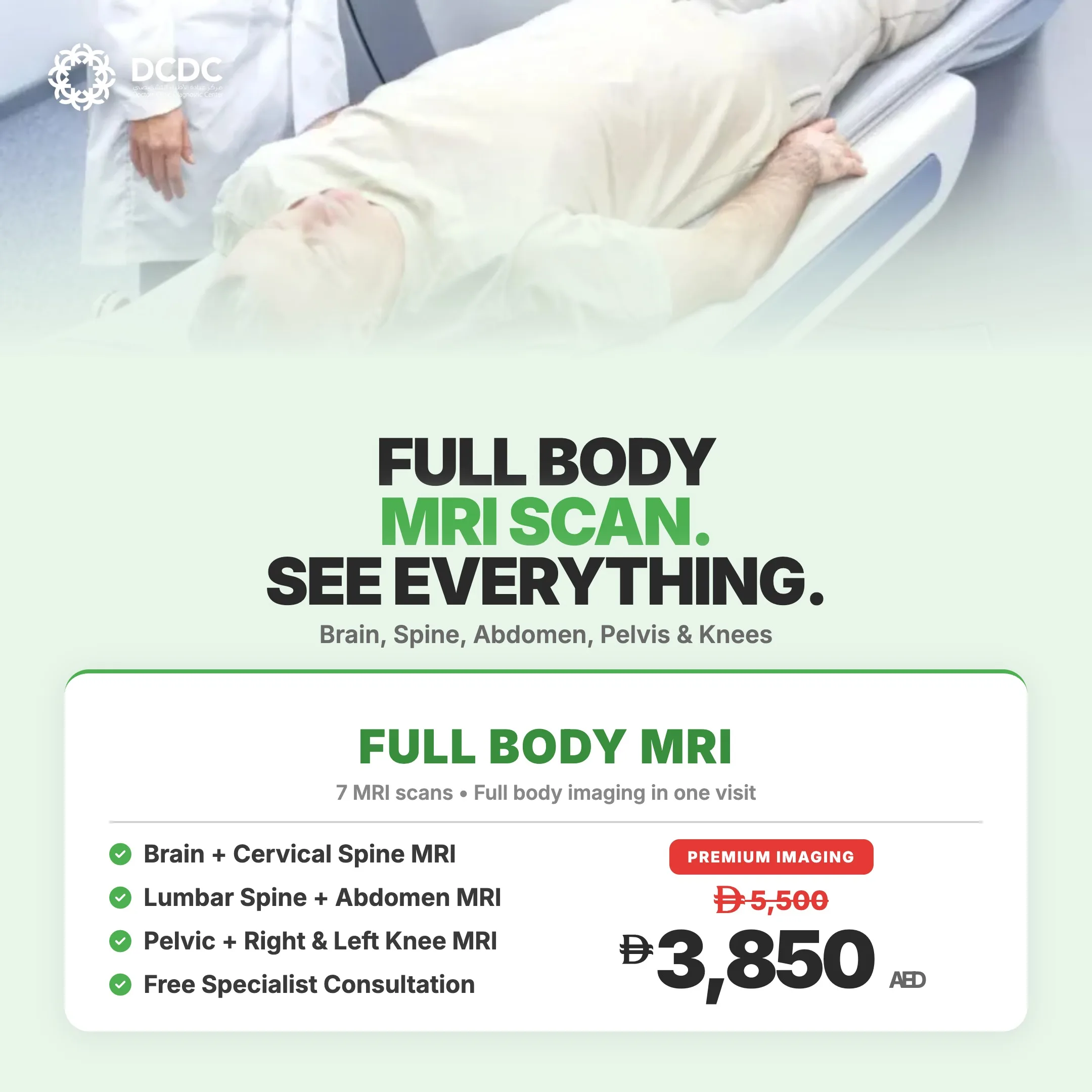


How CT and MRI Technology Differ
The fundamental difference between CT and MRI lies in how they create images. CT (Computed Tomography) uses X-ray beams that rotate around the body, measuring how much radiation passes through different tissues. A computer reconstructs these measurements into detailed cross-sectional images. Dense structures like bone absorb more X-rays and appear bright white, while air absorbs very little and appears black.
MRI (Magnetic Resonance Imaging) uses a powerful magnetic field and radiofrequency pulses to align and then disturb hydrogen atoms in your body. As the atoms return to their normal alignment, they emit signals that the scanner detects and converts into images. Because different tissues contain different amounts of water (hydrogen), MRI produces exceptional contrast between soft tissues, far superior to what CT achieves for muscles, ligaments, cartilage, and brain matter.
Comprehensive CT vs MRI Comparison
| Feature | CT Scan | MRI Scan |
|---|---|---|
| Technology | X-ray beams (ionizing radiation) | Magnetic field + radio waves (no radiation) |
| Scan duration | 5-15 minutes | 30-60 minutes (sometimes longer) |
| Radiation exposure | Yes (varies by body part, 1-20 mSv) | None |
| Noise level | Quiet | Loud (rhythmic banging and buzzing) |
| Scanner design | Wide, open ring (not enclosed) | Narrow tunnel (closed bore) or open design |
| Claustrophobia concern | Minimal | Common - open MRI available for anxious patients |
| Bone detail | Excellent | Good but less detailed for cortical bone |
| Soft tissue contrast | Good with contrast | Excellent - superior to CT |
| Brain imaging | Good for bleeding, fractures, acute stroke | Superior for tumors, MS, chronic conditions |
| Lung imaging | Excellent | Limited - air causes signal loss |
| Joint and ligament detail | Limited | Excellent - gold standard for MSK |
| Metal implants | Safe with all implants | Restricted - some implants are not MRI-safe |
| Pacemaker compatibility | Safe | Only MRI-conditional pacemakers allowed |
| Contrast agent | Iodine-based IV contrast | Gadolinium-based IV contrast |
| Availability | Very widely available | Less widely available |
| Cost in Dubai (AED) | 800 - 3,000 | 1,500 - 5,000 |
| Emergency use | Standard - fast and readily available | Limited in emergencies due to scan time |
Both CT and MRI are essential diagnostic tools with complementary strengths. The choice depends on the clinical question, body part, and patient factors.
Body-Part Specific Guide: CT vs MRI
The most practical way to understand when to use CT versus MRI is to look at specific body parts and clinical scenarios. Here is what radiologists typically recommend:
Brain and Head
First choice for emergencies: CT. Acute head trauma, suspected stroke (to rule out bleeding), and acute headache are evaluated first with CT because it is fast (under 5 minutes) and immediately detects bleeding, fractures, and large masses. First choice for non-emergencies: MRI. For chronic headaches, suspected brain tumors, multiple sclerosis, seizure evaluation, memory problems, and detailed brain anatomy, brain MRI provides far superior detail of brain tissue, white matter, and subtle lesions that CT cannot visualize.
Spine
First choice: MRI for most spinal conditions. Spine MRI shows disc herniations, spinal cord compression, ligament injuries, infections, and tumors with exceptional clarity. CT is used when MRI is contraindicated (metal implants), for bony spinal stenosis assessment, or for acute trauma where fracture detail is critical.
Chest and Lungs
First choice: CT. Lung tissue contains mostly air, which produces poor MRI signal. CT provides excellent detail of lung nodules, pneumonia, emphysema, pulmonary embolism, and lung cancer. HRCT offers even finer detail for interstitial lung disease. MRI has a limited role in chest imaging, mainly for evaluating chest wall tumors, mediastinal masses, or cardiac conditions.
Abdomen
Depends on the condition. For acute abdominal pain, kidney stones, appendicitis, and trauma, abdominal CT is the standard. For liver lesion characterization, pancreatic cyst evaluation, and rectal cancer staging, MRI provides superior soft tissue contrast. Both are used for cancer staging, often complementing each other.
Joints (Knee, Shoulder, Ankle, Wrist)
First choice: MRI. For ligament tears (ACL, rotator cuff), meniscus damage, cartilage injuries, and labral tears, MRI is the gold standard. It visualizes soft tissue structures within joints with unmatched detail. CT may be used for complex fracture planning or when MRI is unavailable.
Bones and Fractures
First choice: CT for complex fractures, surgical planning, and bone detail. While X-ray is the initial test for suspected fractures, CT provides 3D reconstruction for complex injuries (facial fractures, pelvic fractures, spinal fractures). MRI is used for stress fractures, bone marrow edema, and fractures not visible on X-ray or CT.
When CT Is the Better Choice
- Emergency situations: Speed matters. CT scans take 5-15 minutes versus 30-60 minutes for MRI. In stroke, trauma, and acute abdominal emergencies, CT is the standard first-line imaging
- Lung and chest evaluation: Air-filled lungs produce poor MRI images. CT is definitively superior for all lung conditions
- Kidney stones: Non-contrast CT is the gold standard for detecting urinary tract stones
- Bone detail: CT provides the finest detail of cortical bone structure, essential for fracture characterization and surgical planning
- Patients with MRI-incompatible implants: Certain pacemakers, cochlear implants, metallic foreign bodies (especially in the eyes), and some older surgical clips preclude MRI
- Claustrophobic patients who cannot tolerate MRI: CT scanners are open and non-confining. Open MRI is an alternative, but not all studies can be done on open systems
- Cost considerations: CT is typically 30-50% less expensive than MRI for equivalent body parts
When MRI Is the Better Choice
- Brain tumors and neurological conditions: MRI detects brain lesions, white matter disease, and spinal cord pathology that CT cannot visualize
- Joint and soft tissue injuries: Ligament, tendon, meniscus, and cartilage injuries require MRI for accurate diagnosis
- Spinal disc problems: Disc herniations, spinal cord compression, and nerve root impingement are best seen on MRI
- Cancer characterization: MRI with contrast can characterize liver lesions, brain tumors, and pelvic tumors more specifically than CT
- Cardiac imaging: Cardiac MRI evaluates heart muscle function, viability, and structure without radiation
- Children and pregnant women: MRI uses no ionizing radiation, making it safer for populations sensitive to radiation exposure
- Repeated imaging: Patients requiring serial follow-up scans (such as monitoring a brain tumor) benefit from MRI to avoid cumulative radiation
- Breast evaluation: Breast MRI is used for high-risk screening and characterizing lesions found on mammogram
Cost Comparison in Dubai
| Body Region | CT Cost (AED) | MRI Cost (AED) | Preferred Modality |
|---|---|---|---|
| Brain | 800 - 1,500 | 1,500 - 3,000 | CT for emergencies, MRI for non-urgent |
| Spine (per region) | 800 - 1,500 | 1,500 - 3,500 | MRI for most conditions |
| Chest | 800 - 2,000 | 2,000 - 4,000 | CT (strongly preferred) |
| Abdomen | 1,000 - 3,000 | 2,000 - 5,000 | Depends on condition |
| Knee | 800 - 1,200 | 1,500 - 3,000 | MRI (strongly preferred) |
| Shoulder | 800 - 1,200 | 1,500 - 3,000 | MRI (strongly preferred) |
| Pelvis | 1,000 - 2,000 | 2,000 - 4,000 | Depends on condition |
MRI is generally 50-100% more expensive than CT for the same body region. Cost should not be the primary factor in choosing between them when clinical accuracy differs.
Most insurance plans in Dubai cover both CT and MRI when medically indicated and ordered by a referring physician. Prior authorization may be required for MRI, particularly for non-emergency indications. For information on MRI types available at DCDC, see our comparison of 1.5T vs 3T vs open MRI.
Can You Get Both CT and MRI?
Yes, and in some clinical scenarios, doctors intentionally order both because they provide complementary information. Common scenarios where both are used include:
- Cancer staging: CT for chest and abdomen (lung metastases, lymph nodes) plus MRI for brain, liver, or pelvis (better tumor characterization)
- Complex trauma: CT for initial emergency assessment of fractures and bleeding, followed by MRI for soft tissue injury assessment once the patient is stable
- Stroke: CT to rule out hemorrhage immediately, then MRI to define the extent of ischemic damage and guide treatment
- Spinal conditions: CT for bony anatomy and surgical planning, MRI for disc, cord, and nerve evaluation
"Choosing between CT and MRI is not about one being better than the other. They answer different questions. I always explain it to patients this way: CT is like a fast, sharp photograph that excels at showing bones and bleeding. MRI is like a detailed painting that reveals the subtle differences between soft tissues. The right choice depends entirely on what we need to see," explains Dr. Osama Elzamzami.
CT and MRI Services at DCDC
Our diagnostic center offers both CT scanning and MRI imaging with experienced radiologists to ensure you get the right test for your condition.
Advanced Diagnostic Imaging at DCDC Dubai Healthcare City
At Doctors Clinic Diagnostic Center, our radiologists will recommend the most appropriate imaging modality for your specific clinical question. Both CT and MRI are available with fast reporting.
خدمات مرتبط در DCDC
مراقبت تخصصی و تشخیص پیشرفته در شهر بهداشت دبی
Frequently Asked Questions
Final Thoughts
CT and MRI are complementary imaging technologies, each with distinct advantages. CT offers speed, excellent bone and lung detail, and wide availability. MRI offers superior soft tissue contrast, no radiation exposure, and unmatched capability for brain, spine, and joint imaging. Understanding when each is appropriate helps you have informed conversations with your doctor about your imaging needs.
The most important factor in choosing between CT and MRI is the clinical question being asked, not cost or convenience. An MRI ordered when CT is needed, or vice versa, may delay diagnosis or miss critical findings. Trust your doctor's recommendation, and ask questions if you want to understand why a particular test was chosen.
For both CT and MRI imaging with expert interpretation in Dubai, Doctors Clinic Diagnostic Center in Dubai Healthcare City offers comprehensive diagnostic services with experienced radiologists.
منابع و مراجع
این مقاله توسط تیم پزشکی ما بررسی شده و به منابع زیر ارجاع میدهد:
- American College of Radiology - Appropriateness Criteria
- Radiological Society of North America - CT vs MRI Patient Guide
- European Society of Radiology - Imaging Modality Selection
- NHS - CT Scan and MRI Scan Information
- Mayo Clinic - Diagnostic Imaging
محتوای پزشکی این سایت توسط پزشکان دارای مجوز DHA بررسی میشود. مشاهده سیاست تحریریه برای اطلاعات بیشتر.

نوشته شده توسط
Dr. Osama Elzamzami
Consultant Radiologist
MD, Radiology
Dr. Osama Elzamzami is a Consultant Radiologist specializing in diagnostic imaging including CT, MRI, DEXA, and ultrasound at DCDC Dubai Healthcare City.
Related Articles
CT Scan Cost in Dubai: Complete Pricing Guide
MRI Cost in Dubai: Complete Guide to Types & Pricing (2026)
1.5T vs 3T vs Open MRI: Which MRI Type Is Best for You?
CT Scan Preparation Guide: What to Do Before Your Scan
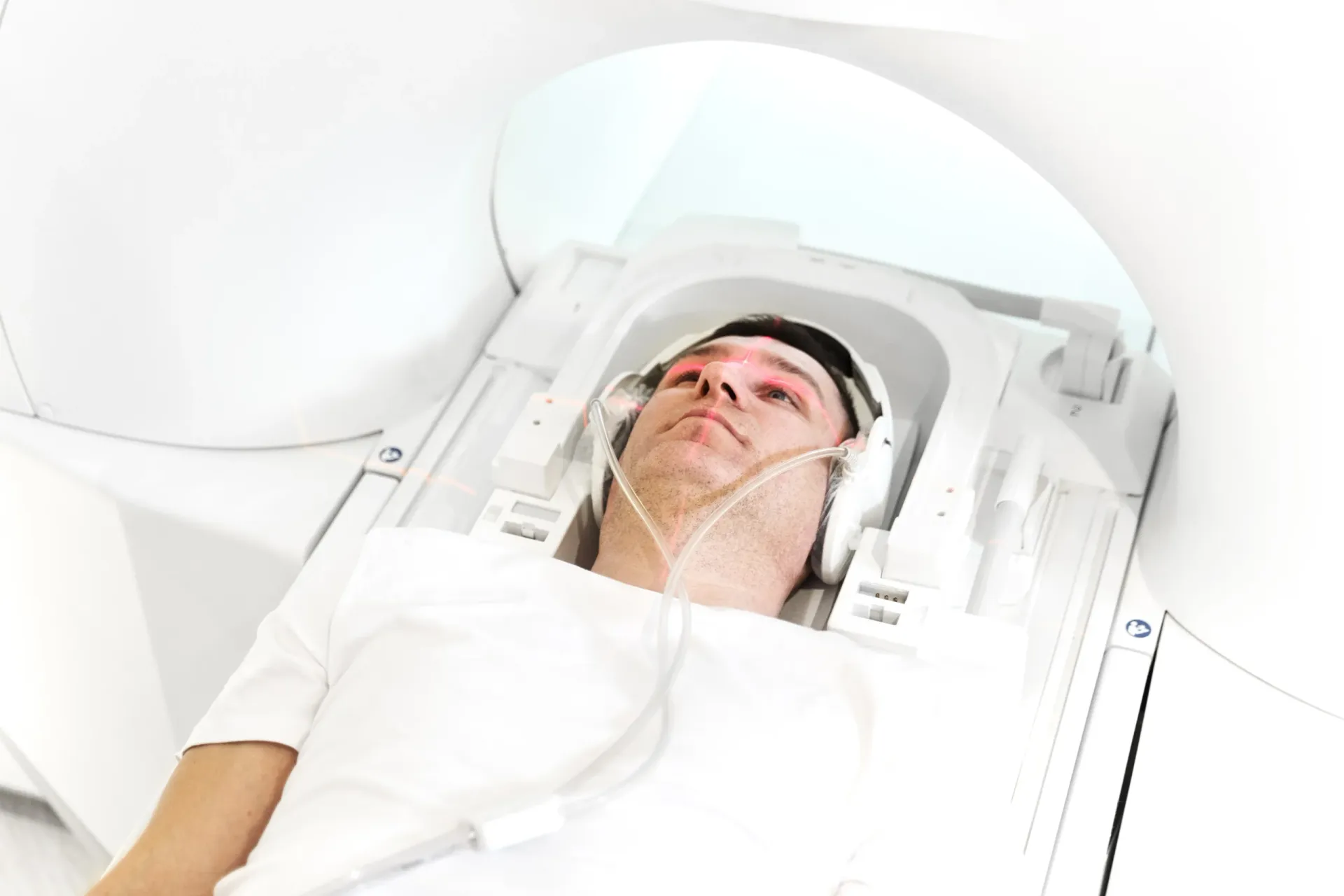
Brain MRI in Dubai: What It Detects, Cost & When You Need One
More in Diagnostic Imaging
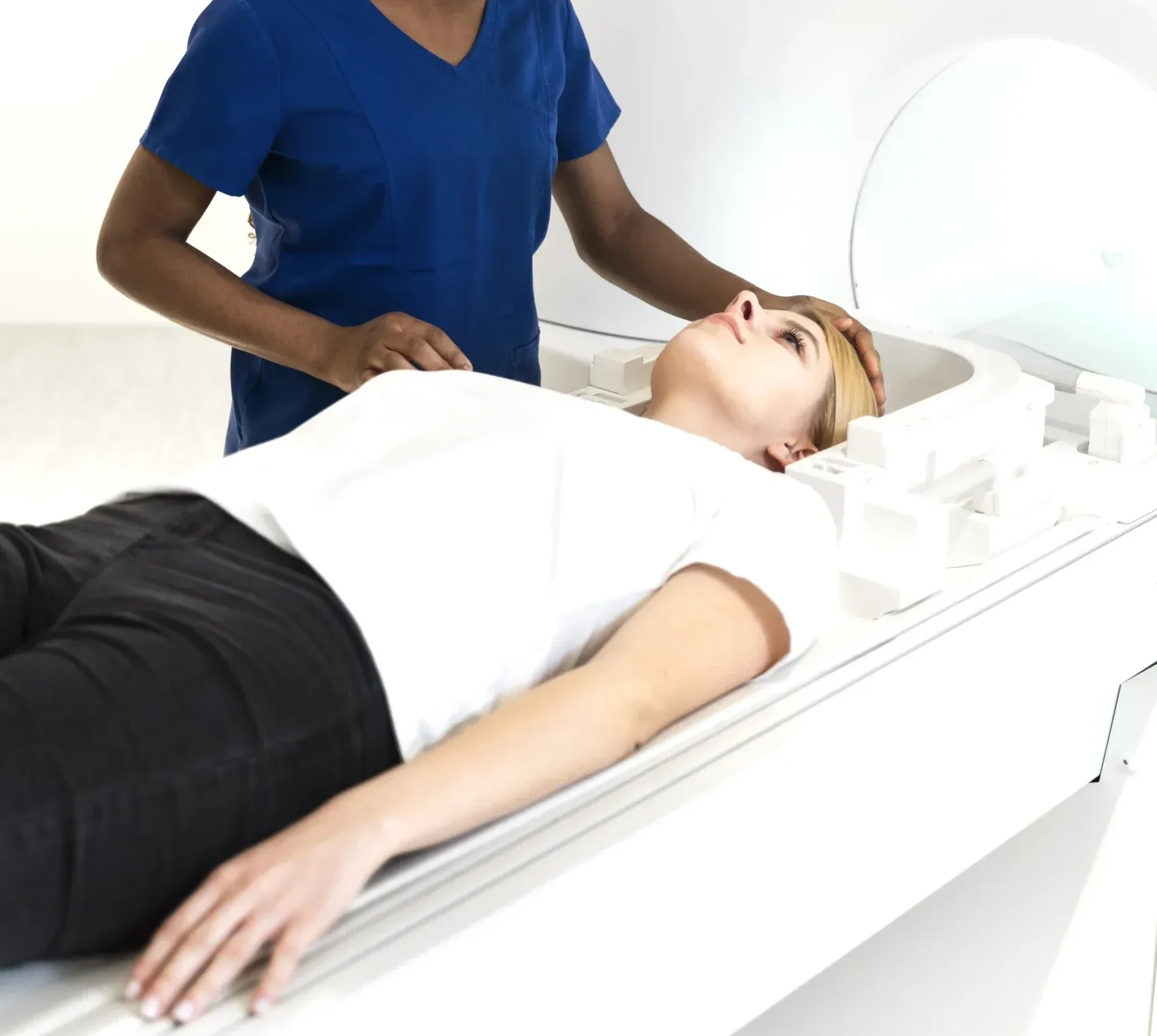
Neck MRI Dubai: What It Shows & Cost (2026)
بیشتر بخوانید
X-Ray Scan Dubai: Complete Guide (2026)
بیشتر بخوانید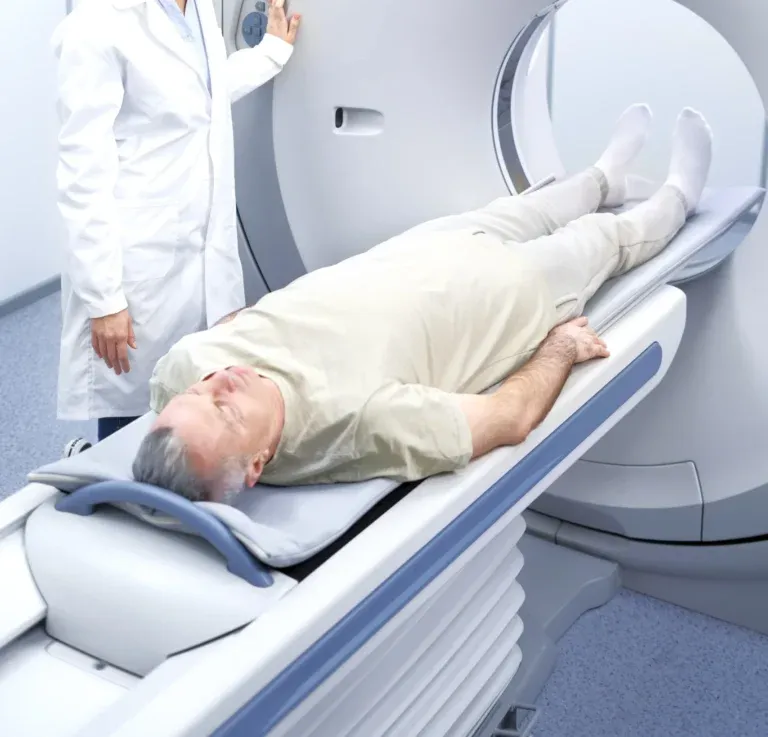
MRI vs Ultrasound Dubai: Which Scan? (2026)
بیشتر بخوانید
MRI vs X-Ray Dubai: Which Scan Do You Need? (2026)
بیشتر بخوانید
Kidney Ultrasound vs CT Dubai: Which Test? (2026)
بیشتر بخوانیدMRI Preparation Dubai: Complete Guide (2026)
بیشتر بخوانید© 2026 Doctors Clinic Diagnostic Center (DCDC), Dubai Healthcare City. Originally published at https://doctorsclinicdubai.ae/blog/ct-vs-mri-comparison. All rights reserved. Unauthorized reproduction is prohibited.