Key Takeaways
- A knee MRI in Dubai typically costs between AED 900 and AED 1,400, depending on the facility and whether contrast is required
- Knee MRI is the gold standard for diagnosing ACL tears, meniscus injuries, cartilage damage, and ligament sprains without any radiation exposure
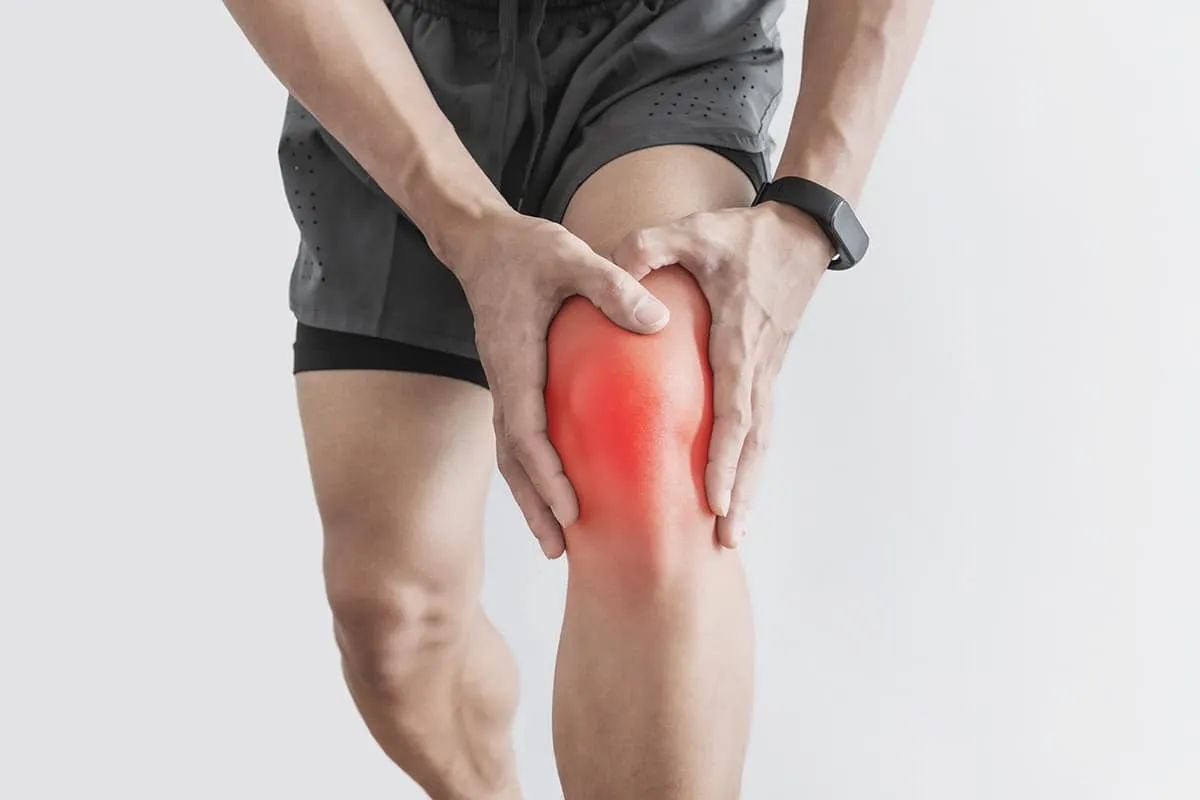
- Your doctor may order a knee MRI after a sports injury, persistent knee pain, swelling, locking, or instability that does not respond to initial treatment
- MRI provides far superior soft tissue detail compared to X-ray, which only shows bones and cannot detect ligament, tendon, or cartilage injuries
- The scan takes approximately 30 to 45 minutes, is completely painless, and requires no special preparation in most cases
A knee MRI scan is the most detailed imaging tool available for evaluating the internal structures of the knee joint. Whether you are dealing with a sports injury, chronic knee pain, or swelling that will not subside, an MRI can reveal exactly what is happening inside your knee — from torn ligaments and damaged cartilage to early-stage arthritis. In Dubai, knee MRI is widely available and remains the preferred diagnostic step before planning treatment for most knee conditions.



What Does a Knee MRI Show?
A knee MRI produces detailed cross-sectional images of all the structures within and around the knee joint. Unlike X-rays, which only visualize bone, MRI uses magnetic fields and radio waves to generate high-resolution images of soft tissues including ligaments, tendons, cartilage, menisci, and the surrounding muscles. This makes MRI the definitive imaging tool for diagnosing the vast majority of knee problems.
The following conditions are commonly identified on a knee MRI:
- ACL tears (anterior cruciate ligament): The ACL is one of the most frequently injured knee ligaments, particularly in sports involving sudden stops, pivoting, or direction changes. MRI can detect partial tears, complete ruptures, and chronic ACL deficiency with high accuracy, often exceeding 95 percent sensitivity.
- Meniscus tears: The medial and lateral menisci are C-shaped cartilage pads that act as shock absorbers in the knee. MRI is exceptionally sensitive at detecting meniscal tears, including their type (radial, horizontal, bucket-handle) and location, which directly influences whether the tear can be repaired or requires trimming.
- Cartilage damage: Articular cartilage covers the ends of the bones in the knee joint. MRI can reveal cartilage thinning, fissuring, or full-thickness defects that may indicate early osteoarthritis or chondral injury from trauma.
- Collateral ligament injuries: The medial collateral ligament (MCL) and lateral collateral ligament (LCL) stabilize the knee from side to side. MRI grades these injuries from mild sprains (Grade I) to complete tears (Grade III).
- PCL tears (posterior cruciate ligament): Less common than ACL tears, PCL injuries typically result from a direct blow to the front of the knee. MRI provides clear visualization of PCL integrity.
- Baker's cyst: A fluid-filled cyst behind the knee, often associated with meniscal tears or arthritis. MRI confirms the diagnosis and identifies the underlying cause.
- Bone marrow edema and fractures: MRI is highly sensitive to bone bruises and stress fractures that are invisible on standard X-rays, often detecting injuries weeks before they become visible on other imaging.
- Osteoarthritis: MRI can detect early cartilage changes, bone spurs, joint effusion, and synovial inflammation that indicate developing or established osteoarthritis.
"The knee is one of the most complex joints in the body, and MRI gives us a complete picture of every structure in a single examination," explains Dr. Osama Elzamzami, Consultant Radiologist at DCDC. "I can assess the cruciate and collateral ligaments, both menisci, the articular cartilage, tendons, and even the bone marrow — all without any radiation exposure to the patient."
How Much Does a Knee MRI Cost in Dubai?
The cost of a knee MRI in Dubai generally ranges from AED 900 to AED 1,400. The exact price depends on several factors including the imaging center, whether contrast dye is needed, the strength of the MRI machine, and whether the radiologist report is included in the quoted price. At Doctors Clinic Diagnostic Center in Dubai Healthcare City, knee MRI pricing is all-inclusive — covering the scan, a comprehensive radiologist report, and digital image copies.
| Knee MRI Type | Approximate Cost (AED) |
|---|---|
| Knee MRI without contrast | 900 – 1,200 |
| Knee MRI with contrast (gadolinium) | 1,200 – 1,600 |
| Both knees (bilateral) | 1,600 – 2,200 |
| Knee MRI + additional joint (e.g., ankle) | 1,800 – 2,500 |
Prices are approximate and include the radiologist report at DCDC. Contact us for exact pricing.
Contrast-enhanced knee MRI is occasionally requested when the radiologist or referring physician suspects infection, tumors, or needs to evaluate post-surgical changes. For the majority of sports injuries and degenerative conditions, a standard non-contrast knee MRI provides all the diagnostic information needed.
Most health insurance plans in the UAE cover knee MRI when it is ordered by a licensed physician with a documented clinical indication. DCDC assists patients with insurance pre-authorization to confirm coverage before the appointment.
When Does a Doctor Order a Knee MRI?
A knee MRI is not typically the first step in evaluating knee pain. Most physicians begin with a clinical examination and may order an X-ray to rule out fractures or advanced arthritis. However, when the clinical picture suggests a soft tissue injury, or when initial treatment fails to improve symptoms, an MRI becomes the next logical step. Your doctor is likely to order a knee MRI in the following situations: For related information, see our guide on MRI Cost Dubai: AED 900–15,000 by Type.
- Acute sports injury: A twisting or pivoting injury during football, basketball, padel, skiing, or running that results in immediate swelling, a popping sensation, or inability to bear weight strongly suggests a ligament or meniscus tear.
- Persistent knee pain: Knee pain lasting more than 4 to 6 weeks despite rest, ice, and anti-inflammatory medication warrants further investigation with MRI to identify the underlying cause.
- Knee locking or catching: If your knee locks in position or catches during movement, this often indicates a meniscal tear or a loose body within the joint that requires MRI confirmation.
- Knee instability: A sensation of the knee giving way or feeling unstable, especially during pivoting or descending stairs, suggests ligament damage that MRI can confirm and grade.
- Unexplained swelling: Recurrent or persistent knee swelling without clear trauma may indicate a meniscal tear, cartilage damage, synovitis, or a Baker's cyst — all clearly visible on MRI.
- Pre-surgical planning: Before arthroscopic surgery or knee replacement, surgeons frequently order an MRI to map the exact location and severity of damage, guiding their surgical approach.
- Post-injury follow-up: After an ACL reconstruction or meniscal repair, MRI is used to assess graft integrity and healing progress.
Book Your Knee MRI at DCDC
At Doctors Clinic Diagnostic Center in Dubai Healthcare City, we offer same-week appointments for knee MRI scans with comprehensive radiologist reports delivered within 24 to 48 hours.
Knee MRI vs X-Ray: Which Do You Need?
Patients frequently ask whether an X-ray is sufficient for diagnosing their knee problem or whether an MRI is truly necessary. The answer depends entirely on what condition is suspected. X-ray and MRI serve different diagnostic purposes and are complementary rather than interchangeable.
| Factor | Knee X-Ray | Knee MRI |
|---|---|---|
| Cost | AED 150 – 300 | AED 900 – 1,400 |
| Radiation | Low dose | None (zero radiation) |
| Scan time | 5 minutes | 30 – 45 minutes |
| Bone visualization | Excellent | Good |
| Ligament visualization | Not visible | Excellent (gold standard) |
| Meniscus visualization | Not visible | Excellent |
| Cartilage visualization | Indirect signs only | Direct visualization |
| Best for | Fractures, advanced arthritis, alignment | Ligament tears, meniscus tears, cartilage, soft tissue |
X-ray is often the first step, with MRI ordered when soft tissue pathology is suspected.
In practice, X-ray is the appropriate first test when a fracture is suspected or when evaluating for advanced osteoarthritis. However, X-ray is fundamentally limited — it cannot visualize ligaments, tendons, menisci, or cartilage. If your physician suspects an ACL tear, meniscus injury, or cartilage damage, an MRI is the only imaging modality that can provide a definitive diagnosis. Relying solely on X-ray for these conditions would be like trying to diagnose a software problem by examining the outside of a computer.
What to Expect During a Knee MRI
Understanding what happens during a knee MRI helps patients feel prepared and reduces anxiety about the procedure. The scan is entirely non-invasive, painless, and does not involve any needles or radiation.
- Before the scan: You will complete a safety screening questionnaire to confirm you have no metal implants, pacemakers, or other MRI-incompatible devices. You will be asked to remove all metal objects including jewellery, watches, and belts. Comfortable clothing without metal zippers or buttons is recommended.
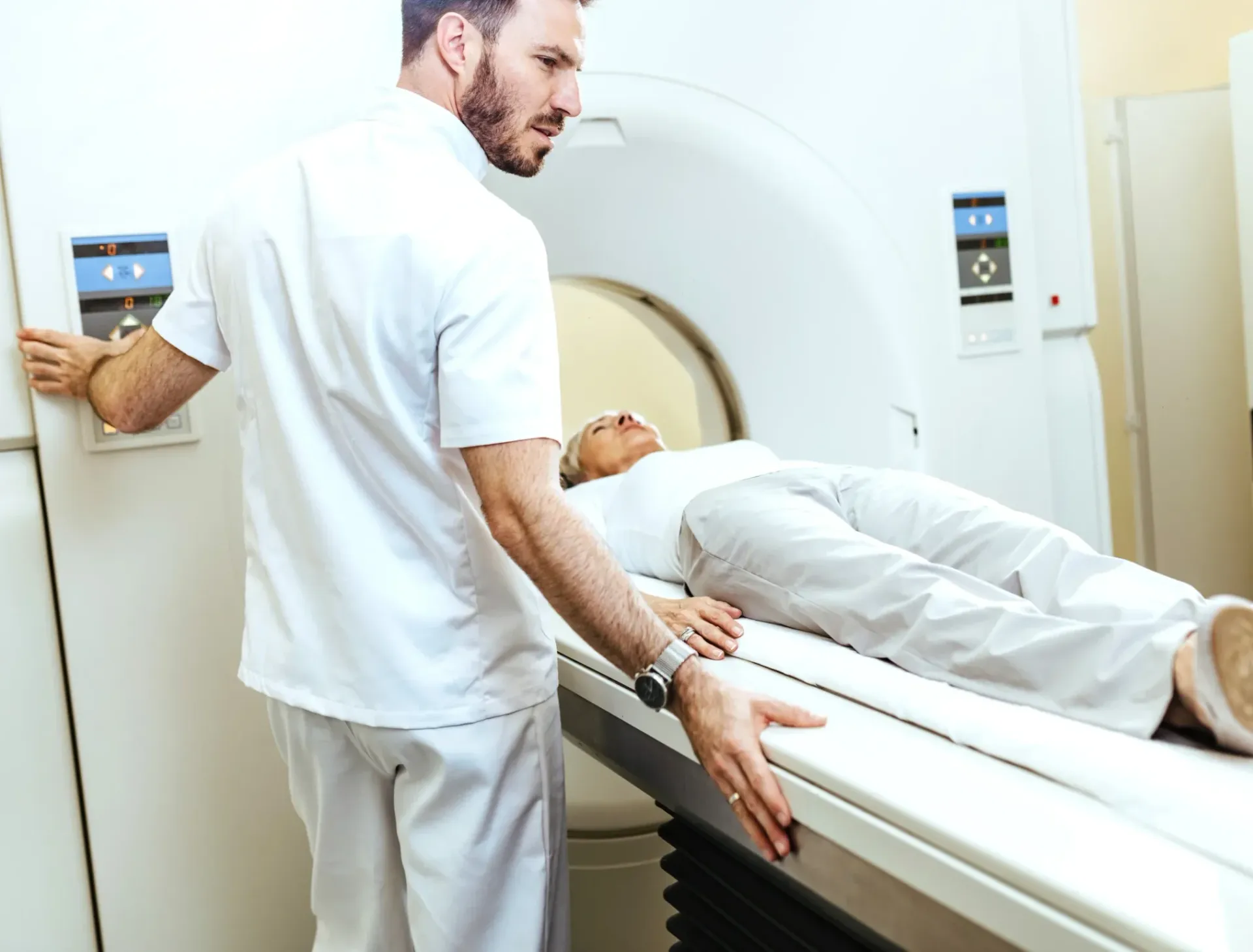
- Positioning: You will lie on your back on the MRI table with your knee positioned inside a dedicated knee coil — a specialized device that sits around the knee to optimize image quality. Your leg will be gently secured to minimize movement during the scan.
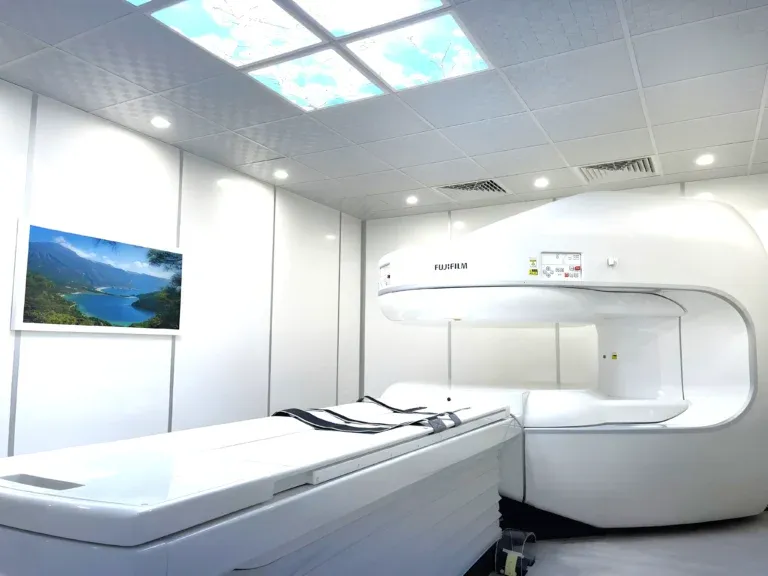
- During the scan: The table slides into the MRI machine. For a knee MRI, only your lower body enters the machine, so patients who experience claustrophobia often find knee MRI more comfortable than scans requiring full-body entry. The machine produces loud knocking and humming sounds — you will be given earplugs or headphones.
- Duration: A standard knee MRI takes approximately 30 to 45 minutes. It is essential to remain as still as possible throughout the scan, as movement can blur the images and may require sequences to be repeated.
- After the scan: There is no recovery period. You can return to normal activities immediately. Your radiologist report will typically be available within 24 to 48 hours at DCDC.
No special preparation is needed for a standard knee MRI. You can eat and drink normally before the appointment. If contrast dye is required, you may be asked to fast for 2 to 4 hours beforehand, and a small IV line will be placed in your arm for the injection.
Who Should Consider a Knee MRI in Dubai?
Knee MRI is appropriate for a broad range of patients. In Dubai, where an active lifestyle involving sports such as football, padel, tennis, running, and gym training is common, knee injuries are among the most frequent reasons patients seek MRI. The following groups benefit most from a knee MRI: You may also find our ACL Tear MRI: How MRI Diagnoses Knee Ligaments helpful.
- Athletes and sports enthusiasts: Anyone who has sustained a twisting injury, heard a pop in the knee, or experienced sudden swelling after physical activity should have an MRI to rule out ligament or meniscus damage.
- Patients with chronic knee pain: If knee pain has persisted for more than a month despite conservative treatment (rest, physiotherapy, anti-inflammatory medication), an MRI can identify the structural cause and guide more targeted treatment.
- Adults over 50 with knee symptoms: MRI can differentiate between treatable meniscal tears and osteoarthritis-related changes, helping physicians determine whether conservative management, injections, or surgical intervention is most appropriate.
- Post-surgical patients: Following ACL reconstruction, meniscal repair, or other knee surgeries, MRI is used to monitor healing, assess graft integrity, and identify any complications.
- Patients preparing for surgery: Orthopedic surgeons rely on pre-operative MRI to plan their surgical approach, determine the extent of repair needed, and discuss realistic outcomes with the patient.
Get Expert Knee MRI Interpretation
At DCDC, every knee MRI is interpreted by a consultant radiologist with subspecialty musculoskeletal imaging experience. Our detailed, structured reports provide your referring physician with the precise information needed to plan your treatment. Learn more about our MRI services.
Related Services at DCDC
Expert care and advanced diagnostics at Dubai Healthcare City
Frequently Asked Questions
Final Thoughts
A knee MRI is the most reliable imaging tool for evaluating the ligaments, menisci, cartilage, and other soft tissue structures of the knee. Whether you are dealing with a sports injury, unexplained pain, or preparing for surgery, MRI provides the detailed information your physician needs to make an accurate diagnosis and recommend the most appropriate treatment plan.
At Doctors Clinic Diagnostic Center in Dubai Healthcare City, we combine advanced MRI technology with experienced consultant radiologist interpretation to deliver thorough, reliable knee MRI reports. Contact us to book your scan or to discuss whether a knee MRI is appropriate for your symptoms.
Sources & References
This article was reviewed by our medical team and references the following sources:
- American College of Radiology - Appropriateness Criteria for Acute Knee Trauma
- Radiological Society of North America - Knee MRI
- American Academy of Orthopaedic Surgeons - Knee Ligament Injuries
- European Radiology - MRI Diagnostic Accuracy for Meniscal Tears
- Dubai Health Authority - Diagnostic Imaging Standards
Medical content on this site is reviewed by DHA-licensed physicians. See our editorial policy for more information.

Written by
Dr. Osama Elzamzami
Diagnostic Radiology
MD, FRCR
Dr. Osama Elzamzami is a Consultant Radiologist specializing in diagnostic imaging including MRI, CT, and ultrasound at DCDC Dubai Healthcare City.
Related Articles
MRI Cost in Dubai: Complete Guide to Types & Pricing (2026)
ACL Tear MRI: How MRI Diagnoses Ligament Injuries in Dubai
Hip MRI Dubai: Detect Labral Tears, AVN & Joint Problems
Ankle MRI Dubai: What It Shows, Cost & When You Need One
Sports Injury Recovery in Dubai: Complete Guide
More in Diagnostic Imaging
CT Scan vs Ultrasound Dubai: Which Test? (2026)
Read More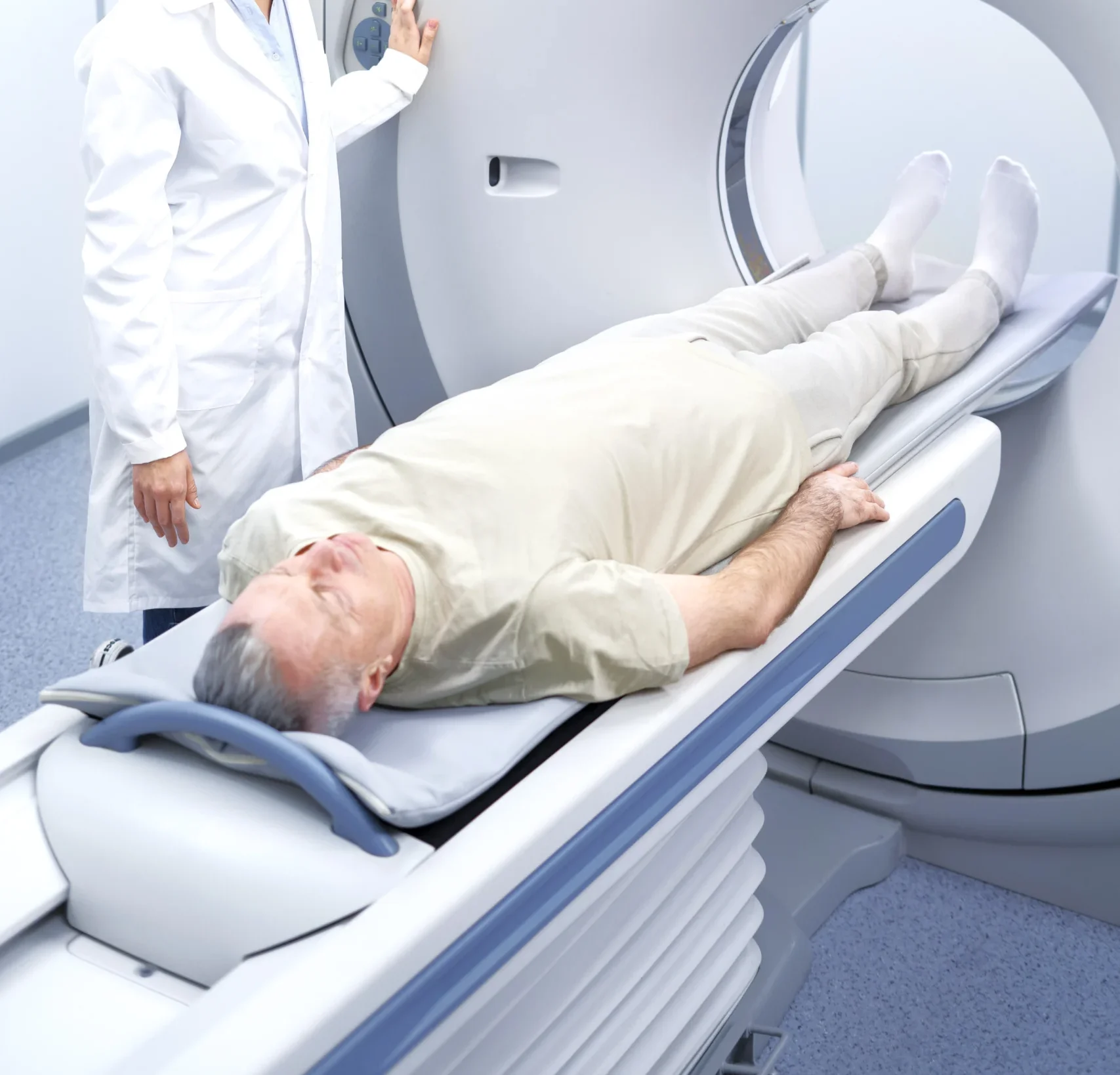
Open vs Closed MRI Dubai: Key Differences (2026)
Read More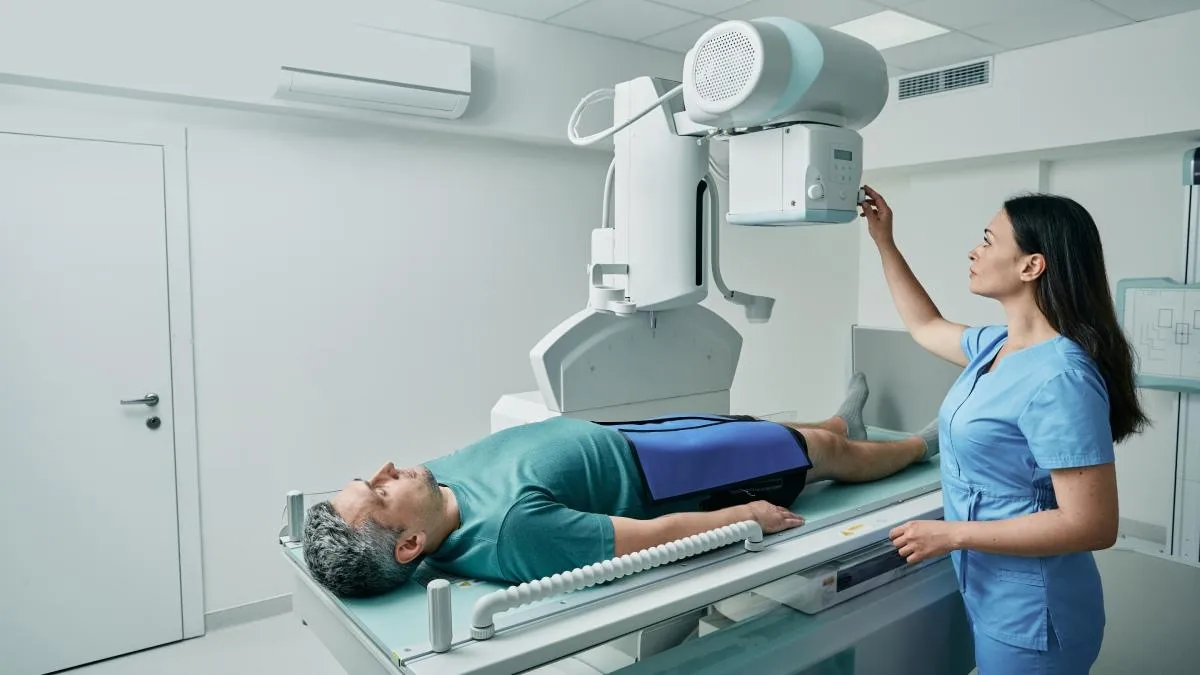
X-Ray Cost Dubai: Prices by Body Part (2026)
Read More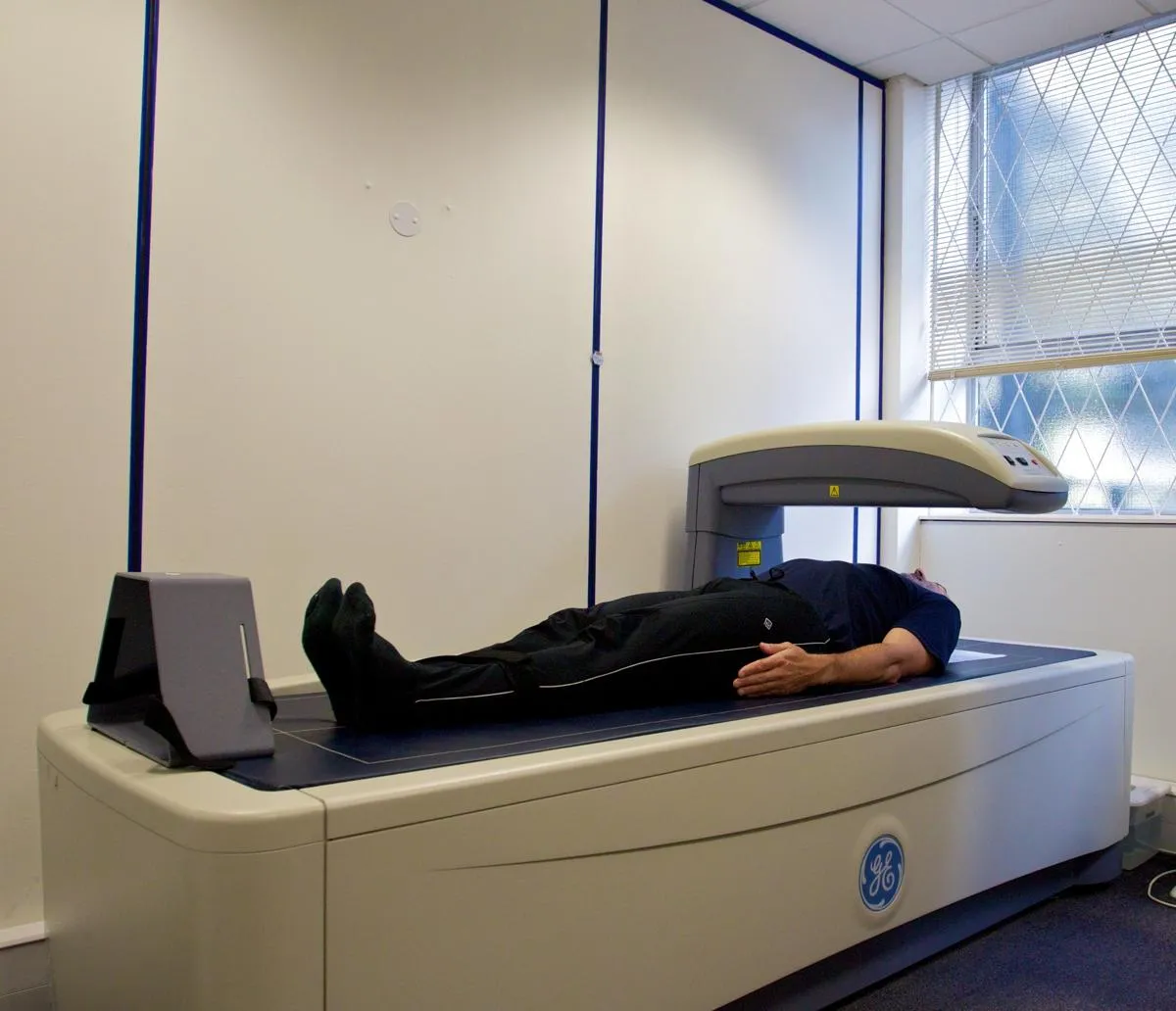
DEXA Scan Cost Dubai: From AED 399 (2026)
Read More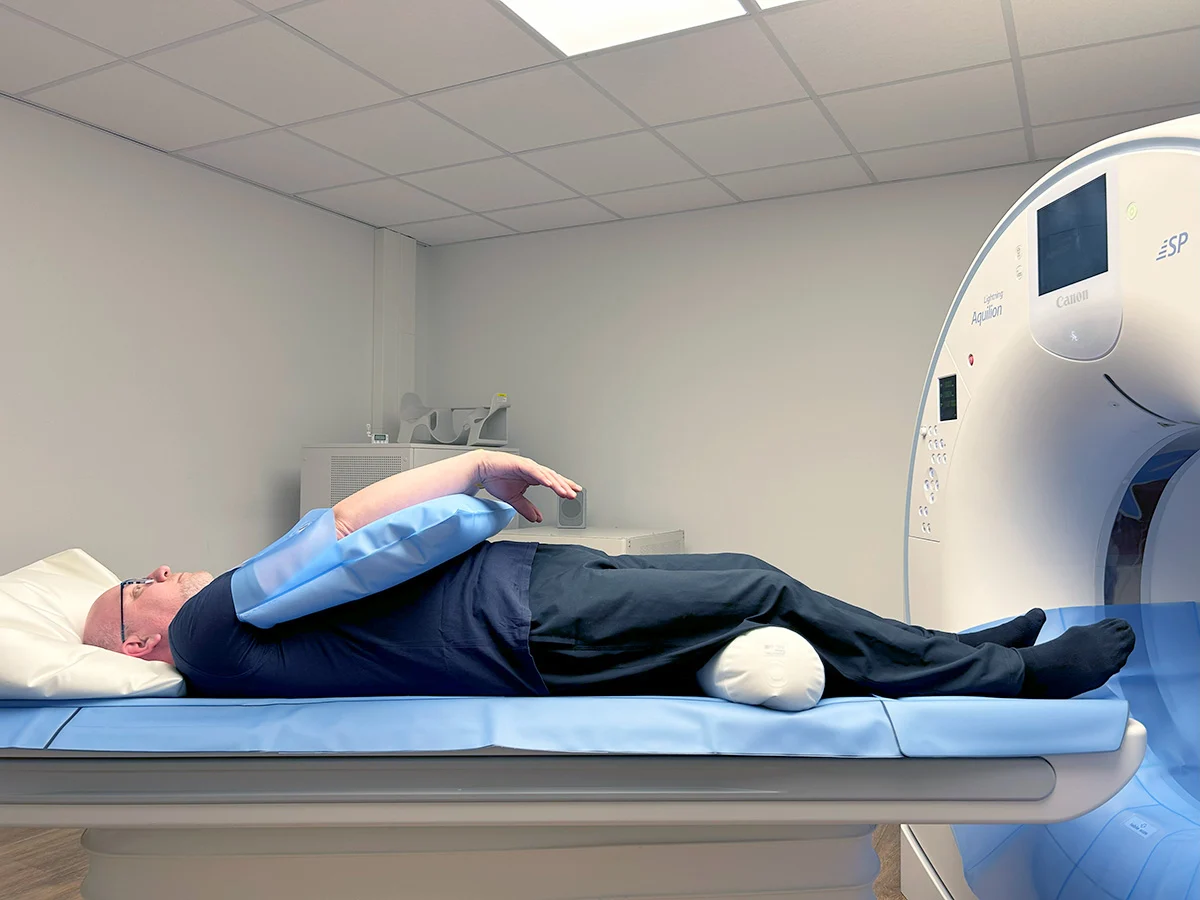
CT Scan Cost Dubai: Prices & Types (2026)
Read More
DEXA Scan Dubai: Cost, T-Score & Who Needs It (2026)
Read More© 2026 Doctors Clinic Diagnostic Center (DCDC), Dubai Healthcare City. Originally published at https://doctorsclinicdubai.ae/blog/knee-mri-scan-dubai. All rights reserved. Unauthorized reproduction is prohibited.