Key Takeaways
- Microsuction is the gold standard for ear wax removal: no water, direct vision and suitable for most patients, including those who cannot be syringed
- Irrigation (syringing) can work for soft wax but is not suitable with a perforated eardrum, ear surgery history or infection
- Manual curette removal is safe and fast in trained hands for wax in the outer canal
- Ear drops are a sensible first step for mild build-up, but often do not clear a full blockage
- Ear candling is ineffective and dangerous, and cotton buds push wax deeper. Avoid both
- DCDC offers ear wax removal from AED 300 with ENT specialist Dr. Yousra Mohamed, usually on the same day
Choosing between microsuction, syringing, drops and other options is confusing when your ear feels blocked. This guide compares every common method side by side so you can understand the safest way to remove ear wax. If you would rather have an expert look first, you can book an ENT consultation at DCDC in Dubai Healthcare City, where wax is usually removed in the same visit.
Dubai's dust, humidity, daily earbud use and frequent swimming make blocked ears a common complaint. Below we explain why wax builds up, how to recognise when you need help, and how each ear wax removal method works, with its benefits, risks and typical cost in Dubai. This article is educational and does not replace a medical examination.
Health Screening Packages
Save with our bundled screening packages — specialist consultation included






Why Ear Wax Builds Up
Ear wax, medically called cerumen, is not dirt. It is a protective mixture of secretions from glands in the outer third of the ear canal, shed skin cells and tiny hairs. It traps dust, repels water and has mild antibacterial properties. Under normal conditions the canal cleans itself: skin in the canal slowly migrates outward, helped by jaw movement when you chew and talk, carrying old wax to the opening where it flakes away or washes off in the shower.
Problems start when that outward conveyor belt is interrupted or overloaded. The most common causes are:
- Cotton buds: they push wax deeper and pack it against the eardrum rather than removing it. This is the single biggest cause of impaction we see.
- Earbuds, AirPods and hearing aids: anything worn in the canal blocks natural migration and can stimulate extra wax production. Many Dubai residents wear earbuds for hours every day on commutes, in the gym and on calls.
- Narrow, curved or hairy canals: some people simply have anatomy that traps wax more easily.
- Dust, sand and dry air-conditioned environments: UAE dust mixes with wax and makes it denser, while constant air conditioning can leave the canal skin dry and flaky, which adds to the debris.
- Heat, humidity and swimming: sweating, frequent pool and sea swimming and humid summers can cause wax to swell and harden, which is why blockages often appear after a swim or a beach weekend.
- Age and skin conditions: wax tends to become drier and harder with age, and conditions such as eczema can add to the problem.
Signs You Need Professional Ear Wax Removal
Many people carry some wax without any problem, and a small amount is healthy. You should have your ears checked when wax causes symptoms. Common signs include:
- Muffled or reduced hearing in one or both ears
- A feeling of fullness or blockage, like water stuck in the ear
- Tinnitus (ringing, buzzing or hissing)
- Itching or mild discomfort inside the ear
- Earache or a sense of pressure
- Dizziness or a slight loss of balance
- A cough that has no other explanation (the ear canal shares a nerve supply with the throat)
- Hearing aids whistling, or earbuds that no longer fit or sound right
Pain, discharge, fever, sudden hearing loss or bleeding are not typical of simple wax. They can point to infection or damage, and they need an examination rather than home treatment. Our guide to ear infection treatment in Dubai explains the difference.
Ear Wax Removal Methods Compared
This table summarises the five approaches people ask about most. Costs are typical Dubai ranges and vary by clinic. DCDC ear wax removal starts from AED 300 and is performed after an ENT assessment.
| Method | How It Works | Pros | Cons | Safety Rating | Best For | Typical Cost Dubai |
|---|---|---|---|---|---|---|
| <strong>Microsuction</strong> (gold standard) | Gentle suction passed into the canal while the clinician watches through a microscope or otoscope | No water, fast, precise, works on hard or deep wax, suitable for most people including those with perforations or past ear surgery (at specialist discretion) | Needs trained clinician and equipment; brief suction noise | Very high | Most adults, hard or impacted wax, hearing aid users, anyone with ear conditions | From AED 300 at DCDC (typically AED 300-800 elsewhere) |
| <strong>Irrigation / syringing</strong> | Warm water is flushed into the canal to wash wax out | Widely available, familiar, effective for soft wax | Not suitable if there is a perforation, previous ear surgery or infection; risk of pain, infection, dizziness and eardrum injury; wet ear afterwards | Moderate (lower if unsupervised) | Soft wax in a healthy canal with an intact eardrum, after softening | About AED 200-400 at GP clinics |
| <strong>Manual / curette removal</strong> | Clinician uses a fine loop or hook instrument to lift wax out under direct vision | No water, quick for wax near the opening, good control | Needs steady technique and good visibility; may be uncomfortable if the wax is stuck to the skin | High when performed by a trained specialist | Wax in the outer canal, flaky or dry wax, small amounts | Often included in an ENT visit, from AED 300 at DCDC |
| <strong>Ear drops</strong> (over-the-counter) | Oil or water-based softeners loosen wax so it clears naturally or can be removed | Cheap, easy, no appointment, helps before professional removal | Slow, often incomplete, can irritate skin, not for perforated eardrums | High when used as directed | Mild build-up and softening before a procedure | About AED 20-60 at pharmacies |
| <strong>Ear candling</strong> (<span style="color:#b91c1c"><strong>UNSAFE - do not use</strong></span>) | A hollow candle is lit at the ear opening, supposedly drawing wax out | None proven | Does not remove wax, can cause burns, canal blockage from candle wax and eardrum injury | Unsafe | Nobody. Avoid completely | Not recommended at any price |
Microsuction: The Gold Standard
Microsuction is widely regarded as the safest and most effective way to remove ear wax. A clinician looks into the ear through a binocular microscope or a magnified otoscope and uses a thin, sterile suction tip to lift the wax out under direct vision. No liquid enters the ear, so there is no risk of trapping moisture behind the wax or of a water jet striking the eardrum.
The main advantages are control and precision. Because the clinician can see exactly what the tip is touching, hard, deep or irregular wax can be removed without guessing. It is also suitable for many patients who cannot have irrigation, including people who have had ear surgery, those with a history of ear infections and, when assessed by a specialist, some patients with a perforated eardrum. The procedure is usually completed in minutes per ear and most people describe it as a loud but painless sensation.
Possible downsides are modest: the suction noise can be startling, and a few people feel brief dizziness or a short-lived tickle. Microsuction should be done by a trained professional with suitable equipment, which is why the choice of clinic matters. At DCDC, microsuction is performed under otoscope or microscope visualisation as part of an ENT visit.
Irrigation (Ear Syringing): What to Know
Irrigation, often called syringing, uses a controlled stream of warm water to flush wax from the canal. For decades it was the default method in GP surgeries, and it remains in use because it is inexpensive and the equipment is simple. It works best for soft wax after it has been softened with drops for several days.
It is not suitable for everyone. Irrigation should be avoided if you have or may have a perforated eardrum, a history of ear surgery, a recent or current ear infection, grommets, a narrow or inflamed canal, or only one hearing ear. The water pressure and temperature can also trigger pain, vertigo, tinnitus or infection, particularly if the canal is not dried properly afterwards. In a humid city like Dubai, a canal that stays damp is more likely to develop swimmer's ear (otitis externa).
Because the wax cannot be seen during standard syringing, the clinician is working partly blind. This is the main reason many ENT specialists prefer methods that allow direct vision. Never attempt high-pressure home irrigation with a bulb syringe, a water flosser or a shower jet. These can injure the eardrum.
Manual Removal with Curette
Manual removal uses a fine instrument, such as a curette, loop or small hook, to gently lift wax out. It is performed with a light source and magnification so the clinician can see the wax and the canal wall. The technique is quick and effective when the wax is in the outer canal, is dry and flaky, or is a thin plug that has not been compacted against the eardrum.
Skill matters. A curette used without good visibility or by an inexperienced person can scratch the delicate skin of the canal, which is thin and sensitive. In expert hands it is safe, and it is often combined with microsuction in the same appointment: the specialist lifts larger pieces out manually and uses suction to clear the remainder. At DCDC, manual removal is carried out only under visualisation and chosen when it is the most suitable approach for the wax in front of the doctor.
Ear Drops: When They Are Enough
Over-the-counter ear drops soften wax so that it can leave the ear naturally or be removed more easily. Common types include olive oil, almond oil, sodium bicarbonate drops, hydrogen peroxide based preparations and commercial cerumenolytics. They are inexpensive, readily available in UAE pharmacies and a sensible first step for mild symptoms.
- When drops can be enough: mild blockage, a feeling of slight fullness, or preparing for a procedure.
- How to use them: lie on your side, instil the drops as per the pack instructions, stay still for several minutes, then wipe away any excess. Most products are used for three to five days.
- When not to use them: if you have ear pain, discharge, a known or suspected perforated eardrum, or recent ear surgery. See an ENT specialist first.
- Limits: drops often do not clear a large or fully impacted plug. If symptoms persist after a week, professional removal is the next step.
Why You Should Avoid Ear Candling and Cotton Buds
Warning: ear candling is ineffective and dangerous. Ear candling, also sold as ear coning, involves placing a hollow candle in the ear canal opening and lighting the far end. Claimed suction effects have been tested and not found: no negative pressure is created, and the residue found in the candle after use is simply burnt candle material. The practice is associated with burns to the face, ear and hair, wax from the candle dripping into the canal, blocked ears and perforated eardrums. Health authorities and ENT societies advise against it. Please do not use it, and do not let a salon or beauty clinic offer it to you as a medical treatment.
Cotton buds are not safe either. They are the most common cause of impacted wax and a leading cause of avoidable ear injury. They compact wax against the eardrum, scratch the canal and, in rare cases, perforate the eardrum. Cotton buds are very widely used in the region, often as part of a daily routine after showering. A simple rule helps: clean the outer ear with a damp cloth and leave the canal alone. Hair pins, keys, ear picks and ear vacuum gadgets sold online carry the same risks and should also be avoided.
How to Choose the Right Method for You
There is no single answer for everyone, but a simple decision guide helps:
- Mild fullness, no pain, no other ear history: try softening drops for three to five days. If it does not clear, book an assessment.
- Hearing loss, tinnitus, dizziness or a clearly blocked ear: have it examined. Microsuction is usually the best choice.
- Hearing aid or earbud user with repeated build-up: choose professional microsuction at regular intervals, and ask about a maintenance schedule.
- Past eardrum perforation, ear surgery, grommets or recurring infections: avoid irrigation and see an ENT specialist for microsuction or manual removal.
- Pain, discharge, bleeding or sudden hearing loss: do not use drops or any home remedy. Get an urgent ENT examination.
- Anyone thinking of ear candling: choose a safe method instead.
If you are unsure, the safest option is an examination by an ENT specialist. A short look with an otoscope can reveal whether wax is the problem at all, since infection, fluid behind the eardrum and hearing loss can feel similar. For pricing details see our ear wax removal cost guide, and for a wider look at safe home habits see professional ear cleaning in Dubai.
What to Expect at DCDC
Doctors Clinic Diagnostic Center (DCDC) is a MOHAP-licensed clinic in Building 64, Block A, Al Razi Medical Complex, Dubai Healthcare City, with a 4.8/5 Google rating from more than 1,000 reviews. Here is how an ear wax visit works:
- 1. Walk in or book: you can book by WhatsApp, phone or online, or walk in during opening hours. Appointments are available Saturday to Thursday 8 AM to 10 PM and Friday 9 AM to 9 PM. Parking is free.
- 2. ENT consultation: Dr. Yousra Mohamed (MBBS, Arab Board ORL, MRCS) takes a brief history, asks about symptoms, earbud or hearing aid use, previous ear problems and any surgery.
- 3. Otoscope examination: she examines both ears under magnification to see the wax, the canal and the eardrum.
- 4. Choosing the method: based on wax type and position and your ear history, she selects the safest approach, typically microsuction and or manual removal with microscope or otoscope visualisation.
- 5. Procedure the same visit: in most cases the wax is removed the same day, usually within minutes per ear.
- 6. Hearing check if needed: if you reported hearing loss, audiometry can be arranged in the same visit to confirm that hearing has returned to normal or to identify another cause.
- 7. Aftercare advice: you receive guidance on keeping ears dry, what to avoid, and when to return. Patients with frequent build-up can discuss a routine review schedule.
Ear wax removal at DCDC is available from AED 300, and an ENT consultation starts from AED 300. Your final cost depends on what your ears need. Insurance coverage varies by plan, so please check with your insurer.
Blocked Ears? Book Safe Ear Wax Removal in Dubai Healthcare City
Dr. Yousra Mohamed, ENT specialist, assesses your ears and removes wax safely, usually on the same day. From AED 300. Book your appointment or message us on WhatsApp.
Building 64, Block A, Al Razi Medical Complex, Dubai Healthcare City. Free parking.
Related Services at DCDC
Expert care and advanced diagnostics at Dubai Healthcare City
Frequently Asked Questions
Final Thoughts: Choose the Safest Method, Not the Quickest Fix
Of all the options, microsuction under direct vision offers the best balance of safety, comfort and effectiveness, with manual removal as a trusted partner and drops as a gentle first step. Irrigation has a place for selected patients, while ear candling and cotton buds should have no place in your routine. Your ears are delicate, and the ear canal skin and eardrum are easily injured.
If your ears feel blocked, your hearing is reduced or you are unsure what is causing your symptoms, a short assessment can save weeks of discomfort. Dr. Yousra Mohamed and the DCDC team in Dubai Healthcare City are ready to examine your ears, choose the right method and, in most cases, clear the problem during the same visit. Ear wax removal starts from AED 300.
Sources & References
This article references the following sources:
- NHS - Earwax build-up
- Mayo Clinic - Earwax blockage: Diagnosis and treatment
- Schwartz SR et al. Clinical Practice Guideline (Update): Earwax (Cerumen Impaction). Otolaryngol Head Neck Surg 2017 (PubMed)
- Ear candling: Ernst E. Ear candles: a triumph of ignorance over science. J Laryngol Otol 2004 (PubMed)
- Mayo Clinic - Earwax blockage: Symptoms and causes
- WHO - Deafness and hearing loss
This information is educational and does not replace individual medical advice. See our editorial policy for more information.

Written by
Dr. Yousra Mohamed
ENT Specialist
MBBS, Arab Board (ORL), MRCS
Dr. Yousra Mohamed is an ENT Specialist at Doctors Clinic Diagnostic Center (DCDC) in Dubai Healthcare City.
Related Articles
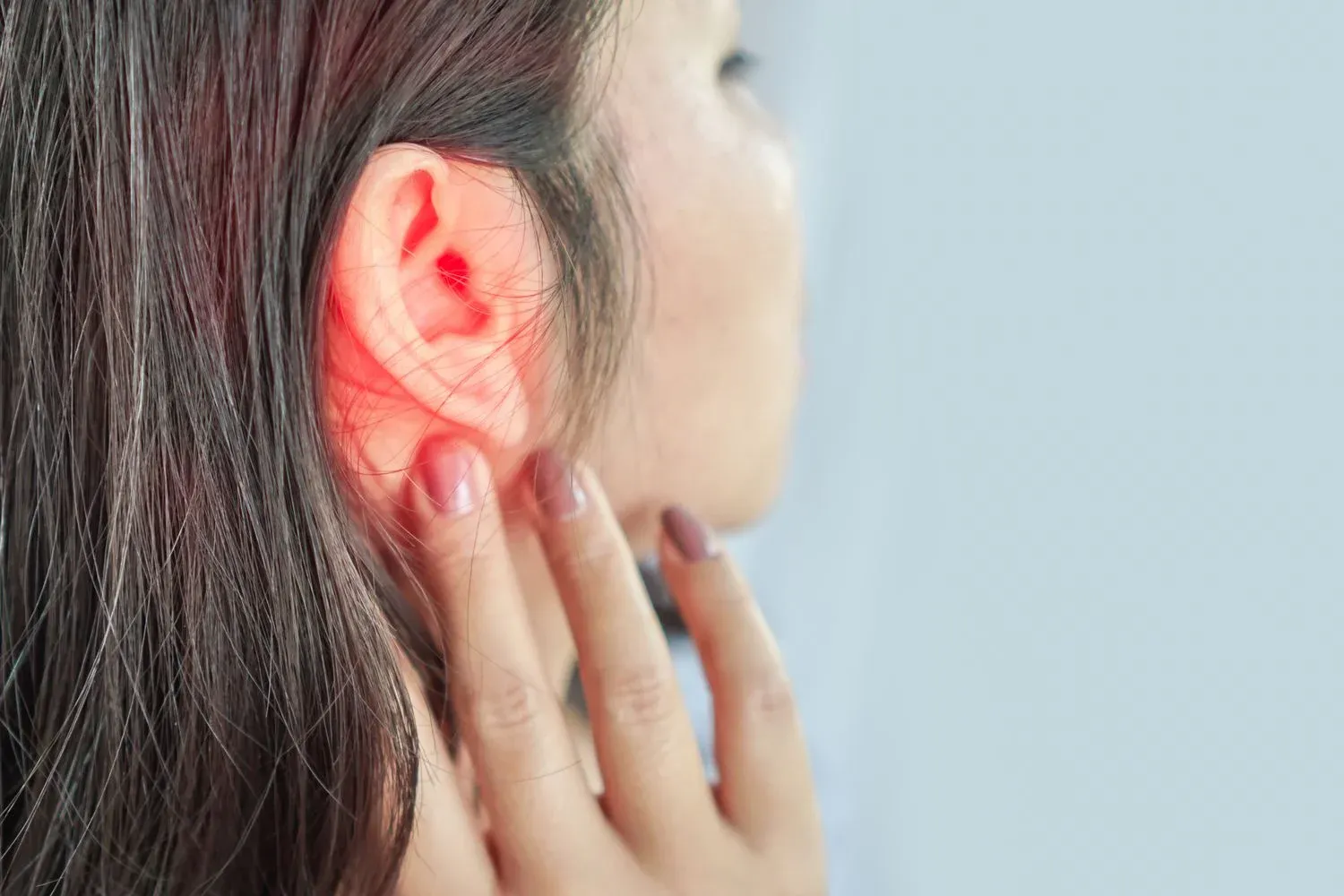
Ear Wax Removal Cost Dubai: From AED 300
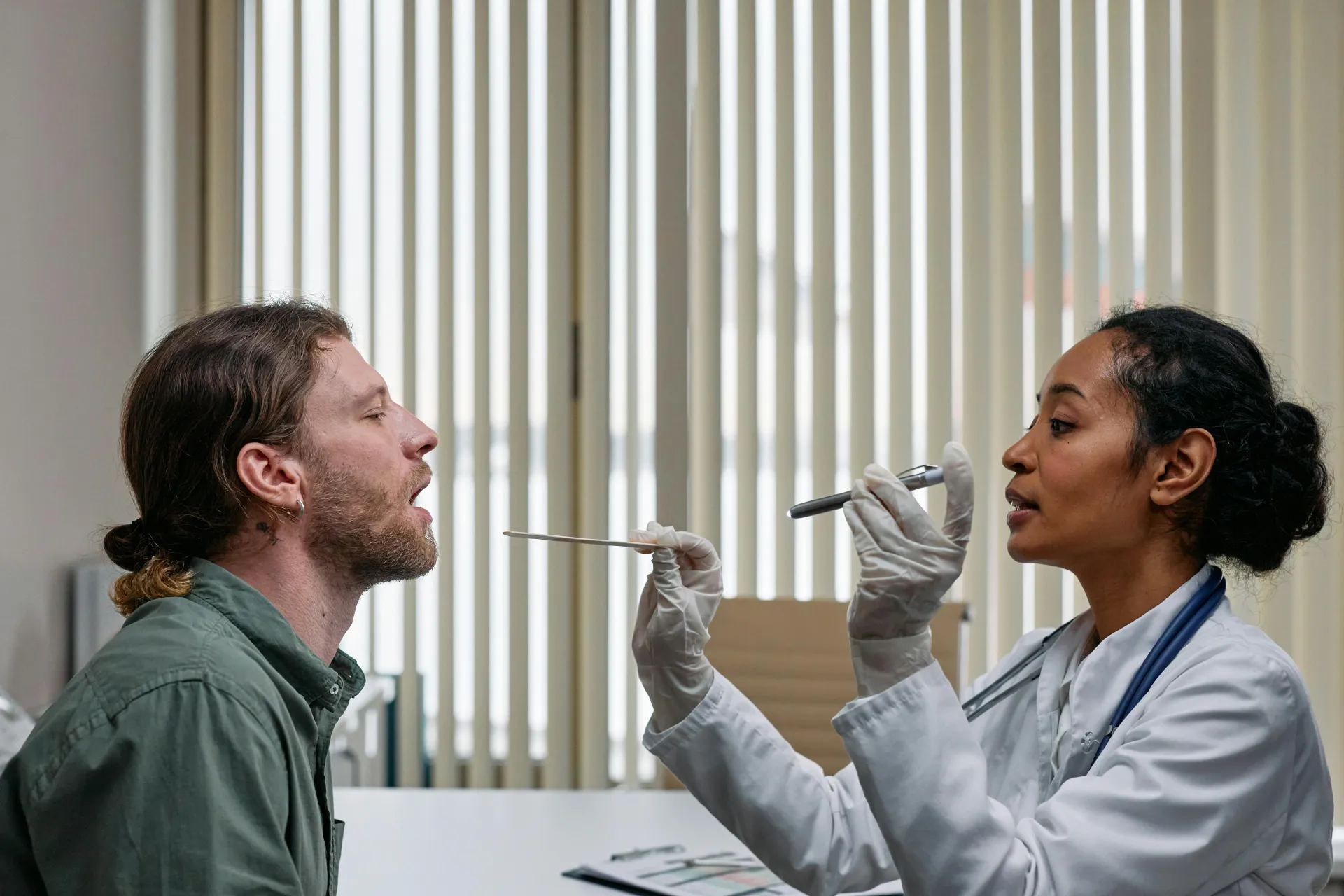
Ear Cleaning Dubai: Safe Methods & Cost
Ear Infection Treatment Dubai
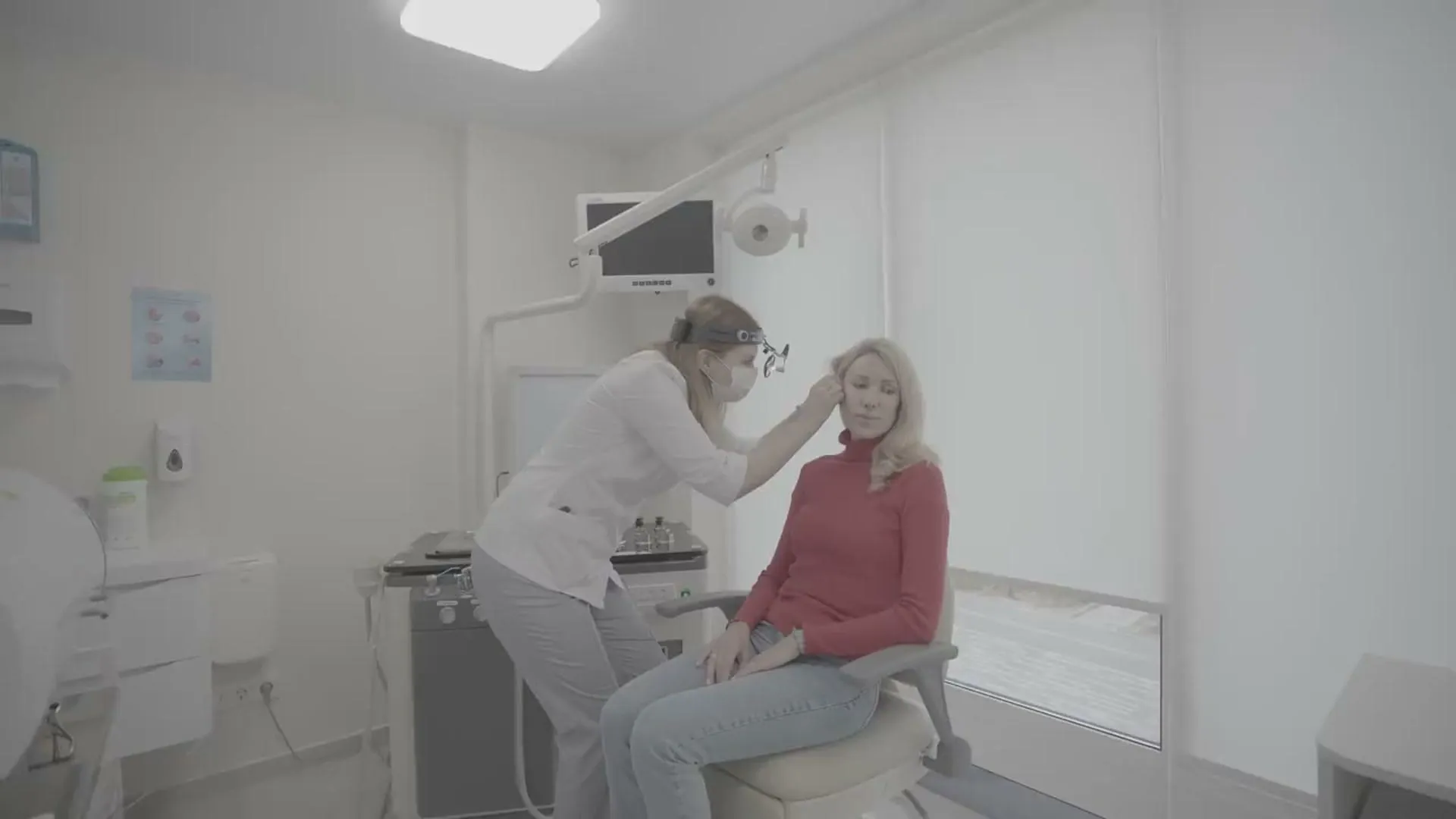
Hearing Test Dubai: Audiometry Types & Cost
More in General Health
Emsella for Men: Post-Prostate Care Dubai (2026)
Read More
Epilepsy Treatment Dubai: Symptoms & Care (2026)
Read More
Food Allergy vs Food Intolerance Dubai (2026)
Read More
Pneumonia vs Flu Dubai: Key Differences (2026)
Read More
Swollen Lymph Nodes Dubai: When to Worry (2026)
Read MoreFlu vs Cold Dubai: How to Tell the Difference (2026)
Read More© 2026 Doctors Clinic Diagnostic Center (DCDC), Dubai Healthcare City. Originally published at https://doctorsclinicdubai.ae/blog/ear-wax-removal-methods-compared-dubai. All rights reserved. Unauthorized reproduction is prohibited.