

Book Your Appointment
Verified Patient Reviews of DCDC Diagnostic Center in Dubai
Verified reviews and real patient stories from Dubai Healthcare City
I'm very satisfied with this medical clinic. I had my first pregnancy screening here. It was affordable and very professional. The radiologist was welcoming, kind, and made the experience great.
Aizhan Tokmanbetova
Hurt my knee Friday night and got an MRI appointment Sunday evening (booked Sunday afternoon). Waited about 2 minutes and was done in just over 30 minutes. The team was amazing, friendly and efficient.
Kirsten Evans
Dr. Osama's team was gentle and amazing. After a bad experience elsewhere, my pelvic exam here was much more professional. Great report and very precise.
Mary





Ear Infection Treatment Dubai: Expert Care for All Ages
Comprehensive diagnosis and treatment for ear infections
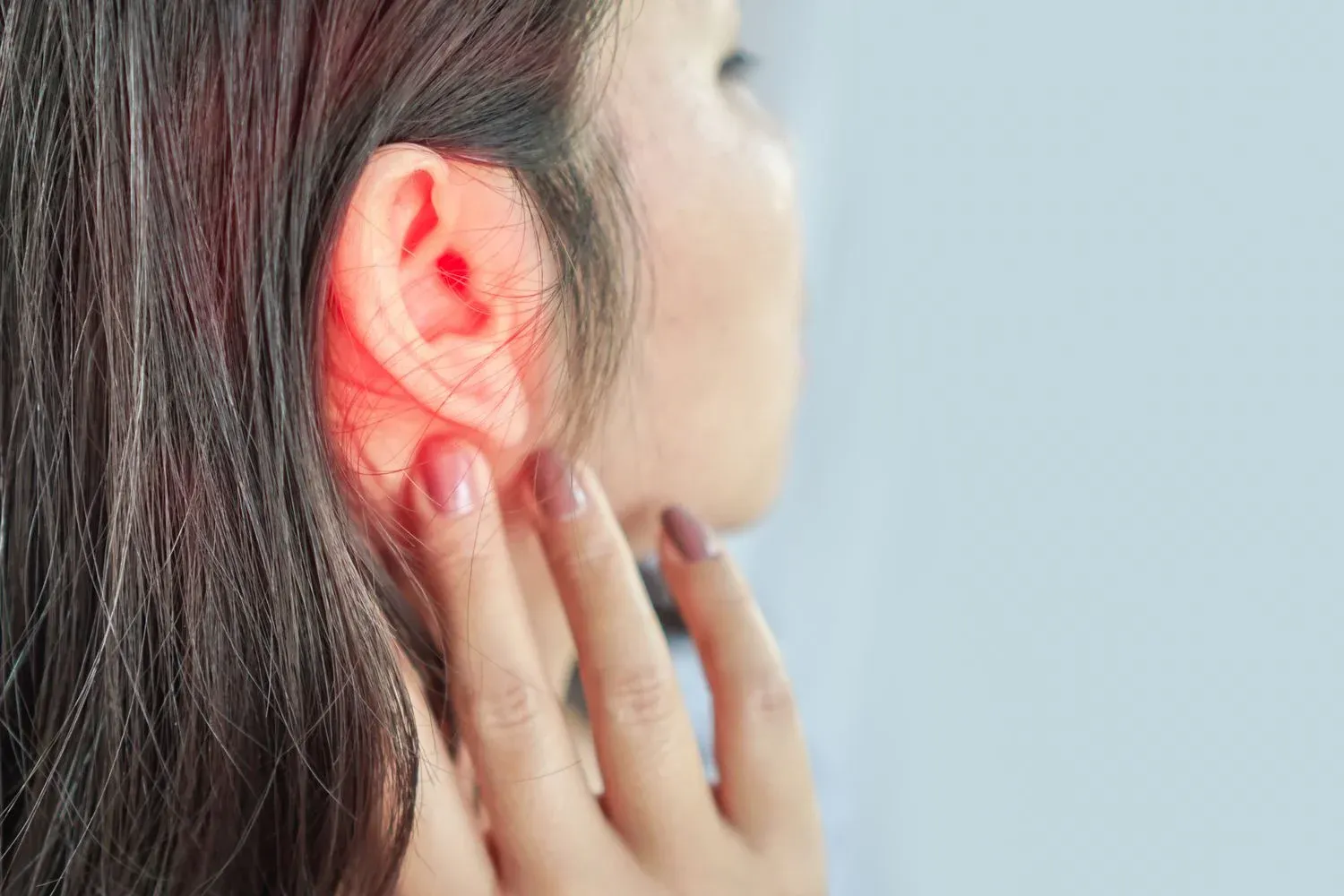
Expert ENT Care
Board-certified ear specialists
All Ages
Treatment for children and adults
Same-Day Relief
Urgent appointments available
Ear infection treatment in Dubai is one of the most common reasons people visit an ENT specialist. Whether it is an outer ear infection (swimmer's ear), middle ear infection (otitis media), or chronic ear problems, our ear pain specialist team provides expert diagnosis and effective treatment at our ear infection clinic in Dubai Healthcare City.
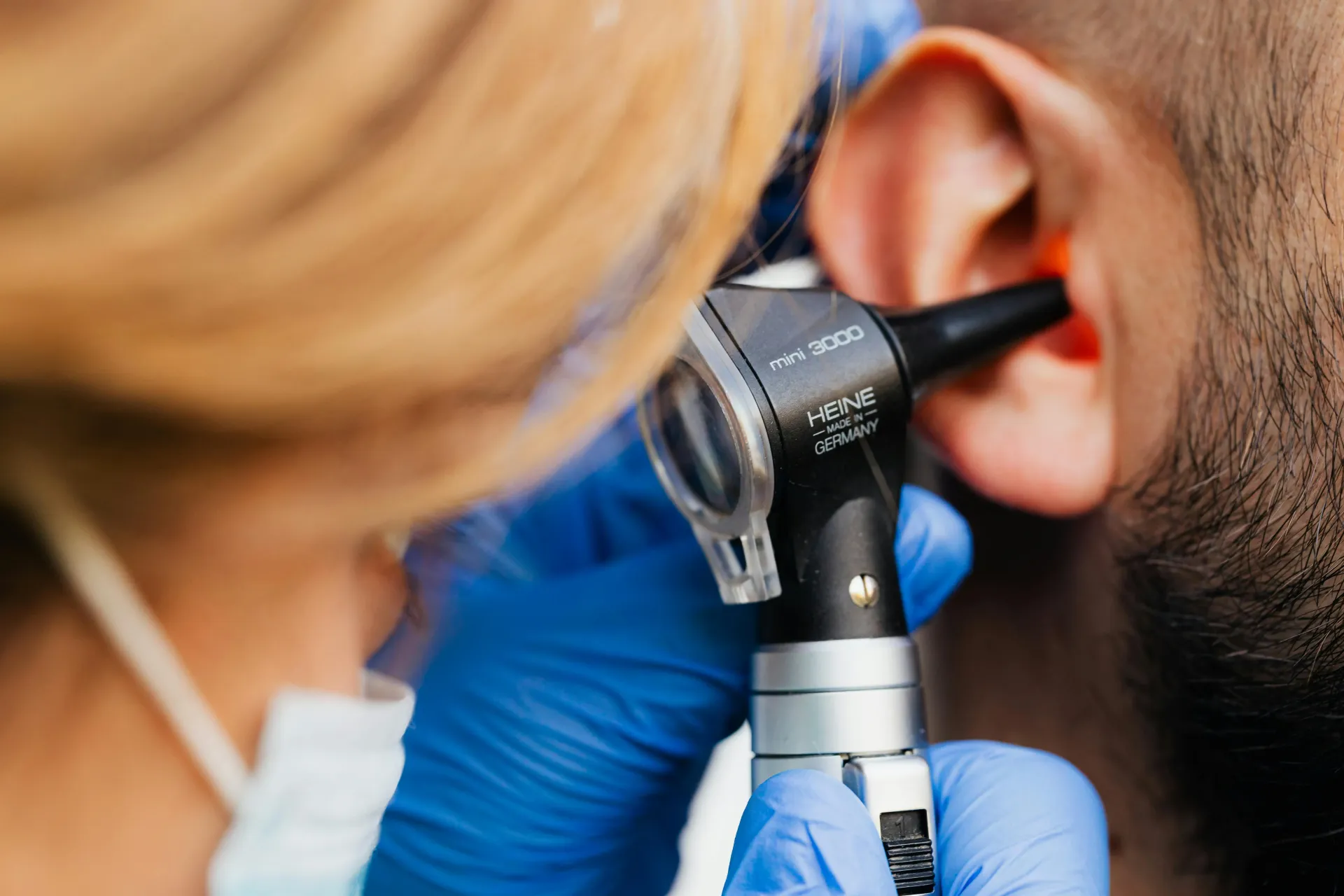
We treat ear infections in patients of all ages, from young children prone to middle ear infections to adults with outer ear problems. Using otoscopy and other diagnostic tools, we accurately identify the type and cause of infection for targeted treatment.
Our clinic, serving families from Jumeirah, Business Bay, and Oud Metha at our DHCC facility, offers same-day appointments for urgent ear pain with competitive ear infection treatment cost, on-site examination by the best ear doctor in Dubai, and immediate treatment including ear cleaning, medication, and follow-up care.
Ear infections are particularly common in Dubai due to the warm climate and frequent swimming. Outer ear infections (swimmer's ear) are a year-round concern for pool and beach users, while middle ear infections frequently follow upper respiratory infections, especially in young children. Our ENT specialists see these conditions daily and understand the regional patterns that influence treatment decisions.
As a trusted ear pain specialist in Dubai, we go beyond treating the immediate infection. Our ear care Dubai team focuses on identifying factors that predispose you or your child to recurrent ear problems, including otitis treatment and prevention. This may include assessing for allergies, evaluating Eustachian tube function, checking for adenoid enlargement in children, and providing practical advice on prevention. Our ear pain specialist team and comprehensive ear care Dubai approach aim not only to resolve the current otitis treatment but to reduce the likelihood of future episodes.
Expert ENT Care
Board-certified ear specialists
All Ages
Treatment for children and adults
Same-Day Relief
Urgent appointments available
Ear Infection Treatment Dubai: Expert Care for All Ages
Comprehensive diagnosis and treatment for ear infections
Ear infection treatment in Dubai is one of the most common reasons people visit an ENT specialist. Whether it is an outer ear infection (swimmer's ear), middle ear infection (otitis media), or chronic ear problems, our ear pain specialist team provides expert diagnosis and effective treatment at our ear infection clinic in Dubai Healthcare City.
We treat ear infections in patients of all ages, from young children prone to middle ear infections to adults with outer ear problems. Using otoscopy and other diagnostic tools, we accurately identify the type and cause of infection for targeted treatment.
Our clinic, serving families from Jumeirah, Business Bay, and Oud Metha at our DHCC facility, offers same-day appointments for urgent ear pain with competitive ear infection treatment cost, on-site examination by the best ear doctor in Dubai, and immediate treatment including ear cleaning, medication, and follow-up care.
Ear infections are particularly common in Dubai due to the warm climate and frequent swimming. Outer ear infections (swimmer's ear) are a year-round concern for pool and beach users, while middle ear infections frequently follow upper respiratory infections, especially in young children. Our ENT specialists see these conditions daily and understand the regional patterns that influence treatment decisions.
As a trusted ear pain specialist in Dubai, we go beyond treating the immediate infection. Our ear care Dubai team focuses on identifying factors that predispose you or your child to recurrent ear problems, including otitis treatment and prevention. This may include assessing for allergies, evaluating Eustachian tube function, checking for adenoid enlargement in children, and providing practical advice on prevention. Our ear pain specialist team and comprehensive ear care Dubai approach aim not only to resolve the current otitis treatment but to reduce the likelihood of future episodes.

Dr. Yousra Mohamed
Explore Our Services
Comprehensive ear infection treatment services at DCDC Dubai Healthcare City.

All services performed by DHA-licensed specialists
Who Should Get Ear Infection Treatment?
Seek ear infection treatment if you or your child experience any of these symptoms.
Ear pain or discomfort
Discharge or fluid from the ear
Reduced hearing or muffled sounds
Fever with ear symptoms
Ear fullness or pressure
Itching in the ear canal
Why Choose DCDC for Ear Infection Treatment?
Expert ear care with rapid diagnosis and effective treatment.
MOHAP Licensed
Accredited medical center in our center.
Expert ENT Doctors
Board-certified specialists in ear disorders.
Comprehensive Care
Diagnosis and treatment for all types of ear infections.
Urgent Appointments
Same-day slots available for ear pain.
Insurance Support
Direct billing with Daman, AXA, Bupa, and 20+ insurers.
Convenient Location
Building 64, Block A, DCDC.
Your Comfortable Visit
A simple, step-by-step Ear scan process designed for comfort, speed, and accuracy.
Ear Infection Treatment Pricing
Ear pricing in Dubai varies by scan type, contrast requirements, and insurance coverage for various service types.
- Pricing varies by scan type and whether contrast is required
- Insurance coverage accepted with referral and verification
- Transparent self-pay rates available with instant quote on request
Insurance verification in minutes • No hidden fees • Fast response on WhatsApp
Patient Guide
What to Expect During Ear Infection Treatment
Quick diagnosis and effective treatment for rapid relief.
Insurance & Location
Insurance Partners
- •20+ insurance providers in Dubai including Daman, AXA, ADNIC, and others
- •Pre-authorization support and direct billing (where applicable)
- •Coverage verification before your appointment at our Dubai Healthcare City clinic
- •Transparent pricing with no hidden fees for ear infection treatment services








Visit Us in Dubai Healthcare City
Doctors Clinic Diagnostic Center
Building 64, Block A, Al Razi Medical Complex, Dubai Healthcare City, Dubai, UAE
Near Oud Metha Road · Easy access from Bur Dubai, Downtown Dubai, Business Bay · Free dedicated parking available
Working Hours
Mon-Thu, Sat: 8AM - 10:30PM | Sun: 8:30AM - 10:30PM | Fri: 9AM - 10PM
How Insurance Works at DCDC
Check Coverage
Verify your plan covers Ear Infection Treatment
Get a Referral
Some insurers require a GP referral — we can guide you
Pre-Authorization
We handle pre-auth directly with your insurer
Direct Billing
No upfront payment — we bill your insurer directly
Co-Pay Only
You only pay any applicable co-pay at the clinic
Check Coverage
Verify your plan covers Ear Infection Treatment
Get a Referral
Some insurers require a GP referral — we can guide you
Pre-Authorization
We handle pre-auth directly with your insurer
Direct Billing
No upfront payment — we bill your insurer directly
Co-Pay Only
You only pay any applicable co-pay at the clinic
Your Specialist
Dr. Yousra Mohamed
Specialist ENT (Otolaryngologist)
MBBS, Arab Board (ORL), MRCS
Arabic · English
Patient Guide
Understanding Ear Infections: Types, Causes, and Treatment
The ear is divided into three sections, each susceptible to different types of infections. The outer ear includes the ear canal leading to the eardrum, and infections here (otitis externa) are commonly caused by water exposure or trauma to the canal lining. The middle ear is the air-filled space behind the eardrum containing three tiny bones that transmit sound, and infections here (otitis media) typically develop when bacteria travel from the throat through the Eustachian tube. The inner ear houses the cochlea for hearing and the vestibular system for balance, and infections here (labyrinthitis) are less common but can cause significant vertigo and hearing changes.
Middle ear infections are the most common type in children, with studies showing that approximately 80 percent of children experience at least one episode by age three. The anatomy of a child's Eustachian tube, which is shorter, narrower, and more horizontal than in adults, makes children particularly vulnerable. When a child develops a cold, the resulting nasal congestion impairs Eustachian tube function, allowing fluid to accumulate behind the eardrum where bacteria can multiply. Understanding this mechanism is crucial for prevention, which focuses on reducing cold exposure, managing allergies, and addressing anatomical factors like enlarged adenoids.
Outer ear infections are especially prevalent in tropical and subtropical climates like Dubai's, where swimming is a year-round activity. The ear canal maintains a slightly acidic environment with a thin layer of protective cerumen (earwax) that inhibits bacterial growth. When water disrupts this protective barrier, bacteria can colonize the canal skin, causing the pain, swelling, and discharge characteristic of swimmer's ear. Prevention involves thorough ear drying after water exposure, avoiding insertion of objects into the ear canal, and using protective ear drops or custom earplugs for frequent swimmers.
When ear infections are properly diagnosed and treated, the prognosis is excellent. Most acute ear infections resolve within one to two weeks with appropriate management. However, complications can arise from delayed or inadequate treatment, including eardrum perforation, hearing loss, mastoiditis (infection of the bone behind the ear), and cholesteatoma (abnormal skin growth in the middle ear). Recurrent ear infections in children warrant specialist evaluation to identify and address predisposing factors, potentially preventing years of recurring problems and their impact on hearing, speech development, and quality of life.
Ear Conditions We Diagnose and Treat
Acute Otitis Media
Sudden onset middle ear infection causing ear pain, fever, and possible discharge, treated with observation or antibiotics depending on severity and age.
Otitis Media with Effusion (Glue Ear)
Persistent fluid behind the eardrum without active infection, causing hearing loss, particularly common in children, managed with watchful waiting or ear tube placement.
Chronic Otitis Media
Long-standing middle ear infection or inflammation, often with eardrum perforation or discharge, requiring comprehensive evaluation and treatment.
Otitis Externa (Swimmer's Ear)
Infection of the outer ear canal causing pain, swelling, and discharge, treated with ear drops, canal cleaning, and prevention strategies.
Fungal Otitis Externa (Otomycosis)
Fungal infection of the ear canal common in warm, humid climates, diagnosed by examination and treated with antifungal drops and thorough cleaning.
Earwax Impaction
Excessive or impacted cerumen blocking the ear canal and trapping moisture, safely removed using microscopic suction or irrigation to restore hearing and prevent infection.
Related Articles
Child Fever Management: When to Seek Medical Care
Learn when fever in children may indicate ear infections and when to seek urgent ENT evaluation.
Pediatric Imaging Safety
Understand safe diagnostic imaging options for children with complex or recurrent ear conditions.
Sports Injury Recovery in Dubai
Discover how water sports and swimming-related ear problems can be prevented and treated effectively.
Related Services
Explore other diagnostic and consultation services available at our Dubai Healthcare City clinic.
Frequently Asked Questions
Common questions about Ear Infection Treatment in Dubai.
The three main types are outer ear infection (otitis externa or swimmer's ear), which affects the ear canal; middle ear infection (otitis media), which occurs behind the eardrum; and inner ear infections (labyrinthitis), which affect the balance and hearing organs. Each type has different causes, symptoms, and treatments. Outer ear infections are typically caused by bacteria from water exposure, middle ear infections often follow respiratory infections, and inner ear infections may be viral or bacterial. Our ENT specialists diagnose the specific type and provide targeted treatment.
Treatment is tailored to the type and severity of infection. Outer ear infections typically require antibiotic or antifungal ear drops and thorough ear canal cleaning by your ENT specialist. Middle ear infections may be managed with observation in mild cases, oral antibiotics when bacterial infection is confirmed, and decongestants or nasal sprays to improve Eustachian tube drainage. Pain management with appropriate analgesics is important for all types. For recurrent or chronic infections, we investigate underlying causes and develop prevention strategies.
Ear infections themselves are not directly contagious. However, the viral upper respiratory infections that commonly precede middle ear infections can spread from person to person. Swimmer's ear develops from bacteria already present in water entering the ear canal, not from person-to-person transmission. Good hygiene practices, including regular handwashing, avoiding sharing earbuds, and drying ears thoroughly after swimming, can help reduce the risk of developing ear infections, particularly in children who are in close contact with others at school or daycare.
Children are more susceptible to ear infections because their Eustachian tubes are shorter, narrower, and more horizontal than in adults, making drainage less efficient. Additional risk factors include daycare attendance, exposure to secondhand smoke, allergies causing nasal congestion, enlarged adenoids blocking Eustachian tube drainage, bottle feeding while lying flat, and family history. If your child has more than three infections in six months or four in a year, our ENT specialist can evaluate for underlying causes and discuss prevention options including possible adenoidectomy or ear tube placement.
Ear infections can cause temporary hearing reduction due to fluid buildup behind the eardrum or swelling in the ear canal. This type of conductive hearing loss typically resolves with successful treatment of the infection. However, chronic or untreated infections can lead to eardrum perforation, cholesteatoma (abnormal skin growth), or damage to the middle ear bones, potentially causing permanent hearing loss. In children, persistent fluid in the ears (glue ear) can impair hearing during critical speech and language development years, making timely treatment important.
Ears are naturally self-cleaning. The ear canal produces cerumen (earwax) that traps dust and debris and gradually migrates outward. Using cotton swabs, hairpins, or other objects to clean the ears is strongly discouraged as this pushes wax deeper, can damage the ear canal skin, and may perforate the eardrum. Simply cleaning the outer ear with a washcloth during showering is sufficient for most people. If you experience wax buildup causing hearing blockage or discomfort, our ENT specialists can safely remove it using microscopic suction or irrigation techniques.
To prevent outer ear infections from swimming, dry your ears thoroughly after water exposure by tilting your head to drain each ear. You can use a hair dryer on a low, cool setting held at arm's length. Over-the-counter drying ear drops containing acetic acid or isopropyl alcohol can be used after swimming. Avoid swimming in untreated water sources with high bacterial counts. Custom-fitted swimming earplugs provide effective protection, especially for people prone to recurrent swimmer's ear. Avoid inserting cotton swabs or other objects that can damage the protective ear canal lining.
Ear tubes (tympanostomy tubes) may be recommended when a child has persistent fluid behind the eardrum lasting more than three months with associated hearing loss, recurrent ear infections (three or more in six months, or four or more in a year), or complications from chronic ear disease. The tubes are tiny cylinders placed through a small incision in the eardrum during a brief outpatient procedure under general anesthesia. They allow fluid drainage, equalize pressure, and typically reduce infection frequency dramatically. Most tubes fall out naturally within 12 to 18 months.
Key Facts
Medical Review & Oversight
All services are provided under the supervision of licensed medical professionals in our MOHAP-accredited facility.