
النقاط الرئيسية
- CA-125 (المستضد السرطاني 125) بروتين واصم حيوي يرتفع لدى نحو 80% من سرطانات المبيض المتقدمة و50% من الحالات المبكرة.
- المستوى الطبيعي لـCA-125 أقل من 35 وحدة/مل، لكن القراءات المرتفعة لا تُشير تلقائياً إلى السرطان — إذ يمكن لحالات حميدة كثيرة أن ترفع CA-125.
- الأسباب الحميدة الشائعة لارتفاع CA-125 تشمل بطانة الرحم المهاجرة، والدورة الشهرية، والتهاب الحوض، والأورام الليفية الرحمية، وأمراض الكبد.
- الأعراض المستمرة كالانتفاخ وألم الحوض وصعوبة الأكل والإلحاح البولي لأكثر من أسبوعين تستوجب إجراء فحص CA-125 وتقييماً نسائياً.
- لا يُشترط الصيام لإجراء فحص CA-125؛ غير أن الجدولة خارج فترة الدورة الشهرية تُحسّن دقة النتيجة.
- في DCDC بمدينة دبي الطبية، تتوفر نتائج CA-125 في غضون 24-48 ساعة، مع جمع عينة في الموقع ومواعيد في اليوم ذاته.
كثيراً ما يُوصف سرطان المبيض بـ"القاتل الصامت" لأن أعراضه المبكرة تُشبه الشكاوى الهضمية والبولية الشائعة. يُعدّ فحص CA-125 أحد أكثر أدوات الكشف المبكر استخداماً لسرطان المبيض. في مختبر DCDC بمدينة دبي الطبية، نقدم فحوصات CA-125 مع نتائج في اليوم ذاته وتفسير طبي متخصص.
في مركز أطباء العيادات التشخيصية (DCDC) في مدينة دبي الطبية، يُقدّم مختبرنا المرخّص من وزارة الصحة وحماية المجتمع فحص CA-125 في اليوم ذاته مع نتائج تُسلَّم في غضون 24-48 ساعة. سواء أوصى طبيبك بفحص CA-125 كجزء من لوحة فحص روتينية، أو كنتِ تُعانين من أعراض تُقلقك، يتناول هذا الدليل كل ما تحتاجين معرفته عن واصمة CA-125 لسرطان المبيض — من النطاقات الطبيعية والأسباب الشائعة للارتفاع إلى الأعراض التي تستدعي زيارة أخصائية في دبي.




ما هو فحص CA-125 وكيف يعمل؟
CA-125، أو المستضد السرطاني 125، بروتين سكري يوجد على سطح أنواع كثيرة من الخلايا، بما فيها خلايا بطانة المبيضين وقناتَي فالوب والرحم والصفاق. حين تتهيّج هذه الخلايا أو تتلف أو تنمو بشكل غير طبيعي، يمكنها إطلاق CA-125 في مجرى الدم بكميات قابلة للقياس.
فحص CA-125 سحب دم بسيط يُحدّد مستوى هذا البروتين في مصلك. ليس اختباراً تشخيصياً حاسماً لسرطان المبيض بمفرده؛ بل يُستخدم إلى جانب الدراسات التصويرية (كالموجات فوق الصوتية عبر المهبل) والفحص السريري والتاريخ المرضي لبناء صورة متكاملة. يأمر الأطباء بفحص CA-125 لأربعة أغراض رئيسية:
- الكشف المبكر لدى النساء عالية المخاطر: النساء اللواتي لديهن تاريخ عائلي قوي بسرطان المبيض أو الثدي، أو اللواتي يحملن طفرات BRCA1/BRCA2، قد يستفدن من مراقبة CA-125 الدورية جنباً إلى جنب مع الموجات فوق الصوتية عبر المهبل.
- الدعم التشخيصي: حين تُحدَّد كتلة في الحوض من خلال التصوير، يُساعد مستوى CA-125 الأطباء في تقييم احتمال خباثة الكتلة أو حُميّتها.
- مراقبة العلاج: خلال العلاج الكيميائي لسرطان المبيض، يُشير تراجع مستويات CA-125 إلى استجابة إيجابية، بينما قد تُشير المستويات المتصاعدة إلى مقاومة للعلاج.
- الكشف عن الانتكاس: بعد العلاج الناجح لسرطان المبيض، يمكن للقياس الدوري لـCA-125 الكشف عن الانتكاس قبل أشهر من ظهور الأعراض أو الشذوذات التصويرية.
للاطلاع على نظرة عامة أشمل حول كيفية استخدام واصمات الأورام عبر أنواع السرطان المختلفة، راجع دليلنا حول فحوصات الدم للسرطان وواصمات الأورام موضحة.
النطاق الطبيعي لـCA-125 وما تعنيه المستويات المرتفعة
النطاق المرجعي الطبيعي المقبول على نطاق واسع لـCA-125 هو أقل من 35 وحدة/مل. غير أن تفسير نتائج CA-125 يستلزم السياق السريري. قراءة مرتفعة واحدة لا تُؤكد السرطان، كما أن القراءة الطبيعية لا تستبعده كلياً.
نطاقات مرجعية لـCA-125
| مستوى CA-125 (وحدة/مل) | التفسير | الخطوات التالية المعتادة |
|---|---|---|
| أقل من 35 | النطاق الطبيعي | متابعة روتينية؛ لا إجراء إضافي ما لم تستمر الأعراض |
| 35 – 100 | ارتفاع طفيف | إعادة الفحص بعد 4-6 أسابيع؛ تقييم للأسباب الحميدة (بطانة الرحم المهاجرة، الأورام الليفية، العدوى) |
| 100 – 200 | ارتفاع معتدل | موجات فوق الصوتية عبر المهبل؛ استشارة نسائية؛ النظر في واصمات إضافية (HE4) |
| 200 – 500 | ارتفاع ملحوظ | تصوير عاجل وإحالة لأخصائي؛ مزيد من الفحص للخباثة |
| أكثر من 500 | ارتفاع شديد | شك قوي في سرطان مبيض متقدم أو مرض صفاقي واسع؛ إحالة فورية لأورام النساء |
دليل تفسير CA-125. ينبغي دائماً تفسير المستويات جنباً إلى جنب مع التاريخ السريري والتصوير والفحص السريري.
من المهم الإشارة إلى أن نحو 20% من سرطانات المبيض المتقدمة لا تُنتج CA-125 مرتفعاً، وأن 50% من سرطانات المبيض المبكرة تكون مستويات CA-125 فيها ضمن الطبيعي. لهذا السبب يكون الفحص أكثر قيمةً حين يُجمَع مع أدوات تشخيصية أخرى لا حين يُستخدم منفرداً.
أعراض سرطان المبيض: متى تطلبين فحص CA-125
غالباً ما تكون أعراض سرطان المبيض مبهمة ويسهل عزوها إلى حالات أخرى، لذا يُعدّ الوعي بالغ الأهمية. تستعرض قائمة الأعراض التالية، المقتبسة من إرشادات الجمعية الأمريكية للسرطان وهيئة الخدمات الصحية الوطنية في المملكة المتحدة، العلامات التحذيرية التي ينبغي أن تدفعك لاستشارة طبيبة النساء وطلب فحص CA-125 في دبي.
العلامات التحذيرية الأساسية (مستمرة أسبوعين أو أكثر)
- انتفاخ مستمر: شعور بالامتلاء أو تورم في البطن لا يرتبط بالدورة الشهرية ويستمر معظم الأيام لأسبوعين أو أطول.
- ألم في الحوض أو البطن: ألم خافت أو مؤلم أو حاد في أسفل البطن أو الحوض غير مرتبط بالدورة الشهرية أو حالة معروفة.
- صعوبة في الأكل أو الشعور بالشبع سريعاً: انخفاض ملحوظ في الشهية أو الشعور بالامتلاء المزعج بعد تناول كمية صغيرة من الطعام.
- إلحاح أو تكرار التبول: الحاجة للتبول بتكرار أو إلحاح أكبر من المعتاد بدون التهاب في المسالك البولية.
أعراض إضافية تستوجب المراقبة
- فقدان أو اكتساب وزن غير مبرر: تغيرات ملحوظة في الوزن دون تعديل في النظام الغذائي أو التمرين.
- تغيرات في عادات الأمعاء: إمساك أو إسهال جديد يستمر أكثر من بضعة أيام.
- الإرهاق: تعب غير عادي مستمر لا يتحسن بالراحة.
- ألم الظهر: ألم في أسفل الظهر غير مرتبط بأسباب عضلية هيكلية.
- نزيف مهبلي غير طبيعي: نزيف بين الدورات الشهرية أو نزيف ما بعد انقطاع الطمث.
- ألم أثناء الجماع: ألم جديد أو متفاقم خلال النشاط الجنسي.
إذا عانيتِ من أي مجموعة من هذه الأعراض باستمرار لأكثر من أسبوعين إلى ثلاثة أسابيع، فمن المهم زيارة طبيبة نساء بدلاً من إغفالها. يُحسّن الاكتشاف المبكر معدلات بقاء سرطان المبيض بشكل ملحوظ، إذ يتجاوز البقاء خمس سنوات 90% حين يُكتشَف المرض في المرحلة الأولى.
تقييم ذاتي: هل تحتاجين إلى فحص CA-125؟
فكّري في الأسئلة التالية. إذا أجبتِ بـ"نعم" على اثنتين أو أكثر، يُوصى بشدة بمناقشة فحص CA-125 مع طبيبتك:
- هل عانيتِ من انتفاخ مستمر أو ألم في الحوض أو تغيرات بولية لأكثر من أسبوعين؟
- هل لديك قريبة من الدرجة الأولى (أم أو أخت أو ابنة) شُخّص لديها سرطان المبيض أو الثدي؟
- هل شُخّصت لديك بطانة الرحم المهاجرة أو تعانين من كيسات مبيض متكررة؟
- هل تجاوزتِ الخمسين وتعانين من أعراض جديدة غير مبررة في البطن أو الحوض؟
- هل ثبتت لديك طفرة في جين BRCA1 أو BRCA2؟
- هل أجريتِ سابقاً فحص CA-125 أعطى نتائج مرتفعة ولم تتابعيه؟
- هل تخضعين حالياً للعلاج لسرطان المبيض أو أتممتِه وتحتاجين للمراقبة؟
ينبغي أن تعلم النساء المصابات بـأعراض بطانة الرحم المهاجرة أو اللواتي لديهن تاريخ من كيسات المبيض أن هذه الحالات يمكنها رفع مستويات CA-125 باستقلالية عن السرطان، مما يجعل السياق السريري ضرورياً للتفسير الدقيق.
متى تزورين الطبيبة: دليل الإلحاح لفحص CA-125
ليس كل عَرَض يستلزم زيارة طارئة، لكن معرفة المستوى المناسب من الإلحاح تساعدك على اتخاذ إجراء في الوقت المناسب. فيما يلي دليل عملي للنساء في دبي اللواتي يفكرن في فحص CA-125.
عاجل (خلال 48 ساعة)
- تمدد بطني متزايد بسرعة مع ضيق في التنفس (استسقاء محتمل)
- ألم حوضي شديد مفاجئ مع غثيان أو قيء
- نزيف مهبلي ما بعد انقطاع الطمث
- كتلة في الحوض تُحدَّد في التصوير بمرض مجهول
قريباً (خلال 1-2 أسبوع)
- انتفاخ مستمر أو عدم ارتياح في الحوض يستمر أكثر من أسبوعين
- فقدان وزن غير مبرر مقروناً بتغيرات في الشهية
- تاريخ عائلي بسرطان المبيض مع أعراض جديدة
- CA-125 مرتفع سابقاً يستلزم فحصاً متابعاً
روتيني (في موعدك القادم)
- كشف سنوي للنساء عالية المخاطر (حاملات BRCA، تاريخ عائلي قوي)
- مراقبة ما بعد العلاج للناجيات من سرطان المبيض
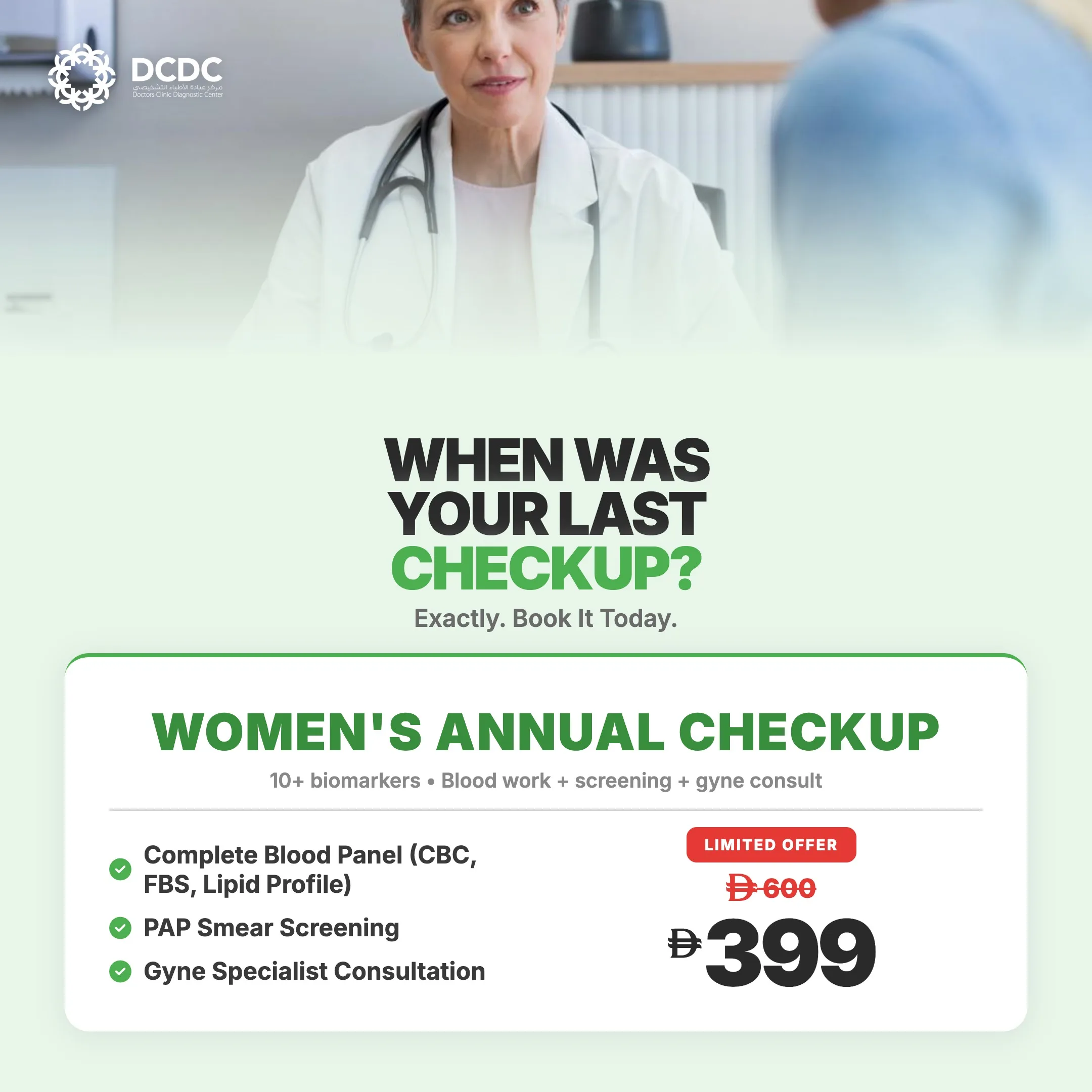
- فحص صحة عام شامل مع لوحة صحة نسائية متكاملة
- قياس CA-125 كأساس للمقارنة المستقبلية
الحالات الحميدة التي قد ترفع CA-125
من أهم ما ينبغي فهمه حول فحص CA-125 أن المستويات المرتفعة كثيراً ما تكون بسبب حالات غير سرطانية. لهذا يجب أن تستدعي النتيجة المرتفعة مزيداً من التحقيق لا الذعر. الأسباب الحميدة الشائعة تشمل:
- بطانة الرحم المهاجرة: من أكثر أسباب الارتفاع الطفيف إلى المعتدل لـCA-125 شيوعاً لدى النساء قبل انقطاع الطمث. كثيراً ما ترتبط المستويات بشدة المرض.
- الدورة الشهرية: يمكن أن يتذبذب CA-125 خلال الدورة الشهرية، مع ذروة عادةً أثناء الحيض. لهذا يُوصى بالفحص خارج الدورة.
- التهاب الحوض (PID): العدوى النشطة والالتهاب في الجهاز التناسلي يمكنهما إطلاق CA-125 في مجرى الدم.
- الأورام الليفية الرحمية: الأورام الليفية الكبيرة أو المتعددة قد تُسبب ارتفاعاً طفيفاً في CA-125.
- أمراض الكبد: يمكن لتشمع الكبد والتهابه أن يرفع CA-125 بشكل ملحوظ، أحياناً إلى مستويات تتجاوز 100 وحدة/مل.
- كيسات المبيض: يمكن للكيسات الوظيفية والمعقدة أن ترفع CA-125، لا سيما إذا انفجرت.
- الحمل (الثلث الأول): يرتفع CA-125 فسيولوجياً في الحمل المبكر.
- الجراحة البطنية أو الحوضية الأخيرة: تهيّج الصفاق من جراحة حديثة يمكنه رفع CA-125 بشكل مؤقت.
بسبب هذه الأسباب المتداخلة، ستُفسّر طبيبة النساء نتائج CA-125 في سياق تاريخك الطبي الكامل والفحص السريري وموجودات التصوير. قراءة مرتفعة واحدة نادراً ما تكفي للوصول إلى تشخيص.
التحضير لفحص CA-125 والإجراء
فحص CA-125 من أبسط فحوصات الدم التي يمكنك إجراؤها. إليك ما تحتاجين معرفته قبل موعدك:
- لا صيام مطلوب: يمكنك تناول الطعام والشراب بشكل طبيعي قبل سحب دم CA-125.
- التوقيت مهم: إذا أمكن، حددي موعد الفحص خارج فترة الدورة الشهرية لتجنب التذبذبات المرتبطة بالدورة. منتصف الدورة (الأيام 10-20) مثالي عموماً.
- أخبري طبيبتك: أعلمي طبيبتك بأي أدوية حالية أو جراحات حديثة أو بطانة رحم مهاجرة معروفة أو التهابات نشطة أو حمل، إذ قد تؤثر على التفسير.
- الإجراء: تسحب اختصاصية تحليل دموي متدربة عينة دم صغيرة من وريد في ذراعك. يستغرق السحب أقل من خمس دقائق.
- بعد الفحص: يمكنك استئناف جميع الأنشطة الطبيعية فوراً. لا وقت استشفاء مطلوب.
احجزي فحص CA-125 في DCDC
مواعيد بدون حجز مسبق أو مجدولة متاحة في مختبرنا في مدينة دبي الطبية. لا صيام مطلوب — احصلي على نتائجك في غضون 24-48 ساعة.
مرخّص من وزارة الصحة | تقييم 4.8/5 على Google | أكثر من 20 شريك تأمين | مواقف مجانية
ماذا تتوقعين في DCDC: تجربة فحص CA-125
في مركز أطباء العيادات التشخيصية، الكائن في المبنى 64، المجمع أ من مجمع الرازي الطبي في مدينة دبي الطبية، صُمّمت عملية فحص CA-125 لتكون فعّالة ومريحة. معظم المريضات يُتممن الزيارة كاملة في أقل من 30 دقيقة.
- الخطوة الأولى — التسجيل: سجّلي في الاستقبال بهويتك الإماراتية وبطاقة التأمين. يتعاون DCDC مع أكثر من 20 شركة تأمين بما فيها ضمان وAXA وبوبا للفوترة المباشرة، مما يُقلّل التكاليف من الجيب.
- الخطوة الثانية — الاستشارة (عند الحاجة): إذا كنتِ تزورين بدون إحالة، يمكن لاستشارة نسائية موجزة مع Dr. Parisa Dini أو أخصائية أخرى تحديد ما إذا كان فحص CA-125 مناسباً وأي واصمات إضافية يجب تضمينها.
- الخطوة الثالثة — جمع العينة: يجمع مختبرنا الداخلي عينة دمك. متوسط وقت الانتظار في DCDC 15 دقيقة، وسحب الدم نفسه يستغرق أقل من خمس دقائق.
- الخطوة الرابعة — النتائج: تتوفر نتائج CA-125 عادةً في غضون 24-48 ساعة. ستصلك عبر بوابة المرضى لدينا، ويمكن ترتيب استشارة متابعة لمناقشة الموجودات.
- الخطوة الخامسة — المتابعة: إذا كانت نتائجك مرتفعة، يمكن للدكتورة دينا ترتيب فحوصات إضافية كالموجات فوق الصوتية عبر المهبل وواصمات أورام إضافية (HE4 وCEA) أو إحالة لأورام النساء — وكل ذلك ضمن المنظومة الطبية في مدينة دبي الطبية.
"أشجّع النساء في دبي — لا سيما من تجاوزن الأربعين أو لديهن تاريخ عائلي بسرطان المبيض أو الثدي — على عدم تجاهل الأعراض البطنية المستمرة" تقول Dr. Parisa Dini، طبيبة نساء وتوليد في DCDC. "فحص CA-125 سحب دم سريع وغير مؤلم يمكنه تقديم علامات تحذيرية مبكرة. رغم أن النتيجة المرتفعة لا تعني دائماً سرطاناً، إلا أنها تعني أنه يجب علينا التحقيق أكثر. لا يزال الاكتشاف المبكر أقوى أدواتنا في تحسين نتائج سرطان المبيض."
تكلفة فحص CA-125 في دبي: دليل الأسعار
تتفاوت تكلفة فحص CA-125 في دبي بحسب المرفق وما إذا كانت فحوصات إضافية مُضمَّنة. فيما يلي دليل عام للتسعير لخدمات CA-125 في DCDC. تُغطي معظم خطط التأمين الفحوصات جزئياً أو كلياً من خلال الفوترة المباشرة.
| الخدمة | نطاق السعر (درهم) | يشمل |
|---|---|---|
| فحص دم CA-125 | من 200 درهم | واصمة ورم واحدة، سحب دم، نتائج في 24-48 ساعة |
| لوحة الكشف عن سرطانات المرأة | من 500-900 درهم | CA-125 وCEA وCA 15-3 وCA 19-9 وAFP وCBC ومراجعة طبيبة |
| استشارة النساء والتوليد | من 250-400 درهم | تقييم سريري وتقييم الأعراض وطلب الفحوصات وخطة المتابعة |
| موجات فوق الصوتية عبر المهبل | من 300-500 درهم | تصوير الحوض لاستكمال نتائج CA-125 وتقييم شكل المبيض |
| لوحة صحة المرأة الشاملة | من 800-1,400 درهم | واصمات الأورام والملف الهرموني ووظائف الغدة الدرقية وCBC ولوحة الأيض والاستشارة |
الأسعار تقريبية وقد تتفاوت بحسب التغطية التأمينية. يُقدّم DCDC فوترة مباشرة مع أكثر من 20 شريك تأمين.
للحصول على أدق الأسعار بحسب خطتك التأمينية، تواصلي مع استقبال DCDC أو أرسلي رسالة واتساب. العيادة مفتوحة السبت حتى الخميس من 8 صباحاً حتى 10 مساءً والجمعة من 9 صباحاً حتى 9 مساءً، مع موظفين يتحدثون بالعربية والإنجليزية والفارسية والأردية والهندية.
CA-125 والكشف عن سرطان المبيض: من يجب أن تُجري الفحص؟
لا توصي الإرشادات الطبية الحالية من منظمات كالكلية الأمريكية لأطباء النساء والتوليد (ACOG) بكشف CA-125 الشامل للنساء متوسطات الخطورة. غير أن الكشف الموجّه موصى به لمجموعات محددة.
المجموعات عالية المخاطر التي ينبغي النظر في فحص CA-125 الدوري لها
- حاملات طفرة BRCA1/BRCA2: ينبغي أن تبدأ النساء المؤكد إصابتهن بمتلازمة سرطان الثدي والمبيض الوراثي مراقبة CA-125 من عمر 30-35، مقرونةً عادةً بالموجات فوق الصوتية عبر المهبل كل ستة أشهر.
- التاريخ العائلي القوي: اثنتان أو أكثر من القريبات من الدرجة الأولى مصابات بسرطان المبيض، أو نمط عائلي يُشير إلى متلازمة لينش (السرطان القولوني الوراثي غير السلئي).
- التاريخ الشخصي لسرطان الثدي: النساء اللواتي عُولجن سابقاً من سرطان الثدي لديهن خطر متزايد نسبياً لسرطان المبيض، لا سيما إذا شُخّص قبل سن الخمسين.
- كتلة في الحوض معروفة: حين يُحدد التصوير كتلة في المبيض مجهولة الطبيعة، يُساعد CA-125 في تصنيف خطر الخباثة وتوجيه التخطيط الجراحي.
- الناجيات من سرطان المبيض: المراقبة بعد العلاج بقياسات CA-125 المتسلسلة يمكنها الكشف عن الانتكاس مبكراً، غالباً قبل ظهور الأعراض السريرية.
للكشف الشامل ما وراء سرطان المبيض، استعرضي دليل الكشف عن السرطان في دبي، الذي يتناول الفحوصات الموصى بها حسب الفئة العمرية وملف المخاطر.
فهم نتائج CA-125: الخطوات التالية بعد الفحص
استلام نتائج CA-125 قد يُثير القلق، خاصةً إذا كانت الأرقام مرتفعة. إليك إطاراً عملياً لفهم ما يأتي بعد ذلك.
إذا كان CA-125 طبيعياً (أقل من 35 وحدة/مل)
النتيجة الطبيعية مطمئنة، لكنها لا تضمن غياب سرطان المبيض. إذا استمرت أعراضك، قد توصي طبيبة النساء بفحوصات إضافية كالموجات فوق الصوتية عبر المهبل أو التصوير المقطعي أو خوارزمية خطر خباثة المبيض (ROMA)، التي تجمع CA-125 مع HE4 لتحسين الدقة. استمري في حضور فحوصات صحة المرأة الدورية الموصى بها لعمرك وملف مخاطرك.
إذا كان CA-125 مرتفعاً ارتفاعاً طفيفاً (35-100 وحدة/مل)
الارتفاع الطفيف السيناريو الأكثر شيوعاً، وكثيراً ما تكون أسبابه حميدة. على الأرجح سيوصي طبيبك بإعادة الفحص بعد أربعة إلى ستة أسابيع وقد يطلب موجات فوق الصوتية في الحوض. إذا كنتِ قبل انقطاع الطمث، فإن حالات كبطانة الرحم المهاجرة والأورام الليفية أو الحيض الأخير هي التفسيرات الأكثر احتمالاً.
إذا كان CA-125 مرتفعاً ارتفاعاً ملحوظاً (أكثر من 100 وحدة/مل)
تستوجب الارتفاعات الأعلى تحقيقاً سريعاً. عادةً ما تأمر طبيبة النساء بموجات فوق الصوتية عبر المهبل وربما تصويراً مقطعياً للبطن والحوض وواصمات دموية إضافية. لدى النساء ما بعد انقطاع الطمث، يحمل CA-125 الأعلى من 100 وحدة/مل مع كتلة حوضية مشبوهة احتمالاً مرتفعاً للخباثة ويُفضي عادةً إلى إحالة لأخصائية أورام نسائية.
المراقبة المتسلسلة (تتبع الاتجاه عبر الزمن)
كثيراً ما يكون الاتجاه في CA-125 عبر فحوصات متتابعة أكثر إفادةً من قيمة واحدة. CA-125 في تصاعد ثابت، حتى ضمن النطاق الطبيعي، قد يكون أكثر إثارةً للقلق من قراءة مرتفعة طفيفة واحدة تبقى ثابتة. لهذا قد تطلب طبيبتك إعادة الفحص في فترات محددة.
قيود فحص CA-125 والفحوصات التكميلية
رغم أن فحص CA-125 أداة قيّمة، إلا أن له قيوداً موثقة جيداً ينبغي لكل مريضة فهمها:
- حساسية محدودة في مراحل المرض المبكرة: نحو 50% فقط من سرطانات المبيض في المرحلة الأولى تُنتج CA-125 مرتفعاً، مما يُقيّد فعاليته كأداة كشف مبكر منفردة.
- نوعية منخفضة لدى النساء قبل انقطاع الطمث: حالات نسائية حميدة كثيرة ترفع CA-125 لدى النساء الأصغر سناً، مما يُفضي إلى إيجابيات كاذبة قد تُسبب قلقاً غير ضروري وإجراءات.
- لا ترتفع في جميع أنواع سرطان المبيض: سرطانات المبيض المخاطية وصافية الخلايا أقل ميلاً لإنتاج CA-125 من النوع المصلي الأكثر شيوعاً.
- تتأثر بحالات غير نسائية: يمكن لأمراض الكبد وقصور القلب والانصباب الجنبي رفع CA-125 باستقلالية عن أي مرض مبيضي.
للتغلب على هذه القيود، كثيراً ما يجمع الأطباء CA-125 مع فحوصات تكميلية:
- HE4 (بروتين البربخ البشري 4): واصمة حيوية أحدث تتأثر بالحالات الحميدة بدرجة أقل. مجتمعةً مع CA-125 في خوارزمية ROMA، تُحسّن الدقة التشخيصية.
- الموجات فوق الصوتية عبر المهبل: تُقدّم رؤية مباشرة لشكل المبيض ويمكنها تحديد كتل أو كيسات مشبوهة أو تغيرات في تدفق الدم.
- التصوير بالـCT أو MRI: يُستخدم حين تكون الموجودات الأولية مثيرة للشك، لتقييم مدى المرض وتوجيه التخطيط الجراحي.
- الفحص الجيني (BRCA1/BRCA2): يُحدد عوامل الخطر الوراثية التي تُعلم تكرار الكشف والاستراتيجيات الوقائية.
عوامل خطر سرطان المبيض والوقاية في دبي
فهم عوامل خطرك الشخصية يُساعدك وطبيبتك على تحديد استراتيجية الكشف المناسبة. تشمل عوامل خطر سرطان المبيض عناصر قابلة وغير قابلة للتعديل.
عوامل الخطر غير القابلة للتعديل
- العمر: يزداد خطر سرطان المبيض مع العمر، وتُشخَّص غالبية الحالات لدى نساء تجاوزن الخمسين. متوسط العمر عند التشخيص 63 عاماً.
- الجينات: تحمل طفرات BRCA1 خطر مدى الحياة بنسبة 35-70% لسرطان المبيض؛ وتحمل طفرات BRCA2 خطراً بنسبة 10-30%.
- التاريخ العائلي: وجود قريبة من الدرجة الأولى مصابة بسرطان المبيض يُضاعف خطرك تقريباً.
- التاريخ الإنجابي: النساء اللواتي لم يحملن قط (عدم الإنجاب) لديهن خطر أعلى نسبياً.
- بطانة الرحم المهاجرة: مرتبطة بزيادة خطر 2-3 أضعاف لأنواع فرعية معينة من سرطان المبيض (بطانة الرحم وصافية الخلايا).
عوامل الحماية
- استخدام موانع الحمل الفموية: يُقلّل استخدام موانع الحمل الفموية المركّبة لخمس سنوات أو أكثر من خطر سرطان المبيض بنحو 50%، مع استمرار الحماية لعقود بعد التوقف.
- الحمل والرضاعة: كل حمل مكتمل وفترة رضاعة مطوّلة تُقلّل الخطر بشكل طفيف.
- ربط قناتَي فالوب أو استئصالهما: الاستئصال الجراحي أو ربط قناتَي فالوب يُقلّل خطر سرطان المبيض بشكل ملحوظ.
تتوفر في دبي موارد كشف ووقاية على مستوى عالمي. الفحوصات النسائية الدورية والوعي بالتاريخ العائلي والتحقيق الفوري في الأعراض ركائز أساسية للوقاية من سرطان المبيض. يمكن للنساء القلقات من خطرهن مناقشة خطط الكشف المخصصة مع طبيبة نساء في DCDC في قلب مدينة دبي الطبية.
CA-125 في سياق الكشف عن سرطانات المرأة
فحص CA-125 مكوّن واحد فقط من استراتيجية شاملة للكشف عن سرطانات المرأة. بحسب عمرك وعوامل خطرك وتاريخك الطبي، قد تُوصي طبيبة النساء بدمج CA-125 مع فحوصات سرطانية أخرى لتقييم أشمل.
| فحص الكشف | نوع السرطان | التكرار الموصى به |
|---|---|---|
| فحص دم CA-125 | سرطان المبيض | سنوياً للنساء عالية المخاطر؛ حسب الحاجة للمريضات العَرَضيات |
| مسحة عنق الرحم / فحص HPV | سرطان عنق الرحم | كل 3-5 سنوات للنساء من 25-65 سنة |
| تصوير الثدي الشعاعي | سرطان الثدي | سنوياً من عمر 40 (أبكر في حالات المخاطر العالية) |
| التنظير الداخلي | سرطان القولون والمستقيم | كل 10 سنوات من عمر 45 (أبكر في حالة وجود تاريخ عائلي) |
| فحص الجلد | سرطان الجلد | سنوياً أو حسب التوصية بناءً على عوامل الخطر |
جدول الكشف عن السرطانات الموصى به للنساء. استشيري دائماً طبيبتك للحصول على توصيات مخصصة.
للكشف عن سرطان عنق الرحم تحديداً، اطّلعي على دليلَينا التفصيليَّين حول الكشف عن سرطان عنق الرحم في دبي وفحص مسحة عنق الرحم لفهم الجدول الزمني الموصى به وما تتوقعينه.
احجزي فحص صحة المرأة
من CA-125 وواصمات الأورام إلى مسحة عنق الرحم وإحالات تصوير الثدي الشعاعي، يُقدّم DCDC كشفاً شاملاً عن سرطانات المرأة بمواعيد في اليوم ذاته في مدينة دبي الطبية.
المبنى 64، المجمع أ، مجمع الرازي الطبي | السبت-الخميس 8 ص-10 م، الجمعة 9 ص-9 م | مواقف مجانية
الأسئلة الشائعة حول فحص CA-125 في دبي
فيما يلي إجابات على أكثر الأسئلة شيوعاً التي تطرحها مريضاتنا حول فحص CA-125 لسرطان المبيض في DCDC.
خدمات ذات صلة في DCDC
رعاية متخصصة وتشخيص متقدم في مدينة دبي الطبية
الأسئلة الشائعة
خلاصة القول
فحص CA-125 أداة قيّمة وإن لم تكن مثالية في مواجهة سرطان المبيض. أكبر نقاط قوته لا تكمن في تقديم تشخيص حاسم من سحب دم واحد، بل في توفير نقاط بيانات حاسمة تُساعد، مجتمعةً مع التقييم السريري والتصوير والتاريخ الصحي للمريضة، أطباءَ النساء على اتخاذ قرارات مستنيرة بشأن مزيد من التحقيق والعلاج.
إذا كنتِ تُعانين من أعراض مستمرة كالانتفاخ أو ألم الحوض أو التغيرات البولية أو فقدان الوزن غير المبرر، فلا تُغفليها. فحص CA-125 البسيط، المتاح بمواعيد في اليوم ذاته في DCDC بمدينة دبي الطبية، يمكن أن يكون الخطوة الأولى نحو الاطمئنان أو التدخل المبكر. بتقييم 4.8/5 على Google من أكثر من 1,000 مراجعة موثقة ونسبة رضا مرضى 98%، يلتزم DCDC بجعل الكشف عن صحة المرأة في متناول الجميع بكفاءة وتعاطف.
تحدثي مع Dr. Parisa Dini أو عضو آخر من فريق النساء والتوليد لدينا لمعرفة ما إذا كان فحص CA-125 مناسباً لك. الاكتشاف المبكر ينقذ الأرواح، وخطوتك الأولى هي دائماً الأهم.

كتبه
Dr. Parisa Dini
طبيبة نساء وتوليد
دكتوراه في الطب، أمراض النساء والتوليد
Dr. Parisa Dini طبيبة نساء وتوليد في مركز أطباء العيادات التشخيصية (DCDC) في مدينة دبي الطبية.
مقالات ذات صلة
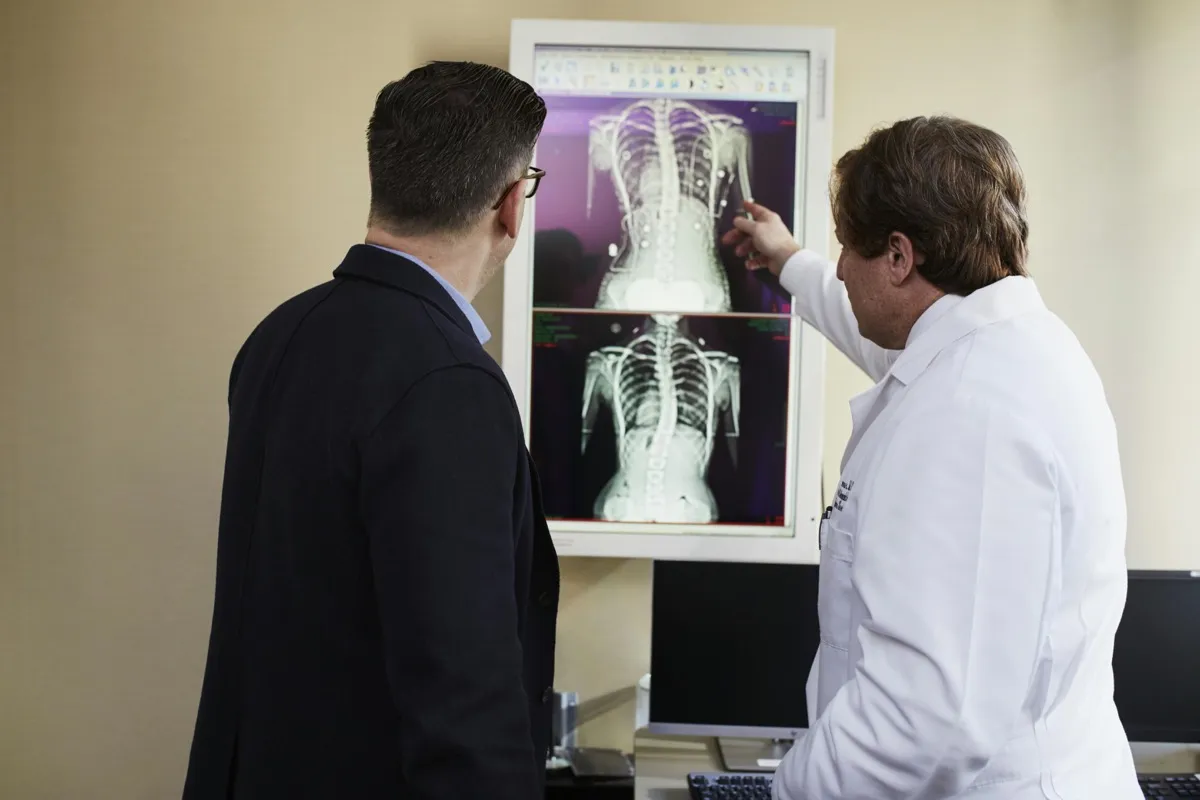
فحوصات الدم للسرطان: واصمات الأورام موضحة
الكشف عن السرطان في دبي
فحوصات صحة المرأة

أعراض وعلاج كيسات المبيض
المزيد في Women's Health

Emsella vs Incontinence Surgery Dubai (2026)
اقرأ المزيد
Double Marker Test Dubai: Timing, Results & Price (2026)
اقرأ المزيد
Emsella Side Effects & Safety Dubai (2026)
اقرأ المزيد
FSH & LH Test Dubai: Day 3 Levels, Ratio & Price
اقرأ المزيد
NIPT Test Dubai: Cost, Accuracy & Timing (2026)
اقرأ المزيد
NIPT Results: High-Risk vs Low-Risk Explained (2026)
اقرأ المزيد© 2026 Doctors Clinic Diagnostic Center (DCDC), Dubai Healthcare City. Originally published at https://doctorsclinicdubai.ae/blog/ca-125-ovarian-cancer-test-dubai. All rights reserved. Unauthorized reproduction is prohibited.