النقاط الرئيسية
- تبدأ استشارة العظام لتقييم الكسور في دبي من 500 درهم، مع توفر أشعة سينية رقمية في الموقع من 150 درهم للتشخيص الفوري
- تُعالَج معظم الكسور بالطرق التحفظية كالتجبير والجبيرة، بينما قد تستلزم الكسور المعقدة كالمفتوحة أو المزاحة تدخلاً جراحياً
- تتفاوت مدة الشفاء تفاوتاً كبيراً تبعاً لنوع الكسر وموضعه، من 3 إلى 4 أسابيع لكسور الأصابع وحتى 12 إلى 24 أسبوعاً لكسور عظمة الفخذ
- التشخيص المبكر بالغ الأهمية لأن الكسور غير المعالجة أو غير الموضوعة بشكل صحيح قد تؤدي إلى التقام مشوّه وألم مزمن وفقدان دائم للوظيفة
- يوفر DCDC في مدينة دبي الطبية مواعيد عظام في نفس اليوم مع أشعة سينية وMRI وCT في الموقع، مما يتيح إتمام التصوير في زيارة واحدة في الغالب
- ينبغي البدء بالعلاج الطبيعي وإعادة التأهيل في أقرب وقت آمن ممكن بعد الكسر لاستعادة نطاق الحركة والقوة والوظيفة وتقليل خطر تيبس المفاصل
كسر العظام من أكثر الإصابات التي يستقبلها طوارئ العظام في دبي، ويطال الجميع من الرياضيين الشباب إلى كبار السن. سواء نجم الكسر عن سقوط أو تصادم رياضي أو حادث طريق، فإنه يستلزم تشخيصاً سريعاً ودقيقاً يتبعه خطة علاجية مناسبة لضمان الشفاء السليم. في مركز الأطباء التشخيصي (DCDC) بمدينة دبي الطبية، يقدم فريق العظام لدينا رعاية شاملة للكسور، من التصوير بالأشعة السينية الأولي والتشخيص وصولاً إلى العلاج وإعادة التأهيل بعد الكسر، كل ذلك تحت سقف واحد.
يغطي هذا الدليل كل ما تحتاج معرفته حول علاج كسور العظام في دبي عام 2026، بما في ذلك أنواع الكسور، وطرق تشخيصها، وخيارات العلاج المتاحة، وتكلفة العلاج، وشكل مرحلة التعافي، ومتى تراجع طبيب العظام. تمت مراجعته من قِبَل د. مرصاد موسوي، جراح عظام يمتلك خبرة سريرية تزيد على 14 عاماً.

ما هو كسر العظام؟ الأنواع ودرجات الخطورة
كسر العظام هو انقطاع كلي أو جزئي في استمرارية العظمة. تتراوح الكسور بين الشقوق الإجهادية الدقيقة التي قد لا تظهر في الأشعة الأولية وحتى الكسور المركّبة الشديدة التي تخترق فيها العظمة الجلد. فهم نوع الكسر وشدته هو الخطوة الأولى نحو الحصول على العلاج المناسب.
تُصنَّف الكسور وفقاً لنمطها ومدى إزاحة العظم وما إذا كان الجلد قد تمزّق أم لا. وفيما يلي أشيع أنواعها:
| نوع الكسر | الوصف | درجة الخطورة | العلاج النموذجي |
|---|---|---|---|
| كسر الإجهاد | شقوق دقيقة ناتجة عن قوى متكررة أو إفراط في الاستخدام | خفيف | الراحة، التثبيت، تعديل النشاط |
| الكسر الشعري | شق رفيع في العظمة دون إزاحة | خفيف إلى متوسط | جبيرة أو حذاء طبي، تقييد حمل الوزن |
| الكسر العرضي | انكسار أفقي مستقيم عبر العظمة | متوسط | تجبير أو تثبيت جراحي عند الإزاحة |
| الكسر المائل | انكسار قطري عبر جسم العظمة | متوسط | تجبير أو ألواح جراحية |
| الكسر الحلزوني | خط الكسر يلتف حول العظمة نتيجة الالتواء | متوسط إلى شديد | يستلزم التثبيت الجراحي في الغالب |
| الكسر المفتت | تشظي العظمة إلى ثلاث قطع أو أكثر | شديد | تثبيت جراحي بألواح ومسامير أو قضبان |
| الكسر المفتوح | اختراق العظمة للجلد مع خطر الإصابة بعدوى | شديد (طارئ) | جراحة طارئة، مضادات حيوية، عناية بالجرح |
| كسر غصن الشجرة | انكسار غير مكتمل تنحني فيه العظمة (عند الأطفال) | خفيف إلى متوسط | تجبير ومتابعة مناطق النمو |
أنواع الكسور الشائعة ودرجات خطورتها ومناهج علاجها النموذجية
لا تعتمد شدة الكسر على نوعه فحسب، بل على موضعه أيضاً. الكسور القريبة من المفاصل، أو تلك التي تطال مناطق النمو عند الأطفال، أو تلك التي تؤثر على عظام تحمل الوزن كالفخذ والظنبوب، تستدعي عموماً إدارة أكثر دقةً من كسور العظام الصغيرة غير الحاملة للوزن.
الأسباب الشائعة لكسور العظام في دبي
يُسهم نمط الحياة النشط والبيئة الحضرية المتسارعة في دبي في تنوع أسباب الكسور. وفقاً لمنظمة الصحة العالمية، تُمثّل السقطات السبب الثاني للوفاة الناجمة عن الإصابات غير المتعمدة عالمياً، وهي الأكثر شيوعاً بين أسباب الكسور في كل الأعمار. أبرز أسباب كسور العظام في دبي:
- السقطات: السبب الأكثر شيوعاً للكسور عالمياً، وتشمل الانزلاق على الأسطح المبتلة والسقوط من السلالم في بيئات العمل، فضلاً عن سقطات كبار السن بسبب اضطرابات التوازن أو هشاشة العظام. تُسهم صناعة البناء والأبراج السكنية الشاهقة في دبي في زيادة الكسور الناجمة عن السقطات.
- الإصابات الرياضية: تُفرز ثقافة الرياضة على مدار السنة في دبي، من كرة القدم والبادل إلى الجري وركوب الدراجات، معدلات مرتفعة من الكسور الرياضية. كسور الإجهاد لدى العدائين والكسور الحادة في الرياضات التماسية من أكثرها شيوعاً.
- حوادث الطرق: لا تزال حوادث السيارات سبباً رئيسياً للكسور عالية الطاقة في دبي، ككسور الفخذ والحوض والكسور المتعددة.
- هشاشة العظام: يُضعف الضمور العمري للعظام نسبةً كبيرة من البالغين فوق الخمسين، ولا سيما النساء بعد انقطاع الطمث. قد تحدث الكسور الناجمة عن هشاشة العظام بصدمة بسيطة جداً كسقطة خفيفة أو حتى سعلة.
- نقص فيتامين D: رغم وفرة الشمس في دبي، فإن نقص فيتامين D شائع بشكل لافت في الإمارات بسبب نمط الحياة الداخلي والملابس الواقية، مما يُضعف كثافة العظام ويزيد خطر الكسور.
- إصابات مواقع العمل: يتعرض عمال البناء والعمالة اليدوية في دبي لمخاطر أعلى من الكسور الرضية الناجمة عن السقطات والمعدات الثقيلة.
علامات وأعراض كسر العظام
التعرف المبكر على الكسر ضروري للحصول على العلاج في الوقت المناسب وتحقيق أفضل شفاء. فبينما تكون بعض الكسور واضحة مع التشوه المرئي أو بروز العظم من الجلد، يظهر بعضها الآخر بصورة أكثر خفاءً. أبرز علامات وأعراض كسر العظام:
- ألم فوري وشديد في موضع الإصابة يزداد مع الحركة أو الضغط
- تورم وكدمات تظهر بسرعة حول المنطقة المصابة
- تشوه ظاهر أو زاوية غير طبيعية للطرف (في الكسور المزاحة)
- عجز عن حمل الوزن على الطرف المصاب أو استخدامه بصورة طبيعية
- ألم عند اللمس مباشرةً على موضع الكسر
- صوت طقطقة أو احتكاك عند تحريك المنطقة (لا تختبره بنفسك)
- تخدر أو وخز أسفل موضع الكسر مما قد يدل على تأثر الأعصاب
- محدودية نطاق الحركة في المفصل المجاور
لا تُحدث جميع الكسور أعراضاً درامية. فقد تنتج كسور الإجهاد والكسور الشعرية وجعاً خفيفاً يشتد بالنشاط ويتحسن بالراحة. إذا اشتبهت بكسر من أي نوع، تجنب تحريك المنطقة المصابة واطلب التقييم الطبي فوراً. التأخر في العلاج قد يُفضي إلى مضاعفات كالتقام مشوّه أو عدم التقام أو تلف الأعصاب والأوعية الدموية.
كيف تُشخَّص كسور العظام في دبي
يستلزم التشخيص الدقيق للكسر فحصاً سريرياً من قِبَل أخصائي عظام ذي خبرة إلى جانب التصوير المناسب. في DCDC، تتسم عملية التشخيص بالشمولية والكفاءة لتوفر جميع وسائل التصوير في الموقع بمدينة دبي الطبية.
يتبع مسار التشخيص عادةً الخطوات التالية:
- الفحص السريري: يُقيّم طبيب العظام آلية الإصابة، ويفحص المنطقة المصابة بحثاً عن التورم والتشوه والألم عند اللمس، ويتحقق من الحالة العصبية الوعائية (وظيفة الأعصاب وتدفق الدم)، ويحدد التصوير المطلوب.
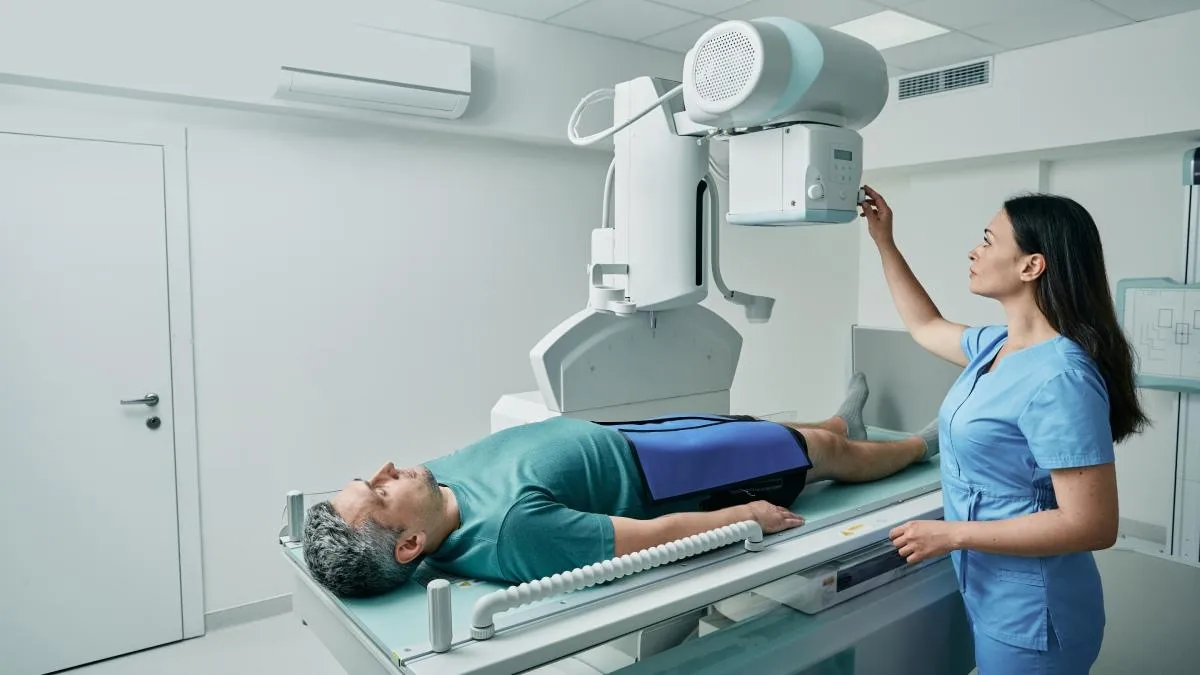
- الأشعة السينية (التصوير الأولي): الأشعة السينية الرقمية هي الفحص الأول المعتمد عند الاشتباه بكسر. إجراؤها سريع ومتاح على نطاق واسع وفعّال في تحديد معظم الكسور. في DCDC، تكون نتائج الأشعة السينية متاحة في العادة خلال 15 إلى 20 دقيقة.
- الأشعة المقطعية (الكسور المعقدة): توفر الأشعة المقطعية صوراً مقطعية تفصيلية وتُستخدم عند وجود نمط كسر معقد في الأشعة السينية، أو عند الحاجة إلى تخطيط جراحي دقيق ثلاثي الأبعاد، أو لكسور في مناطق صعبة كالحوض والعمود الفقري والرسغ.
- التصوير بالرنين المغناطيسي (الكسور الخفية وإصابات الأنسجة الرخوة): الرنين المغناطيسي هو المعيار الذهبي للكشف عن كسور الإجهاد وذمة نقي العظم وما يصاحب الكسر من إصابات في الأنسجة الرخوة كتمزق الأربطة والأوتار وتلف الغضاريف. بالغ القيمة حين تبدو الأشعة السينية طبيعية لكن الاشتباه السريري بالكسر لا يزال قائماً.
- مسح كثافة العظام DEXA (كسور هشاشة العظام): يُوصى بفحص كثافة العظام للمرضى فوق الخمسين الذين يُصابون بكسور من صدمات خفيفة للكشف عن هشاشة العظام الكامنة وتوجيه العلاج الوقائي.
من أبرز مزايا العلاج في DCDC توفر الأشعة السينية الرقمية والرنين المغناطيسي والأشعة المقطعية في المبنى ذاته، مما يُتيح في أغلب الأحيان إتمام التصوير في الزيارة نفسها التي تُجرى فيها الاستشارة العظمية، متجنباً التأخير الناجم عن الإحالة إلى مركز تصوير منفصل.
خيارات علاج كسور العظام في دبي
يتبع علاج الكسور في دبي البروتوكولات العظمية المعترف بها دولياً. يعتمد اختيار العلاج على نوع الكسر وموضعه ومدى الإزاحة وعمر المريض ومستوى نشاطه وما إذا كانت هناك إصابات مصاحبة. ينقسم العلاج عموماً إلى قسمين: تحفظي (غير جراحي) وجراحي.
العلاج التحفظي (غير الجراحي)
تُعالَج غالبية الكسور، ولا سيما المستقرة وغير المزاحة، دون جراحة. يشمل العلاج التحفظي:
- التثبيت بالجبس أو الجبيرة: تُثبّت الجبسة الجصية أو الألياف الزجاجية العظمة المكسورة في وضع صحيح ريثما تشفى. وتُستخدم الجبائر للتثبيت الأولي حين يُتوقع تورم كبير.
- الجبيرة الوظيفية: أجهزة قابلة للإزالة أو أحذية طبية تُتيح حركة محدودة مضبوطة مع حماية الكسر. تُستخدم شائعاً في كسور الكاحل والقدم والرسغ المستقرة.
- الشد: قوة سحب متواصلة خفيفة لمحاذاة شظايا العظام، وتُستخدم أحياناً مؤقتاً قبل الجراحة في كسور الفخذ أو الورك.
- إدارة الألم: المسكنات ومضادات الالتهاب للسيطرة على الألم والتورم خلال مرحلة الشفاء الأولية.
- الراحة والثلج والضغط والرفع (RICE): بروتوكول الإسعافات الأولية المعياري للحد من التورم والألم في المرحلة الحادة.
العلاج الجراحي
تُوصى الجراحة حين تكون الكسور مزاحةً أو غير مستقرة أو تطال المفاصل أو لا يمكن علاجها بالتجبير وحده. تشمل الخيارات الجراحية:
- الردّ المفتوح والتثبيت الداخلي (ORIF): يُعيد الجراح محاذاة شظايا العظام ويثبّتها بألواح معدنية ومسامير وإبر أو قضبان. هذا هو النهج الجراحي الأشيع للكسور المزاحة.
- تثبيت القناة النخاعية: إدخال قضيب معدني عبر مركز العظمة (القناة النخاعية) لتثبيت كسور العظام الطويلة كالفخذ والظنبوب وعظم العضد.
- التثبيت الخارجي: دبابيس معدنية تُثبَّت عبر الجلد في العظمة فوق وتحت الكسر وتُربط بإطار خارجي. يُستخدم في الكسور المفتوحة الشديدة أو حين يحول تلف الأنسجة الرخوة دون التثبيت الداخلي.
- استبدال المفصل: في بعض الكسور الشديدة، ولا سيما كسور الورك عند كبار السن، قد يكون استبدال المفصل المتضرر أجدى من محاولة إصلاحه.
"مقاربتي في إدارة الكسور تبدأ دائماً بأقل خيار توغلاً يحقق الشفاء السليم،" يقول د. مرصاد موسوي، جراح العظام في DCDC بخبرة تزيد على 14 عاماً. "تشفى الكسور الكثيرة بشكل ممتاز مع تقنية تجبير جيدة ومتابعة دقيقة. لا أوصي بالجراحة إلا حين يُوضّح نمط الكسر أو إزاحته أو امتداده للمفصل أن العلاج التحفظي لن يُحقق نتيجة مقبولة. خُرِّجت من جامعة طهران للعلوم الطبية وصدر لي أكثر من 20 منشوراً دولياً، وأؤمن بمبدأ الأدلة العلمية مع تقديم الحفاظ على نتائج المريض على المدى البعيد."
تكلفة علاج كسور العظام في دبي (2026)
تتفاوت تكاليف علاج الكسور في دبي تبعاً لنوع الكسر وشدته والتصوير المطلوب وما إذا كانت الجراحة ضرورية. يعرض الجدول التالي تكاليف نموذجية في DCDC وعموم دبي عام 2026. الأسعار المدرجة هي أسعار ابتداءً، والتكلفة الفعلية تعتمد على تعقيد حالتك.
| الخدمة | سعر DCDC الابتدائي (درهم) | المتوسط العام في دبي (درهم) |
|---|---|---|
| استشارة العظام | من 500 | 400 – 800 |
| أشعة سينية (موضع الكسر) | من 150 | 100 – 300 |
| الأشعة المقطعية | من 600 | 500 – 1,500 |
| الرنين المغناطيسي | من 900 | 800 – 2,000 |
| التجبير / الجبيرة | من 300 | 250 – 800 |
| الردّ المغلق (إعادة المحاذاة غير الجراحية) | من 1,500 | 1,000 – 3,000 |
| التثبيت الجراحي (ORIF) | من 15,000 | 12,000 – 45,000 |
| جلسة العلاج الطبيعي (بعد الكسر) | من 350 | 300 – 600 |
| أشعة سينية للمتابعة | من 150 | 100 – 250 |
تكاليف علاج كسور العظام في دبي (2026). الأسعار تقريبية ابتدائية وتتفاوت حسب تعقيد الكسر.
يتعامل DCDC مع أكثر من 20 شركة تأمين في الإمارات، بما في ذلك ضمان وAXA وبوبا، ويقدم الفوترة المباشرة لمعظم الخطط. مما يعني أنك ستدفع عادةً مبلغ الاشتراك فقط عند زيارتك بدلاً من المبلغ الكامل مقدماً. تواصل مع فريق الاستقبال للتحقق من تغطيتك قبل موعدك.
تشتبه بكسر؟ احجز موعدك اليوم
احجز استشارة عظام في نفس اليوم في DCDC بمدينة دبي الطبية. توفر الأشعة السينية والرنين المغناطيسي والأشعة المقطعية في الموقع يتيح التشخيص وبدء العلاج في زيارة واحدة.
استشارة عظام من 500 درهم | فوترة مباشرة مع أكثر من 20 شركة تأمين
ما تتوقعه في DCDC لرعاية الكسور
حين تزور DCDC للاشتباه بكسر أو تأكيده، صُمِّمت العملية لتكون فعّالة وشاملة ومريحة قدر الإمكان. إليك ما تبدو عليه زيارة رعاية الكسور النموذجية:
- الخطوة 1: التسجيل والفرز (5-10 دقائق): يُسجّلك فريق الاستقبال ويتحقق من تأمينك. يبلغ متوسط وقت الانتظار في DCDC نحو 15 دقيقة.
- الخطوة 2: استشارة العظام (20-30 دقيقة): يفحص د. مرصاد موسوي أو أخصائي عظام آخر إصابتك ويراجع آلية حدوثها ويطلب التصوير المناسب.
- الخطوة 3: التصوير في الموقع (15-40 دقيقة): تُجرى الأشعة السينية أو المقطعية أو الرنين المغناطيسي في المبنى ذاته. نتائج الأشعة السينية متاحة في الغالب خلال 15 إلى 20 دقيقة. تُنتج أجهزة التصوير الرقمية صوراً عالية الدقة للتشخيص الدقيق.
- الخطوة 4: التشخيص وخطة العلاج: يستعرض الطبيب صورك معك ويشرح نوع الكسر وشدته ويناقش خيارات العلاج. يمكن تطبيق الجبسة أو الجبيرة للكسور البسيطة خلال الزيارة ذاتها.
- الخطوة 5: جدولة المتابعة: تُحدَّد مواعيد متابعة لمراقبة تقدم الشفاء وتكرار التصوير والإحالة للعلاج الطبيعي عند اللزوم.
يقع DCDC في مبنى 64، مجمع A، مدينة دبي الطبية، مع توفر مواقف مجانية للمرضى. العيادة مفتوحة من السبت إلى الخميس من الساعة 8 صباحاً حتى 10 مساءً ويوم الجمعة من 9 صباحاً حتى 9 مساءً، مع توفر مواعيد في نفس اليوم في أغلب الأحيان. يعكس تقييمنا 4.8 من 5 نجوم من أكثر من 1000 مراجعة ومعدل رضا المرضى البالغ 98% التزامنا بتجربة تتمحور حول المريض.
الجدول الزمني للتعافي: كم يستغرق شفاء الكسر؟
تعتمد مدة شفاء الكسر على عدة عوامل منها العظمة المصابة ونوع الكسر وعمر المريض وحالته التغذوية وإمدادات الدم للمنطقة وجودة التثبيت. يشفى الأطفال أسرع من البالغين، وكسور الطرف العلوي أسرع من الطرف السفلي بسبب الفوارق في الإمداد الدموي والحِمل الميكانيكي.
| موضع الكسر | مدة الشفاء التقريبية (البالغون) | اعتبارات رئيسية |
|---|---|---|
| أصبع اليد / القدم | 3 – 5 أسابيع | يُربط عادةً بالأصبع المجاور، التحرك المبكر مشجَّع |
| الرسغ (الطرف البعيد لعظم الكعبرة) | 6 – 8 أسابيع | الأشيع عند البالغين، التجبير النموذجي |
| الساعد (الكعبرة/الزند) | 8 – 12 أسبوعاً | كثيراً ما يستلزم التثبيت الجراحي عند البالغين |
| عظمة الترقوة | 6 – 12 أسبوعاً | حمالة للتثبيت، جراحة عند الإزاحة |
| عظم العضد | 8 – 12 أسبوعاً | حمالة أو جبيرة معلقة، العلاج الطبيعي ضروري |
| الضلع | 6 – 8 أسابيع | السيطرة على الألم أولوية، تمارين التنفس |
| الكاحل (الكعب) | 6 – 12 أسبوعاً | عدم حمل الوزن أولاً، حذاء طبي أو جراحة |
| الظنبوب | 12 – 20 أسبوعاً | عظمة حاملة للوزن، قد تحتاج مسماراً نخاعياً |
| الفخذ | 12 – 24 أسبوعاً | يستلزم التثبيت الجراحي تقريباً دائماً |
| الورك (عنق الفخذ) | 12 – 24 أسبوعاً | كبار السن كثيراً ما يحتاجون استبدال الورك، أولوية عالية |
| كسر الإجهاد (عظام مشط القدم) | 6 – 8 أسابيع | راحة وحمل وزن محمي بالحذاء الطبي |
مدد شفاء الكسور التقريبية للبالغين. يشفى الأطفال أسرع بنسبة 30-50% في الغالب.
تمثل هذه المُدد التحام العظام الطبيعي، لا التعافي الوظيفي الكامل. العودة إلى النشاط الكامل، ولا سيما الرياضة، تستغرق عادةً 4 إلى 12 أسبوعاً إضافية من إعادة التأهيل بعد شفاء العظمة. سيراقب جراح العظام تقدم الشفاء عبر متابعات الأشعة السينية والفحص السريري قبل السماح بزيادة النشاط.
العلاج الطبيعي وإعادة التأهيل بعد الكسر
إعادة التأهيل لا تقل أهميةً عن علاج الكسر الأولي في الواقع. فحتى لو التأمت العظمة في وضع تشريحي سليم، يعاني المرضى دون إعادة تأهيل مناسبة في الغالب من تيبس وضعف طويل الأمد وتراجع وظيفي. يركز العلاج الطبيعي بعد الكسر على أهداف محورية عدة:
- استعادة نطاق الحركة: تتصلّب المفاصل القريبة من موضع الكسر خلال فترة التثبيت. تُعيد تمارين التعبئة اللطيفة الحركة الطبيعية تدريجياً. البدء المبكر بالتحريك حين يكون آمناً يُحقق نتائج أفضل على المدى البعيد.
- إعادة بناء قوة العضلات: تضعف العضلات بسرعة خلال التثبيت في عملية تُسمى ضمور عدم الاستخدام. يُعيد برنامج التقوية التدريجي كتلة العضلات وقدرتها على توليد القوة.
- تحسين التوازن والحس العميق: تُخل الكسور، ولا سيما في الطرف السفلي، بإحساس الجسم بوضع المفصل. يُقلل تدريب التوازن من خطر الإصابة مجدداً والسقوط.
- إدارة الألم والتورم: تُسهم تقنيات كالعلاج اليدوي والثلج والضغط والعلاج الكهربائي في السيطرة على الألم والتورم المتبقيين.
- إعادة التأهيل الوظيفي: يتدرج البرنامج من التمارين الأساسية إلى الحركات الرياضية أو المهنية المتخصصة لضمان العودة الآمنة إلى النشاط المعتاد.
- إدارة الأنسجة الندبية: بعد التثبيت الجراحي، قد يُقيّد النسيج الندبي حول الشق وداخل المفصل الحركة. تُعالجه تعبئة الأنسجة الرخوة والتمطية.
تعتمد مدة العلاج الطبيعي على نوع الكسر وأهداف تعافيك. يحتاج معظم المرضى 6 إلى 12 جلسة على مدى 4 إلى 8 أسابيع، بينما قد تستلزم الكسور المعقدة أو الحالات الجراحية 3 إلى 6 أشهر من إعادة التأهيل.
كيف تقي نفسك من كسور العظام
لا يمكن الوقاية من جميع الكسور، لكن كثيراً منها يمكن تجنبه باتخاذ تدابير استباقية. الوقاية بالغة الأهمية لدى الفئات عالية الخطورة كالمسنين والرياضيين وأصحاب هشاشة العظام أو نقص فيتامين D.
- المحافظة على كثافة العظام: احرص على تناول الكالسيوم الكافي (1000-1200 ملجم يومياً) ومستويات فيتامين D المناسبة. في دبي حيث يشيع نقص فيتامين D، أجرِ فحص دم للتحقق من مستوياتك وتناول المكملات حسب الحاجة.
- ممارسة التمارين بانتظام: التمارين الحاملة للوزن (المشي والجري وتمارين المقاومة) تحفز تكوّن العظام وتزيد كثافتها. توصي الأكاديمية الأمريكية لجراحي العظام بممارسة 30 دقيقة من التمارين الحاملة للوزن معظم أيام الأسبوع.
- ارتداء معدات الحماية المناسبة: الخوذات وواقيات الرسغ وواقيات الساق والأحذية المناسبة تُقلل بشكل ملحوظ من خطر الكسور في الأنشطة الرياضية ومواقع العمل.
- الوقاية من السقوط في المنزل: أزل مخاطر التعثر وثبّت مقابض الأمان في دورات المياه وتأكد من الإضاءة الكافية واستخدم سجاداً مانعاً للانزلاق. تُشكّل السقطات غالبية الكسور لدى من تجاوزوا الخامسة والستين.
- الفحص الدوري لهشاشة العظام: يجب على النساء فوق الخمسين والرجال فوق السبعين مناقشة فحص كثافة العظام (مسح DEXA) مع طبيبهم. الاكتشاف المبكر يُتيح علاجاً يُقلل خطر الكسور بنسبة تصل إلى 50%.
- الإحماء قبل النشاط البدني: يزيد الإحماء المناسب تدفق الدم إلى العضلات والأوتار مما يُحسّن قدرتها على امتصاص الصدمات ويُقلل خطر كسور الإجهاد.
- تجنب الكحول المفرط والتدخين: يُضعف كلاهما استقلاب العظام ويزيد خطر الكسور. ويُبطئ التدخين شفاء الكسور بتقليل الإمداد الدموي للعظام.
متى تراجع طبيب العظام لكسر
ليست كل رضة أو كدمة تستوجب زيارة طبيب العظام، لكن حالات بعينها تتطلب تقييماً متخصصاً فورياً. يجب مراجعة طبيب العظام في دبي إذا عانيت من أي مما يلي:
- ألم شديد لا يتحسن بالراحة والثلج ومسكنات الألم المتاحة دون وصفة خلال 24 إلى 48 ساعة
- تشوه ظاهر أو انحناء غير طبيعي أو قصر في الطرف
- عجز عن حمل الوزن على الساق المصابة أو استخدام الذراع المصابة
- تورم كبير يستمر في الازدياد بدلاً من التحسن
- تخدر أو وخز أو برودة في الأصابع أو أصابع القدم أسفل موضع الإصابة
- عظمة ظاهرة عبر جرح (كسر مفتوح: توجّه فوراً إلى أقرب قسم طوارئ)
- ألم يستمر أكثر من أسبوعين بعد الإصابة حتى لو كانت الأشعة الأولية طبيعية (احتمال كسر إجهاد أو كسر خفي)
- كسر عولج في مكان آخر لكنه لا يلتئم كما هو متوقع أو يُسبب ألماً مستمراً
في DCDC، تتوفر مواعيد عظام في نفس اليوم للتقييم العاجل للكسور. بوصفنا منشأة مرخصة من وزارة الصحة في مدينة دبي الطبية، نلبي أعلى المعايير السريرية لتشخيص الكسور وإدارتها. إذا لم تكن متأكداً مما إذا كانت إصابتك تستدعي تقييماً متخصصاً، يمكن لفريقنا تقديم المشورة عبر الهاتف أو الواتساب.
احجز استشارتك العظمية في DCDC
لا تدع الكسر يتحول إلى مشكلة أكبر. يقدم فريق العظام لدينا رعاية شاملة للكسور مع تصوير في الموقع ومواعيد في نفس اليوم وفوترة مباشرة مع شركات التأمين.
DCDC مدينة دبي الطبية | مبنى 64، مجمع A | السبت-الخميس 8ص-10:30م، الجمعة 9ص-10م
مضاعفات الكسور غير المعالجة أو سيئة الإدارة
الكسور غير المشخصة أو غير المُوضّعة بشكل صحيح أو غير الثابتة بكفاءة قد تُفضي إلى مضاعفات يصعب علاجها بكثير وأعلى تكلفةً من الإصابة الأصلية:
- الالتقام المشوّه: تلتئم العظمة في وضع غير صحيح مُسبِّبةً تشوهاً وألماً واضطراباً وظيفياً. يستلزم تصحيح الالتقام المشوّه في الغالب إعادة كسر العظمة جراحياً (قطع العظم).
- عدم الالتقام: فشل العظمة في الشفاء كلياً، كثيراً ما بسبب ضعف الإمداد الدموي أو العدوى أو التثبيت غير الكافي. قد يستلزم ترقيع العظم والتثبيت الجراحي.
- التأخر في الالتقام: تستغرق العظمة وقتاً أطول من المتوقع بكثير في الشفاء مما يستلزم تمديد التثبيت والمتابعة.
- العدوى: خطر كبير مع الكسور المفتوحة وبعد التثبيت الجراحي. يمكن أن تدمر العدوى أنسجة العظم وقد تستلزم علاجاً مطولاً بالمضادات الحيوية أو جراحة إضافية.
- التهاب المفاصل ما بعد الصدمة: الكسور الممتدة إلى سطح المفصل تزيد خطر الإصابة بالتهاب المفاصل في ذلك المفصل لاحقاً.
- متلازمة الحجرة: حالة طارئة نادرة لكن خطيرة تتراكم فيها الضغوط داخل حجرة العضلة القريبة من الكسر مما قد يُتلف العضلات والأعصاب والأوعية الدموية. يستلزم تدخلاً جراحياً فورياً.
- نخر العظم اللاوعائي: يُسبّب اضطراب الإمداد الدموي لجزء من العظمة موت نسيجها، وأكثر ما يحدث في رأس الفخذ ومجدف الرسغ (قارب الزورق) بعد الكسر.
هذه المضاعفات تؤكد أهمية الإدارة السريعة والمتخصصة للكسور. فالكسر البسيط الذي يُستهان به أو يُعالَج بصورة خاطئة قد يُفضي إلى أشهر أو سنوات من العلاج الإضافي وتراجع وظيفي.
كسور الأطفال: اعتبارات خاصة
تختلف عظام الأطفال عن عظام البالغين اختلافاً جوهرياً يؤثر على أنماط الكسور وأساليب علاجها. فهي أكثر مرونةً ومسامية مما يُفسّر شيوع كسور غصن الشجرة والكسور الكمية عند الأطفال وندرتها لدى البالغين. كما يمتلك الأطفال مناطق نمو (ألواح المشاش) قريبة من أطراف العظام الطويلة، وتستلزم الكسور التي تطالها إدارةً دقيقة لتجنب الإخلال بنمو العظام مستقبلاً.
البشرى أن عظام الأطفال تشفى أسرع بكثير من عظام البالغين، بنسبة 30 إلى 50 بالمئة في الغالب بسبب سماكة سمحاق العظم (الطبقة الخارجية للعظمة) وغزارة الإمداد الدموي. ويتمتع الأطفال بقدرة أكبر على إعادة التشكّل، مما يعني أن الانحراف الطفيف في صغار السن قد يصحح نفسه مع الوقت. غير أن الكسور القريبة من مناطق النمو والتشوهات الدورانية والكسور داخل المفصل تستلزم بوجه عام تقييماً عظمياً متخصصاً لضمان الشفاء السليم.
خدمات ذات صلة في DCDC
رعاية متخصصة وتشخيص متقدم في مدينة دبي الطبية
الأسئلة الشائعة
خلاصة القول
كسر العظام، سواء أكان شقاً إجهادياً بسيطاً أم كسراً مفتوحاً معقداً، يستحق اهتماماً طبياً سريعاً ومتخصصاً. الفارق بين كسر يشفى بشكل مثالي وآخر يُفضي إلى ألم مزمن أو إعاقة كثيراً ما يكمن في سرعة التشخيص والعلاج المناسب وبرنامج التأهيل المنظم. في دبي، تتوفر رعاية عظمية ممتازة ولا يوجد ما يدعو إلى تأخير التقييم الصحيح لإصابتك.
في DCDC بمدينة دبي الطبية، يقدم فريق العظام لدينا بقيادة د. مرصاد موسوي رعاية شاملة للكسور من التصوير التشخيصي في نفس اليوم وصولاً إلى العلاج والمتابعة والإحالة للعلاج الطبيعي. مع توفر الأشعة السينية والرنين المغناطيسي والأشعة المقطعية في الموقع والفوترة المباشرة مع شركات التأمين وساعات عمل مطولة، صممنا خدمتنا لتجعل رعاية الكسور في متناول الجميع وأكثر كفاءة. إذا كنت تشتبه بكسر أو لديك إصابة لا تشفى كما هو متوقع، احجز استشارة عظام اليوم.
كتبه
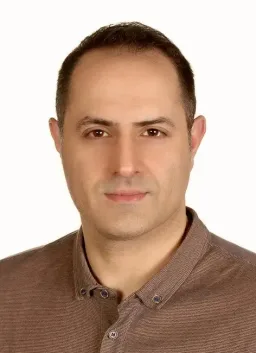
د. مرصاد موسوي
جراحة العظام
دكتوراه في الطب، جراحة العظام
د. مرصاد موسوي جراح عظام مرخص من وزارة الصحة في مركز الأطباء التشخيصي بمدينة دبي الطبية، يمتلك خبرة سريرية تزيد على 14 عاماً. تخرّج من جامعة طهران للعلوم الطبية وصدر له أكثر من 20 منشوراً دولياً في جراحة العمود الفقري، ويتخصص في نهج العلاج التحفظي أولاً لإدارة الكسور وحالات الجهاز العضلي الهيكلي.
مقالات ذات صلة
طبيب العظام في دبي: الدليل الشامل لرعاية العظام والمفاصل
التعافي من الإصابات الرياضية في دبي: العلاج وإعادة التأهيل
علاج آلام المفاصل في دبي: الأسباب والتشخيص والخيارات
تكلفة الأشعة السينية في دبي: الدليل الشامل للأسعار
المزيد في General Health
CBC Test Price Dubai: AED 149, Normal Ranges & Results
اقرأ المزيد
Dubai Clinic Without Insurance: Cost Guide (2026)
اقرأ المزيد
Doctor at Home Dubai: Home Visit Cost From AED 349 (2026)
اقرأ المزيد
Doctor on Call Dubai 24/7: Home, Hotel & Office Visits
اقرأ المزيد
Ear Wax Removal & Ear Cleaning Dubai: From AED 300 (2026)
اقرأ المزيد
Emsella for Men: Post-Prostate Care Dubai (2026)
اقرأ المزيد© 2026 Doctors Clinic Diagnostic Center (DCDC), Dubai Healthcare City. Originally published at https://doctorsclinicdubai.ae/blog/bone-fracture-treatment-dubai. All rights reserved. Unauthorized reproduction is prohibited.