
Book Your Appointment
Verified Patient Reviews of DCDC Diagnostic Center in Dubai
Verified reviews and real patient stories from Dubai Healthcare City
I'm very satisfied with this medical clinic. I had my first pregnancy screening here. It was affordable and very professional. The radiologist was welcoming, kind, and made the experience great.
Aizhan Tokmanbetova
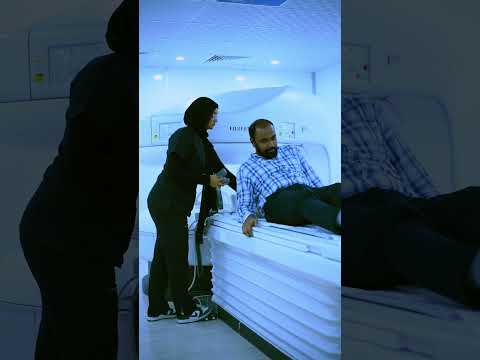
Hurt my knee Friday night and got an MRI appointment Sunday evening (booked Sunday afternoon). Waited about 2 minutes and was done in just over 30 minutes. The team was amazing, friendly and efficient.
Kirsten Evans
Dr. Osama's team was gentle and amazing. After a bad experience elsewhere, my pelvic exam here was much more professional. Great report and very precise.
Mary




X-Ray Scan in Dubai: Fast Bone & Chest Imaging
Digital technology for fractures, chest conditions, and joint assessment
Fast Imaging
Complete in 5-10 minutes with same-day reporting for urgent cases
Digital Technology
High-quality images with minimal radiation exposure
Quick Results
Expert radiologist interpretation within 24 hours
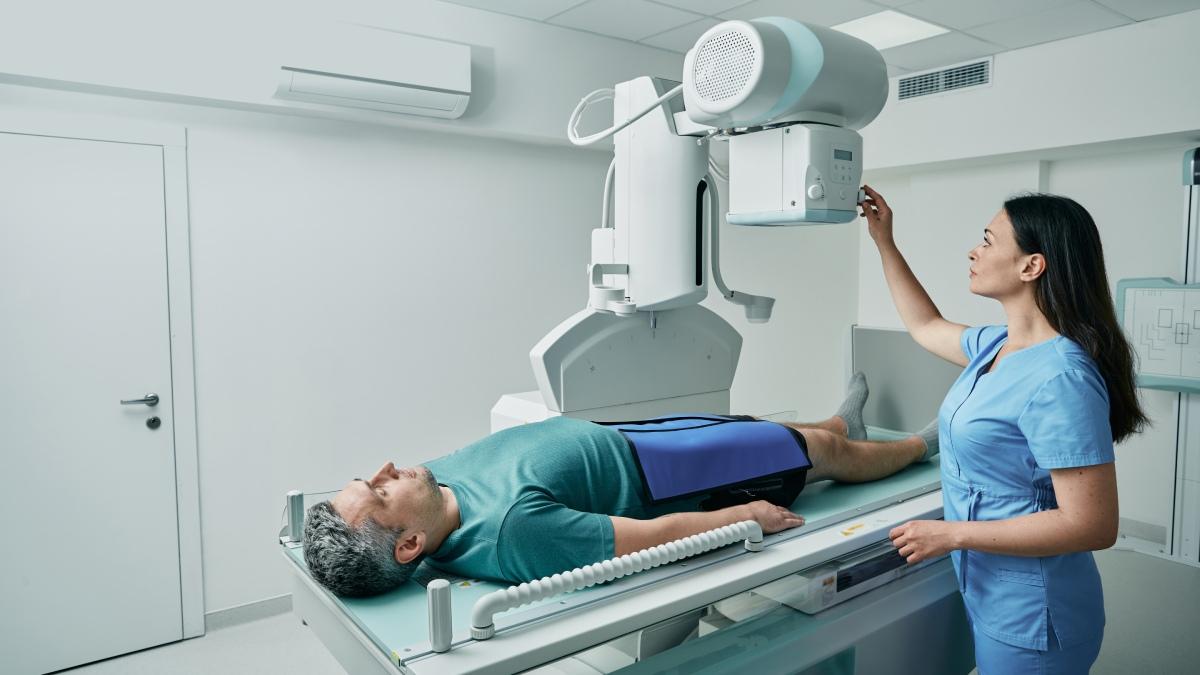
x ray Dubai services are available at DCDC. X-ray is the fastest way to see bones, fractures, and chest conditions, with walk-in access at our Umm Hurair 2 location. The scan takes just 5-10 minutes with results typically ready within 24 hours. Our digital system uses minimal radiation. Less than older film-based equipment.
Your doctor may recommend a radiograph for suspected fractures, chest pain, joint problems, or back issues. It's quick, painless, and often the first step in diagnosis before more detailed imaging like CT or MRI.
Every scan is reviewed by subspecialty radiologists experienced in musculoskeletal and chest imaging. We're located in Dubai Healthcare City with free parking and same-day appointments when available.
Radiographic examination remains the most widely used diagnostic imaging modality worldwide. In Dubai, it serves as the essential first-line investigation for a broad range of clinical concerns, from sports injuries and workplace accidents to chronic conditions like osteoarthritis and scoliosis. Our digital radiography system captures high-resolution images that allow radiologists to detect subtle findings that older film-based equipment might miss.
Digital imaging technology at DCDC reduces radiation exposure compared to conventional film-based systems. The images are available instantly on screen, allowing the radiologist to assess quality in real time and retake views if needed without significant delay. Digital images can also be enhanced, magnified, and shared electronically with your referring physician for faster clinical decision-making.
Fast Imaging
Complete in 5-10 minutes with same-day reporting for urgent cases
Digital Technology
High-quality images with minimal radiation exposure
Quick Results
Expert radiologist interpretation within 24 hours
X-Ray Scan in Dubai: Fast Bone & Chest Imaging
Digital technology for fractures, chest conditions, and joint assessment
x ray Dubai services are available at DCDC. X-ray is the fastest way to see bones, fractures, and chest conditions, with walk-in access at our Umm Hurair 2 location. The scan takes just 5-10 minutes with results typically ready within 24 hours. Our digital system uses minimal radiation. Less than older film-based equipment.
Your doctor may recommend a radiograph for suspected fractures, chest pain, joint problems, or back issues. It's quick, painless, and often the first step in diagnosis before more detailed imaging like CT or MRI.
Every scan is reviewed by subspecialty radiologists experienced in musculoskeletal and chest imaging. We're located in Dubai Healthcare City with free parking and same-day appointments when available.
Radiographic examination remains the most widely used diagnostic imaging modality worldwide. In Dubai, it serves as the essential first-line investigation for a broad range of clinical concerns, from sports injuries and workplace accidents to chronic conditions like osteoarthritis and scoliosis. Our digital radiography system captures high-resolution images that allow radiologists to detect subtle findings that older film-based equipment might miss.
Digital imaging technology at DCDC reduces radiation exposure compared to conventional film-based systems. The images are available instantly on screen, allowing the radiologist to assess quality in real time and retake views if needed without significant delay. Digital images can also be enhanced, magnified, and shared electronically with your referring physician for faster clinical decision-making.

Dr. Osama Elzamzami
Explore Our Services
Comprehensive x-ray scan services at DCDC Dubai Healthcare City.
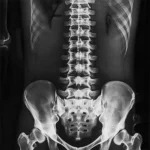
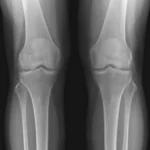

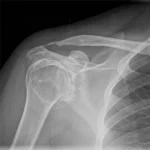
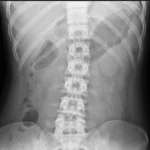
All services performed by DHA-licensed specialists
Who Should Get X-Ray Scan?
Diagnostic imaging is ideal when your doctor needs to quickly see bones, joints, or chest conditions. Radiography is often the first imaging test recommended for suspected fractures, chest problems, and joint issues.
Suspected bone fractures or joint injuries
Chest pain, cough, or breathing difficulties
Back pain or spinal alignment concerns
Arthritis or joint degeneration
Abdominal pain or suspected blockages
Pre-operative assessment before surgery
Why Choose DCDC for Your X-Ray?
MOHAP-licensed facility with digital X-ray technology, subspecialty radiologists, and results within 24 hours. Fast scans, accurate diagnosis.
MOHAP Licensed
Accredited diagnostic center in DCDC. License NIMY7VY5-240925.
Fast Results
Reports ready within 18-24 hours. Same-day for urgent cases.
Insurance Support
Direct billing with 20+ insurers. We handle pre-authorization for you.
Convenient Location
Building 64, Block A in our clinic. Free parking on-site.
Expert Radiologists
Subspecialists in musculoskeletal, chest, and trauma imaging.
Patient Experience
4.8/5 Google rating. Quick scans with clear communication.
Your Comfortable Visit
A simple, step-by-step X-Ray scan process designed for comfort, speed, and accuracy.
X-Ray Pricing
X-Ray pricing in Dubai varies by scan type, contrast requirements, and insurance coverage for chest, bone, and joint X-ray scans.
- Pricing varies by scan type and whether contrast is required
- Insurance coverage accepted with referral and verification
- Transparent self-pay rates available with instant quote on request
Insurance verification in minutes • No hidden fees • Fast response on WhatsApp
Patient Guide
What to Expect During Your X-Ray
The fastest imaging test available. Here's what happens.
Insurance & Location
Insurance Partners
- •20+ insurance providers in Dubai including Daman, AXA, ADNIC, and others
- •Pre-authorization support and direct billing (where applicable)
- •Coverage verification before your appointment at our Dubai Healthcare City clinic
- •Transparent pricing with no hidden fees for x-ray scan services








Visit Us in Dubai Healthcare City
Doctors Clinic Diagnostic Center
Building 64, Block A, Al Razi Medical Complex, Dubai Healthcare City, Dubai, UAE
Near Oud Metha Road · Easy access from Bur Dubai, Downtown Dubai, Business Bay · Free dedicated parking available
Working Hours
Mon-Thu, Sat: 8AM - 10:30PM | Sun: 8:30AM - 10:30PM | Fri: 9AM - 10PM
How Insurance Works at DCDC
Check Coverage
Verify your plan covers X-Ray Scan
Get a Referral
Some insurers require a GP referral — we can guide you
Pre-Authorization
We handle pre-auth directly with your insurer
Direct Billing
No upfront payment — we bill your insurer directly
Co-Pay Only
You only pay any applicable co-pay at the clinic
Check Coverage
Verify your plan covers X-Ray Scan
Get a Referral
Some insurers require a GP referral — we can guide you
Pre-Authorization
We handle pre-auth directly with your insurer
Direct Billing
No upfront payment — we bill your insurer directly
Co-Pay Only
You only pay any applicable co-pay at the clinic
Your Specialist
Dr. Osama Elzamzami
Consultant Radiologist
MD, Consultant Radiologist
Arabic · English
Patient Guide
Understanding X-Ray Imaging: How It Works
X-ray imaging works by passing a controlled beam of ionizing radiation through the body. Dense structures like bones absorb more radiation and appear white on the image, while softer tissues like muscles and organs allow more radiation to pass through and appear in shades of grey. Air-filled structures such as the lungs appear black. This contrast is what makes X-ray particularly effective for evaluating bones, the chest, and certain abdominal conditions.
Digital radiography has largely replaced traditional film-based imaging in modern diagnostic centers. Instead of exposing a photographic film, digital detectors capture the beam and convert it into a digital image. This provides several advantages: lower radiation doses, immediate image availability, the ability to adjust brightness and contrast after the scan, and easy electronic storage and sharing. At DCDC, all radiographic examinations use digital technology.
The radiation dose from a standard radiograph is very low. A chest study delivers approximately 0.02 millisieverts (mSv), which is roughly equivalent to a few hours of natural background radiation. By comparison, a CT scan of the chest delivers around 7 mSv. While all radiation exposure should be clinically justified, the dose from diagnostic radiography is well within established safety guidelines set by international bodies such as the IAEA and ICRP.
Different radiographic views provide different diagnostic information. For example, a chest study is typically taken from two angles, posteroanterior (PA) and lateral, to give a comprehensive view of the lungs, heart, and mediastinum. Skeletal imaging may require multiple views to fully assess a fracture or joint abnormality. Your radiologist will determine the appropriate views based on your clinical indication.
Conditions Diagnosed with X-Ray
Bone Fractures
Detection of broken bones in any part of the body, including hairline fractures, displaced fractures, and stress fractures common in athletes and active individuals.
Pneumonia & Lung Infections
A chest radiograph can reveal areas of consolidation in the lungs that indicate bacterial or viral pneumonia, as well as tuberculosis and other pulmonary infections.
Osteoarthritis
Radiographic imaging shows joint space narrowing, bone spurs (osteophytes), and changes in bone density that indicate degenerative joint disease, commonly affecting knees, hips, and hands.
Scoliosis & Spinal Alignment
Full-spine radiography is the standard imaging tool for measuring spinal curvature, monitoring progression in adolescents, and planning treatment strategies.
Heart Enlargement
A chest radiograph can reveal an enlarged heart silhouette (cardiomegaly), which may indicate heart failure, valve disease, or other cardiac conditions requiring further evaluation with echocardiography.
Pleural Effusion
Fluid accumulation around the lungs is visible on chest imaging as blunting of the costophrenic angles, helping guide further investigation and treatment.
Related Articles
Chest X-Ray Cost in Dubai: Updated Prices & Details
A detailed guide to chest X-ray pricing in Dubai, what affects the cost, and how insurance coverage works for diagnostic imaging.
Pediatric Imaging Safety: A Parent's Complete Guide
Everything parents need to know about radiation safety during children's X-rays, including dose reduction techniques and the ALARA principle.
Heart Health Prevention in Dubai: Cardiovascular Wellness Guide
How chest X-ray fits into a comprehensive cardiac screening approach, alongside ECG, echocardiography, and blood tests.
Visa Medical Check Dubai: Requirements & Cost
Guide to the official visa medical at DHA medical fitness centres
Related Services
Explore other diagnostic and consultation services available at our Dubai Healthcare City clinic.
Frequently Asked Questions
Common questions about X-Ray Scan in Dubai.
A standard radiographic examination typically takes 5 to 10 minutes from start to finish. The actual imaging itself takes only a few seconds per view. Most of the time is spent on positioning you correctly to ensure the best possible image quality. For a single-view chest radiograph, you may be in and out within 5 minutes. Multi-view studies, such as a full spine series or multiple joint views, may take slightly longer. There is no recovery time after the scan, so you can return to your normal activities immediately, including driving, working, and exercising.
Yes, diagnostic radiographs use very low doses of radiation that are well within established safety limits. A standard chest radiograph delivers approximately 0.02 millisieverts (mSv) of radiation, which is roughly equivalent to a few hours of natural background radiation you receive from the environment. Digital imaging systems, like the ones we use at DCDC, reduce radiation exposure even further compared to older film-based technology. Every imaging study is clinically justified, meaning the diagnostic benefit of identifying or ruling out a medical condition far outweighs the minimal radiation exposure involved. Our radiographers follow international safety protocols to keep doses as low as reasonably achievable.
No special preparation is required for most radiographic examinations. You do not need to fast or stop taking medications. The main preparation involves removing any metal objects from the area being scanned, including jewelry, watches, belt buckles, hairpins, and clothing with metal zippers or buttons. You may be asked to change into a hospital gown to ensure no metal interferes with the image quality. For abdominal imaging studies, you may be asked about recent barium studies, as residual barium can obscure the image. Always bring your doctor's referral letter and any previous imaging for comparison.
Radiographic imaging is generally avoided during pregnancy as a precaution, particularly for scans of the abdomen and pelvis. However, if a diagnostic study is medically necessary, such as for a suspected fracture or serious chest condition, it can be performed with appropriate shielding and safety measures. The radiation dose from most diagnostic imaging is extremely low and well below the threshold associated with any risk to the developing baby. A chest radiograph, for example, delivers a negligible dose to the uterus. Always inform us if you are or might be pregnant so we can assess whether the imaging study is essential or if an alternative method like ultrasound would be more appropriate.
Wear comfortable, loose-fitting clothing without metal components such as zippers, buttons, snaps, or underwire. For a chest radiograph, a plain cotton t-shirt without prints or embellishments is ideal. For limb imaging, wear clothing that allows easy access to the area being scanned, such as shorts for a knee study or a short-sleeved top for a shoulder scan. You will be asked to remove all jewelry, watches, piercings, and hair accessories from the scan area. In some cases, you may need to change into a hospital gown to ensure the highest image quality.
At DCDC, imaging results are typically available within 18 to 24 hours. For urgent or critical cases, same-day reporting is available so that your referring physician can act quickly. Once your images are captured, they are reviewed by a subspecialty radiologist who prepares a detailed written report. This report is sent directly to your referring doctor and is also accessible through our patient portal. If your doctor needs to discuss the findings with our radiologist, direct physician-to-physician communication is available. We recommend following up with your referring doctor to discuss the results and any next steps.
No, the procedure is completely painless. You will not feel the radiation passing through your body. The only thing you may notice is the positioning, where the radiographer will ask you to stand, sit, or lie against the imaging plate and hold still for a few seconds. If you are being imaged for a painful injury such as a fracture, the positioning may cause some discomfort in the injured area, but the scan itself does not add any pain. For chest radiographs, you will be asked to take a deep breath and hold it briefly to ensure clear lung images. The entire process is quick and straightforward.
Yes, children can have radiographic imaging when clinically indicated. At DCDC, we follow pediatric imaging safety protocols that include using the lowest possible radiation dose appropriate for the child's size, collimating the beam tightly to the area of interest, and using appropriate exposure settings calibrated for pediatric patients. Children are more sensitive to radiation than adults, which is why we take extra care to ensure every pediatric study is justified and optimized. Parents or guardians are welcome to stay in the room during the scan, wearing a lead apron for protection. Common pediatric studies include chest imaging for respiratory infections and limb radiographs for fractures.
Key Facts
Medical Review & Oversight
All services are provided under the supervision of licensed medical professionals in our MOHAP-accredited facility.