اہم نکات
- Heart palpitations — a racing, fluttering, pounding, or skipping sensation in the chest — affect up to 16% of the general population at some point, and most episodes are benign, but proper evaluation is essential to rule out dangerous arrhythmias
- Common triggers in Dubai include excessive caffeine, dehydration from extreme heat, chronic stress, and thyroid disorders — all highly prevalent in the UAE's climate and fast-paced work culture
- Seek urgent medical evaluation if palpitations are accompanied by chest pain, fainting, severe shortness of breath, or last longer than a few minutes — these may indicate atrial fibrillation, supraventricular tachycardia, or other cardiac conditions requiring treatment
- Diagnosis typically involves an ECG, echocardiogram, 24-hour Holter monitor, and blood work — at DCDC, all of these tests are available on-site and can often be completed in a single visit
- Dubai's extreme summer heat causes dehydration and electrolyte imbalances that directly trigger palpitations — maintaining hydration and electrolyte balance is especially important for UAE residents during the hotter months
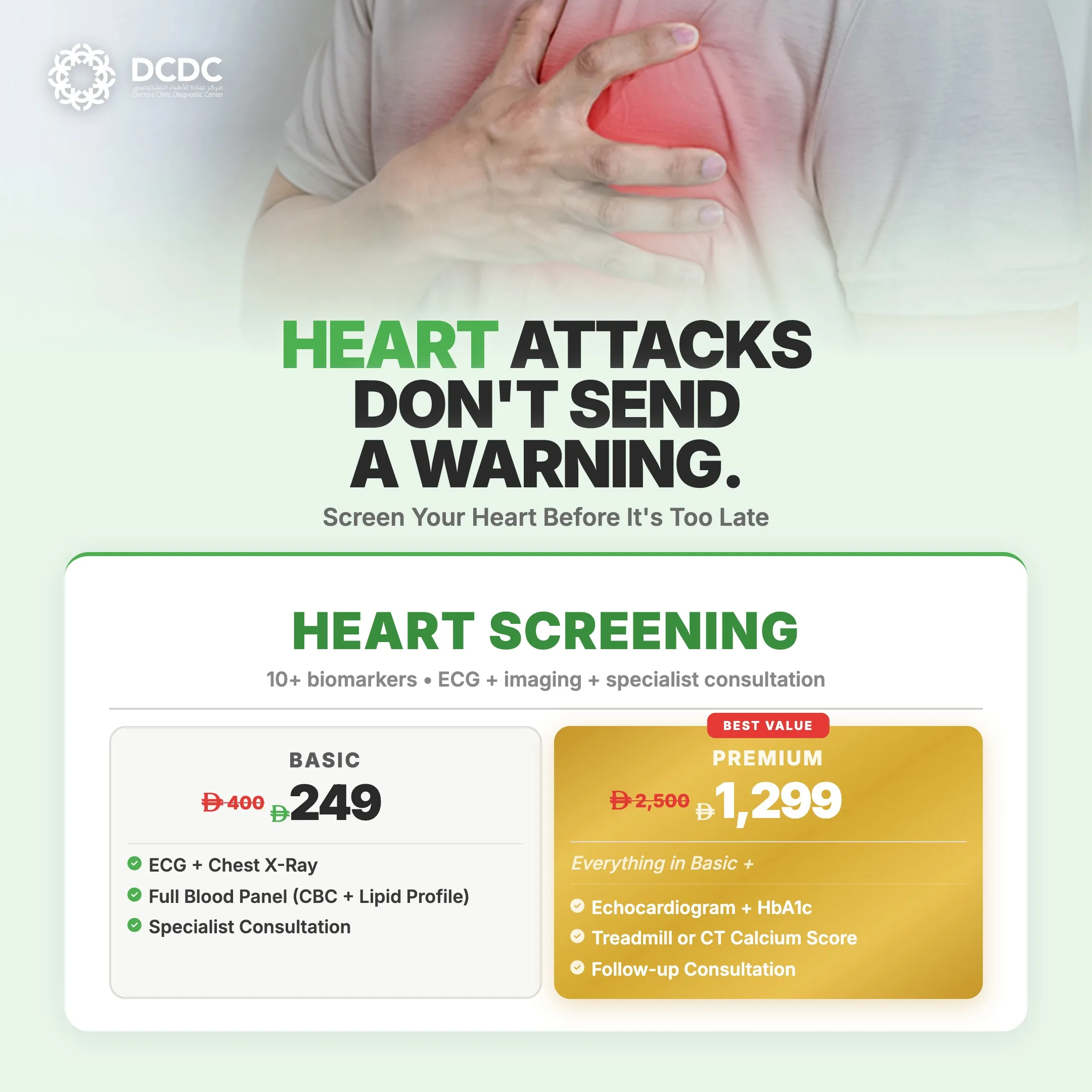
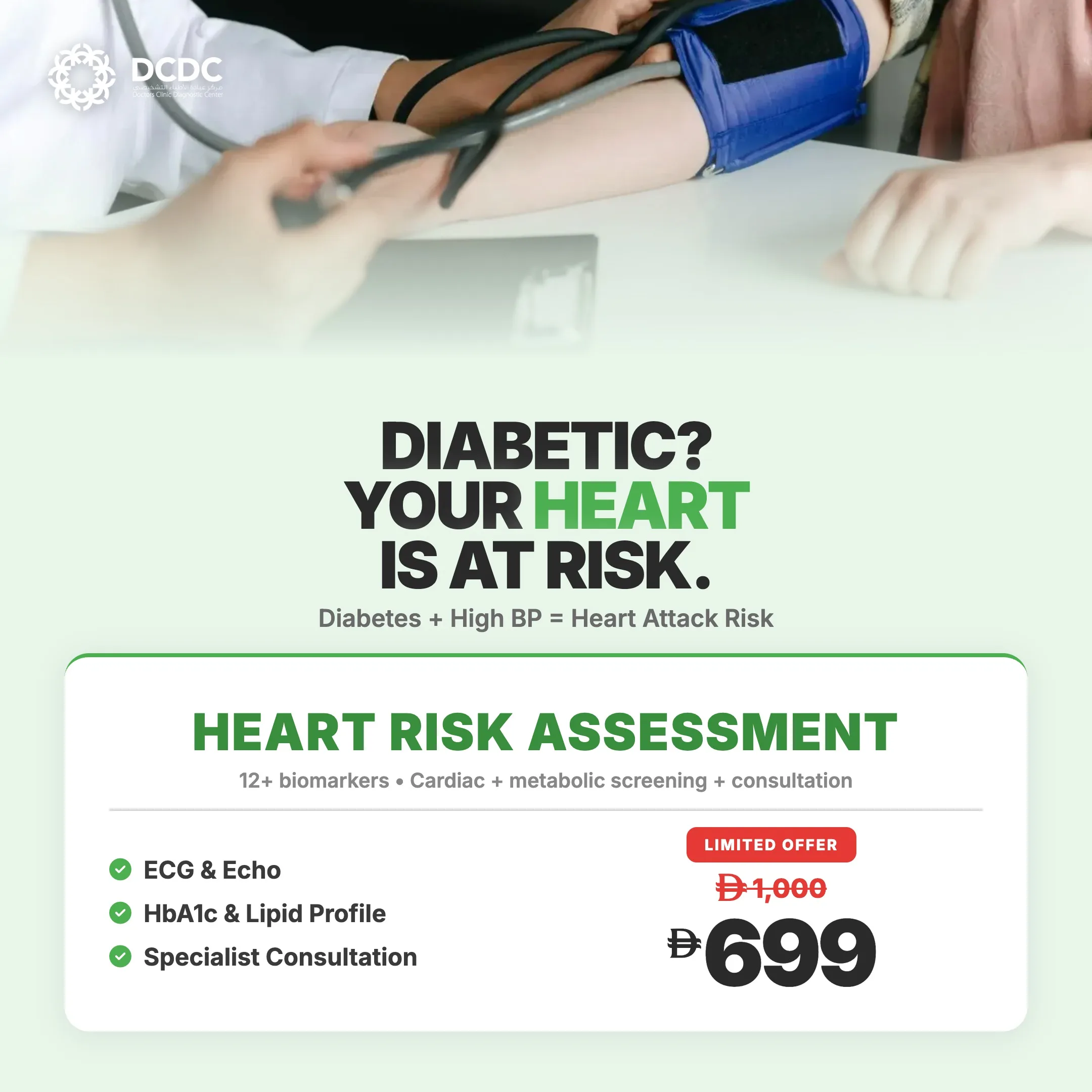
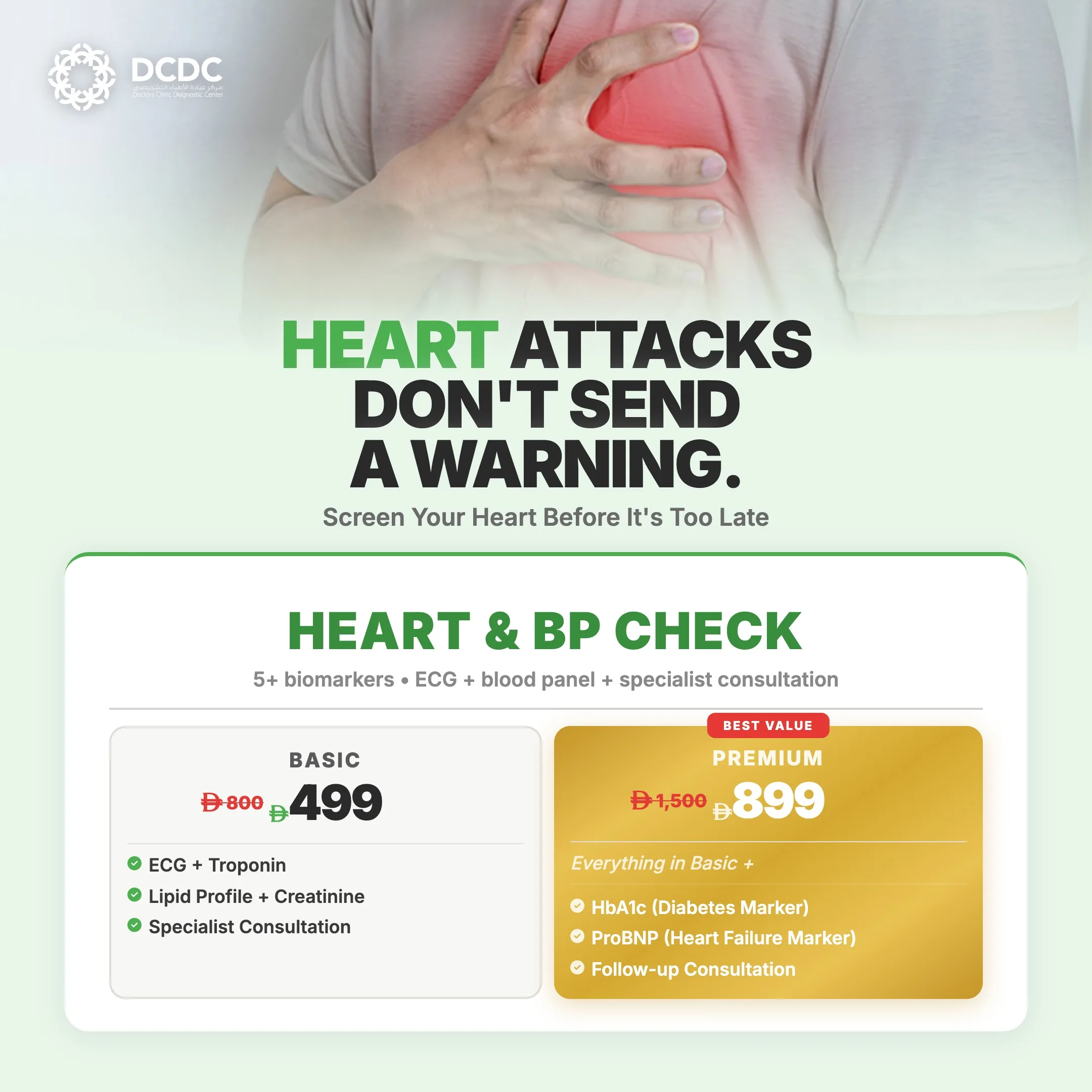
- At DCDC in Dubai Healthcare City, a comprehensive palpitation evaluation starts from AED 250 for a cardiology consultation with same-day ECG, on-site Holter monitoring, and direct billing with 20+ insurance providers
Heart palpitations are one of the most common reasons people visit a cardiologist, and they are among the most unsettling symptoms a person can experience. That sudden awareness of your heart racing, fluttering, pounding, or seemingly skipping a beat can trigger intense anxiety, especially when it happens unexpectedly at night or during rest. In Dubai, where extreme heat, high-caffeine lifestyles, workplace stress, and a young but metabolically diverse population converge, heart palpitations are remarkably common. The good news is that most palpitations are harmless. The challenge is distinguishing the benign episodes from those that signal a potentially dangerous heart rhythm disorder. This guide, reviewed by Dr. Shahoo Mazhari, Cardiologist at DCDC in Dubai Healthcare City, covers everything you need to know about heart palpitation causes, when to worry, what tests you need, and how to get a same-day cardiology evaluation in Dubai.
Studies published in the British Medical Journal and the American Heart Association estimate that palpitations account for approximately 16% of symptoms prompting outpatient medical visits, making them the second most common reason for cardiology referral after chest pain. In clinical practice, the vast majority of palpitations — roughly 80-85% — are caused by benign premature beats (PACs or PVCs) or non-cardiac factors such as caffeine, stress, or hormonal changes. However, the remaining 15-20% can be caused by clinically significant arrhythmias including atrial fibrillation, supraventricular tachycardia (SVT), or ventricular tachycardia — conditions that require treatment to prevent complications like stroke or cardiac arrest. Because patients cannot reliably distinguish between harmless and dangerous palpitations based on symptoms alone, a thorough cardiac evaluation with ECG testing and rhythm monitoring is the only reliable way to determine the cause and guide appropriate management.
What Do Heart Palpitations Feel Like?
Heart palpitations are broadly defined as an abnormal awareness of your heartbeat. Unlike the normal, unnoticed beating of your heart that continues 100,000 times every day, palpitations are moments when you suddenly become acutely aware that something feels different. Patients describe palpitations in several distinct ways, and the specific description can sometimes help a cardiologist narrow the diagnosis.
- Racing or rapid heartbeat — a sensation that the heart is beating much faster than normal, often described as the heart "galloping" or "running away," which may suggest sinus tachycardia, SVT, or atrial fibrillation
- Fluttering — a light, rapid, quivering sensation in the chest, sometimes extending to the throat or neck, commonly associated with atrial flutter, atrial fibrillation, or frequent premature atrial contractions
- Pounding or thumping — a forceful, heavy beating sensation as though the heart is "banging against the chest wall," often caused by premature ventricular contractions (PVCs) or the strong beat that follows a skipped beat
- Skipping beats or pausing — a sensation that the heart has momentarily stopped or "missed a beat," typically caused by premature atrial or ventricular contractions (PACs or PVCs) — the heart doesn't actually stop but the irregular rhythm creates that perception
- Flip-flopping — a tumbling or rolling sensation in the chest, as if the heart has "turned over," which is another way patients describe the compensatory pause after a premature beat
Palpitations can last anywhere from a few seconds to several hours. They may occur at rest, during exertion, after eating, when lying down, or at seemingly random times. Some people experience isolated episodes separated by months, while others have daily symptoms. The frequency, duration, and associated symptoms all provide important diagnostic clues that your cardiologist will use to determine the cause and appropriate testing strategy.
Common Causes of Heart Palpitations
Heart palpitation causes span a wide spectrum from completely benign lifestyle factors to serious cardiac conditions. Understanding the full range of possibilities helps explain why proper evaluation is important — and also why most palpitations turn out to be nothing dangerous. The causes can be broadly categorized into four groups: lifestyle triggers, medical conditions, cardiac causes, and medication-related triggers.
| Category | Common Causes | Typical Features |
|---|---|---|
| Lifestyle Triggers | Caffeine, alcohol, stress, anxiety, dehydration, intense exercise, lack of sleep, spicy food, nicotine | Episodic, linked to specific triggers, resolve when trigger is removed |
| Medical Conditions | Thyroid disorders, anemia, low blood sugar, electrolyte imbalance, fever, dehydration | Often persistent or recurrent until underlying condition is treated |
| Cardiac Causes | PACs, PVCs, atrial fibrillation, SVT, atrial flutter, ventricular tachycardia, mitral valve prolapse, WPW syndrome | May be episodic or sustained; some carry risk of stroke or cardiac arrest |
| Medications & Supplements | Decongestants, asthma inhalers, thyroid medications, stimulant ADHD drugs, diet pills, excess caffeine supplements | Onset correlates with starting or increasing dose of medication |
Overview of heart palpitation causes by category. Many patients have multiple contributing factors.
Lifestyle Triggers for Heart Palpitations
Caffeine is one of the most frequently cited triggers for palpitations worldwide. While moderate caffeine consumption (up to 400 mg per day, roughly 4 cups of coffee) is considered safe for most adults according to the FDA, many Dubai residents far exceed this threshold. The combination of specialty coffee culture, energy drinks, pre-workout supplements, and green tea throughout the day can easily push daily caffeine intake to 600-800 mg or more. At high doses, caffeine stimulates the sympathetic nervous system, increases heart rate, and can provoke premature beats and even sustained tachycardia in susceptible individuals.
Alcohol is a well-established trigger for atrial fibrillation and other arrhythmias. The phenomenon known as "holiday heart syndrome" describes new-onset atrial fibrillation triggered by binge drinking, even in people with structurally normal hearts. Even moderate regular alcohol consumption has been linked to increased risk of atrial fibrillation in large epidemiological studies published in the European Heart Journal.
Stress and anxiety are powerful palpitation triggers because they activate the sympathetic nervous system, flooding the body with adrenaline and cortisol. This directly increases heart rate, contractile force, and susceptibility to premature beats. In Dubai's competitive professional environment, chronic stress is extremely common — and many patients presenting with palpitations identify work-related stress as their primary trigger. Importantly, stress-induced palpitations are physically real (the heart truly is beating faster or irregularly), even though the underlying cause is psychological rather than structural.
Dehydration reduces blood volume, forcing the heart to beat faster to maintain adequate circulation. In Dubai, where summer temperatures routinely exceed 45 degrees Celsius, dehydration is a constant risk — particularly during outdoor work, exercise, or Ramadan fasting. Dehydration also depletes electrolytes (sodium, potassium, magnesium), further increasing arrhythmia susceptibility. For anyone experiencing palpitations related to chest discomfort or pain alongside palpitations, the combination warrants prompt evaluation.
Medical Conditions That Cause Heart Palpitations
Thyroid disorders are one of the most important non-cardiac causes of palpitations. Hyperthyroidism (overactive thyroid) increases the body's metabolic rate and directly stimulates the heart, causing tachycardia, atrial fibrillation, and palpitations. Subclinical hyperthyroidism, where thyroid hormone levels are only mildly elevated, can also cause palpitations and is easily missed without blood testing. Thyroid disorders are common in the UAE, particularly among women, and are diagnosed through a simple blood test (TSH, free T3, free T4).
Anemia (low red blood cell count or hemoglobin) forces the heart to compensate by beating faster to deliver adequate oxygen to tissues. Iron-deficiency anemia is particularly common among women of reproductive age, vegetarians, and individuals with poor dietary habits. In Dubai, where fast-food diets are prevalent, nutritional anemias are more common than many people realize. Anemia-related palpitations are typically accompanied by fatigue, shortness of breath on exertion, and sometimes dizziness.
Electrolyte imbalances, particularly low potassium (hypokalemia), low magnesium (hypomagnesemia), and low calcium, directly affect cardiac electrical conduction and can trigger both premature beats and sustained arrhythmias. In Dubai, electrolyte imbalances are frequently caused by dehydration from heat exposure, excessive sweating during outdoor activities, diuretic medications, and restrictive diets. Low blood sugar (hypoglycemia), which can occur with diabetes medications, prolonged fasting, or skipped meals, also triggers adrenaline release and palpitations.
Cardiac Causes of Heart Palpitations
While less common than lifestyle and medical causes, cardiac arrhythmias are the most important causes of palpitations to identify because some carry serious risks including stroke and sudden cardiac death.
Premature atrial contractions (PACs) and premature ventricular contractions (PVCs) are the most common cardiac cause of palpitations. These are extra heartbeats originating from the upper (PACs) or lower (PVCs) chambers of the heart that occur earlier than expected. They are extremely common — virtually every adult has occasional PACs or PVCs. Most are harmless, but very frequent PVCs (more than 10-15% of total heartbeats over 24 hours) can occasionally weaken the heart muscle over time and may require treatment.
Atrial fibrillation (AFib) is the most clinically significant arrhythmia causing palpitations. In AFib, the upper chambers of the heart quiver chaotically instead of contracting rhythmically, leading to an irregular and often rapid heartbeat. AFib affects approximately 2-4% of adults and becomes more common with age. The primary danger of AFib is not the palpitation itself but the associated risk of blood clot formation in the heart, which can travel to the brain and cause a stroke. AFib increases stroke risk fivefold, making early detection and treatment essential.
Supraventricular tachycardia (SVT) is a group of arrhythmias causing sudden episodes of rapid heartbeat, typically 150-250 beats per minute. SVT often begins and ends abruptly, lasting minutes to hours. While SVT is rarely life-threatening, episodes can be extremely distressing and debilitating. SVT is more common in younger adults and women. Diagnosis often requires a Holter monitor or event recorder to capture the rhythm during an episode, as the heart rhythm may be completely normal between attacks.
Mitral valve prolapse (MVP) is a common structural heart condition in which the mitral valve doesn't close evenly, sometimes allowing a small amount of blood to leak backward. MVP affects approximately 2-3% of the population and is often discovered incidentally during an echocardiogram. Most people with MVP are completely asymptomatic, but some experience palpitations, particularly PACs and PVCs. MVP-related palpitations are almost always benign.
Medications and Supplements That Trigger Palpitations
Several commonly used medications and supplements can cause or worsen palpitations. Over-the-counter decongestants containing pseudoephedrine, asthma inhalers (beta-agonists like salbutamol), thyroid replacement medication (when the dose is too high), stimulant ADHD medications (methylphenidate, amphetamine), certain antidepressants, and weight-loss supplements containing stimulants are all potential triggers. In Dubai, the widespread use of pre-workout supplements and energy drinks adds another source of palpitation-inducing stimulants that many patients do not initially disclose to their doctor.
Heart Palpitations in Dubai: Climate and Lifestyle Factors
Dubai's unique environment creates several specific risk factors for palpitations that are less prominent in temperate climates. Understanding these Dubai-specific triggers helps residents take targeted preventive measures.
Extreme heat and dehydration: Dubai's summer temperatures regularly exceed 45 degrees Celsius with humidity levels above 80%. Even brief outdoor exposure causes significant fluid and electrolyte loss through sweating. The body's thermoregulatory response increases heart rate, and the combination of reduced blood volume and electrolyte depletion directly increases the likelihood of palpitations and premature beats. Construction workers, delivery personnel, outdoor athletes, and anyone transitioning frequently between extreme outdoor heat and aggressive indoor air conditioning are at particular risk.
High-stress corporate culture: Dubai attracts ambitious professionals who frequently work long hours in high-pressure industries including finance, real estate, technology, and hospitality. Chronic workplace stress elevates baseline sympathetic nervous system activity, making the heart more susceptible to palpitations. Many patients at DCDC report that their palpitations started or worsened after a period of intense work stress, and stress management is often a critical component of the treatment plan.
Caffeine consumption patterns: Dubai's thriving coffee culture, combined with widespread consumption of energy drinks and pre-workout supplements, means that many residents consume caffeine at levels well above recommended limits. The combination of multiple daily specialty coffees, afternoon energy drinks, and evening green tea can easily exceed 600 mg of caffeine per day — well above the 400 mg threshold that most health organizations recommend as the upper safe limit.
Ramadan fasting: During the holy month of Ramadan, fasting from dawn to sunset — which can last 14-15 hours in Dubai's long summer days — can lead to dehydration, electrolyte shifts, and changes in blood sugar that may trigger palpitations. Breaking the fast with heavy, carbohydrate-rich meals and strong Arabic coffee in the evening can also provoke postprandial palpitations. Patients who experience palpitations during Ramadan should consult their cardiologist for guidance on fasting safely.
Shisha and nicotine use: Shisha (hookah) remains culturally prevalent in the UAE. Nicotine is a direct cardiac stimulant that increases heart rate and blood pressure, and a single shisha session delivers nicotine equivalent to 10-20 cigarettes. The carbon monoxide exposure further strains the cardiovascular system. Many patients who deny smoking cigarettes are regular shisha users and do not initially connect their palpitations to this habit.
When to See a Doctor for Heart Palpitations
Most heart palpitations are harmless, but certain features indicate that urgent medical evaluation is necessary. The following red flags should prompt you to seek immediate or same-day medical attention.
- Palpitations accompanied by chest pain or pressure — may indicate ischemia (reduced blood flow to the heart) or a serious arrhythmia
- Fainting (syncope) or near-fainting during palpitations — suggests the arrhythmia is causing dangerously low blood pressure and inadequate brain perfusion
- Severe shortness of breath with palpitations — may indicate heart failure, significant arrhythmia, or pulmonary embolism
- Palpitations lasting longer than a few minutes or episodes that will not stop — sustained arrhythmias like SVT or atrial fibrillation may require medical intervention to terminate
- Palpitations with dizziness, lightheadedness, or confusion — suggest hemodynamic compromise from the arrhythmia
- Known heart disease with new palpitations — any new arrhythmia in a patient with existing heart disease requires prompt evaluation
- Family history of sudden cardiac death, especially in a young relative — some inherited arrhythmia syndromes (Long QT, Brugada, HCM) can cause life-threatening palpitations
- Palpitations during or immediately after exercise — exercise-induced arrhythmias require urgent evaluation with a cardiac stress test
Even if your palpitations do not match any of the red flags above, you should still consider a cardiology evaluation if episodes are frequent (more than once a week), increasing in frequency or duration, causing significant anxiety or affecting your quality of life, or if you have cardiovascular risk factors such as high blood pressure, diabetes, obesity, or smoking. A single consultation with an ECG and basic blood work can provide substantial reassurance or identify issues that benefit from early treatment.
Experiencing Heart Palpitations? Get Answers Today
Do not let palpitations keep you anxious. Book a same-day cardiology evaluation at DCDC in Dubai Healthcare City — on-site ECG, echocardiogram, Holter monitoring, and blood work all under one roof. Rated 4.8/5 from 1,000+ Google reviews. Direct billing with 20+ insurance providers. Consultation from AED 250. WhatsApp us to book your appointment.
How Heart Palpitations Are Diagnosed
Diagnosing the cause of heart palpitations requires a systematic approach combining clinical history, physical examination, and targeted investigations. The specific tests ordered depend on the pattern and severity of symptoms, associated features, and the patient's risk profile. Here is what you can expect during a cardiac evaluation for palpitations.
Electrocardiogram (ECG)
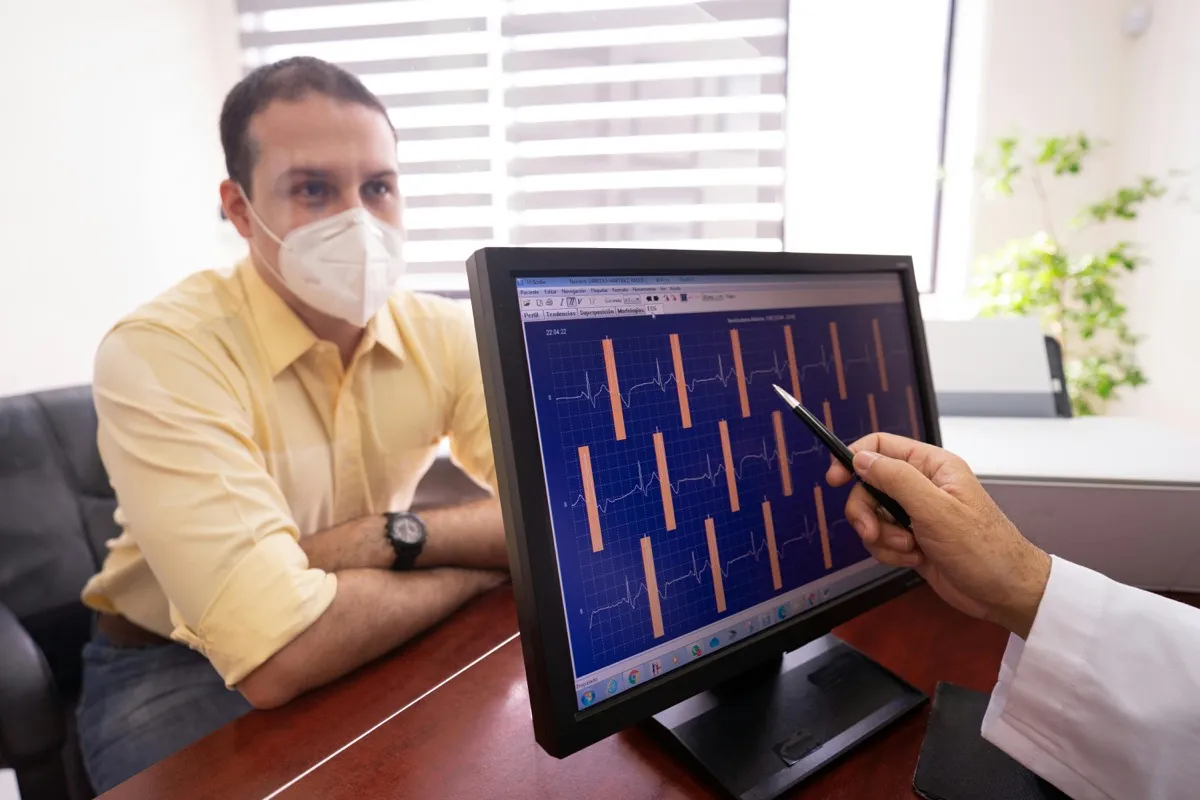
The 12-lead ECG is the first-line investigation for any patient presenting with palpitations. This simple, painless, 5-minute test records the heart's electrical activity through electrodes placed on the chest and limbs. An ECG can identify arrhythmias if they are occurring at the time of the recording, and it can also detect structural clues such as prolonged QT interval, Wolff-Parkinson-White (WPW) pattern, or signs of atrial enlargement that predispose to certain arrhythmias. However, because palpitations are often intermittent, a normal resting ECG does not rule out a rhythm disorder — it simply means the arrhythmia was not present during those specific five minutes.
24-Hour Holter Monitor
The Holter monitor is the single most important test for evaluating intermittent palpitations. This portable device records a continuous ECG tracing for 24 hours (or sometimes 48-72 hours) while you go about your normal daily activities. You press a button each time you experience symptoms, and the cardiologist later correlates your symptom diary with the ECG recording. This correlation is the diagnostic key — it reveals whether palpitation symptoms correspond to an actual arrhythmia or whether the heart rhythm is normal when you feel symptoms. At DCDC, Holter monitors are fitted on-site and results are typically available within 24-48 hours of returning the device.
Echocardiogram
An echocardiogram uses ultrasound to produce real-time images of the heart's chambers, valves, and blood flow. For palpitation evaluation, the echo is important because it can identify structural causes of arrhythmias such as mitral valve prolapse, enlarged atrial or ventricular chambers, reduced pumping function (ejection fraction), or hypertrophic cardiomyopathy. Finding a structurally normal heart is highly reassuring and generally indicates that palpitations, even if caused by an arrhythmia, are less likely to be dangerous. The test is non-invasive, takes 30-45 minutes, and produces immediate results.
Treadmill Stress Test
A stress test is particularly valuable when palpitations occur during exercise or physical exertion. The patient exercises on a treadmill with gradually increasing speed and incline while continuous ECG monitoring tracks the heart's rhythm and response to exertion. Stress testing can provoke arrhythmias that only appear during exercise and can also detect exercise-induced ischemia (reduced blood flow to the heart muscle) as a potential cause of palpitations. For more detail on how stress tests work and how to prepare, see our guide to cardiac stress testing in Dubai.
Blood Tests
Comprehensive blood work is essential for identifying non-cardiac causes of palpitations. Key tests include thyroid function (TSH, free T3, free T4), complete blood count (to detect anemia), fasting blood glucose and HbA1c (to assess for diabetes and hypoglycemia risk), serum electrolytes (sodium, potassium, magnesium, calcium), and renal function. These blood tests are straightforward, available same-day at DCDC, and frequently identify treatable causes that resolve palpitations completely when addressed.
Heart Palpitations Treatment Options
Treatment for heart palpitations depends entirely on the underlying cause identified through diagnostic evaluation. For many patients, treatment is simple and effective. For others with significant arrhythmias, more advanced interventions may be needed.
Lifestyle Modifications
For palpitations caused by identifiable lifestyle triggers, the most effective treatment is trigger avoidance. This may include reducing caffeine intake to under 400 mg per day, limiting or eliminating alcohol, improving hydration (particularly during Dubai's hot months), getting 7-8 hours of sleep per night, managing stress through exercise, meditation, or professional counseling, and stopping nicotine use including shisha. Many patients experience complete resolution of palpitations with lifestyle changes alone, without any medication or procedures.
Treating Underlying Medical Conditions
When blood work reveals a treatable medical cause, addressing it typically resolves palpitations. Thyroid medication adjustment for hyperthyroidism, iron supplementation for anemia, electrolyte replacement for deficiencies, and blood sugar optimization for diabetes or hypoglycemia are all straightforward treatments that can eliminate palpitations. These conditions reinforce why comprehensive blood work is a non-negotiable part of palpitation evaluation.
Medications for Cardiac Arrhythmias
For clinically significant arrhythmias, medications may be prescribed to control heart rate and rhythm. Beta-blockers (metoprolol, bisoprolol) are the first-line treatment for many arrhythmias, reducing heart rate and dampening adrenaline's effects on the heart. Calcium channel blockers (diltiazem, verapamil) are an alternative for rate control. Anti-arrhythmic medications such as flecainide, propafenone, or amiodarone may be used for rhythm control in specific arrhythmias. For atrial fibrillation, anticoagulation therapy to prevent stroke is often the most important component of treatment.
Catheter Ablation
For certain arrhythmias that are recurrent, symptomatic, and not adequately controlled by medication, catheter ablation offers a potentially curative treatment. This procedure involves threading a thin catheter through a blood vessel to the heart and using radiofrequency energy or cryotherapy to destroy the small area of heart tissue responsible for the abnormal electrical signals. Ablation is particularly effective for SVT (success rate above 95%), typical atrial flutter (above 90%), and certain types of atrial fibrillation. If ablation is indicated, your cardiologist at DCDC will refer you to an electrophysiologist at a partner hospital.
What to Expect at DCDC for Heart Palpitations
At Doctors Clinic Diagnostic Center (DCDC) in Dubai Healthcare City, palpitation evaluation follows a structured, patient-centered pathway designed to provide comprehensive answers, often in a single visit. DCDC is a MOHAP-licensed facility (License No. NIMY7VY5-240925) located in Building 64, Block A, Al Razi Medical Complex, with a 4.8/5 Google rating from over 1,000 reviews and 98% patient satisfaction.
Step 1: Same-Day Booking
DCDC offers same-day cardiology appointments for palpitation concerns. You can book via WhatsApp, phone, or simply walk in. No GP referral is required to see our cardiologist directly (though some insurance plans may require one for reimbursement — our front desk team will verify this for you). Average wait time is 15 minutes. The clinic is open Saturday through Thursday 8 AM to 10 PM and Friday 9 AM to 9 PM, with free dedicated parking and easy access — just 10 minutes from Downtown Dubai and Business Bay.
Step 2: Vitals and Initial ECG
Upon arrival, the nursing team records your blood pressure, heart rate, oxygen saturation, and weight. A resting 12-lead ECG is performed before your consultation so that Dr. Mazhari can review the tracing immediately. This ECG takes approximately 5 minutes and is painless.
Step 3: Cardiology Consultation with Cardiovascular Risk Assessment
Dr. Shahoo Mazhari conducts a thorough consultation that includes detailed symptom history (onset, duration, frequency, triggers, associated symptoms), cardiovascular risk factor assessment (blood pressure, cholesterol, diabetes, family history, smoking, BMI), medication and supplement review, and focused cardiac examination. A cardiovascular risk assessment is included with every cardiology consultation at DCDC, providing a comprehensive picture of your overall cardiac health beyond the immediate palpitation concern.
Step 4: On-Site Diagnostics — Often in a Single Visit
Based on clinical findings, Dr. Mazhari may order additional tests — and the key advantage of DCDC is that ECG, echocardiogram, treadmill stress test, 24-hour Holter monitoring, and comprehensive blood work are all available on-site. This means no trips to separate facilities, no scheduling delays, and no lost results. Many patients complete their ECG, echo, blood work, and stress test in a single visit, with Holter monitoring fitted the same day for pickup and analysis within 24-48 hours.
Step 5: Results, Diagnosis, and Treatment Plan
ECG and blood work results are available the same day. Echocardiogram findings are discussed immediately. Holter monitor reports are typically ready within 24-48 hours of device return. Dr. Mazhari reviews all results with you in detail, provides a clear diagnosis, and outlines a personalized treatment plan — whether that involves lifestyle modifications, medication, further monitoring, or referral for an interventional procedure. Direct billing is available with over 20 insurance providers including Daman, AXA, Bupa, and others, reducing or eliminating out-of-pocket costs for most insured patients.
Heart Palpitations During Pregnancy
Heart palpitations are particularly common during pregnancy and are experienced by many expectant mothers, especially during the second and third trimesters. During pregnancy, blood volume increases by approximately 40-50%, and the heart must work significantly harder to supply both the mother and the growing fetus. Resting heart rate typically increases by 10-20 beats per minute above baseline, which can create a noticeable racing or pounding sensation.
Hormonal changes during pregnancy, particularly elevated estrogen and progesterone, also affect the heart's electrical system and can provoke premature beats. Iron-deficiency anemia, which is common in pregnancy, further contributes to palpitations through compensatory tachycardia. Thyroid disorders, particularly postpartum thyroiditis, can also present with palpitations.
Most pregnancy-related palpitations are benign and resolve after delivery. However, pregnancy can also unmask or worsen pre-existing arrhythmias, and new-onset atrial fibrillation or SVT during pregnancy requires specialist management. Any pregnant woman experiencing palpitations accompanied by shortness of breath, chest pain, fainting, or sustained rapid heart rate should be evaluated promptly. At DCDC, our cardiologist works closely with the obstetrics team to ensure safe evaluation and management of palpitations during pregnancy.
Heart Palpitations at Night: Causes and Solutions
Many patients report that palpitations are worse at night or when lying down. There are several physiological explanations for this pattern. When lying in a quiet, dark room, you are more aware of bodily sensations that you would not notice during the distraction of daytime activities. This heightened awareness can make even normal heartbeats feel abnormal.
However, there are also genuine physiological reasons why palpitations may worsen at night. Vagal tone (parasympathetic nervous system activity) increases during sleep, which slows the heart rate and can paradoxically increase susceptibility to premature beats and certain arrhythmias. GERD (acid reflux) worsens when lying flat and can trigger palpitations through vagal nerve stimulation. Sleep apnea, which is highly prevalent in the UAE due to high rates of obesity, causes intermittent oxygen drops and sympathetic surges during sleep that trigger arrhythmias including atrial fibrillation. Eating heavy meals late at night, common in Dubai's dining culture, can provoke postprandial palpitations by redirecting blood flow to the digestive system.
Solutions for nighttime palpitations include sleeping on your right side or elevating the head of your bed (reduces vagal stimulation and GERD), avoiding heavy meals, caffeine, and alcohol within 3-4 hours of bedtime, screening for obstructive sleep apnea if you snore or experience daytime sleepiness, and practicing relaxation techniques before bed to reduce the anxiety that often amplifies awareness of nighttime palpitations.
Preventing Heart Palpitations: Lifestyle Changes
For the majority of people with benign palpitations, lifestyle modifications are the most effective long-term strategy. These evidence-based approaches address the most common triggers and improve overall cardiovascular resilience.
- Track your caffeine intake — keep a log of all caffeine sources (coffee, tea, energy drinks, supplements, chocolate) and aim to stay under 400 mg per day; consider eliminating caffeine entirely for 2-3 weeks to see if palpitations resolve
- Stay hydrated — in Dubai's climate, aim for at least 2.5-3 liters of water per day; increase intake during summer months, outdoor activity, and Ramadan; add a pinch of salt or an electrolyte supplement if sweating heavily
- Manage stress actively — incorporate regular exercise (150 minutes per week), practice mindfulness or meditation, maintain social connections, set work boundaries, and consider professional support if stress feels unmanageable
- Prioritize sleep — aim for 7-8 hours of quality sleep per night; maintain a consistent sleep schedule; avoid screens, caffeine, and heavy meals before bedtime
- Limit or eliminate alcohol — even moderate alcohol consumption increases arrhythmia risk; if you notice palpitations after drinking, consider abstaining
- Stop smoking and shisha — nicotine directly stimulates cardiac arrhythmias; cessation reduces palpitation frequency and dramatically lowers overall cardiovascular risk
- Exercise regularly but sensibly — moderate, consistent exercise strengthens the cardiovascular system and reduces palpitations over time; avoid sudden intense exercise without adequate warm-up and hydration
- Get regular check-ups — annual cardiovascular screening including blood pressure, blood tests, and baseline ECG can detect treatable conditions before they cause symptoms; see our heart health and prevention guide
Dr. Shahoo Mazhari on Heart Palpitation Evaluation
"Heart palpitations are one of the most common concerns I see in my cardiology practice, and I understand how frightening they can be," says Dr. Shahoo Mazhari, Cardiologist at DCDC. "The single most important thing I want patients to understand is that a thorough evaluation provides answers. Most palpitations are benign, but the only way to know for certain is through proper testing. What makes our approach at DCDC particularly effective is that we have all the essential diagnostic tools — ECG, echocardiogram, Holter monitor, stress test, and blood work — available on-site. This means we can often complete a comprehensive evaluation in a single visit rather than spreading it over weeks across multiple facilities. When a patient walks in concerned about palpitations, my goal is for them to leave the same day with a clear understanding of what is happening with their heart and a concrete plan to address it."
Heart Palpitations Test Cost Dubai (2026)
Understanding the cost of palpitation evaluation helps you plan ahead and removes a common barrier to seeking timely care. The table below provides a transparent comparison of DCDC pricing against typical Dubai market rates for 2026. At DCDC, most major insurance plans are accepted with direct billing for over 20 providers including Daman, AXA, and Bupa, significantly reducing or eliminating out-of-pocket costs for insured patients.
| Diagnostic Test | DCDC Price (AED) | Dubai Market Range (AED) |
|---|---|---|
| Cardiology Consultation | From 250 | 300 – 800 |
| ECG (Resting 12-Lead) | From 150 | 150 – 400 |
| Echocardiogram | From 500 | 600 – 1,500 |
| 24-Hour Holter Monitor | From 500 | 600 – 1,500 |
| Treadmill Stress Test | From 500 | 500 – 1,200 |
| Blood Tests (Thyroid, CBC, Electrolytes) | From 200 | 200 – 600 |
Heart palpitation evaluation costs at DCDC Dubai Healthcare City (2026). Most insurance plans cover medically necessary cardiac investigations. Verify coverage with your provider before your appointment.
A basic palpitation evaluation (consultation + ECG + blood work) at DCDC starts from AED 500–700, while a comprehensive workup including echocardiogram and Holter monitoring may range from AED 1,400 to AED 2,000. Insurance typically covers the full scope of medically indicated investigations. For patients who experience high blood pressure alongside palpitations, additional monitoring may be recommended as part of the overall cardiovascular assessment.
Book Your Heart Palpitation Evaluation at DCDC
Stop wondering and start knowing. Book a same-day cardiology consultation at Doctors Clinic Diagnostic Center in Dubai Healthcare City. On-site ECG, echocardiogram, Holter monitoring, stress testing, and blood work — all under one roof. MOHAP-licensed facility with 4.8/5 Google rating and 98% patient satisfaction. Cardiology consultation from AED 250. Direct billing with 20+ insurance providers. WhatsApp us to book now.
DCDC میں متعلقہ خدمات
دبئی ہیلتھ کیئر سٹی میں ماہرانہ دیکھ بھال اور جدید تشخیص
اکثر پوچھے گئے سوالات
آخری خیالات
Heart palpitations are one of the most common symptoms that bring patients to a cardiologist, and while the experience can be alarming, the outcome is reassuring for the vast majority of people. Most palpitations are caused by benign premature beats or identifiable lifestyle triggers — caffeine, stress, dehydration, lack of sleep — that respond well to simple modifications. However, a meaningful minority of palpitations are caused by arrhythmias that require diagnosis and treatment to prevent complications, and the only way to distinguish between benign and clinically significant causes is through proper cardiac evaluation.
The message is clear: do not ignore persistent or recurrent palpitations, and do not let anxiety about what testing might reveal prevent you from getting evaluated. A single cardiology consultation with an ECG and basic blood work takes less than an hour and can provide substantial reassurance or identify a treatable problem. If palpitations are accompanied by chest pain, fainting, or shortness of breath, seek evaluation urgently. For palpitations that are frequent, worsening, or affecting your quality of life, a comprehensive workup with Holter monitoring and echocardiogram provides definitive answers.
At Doctors Clinic Diagnostic Center in Dubai Healthcare City, our cardiology team led by Dr. Shahoo Mazhari provides complete palpitation evaluation with on-site ECG, echocardiography, 24-hour Holter monitoring, treadmill stress testing, and same-day blood work — all under one roof, often completed in a single visit. With a 4.8/5 Google rating, 98% patient satisfaction, and direct billing with 20+ insurance providers, DCDC makes expert cardiac evaluation accessible and straightforward. To book your palpitation evaluation, WhatsApp us or call our team today.
ذرائع اور حوالہ جات
یہ مضمون ہماری طبی ٹیم نے جائزہ لیا ہے اور درج ذیل ذرائع کا حوالہ دیتا ہے:
- American Heart Association - Arrhythmia and Heart Palpitations
- Mayo Clinic - Heart Palpitations: Causes & When to See a Doctor
- NHS - Heart Palpitations and Ectopic Beats
- Cleveland Clinic - Heart Palpitations: Causes, Diagnosis & Treatment
- European Heart Journal - Alcohol Consumption and Risk of Atrial Fibrillation
- BMJ - Approach to Palpitations in the Primary Care Setting
اس سائٹ پر طبی مواد کا جائزہ DHA لائسنس یافتہ ڈاکٹرز نے لیا ہے۔ ہماری دیکھیں تحریری پالیسی مزید معلومات کے لیے۔

تحریر
Dr. Shahoo Mazhari
Cardiologist
MD, Cardiology
Dr. Shahoo Mazhari is a Cardiologist at Doctors Clinic Diagnostic Center (DCDC) in Dubai Healthcare City.
متعلقہ مضامین

ECG Test Dubai: Cost, Types & Results
Holter Monitor Test Dubai: Cost & Guide
Chest Pain Dubai: Causes & When to Worry
Echocardiogram Dubai: Types & What It Shows
Heart Screening Dubai: Checkup & Prevention
Cardiology میں مزید
Angiogram Dubai: Types, Cost & Guide (2026)
مزید پڑھیںECG Test Dubai: Cost, Types & Results (2026)
مزید پڑھیں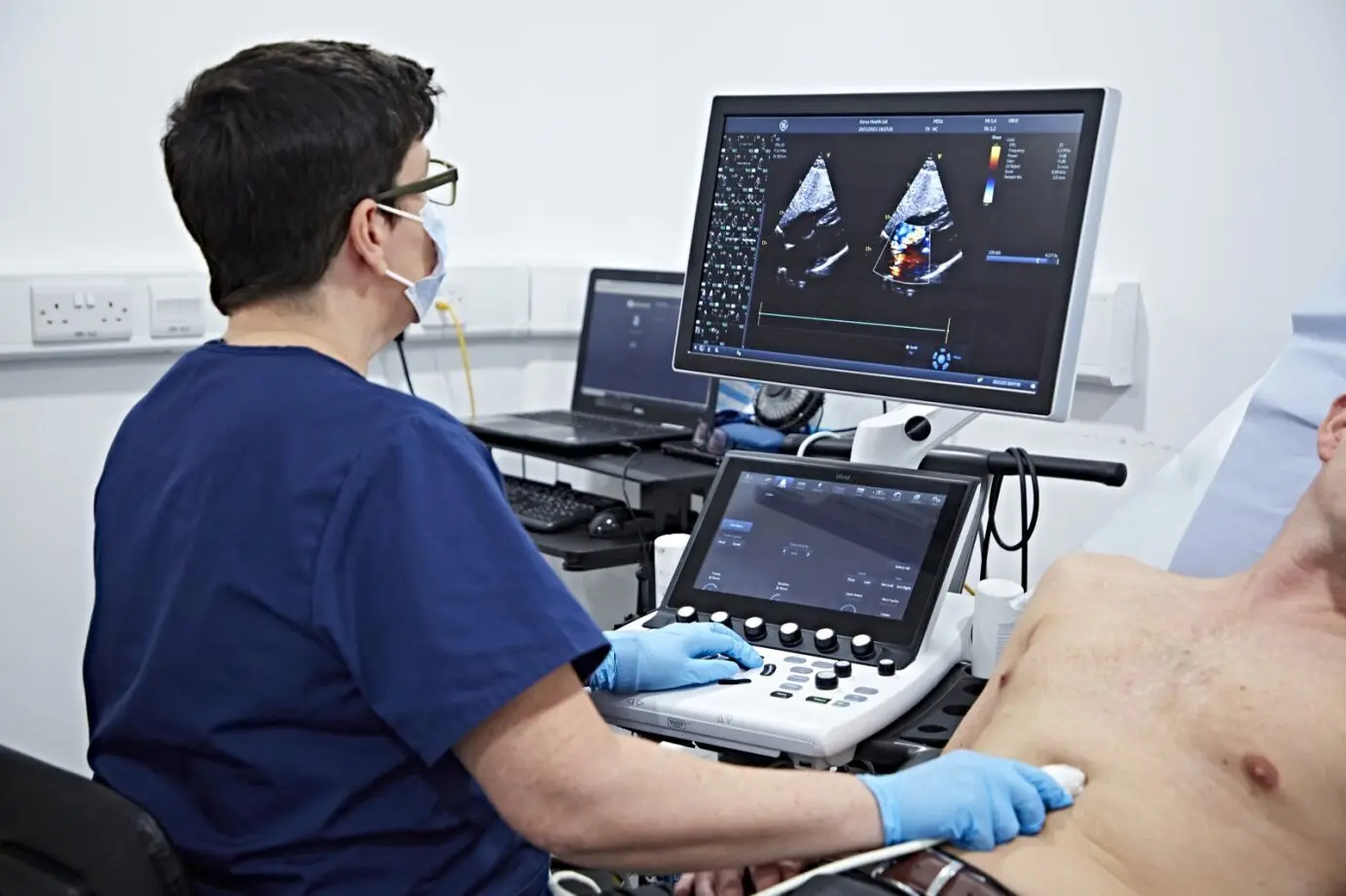
Echocardiogram (Echo) Test in Dubai: Cost, Procedure & What to Expect (2026)
مزید پڑھیںHolter Monitor Test Dubai: Cost & Guide (2026)
مزید پڑھیںECG Cost in Dubai: From AED 200 (2026)
مزید پڑھیں
Echo at Home Dubai: From AED 799 (2026)
مزید پڑھیں© 2026 Doctors Clinic Diagnostic Center (DCDC), Dubai Healthcare City. Originally published at https://doctorsclinicdubai.ae/blog/heart-palpitations-causes-dubai. All rights reserved. Unauthorized reproduction is prohibited.