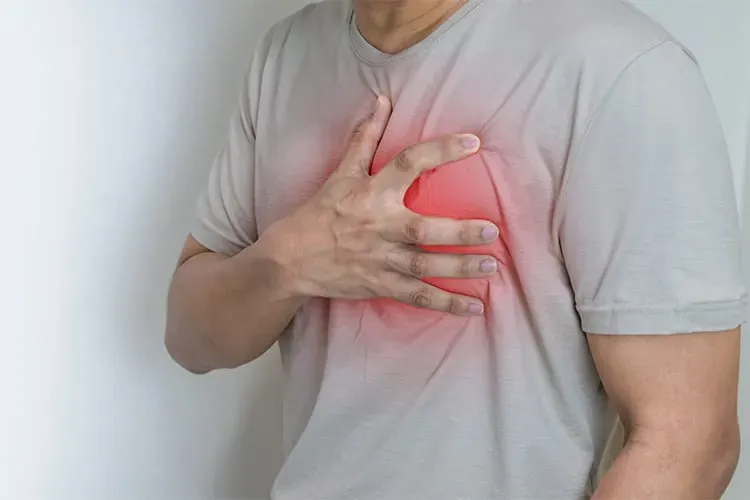
Points cles
- Chest pain accounts for 5-8% of all emergency visits globally, but only 15-25% of chest pain cases presenting to the ER are actually cardiac in origin — proper evaluation is essential to distinguish heart-related causes from non-cardiac ones
- Heart-related chest pain typically presents as pressure, tightness, or squeezing that may radiate to the left arm, jaw, or back — it often worsens with exertion and improves with rest, while non-cardiac chest pain tends to be sharp, localized, and position-dependent
- The UAE has one of the highest rates of cardiovascular risk factors globally, with diabetes prevalence around 17% and obesity affecting approximately 30% of the adult population, making timely chest pain evaluation critical for Dubai residents
- GERD (gastroesophageal reflux disease) accounts for up to 60% of non-cardiac chest pain — acid reflux, musculoskeletal strain, and anxiety are among the most common benign causes that can mimic heart-related symptoms
- Early cardiac evaluation, including ECG, troponin blood tests, and echocardiogram, can reduce mortality risk by up to 40% — at DCDC, patients receive same-day ECG and blood work with results available within hours
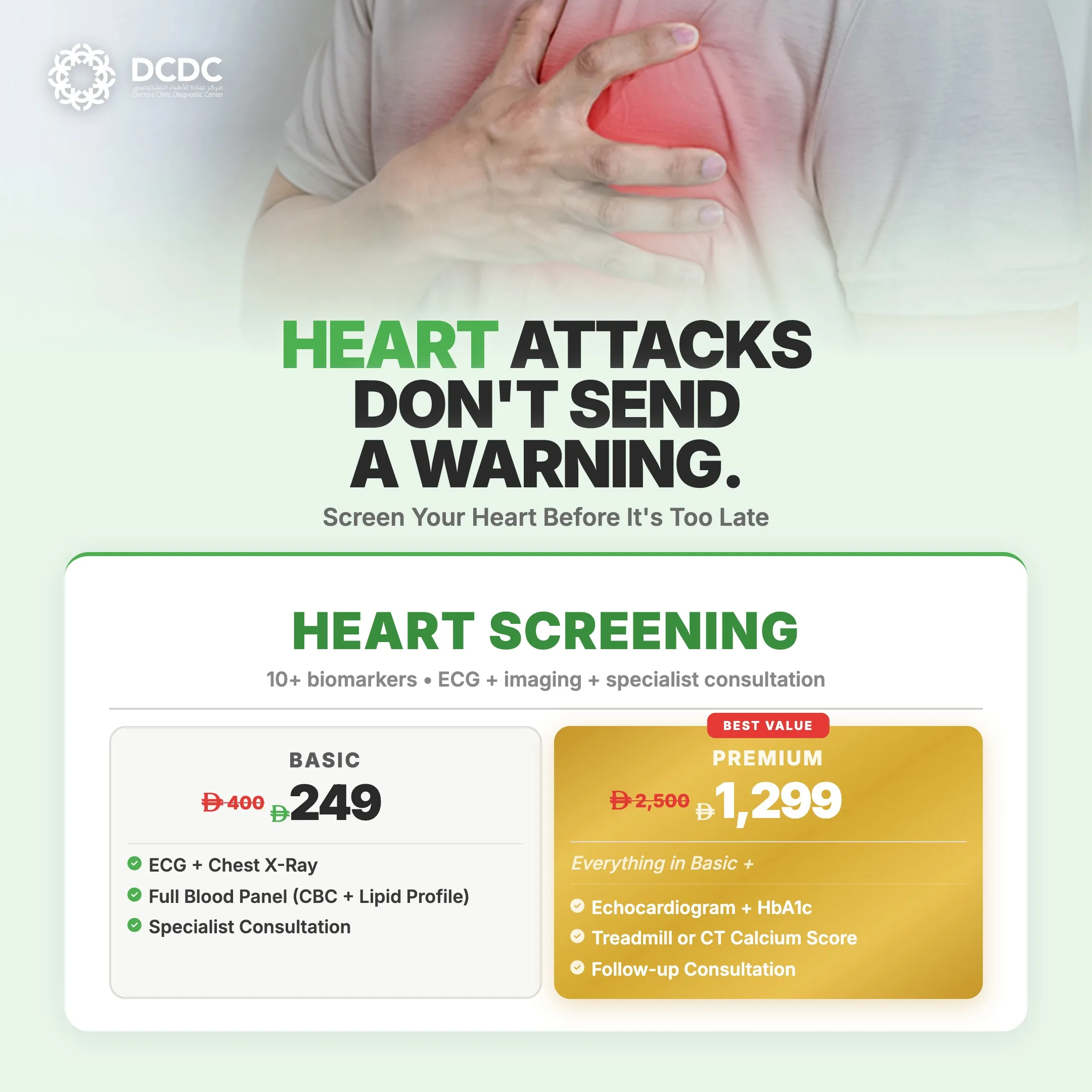
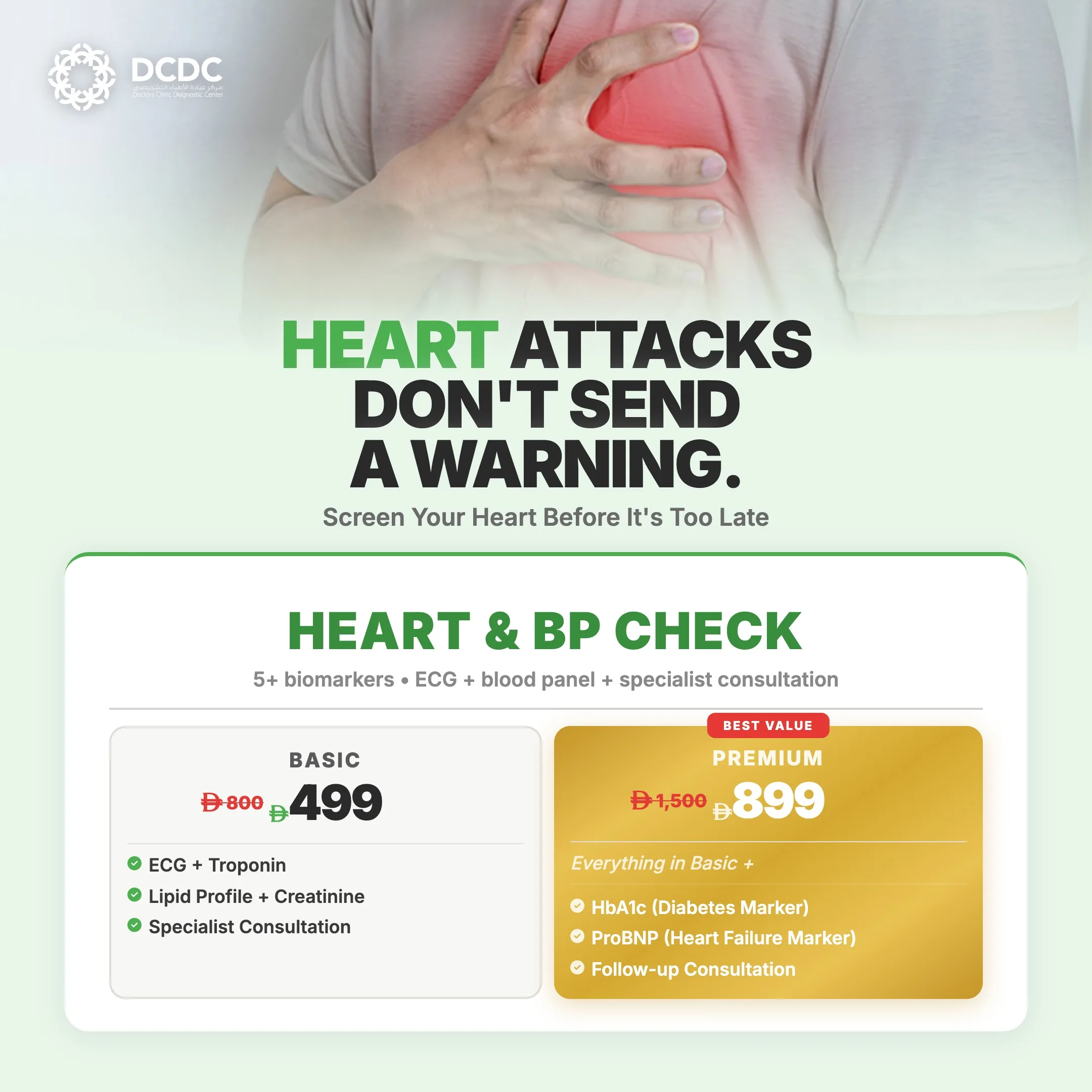
- At DCDC in Dubai Healthcare City, a comprehensive chest pain evaluation starts from AED 250 for a cardiology consultation and AED 150 for an ECG — direct billing with 20+ insurance providers makes evaluation accessible and affordable
Chest pain is one of the most alarming symptoms a person can experience, and it is one of the most common reasons people seek urgent medical attention worldwide. In Dubai, where cardiovascular disease is the leading cause of death, understanding the difference between chest pain that signals a medical emergency and chest pain caused by something less dangerous can genuinely save your life. Whether the cause is cardiac, gastrointestinal, musculoskeletal, or anxiety-related, a timely and accurate diagnosis is the first step toward effective treatment. This guide covers the full spectrum of chest pain causes, warning signs that demand immediate attention, and what to expect when you visit a cardiologist in Dubai for evaluation.
Globally, chest pain accounts for 5-8% of all emergency department visits, yet only 15-25% of those cases turn out to be cardiac. That means the majority of people experiencing chest pain have a non-cardiac cause, but the only way to know for certain is through proper medical evaluation. In the UAE, where lifestyle factors like sedentary work, high-sodium diets, and chronic stress compound genetic risk factors, the threshold for seeking evaluation should be low. This comprehensive guide, reviewed by Dr. Shahoo Mazhari, Consultant Cardiologist at DCDC in Dubai Healthcare City, will help you understand what your chest pain might mean and when you should act.
Chest Pain Dubai: Why It's a Symptom You Should Never Ignore
Chest pain sits at the intersection of urgency and uncertainty. It can be caused by something as benign as muscle strain or acid reflux, or it can signal a heart attack, pulmonary embolism, or aortic dissection — conditions where minutes matter. The challenge is that patients often cannot distinguish between dangerous and benign causes based on symptoms alone.
According to the World Health Organization, cardiovascular diseases are the number one cause of death globally, claiming approximately 17.9 million lives each year. In the UAE, heart disease and stroke account for a significant proportion of all deaths, driven by a unique combination of lifestyle factors, genetic predisposition, and environmental conditions that make this region particularly vulnerable.
"In my practice, I see patients every week who delayed seeking evaluation for chest pain because they assumed it was just stress or indigestion," says Dr. Shahoo Mazhari, Consultant Cardiologist at DCDC. "While most chest pain turns out to be non-cardiac, the consequences of missing a cardiac cause can be catastrophic. My advice is simple: if chest pain is new, severe, or recurring, get it checked. An ECG takes five minutes and can provide immediate reassurance or identify a problem that needs urgent treatment."
The good news is that Dubai offers world-class cardiac diagnostic facilities. At DCDC in Dubai Healthcare City, patients can walk in for same-day chest pain evaluation with on-site ECG, echocardiography, blood work including cardiac troponin, and consultation with a specialist cardiologist — all under one roof.
Common Causes of Chest Pain (Cardiac vs Non-Cardiac)
Understanding the broad categories of chest pain is the first step toward making sense of your symptoms. Chest pain causes fall into two major groups: cardiac (heart-related) and non-cardiac. Non-cardiac causes are actually far more common, but cardiac causes are more dangerous, which is why proper evaluation is always necessary.
Studies published in the American Heart Association journals consistently show that among patients presenting to emergency departments with chest pain, approximately 15-25% have a cardiac cause. The remaining 75-85% have causes related to the gastrointestinal system (GERD, esophageal spasm), musculoskeletal system (costochondritis, muscle strain), respiratory system (pleurisy, pneumonia), or psychological factors (panic attacks, anxiety).
However, these statistics should not encourage complacency. The overlap in symptoms between cardiac and non-cardiac chest pain is significant, and even experienced clinicians cannot always distinguish between the two based on history alone. That is why objective testing — including ECG, blood markers, and imaging — forms the cornerstone of chest pain evaluation.
Heart-Related Causes of Chest Pain
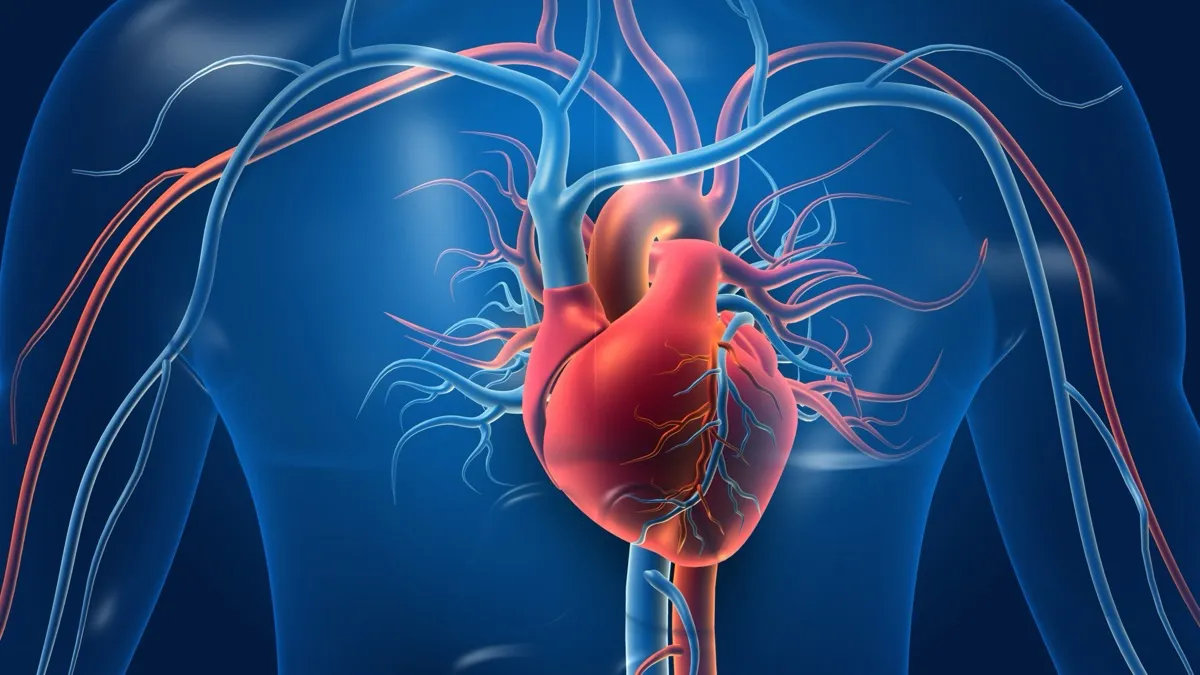
Cardiac chest pain arises when the heart muscle is not receiving enough oxygen-rich blood, when the heart's electrical system malfunctions, or when structural problems affect normal heart function. These causes range from immediately life-threatening to chronic and manageable.
Coronary Artery Disease (Angina and Heart Attack)
Coronary artery disease (CAD) is the most common cardiac cause of chest pain. When fatty deposits (plaques) narrow the coronary arteries, the heart muscle receives insufficient blood flow during exertion, producing chest pressure or tightness known as angina. Stable angina is predictable, occurring during physical activity or emotional stress and resolving with rest. Unstable angina occurs at rest and signals a worsening condition that may progress to a heart attack.
A heart attack (myocardial infarction) occurs when a plaque ruptures and a blood clot completely blocks a coronary artery, cutting off blood supply to part of the heart muscle. Heart attack pain is typically described as crushing, squeezing, or heavy pressure in the center or left side of the chest, often radiating to the left arm, jaw, neck, back, or upper abdomen. It may be accompanied by shortness of breath, sweating, nausea, and a sense of impending doom.
Pericarditis
Pericarditis is inflammation of the pericardium, the thin sac surrounding the heart. It produces sharp, stabbing chest pain that typically worsens when lying down or taking deep breaths and improves when sitting up and leaning forward. Pericarditis is often caused by viral infections and, while uncomfortable, is usually not life-threatening. It is diagnosed by ECG changes, elevated inflammatory markers in blood tests, and sometimes pericardial effusion visible on echocardiogram.
Myocarditis
Myocarditis is inflammation of the heart muscle itself, often triggered by viral infections. It can cause chest pain, fatigue, shortness of breath, and palpitations. In severe cases, it can lead to heart failure or dangerous arrhythmias. Myocarditis requires evaluation with echocardiogram and sometimes cardiac MRI for definitive diagnosis.
Aortic Dissection
Aortic dissection is a rare but life-threatening emergency in which the inner layer of the aorta tears, allowing blood to flow between the layers of the vessel wall. It produces sudden, severe, tearing chest or back pain and requires immediate emergency treatment. Risk factors include uncontrolled high blood pressure, connective tissue disorders, and a history of aortic aneurysm.
Understanding how an ECG test works and what it can detect is valuable for anyone experiencing chest pain, as it is typically the first diagnostic tool used to evaluate cardiac causes.
Non-Cardiac Causes of Chest Pain in Dubai
Non-cardiac chest pain is extremely common and encompasses a wide range of conditions. While these causes are generally less dangerous than cardiac chest pain, they can be just as distressing and debilitating for the patient. Identifying the specific non-cardiac cause allows targeted treatment rather than unnecessary cardiac interventions.
Gastroesophageal Reflux Disease (GERD)
GERD is the single most common cause of non-cardiac chest pain, accounting for up to 60% of cases according to the Cleveland Clinic. Stomach acid flowing back into the esophagus creates a burning sensation behind the breastbone that can closely mimic heart-related chest pain. In Dubai, GERD is particularly prevalent due to spicy food consumption, late-night eating habits, high stress levels, and widespread obesity. GERD-related chest pain typically worsens after meals, when lying down, or when bending over, and it often responds to antacid medications.
Musculoskeletal Chest Pain
Costochondritis (inflammation of the cartilage connecting ribs to the breastbone) is one of the most common causes of chest pain in younger adults. It produces sharp, localized pain that worsens with movement, deep breathing, or pressing on the affected area. Muscle strains from exercise, heavy lifting, or even prolonged poor posture at a desk can also cause chest wall pain. These conditions are diagnosed through physical examination and respond well to anti-inflammatory medications and rest.
Anxiety and Panic Attacks
Anxiety-related chest pain is remarkably common and can be extremely convincing as a cardiac mimic. During a panic attack, the body releases adrenaline, which increases heart rate, tightens chest muscles, and can cause hyperventilation — all producing genuine chest pain and tightness. Patients often describe a feeling of their heart pounding, chest pressure, tingling in the hands, and a fear of dying. In Dubai's high-pressure work environment, anxiety-related chest pain accounts for a significant proportion of emergency visits, particularly among younger professionals.
Respiratory Causes
Pulmonary conditions including pneumonia, pleurisy (inflammation of the lung lining), pulmonary embolism (blood clot in the lung), and asthma can all cause chest pain. Pulmonary embolism is a medical emergency that presents with sudden chest pain, shortness of breath, and sometimes coughing up blood. It is more common in people who have been immobile for extended periods, such as during long flights — a relevant concern for Dubai's large expat population that travels frequently.
Warning Signs: When Chest Pain Is an Emergency
Knowing which chest pain symptoms require immediate emergency care can be the difference between life and death. The American Heart Association identifies the following warning signs that indicate you should call 999 (UAE emergency number) or go to the nearest emergency room immediately.
- Crushing, squeezing, or heavy pressure in the center or left side of the chest lasting more than a few minutes
- Pain radiating to the left arm, jaw, neck, back, or upper abdomen — especially if accompanied by chest pressure
- Chest pain accompanied by shortness of breath, cold sweating, nausea, or lightheadedness
- Sudden, severe, tearing pain in the chest or between the shoulder blades (possible aortic dissection)
- Chest pain with rapid or irregular heartbeat and feeling faint or losing consciousness
- Chest pain after physical exertion that does not resolve with rest within 5 minutes
- New chest pain in someone with known heart disease, diabetes, or multiple cardiovascular risk factors
Women may experience subtler heart attack symptoms than men, including unusual fatigue, sleep disturbances, indigestion, back pain, or jaw pain without obvious chest pressure. These atypical presentations mean women are more likely to delay seeking care, which partly explains why women have higher heart attack mortality rates than men.
"Time is muscle," emphasizes Dr. Shahoo Mazhari. "In a heart attack, every minute without treatment means more heart muscle dies. Dubai has excellent emergency cardiac care, but patients need to recognize the warning signs and act immediately. Do not drive yourself to the hospital — call 999 or have someone drive you. If you are unsure whether your symptoms are serious, err on the side of caution. It is far better to be evaluated and reassured than to ignore a genuine emergency."
Chest Pain in Dubai: Risk Factors Specific to the UAE
The UAE has one of the highest rates of cardiovascular disease risk factors in the world. Understanding the Dubai-specific context helps explain why chest pain should be taken particularly seriously by residents and expats in this region.
Diabetes and Metabolic Syndrome
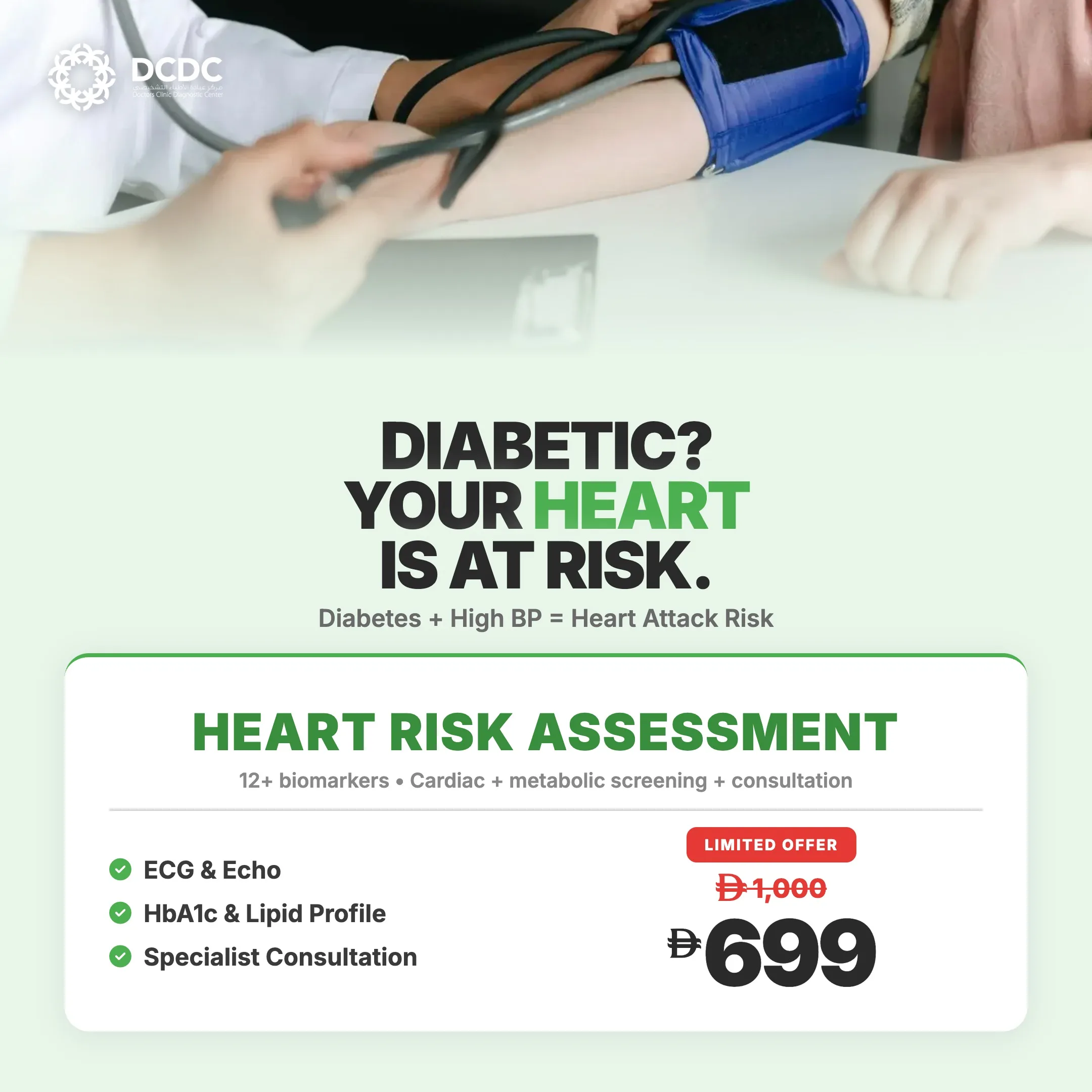
The UAE has a diabetes prevalence of approximately 17%, one of the highest rates globally according to the International Diabetes Federation. Diabetes accelerates atherosclerosis and damages blood vessels, significantly increasing the risk of coronary artery disease and heart attack. Critically, diabetes can also cause diabetic neuropathy, which dulls chest pain sensation — meaning diabetic patients may have a heart attack with minimal or no chest pain, a condition known as a "silent heart attack." For more on managing high blood pressure, a closely related risk factor, read our guide on hypertension: the silent killer in Dubai.
Obesity and Sedentary Lifestyle
Obesity affects approximately 30% of the UAE adult population. Combined with sedentary office work, car-dependent transportation, and extreme heat that limits outdoor activity for much of the year, physical inactivity in Dubai compounds metabolic risk. Obesity directly increases the risk of coronary artery disease, heart failure, and atrial fibrillation — all conditions that can present with chest pain.
Smoking and Shisha Use
While cigarette smoking rates have declined in some populations, shisha (hookah) use remains culturally prevalent in the UAE. A single shisha session can expose the user to as much carbon monoxide and nicotine as smoking 10-20 cigarettes. Shisha smoking increases blood pressure, accelerates atherosclerosis, and directly increases the risk of heart attack and stroke. Many patients are surprised to learn that shisha carries cardiovascular risks comparable to or exceeding those of cigarettes.
Workplace Stress and South Asian Genetic Risk
Dubai attracts ambitious professionals who often work 50-60 hours per week in high-pressure industries. Chronic stress elevates cortisol and blood pressure, promoting cardiovascular disease over time. Additionally, Dubai's large South Asian population faces 5-10 years earlier onset of heart disease compared to European populations, driven by genetic factors including higher rates of insulin resistance, central obesity, and elevated lipoprotein(a).
Concerned About Chest Pain? Get Evaluated Today
Don't wait to find out whether your chest pain is serious. Book a same-day cardiology evaluation at DCDC in Dubai Healthcare City — ECG within minutes of arrival, on-site echocardiogram and blood work, and results the same day. Rated 4.8/5 from 1,000+ Google reviews. Direct billing with 20+ insurance providers. WhatsApp us to book your appointment.
Chest Pain Diagnosis: Tests Your Cardiologist Will Order
A systematic approach to chest pain diagnosis combines clinical history, physical examination, and targeted investigations. The specific tests ordered depend on the suspected cause and the patient's risk profile. Here is what a cardiologist typically evaluates when you present with chest pain.
Electrocardiogram (ECG)
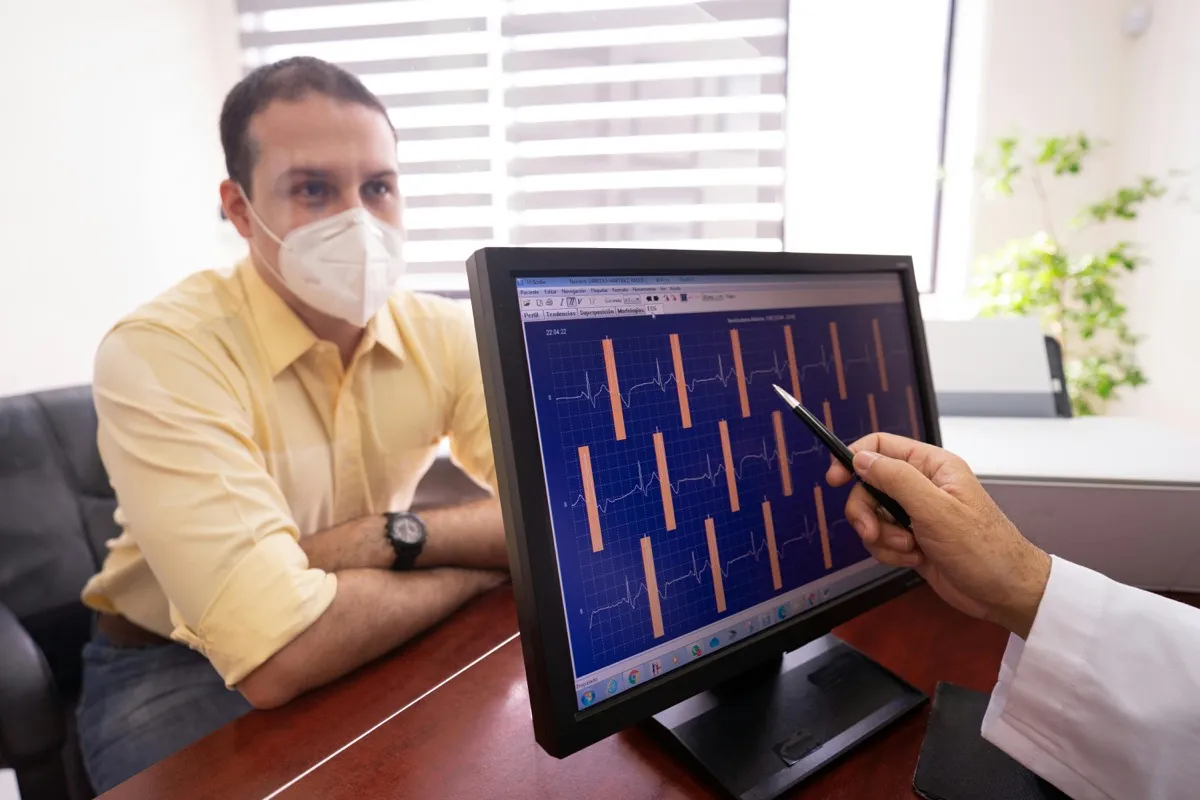
The ECG is the first-line test for any patient presenting with chest pain. It records the heart's electrical activity through electrodes placed on the chest and limbs and takes only 5-10 minutes to perform. An ECG can immediately identify signs of a heart attack (ST-segment changes), arrhythmias, pericarditis, and other electrical abnormalities. At DCDC, patients with chest pain receive an ECG within minutes of arrival, with immediate cardiologist interpretation.
Blood Tests (Cardiac Troponin)
Cardiac troponin is a protein released into the bloodstream when heart muscle is damaged. High-sensitivity troponin tests can detect even small amounts of heart muscle injury and are the gold standard for ruling in or ruling out a heart attack. Troponin levels typically rise within 3-6 hours of heart muscle damage and peak at 12-24 hours. Serial troponin measurements (taken at presentation and repeated after 3-6 hours) provide the most accurate assessment. Additional blood tests including a complete lipid panel, fasting glucose, and inflammatory markers complete the laboratory evaluation.
Echocardiogram
An echocardiogram uses ultrasound to create real-time images of the heart's chambers, valves, and blood flow. It can identify wall motion abnormalities (regions of heart muscle not contracting properly, suggesting ischemia or previous heart attack), valve disease, pericardial effusion, and structural problems. The echocardiogram is non-invasive, takes 30-45 minutes, and provides immediate results.
Stress Testing
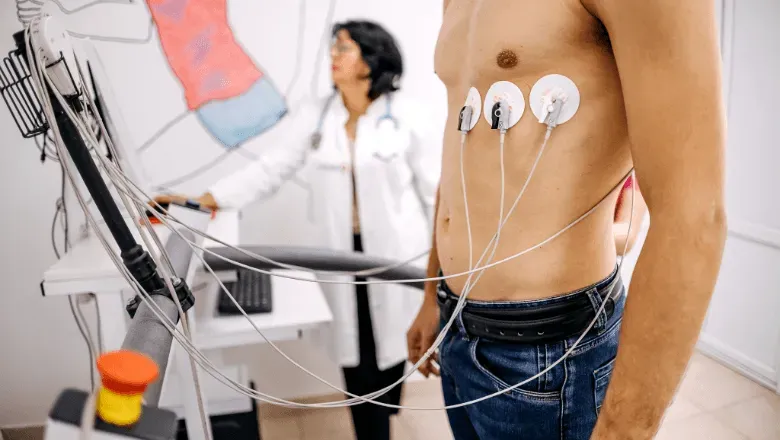
A treadmill stress test evaluates how the heart performs under physical exertion. The patient walks on a treadmill with gradually increasing speed and incline while continuous ECG monitoring tracks heart rhythm and signs of ischemia. Stress testing is particularly valuable for patients with chest pain that occurs during exertion, as it can provoke and document the abnormality under controlled conditions. For patients unable to exercise, pharmacological stress testing using medications to simulate exercise is available.
Holter Monitoring
A 24-hour Holter monitor provides continuous ECG recording over a full day, capturing intermittent arrhythmias or ischemic episodes that a standard ECG might miss. Patients wear the portable device during their normal daily activities, pressing a button when they experience symptoms. The recording is then analyzed by the cardiologist to correlate symptoms with ECG findings.
Chest Pain Treatment Options in Dubai
Treatment for chest pain depends entirely on the underlying cause identified through diagnostic evaluation. The approach ranges from simple lifestyle modifications for benign causes to urgent interventional procedures for cardiac emergencies.
Cardiac Causes: Treatment Pathways
For stable angina caused by coronary artery disease, treatment typically begins with medications including antiplatelet agents (aspirin or clopidogrel), statins to lower cholesterol, beta-blockers to reduce heart workload, and nitroglycerin for acute symptom relief. Lifestyle modifications including smoking cessation, dietary changes, regular exercise, and stress management form the foundation of long-term management. For severe or unstable coronary artery disease, interventional procedures such as coronary angioplasty with stenting or coronary artery bypass grafting (CABG) may be necessary.
Pericarditis is typically treated with anti-inflammatory medications (NSAIDs and colchicine), with most patients recovering fully within weeks. Myocarditis management focuses on rest, heart failure medications if needed, and monitoring for complications.
Non-Cardiac Causes: Treatment Pathways
GERD-related chest pain responds well to proton pump inhibitors (PPIs), dietary modifications (avoiding spicy, acidic, and fatty foods), eating smaller meals, avoiding lying down after eating, and elevating the head of the bed. Musculoskeletal chest pain is managed with anti-inflammatory medications, physical therapy, and ergonomic adjustments. Anxiety-related chest pain benefits from cognitive behavioral therapy (CBT), stress management techniques, and sometimes short-term anxiolytic medication.
Understanding how a cardiac stress test works and what to expect can help patients with exercise-related chest pain feel prepared for this important diagnostic evaluation.
Cost of Chest Pain Evaluation in Dubai (2026)
Understanding the cost of chest pain evaluation helps patients plan ahead and reduces a common barrier to seeking timely care. Prices vary by facility, but the table below provides a transparent comparison of DCDC pricing against typical Dubai market rates for 2026. At DCDC, most major insurance plans are accepted with direct billing for over 20 providers, significantly reducing or eliminating out-of-pocket costs for insured patients.
| Diagnostic Test | DCDC Price (AED) | Dubai Market Range (AED) |
|---|---|---|
| Cardiology Consultation | From 250 | 300 – 800 |
| ECG (Resting) | From 150 | 150 – 400 |
| Echocardiogram | From 500 | 600 – 1,500 |
| Treadmill Stress Test | From 500 | 500 – 1,200 |
| Holter Monitor (24-hr) | From 500 | 600 – 1,500 |
| Blood Tests (Troponin, Lipid Panel) | From 200 | 200 – 600 |
Chest pain evaluation costs at DCDC Dubai Healthcare City (2026). Most insurance plans cover medically necessary cardiac investigations. Verify coverage with your provider before your appointment.
A basic chest pain evaluation (consultation + ECG + troponin blood test) at DCDC costs approximately AED 600, while a comprehensive cardiac workup including echocardiogram and stress test may range from AED 1,400 to AED 2,000. Insurance typically covers the full scope of medically indicated investigations.
"The cost of a thorough chest pain evaluation is modest compared to the cost of missing a serious diagnosis," says Dr. Shahoo Mazhari. "A heart attack treated late can result in permanent heart damage, prolonged hospitalization costing tens of thousands of dirhams, and reduced quality of life. By contrast, a same-day evaluation at DCDC provides definitive answers at a fraction of that cost."
What to Expect at DCDC for Chest Pain Evaluation
At Doctors Clinic Diagnostic Center in Dubai Healthcare City, chest pain evaluation follows a structured, patient-centered pathway designed to provide rapid answers. DCDC is a MOHAP-licensed facility in DHCC with a 4.8/5 Google rating from over 1,000 reviews and a 98% patient satisfaction rate. Here is the step-by-step journey for patients presenting with chest pain.
Step 1: Walk-In or Same-Day Appointment
DCDC accepts walk-in patients and offers same-day cardiology appointments for urgent symptoms like chest pain. You can also book in advance via WhatsApp or phone. There is no need for a GP referral to see our cardiologist directly, though some insurance plans may require one for coverage purposes — our front desk team can verify this for you before your visit.
Step 2: Initial Triage and Vitals
Upon arrival, the nursing team performs an initial triage assessment. Your blood pressure, heart rate, oxygen saturation, temperature, and body weight are recorded. The nurse asks about your symptoms, their duration, and any aggravating or relieving factors. This information helps the cardiologist prioritize the evaluation appropriately.
Step 3: ECG Within Minutes
For patients presenting with chest pain, a resting 12-lead ECG is performed within minutes of arrival — before the cardiologist consultation begins. This allows Dr. Mazhari to review the ECG tracing immediately during your consultation and identify any acute abnormalities requiring urgent intervention. The ECG is painless, non-invasive, and takes approximately 5 minutes.
Step 4: Cardiologist Consultation
Dr. Shahoo Mazhari conducts a thorough consultation including detailed symptom history, cardiovascular risk factor assessment, family history review, medication review, and focused physical examination. Combined with the ECG findings, he determines whether additional testing is needed and explains the rationale clearly to the patient.
Step 5: On-Site Diagnostic Testing
Depending on clinical findings, additional tests are performed on-site the same day. DCDC offers echocardiography, treadmill stress testing, 24-hour Holter monitoring, and comprehensive blood work including high-sensitivity troponin and lipid panel — all without needing to visit a separate facility. This integrated approach eliminates delays and allows the cardiologist to review all results together.
Step 6: Results and Follow-Up Plan
ECG results and blood work are available the same day. Echocardiogram and stress test reports are typically ready within 18-24 hours. Dr. Mazhari discusses results with you in detail, provides a clear diagnosis when possible, and outlines a treatment or follow-up plan. If urgent intervention is needed, direct referral to partner hospitals is arranged immediately. For patients with non-cardiac chest pain, guidance on appropriate treatment and reassurance are provided.
How to Prevent Chest Pain: Lifestyle Changes for Dubai Residents
Many causes of chest pain — both cardiac and non-cardiac — are preventable through consistent lifestyle modifications. The following evidence-based strategies are particularly relevant for people living in Dubai.
Heart-Healthy Diet
The DASH and Mediterranean diets are the most evidence-based eating patterns for cardiovascular health. In practical terms for Dubai residents, this means choosing grilled proteins over fried, increasing vegetable portions when dining out, limiting processed food delivery orders, reducing sodium by requesting less salt in restaurant dishes, and replacing sugary drinks with water. Reducing late-night eating also helps prevent GERD, one of the most common non-cardiac causes of chest pain.
Regular Physical Activity
The American Heart Association recommends at least 150 minutes of moderate-intensity aerobic activity per week. For Dubai residents dealing with extreme summer heat, indoor options include gym workouts, swimming, mall walking during early hours, and home exercise routines. Even brisk walking for 30 minutes five days per week significantly reduces cardiovascular risk and improves stress resilience.
Stress Management
Chronic stress is a major driver of both cardiac and non-cardiac chest pain in Dubai. Evidence-based stress management techniques include regular exercise, mindfulness meditation, maintaining social connections, setting work-life boundaries, adequate sleep (7-8 hours per night), and professional counseling when needed. Reducing caffeine intake and limiting screen time before bed also improve stress resilience.
Regular Screening
For adults over 40, or younger adults with risk factors, annual cardiovascular screening including blood pressure, cholesterol, blood glucose, and baseline ECG provides early detection of silent risk factors. Identifying and treating high blood pressure, high cholesterol, or pre-diabetes before symptoms appear is the most effective way to prevent chest pain episodes and serious cardiac events.
Smoking and Shisha Cessation
Quitting smoking and shisha is the single most impactful lifestyle change for reducing cardiovascular risk. Within one year of quitting, heart attack risk drops by 50%. Dubai offers smoking cessation programs through DHA facilities, and nicotine replacement therapy and prescription cessation aids are available at most pharmacies. Even reducing consumption before fully quitting provides measurable cardiovascular benefit.
Book Your Chest Pain Evaluation at DCDC
Experiencing chest pain, pressure, or discomfort? Don't wait — get clarity today. Book a same-day cardiology consultation at Doctors Clinic Diagnostic Center in Dubai Healthcare City. On-site ECG, echo, stress testing, and blood work under one roof. MOHAP-licensed DHCC facility with 98% patient satisfaction. Direct billing with 20+ insurance providers. WhatsApp us to book now.
Services associés au DCDC
Soins spécialisés et diagnostics avancés à Dubai Healthcare City
Frequently Asked Questions
Final Thoughts
Chest pain is a symptom that demands respect, not panic. While the majority of chest pain turns out to be non-cardiac, the potential consequences of missing a cardiac cause are too serious to gamble with. In the UAE, where cardiovascular disease is the leading cause of death and risk factors like diabetes, obesity, sedentary lifestyles, and workplace stress are highly prevalent, maintaining a low threshold for seeking evaluation is both sensible and potentially life-saving.
The key takeaway is simple: if chest pain is new, severe, recurring, or accompanied by any warning signs like radiation to the arm or jaw, shortness of breath, or sweating, seek immediate medical evaluation. For chest pain that is less acute but still concerning, a same-day cardiology consultation with ECG and blood work can provide definitive answers within hours. Early cardiac evaluation reduces mortality risk by up to 40% — an investment of time and modest cost that could literally save your life.
At Doctors Clinic Diagnostic Center in Dubai Healthcare City, our cardiology team led by Dr. Shahoo Mazhari provides comprehensive chest pain evaluation with on-site ECG, echocardiography, treadmill stress testing, Holter monitoring, and same-day blood work — all under one roof. With a 4.8/5 Google rating, 98% patient satisfaction, and direct billing with 20+ insurance providers, DCDC makes expert cardiac evaluation accessible and straightforward. To book your chest pain evaluation, WhatsApp us or call our team today.
Sources et references
Cet article a ete revise par notre equipe medicale et fait reference aux sources suivantes :
- American Heart Association - Warning Signs of a Heart Attack
- Mayo Clinic - Chest Pain: Causes & When to See a Doctor
- NHS - Chest Pain Causes
- Cleveland Clinic - Non-Cardiac Chest Pain
- World Health Organization - Cardiovascular Diseases (CVDs) Fact Sheet
- ACC/AHA Guideline for the Evaluation and Diagnosis of Chest Pain (2021)
Le contenu medical de ce site est revise par des medecins agrees DHA. Voir notre politique editoriale pour plus d'informations.

Redige par
Dr. Shahoo Mazhari
Consultant Cardiologist
MD, Cardiology
Dr. Shahoo Mazhari is a Consultant Cardiologist at Doctors Clinic Diagnostic Center (DCDC) in Dubai Healthcare City.
Related Articles

ECG Test Dubai: Cost, Types & Results (2026)
Cardiac Stress Test Dubai: Cost & What to Expect (2026)
Echocardiogram Dubai: Types & What It Shows (2026)

High Blood Pressure Dubai: Screening & Treatment (2026)
Heart Screening Dubai: Checkup Packages & Prevention (2026)
Plus dans Cardiology
Angiogram Dubai: Types, Cost & Guide (2026)
Lire la suiteECG Test Dubai: Cost, Types & Results (2026)
Lire la suite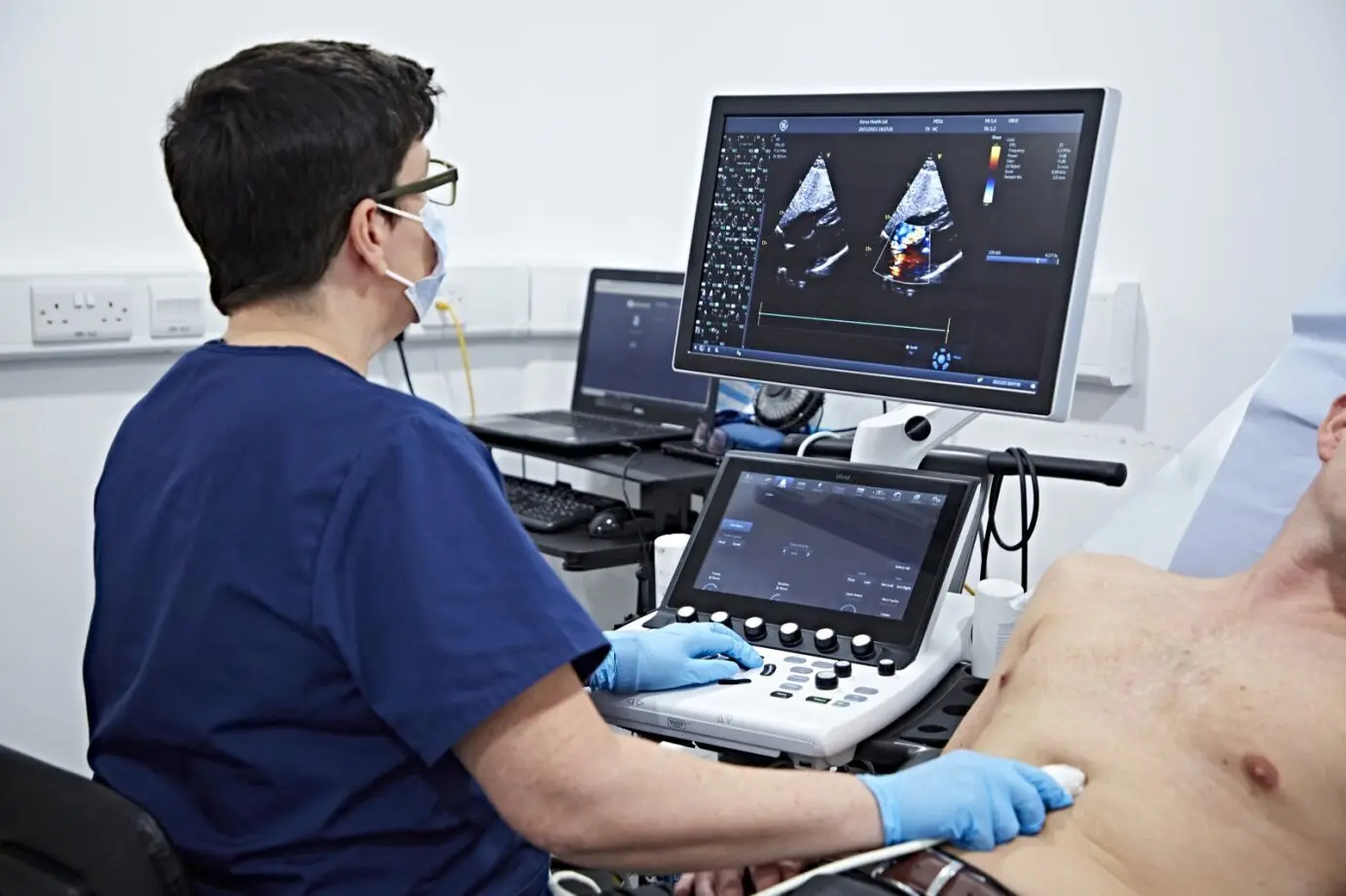
Echocardiogram (Echo) Test in Dubai: Cost, Procedure & What to Expect (2026)
Lire la suiteHolter Monitor Test Dubai: Cost & Guide (2026)
Lire la suiteECG Cost in Dubai: From AED 200 (2026)
Lire la suite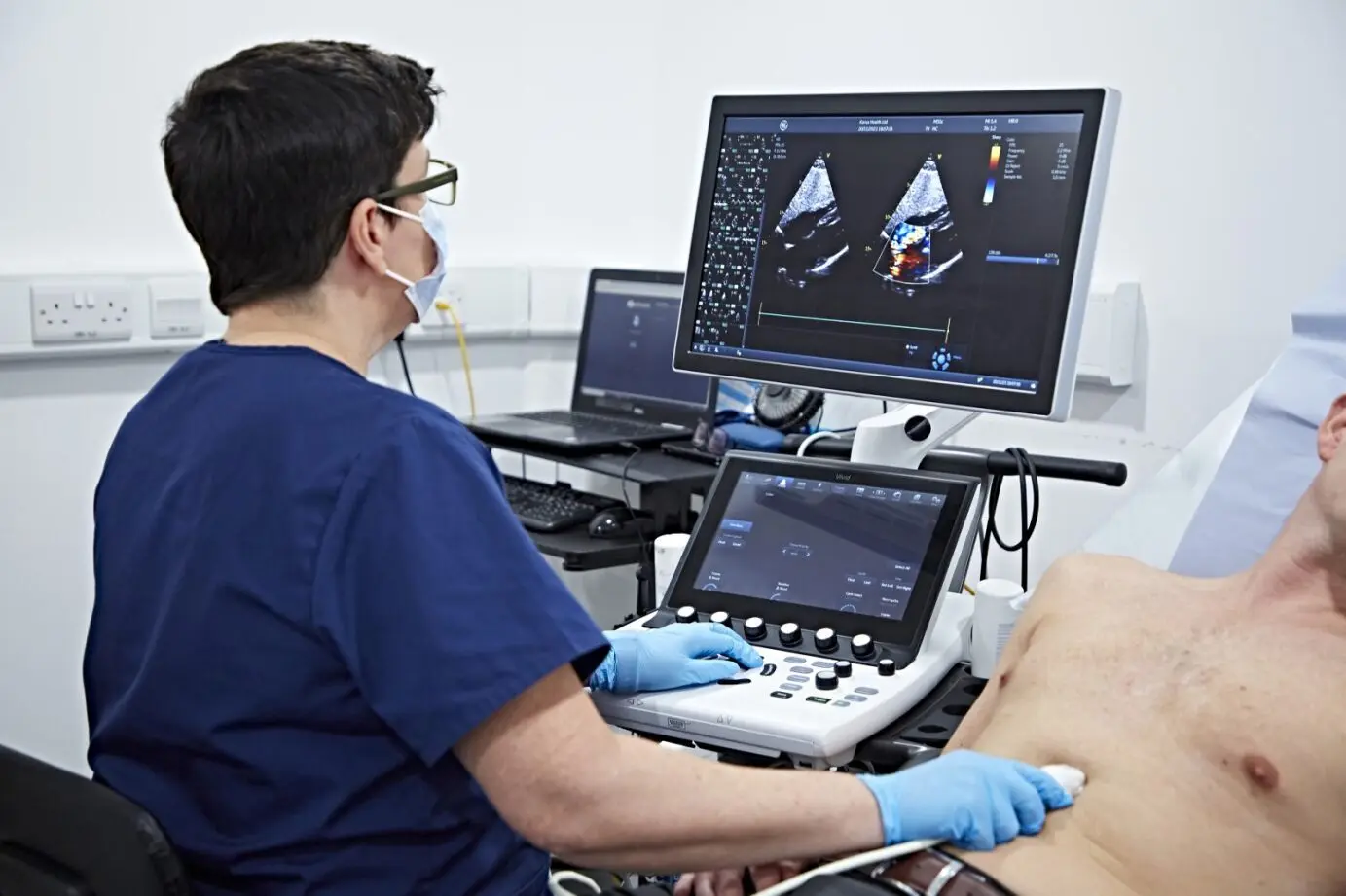
Echo at Home Dubai: From AED 799 (2026)
Lire la suite© 2026 Doctors Clinic Diagnostic Center (DCDC), Dubai Healthcare City. Originally published at https://doctorsclinicdubai.ae/blog/chest-pain-causes-when-to-worry. All rights reserved. Unauthorized reproduction is prohibited.