
Mga Pangunahing Punto
- Many causes of memory loss are fully treatable and reversible — including vitamin B12 deficiency, thyroid disorders, depression, sleep apnea, and medication side effects
- A neurology consultation with cognitive screening in Dubai costs from AED 500, with MoCA or MMSE testing included in the consultation
- Alzheimer's disease accounts for 60-70% of all dementia cases, but early detection through cognitive screening can identify the condition years before significant disability
- Mild cognitive impairment (MCI) does not always progress to dementia — 10-15% convert annually, while others remain stable or improve with treatment of contributing factors
- Modifiable risk factors account for up to 40% of dementia cases globally, and regular physical exercise alone can reduce dementia risk by up to 30%
- A comprehensive memory assessment takes 45-60 minutes and includes clinical interview, standardised cognitive testing, neurological examination, and appropriate investigations
If you or a family member are noticing increasing forgetfulness, difficulty finding words, or trouble with tasks that were once routine, a professional memory assessment in Dubai can provide clarity and peace of mind. Not all memory problems indicate dementia — many are caused by treatable conditions such as vitamin deficiencies, thyroid disorders, depression, or medication side effects that improve dramatically once identified and addressed.
This guide explains what a memory assessment involves, when to seek evaluation, the difference between normal ageing and pathological memory loss, the types of dementia, and what to expect at your appointment. Whether you are concerned about your own memory or seeking answers for a loved one, understanding the assessment process helps you take the right next step.
Health Screening Packages
Save with our bundled screening packages — specialist consultation included





Why Memory Assessment Matters: Beyond Normal Forgetfulness
Memory changes are among the most common health concerns as we age, yet there is a significant difference between the occasional forgetfulness that is a normal part of ageing and the cognitive decline that signals an underlying medical condition. Occasionally misplacing your keys, forgetting a name that comes to you later, or needing a moment to recall why you walked into a room are typical age-related changes that do not require medical evaluation.
However, forgetting important events entirely, getting lost in familiar places, struggling to follow conversations, repeating the same questions within minutes, or experiencing noticeable personality changes are warning signs that warrant professional assessment. A formal memory assessment can distinguish between normal ageing, mild cognitive impairment (MCI), and the early stages of dementia — and this distinction is critically important because it determines whether treatment can reverse or slow the decline.
In Dubai's diverse expatriate community, the stress of adapting to a new environment, demanding work schedules, and separation from family support networks can all contribute to cognitive complaints. A comprehensive assessment considers these contextual factors alongside medical causes, ensuring an accurate diagnosis that accounts for the patient's full clinical picture.
Warning Signs That Memory Problems Need Medical Evaluation
The Alzheimer's Association identifies ten key warning signs that distinguish pathological cognitive decline from normal ageing. Recognising these signs in yourself or a loved one is the first step toward getting appropriate help.
- Memory loss that disrupts daily life: Forgetting recently learned information, important dates, or events. Asking the same question repeatedly. Increasingly relying on notes or family members for things you used to handle independently.
- Difficulty planning or solving problems: Trouble following a familiar recipe, managing monthly bills, or concentrating on tasks that require sequential steps.
- Difficulty completing familiar tasks: Getting confused driving to a familiar location, struggling with the rules of a favourite game, or being unable to manage routine workplace tasks.
- Confusion with time or place: Losing track of dates, seasons, or the passage of time. Getting lost in a place you know well.
- Trouble understanding visual or spatial relationships: Difficulty reading, judging distances, or recognising colours and contrast — beyond normal vision changes.
- New problems with words: Struggling to follow or join conversations, stopping mid-sentence without knowing how to continue, or calling things by the wrong name.
- Misplacing things and losing the ability to retrace steps: Putting items in unusual places and being unable to go back and find them. Sometimes accusing others of stealing.
- Decreased or poor judgement: Making uncharacteristically poor decisions with money, falling for scams, or paying less attention to personal grooming.
- Withdrawal from activities: Pulling back from hobbies, social activities, or work projects due to the changes being experienced.
- Changes in mood and personality: Becoming confused, suspicious, depressed, fearful, or anxious — especially in situations outside the comfort zone.
If you recognise several of these signs in yourself or a family member, scheduling a memory assessment with a neurologist is the appropriate next step. Early evaluation provides the best opportunity for effective intervention.
Common Causes of Memory Loss in Dubai Residents
Memory problems can result from a wide range of conditions, many of which are treatable. A thorough diagnostic evaluation is essential because the cause determines the treatment — and in many cases, appropriate treatment can significantly improve or fully restore cognitive function.
Treatable and Reversible Causes
- Vitamin B12 deficiency: Low B12 causes cognitive impairment including poor concentration, confusion, and memory problems. Common in vegetarians, elderly individuals, and patients taking metformin. Cognitive function often improves dramatically with B12 supplementation.
- Thyroid disorders: Both hypothyroidism (underactive thyroid) and hyperthyroidism (overactive thyroid) impair cognitive function. Mental slowing from hypothyroidism resolves with thyroid hormone replacement therapy.
- Depression: Often presents as 'pseudodementia' in older adults, with symptoms closely mimicking dementia. Difficulty concentrating, slowed thinking, and memory problems improve significantly with antidepressant treatment.
- Sleep apnea: Disrupted sleep from obstructive sleep apnea causes daytime cognitive dysfunction including poor memory and concentration. CPAP therapy can dramatically improve cognitive symptoms.
- Medication side effects: Sedatives, anticholinergic medications, certain heart medications, and some antihistamines can impair cognitive function. Adjusting or changing medications often resolves the problem.
- Chronic stress and anxiety: Particularly relevant in Dubai's high-pressure work environment. Chronic cortisol elevation from prolonged stress impairs hippocampal function and memory consolidation.
This is precisely why a comprehensive assessment is so valuable — identifying a treatable cause can transform a patient's cognitive function and quality of life. If you are experiencing memory concerns, consulting a neurologist in Dubai ensures a thorough evaluation that considers all potential causes.
What Does a Memory Assessment Involve?
A comprehensive memory assessment at a specialist neurology clinic follows a structured approach designed to evaluate cognitive function thoroughly, identify the cause of any decline, and guide appropriate treatment. The initial assessment typically takes 45-60 minutes and combines clinical interview, standardised testing, and appropriate investigations.
Clinical Interview
The neurologist begins with a detailed discussion about your cognitive concerns, their timeline and progression, impact on daily activities, medical history, current medications, family history of dementia, mood and sleep quality, and social circumstances. We strongly encourage a family member or close companion to attend — people with cognitive changes may not fully recognise or accurately report the extent of their difficulties, and a companion's observations provide invaluable clinical information.
Neurological Examination
A thorough neurological examination assesses motor function, sensation, reflexes, coordination, gait, and cranial nerve function. Specific findings can help distinguish between different causes of cognitive decline — for example, parkinsonian features may suggest Lewy body dementia, while focal neurological deficits suggest vascular disease.
Investigations
Based on clinical findings, the neurologist will typically order a brain MRI to assess for structural causes including atrophy patterns, vascular disease, tumours, or hydrocephalus. Blood tests screen for reversible causes including B12 deficiency, thyroid dysfunction, metabolic abnormalities, and infections. At DCDC, the on-site MRI suite and same-floor laboratory mean both investigations can be completed on the same day as your consultation.
Cognitive Screening Tests: MoCA, MMSE and Beyond
Standardised cognitive testing is the cornerstone of memory assessment, providing objective measurement of multiple cognitive domains. Two tests are most commonly used in clinical practice, each with distinct strengths.
Montreal Cognitive Assessment (MoCA)
The MoCA is a 30-point screening tool that takes approximately 10-15 minutes to administer. It assesses short-term memory, visuospatial ability, executive function, attention, concentration, working memory, language, and orientation. The MoCA has a sensitivity of 90-100% for detecting mild cognitive impairment, making it the preferred screening tool for early-stage cognitive changes. A score of 26 or above is generally considered normal, with an education correction of one point added for individuals with 12 or fewer years of formal schooling.
Mini-Mental State Examination (MMSE)
The MMSE is a well-established 30-point test that takes 5-10 minutes. It evaluates orientation, registration, attention, recall, language, and constructional ability. While widely used and easy to administer, the MMSE has a lower sensitivity for MCI detection (18-25%) compared to the MoCA, making it less suitable for identifying early cognitive changes. It remains useful for monitoring established moderate-to-severe dementia over time.
At DCDC, neurologists select the most appropriate cognitive screening tool based on the clinical presentation. For patients with suspected early cognitive changes, the MoCA is generally preferred due to its superior sensitivity for mild impairment. More detailed neuropsychological testing may be recommended when comprehensive evaluation of specific cognitive domains is needed.
Concerned About Memory Changes?
Book a comprehensive memory assessment at DCDC Dubai Healthcare City. Our neurologists provide expert cognitive evaluation with same-day brain MRI and blood testing available.
Call +971 56 403 3528 or WhatsApp to book
When Memory Loss Is Reversible: Treatable Causes
One of the most important messages about memory assessment is that many causes of cognitive decline are fully reversible when identified and treated appropriately. This makes comprehensive evaluation critically important — without proper testing, a treatable condition may be misattributed to 'just getting older' or even misdiagnosed as early dementia.
Vitamin B12 deficiency is a prime example. This common nutritional deficiency causes cognitive impairment that can closely mimic early dementia, including confusion, poor memory, and difficulty concentrating. With B12 supplementation, cognitive function often improves dramatically within weeks to months. Similarly, hypothyroidism causes mental slowing, poor concentration, and memory problems that resolve completely with thyroid hormone replacement.
Depression deserves special attention as a cause of cognitive complaints. In elderly patients, depression can present primarily as cognitive impairment rather than sadness — a presentation called pseudodementia. Patients appear to have dementia, but their cognitive function improves markedly with antidepressant treatment. Distinguishing depression-related cognitive impairment from true dementia requires careful clinical assessment and is one of the key skills of an experienced neurologist.
Other reversible causes include sleep apnea (cognitive function improves with CPAP therapy), medication side effects (resolved by adjusting or changing medications), normal pressure hydrocephalus (treated surgically), and chronic infections. The blood tests and brain MRI performed during a comprehensive memory assessment are specifically designed to identify these treatable conditions.
Understanding Dementia Types: Alzheimer's, Vascular and More
When treatable causes are excluded, cognitive assessment helps distinguish between different types of dementia, each with different progression patterns, symptoms, and management approaches.
| Dementia Type | Percentage of Cases | Key Features | Early Symptoms |
|---|---|---|---|
| Alzheimer's disease | 60-70% | Progressive amyloid plaque and tau tangle accumulation | Difficulty forming new memories, word-finding problems |
| Vascular dementia | 15-20% | Caused by stroke or small vessel disease | Slowed thinking, difficulty planning, mood changes |
| Lewy body dementia | 5-10% | Visual hallucinations, fluctuating cognition | Vivid hallucinations, sleep disturbance, parkinsonism |
| Frontotemporal dementia | 5-10% | Affects personality, behaviour, or language | Personality changes, disinhibition, or progressive aphasia |
| Mixed dementia | 10-15% | Combination of two or more types | Variable symptoms depending on predominant pathology |
Types of dementia: prevalence, features, and early symptoms
Alzheimer's disease is the most common cause, characterised by progressive accumulation of abnormal amyloid plaques and tau tangles in the brain. While there is no cure, several treatments can help manage symptoms and potentially slow progression. Early diagnosis allows timely initiation of treatment, future care planning, and addressing modifiable risk factors. For related information on vascular risk assessment, see our guide on brain MRI scanning in Dubai.
Memory Assessment Cost in Dubai
Understanding the costs of memory assessment helps patients and families plan their care. Most major insurance plans in Dubai cover neurology consultations and associated investigations when medically indicated, particularly with a GP referral.
| Service | Duration | Price Range |
|---|---|---|
| Neurology consultation with cognitive screening | 45-60 minutes | From AED 500 |
| Cognitive screening (MoCA/MMSE) | 10-15 minutes | Included in consultation |
| Brain MRI | 30-45 minutes | From AED 1,500 |
| Blood panel (B12, thyroid, metabolic) | Same-day results | From AED 300 |
| Follow-up assessment | 30 minutes | From AED 400 |
| Detailed neuropsychological testing | 2-3 hours | AED 1,500-3,000 |
Memory assessment costs at DCDC Dubai Healthcare City (2026)
DCDC offers direct billing with over 20 major insurance providers. Cognitive screening (MoCA or MMSE) is included within the neurology consultation fee and does not carry an additional charge. Brain MRI and blood tests are typically covered when ordered by a neurologist with documented clinical indication. Contact the clinic to verify your specific coverage before your appointment.
How to Reduce Your Risk of Cognitive Decline
Research has identified several modifiable risk factors that together account for up to 40% of dementia cases globally. Addressing these factors from midlife onward offers significant protection against cognitive decline, even for individuals with genetic risk factors.
- Regular physical exercise: One of the strongest protective factors, reducing dementia risk by up to 30%. Aim for 150 minutes of moderate aerobic activity per week. Both cardiovascular exercise and resistance training benefit brain health.
- Cardiovascular health: Controlling blood pressure, cholesterol, and diabetes in midlife significantly reduces dementia risk. What is good for the heart is good for the brain — vascular risk factors contribute to both vascular dementia and Alzheimer's disease.
- Social engagement: Maintaining strong social connections and active social participation is consistently associated with reduced cognitive decline. Social isolation is a recognised risk factor for dementia.
- Cognitive stimulation: Continuing to learn new skills, reading, doing puzzles, learning a language, or playing musical instruments builds cognitive reserve — the brain's resilience against age-related changes.
- Quality sleep: Adequate quality sleep is essential for memory consolidation and brain waste clearance. Sleep disorders including sleep apnea should be identified and treated.
- Healthy diet: The Mediterranean diet — rich in vegetables, fruits, fish, olive oil, and whole grains — is consistently associated with lower dementia risk.
- Hearing protection: Hearing loss is one of the largest modifiable risk factors for dementia. Use hearing protection in noisy environments and address hearing loss with appropriate aids.
Ensuring adequate levels of essential vitamins is also important for brain health. Vitamin deficiencies are common in Dubai residents, and regular screening can identify and correct nutritional gaps that may be contributing to cognitive symptoms.
Take the First Step Toward Answers
Whether you need reassurance or a diagnosis, a comprehensive memory assessment at DCDC provides clarity. Our neurologists evaluate all potential causes — including treatable conditions that may fully resolve with appropriate treatment.
Call +971 56 403 3528 or WhatsApp to schedule
Supporting a Loved One with Memory Problems
If you are concerned about a family member's memory, your observations are clinically valuable and your involvement in the assessment process is actively encouraged. People with cognitive changes often have limited awareness of their own difficulties — a phenomenon called anosognosia — making family input essential for accurate diagnosis.
Approach the conversation with sensitivity. Frame the assessment as a health check rather than a test, emphasise that many causes of memory problems are treatable, and offer to attend the appointment together. Avoid arguing about specific memory lapses — instead, focus on the pattern of changes you have observed and your concern for their wellbeing.
For families caring for someone with a confirmed dementia diagnosis, DCDC provides education about the specific condition, guidance on communication strategies and behavioural management, practical advice on maintaining safety and independence, information about legal and financial planning while the patient can still participate, and referrals to caregiver support resources. Supporting the caregiver is as important as treating the patient.
Memory Assessment at DCDC Dubai Healthcare City
DCDC's neurology department provides comprehensive memory assessment in a compassionate, supportive environment. Located in Building 64, Block A, Dubai Healthcare City, the clinic offers free parking, wheelchair-accessible entrance, and a comfortable setting designed to put patients and families at ease during what can be an emotionally challenging evaluation.
The clinic's integrated facility means all components of a memory assessment — neurology consultation, cognitive testing, brain MRI, and blood tests — can be completed efficiently, often within a single visit. Same-floor laboratory services provide rapid blood results, and the on-site MRI suite with 1.5T and 3T scanners delivers high-resolution brain imaging without external referral.
Our neurologists use internationally validated cognitive testing tools adapted for Dubai's culturally and linguistically diverse population, ensuring accurate evaluation regardless of the patient's background. For patients requiring ongoing monitoring, regular follow-up appointments track cognitive function over time and adjust treatment plans as needed.
Same-day appointments are available. DCDC accepts most major insurance plans with direct billing and offers self-pay options for uninsured patients. Contact the clinic on +971 56 403 3528 or WhatsApp to schedule your memory assessment.
Kaugnay na Serbisyo sa DCDC
Dalubhasang pangangalaga at advanced diagnostics sa Dubai Healthcare City
Memory & Cognitive Assessment
Comprehensive memory testing and dementia screening in Dubai
Mag-book ng AppointmentNeurology Consultation
Expert neurological evaluation for cognitive concerns
Mag-book ng AppointmentBrain MRI
Advanced brain imaging to assess structural causes of memory loss
Mag-book ng AppointmentFrequently Asked Questions
Final Thoughts on Memory Assessment in Dubai
Memory assessment is one of the most valuable diagnostic evaluations available because it addresses a concern that affects not just the patient but the entire family. Whether the outcome reveals a treatable condition that can be resolved, identifies mild cognitive impairment that can be monitored and managed, or confirms a dementia diagnosis that enables proper planning and treatment — knowledge empowers better decisions and better outcomes at every stage.
If you are concerned about memory changes in yourself or a loved one, do not wait for symptoms to worsen. Book a memory assessment at DCDC Dubai Healthcare City, where expert neurologists provide comprehensive cognitive evaluation with compassion and sensitivity. With on-site brain MRI, same-floor laboratory, and culturally adapted cognitive testing, DCDC offers complete memory assessment under one roof. Call +971 56 403 3528 or WhatsApp to schedule your appointment.
Mga Sanggunian at Reperensya
Ang artikulong ito ay sinuri ng aming medikal na team at tumutukoy sa mga sumusunod na sanggunian:
- Alzheimer's Association — 2025 Alzheimer's Disease Facts and Figures
- Mayo Clinic — Mild Cognitive Impairment: Symptoms and Causes
- National Institute on Aging — What Is Mild Cognitive Impairment?
- Alzheimer's Association — 10 Early Signs and Symptoms of Alzheimer's
- Mayo Clinic — Mild Cognitive Impairment: Diagnosis and Treatment
- PMC — MoCA vs MMSE: Accuracy in Cognitive Screening
Ang medikal na nilalaman sa site na ito ay sinusuri ng mga DHA-licensed na manggagamot. Tingnan ang aming patakarang editorial para sa higit pang impormasyon.

Isinulat ni
Dr. Riad Trabulsi
Neurologist
MD, Neurology
Dr. Riad Trabulsi is a Neurologist at Doctors Clinic Diagnostic Center (DCDC) in Dubai Healthcare City.
Related Articles
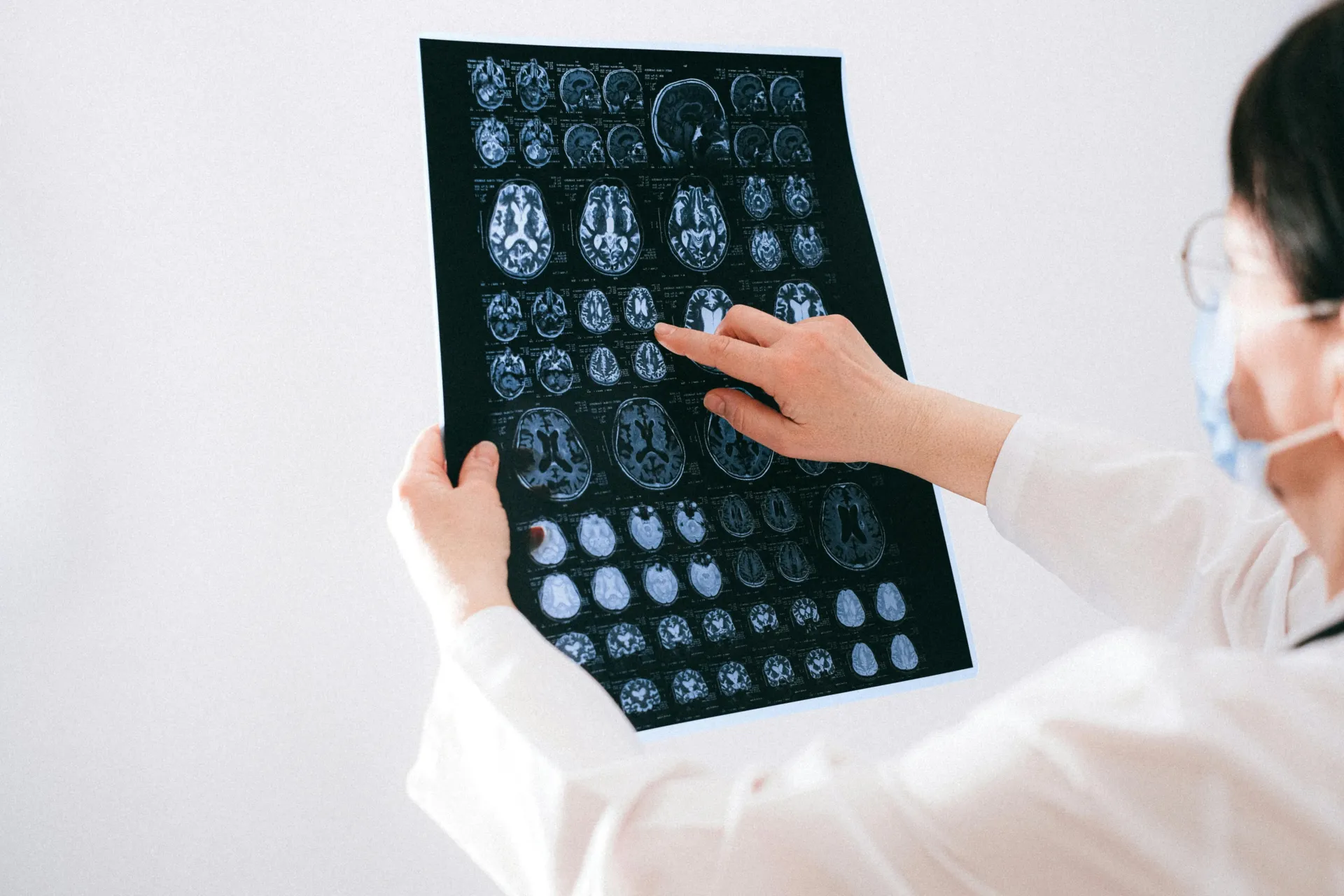
Best Neurologist Dubai: Brain & Nerve Specialist (2026)
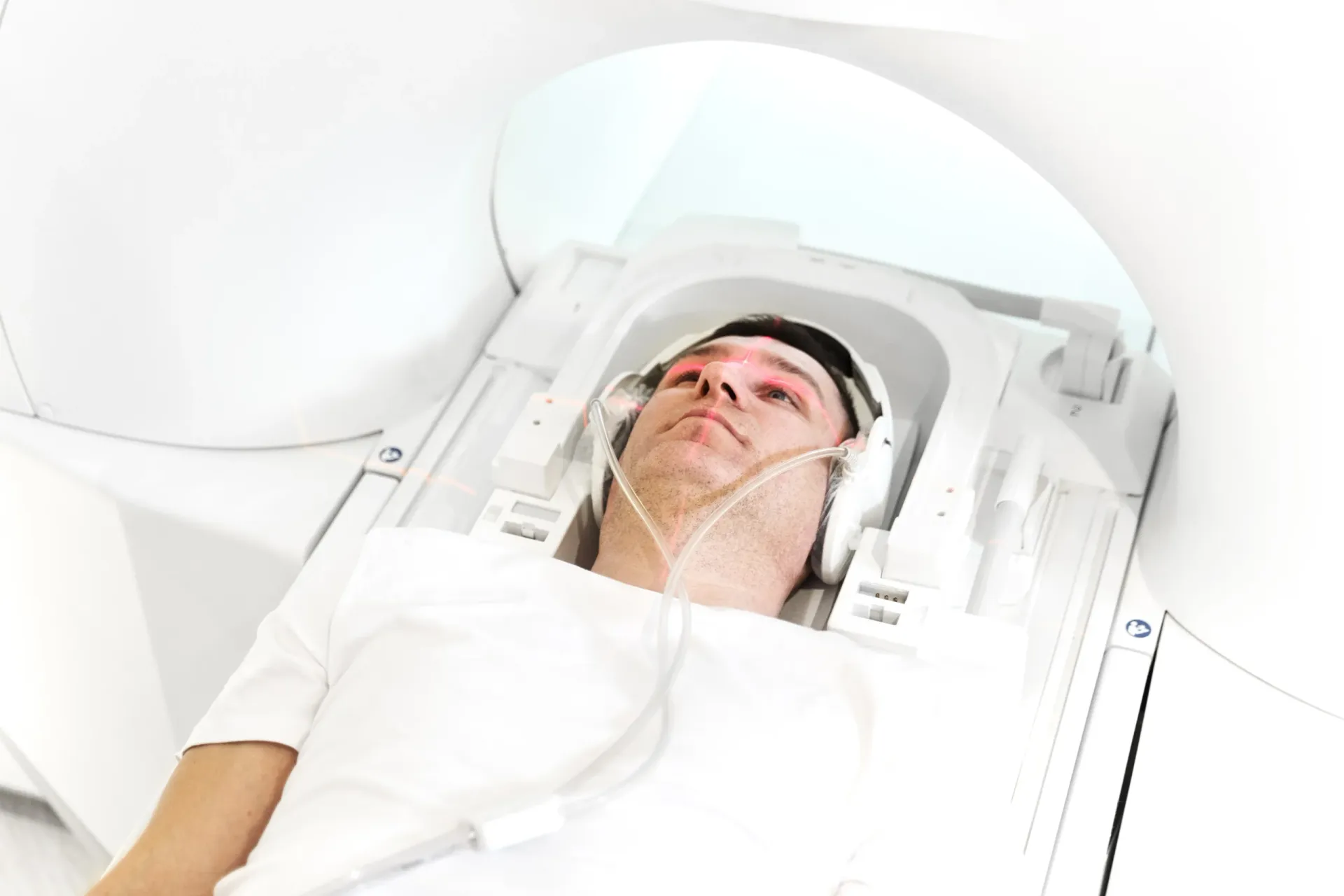
Brain MRI Dubai: What It Detects & Cost (2026)
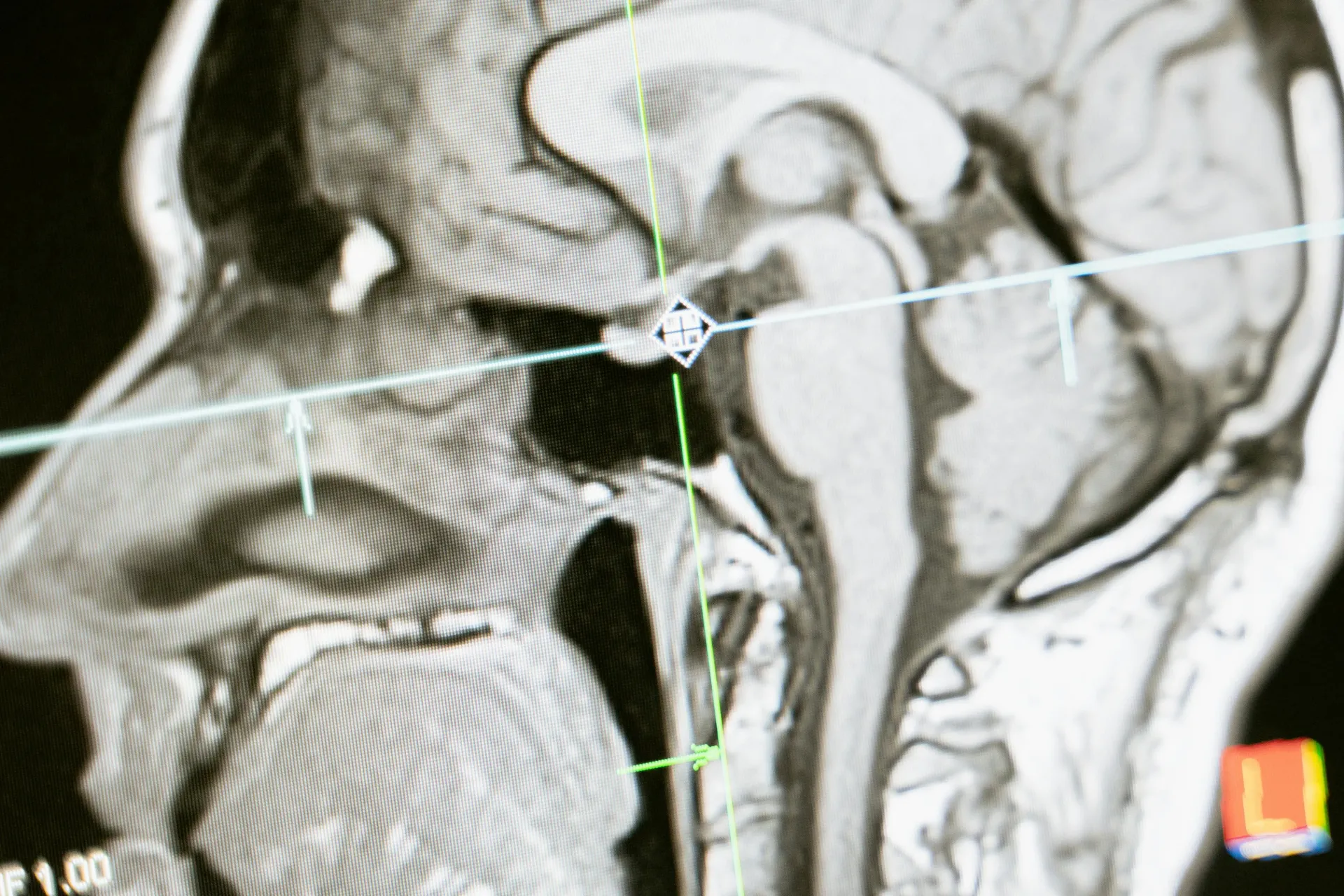
Stroke Warning Signs Dubai: FAST Guide (2026)

Vitamin D Deficiency Dubai: Signs & Treatment (2026)

Thyroid Test Dubai: TSH, T3 & T4 Guide (2026)
More in General Health

Post-Surgical Care at Home Dubai: Guide (2026)
Basahin Pa
Corporate Wellness Dubai: Programs & Cost (2026)
Basahin Pa
Pre Employment Medical Test Dubai: Cost (2026)
Basahin Pa
Bronchitis Treatment Dubai: Symptoms & Care (2026)
Basahin Pa
Wound Care at Home Dubai: Full Guide (2026)
Basahin Pa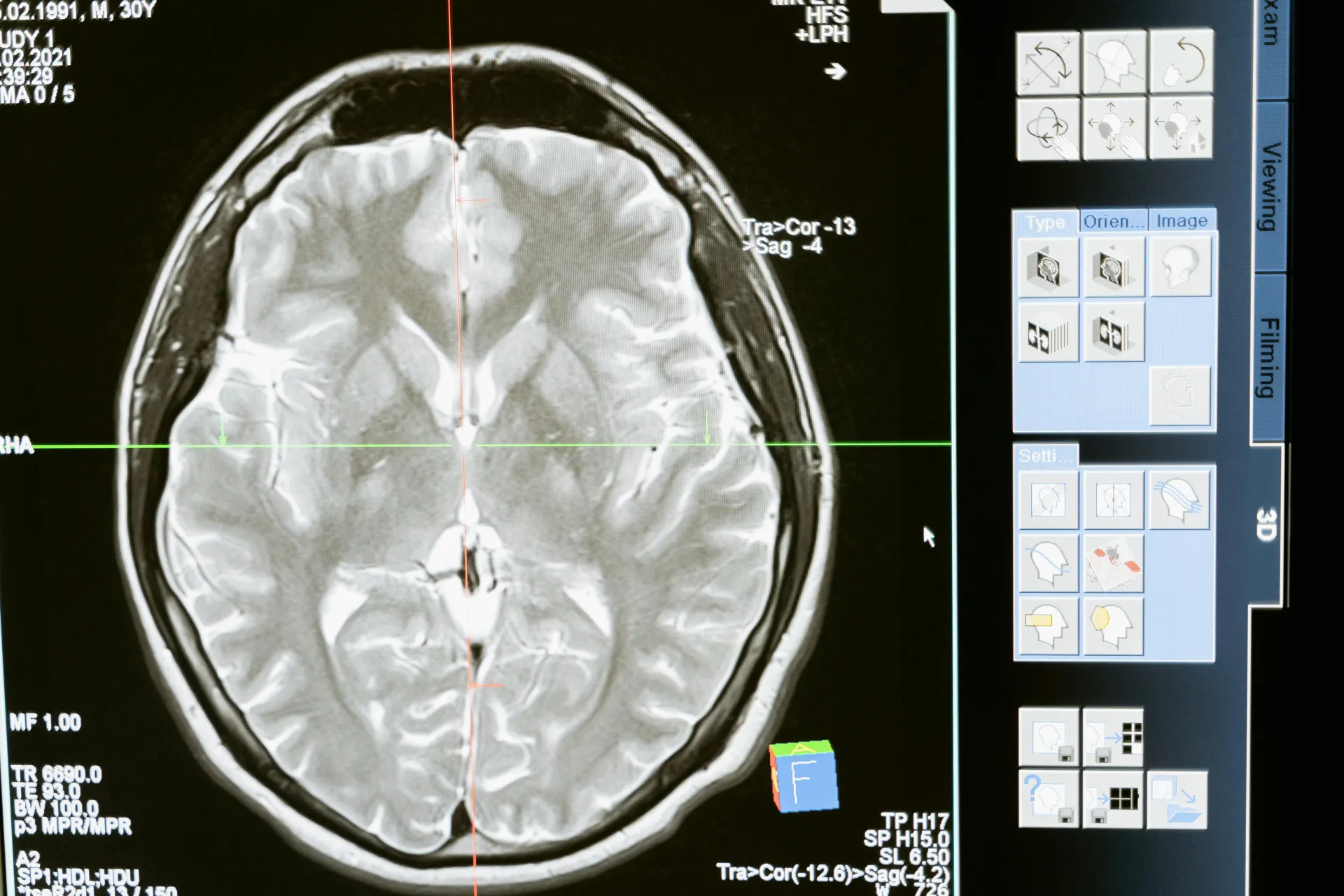
Dizziness Causes Dubai: When to Get Checked (2026)
Basahin Pa© 2026 Doctors Clinic Diagnostic Center (DCDC), Dubai Healthcare City. Originally published at https://doctorsclinicdubai.ae/blog/memory-loss-assessment-dubai. All rights reserved. Unauthorized reproduction is prohibited.