Mga Pangunahing Punto
- Joint pain affects 1 in 4 adults and has many treatable causes, from osteoarthritis and tendinitis to sports injuries and autoimmune conditions
- Most joint pain responds well to non-surgical treatments including physiotherapy, corticosteroid injections, hyaluronic acid viscosupplementation, and PRP therapy
- An accurate diagnosis is essential before starting treatment. On-site X-ray and MRI at DCDC allow same-day imaging and faster treatment planning
- Red flags requiring urgent attention include joint pain with fever, sudden severe swelling, inability to bear weight, or visible joint deformity after injury
- A conservative-first approach resolves joint pain in the majority of patients without the need for surgery
- Joint pain treatment in Dubai starts from AED 250 for an orthopedic consultation, with most insurance plans accepted for direct billing
Joint pain is one of the most common reasons people visit a doctor in Dubai, and it can affect anyone at any age. Whether your knee aches after climbing stairs, your shoulder stiffens every morning, or your hip pain is making it hard to exercise, you deserve a clear explanation of what is causing it and what will actually help. Our Joint Pain Management service at Doctors Clinic Diagnostic Center (DCDC) in Dubai Healthcare City provides comprehensive evaluation and treatment, with same-day consultations available from AED 250.
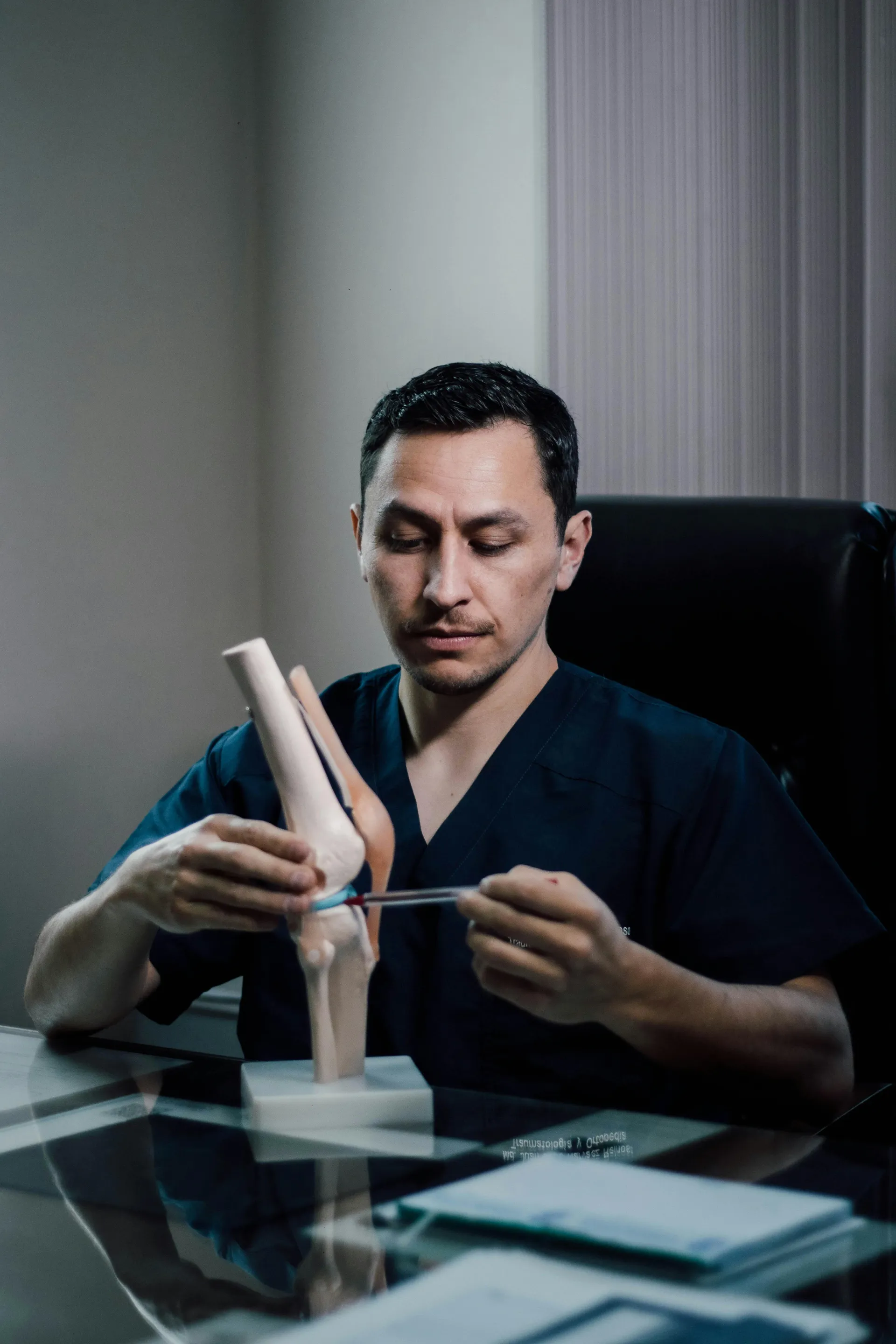
This guide covers the most common types of joint pain, their causes, warning signs that need urgent attention, how diagnosis works, and the full range of treatment options available in Dubai, from physiotherapy and medication to injection therapies and regenerative medicine. It is written by Dr. Mersad Moosavi, an orthopedic surgeon with over 14 years of experience who takes a conservative-first approach to joint care.
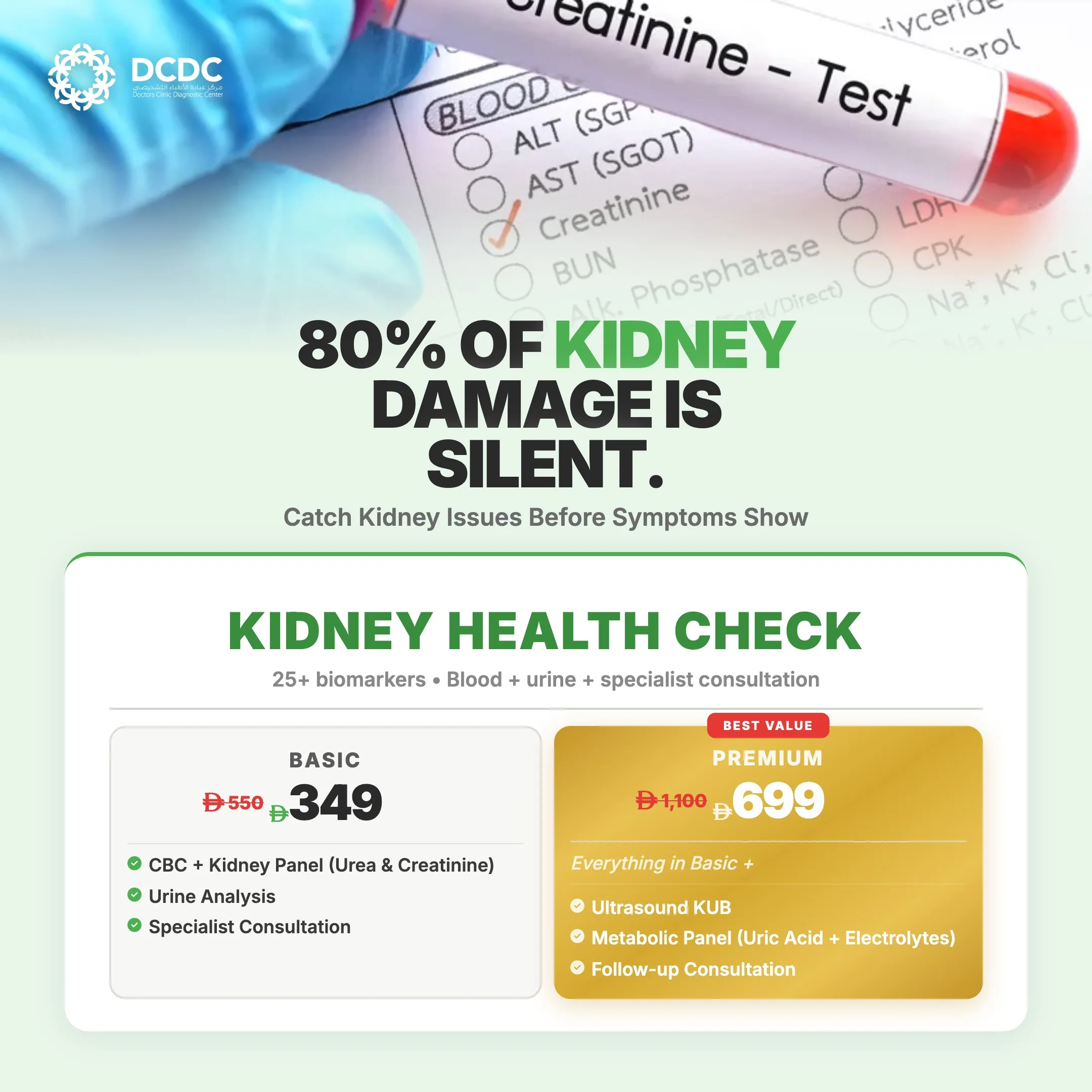
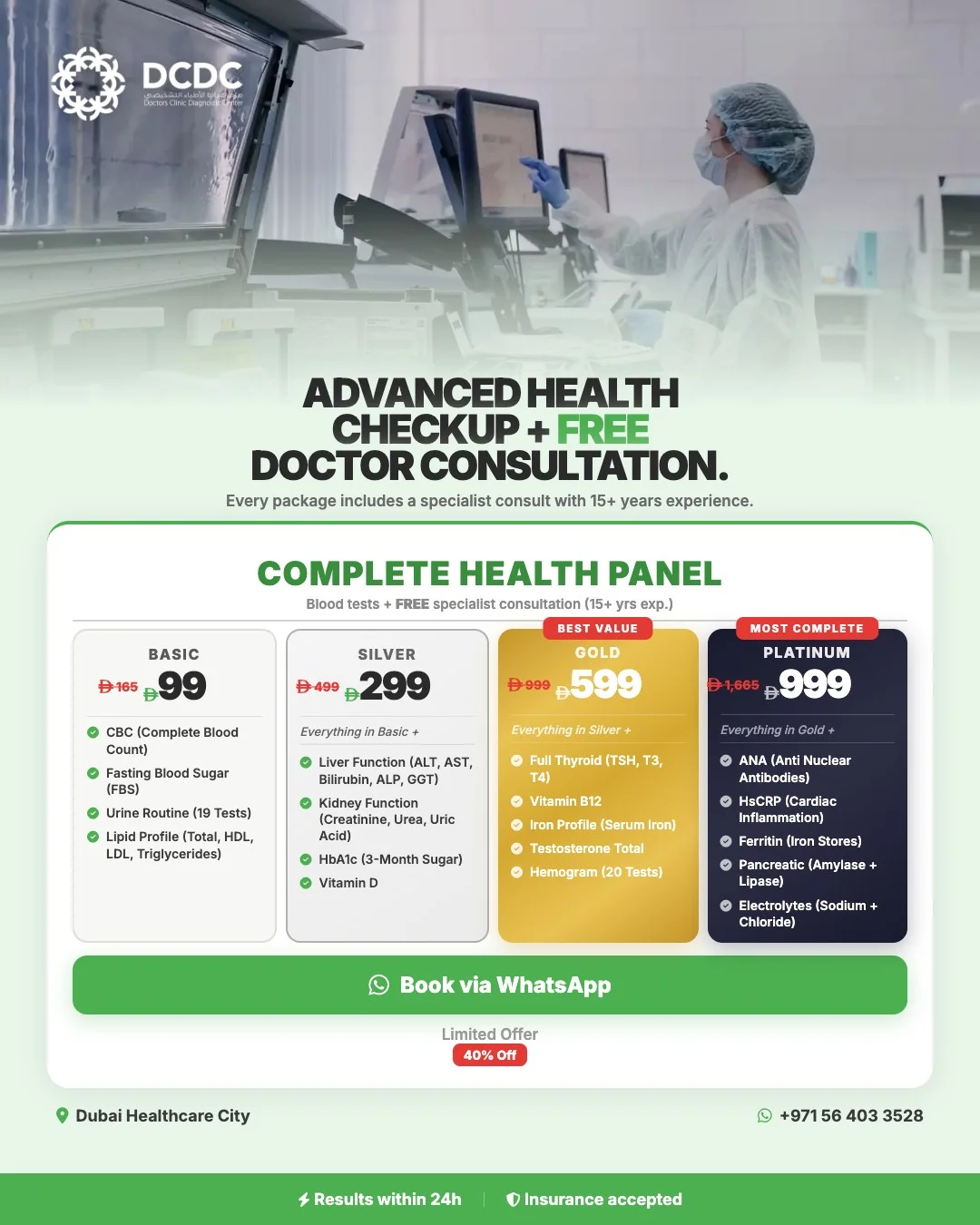
Health Screening Packages
Save with our bundled screening packages — specialist consultation included




Joint Pain Treatment in Dubai: Understanding the Problem
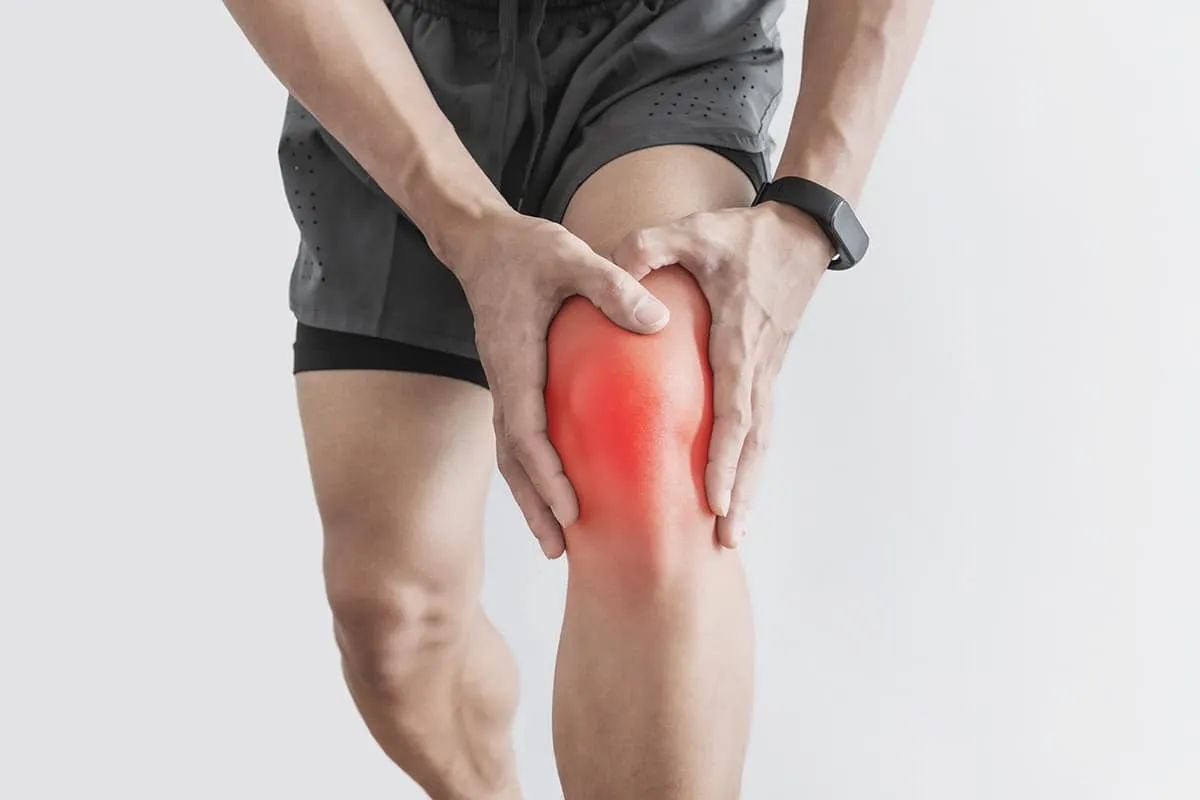
Joint pain, medically known as arthralgia, refers to discomfort, aching, or soreness in any of the body's joints. You have over 300 joints in your body, and pain can develop in any of them. However, the most commonly affected joints are the knees, shoulders, hips, wrists, and ankles because they bear the most stress from daily movement, exercise, and body weight.
Dubai's population faces particular risk factors for joint problems. The combination of a sedentary office culture, extreme heat that discourages outdoor exercise for much of the year, high rates of sports participation during cooler months (the weekend warrior pattern), and a growing older population means that joint pain is exceptionally common here. Studies published in the Emirates Medical Journal estimate that over 30% of UAE residents over the age of 40 experience chronic joint pain.
The good news is that the vast majority of joint pain is treatable, and most patients improve significantly with the right combination of non-surgical therapies. The key is getting an accurate diagnosis first so that treatment targets the actual cause rather than just masking symptoms.
Types of Joint Pain: Which Joints Are Affected?
Understanding which joint is affected and how the pain behaves helps narrow down the diagnosis quickly. Here are the most common patterns we see at our clinic in Dubai Healthcare City:
Knee Pain
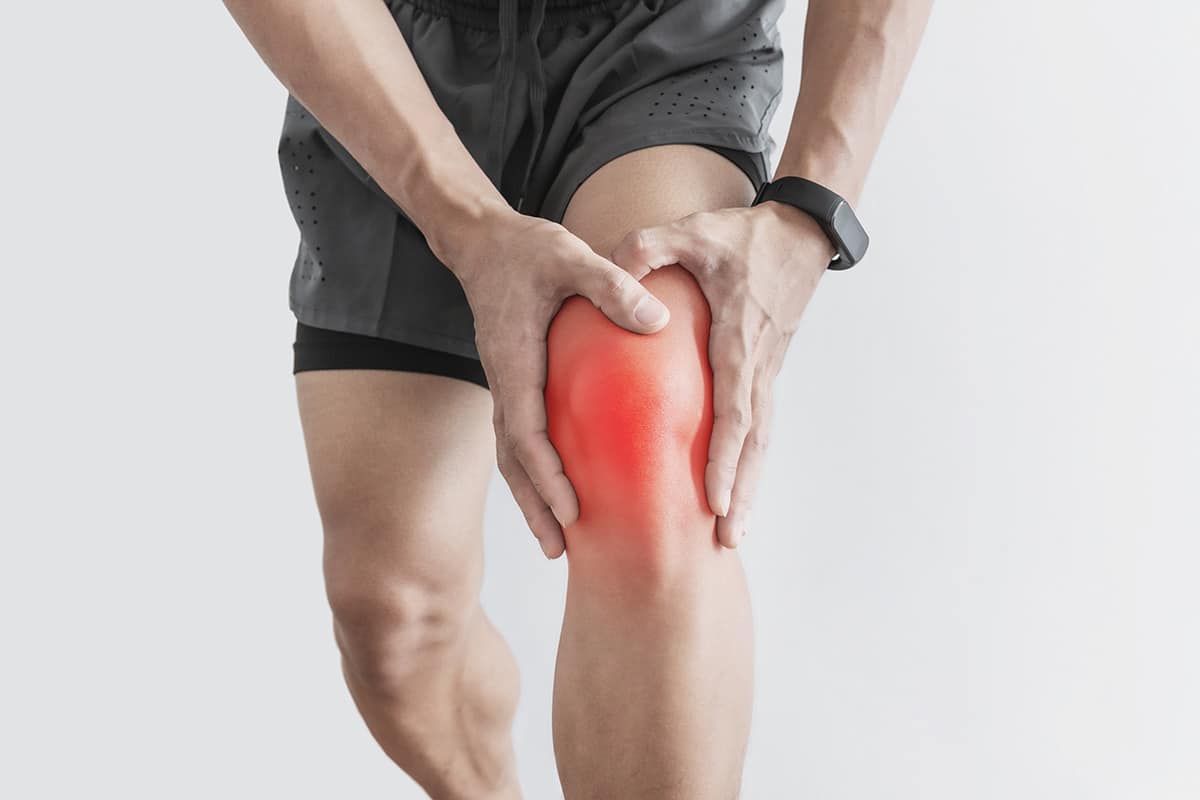
The most frequently treated joint complaint. Knee pain can originate from the joint itself (cartilage, meniscus, ligaments) or from surrounding structures (tendons, bursae, muscles). Common causes include osteoarthritis in patients over 45, meniscus tears from twisting injuries, ligament injuries (ACL, MCL) from sports, patellofemoral syndrome (runner's knee), and tendinitis.
Shoulder Pain
The shoulder is the body's most mobile joint, which also makes it the most vulnerable. Common causes include rotator cuff injuries (tears or tendinitis), frozen shoulder (adhesive capsulitis), impingement syndrome, and arthritis. Shoulder pain often worsens with overhead movements and can significantly disrupt sleep.
Hip Pain
Hip pain can be felt in the groin, outer hip, buttock, or thigh. The hip is a deep ball-and-socket joint, and pain here is commonly caused by osteoarthritis, bursitis (trochanteric pain syndrome), labral tears, or referred pain from the lower back. Hip arthritis is one of the most impactful conditions because it affects walking, sitting, and daily independence.
Hand and Wrist Pain
The small joints of the hands and wrists are frequently affected by rheumatoid arthritis, osteoarthritis, carpal tunnel syndrome, and De Quervain's tendinitis. Hand joint pain is particularly disabling because it interferes with gripping, typing, and fine motor tasks.
Ankle and Foot Pain
Ankle joint pain commonly results from previous sprains that did not heal properly, osteoarthritis, Achilles tendinitis, or gout. Dubai residents who exercise regularly, especially runners and football players, are at higher risk for ankle and foot joint problems.
Common Causes of Joint Pain
Joint pain has dozens of potential causes. Your orthopedic specialist needs to identify the specific cause because each one requires a different treatment approach. Here are the most common causes we diagnose:
Osteoarthritis (Wear-and-Tear Arthritis)
The most common cause of chronic joint pain worldwide. Osteoarthritis occurs when the cartilage that cushions the ends of bones gradually wears down. Without this protective layer, bones rub against each other, causing pain, stiffness, and swelling. Risk factors include age (over 45), obesity, previous joint injuries, family history, and occupations involving repetitive joint stress. The knees, hips, hands, and spine are most commonly affected.
Rheumatoid Arthritis and Autoimmune Conditions
Unlike osteoarthritis, rheumatoid arthritis is an autoimmune disease where the body's immune system attacks the joint lining (synovium). It typically affects multiple joints symmetrically (both hands, both wrists) and causes morning stiffness lasting more than 30 minutes. Other autoimmune conditions that cause joint pain include psoriatic arthritis, lupus, and ankylosing spondylitis.
Sports Injuries and Trauma
Acute joint injuries from sports or accidents can damage ligaments, tendons, cartilage, or bones within the joint. Common examples include ACL tears, rotator cuff tears, ankle sprains, and meniscus injuries. Even after the initial injury heals, the joint may develop early arthritis or chronic instability if not treated properly. For more on sports-related joint injuries, see our guide on Sports Injury Recovery in Dubai.
Tendinitis and Bursitis
Tendinitis is inflammation of the tendons that attach muscles to bones around a joint. Bursitis is inflammation of the small fluid-filled sacs (bursae) that cushion joints. Both conditions cause pain around the joint that worsens with movement and are commonly triggered by repetitive motions, overuse, or sudden increases in physical activity.
Gout
Gout is caused by a build-up of uric acid crystals in the joint, most commonly the big toe. It causes sudden, intense episodes of pain, swelling, redness, and warmth. Gout attacks often occur at night and can be triggered by dietary factors, dehydration, alcohol, and certain medications. It is more common in men and in people with kidney problems.
Referred Pain and Non-Joint Causes
Sometimes what feels like joint pain actually originates elsewhere. Nerve compression in the spine can cause hip or knee pain. Fibromyalgia causes widespread musculoskeletal pain that can mimic joint problems. This is why a thorough clinical examination and sometimes imaging are necessary to identify the true source.
Symptoms and Warning Signs: When to See a Doctor for Joint Pain
Not all joint pain requires immediate medical attention. Minor aches after exercise or a busy day often resolve with rest and ice. However, certain symptoms indicate that you should see an orthopedic specialist without delay:
- Pain lasting more than 2 weeks: Joint pain that does not improve with rest and over-the-counter medication needs professional evaluation
- Joint swelling or redness: Persistent swelling suggests inflammation, fluid accumulation, or infection inside the joint
- Morning stiffness lasting more than 30 minutes: A hallmark of inflammatory arthritis that warrants blood tests and specialist assessment
- Inability to bear weight: If you cannot walk on the affected leg or use the affected arm for normal tasks
- Joint deformity or instability: Visible changes in joint shape, or a feeling that the joint is giving way
- Fever with joint pain: Can indicate septic arthritis (joint infection), which is a medical emergency
- Night pain: Joint pain that wakes you from sleep may suggest a more serious underlying condition
- Locking or catching: A sensation of the joint getting stuck, often indicating a loose body or meniscus tear
- Numbness or tingling: Suggests nerve involvement and may indicate a compressed nerve root
As an orthopedic surgeon with over 14 years of clinical experience, I always tell patients: early evaluation does not mean aggressive treatment. It means we catch problems before they become harder to treat. Many conditions that respond well to physiotherapy at an early stage may require injections or surgery if left untreated for months or years.
Joint Pain Diagnosis: How We Identify the Cause
Accurate diagnosis is the foundation of effective joint pain treatment. At DCDC, we follow a structured diagnostic approach that combines clinical examination with targeted investigations:
Clinical Examination
Every joint pain assessment begins with a detailed history and physical examination. Your orthopedic specialist will ask about when the pain started, what makes it better or worse, whether you have stiffness, and whether other joints are affected. The physical examination tests range of motion, stability, strength, and specific clinical signs that point toward particular diagnoses.
X-ray
X-rays are typically the first imaging study for joint pain. They show bone alignment, joint space narrowing (a sign of cartilage loss), bone spurs, fractures, and signs of arthritis. DCDC has on-site digital X-ray, which means results are available within minutes of your consultation.
MRI Scan
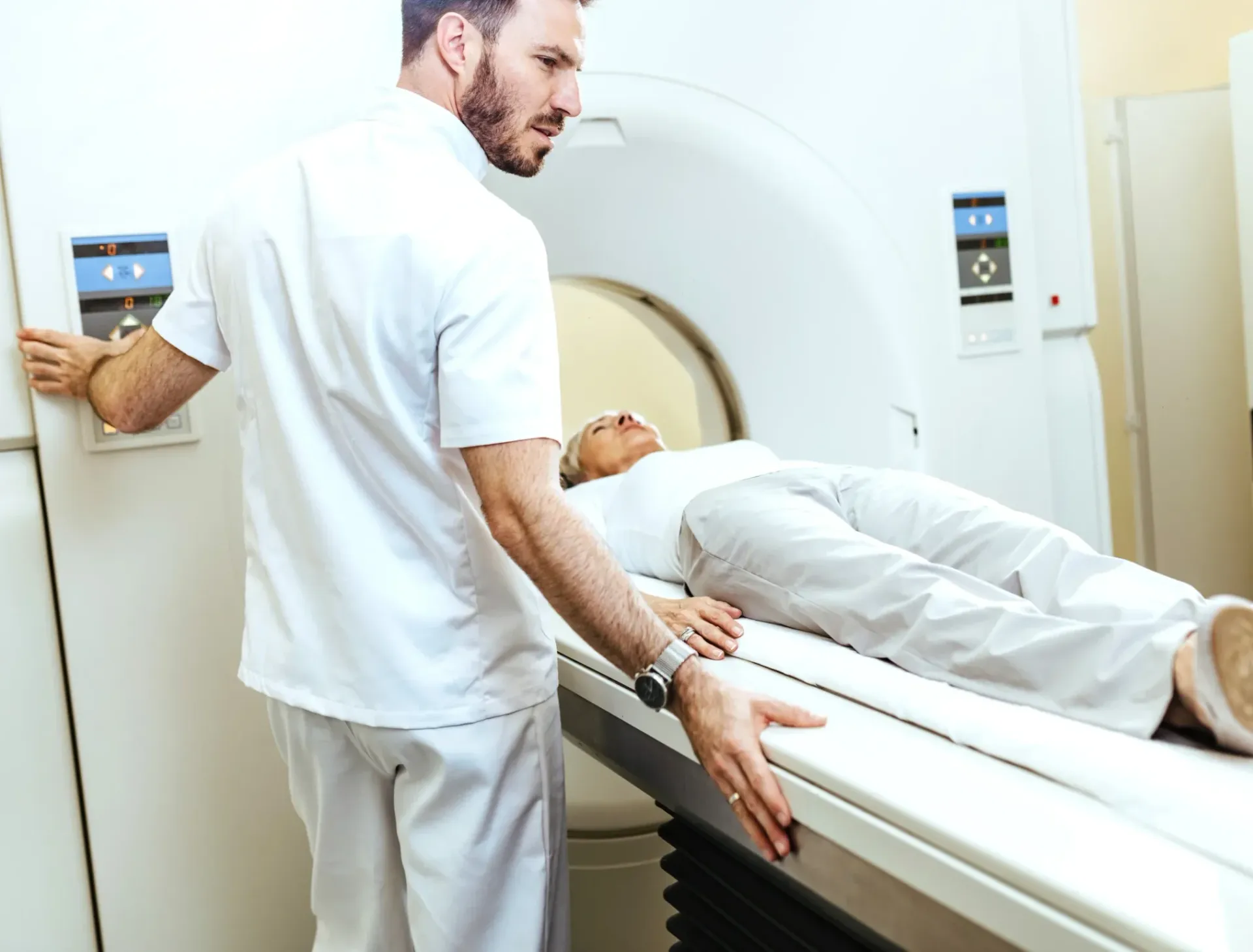
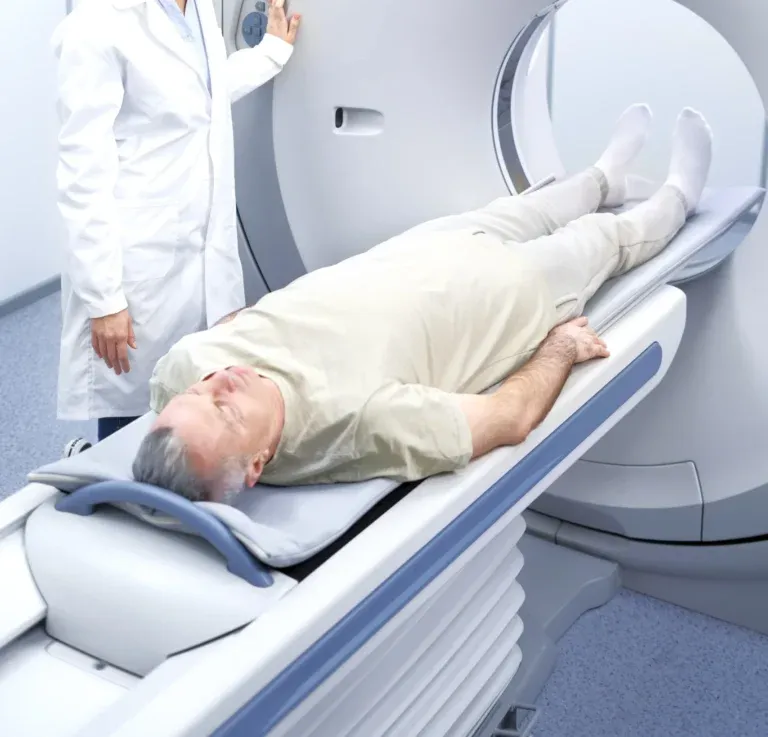
MRI provides detailed images of soft tissues including cartilage, menisci, ligaments, tendons, and the joint lining. It is essential for diagnosing ligament tears, meniscus injuries, labral tears, early arthritis, and bone marrow problems. At DCDC, our Siemens 1.5T wide-bore MRI with a 70 cm opening provides high-quality imaging in a comfortable environment, even for patients who feel claustrophobic. On-site MRI means you can often have your scan and follow-up on the same day. For more details, read our guide on Knee MRI Scan in Dubai.
Blood Tests
Blood tests are important when inflammatory or autoimmune arthritis is suspected. Common tests include ESR and CRP (inflammation markers), rheumatoid factor and anti-CCP (for rheumatoid arthritis), uric acid (for gout), and ANA (for lupus and other autoimmune conditions). DCDC's on-site laboratory provides results quickly so that treatment can begin without unnecessary delays.
Ultrasound
Musculoskeletal ultrasound is a valuable tool for evaluating tendons, bursae, and fluid collections around joints. It is particularly useful for diagnosing rotator cuff tears, tendinitis, bursitis, and guiding injections precisely into the joint or surrounding structures.
Non-Surgical Joint Pain Treatment Options
At DCDC, our conservative-first philosophy means we exhaust all appropriate non-surgical options before considering surgery. In my 14 years of orthopedic practice, I have found that the majority of joint pain patients achieve significant improvement without ever needing an operation. The following treatments form the backbone of our joint pain management programme:
Physiotherapy and Rehabilitation
Physiotherapy is often the single most effective treatment for joint pain. A structured programme strengthens the muscles around the joint, improves flexibility, corrects movement patterns, and reduces load on the damaged structures. For knee osteoarthritis, clinical guidelines from the American Academy of Orthopaedic Surgeons list physiotherapy as a first-line treatment. At DCDC, our physiotherapy team works directly with our orthopedic surgeons to create tailored rehabilitation programmes.
Typical physiotherapy programmes involve 2-3 sessions per week for 6-8 weeks, with home exercises between sessions. Conditions that respond particularly well include knee osteoarthritis, frozen shoulder, rotator cuff injuries, and post-surgical rehabilitation. Learn more about how physiotherapy treats joint conditions in our detailed guide on Arthritis Physiotherapy Management.
Medications
Medications play a supporting role in joint pain management. They are most useful for controlling symptoms while other treatments (physiotherapy, injections) take effect:
- NSAIDs (ibuprofen, naproxen, celecoxib): Reduce inflammation and pain. Effective for short-term use but carry risks with long-term use including stomach ulcers and kidney problems
- Paracetamol (acetaminophen): Milder pain relief with fewer side effects. Suitable for patients who cannot take NSAIDs
- Topical treatments: Anti-inflammatory gels and creams applied directly to the joint. Useful for superficial joints like the knee and hand
- Disease-modifying drugs (DMARDs): For autoimmune arthritis (rheumatoid, psoriatic), these medications slow disease progression rather than just treating symptoms
- Supplements: Glucosamine and chondroitin have modest evidence for mild knee osteoarthritis. Vitamin D supplementation is important in the UAE where deficiency is extremely common
Weight Management and Lifestyle Modifications
For weight-bearing joints (knees, hips, ankles), weight loss is one of the most impactful treatments available. Every kilogramme of excess body weight places approximately 4 kg of additional force on the knee joint. Losing even 5-10% of body weight can significantly reduce knee and hip pain. Combined with appropriate exercise (swimming, cycling, and walking are excellent low-impact options), lifestyle modifications can delay or eliminate the need for more invasive treatments.
Injection Therapies for Joint Pain Treatment in Dubai
When physiotherapy and medications are not providing sufficient relief, injection therapies offer the next step in our conservative treatment ladder. These are performed as outpatient procedures at DCDC with minimal downtime.
Corticosteroid Injections
Corticosteroid (cortisone) injections deliver a powerful anti-inflammatory medication directly into the joint. They provide rapid pain relief, often within 24-48 hours, and can last several weeks to months. Cortisone injections are particularly useful for acute flare-ups of osteoarthritis, inflammatory arthritis, bursitis, and tendinitis. However, repeated injections (more than 3-4 per year in the same joint) can weaken cartilage and tendons, so they are used judiciously.
Hyaluronic Acid Viscosupplementation
Hyaluronic acid is a naturally occurring substance in joint fluid that provides lubrication and shock absorption. In osteoarthritis, the quality and quantity of natural hyaluronic acid decreases. Viscosupplementation involves injecting medical-grade hyaluronic acid (sometimes called gel injections) directly into the joint to restore lubrication. The effects develop gradually over 2-4 weeks and can last 6-12 months. This treatment is most effective for mild-to-moderate knee osteoarthritis and is an excellent option for patients who cannot tolerate anti-inflammatory medications.
PRP Therapy for Joint Pain: Regenerative Medicine in Dubai
Platelet-rich plasma (PRP) therapy represents a significant advancement in how we treat joint conditions. PRP uses your body's own healing factors to promote tissue repair and reduce inflammation, offering a biological approach to joint pain that works with your body rather than simply masking symptoms.
How PRP Works
A small sample of your blood is drawn, processed in a centrifuge to concentrate the platelets (which contain growth factors and healing proteins), and then injected into the affected joint under ultrasound guidance. The concentrated platelets release growth factors that stimulate cartilage repair, reduce inflammation, and improve joint function. The procedure takes approximately 30-45 minutes and requires no general anaesthesia.
Evidence for PRP in Joint Pain
The strongest evidence for PRP is in mild-to-moderate knee osteoarthritis, where multiple meta-analyses published in the Journal of Orthopaedic Research show PRP outperforms both cortisone and hyaluronic acid injections for pain relief and functional improvement at 12 months. PRP also shows promising results for rotator cuff tendinopathy, tennis elbow, and chronic Achilles tendinitis. For a detailed guide on PRP treatment, read our comprehensive article on PRP Injection for Joints in Dubai.
What to Expect After PRP
PRP is not a quick fix. Mild soreness at the injection site is normal for the first few days. Most patients begin noticing improvement at 4-6 weeks, with peak benefit at 3-6 months. Importantly, patients must avoid anti-inflammatory medications (ibuprofen, naproxen) after PRP treatment because these drugs inhibit the inflammatory healing response that PRP relies upon.
Struggling with Joint Pain?
Book a same-day consultation at DCDC Dubai Healthcare City. Our orthopedic team will diagnose the cause of your joint pain and create a personalised treatment plan. On-site X-ray and MRI imaging available for fast diagnosis. Consultations from AED 250.
Or WhatsApp us to book your appointment.
When Is Surgery Needed for Joint Pain?
Surgery is reserved for cases where conservative treatment has been given a fair trial and has not provided adequate relief. In my practice, I recommend surgery only when all appropriate non-surgical options have been explored. Situations where surgery may be the best option include:
- Advanced osteoarthritis (bone-on-bone): When cartilage is completely worn away and the joint is severely damaged, joint replacement surgery provides the most reliable long-term solution
- Complete ligament tears in active patients: ACL tears in athletes and active individuals often require surgical reconstruction to restore knee stability. Learn more in our ACL Injury Recovery Guide
- Large meniscus tears with mechanical symptoms: Tears causing persistent locking or catching may need arthroscopic repair or trimming
- Failed conservative treatment after 3-6 months: When physiotherapy, injections, and lifestyle changes have not provided meaningful improvement
- Progressive joint deformity: When the joint is changing shape and function is declining despite treatment
Common surgical procedures for joint conditions include arthroscopy (keyhole surgery for meniscus tears, loose body removal, and cartilage repair), joint replacement (total or partial knee replacement, hip replacement), ligament reconstruction (ACL, rotator cuff), and osteotomy (bone realignment to shift weight off a damaged area). Modern surgical techniques have made these procedures safer and recovery faster than ever before.
Preventing Joint Pain: Evidence-Based Strategies
Prevention is always better than treatment, and many cases of joint pain are preventable or can be significantly delayed with the right approach:
Exercise and Strengthening
- Regular low-impact exercise: Swimming, cycling, walking, and elliptical training keep joints mobile without excessive stress
- Strength training: Strong muscles around a joint act as shock absorbers and stabilisers. Quadriceps strengthening is particularly protective for the knee
- Flexibility and stretching: Maintain full range of motion in all major joints through daily stretching or yoga
- Avoid the weekend warrior pattern: Spread exercise throughout the week rather than doing intense activity only on weekends
Lifestyle and Nutrition
- Maintain a healthy weight: The single most important modifiable risk factor for knee and hip osteoarthritis
- Anti-inflammatory diet: Mediterranean-style diet rich in omega-3 fatty acids, fruits, vegetables, and whole grains. Limit processed foods and added sugars
- Stay hydrated: Joint cartilage is approximately 80% water. Adequate hydration is essential, especially in Dubai's hot climate
- Vitamin D: Vitamin D deficiency is extremely common in the UAE despite abundant sunshine (most people avoid sun exposure). Low vitamin D is associated with increased joint pain and muscle weakness
- Proper footwear: Supportive shoes with good cushioning reduce impact on knees and hips
Injury Prevention
- Warm up properly: Always warm up before exercise or sports
- Use proper technique: Whether lifting weights, running, or playing sports, correct form protects your joints
- Wear protective gear: Knee braces for high-risk sports, proper athletic shoes for running
- Listen to your body: Pain during exercise is a warning sign. Stop and assess rather than pushing through
What to Expect at DCDC: Your Joint Pain Treatment Journey
At Doctors Clinic Diagnostic Center in Dubai Healthcare City, we have designed our patient journey to be efficient, thorough, and comfortable. Here is what happens when you visit us for joint pain:
- Step 1 - Booking: Call, WhatsApp, or book online. Same-day appointments are available. We accept 20+ insurance providers with direct billing, including Daman, AXA, Bupa, MetLife, and Cigna
- Step 2 - Arrival: DCDC is located in Building 64, Block A, Al Razi Medical Complex, Dubai Healthcare City (DHCC). Free dedicated parking is available. Our average wait time is 15 minutes
- Step 3 - Consultation: Dr. Mersad Moosavi or one of our orthopedic specialists will perform a thorough clinical examination, review your history, and discuss your symptoms in detail. Consultations from AED 250
- Step 4 - Diagnosis: If imaging is needed, on-site digital X-ray provides results within minutes. If MRI is required, our Siemens 1.5T wide-bore MRI (70 cm opening) is available on-site, often on the same day. Blood tests are processed through our in-house laboratory
- Step 5 - Treatment plan: Based on your diagnosis, you receive a personalised treatment plan. This may include physiotherapy, medication, injection therapy, PRP, or a combination. We always start with the least invasive effective option
- Step 6 - Follow-up: We schedule regular follow-ups to monitor your progress and adjust treatment as needed. Our 98% patient satisfaction rate reflects our commitment to results
DCDC is MOHAP Licensed (License No. NIMY7VY5-240925) and holds a 4.8/5 rating from over 1,000 verified Google reviews. We are open Saturday to Thursday from 8 AM to 10 PM and Friday from 9 AM to 9 PM.
Joint Pain Treatment Costs in Dubai
Understanding the cost of joint pain treatment helps you plan and make informed decisions. Here is a breakdown of what you can expect to pay at DCDC and across Dubai:
| Treatment | DCDC Price | Dubai Market Range |
|---|---|---|
| Orthopedic Consultation | From AED 250 | AED 250-600 |
| Joint X-ray | From AED 200 | AED 200-500 |
| Joint MRI Scan | From AED 900 | AED 900-3,500 |
| Physiotherapy Session | From AED 250 | AED 250-500 |
| Corticosteroid Injection | From AED 500 | AED 500-1,500 |
| Hyaluronic Acid Injection (per session) | From AED 1,000 | AED 1,000-3,000 |
| PRP Injection (per session) | From AED 1,500 | AED 1,500-4,000 |
Prices are indicative. Most insurance plans cover consultations and diagnostic imaging with pre-authorisation. DCDC partners with 20+ insurance providers for direct billing.
The total cost of your joint pain treatment depends on the diagnosis and the treatment path. A straightforward case of tendinitis may require only a consultation (from AED 250) and a course of physiotherapy. A more complex case involving MRI imaging and injection therapy will cost more, but many of these services are covered by insurance. Our front desk team can verify your insurance coverage and obtain pre-authorisation before your appointment.
Get Your Joint Pain Diagnosed Today
Stop living with joint pain. Book a consultation at Doctors Clinic Diagnostic Center in Dubai Healthcare City. With on-site imaging, a full range of non-surgical treatments, and a conservative-first approach, we help you get back to moving comfortably. Consultations from AED 250 with direct insurance billing available.
Open Sat-Thu 8 AM-10:30 PM, Fri 9 AM-10 PM.
Living with Joint Pain: Long-Term Management Tips
For many patients, joint pain is a chronic condition that requires ongoing management rather than a one-time cure. Here are practical strategies for living well with joint pain:
- Stay active: Inactivity makes joint stiffness and pain worse. Regular, gentle exercise is one of the most effective long-term management strategies
- Pace your activities: Alternate periods of activity with rest. Avoid doing all your physically demanding tasks on the same day
- Use heat and cold: Ice reduces acute inflammation and swelling. Heat relaxes stiff muscles and improves blood flow before activity
- Protect your joints: Use assistive devices when needed. Avoid activities that cause sharp pain. Modify exercises rather than stopping them entirely
- Maintain your treatment programme: Continue physiotherapy exercises at home even after your symptoms improve. Stopping too early often leads to recurrence
- Monitor your symptoms: Keep track of what triggers flare-ups so you can avoid or prepare for them
For patients dealing with shoulder-related joint pain specifically, our guide on Frozen Shoulder Treatment and Physiotherapy provides detailed rehabilitation advice.
Kaugnay na Serbisyo sa DCDC
Dalubhasang pangangalaga at advanced diagnostics sa Dubai Healthcare City
Frequently Asked Questions
Taking the First Step Toward Joint Pain Relief
Joint pain does not have to limit your life. Whether you are dealing with a recent sports injury, worsening arthritis, or persistent discomfort that you have been ignoring for months, effective treatment is available. The most important step is getting an accurate diagnosis, because the right treatment depends entirely on identifying the right cause.
At Doctors Clinic Diagnostic Center in Dubai Healthcare City, we combine on-site diagnostic imaging, a full range of non-surgical treatments, and a conservative-first philosophy to deliver results. With a 4.8/5 Google rating from over 1,000 reviews and a 98% patient satisfaction rate, our track record speaks for itself. If joint pain is affecting your quality of life, book a consultation and let us help you move comfortably again.
Mga Sanggunian at Reperensya
Ang artikulong ito ay sinuri ng aming medikal na team at tumutukoy sa mga sumusunod na sanggunian:
- American Academy of Orthopaedic Surgeons - Osteoarthritis of the Knee: Treatment Guidelines
- Arthritis Foundation - Joint Pain Causes and Treatment Options
- British Medical Journal - PRP vs Hyaluronic Acid for Knee Osteoarthritis: Systematic Review and Meta-Analysis
- National Institute for Health and Care Excellence (NICE) - Osteoarthritis: Care and Management
- UAE Ministry of Health and Prevention - Musculoskeletal Health Guidelines
- Journal of Orthopaedic Research - Platelet-Rich Plasma for Osteoarthritis Treatment
Ang medikal na nilalaman sa site na ito ay sinusuri ng mga DHA-licensed na manggagamot. Tingnan ang aming patakarang editorial para sa higit pang impormasyon.

Isinulat ni
Dr. Mersad Moosavi
Orthopedic Surgery
MD, Orthopedic Surgery
Dr. Mersad Moosavi is an Orthopedic Surgeon at Doctors Clinic Diagnostic Center (DCDC) in Dubai Healthcare City with over 14 years of experience. Trained at Tehran University of Medical Sciences, he has authored over 20 international publications on spine surgery and specialises in a conservative-first approach to joint pain management.
Related Articles
PRP Injection for Joints Dubai: From AED 1,500
Arthritis Physiotherapy Management: Complete Guide
Knee MRI Scan Dubai: Cost & What It Shows
Back Pain: Causes & Treatment Options
Sports Injury Recovery Dubai: PRP & Rehab Guide
Higit pa sa General Health

AC Sickness Dubai: Summer Cold Symptoms (2026)
Basahin Pa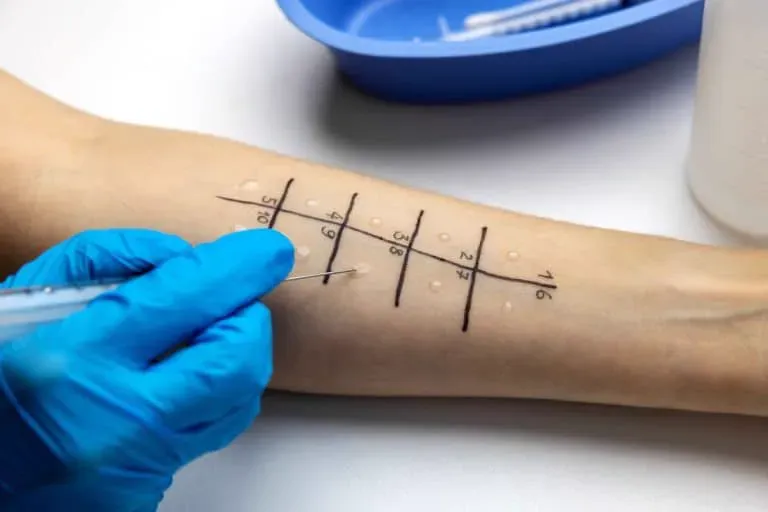
Allergy Specialist Dubai: Tests & Guide (2026)
Basahin PaAllergy Testing Dubai: IgE Blood Panels & Cost (2026)
Basahin Pa
Blood Test Dubai: Types, Cost & Fasting Guide (2026)
Basahin Pa
Cancer Screening Dubai: Tests & Cost by Age (2026)
Basahin Pa
Cortisol Test Dubai: Levels & Cost Guide (2026)
Basahin Pa© 2026 Doctors Clinic Diagnostic Center (DCDC), Dubai Healthcare City. Originally published at https://doctorsclinicdubai.ae/blog/joint-pain-treatment-dubai. All rights reserved. Unauthorized reproduction is prohibited.