Wichtigste Erkenntnisse
- Thyroid disorders affect an estimated 1 in 8 people in the UAE, with many cases remaining undiagnosed because symptoms mimic stress, ageing, or other conditions
- Women are 5 to 8 times more likely to develop thyroid problems than men, especially after age 30, during pregnancy, and in the postpartum period
- Hypothyroidism (underactive thyroid) causes fatigue, weight gain, cold intolerance, constipation, depression, and hair loss, while hyperthyroidism (overactive thyroid) causes weight loss, anxiety, heat intolerance, palpitations, and tremor
- Dubai residents face additional thyroid risk factors including severe vitamin D deficiency (affecting up to 80% of the population), high stress levels, and potential iodine insufficiency in processed foods
- A simple TSH blood test from AED 149 at DCDC can detect thyroid dysfunction — early morning testing is recommended for the most accurate TSH results
- Same-day thyroid test results are available at DCDC's on-site laboratory, with integrated specialist endocrinology consultation if abnormalities are detected
Your thyroid is a small gland with enormous influence over your body. When it malfunctions, the symptoms can be so gradual and varied that many people in Dubai live with undiagnosed thyroid disorders for years, attributing their fatigue, weight changes, or mood disturbances to the demanding pace of life. At Doctors Clinic Diagnostic Center (DCDC), we see patients every week who are surprised to learn that a simple blood test could have explained their symptoms months — or even years — earlier. This comprehensive guide will help you recognise the warning signs of thyroid problems, understand your risk factors, and know when to seek testing.
Health Screening Packages
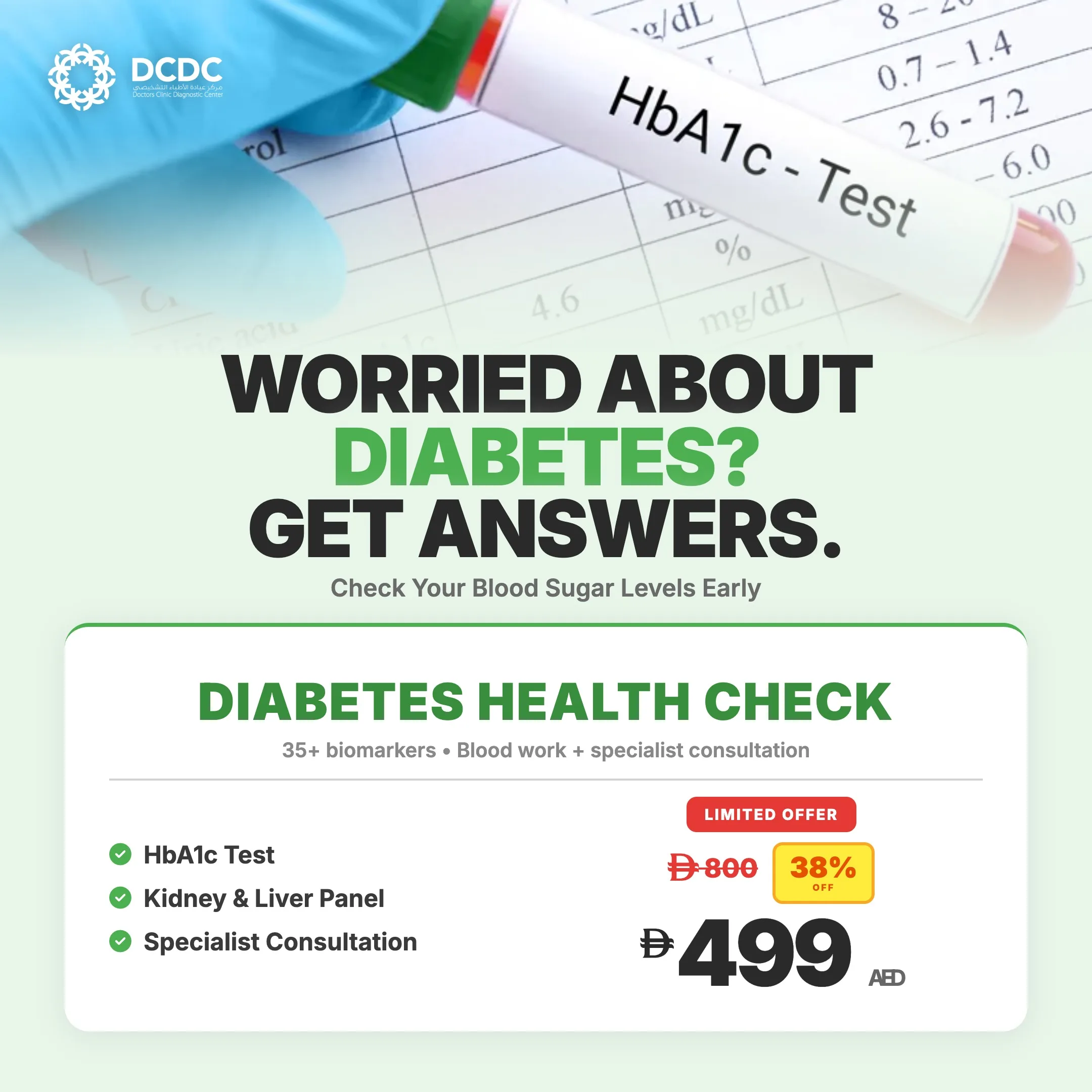
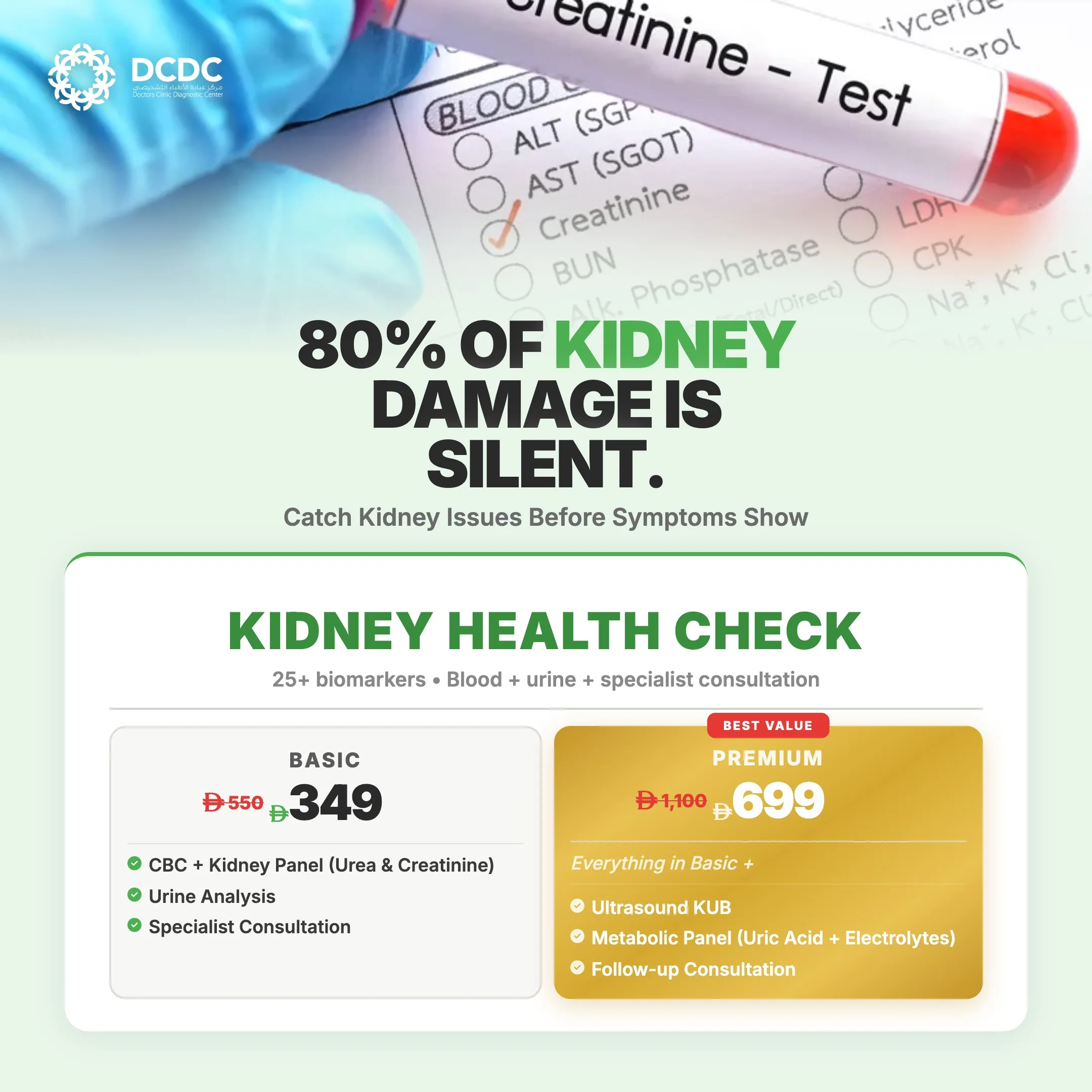
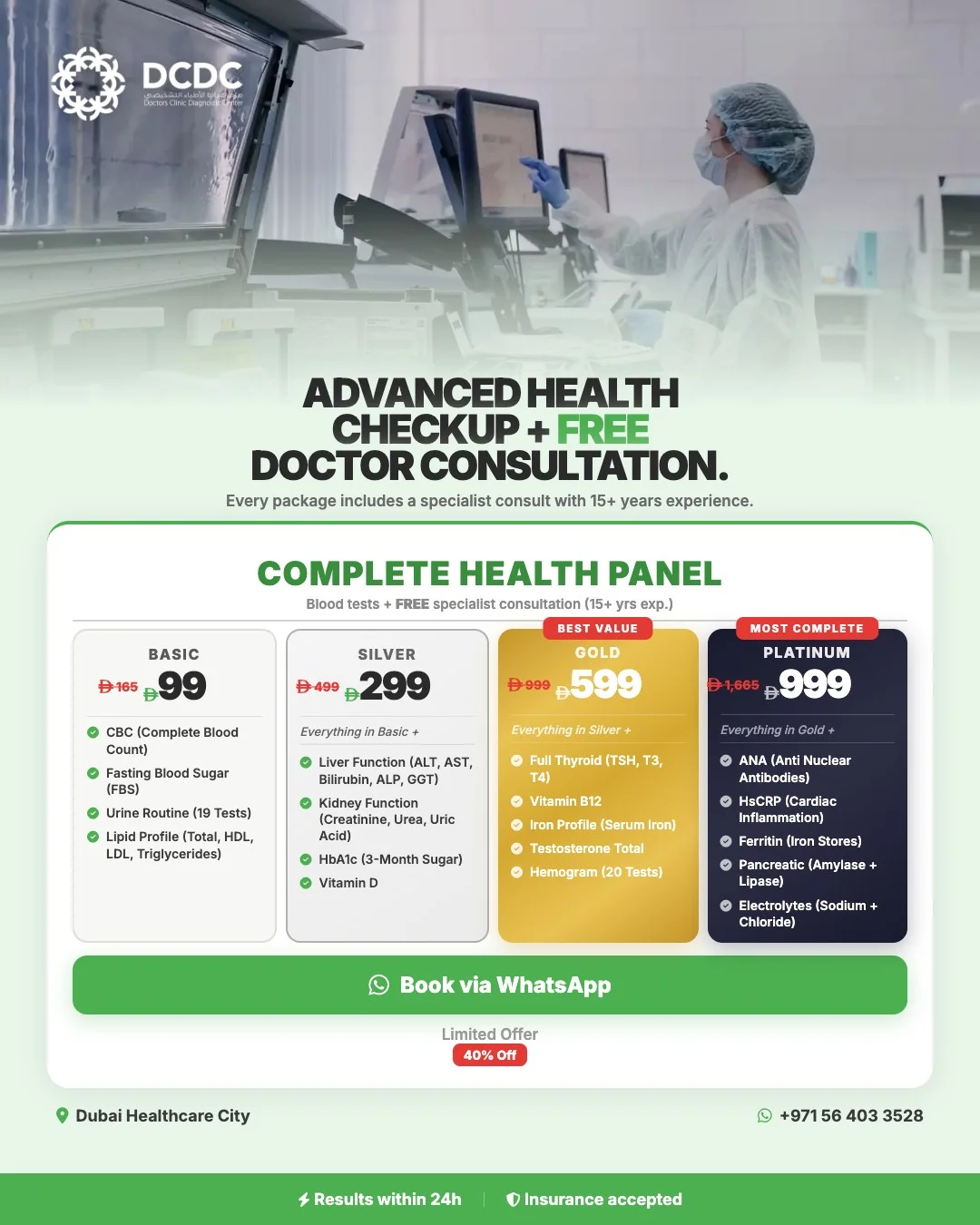
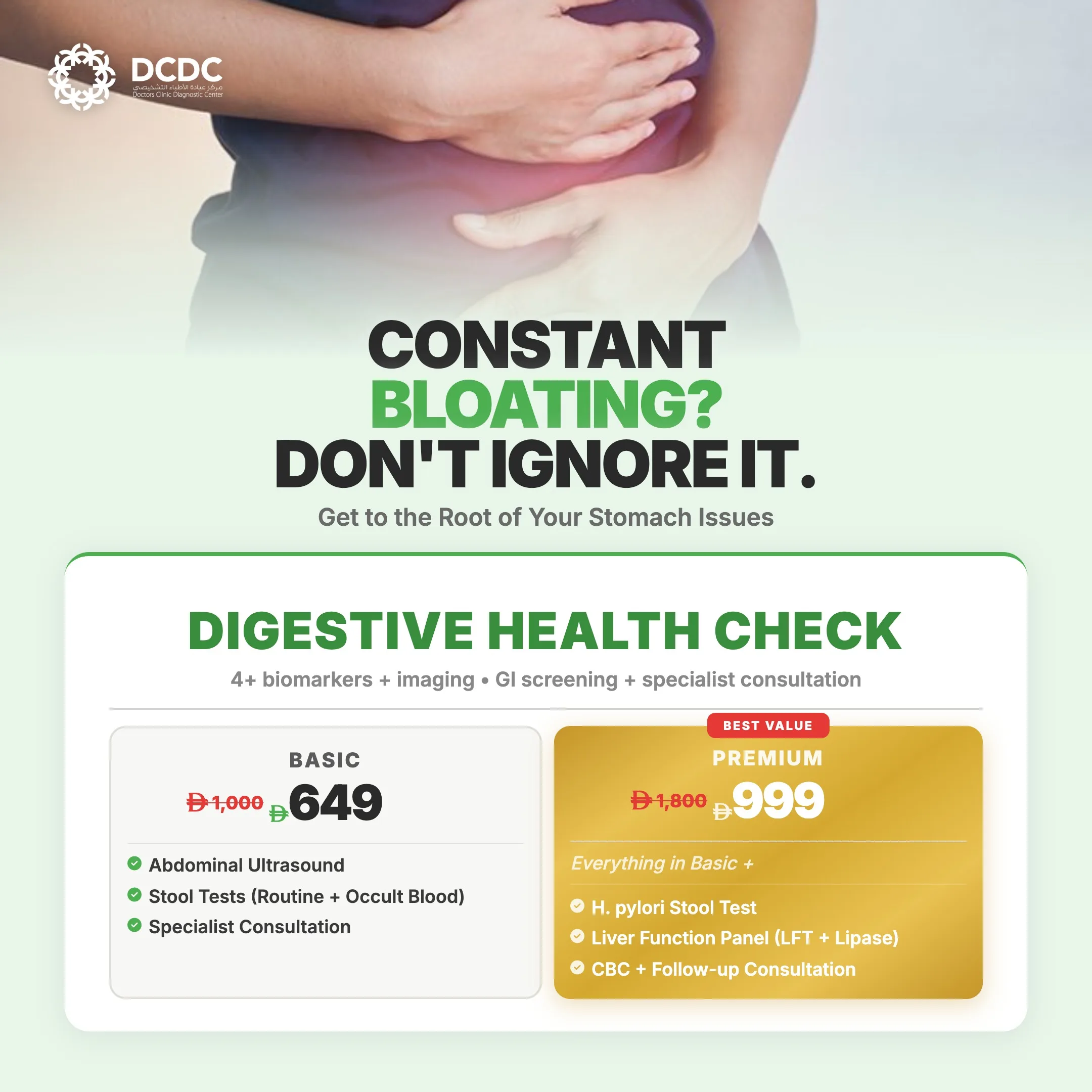
Save with our bundled screening packages — specialist consultation included


Why Thyroid Disorders Are So Common in Dubai and the UAE
Thyroid disease is one of the most prevalent endocrine disorders worldwide, and the UAE is no exception. Research published in the Emirates Medical Journal estimates that thyroid dysfunction affects approximately 12 to 15 percent of the UAE population, with subclinical (mild, symptom-free) cases pushing that figure even higher. Several factors contribute to this high prevalence in Dubai specifically.
First, Dubai's diverse expatriate population brings together genetic susceptibilities from multiple ethnic backgrounds — South Asian populations, for example, have higher baseline rates of autoimmune thyroid disease. Second, the extreme climate that keeps residents indoors for much of the year contributes to widespread vitamin D deficiency, which research has linked to increased autoimmune thyroid disease risk. Third, the high-stress, fast-paced lifestyle common in Dubai elevates cortisol levels, which can disrupt the hypothalamic-pituitary-thyroid axis. Finally, the reliance on processed and imported foods may contribute to inconsistent iodine intake, a mineral essential for thyroid hormone production.
Despite this high prevalence, awareness remains low. Many Dubai residents dismiss their symptoms as consequences of long working hours, heat fatigue, or the adjustment to expatriate life — when in reality, a thyroid disorder may be the underlying cause.
Understanding Your Thyroid Gland: A Brief Overview
The thyroid is a butterfly-shaped gland located at the front of the neck, just below the Adam's apple. Despite weighing only 20 to 30 grams, it functions as the body's master metabolic regulator. The thyroid produces two primary hormones: thyroxine (T4) and triiodothyronine (T3). These hormones influence virtually every cell in the body, controlling:
- Metabolic rate: How quickly your body burns calories and uses energy
- Heart function: Heart rate, cardiac output, and blood pressure regulation
- Brain function: Concentration, memory, mood, and cognitive processing speed
- Body temperature: Internal thermostat regulation
- Digestive system: Gut motility and nutrient absorption
- Reproductive system: Menstrual regularity, fertility, and pregnancy maintenance
- Skin, hair, and nails: Growth rate, texture, and quality
- Cholesterol metabolism: Lipid processing and cardiovascular risk
The thyroid is controlled by the pituitary gland in the brain, which releases thyroid-stimulating hormone (TSH) to signal the thyroid to produce more or less hormone. This feedback loop means that TSH levels in a blood test serve as the most sensitive indicator of thyroid health — a high TSH indicates the thyroid is underperforming, while a low TSH suggests it is overproducing.
10 Signs of Hypothyroidism (Underactive Thyroid)
Hypothyroidism occurs when the thyroid gland does not produce enough thyroid hormone, causing the body's processes to slow down. It is the more common form of thyroid dysfunction, affecting approximately 5 to 10 percent of the population, with Hashimoto's thyroiditis (an autoimmune condition) being the leading cause. The symptoms develop gradually over months or years, which is why many people do not realise something is wrong. Here are the key signs to watch for.
1. Persistent Fatigue and Low Energy
This is the most common symptom of hypothyroidism, reported by up to 90 percent of patients. The fatigue goes beyond normal tiredness — it is a deep, unrelenting exhaustion that does not improve with adequate sleep. Patients often describe feeling as though they are moving through treacle, needing excessive sleep (10 or more hours), and still waking unrefreshed. In Dubai, this symptom is frequently dismissed as burnout or attributed to the demanding work culture.
2. Unexplained Weight Gain
When the thyroid is underactive, the metabolic rate drops significantly — sometimes by 20 to 30 percent. This leads to gradual weight gain of 2 to 5 kilograms (sometimes more) despite no change in diet or exercise habits. The weight gain is often accompanied by difficulty losing weight despite genuine effort. The retention of fluid and accumulation of glycosaminoglycans in tissues also contributes to a puffy, swollen appearance.
3. Cold Intolerance
The thyroid regulates body temperature, and when it is underactive, internal heat production decreases. Patients with hypothyroidism often feel cold when others are comfortable, wear extra layers indoors, and particularly notice cold hands and feet. In Dubai, where air conditioning is ubiquitous, this symptom may be especially noticeable — feeling excessively cold in malls, offices, and other air-conditioned spaces is a common complaint among hypothyroid patients.
4. Depression, Brain Fog, and Memory Problems
Thyroid hormones are essential for neurotransmitter production and brain function. When levels are low, patients frequently experience depression, difficulty concentrating, forgetfulness, slowed thinking, and a general sense of mental dullness or brain fog. These cognitive symptoms can significantly impact work performance and quality of life, and are sometimes misdiagnosed as depression or early dementia.
5. Dry Skin, Hair Loss, and Brittle Nails
Thyroid hormones regulate the growth and renewal of skin, hair, and nail cells. Hypothyroidism causes skin to become dry, rough, and pale; hair becomes thin, coarse, and brittle with increased shedding; and nails become fragile and slow-growing. A distinctive pattern of hair loss affecting the outer third of the eyebrows is particularly associated with hypothyroidism. Many patients notice clumps of hair in the shower drain months before other symptoms become apparent.
6. Constipation
Reduced thyroid hormone slows gut motility, leading to chronic constipation that may not respond to dietary changes or increased fibre intake. Patients often report bowel movements becoming increasingly infrequent (less than three per week) and difficult. This is one of the earlier symptoms to develop and is frequently overlooked.
7. Muscle Aches, Stiffness, and Joint Pain
Hypothyroidism causes a buildup of fluid in and around joints and muscles, leading to generalised aches, stiffness (especially in the morning), and weakness. Some patients develop carpal tunnel syndrome due to swelling around the wrist nerves. The muscle weakness tends to be proximal — affecting the shoulders and hips — making it difficult to climb stairs or lift arms above the head.
8. Heavy or Irregular Menstrual Periods
In women, hypothyroidism frequently disrupts the menstrual cycle, causing periods to become heavier, longer, more frequent, or irregular. This occurs because thyroid hormones interact directly with sex hormones and the reproductive system. Severe hypothyroidism can also impair ovulation, leading to fertility problems. If you have noticed menstrual changes alongside other symptoms on this list, thyroid testing should be a priority.
9. Elevated Cholesterol Levels
The thyroid plays a crucial role in cholesterol metabolism. When thyroid function is low, LDL (bad) cholesterol levels rise because the liver cannot process cholesterol efficiently. Patients with unexplained high cholesterol — particularly those who are young, lean, or do not respond to lifestyle changes — should be screened for hypothyroidism. In Dubai, this is often discovered incidentally during routine health checkups.
10. Puffy Face, Hoarse Voice, and Slow Heart Rate
Advanced hypothyroidism causes a characteristic facial puffiness (myxoedema), particularly around the eyes and cheeks, due to the accumulation of mucopolysaccharides in the skin. The voice may become hoarse or deeper due to swelling of the vocal cords. The heart rate slows (bradycardia), sometimes below 60 beats per minute, and blood pressure may rise. These signs typically indicate more significant thyroid deficiency requiring prompt medical attention.
If you recognise several of these symptoms, a thyroid blood test can provide clarity. Read our complete thyroid testing guide to understand which tests you need and what the results mean.
8 Signs of Hyperthyroidism (Overactive Thyroid)
Hyperthyroidism occurs when the thyroid produces excessive amounts of thyroid hormone, causing the body's processes to speed up. Graves' disease (an autoimmune condition) is the most common cause in younger adults, while toxic nodular goitre becomes more prevalent after age 50. The symptoms tend to develop more rapidly than hypothyroidism and can be quite dramatic.
1. Unintentional Weight Loss
An overactive thyroid significantly increases the metabolic rate, causing weight loss despite a normal or even increased appetite. Patients often describe eating more than usual yet continuing to lose weight. While some initially welcome the weight loss, it can become alarming — losses of 5 to 10 kilograms over a few months are not uncommon. The weight loss may be accompanied by increased thirst and frequent urination.
2. Rapid or Irregular Heartbeat (Palpitations)
Excess thyroid hormone directly stimulates the heart, causing it to beat faster (tachycardia) or irregularly. Patients often feel their heart racing, pounding, or fluttering, especially when lying down at night. The resting heart rate may exceed 100 beats per minute. In some cases, hyperthyroidism triggers atrial fibrillation, a more serious irregular heart rhythm that requires medical attention and increases the risk of stroke.
3. Anxiety, Irritability, and Nervousness
The excess thyroid hormone overstimulates the nervous system, creating a state of heightened arousal that manifests as anxiety, nervousness, restlessness, and irritability. Patients often describe feeling wired, on edge, or unable to relax. They may startle easily and find themselves overreacting to minor stresses. These symptoms are frequently misdiagnosed as generalised anxiety disorder, particularly in Dubai's high-pressure work environment.
4. Heat Intolerance and Excessive Sweating
The increased metabolic rate generates excess body heat. Patients with hyperthyroidism feel hot when others are comfortable, sweat excessively, and prefer cooler environments. In Dubai's already hot climate, this symptom is particularly distressing — patients may find the outdoor heat completely unbearable and sweat profusely even in air-conditioned settings. Warm, moist skin and a flushed appearance are typical.
5. Tremor and Muscle Weakness
A fine tremor of the hands is a hallmark sign of hyperthyroidism — it is most easily noticed when holding the hands outstretched or trying to perform fine motor tasks such as writing or holding a cup. Muscle weakness, particularly in the thighs and upper arms, is also common and can progress to the point where climbing stairs or standing from a seated position becomes difficult.
6. Sleep Disturbances and Insomnia
The overstimulated nervous system makes it difficult to fall asleep and maintain restful sleep. Patients may lie awake with a racing mind and pounding heart, wake frequently during the night, or feel unrested despite seemingly adequate sleep duration. The resulting sleep deprivation compounds the anxiety and irritability, creating a vicious cycle.
7. Frequent Bowel Movements or Diarrhoea
Just as hypothyroidism slows the gut, hyperthyroidism speeds it up. Patients may experience more frequent bowel movements (three or more daily), loose stools, or frank diarrhoea. This increased gut motility can also impair nutrient absorption, contributing to weight loss and nutritional deficiencies.
8. Eye Changes (Graves' Ophthalmopathy)
In patients with Graves' disease specifically, the immune system can also attack the tissues behind the eyes, causing inflammation and swelling. This leads to bulging eyes (proptosis), dry or gritty eyes, excessive tearing, light sensitivity, double vision, and eye pain. The eye changes can occur before, during, or after the thyroid overactivity develops, and require specialist ophthalmological assessment.
Thyroid Symptoms Often Mistaken for Other Conditions
One of the most challenging aspects of thyroid disorders is that the symptoms overlap extensively with many other conditions. This overlap leads to frequent misdiagnosis and delayed treatment. Here are the most common misattributions:
- Fatigue attributed to stress or burnout: In Dubai's demanding work culture, exhaustion is normalised. Many patients with hypothyroidism spend months or years believing they simply need to manage stress better, when a thyroid test would reveal the true cause.
- Weight gain attributed to diet or age: Patients are often told they are simply eating too much or that weight gain is a natural part of ageing, without thyroid function being checked.
- Anxiety misdiagnosed as a mental health condition: Hyperthyroidism-induced anxiety is frequently treated with anti-anxiety medications without thyroid function being assessed first.
- Depression treated without thyroid screening: Guidelines recommend thyroid testing for all patients presenting with depression, yet this is often overlooked.
- Hair loss attributed to cosmetic causes: Dermatologists frequently see patients with thyroid-related hair loss who have never had thyroid function tested.
- Menstrual irregularities investigated without thyroid function: Heavy or irregular periods may undergo gynaecological investigation without basic thyroid screening.
- High cholesterol treated with statins only: Hypothyroidism-induced hyperlipidaemia should be identified and treated at the thyroid level before committing to lifelong statin therapy.
- Palpitations investigated as a cardiac problem: Patients may undergo extensive cardiac workups for palpitations that are actually caused by thyroid overactivity.
"In my practice, I always include a thyroid function test when patients present with non-specific symptoms like fatigue, mood changes, or unexplained weight fluctuations," says Dr. Hadeel Elnur, General Practitioner at DCDC. "A simple TSH blood test costing from AED 149 can save patients months of unnecessary investigations and treatments directed at the wrong cause. As a general practitioner, my role is to be that first point of contact who thinks broadly and connects the dots across multiple symptoms."
Who Is Most at Risk for Thyroid Disorders?
While thyroid disorders can affect anyone, certain groups are at significantly higher risk and should consider regular screening even in the absence of symptoms. Understanding your personal risk profile helps you make informed decisions about thyroid monitoring. For a deeper understanding of hormonal testing beyond the thyroid, see our guide to comprehensive hormone testing.
Gender and Age
Women are 5 to 8 times more likely to develop thyroid disorders than men. The risk increases significantly after age 30 and continues rising through the decades. By age 60, up to 20 percent of women have some degree of thyroid dysfunction. This gender disparity is primarily driven by the autoimmune nature of most thyroid diseases — autoimmune conditions affect women disproportionately across all types.
Pregnancy and Postpartum Period
Pregnancy is a major trigger for thyroid disorders. The thyroid must increase hormone production by 30 to 50 percent during pregnancy, and the immune system undergoes significant changes. Postpartum thyroiditis affects 5 to 10 percent of women in the year following delivery, often presenting first as a brief hyperthyroid phase followed by hypothyroidism. Many cases of postpartum depression are actually undiagnosed thyroid dysfunction.
Family History
Having a first-degree relative (parent, sibling, or child) with thyroid disease significantly increases your risk — by 5 to 10 times for autoimmune thyroid conditions. If thyroid disease runs in your family, you should inform your doctor and consider periodic screening even if you feel well.
Other Autoimmune Conditions
Autoimmune diseases tend to cluster. If you have type 1 diabetes, rheumatoid arthritis, coeliac disease, vitiligo, pernicious anaemia, or Addison's disease, your risk of autoimmune thyroid disease is substantially elevated. Regular thyroid screening is recommended for all patients with established autoimmune conditions.
When to See a Doctor: Red Flags and Urgency Guide
Not all thyroid symptoms require the same level of urgency. The following guide helps you determine how quickly to seek medical attention:
Seek Immediate Medical Attention (Same Day)
- Severe chest pain or very rapid heart rate (over 150 beats per minute) — could indicate thyroid storm
- Sudden neck swelling with difficulty breathing or swallowing
- Severe confusion, agitation, or high fever with known thyroid disease
- Pregnancy with new symptoms of thyroid dysfunction
Book an Appointment Within 1 to 2 Weeks
- Persistent fatigue lasting more than 2 to 3 weeks that does not improve with rest
- Unexplained weight change (gain or loss) of more than 3 kilograms
- Heart palpitations occurring regularly or at rest
- Noticeable neck swelling or lump
- Significant hair loss or changes in hair texture
- New or worsening anxiety or depression
- Menstrual irregularities or fertility concerns
Schedule Routine Screening
- Family history of thyroid disease (even without symptoms)
- Women over 35 who have never been screened
- Planning pregnancy
- Existing autoimmune condition
- Taking medications known to affect thyroid (lithium, amiodarone)
Thyroid Tests Explained: TSH, T3, T4, and Antibodies
Understanding what each thyroid test measures helps you have informed conversations with your doctor about your results. Here is a breakdown of the standard thyroid panel:
TSH (Thyroid-Stimulating Hormone)
TSH is the gold-standard screening test. Produced by the pituitary gland, it acts as a thermostat for thyroid function. A high TSH (above 4.0 mIU/L) indicates the pituitary is working hard to stimulate an underactive thyroid (hypothyroidism). A low TSH (below 0.4 mIU/L) indicates the pituitary has shut down stimulation because the thyroid is producing too much hormone (hyperthyroidism). TSH is the most sensitive early detector of thyroid dysfunction — it often becomes abnormal before T3 or T4 leave the normal range.
Free T4 (Thyroxine)
Free T4 measures the unbound, biologically active form of the main thyroid hormone. It confirms and quantifies the severity of thyroid dysfunction suggested by an abnormal TSH. Normal range is approximately 0.8 to 1.8 ng/dL. Low Free T4 with elevated TSH confirms hypothyroidism; high Free T4 with suppressed TSH confirms hyperthyroidism.
Free T3 (Triiodothyronine)
T3 is the most active thyroid hormone — most T4 is converted to T3 in the body's tissues. Free T3 is particularly important in diagnosing hyperthyroidism, as some patients have elevated T3 with normal T4 (a condition called T3 thyrotoxicosis). It is also valuable in assessing whether patients on thyroid medication are converting T4 to T3 adequately.
Thyroid Antibodies (Anti-TPO, Anti-TG, TRAb)
Antibody tests identify autoimmune thyroid disease — the most common cause of both hypothyroidism (Hashimoto's) and hyperthyroidism (Graves'). Anti-TPO antibodies are present in up to 95 percent of Hashimoto's patients. TSH receptor antibodies (TRAb) are the hallmark of Graves' disease. Antibody testing is important because it predicts disease progression and helps guide long-term management decisions.
At DCDC, our on-site laboratory uses advanced immunoassay analyzers that provide precise, reliable thyroid results. Early morning appointments are recommended for TSH testing because levels naturally fluctuate throughout the day, with the highest and most diagnostically useful readings occurring in the early morning hours.
What to Expect at DCDC: Your Thyroid Testing Journey
If you are concerned about thyroid symptoms, here is exactly what happens when you visit Doctors Clinic Diagnostic Center for thyroid testing. Our streamlined process is designed to give you answers quickly and efficiently, with an average wait time of just 15 minutes. For further details on hypothyroidism treatment options available after diagnosis, see our dedicated guide.
Step 1: Arrival and Registration (5 Minutes)
You arrive at DCDC in Building 64, Block A, Al Razi Medical Complex, Dubai Healthcare City. Free dedicated parking is available. At reception, you register with your Emirates ID and insurance card (we accept 20+ insurance providers including Daman, AXA, Bupa, MetLife, and Cigna with direct billing). Walk-ins are welcome for blood tests, though early morning appointments (8 AM to 10 AM) are recommended for the most accurate TSH results.
Step 2: Consultation with Your Doctor (15 to 20 Minutes)
You see a general practitioner like Dr. Hadeel Elnur, who takes a detailed history of your symptoms, family history, medications, and lifestyle factors. A physical examination includes palpation of the thyroid gland, assessment of heart rate and reflexes, skin and hair examination, and checking for signs of thyroid eye disease. Based on the clinical picture, Dr. Hadeel determines which specific thyroid tests you need.
Step 3: Blood Collection at the On-Site Laboratory (5 Minutes)
You proceed directly to our in-house laboratory on the same floor — no need to travel to a separate facility. A trained phlebotomist draws a small blood sample from a vein in your arm. The procedure is quick and minimally uncomfortable. Fasting is not required for thyroid tests. Our advanced immunoassay analyzers process the sample on-site for maximum accuracy and speed.
Step 4: Results and Follow-Up (Same Day)
For routine thyroid panels (TSH, Free T3, Free T4), results are typically available within 4 to 6 hours. Antibody tests may take up to 24 hours. Once results are ready, you can review them with your doctor the same day or at a follow-up appointment. If abnormalities are detected, DCDC offers integrated specialist endocrinology consultation without needing an external referral — your doctor coordinates the multi-specialty workup seamlessly under one roof.
Concerned About Thyroid Symptoms? Get Tested Today
At Doctors Clinic Diagnostic Center in Dubai Healthcare City, thyroid testing starts from AED 149 with same-day results from our on-site laboratory. Walk in Saturday to Thursday (8 AM to 10 PM) or Friday (9 AM to 9 PM), or book online. We accept 20+ insurance providers with direct billing.
Early morning appointments recommended for the most accurate TSH readings.
Cost of Thyroid Testing in Dubai
Thyroid testing is one of the most affordable and accessible blood tests in Dubai. At DCDC, we offer competitive self-pay rates and accept all major insurance plans with direct billing. Here is a breakdown of thyroid testing costs:
| Test | What's Included | DCDC Price (AED) |
|---|---|---|
| Thyroid Panel (TSH + Free T3 + Free T4) | Standard thyroid function screening — recommended as first-line test | From 149 |
| Comprehensive Thyroid Panel with Antibodies | TSH + Free T3 + Free T4 + Anti-TPO + Anti-TG — identifies autoimmune thyroid disease | From 300 |
| TSH Receptor Antibodies (TRAb) | Specific test for Graves' disease evaluation | From 200 |
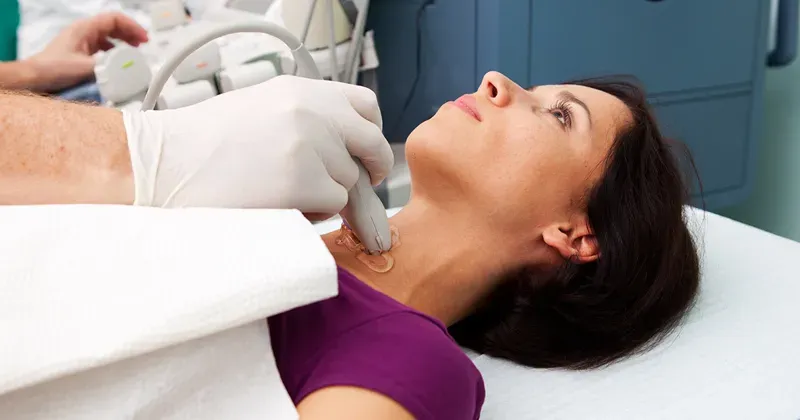
| Thyroid Ultrasound | Imaging to assess gland structure, nodules, and size | From 300 |
| Health Checkup Package (includes thyroid) | Comprehensive screening including thyroid, CBC, liver, kidney, lipids, glucose, and more | From 249 |
Prices are indicative self-pay rates. Most thyroid tests are covered by insurance when ordered by a physician. Contact DCDC for exact pricing and insurance coverage details.
Most thyroid blood tests are fully covered by UAE health insurance when ordered by a licensed physician with clinical justification. DCDC processes direct billing with 20+ insurance partners, meaning you typically pay nothing out of pocket beyond any applicable copayment. For self-pay patients, our thyroid panel starting from AED 149 offers exceptional value with same-day results from our on-site laboratory.
Hypothyroidism vs Hyperthyroidism: Comparison Table
The following table provides a side-by-side comparison of the two main types of thyroid dysfunction, helping you identify which pattern your symptoms most closely match:
| Feature | Hypothyroidism (Underactive) | Hyperthyroidism (Overactive) |
|---|---|---|
| Metabolic Rate | Slowed — everything runs slower | Accelerated — everything runs faster |
| Weight | Gain (2-5+ kg despite normal diet) | Loss (despite increased appetite) |
| Energy | Fatigue, sluggishness, excessive sleep | Restlessness, insomnia, wired feeling |
| Temperature | Cold intolerance, cold hands/feet | Heat intolerance, excessive sweating |
| Heart Rate | Slow (below 60 bpm) | Fast (above 100 bpm) or irregular |
| Mood | Depression, brain fog, memory issues | Anxiety, irritability, nervousness |
| Skin | Dry, rough, pale, cool | Warm, moist, flushed, smooth |
| Hair | Coarse, brittle, thinning, eyebrow loss | Fine, silky, diffuse thinning |
| Digestion | Constipation | Frequent bowel movements, diarrhoea |
| Periods | Heavy, prolonged, or frequent | Light, short, or absent |
| TSH Level | High (above 4.0 mIU/L) | Low (below 0.4 mIU/L) |
| Most Common Cause | Hashimoto's thyroiditis (autoimmune) | Graves' disease (autoimmune) |
Many patients present with overlapping or atypical symptoms. A blood test is the only definitive way to confirm and differentiate thyroid dysfunction.
Living in Dubai: Environmental Factors Affecting Your Thyroid
Dubai's unique environment presents specific challenges for thyroid health that residents should be aware of. Understanding these factors can help you take proactive steps to protect your thyroid function.
Vitamin D Deficiency
Despite abundant sunshine, up to 80 percent of UAE residents are vitamin D deficient due to sun avoidance during extreme heat, indoor-centric lifestyles, and cultural practices. Multiple studies have demonstrated that low vitamin D levels are associated with higher rates of Hashimoto's thyroiditis and Graves' disease. Vitamin D plays a critical role in immune regulation, and its deficiency may allow the immune system to attack the thyroid gland. Regular vitamin D testing and supplementation are recommended as part of thyroid care in Dubai.
Iodine Considerations
Iodine is the essential building block for thyroid hormones — the thyroid cannot function without it. While the UAE mandates iodisation of table salt, the increasing consumption of processed foods, restaurant meals, and non-iodised speciality salts (Himalayan pink salt, sea salt) may lead to suboptimal iodine intake for some individuals. Conversely, excessive iodine from seaweed-based health supplements or iodine-rich foods can paradoxically trigger thyroid dysfunction in susceptible individuals.
Chronic Stress and Cortisol
Dubai's competitive work environment, long commutes, and expatriate lifestyle pressures generate chronic stress that directly impacts thyroid function through the hypothalamic-pituitary-thyroid axis. Elevated cortisol levels suppress TSH production, reduce T4 to T3 conversion, and increase reverse T3 (an inactive form). Chronic stress can both trigger new thyroid disease and worsen existing conditions. Stress management through exercise, adequate sleep, and work-life balance supports thyroid health.
Environmental Endocrine Disruptors
Exposure to certain chemicals in plastics (BPA), pesticides, flame retardants, and personal care products can interfere with thyroid hormone production and metabolism. While this is a global concern, awareness in rapidly developing urban environments like Dubai is important. Minimising exposure by using glass containers, choosing chemical-free personal care products, and filtering drinking water can reduce thyroid-disrupting chemical exposure.
Dr. Hadeel's Clinical Perspective on Thyroid Screening
"Thyroid disorders are what I call the great mimickers in medicine," explains Dr. Hadeel Elnur, General Practitioner at DCDC. "In my years of practice in Dubai Healthcare City, I have seen countless patients who suffered for months or years with fatigue, weight issues, or mood disturbances — visiting multiple specialists and trying various treatments — before a simple thyroid blood test revealed the underlying cause. As a GP, I am often the first point of contact, and I make it my practice to include thyroid screening whenever a patient presents with these non-specific complaints. The test takes five minutes, costs from AED 149, and can completely change someone's treatment trajectory."
At DCDC, which holds a 4.8/5 rating from over 1,000 Google reviews and 98% patient satisfaction, the integration between our on-site laboratory and specialist team means that a thyroid concern can go from initial consultation to blood test to results to specialist referral — all in a single day, all under one roof.
Book Your Thyroid Screening at DCDC
Do not wait for symptoms to worsen. Doctors Clinic Diagnostic Center offers comprehensive thyroid testing from AED 149 at our MOHAP-licensed facility in Dubai Healthcare City. Same-day results, 20+ insurance partners with direct billing, and specialist referral available immediately if needed.
Open Saturday to Thursday 8 AM to 10 PM, Friday 9 AM to 9 PM. Free parking available.
Verwandte Leistungen im DCDC
Fachkundige Betreuung und moderne Diagnostik in Dubai Healthcare City
Frequently Asked Questions
Final Thoughts: Listen to Your Body
Thyroid disorders are among the most common yet frequently overlooked health conditions in Dubai. The symptoms develop so gradually that many people adapt to feeling unwell without realising that a simple, affordable blood test could reveal the cause and lead to effective treatment. If you recognise multiple symptoms from this guide — particularly the combination of fatigue, weight changes, mood disturbances, temperature intolerance, or menstrual irregularities — thyroid testing should be your next step.
At Doctors Clinic Diagnostic Center in Dubai Healthcare City, we make thyroid testing simple and accessible. From your initial consultation to blood collection at our on-site laboratory to same-day results, the entire process is designed for efficiency and accuracy. With thyroid panels starting from AED 149, 20+ insurance partners, and integrated specialist referral when needed, there is no reason to continue wondering whether your thyroid is the problem. Book your appointment today or walk in — our doors are open Saturday to Thursday 8 AM to 10 PM, and Friday 9 AM to 9 PM.
Quellen und Referenzen
Dieser Artikel wurde von unserem medizinischen Team überprüft und bezieht sich auf folgende Quellen:
- American Thyroid Association - Thyroid Disease Information
- The Lancet - Global Epidemiology of Hyperthyroidism and Hypothyroidism
- Endocrine Reviews - Vitamin D and Autoimmune Thyroid Disease
- British Medical Journal - Thyroid Dysfunction: Diagnosis and Management
- Emirates Medical Journal - Prevalence of Thyroid Disorders in the UAE
- European Thyroid Association - Guidelines for Thyroid Disorders
Medizinische Inhalte auf dieser Website werden von DHA-lizenzierten Ärzten überprüft. Siehe unsere redaktionelle Richtlinien für weitere Informationen.

Verfasst von
Dr. Hadeel Elnur
General Practitioner
MD, General Practice
Dr. Hadeel Elnur is a General Practitioner at Doctors Clinic Diagnostic Center (DCDC) in Dubai Healthcare City.
Related Articles
Thyroid Test Dubai: TSH, T3 & T4 Complete Guide (2026)
Thyroid Ultrasound Dubai: When You Need Imaging (2026)

Hypothyroidism Treatment Dubai: Options & Costs (2026)
Blood Test Dubai: Types, Cost & Complete Guide (2026)
More in General Health
Pre Employment Medical Test Dubai: Cost (2026)
Weiterlesen
Bronchitis Treatment Dubai: Symptoms & Care (2026)
Weiterlesen
Wound Care at Home Dubai: Full Guide (2026)
Weiterlesen
Dizziness Causes Dubai: When to Get Checked (2026)
Weiterlesen
Elderly Care at Home Dubai: Full Guide (2026)
WeiterlesenIV Drip at Home Dubai: From AED 449 (2026)
Weiterlesen© 2026 Doctors Clinic Diagnostic Center (DCDC), Dubai Healthcare City. Originally published at https://doctorsclinicdubai.ae/blog/thyroid-disorder-signs-dubai. All rights reserved. Unauthorized reproduction is prohibited.