
Book Your Appointment
Verified Patient Reviews of DCDC Diagnostic Center in Dubai
Verified reviews and real patient stories from Dubai Healthcare City
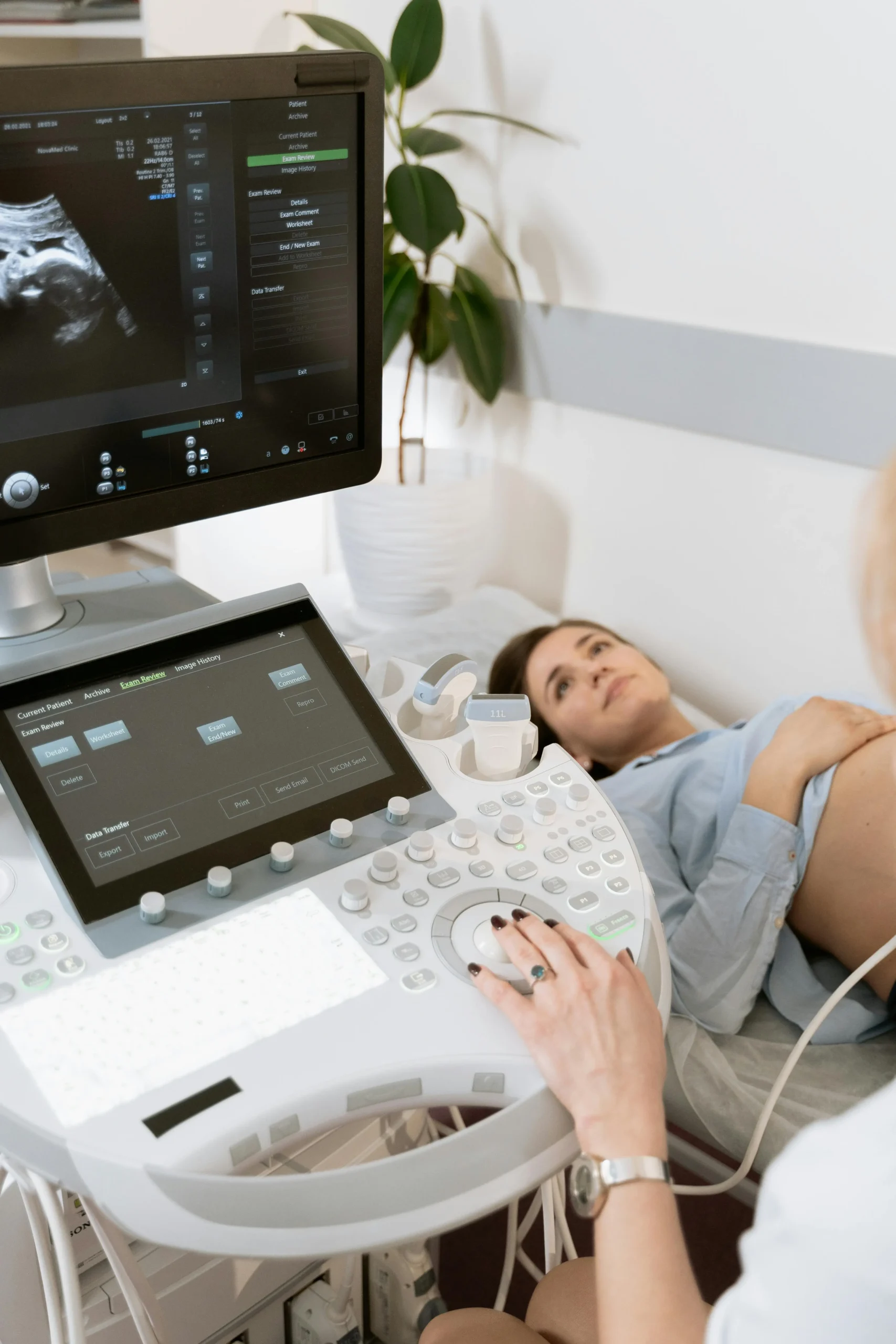
I'm very satisfied with this medical clinic. I had my first pregnancy screening here. It was affordable and very professional. The radiologist was welcoming, kind, and made the experience great.
Aizhan Tokmanbetova
Hurt my knee Friday night and got an MRI appointment Sunday evening (booked Sunday afternoon). Waited about 2 minutes and was done in just over 30 minutes. The team was amazing, friendly and efficient.
Kirsten Evans
Dr. Osama's team was gentle and amazing. After a bad experience elsewhere, my pelvic exam here was much more professional. Great report and very precise.
Mary





UTI Treatment in Dubai: Urinary Tract Infection Care & Recurrent UTI Treatment
Rapid Relief and Recurrence Prevention

Quick Diagnosis
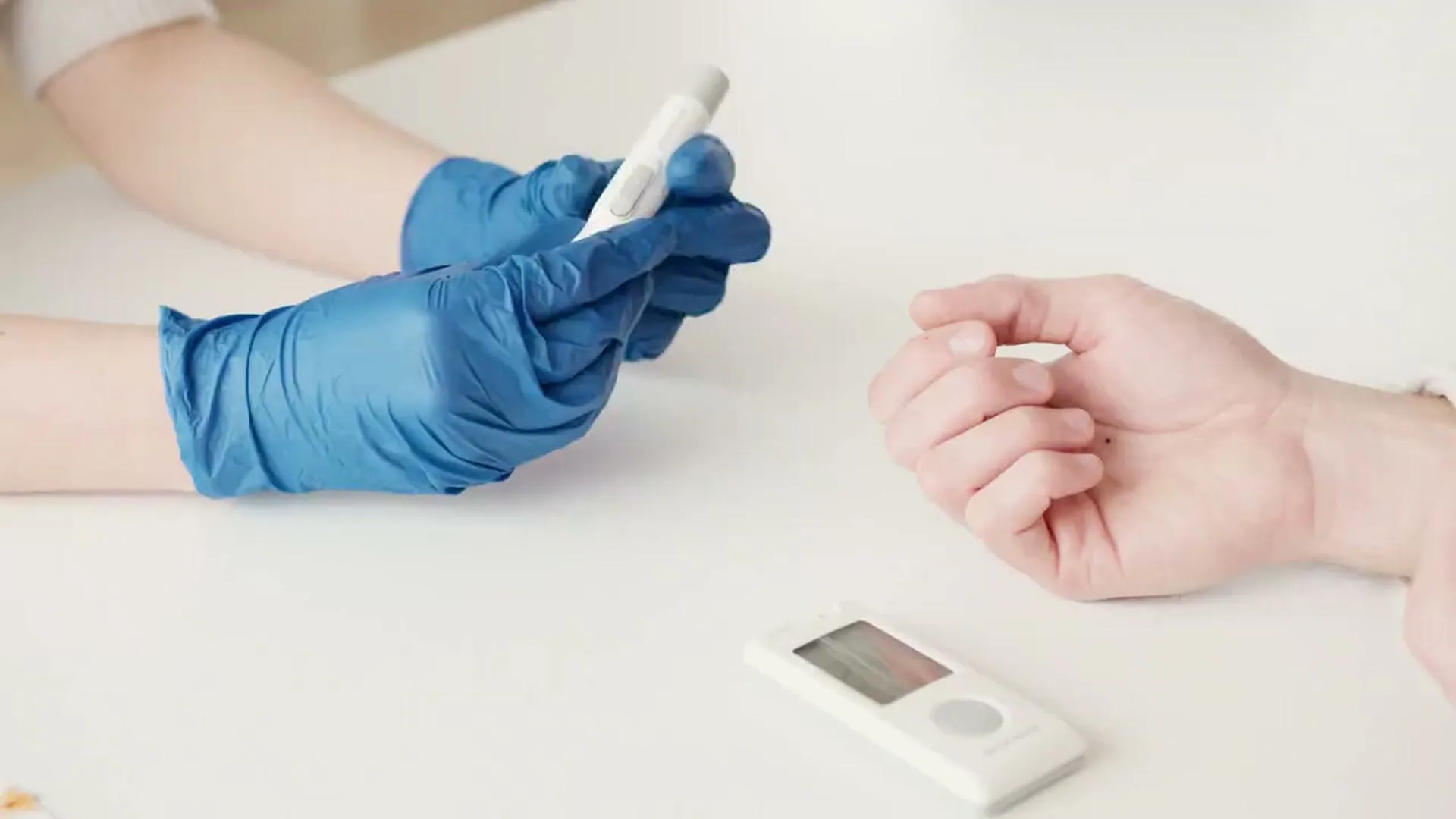
Same-day urine testing
Targeted Cure
Culture guided antibiotics
Prevention
Recurrence reduction plans
UTI treatment in Dubai starts early — Urinary Tract Infections are common and uncomfortable. Quick treatment relieves symptoms and prevents spread to the kidneys. If you are searching for a UTI clinic in Dubai for same-day testing and treatment, our clinic provides comprehensive urinary tract infection care and recurrent UTI treatment services.
At our UTI clinic, with walk-in access at our DHCC ground-floor facility near Oud Metha, we offer same-day urine testing, culture when needed, and targeted antibiotics with stewardship to avoid overuse. Our UTI treatment Dubai provides bladder infection treatment with onsite labs to speed up relief.
Located in Umm Hurair 2, we manage recurrent UTI treatment by finding causes (stones, hydration, hygiene, or anatomy) and creating prevention plans with our kidney specialist Dubai team so you stay infection free. Our UTI treatment cost is covered by most insurance, and patients looking for a UTI doctor near me will find convenient walk-in access.
UTIs are particularly common in women, with studies showing that approximately 50-60% of women will experience at least one UTI in their lifetime. In Dubai's hot climate, dehydration is a significant contributing factor that concentrates bacteria in the urinary tract. Our clinicians understand the local risk factors and provide culturally sensitive care, ensuring patients feel comfortable discussing urinary symptoms and receiving appropriate treatment without delay.
Antibiotic stewardship is a key principle of our UTI management approach. With growing antibiotic resistance worldwide, we prioritize urine culture-guided treatment to ensure you receive the most effective antibiotic for your specific infection. This targeted approach avoids unnecessary broad-spectrum antibiotics, reduces the risk of resistance development, and improves treatment outcomes. For recurrent infections, we investigate underlying causes thoroughly rather than simply prescribing repeated antibiotic courses.
Quick Diagnosis
Same-day urine testing
Targeted Cure
Culture guided antibiotics
Prevention
Recurrence reduction plans
UTI Treatment in Dubai: Urinary Tract Infection Care & Recurrent UTI Treatment
Rapid Relief and Recurrence Prevention
UTI treatment in Dubai starts early — Urinary Tract Infections are common and uncomfortable. Quick treatment relieves symptoms and prevents spread to the kidneys. If you are searching for a UTI clinic in Dubai for same-day testing and treatment, our clinic provides comprehensive urinary tract infection care and recurrent UTI treatment services.
At our UTI clinic, with walk-in access at our DHCC ground-floor facility near Oud Metha, we offer same-day urine testing, culture when needed, and targeted antibiotics with stewardship to avoid overuse. Our UTI treatment Dubai provides bladder infection treatment with onsite labs to speed up relief.
Located in Umm Hurair 2, we manage recurrent UTI treatment by finding causes (stones, hydration, hygiene, or anatomy) and creating prevention plans with our kidney specialist Dubai team so you stay infection free. Our UTI treatment cost is covered by most insurance, and patients looking for a UTI doctor near me will find convenient walk-in access.
UTIs are particularly common in women, with studies showing that approximately 50-60% of women will experience at least one UTI in their lifetime. In Dubai's hot climate, dehydration is a significant contributing factor that concentrates bacteria in the urinary tract. Our clinicians understand the local risk factors and provide culturally sensitive care, ensuring patients feel comfortable discussing urinary symptoms and receiving appropriate treatment without delay.
Antibiotic stewardship is a key principle of our UTI management approach. With growing antibiotic resistance worldwide, we prioritize urine culture-guided treatment to ensure you receive the most effective antibiotic for your specific infection. This targeted approach avoids unnecessary broad-spectrum antibiotics, reduces the risk of resistance development, and improves treatment outcomes. For recurrent infections, we investigate underlying causes thoroughly rather than simply prescribing repeated antibiotic courses.

Dr. Manish Tripathi
Explore Our Services
Comprehensive uti treatment services at DCDC Dubai Healthcare City.



All services performed by DHA-licensed specialists
Who Should Get UTI Treatment?
See a doctor quickly if you have UTI symptoms to avoid kidney infection.
Burning sensation when urinating
Frequent or intense urge to urinate
Cloudy, dark, or bloody urine
Pelvic pain (women)
Fever or chills (sign of kidney infection)
Recurrent infections
Why Choose DCDC for UTI Treatment?
MOHAP-licensed clinic in DCDC with onsite urine testing, antibiotic stewardship, and recurrence prevention. Same-day appointments when available; limited capacity.
MOHAP Licensed
Licensed facility in DHCC (MOHAP license NIMY7VY5-240925) with strict safety standards.
UTI Specialists
Clinicians experienced in simple and complicated UTIs.
Same-Day Access
Same-day testing and treatment when available; urgent cases prioritized.
Targeted Antibiotics
Culture guided treatment to avoid resistance.
Prevention Focus
Hydration, hygiene, and underlying cause evaluation.
Prime DHCC Location
Building 64, Block A, Dubai Healthcare City with easy access and parking.
Your Comfortable Visit
A simple, step-by-step UTI scan process designed for comfort, speed, and accuracy.
UTI Consultation Fees
UTI pricing in Dubai varies by service type and insurance coverage for various service types.
- Pricing varies by scan type and whether contrast is required
- Insurance coverage accepted with referral and verification
- Transparent self-pay rates available with instant quote on request
Insurance verification in minutes • No hidden fees • Fast response on WhatsApp
Patient Guide
What to Expect During Your UTI Visit
Fast testing, targeted antibiotics, and prevention steps to avoid recurrence.
Insurance & Location
Insurance Partners
- •20+ insurance providers in Dubai including Daman, AXA, ADNIC, and others
- •Pre-authorization support and direct billing (where applicable)
- •Coverage verification before your appointment at our Dubai Healthcare City clinic
- •Transparent pricing with no hidden fees for uti treatment services








Visit Us in Dubai Healthcare City
Doctors Clinic Diagnostic Center
Building 64, Block A, Al Razi Medical Complex, Dubai Healthcare City, Dubai, UAE
Near Oud Metha Road · Easy access from Bur Dubai, Downtown Dubai, Business Bay · Free dedicated parking available
Working Hours
Mon-Thu, Sat: 8AM - 10:30PM | Sun: 8:30AM - 10:30PM | Fri: 9AM - 10PM
How Insurance Works at DCDC
Check Coverage
Verify your plan covers UTI Treatment
Get a Referral
Some insurers require a GP referral — we can guide you
Pre-Authorization
We handle pre-auth directly with your insurer
Direct Billing
No upfront payment — we bill your insurer directly
Co-Pay Only
You only pay any applicable co-pay at the clinic
Check Coverage
Verify your plan covers UTI Treatment
Get a Referral
Some insurers require a GP referral — we can guide you
Pre-Authorization
We handle pre-auth directly with your insurer
Direct Billing
No upfront payment — we bill your insurer directly
Co-Pay Only
You only pay any applicable co-pay at the clinic
Your Specialist
Dr. Manish Tripathi
Specialist Nephrologist
MD, Specialist Nephrologist
English · Hindi
Patient Guide
Urinary Tract Infections: Causes, Treatment, and Prevention Strategies
Urinary tract infections are among the most common bacterial infections worldwide, affecting millions of people annually. Women are disproportionately affected, with approximately 50-60% experiencing at least one UTI in their lifetime and 20-30% suffering recurrent infections. In Dubai, the hot climate and associated dehydration contribute to higher UTI rates, making hydration awareness and prevention strategies particularly important. Understanding UTIs, their causes, and evidence-based prevention empowers patients to reduce their risk and seek timely treatment when symptoms occur.
UTIs occur when bacteria, most commonly Escherichia coli (E. coli) from the intestinal tract, enter the urinary system through the urethra and multiply in the bladder. The shorter female urethra makes women anatomically more susceptible. Risk factors include sexual activity, certain contraceptive methods (spermicides, diaphragms), hormonal changes (pregnancy, menopause), urinary tract abnormalities, kidney stones, catheter use, diabetes, and immunosuppression. Understanding your personal risk factors is the first step toward effective prevention.
Diagnosis of UTIs involves clinical assessment of symptoms and laboratory confirmation. Urine dipstick testing provides rapid preliminary results, detecting markers such as nitrites (produced by bacteria) and leukocyte esterase (indicating white blood cell presence). Urine culture and sensitivity testing identifies the specific bacteria causing the infection and determines which antibiotics will be effective. This culture-guided approach is essential in an era of increasing antibiotic resistance, ensuring patients receive targeted treatment that eliminates the infection while minimizing unnecessary antibiotic exposure.
Prevention of recurrent UTIs requires a multifaceted approach addressing individual risk factors. Evidence-based strategies include maintaining adequate hydration (particularly important in Dubai's climate), practicing proper hygiene, urinating after intercourse, avoiding irritating feminine products, and considering cranberry supplements. For post-menopausal women, topical vaginal estrogen restores protective vaginal flora and reduces UTI risk significantly. For women with frequent recurrences despite behavioral measures, medical options include low-dose prophylactic antibiotics, post-coital prophylactic antibiotics, and in some cases, self-start therapy where patients begin a pre-prescribed antibiotic course at the first sign of symptoms. Regular follow-up ensures the prevention strategy is effective and adjusted as needed.
Urinary Conditions We Diagnose and Treat
Acute Cystitis (Bladder Infection)
Diagnosis and targeted antibiotic treatment of lower urinary tract infection with follow-up to confirm clearance.
Pyelonephritis (Kidney Infection)
Urgent assessment and treatment of upper urinary tract infection with appropriate antibiotic therapy and monitoring.
Recurrent UTIs
Investigation of underlying causes with personalized prevention plans including prophylactic strategies and lifestyle modifications.
Complicated UTIs
Management of UTIs in patients with diabetes, kidney disease, structural abnormalities, or immunosuppression requiring specialized care.
Asymptomatic Bacteriuria
Detection and treatment of bacterial urine in pregnant women and pre-surgical patients where treatment is clinically indicated.
Urethritis
Evaluation and treatment of urethral inflammation, including STI-related urethritis, with appropriate testing and antibiotics.
Related Articles
Kidney Health: Prevention Tips for Everyone
Essential strategies for protecting kidney health, including hydration and infection prevention in Dubai.
Renal Doppler Ultrasound: Kidney Assessment
How ultrasound helps evaluate the urinary tract for stones, obstruction, and structural issues.
Women's Health Screening in Dubai
Comprehensive screening that includes urinary health assessment as part of women's preventive care.
Related Services
Explore other diagnostic and consultation services available at our Dubai Healthcare City clinic.
Frequently Asked Questions
Common questions about UTI Treatment in Dubai.
While some very mild lower UTIs may occasionally resolve without treatment, most UTIs require antibiotics to clear the infection effectively and prevent dangerous complications. Without treatment, bacteria can ascend from the bladder to the kidneys, causing pyelonephritis (kidney infection), which presents with fever, flank pain, nausea, and can lead to sepsis if severe. Untreated UTIs during pregnancy carry additional risks including preterm labor. Relying on self-resolution risks prolonged symptoms, kidney damage, and the development of complicated infections that are harder to treat. We recommend seeking medical attention for any urinary symptoms rather than waiting to see if they resolve.
Recurrent UTIs (defined as 3 or more infections in 12 months or 2 or more in 6 months) have multiple potential underlying causes. In women, the short urethra and proximity to the vaginal and anal areas create inherent susceptibility. Specific risk factors include sexual intercourse, spermicide use, diaphragm contraception, post-menopausal estrogen decline causing vaginal atrophy, incomplete bladder emptying, kidney stones, structural urinary tract abnormalities, and diabetes. Our evaluation includes urine culture, ultrasound to assess the urinary tract, and review of your history and habits. Prevention strategies are tailored to your specific risk factors and may include prophylactic antibiotics, post-coital antibiotics, vaginal estrogen, cranberry supplements, and behavioral modifications.
Prevention involves multiple strategies addressing different risk factors. Stay well-hydrated, drinking at least 2-3 liters of water daily (especially important in Dubai's climate). Urinate when you feel the need rather than holding it, as stagnant urine promotes bacterial growth. For women, wipe from front to back after using the toilet and urinate within 30 minutes after sexual intercourse. Avoid irritating feminine products such as douches, deodorant sprays, and scented pads. Wear breathable cotton underwear. For post-menopausal women, topical vaginal estrogen can restore protective vaginal flora. Cranberry products may provide modest additional prevention. For frequent recurrences, your doctor may recommend low-dose prophylactic antibiotics.
Most patients notice significant improvement in urinary burning and frequency within 24-48 hours of starting appropriate antibiotics. However, it is essential to complete the full prescribed course (typically 3-7 days for lower UTIs, 7-14 days for kidney infections) even after symptoms resolve. Stopping antibiotics early allows surviving bacteria to multiply and potentially develop resistance, leading to harder-to-treat recurrences. If symptoms do not improve within 48-72 hours or worsen during treatment, contact us as the antibiotic may need to be changed based on culture results. Increased water intake during treatment helps flush bacteria from the urinary tract and speeds recovery.
Yes, though less common than in women due to the longer male urethra. UTIs in men should always be thoroughly investigated as they may indicate underlying conditions such as prostate enlargement (benign prostatic hyperplasia), prostate infection (prostatitis), kidney stones, urinary tract structural abnormalities, or in rare cases, urological malignancy. Male UTIs are considered complicated by definition and typically require longer antibiotic courses (7-14 days). Evaluation often includes urine culture, prostate examination, ultrasound of the kidneys and bladder, and sometimes cystoscopy. Any man with a UTI should see a doctor rather than self-treating.
A lower UTI (cystitis) affects the bladder and urethra, causing burning urination, frequency, urgency, and sometimes blood in the urine. It is uncomfortable but not typically dangerous when treated promptly. A kidney infection (pyelonephritis) occurs when bacteria ascend from the bladder to one or both kidneys, causing fever, chills, flank or back pain, nausea, and vomiting in addition to urinary symptoms. Pyelonephritis is a more serious condition that may require intravenous antibiotics and hospitalization in severe cases. If you develop fever, flank pain, or feel significantly unwell with urinary symptoms, seek urgent medical attention as kidney infection requires aggressive treatment.
Recurrent or severe kidney infections (pyelonephritis) can cause permanent kidney scarring, particularly in children or people with structural urinary tract abnormalities. This scarring, called reflux nephropathy, can reduce kidney function over time and contribute to chronic kidney disease and hypertension. Additionally, UTIs associated with kidney stones can cause complicated infections that damage kidney tissue. For most adults with uncomplicated lower UTIs treated promptly, long-term kidney damage is unlikely. However, preventing recurrent infections and treating kidney infections aggressively are important for kidney preservation. Regular kidney function monitoring is recommended for anyone with a history of recurrent pyelonephritis.
UTIs are more common during pregnancy due to hormonal changes that relax the urinary tract muscles, the growing uterus compressing the bladder and ureters, and changes in urine composition. Pregnant women may also have asymptomatic bacteriuria (bacteria in urine without symptoms) that should be treated because it carries a 20-30% risk of progressing to pyelonephritis during pregnancy. UTIs in pregnancy can trigger preterm labor and affect fetal health, so prompt treatment is essential. Safe antibiotics are available for use during pregnancy, and regular urine screening is part of standard antenatal care.
Key Facts
Medical Review & Oversight
All services are provided under the supervision of licensed medical professionals in our MOHAP-accredited facility.