Advanced PRP Treatment in Dubai
Platelet-Rich Plasma Therapy • Expert PRP Injections in DHCC

Book Your Appointment
Verified Patient Reviews of DCDC Diagnostic Center in Dubai
Verified reviews and real patient stories from Dubai Healthcare City
I'm very satisfied with this medical clinic. I had my first pregnancy screening here. It was affordable and very professional. The radiologist was welcoming, kind, and made the experience great.
Aizhan Tokmanbetova
Hurt my knee Friday night and got an MRI appointment Sunday evening (booked Sunday afternoon). Waited about 2 minutes and was done in just over 30 minutes. The team was amazing, friendly and efficient.
Kirsten Evans
Dr. Osama's team was gentle and amazing. After a bad experience elsewhere, my pelvic exam here was much more professional. Great report and very precise.
Mary

PRP Treatment in Dubai: Platelet-Rich Plasma Therapy for Joint Pain & Sports Injuries
Expert PRP Injections by Orthopedic Specialists

Natural
Uses Your Own Blood
Regenerative
May Support Healing
Safe
Minimal Side Effects
Platelet-Rich Plasma (PRP) therapy uses your own concentrated platelets to deliver growth factors directly to injured tissues. PRP is a regenerative treatment option for joint pain, tendonitis, and sports injuries without surgery. Most patients see improvement within 2-4 weeks as tissue repairs itself. Join 500+ patients who chose PRP at DCDC.
At Doctors Clinic Diagnostic Center in Dubai Healthcare City, orthopedic specialists perform PRP injections with sterile technique and targeted delivery for tendon and joint conditions including mild osteoarthritis, tennis elbow, Achilles tendinopathy, and partial rotator cuff tears. Our PRP treatment Dubai facility provides orthopedic PRP Dubai Healthcare City services, including PRP near Oud Metha and PRP for sports injury Dubai.
The science behind PRP is straightforward: platelets contain hundreds of growth factors including Platelet-Derived Growth Factor, Transforming Growth Factor-Beta, and Vascular Endothelial Growth Factor. When concentrated to 3 to 5 times their normal blood levels and injected into damaged tissue, these growth factors stimulate cellular repair, promote collagen synthesis, reduce inflammation, and support new blood vessel formation. This creates an optimal healing environment at the injury site.
PRP therapy has gained significant traction in orthopedic medicine because it addresses the root cause of many chronic conditions rather than simply masking symptoms. Unlike cortisone injections that provide temporary anti-inflammatory relief but can weaken tissue with repeated use, PRP promotes actual tissue regeneration. This makes it particularly valuable for chronic tendon conditions and early to moderate osteoarthritis where conservative measures have plateaued.
Limited same-day PRP slots available. Book now. The PRP procedure is quick with minimal downtime, helping you return to activity safely. Free consultation to determine if PRP is right for you.
Natural
Uses Your Own Blood
Regenerative
May Support Healing
Safe
Minimal Side Effects
PRP Treatment in Dubai: Platelet-Rich Plasma Therapy for Joint Pain & Sports Injuries
Expert PRP Injections by Orthopedic Specialists
Platelet-Rich Plasma (PRP) therapy uses your own concentrated platelets to deliver growth factors directly to injured tissues. PRP is a regenerative treatment option for joint pain, tendonitis, and sports injuries without surgery. Most patients see improvement within 2-4 weeks as tissue repairs itself. Join 500+ patients who chose PRP at DCDC.
At Doctors Clinic Diagnostic Center in Dubai Healthcare City, orthopedic specialists perform PRP injections with sterile technique and targeted delivery for tendon and joint conditions including mild osteoarthritis, tennis elbow, Achilles tendinopathy, and partial rotator cuff tears. Our PRP treatment Dubai facility provides orthopedic PRP Dubai Healthcare City services, including PRP near Oud Metha and PRP for sports injury Dubai.
The science behind PRP is straightforward: platelets contain hundreds of growth factors including Platelet-Derived Growth Factor, Transforming Growth Factor-Beta, and Vascular Endothelial Growth Factor. When concentrated to 3 to 5 times their normal blood levels and injected into damaged tissue, these growth factors stimulate cellular repair, promote collagen synthesis, reduce inflammation, and support new blood vessel formation. This creates an optimal healing environment at the injury site.
PRP therapy has gained significant traction in orthopedic medicine because it addresses the root cause of many chronic conditions rather than simply masking symptoms. Unlike cortisone injections that provide temporary anti-inflammatory relief but can weaken tissue with repeated use, PRP promotes actual tissue regeneration. This makes it particularly valuable for chronic tendon conditions and early to moderate osteoarthritis where conservative measures have plateaued.
Limited same-day PRP slots available. Book now. The PRP procedure is quick with minimal downtime, helping you return to activity safely. Free consultation to determine if PRP is right for you.
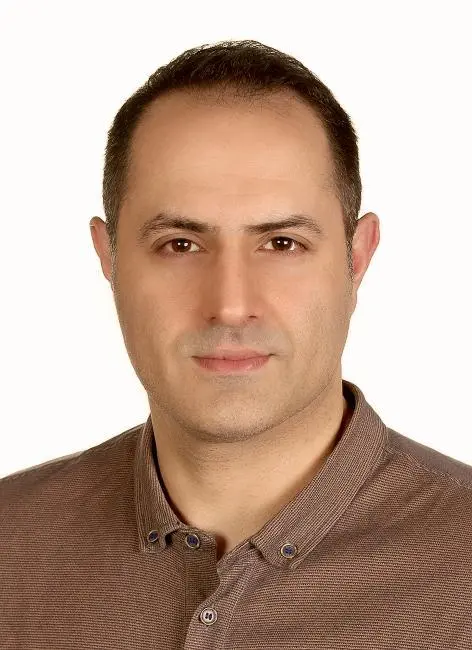
Dr. Mersad Moosavi
Our PRP Treatment Services
Comprehensive prp treatment services at DCDC Dubai Healthcare City.


All services performed by DHA-licensed specialists
Who Should Get PRP Treatment?
PRP treatment is an option if pain persists after standard care or you want to avoid surgery.
Tennis or Golfer's Elbow not responding to rest and physiotherapy
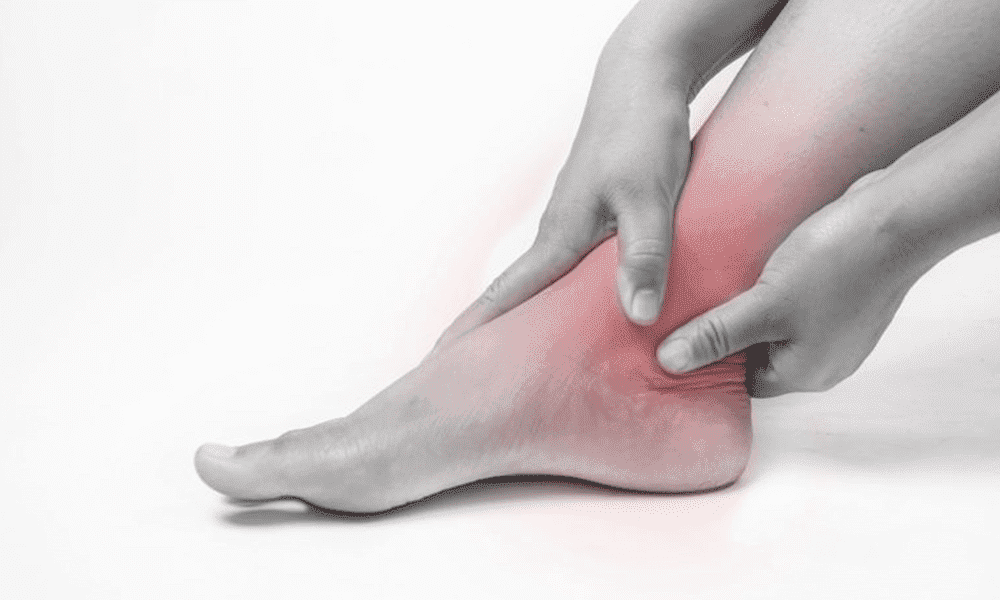
Achilles Tendonitis or chronic Achilles tendinopathy in runners
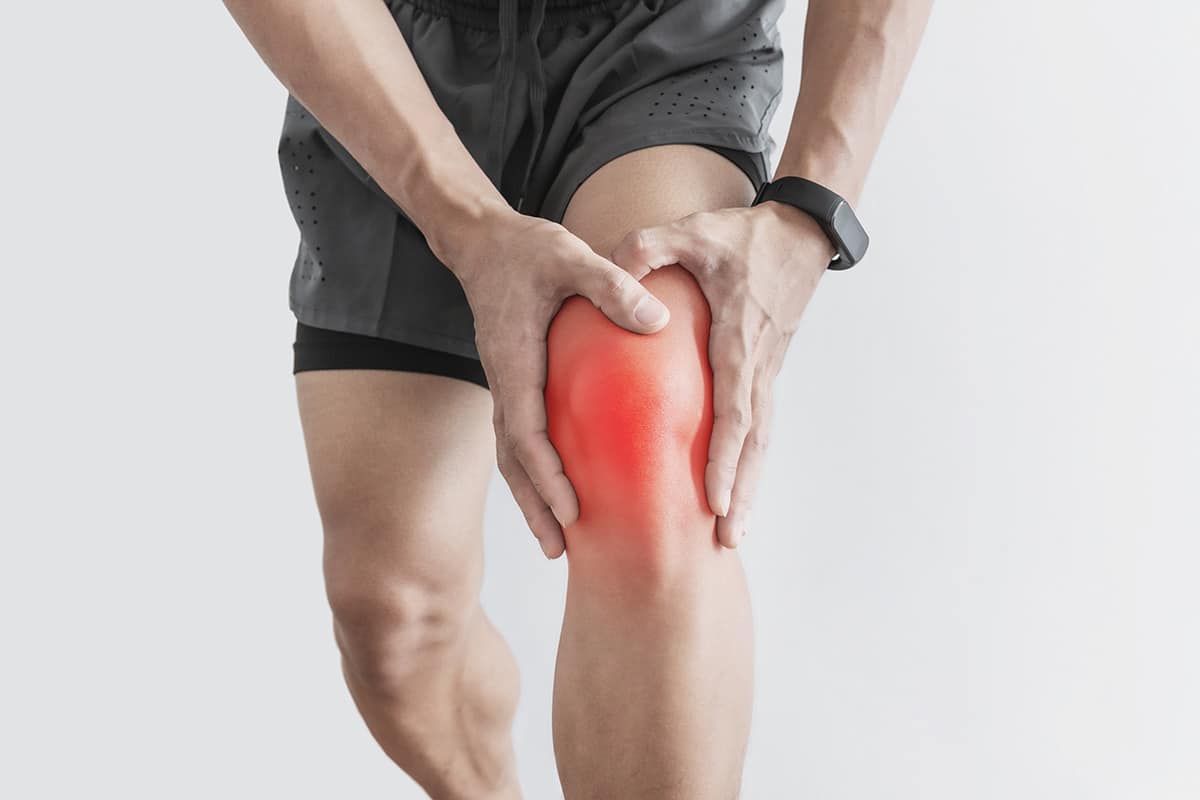
Mild to moderate Knee Osteoarthritis seeking non-surgical pain relief
Partial Rotator Cuff tears with persistent shoulder pain and weakness
Chronic Plantar Fasciitis resistant to stretching, orthotics, and cortisone
Ligament sprains with delayed healing or chronic instability
Why Choose DCDC for PRP Treatment in Dubai?
MOHAP-licensed orthopedic clinic in Dubai Healthcare City with specialist-performed PRP injections, sterile prep, and guided delivery. Same-day PRP consults when available; limited capacity.
MOHAP Licensed
Licensed facility in DHCC (MOHAP license NIMY7VY5-240925) with strict safety standards.
PRP Specialists
Orthopedic surgeons experienced in PRP injections for joints and tendons.
Same-Day PRP
Same-day PRP consultations often available; urgent pain prioritized.
Guided PRP Delivery
Targeted PRP injection delivery; guidance as indicated for accuracy.
Sterile PRP Protocols
Strict sterile prep and handling for PRP safety.
Prime DHCC Location
Building 64, Block A, Dubai Healthcare City with easy access and parking.
Your Comfortable Visit
A simple, step-by-step PRP scan process designed for comfort, speed, and accuracy.
PRP Treatment Cost
PRP pricing in Dubai varies by service type and insurance coverage for various service types.
- Pricing varies by scan type and whether contrast is required
- Insurance coverage accepted with referral and verification
- Transparent self-pay rates available with instant quote on request
Insurance verification in minutes • No hidden fees • Fast response on WhatsApp
Patient Guide
The PRP Procedure
Simple 3-step PRP injection process.
Insurance & Location
Insurance Partners
- •20+ insurance providers in Dubai including Daman, AXA, ADNIC, and others
- •Pre-authorization support and direct billing (where applicable)
- •Coverage verification before your appointment at our Dubai Healthcare City clinic
- •Transparent pricing with no hidden fees for prp treatment services








Visit Us in Dubai Healthcare City
Doctors Clinic Diagnostic Center
Building 64, Block A, Al Razi Medical Complex, Dubai Healthcare City, Dubai, UAE
Near Oud Metha Road · Easy access from Bur Dubai, Downtown Dubai, Business Bay · Free dedicated parking available
Working Hours
Sat-Thu: 8AM - 10PM | Fri: 9AM - 9PM
How Insurance Works at DCDC
Check Coverage
Verify your plan covers PRP Treatment
Get a Referral
Some insurers require a GP referral — we can guide you
Pre-Authorization
We handle pre-auth directly with your insurer
Direct Billing
No upfront payment — we bill your insurer directly
Co-Pay Only
You only pay any applicable co-pay at the clinic
Check Coverage
Verify your plan covers PRP Treatment
Get a Referral
Some insurers require a GP referral — we can guide you
Pre-Authorization
We handle pre-auth directly with your insurer
Direct Billing
No upfront payment — we bill your insurer directly
Co-Pay Only
You only pay any applicable co-pay at the clinic
Your Specialist
Dr. Mersad Moosavi
Consultant Orthopedic Surgeon
MD, Consultant Orthopedic Surgeon
Persian · English
Patient Guide
PRP Therapy: The Science of Platelet-Rich Plasma Treatment
Platelet-Rich Plasma (PRP) therapy is a regenerative medicine approach that has become an established treatment option in orthopedics over the past two decades. The treatment harnesses the body's innate healing mechanisms by concentrating platelets from the patient's own blood and delivering them directly to injured or degenerated tissue. Platelets contain alpha granules packed with growth factors, cytokines, and bioactive proteins that orchestrate the tissue repair process, making them powerful biological agents for promoting healing.
The biological rationale for PRP is compelling. When tissue is injured, platelets are among the first cells to arrive at the damage site, releasing their growth factor payload to initiate repair. Platelet-Derived Growth Factor stimulates cell proliferation and new blood vessel formation. Transforming Growth Factor-Beta promotes collagen synthesis and extracellular matrix production. Vascular Endothelial Growth Factor improves blood supply to healing tissues. By concentrating these factors and delivering them in high doses directly to the affected area, PRP amplifies the natural healing response.
Clinical evidence for PRP in orthopedics has matured considerably. Systematic reviews and meta-analyses support its effectiveness for chronic lateral epicondylitis (tennis elbow), where PRP consistently outperforms cortisone injections at 6 and 12-month follow-up. For knee osteoarthritis, multiple randomized trials demonstrate that PRP injections reduce pain and improve function more effectively than hyaluronic acid injections, particularly in patients with mild to moderate disease. Evidence for Achilles tendinopathy, patellar tendinopathy, and plantar fasciitis continues to accumulate with generally positive results.
The quality of PRP preparation significantly influences treatment outcomes. Factors including platelet concentration, leukocyte content, activation method, and injection technique all affect results. At DCDC, our orthopedic specialists use validated preparation protocols, advanced centrifugation equipment, and precise delivery techniques to optimize PRP quality and treatment effectiveness. Each patient receives a thorough evaluation to confirm appropriate indication, followed by personalized treatment planning that may integrate PRP with physiotherapy, activity modification, and ongoing monitoring for the best possible outcomes.
Conditions Treated with PRP Injections
Tennis Elbow
Chronic lateral epicondylitis with the strongest evidence base for PRP therapy
Knee Osteoarthritis
Mild to moderate cartilage wear causing pain, stiffness, and functional limitation
Achilles Tendinopathy
Chronic degeneration of the Achilles tendon causing persistent heel and ankle pain
Plantar Fasciitis
Stubborn heel pain from plantar fascia inflammation resistant to standard treatments
Rotator Cuff Tendinopathy
Partial shoulder tendon tears and chronic inflammation limiting arm movement
Patellar Tendinopathy
Jumper's knee affecting athletes involved in running, jumping, and kicking sports
Related Articles
PRP Treatment Guide
Complete guide to platelet-rich plasma therapy and its applications.
Sports Injury Recovery in Dubai
How PRP therapy supports faster recovery from athletic injuries.
Back Pain Causes and Treatment
Exploring regenerative treatment options for chronic musculoskeletal pain.
Vitamin D and Bone Health
How nutritional factors affect tissue healing and PRP treatment outcomes.
Related Services
Explore other diagnostic and consultation services available at our Dubai Healthcare City clinic.
Frequently Asked Questions
Common questions about PRP Treatment in Dubai.
The blood draw for PRP is similar to a routine blood test and causes minimal discomfort. The PRP injection itself may cause temporary pressure or mild pain at the treatment site. We use local anesthesia when injecting into sensitive areas to minimize discomfort. Post-procedure soreness at the injection site is common for 24 to 72 hours and is actually a positive sign that the healing cascade has been initiated. Acetaminophen can be used for comfort, but anti-inflammatory medications should be avoided as they counteract the PRP's mechanism of action.
The number of PRP sessions varies by condition and individual response. Many patients experience meaningful improvement after a single injection, particularly for conditions like tennis elbow. Chronic tendinopathy or moderate osteoarthritis may benefit from a series of 2 to 3 injections spaced 4 to 6 weeks apart. Your orthopedic specialist will evaluate your response after the initial treatment and recommend additional sessions only if clinically indicated. Some patients return for annual maintenance treatments to sustain their results.
PRP is not an instant pain reliever. It works by stimulating your body's natural repair mechanisms at the cellular level. Initial improvement is typically noticed within 2 to 4 weeks as inflammation subsides and tissue regeneration begins. Continued improvement occurs over 2 to 3 months as new collagen forms and matures. Maximum benefit is usually achieved by 3 to 6 months after treatment. This timeline reflects genuine tissue healing rather than temporary symptom suppression, which is why PRP often provides longer-lasting relief than cortisone injections.
Since PRP is prepared from your own blood, the risk of allergic reaction, immune rejection, or disease transmission is virtually zero. Common temporary side effects include localized soreness, mild swelling, and stiffness at the injection site lasting 1 to 3 days. Some patients experience a temporary increase in pain before improvement begins. Infection risk is extremely low due to strict sterile protocols. There are no known systemic side effects because the treatment is entirely autologous and localized.
Yes, most patients drive themselves home after PRP treatment. The procedure does not involve sedation or general anesthesia. However, if PRP was injected into your driving foot or ankle, or if you experience significant discomfort, arranging alternative transportation is recommended. We advise resting the treated area for the remainder of the day and avoiding strenuous activity for 48 hours following the injection.
Anti-inflammatory medications such as ibuprofen, naproxen, and aspirin should be stopped at least 7 days before PRP treatment because they impair platelet function and reduce the treatment's effectiveness. After PRP injection, continue avoiding anti-inflammatories for at least 2 weeks to allow the healing response to proceed unimpeded. Blood thinners should be discussed with your doctor, as adjustments may be needed. Acetaminophen (paracetamol) is safe to use before and after PRP for pain management.
Cortisone injections provide fast anti-inflammatory relief within days but offer temporary symptom suppression lasting weeks to months, and repeated use can weaken tendons and cartilage. PRP takes longer to show effects, typically 2 to 4 weeks, but promotes actual tissue repair and regeneration rather than just reducing inflammation. Studies on tennis elbow show that PRP provides superior long-term outcomes compared to cortisone at 6 and 12 months. For acute inflammatory flare-ups, cortisone may be preferred. For chronic conditions, PRP often provides more durable improvement.
Success rates vary by condition. For chronic lateral epicondylitis (tennis elbow), studies report improvement in 70 to 80 percent of patients with PRP. For knee osteoarthritis, research shows significant pain reduction and functional improvement in 60 to 70 percent of patients with mild to moderate disease. Achilles tendinopathy and plantar fasciitis show similarly encouraging results. Success depends on proper patient selection, condition severity, platelet preparation quality, and adherence to post-treatment guidelines. Advanced conditions may have lower response rates.
Key Facts
Medical Review & Oversight
All services are provided under the supervision of licensed medical professionals in our MOHAP-accredited facility.