Advanced Gynecological Treatment in Dubai
Best price in Dubai • Same-day Treatment
Book Your Appointment
Verified Patient Reviews of DCDC Diagnostic Center in Dubai
Verified reviews and real patient stories from Dubai Healthcare City
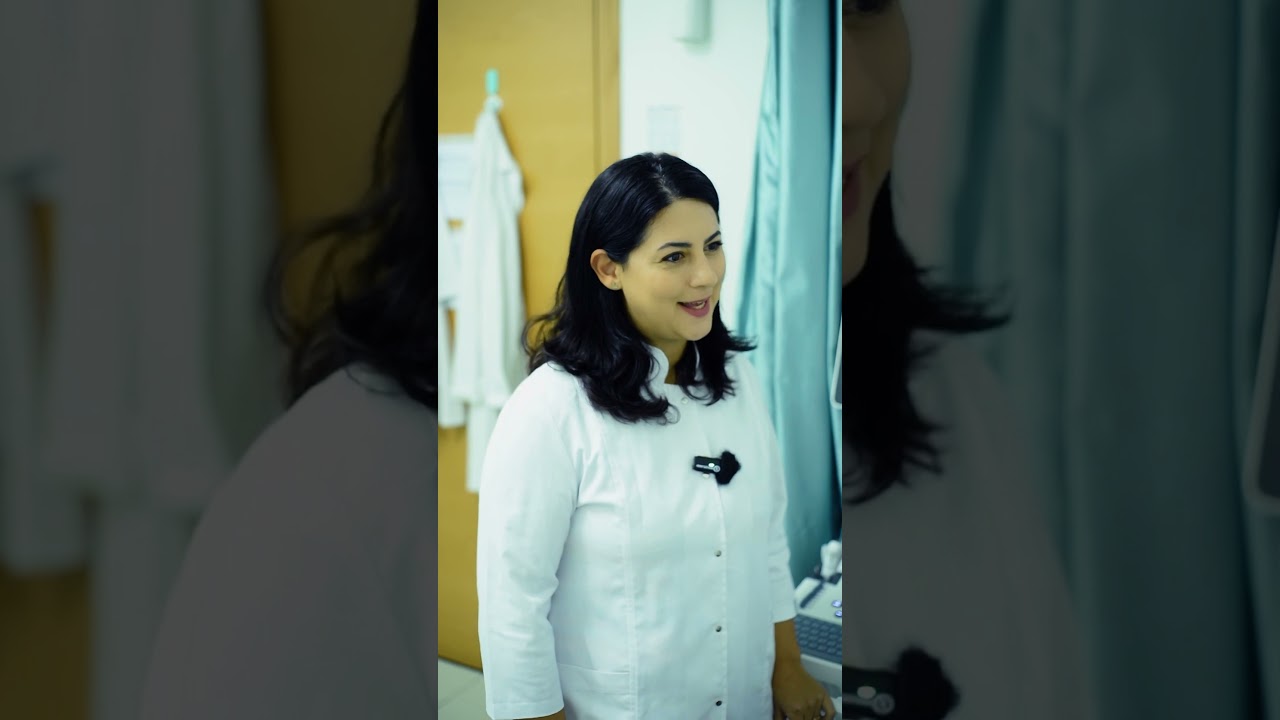
I'm very satisfied with this medical clinic. I had my first pregnancy screening here. It was affordable and very professional. The radiologist was welcoming, kind, and made the experience great.
Aizhan Tokmanbetova
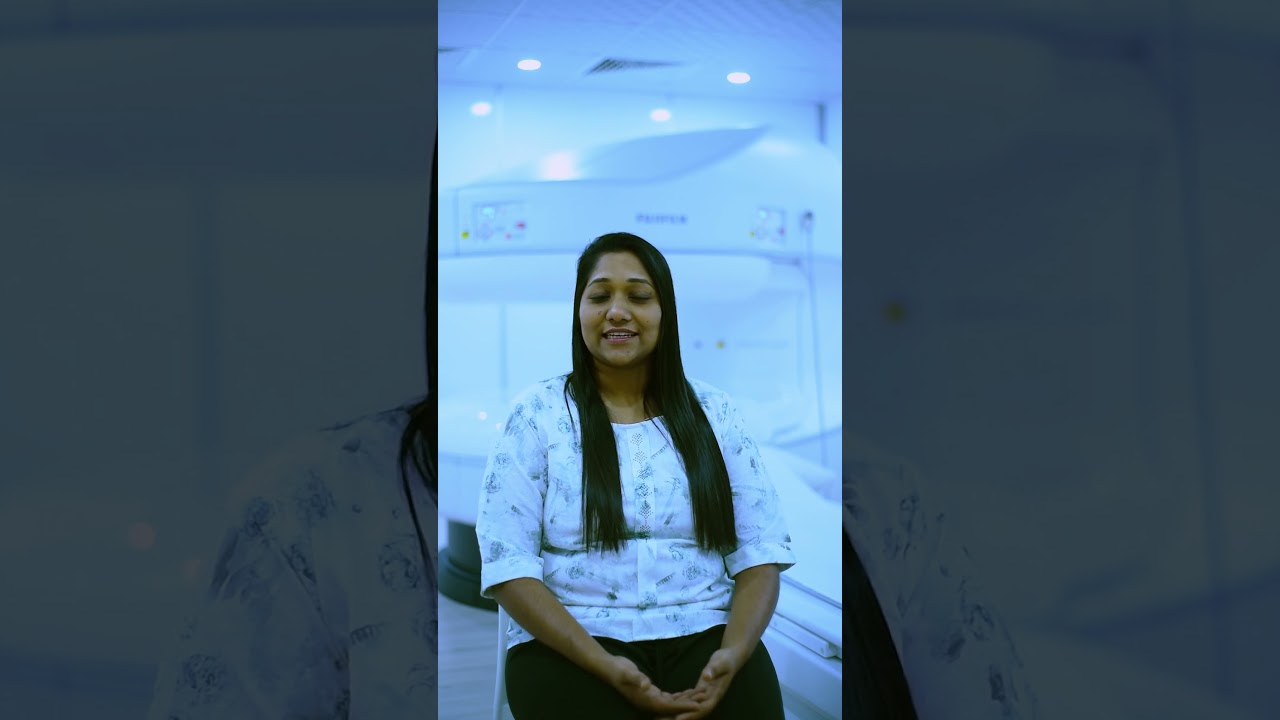
Hurt my knee Friday night and got an MRI appointment Sunday evening (booked Sunday afternoon). Waited about 2 minutes and was done in just over 30 minutes. The team was amazing, friendly and efficient.
Kirsten Evans
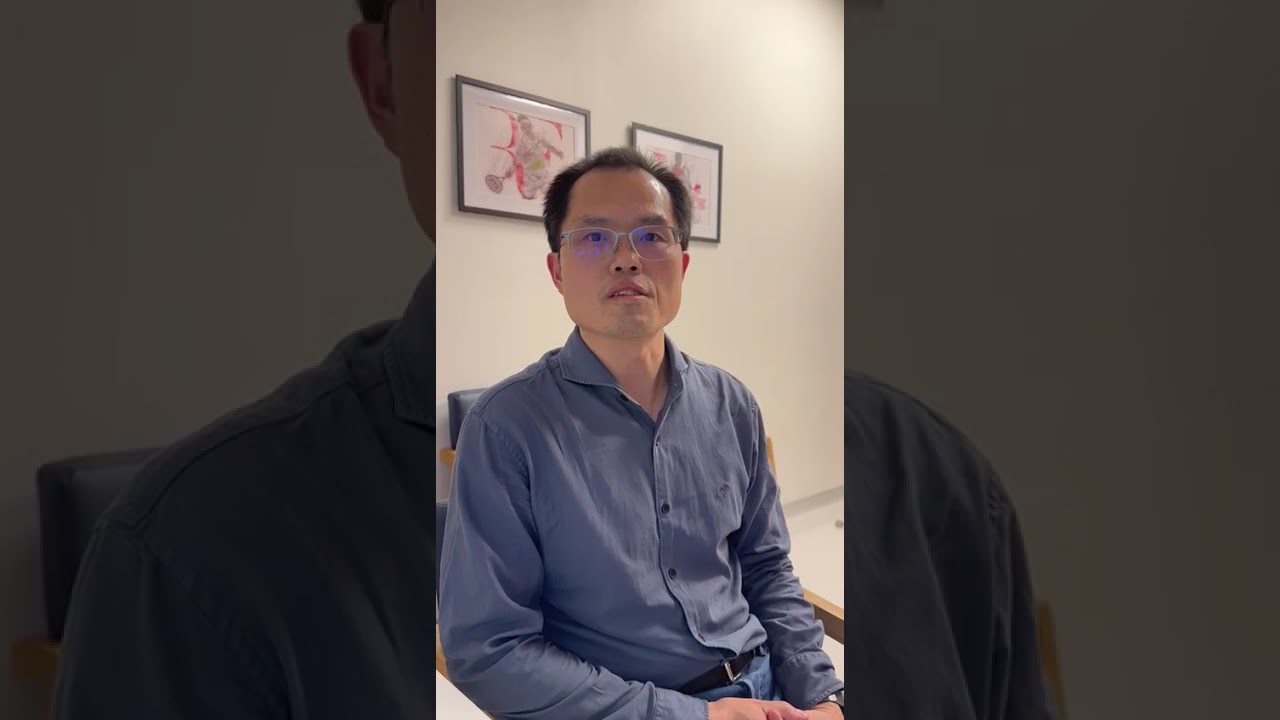
Dr. Osama's team was gentle and amazing. After a bad experience elsewhere, my pelvic exam here was much more professional. Great report and very precise.
Mary
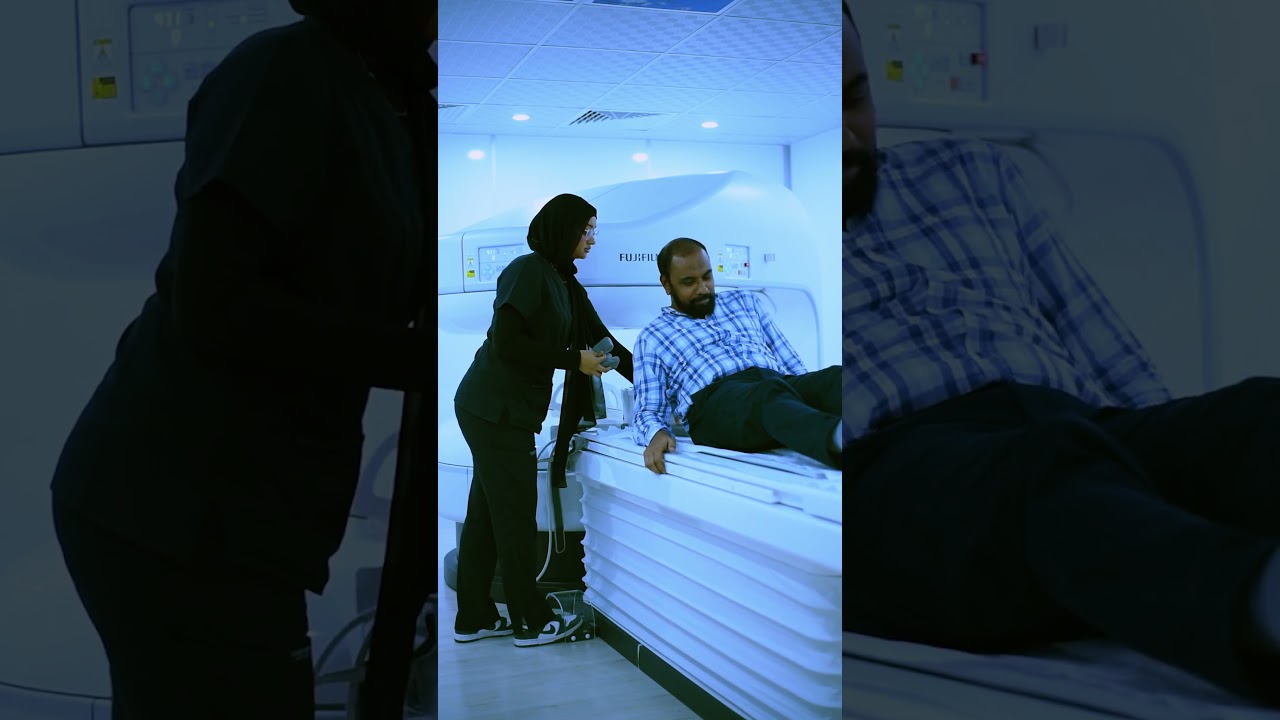

Fibroid Treatment in Dubai: Ovarian Cyst & Gynecological Disorder Treatment
Managing Fibroids, Cysts, PCOS, Endometriosis & Pelvic Pain
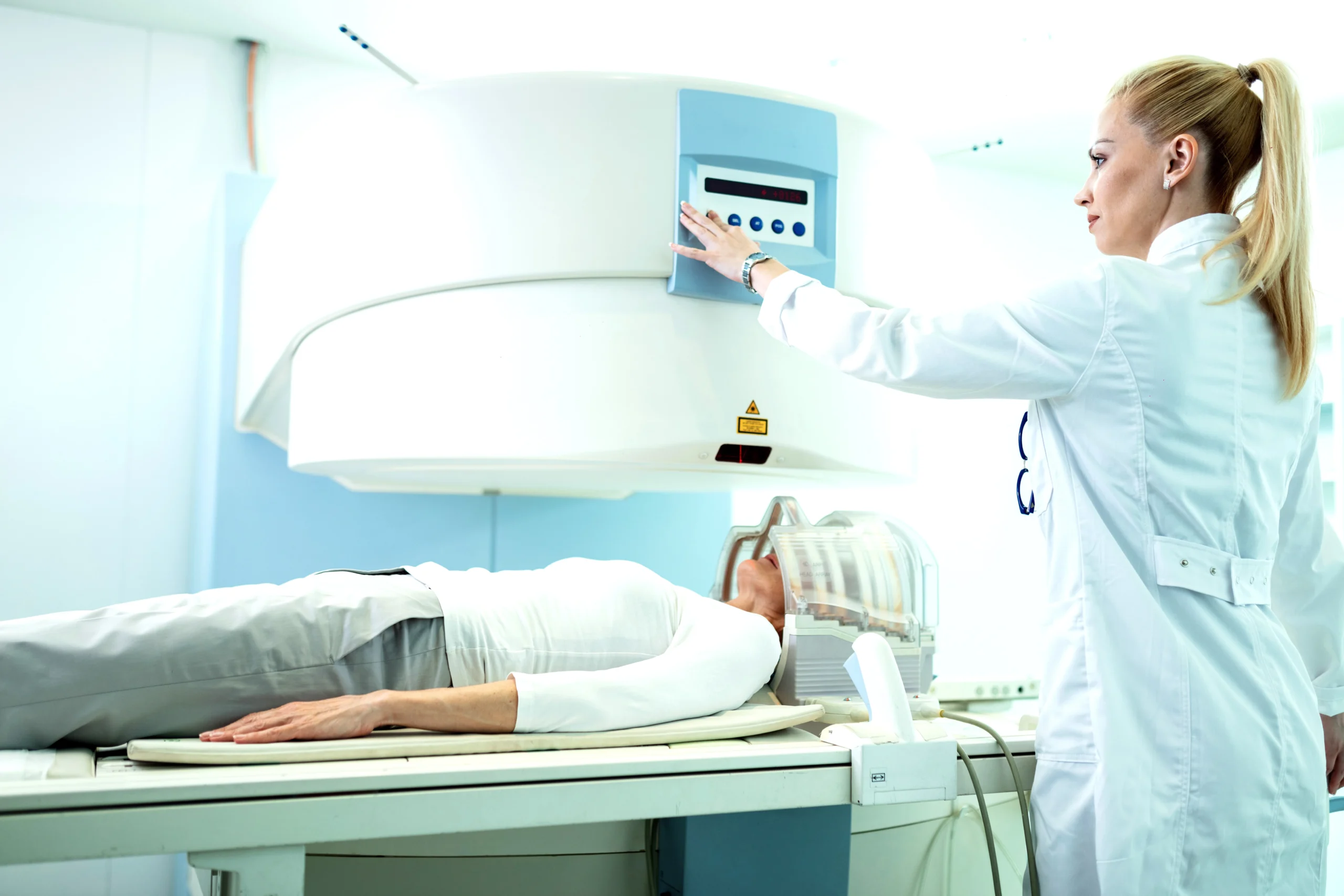
Expert Diagnosis
Female gynecologists experienced in complex cases
Advanced Imaging
On-site ultrasound with targeted assessment
Fertility-Focused
Plans that prioritize fertility preservation where possible
Fibroids, ovarian cysts, endometriosis, PCOS, and chronic pelvic pain can affect quality of life and fertility. At Doctors Clinic Diagnostic Center, steps from Oud Metha Metro in Dubai Healthcare City, our female gynecologists provide expert fibroid treatment and ovarian cyst treatment, with fertility-preserving management for these conditions.
Using advanced ultrasound and hormonal profiling at our gynecology Dubai Healthcare City facility, we identify the root cause of heavy bleeding, pelvic pain, or infertility. Our gynecology specialist Dubai provides abnormal bleeding treatment and gynecological disorder treatment through medication, hormonal therapy, and minimally invasive options with coordinated surgical referrals when indicated.
Located near Oud Metha in Umm Hurair 2, our fibroid clinic provides same-day consultations when available. Specialist capacity is limited, so slots fill fast. Our goal is to relieve symptoms, protect women reproductive health, and restore well-being with compassionate, evidence-based care.
Gynecological conditions like fibroids, PCOS, and endometriosis are among the most common reasons women seek specialist care in Dubai. These conditions can overlap in symptoms, making expert diagnosis essential. Our female gynecologists use a combination of detailed clinical assessment, advanced pelvic ultrasound, hormonal profiling, and targeted blood tests to accurately identify the cause of your symptoms and develop a treatment plan that addresses both immediate relief and long-term health goals.
For women concerned about fertility, our approach prioritizes fertility-preserving treatments whenever possible. We understand that many patients are planning future pregnancies and need treatment options that address current symptoms without compromising reproductive potential. When surgical intervention is needed, we coordinate with trusted surgeons experienced in minimally invasive techniques such as laparoscopy and hysteroscopy, ensuring the least disruptive approach for your recovery and fertility.
Expert Diagnosis
Female gynecologists experienced in complex cases
Advanced Imaging
On-site ultrasound with targeted assessment
Fertility-Focused
Plans that prioritize fertility preservation where possible
Fibroid Treatment in Dubai: Ovarian Cyst & Gynecological Disorder Treatment
Managing Fibroids, Cysts, PCOS, Endometriosis & Pelvic Pain
Fibroids, ovarian cysts, endometriosis, PCOS, and chronic pelvic pain can affect quality of life and fertility. At Doctors Clinic Diagnostic Center, steps from Oud Metha Metro in Dubai Healthcare City, our female gynecologists provide expert fibroid treatment and ovarian cyst treatment, with fertility-preserving management for these conditions.
Using advanced ultrasound and hormonal profiling at our gynecology Dubai Healthcare City facility, we identify the root cause of heavy bleeding, pelvic pain, or infertility. Our gynecology specialist Dubai provides abnormal bleeding treatment and gynecological disorder treatment through medication, hormonal therapy, and minimally invasive options with coordinated surgical referrals when indicated.
Located near Oud Metha in Umm Hurair 2, our fibroid clinic provides same-day consultations when available. Specialist capacity is limited, so slots fill fast. Our goal is to relieve symptoms, protect women reproductive health, and restore well-being with compassionate, evidence-based care.
Gynecological conditions like fibroids, PCOS, and endometriosis are among the most common reasons women seek specialist care in Dubai. These conditions can overlap in symptoms, making expert diagnosis essential. Our female gynecologists use a combination of detailed clinical assessment, advanced pelvic ultrasound, hormonal profiling, and targeted blood tests to accurately identify the cause of your symptoms and develop a treatment plan that addresses both immediate relief and long-term health goals.
For women concerned about fertility, our approach prioritizes fertility-preserving treatments whenever possible. We understand that many patients are planning future pregnancies and need treatment options that address current symptoms without compromising reproductive potential. When surgical intervention is needed, we coordinate with trusted surgeons experienced in minimally invasive techniques such as laparoscopy and hysteroscopy, ensuring the least disruptive approach for your recovery and fertility.
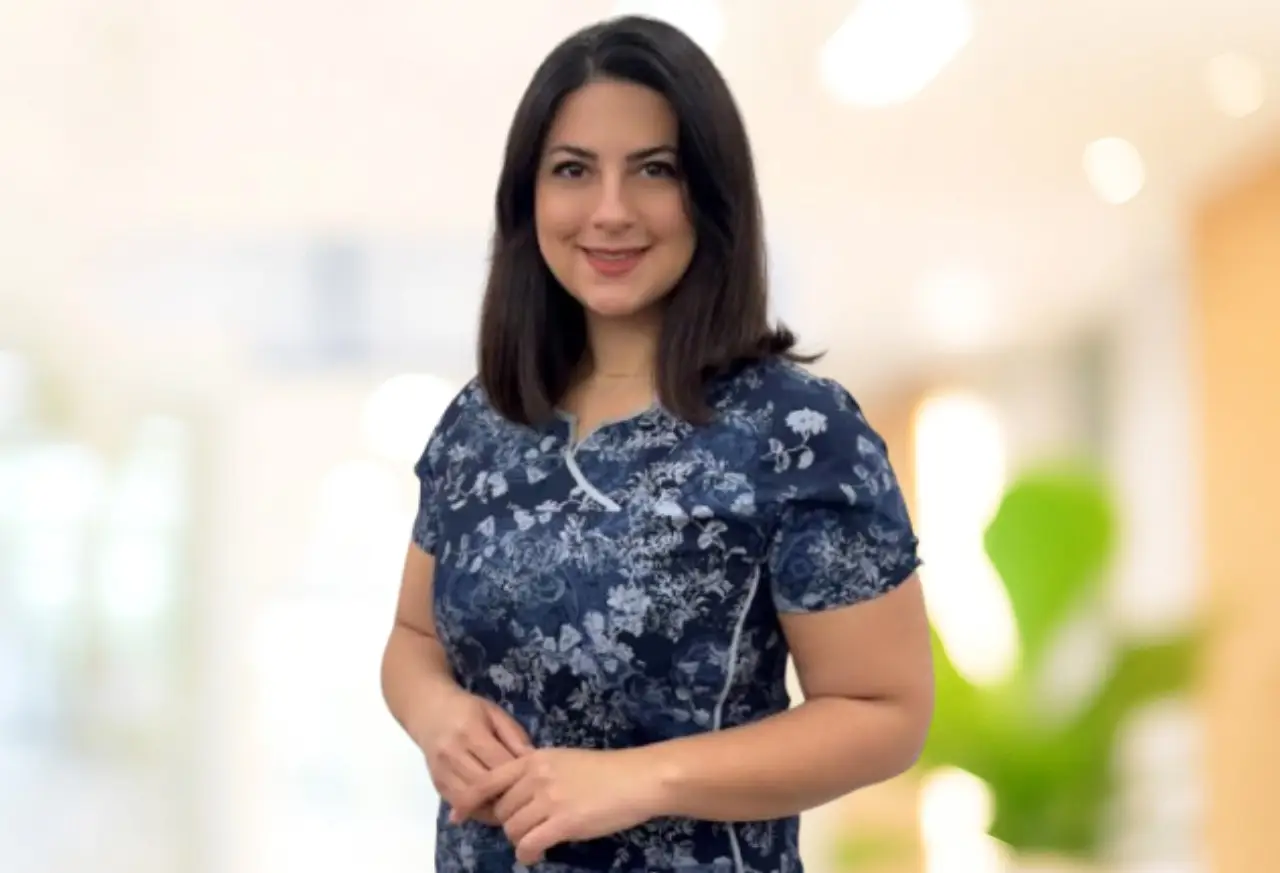
Dr. Parisa Dini
Our Gynecological Treatments Services
Comprehensive gynecological treatments services at DCDC Dubai Healthcare City.
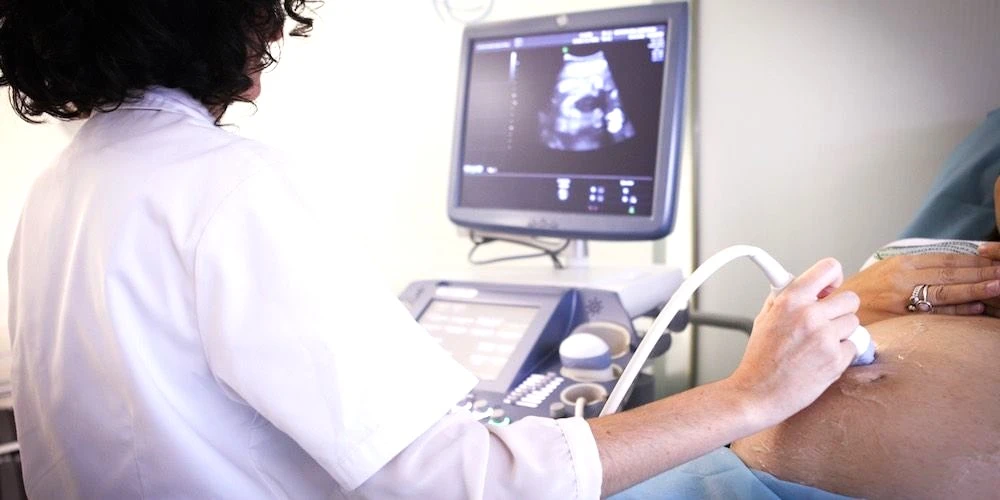
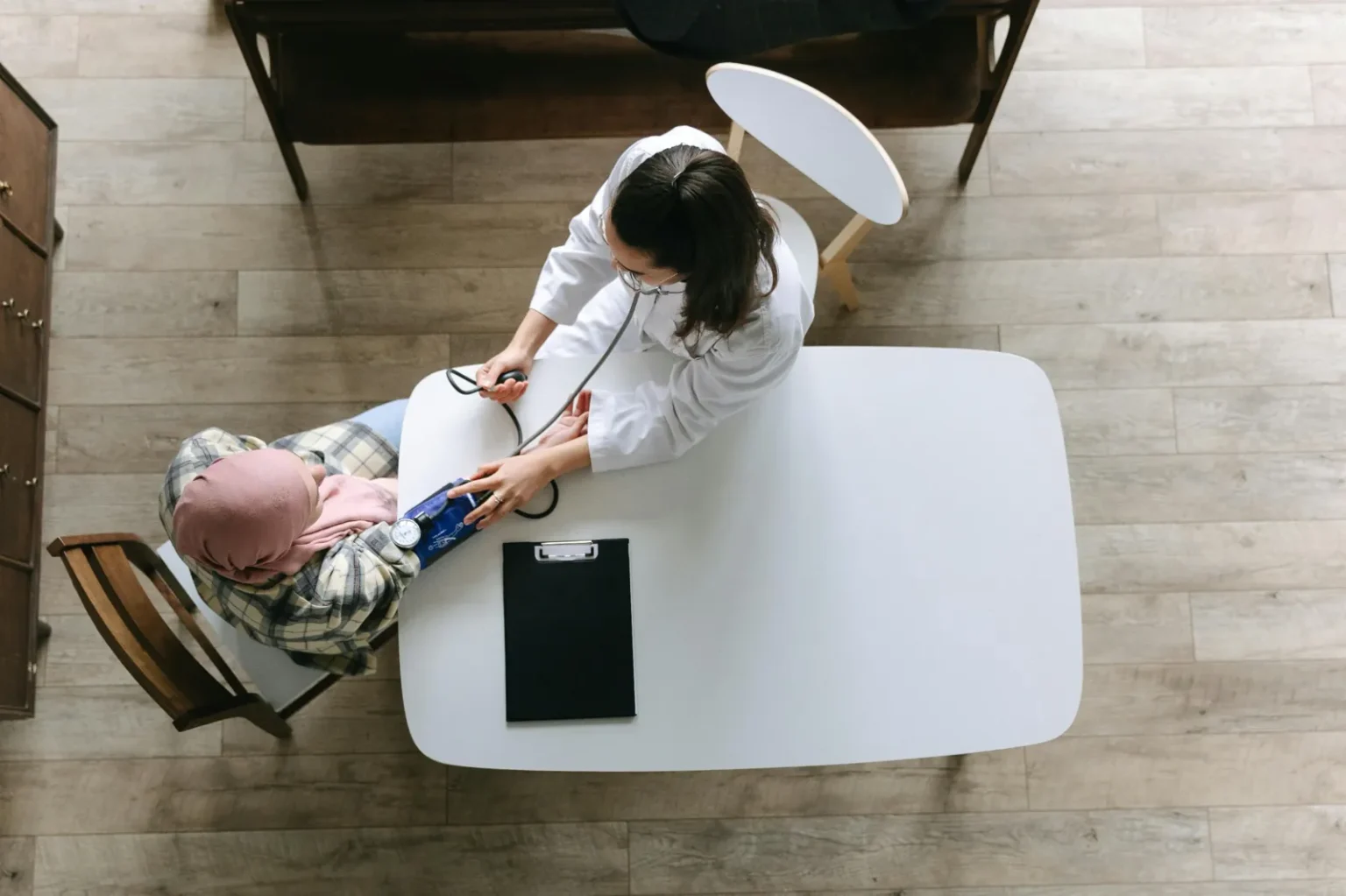

All services performed by DHA-licensed specialists
Who Should Get Gynecological Treatments?
Seek consultation if you experience symptoms suggesting a gynecological condition.
Heavy, prolonged, or painful periods
Pelvic pain or pressure
Bloating or abdominal swelling
Difficulty getting pregnant
Pain during intercourse
Irregular cycles or missed periods
Why Choose DCDC for Gynecological Conditions in Dubai?
MOHAP-licensed clinic in Dubai Healthcare City with female gynecologists, advanced imaging, and fertility-focused management. Same-day consults available; specialist slots fill fast.
MOHAP Licensed
Licensed facility in DHCC (MOHAP license NIMY7VY5-240925) following strict clinical and infection control standards.
Female Specialists
Experienced female gynecologists skilled in fibroids, cysts, PCOS, endometriosis, and pelvic pain management.
Same-Day Consults
Same-day appointments available for pain, heavy bleeding, or urgent concerns. Limited specialist capacity. Book early.
Advanced Diagnostics
On-site ultrasound, hormonal profiling, and coordinated referrals for minimally invasive or surgical options when needed.
Prime DHCC Location
Building 64, Block A, Dubai Healthcare City with free dedicated parking and easy access from major Dubai districts.
Fertility Focus
Care plans that prioritize fertility preservation and symptom relief with evidence-based options.
Your Comfortable Visit
A simple, step-by-step Gynecological scan process designed for comfort, speed, and accuracy.
Treatment Costs
Gynecological pricing in Dubai varies by service type and insurance coverage for various service types.
- Pricing varies by scan type and whether contrast is required
- Insurance coverage accepted with referral and verification
- Transparent self-pay rates available with instant quote on request
Insurance verification in minutes • No hidden fees • Fast response on WhatsApp
Patient Guide
What to Expect During Your Gynecology Condition Visit
Structured assessment, imaging, and treatment planning at our Dubai Healthcare City clinic.
Insurance & Location
Insurance Partners
- •20+ insurance providers in Dubai including Daman, AXA, ADNIC, and others
- •Pre-authorization support and direct billing (where applicable)
- •Coverage verification before your appointment at our Dubai Healthcare City clinic
- •Transparent pricing with no hidden fees for gynecological treatments services








Visit Us in Dubai Healthcare City
Doctors Clinic Diagnostic Center
Building 64, Block A, Al Razi Medical Complex, Dubai Healthcare City, Dubai, UAE
Near Oud Metha Road · Easy access from Bur Dubai, Downtown Dubai, Business Bay · Free dedicated parking available
Working Hours
Sat-Thu: 8AM - 10PM | Fri: 9AM - 9PM
How Insurance Works at DCDC
Check Coverage
Verify your plan covers Gynecological Treatments
Get a Referral
Some insurers require a GP referral — we can guide you
Pre-Authorization
We handle pre-auth directly with your insurer
Direct Billing
No upfront payment — we bill your insurer directly
Co-Pay Only
You only pay any applicable co-pay at the clinic
Check Coverage
Verify your plan covers Gynecological Treatments
Get a Referral
Some insurers require a GP referral — we can guide you
Pre-Authorization
We handle pre-auth directly with your insurer
Direct Billing
No upfront payment — we bill your insurer directly
Co-Pay Only
You only pay any applicable co-pay at the clinic
Your Specialist
Dr. Parisa Dini
Specialist OB/GYN
MD, Specialist OB/GYN
English · Persian
Patient Guide
Understanding Fibroids, PCOS, Endometriosis, and Other Gynecological Conditions
Gynecological conditions affecting the uterus, ovaries, and pelvis are remarkably common, with fibroids affecting up to 70% of women by age 50, PCOS affecting 8-13% of reproductive-age women, and endometriosis affecting approximately 10% of women globally. Despite their prevalence, these conditions are frequently underdiagnosed or inadequately treated, often because women normalize their symptoms or feel reluctant to seek help. Understanding these conditions empowers women to recognize when their symptoms warrant specialist evaluation and to advocate for their health.
Uterine fibroids (leiomyomas) are benign muscle tumors that develop in or around the uterus. They vary enormously in size, from tiny seedlings to large masses that distort the uterine shape. Symptoms depend on fibroid size, number, and location rather than simply their presence. Submucosal fibroids (growing into the uterine cavity) tend to cause the heaviest bleeding, while large intramural or subserosal fibroids may cause pelvic pressure, urinary frequency, or back pain. Risk factors include age, family history, African ancestry, obesity, and early menarche. Treatment ranges from watchful waiting to medical management and various surgical approaches, with the choice guided by symptom severity, fibroid characteristics, and fertility goals.
Polycystic Ovary Syndrome is a complex metabolic and hormonal disorder that extends well beyond the ovaries. The condition involves a combination of elevated androgens, insulin resistance, and ovulatory dysfunction that affects not only reproductive health but also metabolic health, cardiovascular risk, skin and hair, and psychological well-being. PCOS management requires a multifaceted approach addressing each component: lifestyle modification (diet, exercise, weight management) forms the foundation, with medications added as needed for cycle regulation, androgen control, insulin sensitization, and fertility support. Long-term monitoring for diabetes, cardiovascular disease, and endometrial health is essential.
Endometriosis is a chronic inflammatory disease where tissue resembling the endometrium implants and grows outside the uterus, most commonly on the ovaries, fallopian tubes, and pelvic peritoneum, but occasionally at distant sites. The condition causes chronic pelvic pain, painful periods, pain during intercourse, and can lead to adhesions and scarring that impair fertility. Diagnosis often takes years, with an average delay of 7-10 years from symptom onset, partly because symptoms overlap with other conditions and definitive diagnosis traditionally required laparoscopy. Modern imaging techniques including expert transvaginal ultrasound and MRI have improved non-invasive detection. Treatment is individualized based on symptom severity, desire for fertility, and patient preferences, combining pain management, hormonal suppression, and surgical excision when necessary.
Gynecological Conditions We Diagnose and Treat
Uterine Fibroids
Assessment of size, location, and symptoms with medical management, hormonal therapy, and coordinated surgical referral when needed.
Ovarian Cysts
Ultrasound characterization, monitoring of functional cysts, and management of complex or persistent cysts with fertility preservation focus.
Polycystic Ovary Syndrome (PCOS)
Comprehensive management addressing hormonal balance, metabolic health, skin symptoms, fertility, and long-term risk reduction.
Endometriosis
Pain management, hormonal suppression therapy, and surgical referral coordination with fertility-preserving approaches.
Adenomyosis
Diagnosis through ultrasound/MRI with medical management including hormonal therapy and IUD options for symptom control.
Endometrial Polyps
Detection through ultrasound and management with hysteroscopic removal referral when causing bleeding or infertility.
Related Articles
Pelvic Ultrasound for Women: A Complete Guide
How pelvic ultrasound helps diagnose fibroids, cysts, PCOS, and other gynecological conditions.
Women's Health Screening: Tests You Shouldn't Skip
Essential preventive screenings that help detect gynecological conditions early for better outcomes.
HSG Test: Side Effects and Recovery
Understanding the hysterosalpingography test used to evaluate fertility and fallopian tube health.
Obstetrics and Gynecology in Dubai
A comprehensive overview of gynecological services for conditions affecting women's reproductive health.
Related Services
Explore other diagnostic and consultation services available at our Dubai Healthcare City clinic.
Frequently Asked Questions
Common questions about Gynecological Treatments in Dubai.
No, the majority of fibroids do not require surgery. Many are small and asymptomatic, requiring only periodic ultrasound monitoring to track growth. For fibroids causing symptoms like heavy bleeding, pain, or pressure, medical management options include hormonal medications (GnRH agonists, progestins) to shrink fibroids and reduce bleeding, tranexamic acid for heavy periods, and NSAIDs for pain. Surgery is considered when fibroids are very large, cause severe symptoms unresponsive to medication, or significantly impact fertility. Minimally invasive options like myomectomy preserve the uterus for women planning future pregnancies.
PCOS is diagnosed using the Rotterdam criteria, which require at least two of three features: irregular or absent periods, clinical or biochemical signs of excess androgens (acne, excess hair growth, elevated testosterone levels), and polycystic-appearing ovaries on ultrasound. Our evaluation includes a detailed menstrual history, physical examination, pelvic ultrasound, and blood tests for hormones (testosterone, DHEAS, LH, FSH), metabolic markers (fasting glucose, insulin, HbA1c), thyroid function, and lipid profile. Ruling out other conditions like thyroid disorders or adrenal hyperplasia is an important part of the diagnostic process.
Most ovarian cysts are functional (related to ovulation) and resolve on their own within 1-3 menstrual cycles without affecting fertility. However, certain types of cysts require closer attention. Endometriomas (chocolate cysts) associated with endometriosis can damage ovarian tissue and reduce egg reserve. Large cysts may need surgical removal, and the surgical approach matters for fertility preservation. PCOS-related anovulation is a common cause of difficulty conceiving but responds well to treatment. Our approach includes careful ultrasound characterization of cysts, monitoring protocols for functional cysts, and fertility-preserving management strategies when intervention is needed.
Heavy menstrual bleeding (menorrhagia) has many potential causes including uterine fibroids, endometrial polyps, adenomyosis, hormonal imbalances (anovulatory cycles), thyroid disorders, coagulation disorders, and endometrial hyperplasia. A thorough evaluation including medical history, pelvic examination, transvaginal ultrasound, and blood tests (CBC, thyroid, coagulation) is essential to identify the specific cause. Treatment depends on the diagnosis and may include hormonal medications, tranexamic acid, NSAIDs, IUD with levonorgestrel (Mirena), or surgical options like polypectomy or endometrial ablation. We always investigate before treating to ensure appropriate management.
Endometriosis is a chronic inflammatory condition where tissue similar to the uterine lining grows outside the uterus, causing pain, heavy periods, and potential fertility issues. While there is no permanent cure, symptoms can be effectively managed with a combination of approaches. Pain relief with NSAIDs, hormonal therapies (combined pills, progestins, GnRH agonists) to suppress endometrial growth, and laparoscopic surgery to remove endometriotic tissue can significantly improve quality of life. For women trying to conceive, surgical excision of endometriosis or fertility treatment may be recommended. We develop long-term management plans tailored to your symptom severity and reproductive goals.
Yes, same-day consultations are available for urgent gynecological concerns such as acute pain, sudden heavy bleeding, or symptoms requiring prompt evaluation. Specialist slots are limited and fill quickly, so contacting us early in the day gives you the best chance of same-day availability. For non-urgent evaluations of conditions like PCOS management or fibroid monitoring, advance booking is recommended to allow adequate consultation time and coordinate any imaging or lab tests that may be needed during your visit.
Adenomyosis occurs when endometrial tissue grows into the muscular wall of the uterus itself, causing the uterus to enlarge and resulting in heavy, painful periods. Endometriosis, by contrast, involves endometrial-like tissue growing outside the uterus on surfaces such as the ovaries, fallopian tubes, and pelvic lining. Both conditions cause pain and heavy bleeding but require different diagnostic approaches and treatments. Adenomyosis is often diagnosed through ultrasound or MRI showing characteristic uterine thickening. Treatment includes hormonal medications, IUD (Mirena), and in severe cases, surgical options. The two conditions can coexist in the same patient.
Yes, fibroids can recur after medical treatment and even after surgical removal (myomectomy), as the underlying tendency to develop fibroids remains. Medical treatments like GnRH agonists shrink fibroids temporarily, but they may regrow after stopping medication. After myomectomy, new fibroids develop in approximately 15-30% of women over 5-10 years. The only definitive treatment that prevents recurrence is hysterectomy, which is reserved for women who have completed childbearing and have severe symptoms. For women wanting to preserve fertility, we discuss realistic expectations about recurrence and develop monitoring plans to detect new fibroids early.
Medical Review & Oversight
All services are provided under the supervision of licensed medical professionals in our MOHAP-accredited facility.