Key Takeaways
- Rotator cuff tear symptoms typically include a deep ache in the shoulder, weakness lifting the arm overhead, and pain that worsens at night — especially when lying on the affected side
- A sudden "pop" followed by immediate weakness usually signals an acute full-thickness tear, while a gradually worsening ache and stiffness over weeks or months points to a degenerative partial tear
- Self-assessment tests such as the empty can test, lift-off test, and drop-arm test can raise suspicion of a tear but are not a substitute for clinical examination and MRI
- MRI is the gold-standard imaging test for confirming a rotator cuff tear; at DCDC, scans use a Siemens 1.5T wide-bore scanner read by subspecialty MSK radiologists, with results in 18-24 hours and same-day turnaround for urgent cases
- Most partial-thickness tears respond well to conservative treatment — physiotherapy, activity modification, and PRP therapy — without needing surgery
- Full-thickness tears in younger, active patients, or tears that fail 3-6 months of conservative treatment, are more likely to require arthroscopic repair
- Orthopedic consultation at DCDC starts from AED 300, shoulder MRI from AED 900, and PRP injection from AED 1,500, with direct billing available across 20+ insurance providers in Dubai
Shoulder pain that lingers for weeks, a dull ache that keeps you awake at night, or sudden weakness when reaching for a shelf — these are among the most common rotator cuff tear symptoms seen in Dubai's orthopedic clinics. The rotator cuff is a group of four small muscles and tendons that stabilise the shoulder joint and allow you to lift, rotate, and reach overhead, and because Dubai residents are so active — playing padel in DIFC, swimming at JBR, or lifting weights at the gym — rotator cuff injuries are one of the most frequent reasons people book an orthopedic consultation in the city. This guide walks through the full symptom checklist, how to tell a partial tear from a full-thickness tear, simple self-assessment tests you can try at home, and a clear urgency guide for when a shoulder ache needs same-day medical attention rather than a wait-and-see approach.
Recognising rotator cuff tear symptoms early matters because delayed diagnosis allows small partial tears to progress into larger, harder-to-treat full-thickness tears, and it lets surrounding muscles weaken from disuse. This article covers the anatomy of the rotator cuff, a complete symptom checklist, the difference between partial and full-thickness tear presentations, common causes specific to Dubai's active lifestyle, do-it-yourself self-assessment tests, a doctor-recommended urgency guide, how diagnosis works at DCDC using MRI and subspecialty radiology, a comparison of treatment options from physiotherapy to surgery, realistic Dubai pricing, and what recovery looks like at each stage.
What Is a Rotator Cuff Tear?
The rotator cuff is made up of four muscles — the supraspinatus, infraspinatus, teres minor, and subscapularis — and their tendons, which wrap around the head of the humerus (upper arm bone) and hold it securely in the shallow shoulder socket. This arrangement gives the shoulder its remarkable range of motion, but it also makes the tendons vulnerable to wear, impingement, and tearing, particularly the supraspinatus tendon, which is involved in the vast majority of rotator cuff tears.
A rotator cuff tear occurs when one or more of these tendons is partially or completely torn away from the bone or from within the tendon fibres themselves. Tears are broadly classified as partial-thickness (the tendon is damaged but not completely severed) or full-thickness (the tendon is completely torn through, sometimes fully detaching from the bone). According to the American Academy of Orthopaedic Surgeons, rotator cuff problems are among the most common causes of shoulder pain and disability in adults, with prevalence increasing steadily after age 40 due to natural tendon degeneration combined with decades of cumulative use.
Rotator Cuff Tear Symptoms: The Complete Checklist
Rotator cuff tear symptoms vary depending on whether the tear developed suddenly from an injury or gradually from degeneration, and whether it is partial or full-thickness. The checklist below covers the signs of rotator cuff injury most commonly reported by patients — if you recognise several of these together, it is worth arranging a proper clinical assessment rather than assuming the pain will simply pass.
- Deep, dull ache in the shoulder: Often described as coming from deep inside the joint rather than on the surface, sometimes radiating down the outer arm toward the elbow
- Weakness lifting or rotating the arm: Difficulty raising the arm overhead, reaching for objects on a high shelf, or a noticeable drop in strength compared to the other side
- Night pain, especially lying on the affected side: One of the most characteristic rotator cuff tear symptoms — pain that disrupts sleep and improves somewhat when the arm is supported
- Crackling or popping sensation (crepitus): A grinding or catching feeling when moving the shoulder through certain positions
- Limited active range of motion: The shoulder may still move passively (if someone else moves it for you) but you cannot actively lift the arm to the same degree due to pain or weakness
- Difficulty reaching behind the back: Trouble with tasks like fastening a bra, tucking in a shirt, or reaching into a back pocket
- Sudden "pop" or snapping sensation followed by immediate weakness: Typical of an acute traumatic tear, often after a fall, a heavy lift, or a sudden overhead motion
- Pain that worsens with overhead activity: Swimming, serving in tennis or padel, throwing, or overhead gym pressing movements tend to aggravate rotator cuff symptoms specifically
- Muscle weakness or visible wasting over time: In longstanding, untreated tears, the affected shoulder muscles (particularly around the shoulder blade) may appear visibly smaller than the unaffected side
It is worth noting that pain intensity does not always correlate with tear size — some large, full-thickness tears cause relatively mild discomfort but significant weakness, while smaller partial tears can be intensely painful due to associated inflammation and impingement. This is one reason self-diagnosis based on pain severity alone is unreliable, and why our guide on Shoulder Pain Causes & Treatment Dubai is a useful starting point if you are trying to distinguish a rotator cuff problem from other shoulder conditions.
Partial-Thickness vs Full-Thickness Tear Symptoms: What's the Difference?
Understanding whether your symptoms are more consistent with a partial or full-thickness tear helps set expectations before your consultation, although imaging is always required for a definitive diagnosis. Partial tears tend to develop gradually and are often related to age-related degeneration or repetitive overhead strain, while full-thickness tears are more likely to follow an acute injury, although degenerative full-thickness tears also occur, particularly in patients over 60.
| Feature | Partial-Thickness Tear | Full-Thickness Tear |
|---|---|---|
| Onset | Usually gradual, worsening over weeks to months | Often sudden, following a fall, lift, or wrench of the arm — though degenerative full tears can also develop slowly |
| Pain pattern | Aching pain, worse with specific movements and at night | Sharp pain at the moment of injury, followed by persistent ache and weakness |
| Strength | Mild to moderate weakness, often still able to lift the arm with effort | Significant weakness; may be unable to actively lift the arm away from the body (positive drop-arm sign) |
| Common cause | Age-related tendon degeneration, repetitive overhead sport or work | Trauma (fall on outstretched arm, sudden heavy lift), or degeneration in older adults |
| Typical first-line management | Physiotherapy, activity modification, PRP therapy | Physiotherapy trial first in most cases; surgery considered sooner in younger, active patients |
Comparing partial-thickness and full-thickness rotator cuff tear symptom patterns
What Causes Rotator Cuff Tears? Common Triggers in Dubai
Rotator cuff tears in Dubai typically fall into two broad categories: degenerative tears related to age and cumulative wear, and acute tears related to a specific injury or activity. Dubai's active outdoor and sporting culture creates a distinct risk profile compared to more sedentary populations.
- Age-related degeneration: Tendon blood supply naturally decreases with age, making the supraspinatus tendon increasingly prone to micro-tears, particularly after age 40-50
- Racket sports (padel, tennis): Dubai's padel boom has driven a sharp rise in overhead and rotational shoulder injuries among recreational players who ramp up frequency without adequate conditioning
- Swimming: Repetitive overhead strokes place cumulative stress on the rotator cuff tendons, particularly with poor technique or sudden increases in training volume — see our detailed guide on swimming shoulder injury physiotherapy for more on this
- Gym overhead lifting: Overhead press, pull-ups, and heavy bench pressing performed with poor form or excessive load are common culprits, especially in Dubai's dense gym culture
- Falls and sudden trauma: A fall onto an outstretched arm, or catching a heavy falling object, can cause an acute full-thickness tear even in younger, otherwise healthy shoulders
- Occupational strain: Repetitive overhead work (painting, construction, warehouse stacking) increases cumulative tendon load over years
- Shoulder impingement history: Longstanding untreated impingement syndrome can progress to a partial or full-thickness tear if left unmanaged
Self-Assessment: Simple Tests to Check for a Rotator Cuff Tear at Home
While nothing replaces a clinical examination, a handful of simple movement tests can help you gauge how to know if your rotator cuff is torn versus simply strained or inflamed. These are the same fundamental tests orthopedic specialists use during a physical exam, adapted here for a rough self-check — treat a positive result as a reason to book an assessment, not as a diagnosis in itself.
- Empty can test: Extend your arm forward and slightly out to the side, thumb pointing down (as if emptying a can), then try to lift against gentle resistance from your other hand. Significant weakness or pain suggests supraspinatus involvement.
- Lift-off test: Place the back of your hand against your lower back and try to lift it away from your body. Inability to do this, or marked weakness, suggests a subscapularis tear.
- Drop-arm test: Raise your arm fully overhead, then slowly lower it to your side. If the arm suddenly drops or you cannot control the descent past roughly 90 degrees, this is a classic sign of a significant full-thickness tear.
- Painful arc test: Slowly raise your arm out to the side. Pain that appears specifically between 60 and 120 degrees of elevation, then eases again above that range, points toward rotator cuff or impingement pathology.
- Cross-body reach: Reach your affected arm across your chest to touch the opposite shoulder. Sharp pain at the top of the shoulder can indicate acromioclavicular joint involvement rather than a pure rotator cuff issue, which is useful for narrowing down the diagnosis.
A large meta-analysis of shoulder physical examination tests found that no single clinical test is accurate enough on its own to confirm or rule out a rotator cuff tear — combinations of tests improve accuracy, but imaging remains necessary for a definitive diagnosis and to determine tear size and location, both of which directly affect treatment planning. It's also worth distinguishing rotator cuff symptoms from frozen shoulder, which causes global stiffness in all directions rather than the more selective weakness pattern of a cuff tear; our guide on frozen shoulder treatment and physiotherapy explains this distinction in more detail.
When to See a Doctor: Urgency Guide for Shoulder Symptoms
Not every shoulder ache needs an urgent visit, but certain presentations should prompt a prompt clinical evaluation to prevent a small tear from becoming a larger, more complex problem. Use the guide below to gauge how quickly you should be seen.
- Same day / within 24-48 hours: Sudden inability to lift the arm after a fall or injury, visible deformity, severe pain following a specific traumatic event, or a distinct "pop" followed by immediate weakness
- Within a week: Night pain that has disrupted sleep for more than 2 weeks, progressive weakness noticed over several weeks, or pain that is not improving with rest and over-the-counter anti-inflammatories
- Routine consultation: Mild, intermittent ache with overhead activity only, stiffness without significant weakness, or a known history of shoulder impingement that has recently started feeling different
- Red flags requiring urgent assessment: Numbness or tingling down the arm, fever with shoulder pain (possible infection), or complete loss of shoulder function after trauma
How Rotator Cuff Tears Are Diagnosed at DCDC
Diagnosis begins with a detailed clinical history and physical examination, including the strength and range-of-motion tests described above, performed by an orthopedic specialist. If a tear is suspected, imaging confirms the diagnosis and — critically — determines the tear's size, location, and whether the tendon has retracted, all of which shape the treatment plan.
At DCDC in Dubai Healthcare City, shoulder MRI is performed on a Siemens 1.5T wide-bore scanner with a 70 cm opening, which is more comfortable for patients who feel claustrophobic in standard closed-bore machines while still delivering the high-resolution soft tissue imaging needed to assess tendon integrity. Every shoulder MRI is read by a subspecialty musculoskeletal (MSK) radiologist rather than a general radiologist — a distinction that matters significantly for accurately grading partial tears and identifying associated findings like labral damage or biceps tendon involvement. Results are typically available within 18-24 hours, with same-day turnaround offered for urgent clinical cases. For a full breakdown of what the scan involves and what the images show, see our guide on the shoulder MRI scan in Dubai.
Dr. Mersad Moosavi, orthopedic surgeon at DCDC, explains the diagnostic philosophy: "Accurate imaging with subspecialty interpretation is critical for treatment planning. A rotator cuff tear that looks similar on physical examination can be a small partial tear or a large, retracted full-thickness tear — and those two scenarios call for completely different management. Getting the MRI read by someone who specialises in musculoskeletal imaging, rather than a general reading, changes how confidently we can plan treatment from day one."
Rotator Cuff Tear Treatment Options: Conservative Care, PRP, and Surgery
Treatment is guided by tear size, chronicity, patient age, activity level, and how the tear responds to initial conservative measures. Dr. Mersad Moosavi takes a conservative-first approach: "Conservative treatment first — many rotator cuff injuries respond well to physiotherapy and PRP before considering surgery. Surgery is not the automatic next step after a tear is confirmed; for a large proportion of patients, especially those with partial tears or lower activity demands, a well-structured non-surgical programme restores good function."
| Treatment | Best For | How It Works | Typical Recovery | Notes |
|---|---|---|---|---|
| Physiotherapy & activity modification | Partial tears, degenerative tears, lower-demand patients | Strengthens surrounding shoulder and scapular muscles to compensate and restore mechanics | 6-12 weeks for meaningful improvement | First-line treatment in nearly all cases before considering injections or surgery |
| PRP (Platelet-Rich Plasma) therapy | Partial tears and tendinopathy; patients wanting to avoid or delay surgery | Concentrated growth factors from the patient's own blood are injected to stimulate tendon healing | 6-8 weeks alongside physiotherapy | Non-surgical option available at DCDC; combined with rehab for best results |
| Corticosteroid injection | Short-term pain and inflammation relief | Reduces inflammation around the tendon and subacromial space | Relief within days, lasting weeks | Not a long-term fix for the tear itself; limited to a small number of injections per year |
| Arthroscopic rotator cuff repair (surgery) | Full-thickness tears, younger/active patients, tears that fail 3-6 months of conservative care | Torn tendon is reattached to the bone using minimally invasive arthroscopic technique | 4-6 months for full functional recovery | Reserved for tears not responding to conservative measures, or large acute tears in active individuals |
Comparison of rotator cuff tear treatment options available at DCDC Dubai
Concerned About Rotator Cuff Tear Symptoms? Get Assessed Today
Same-day appointments at DCDC Dubai Healthcare City. Our orthopedic team provides same-day Siemens 1.5T MRI with subspecialty MSK radiologist reads for an accurate diagnosis within hours. Direct billing with 20+ insurance providers. Orthopedic consultation from AED 300.
Rotator Cuff Tear Treatment Cost in Dubai (2026)
The overall cost of diagnosing and treating a rotator cuff tear in Dubai depends on whether imaging alone is needed, or whether physiotherapy, PRP, or surgery becomes part of the treatment plan. The table below outlines realistic cash-pay pricing at DCDC; patients with comprehensive insurance may pay significantly less out of pocket through our direct billing arrangements.
| Service | Estimated Cost (Cash) | Insurance Coverage | Notes |
|---|---|---|---|
| Orthopedic Consultation | From AED 300 | Covered by most plans | Includes clinical examination, symptom assessment, and treatment plan |
| Shoulder X-ray | AED 150-300 | Covered by most plans | First-line to rule out calcification, fracture, or arthritis |
| Shoulder MRI (Siemens 1.5T) | From AED 900 | Covered for clinical indication | MSK subspecialty radiologist read; results in 18-24 hours, same-day for urgent cases |
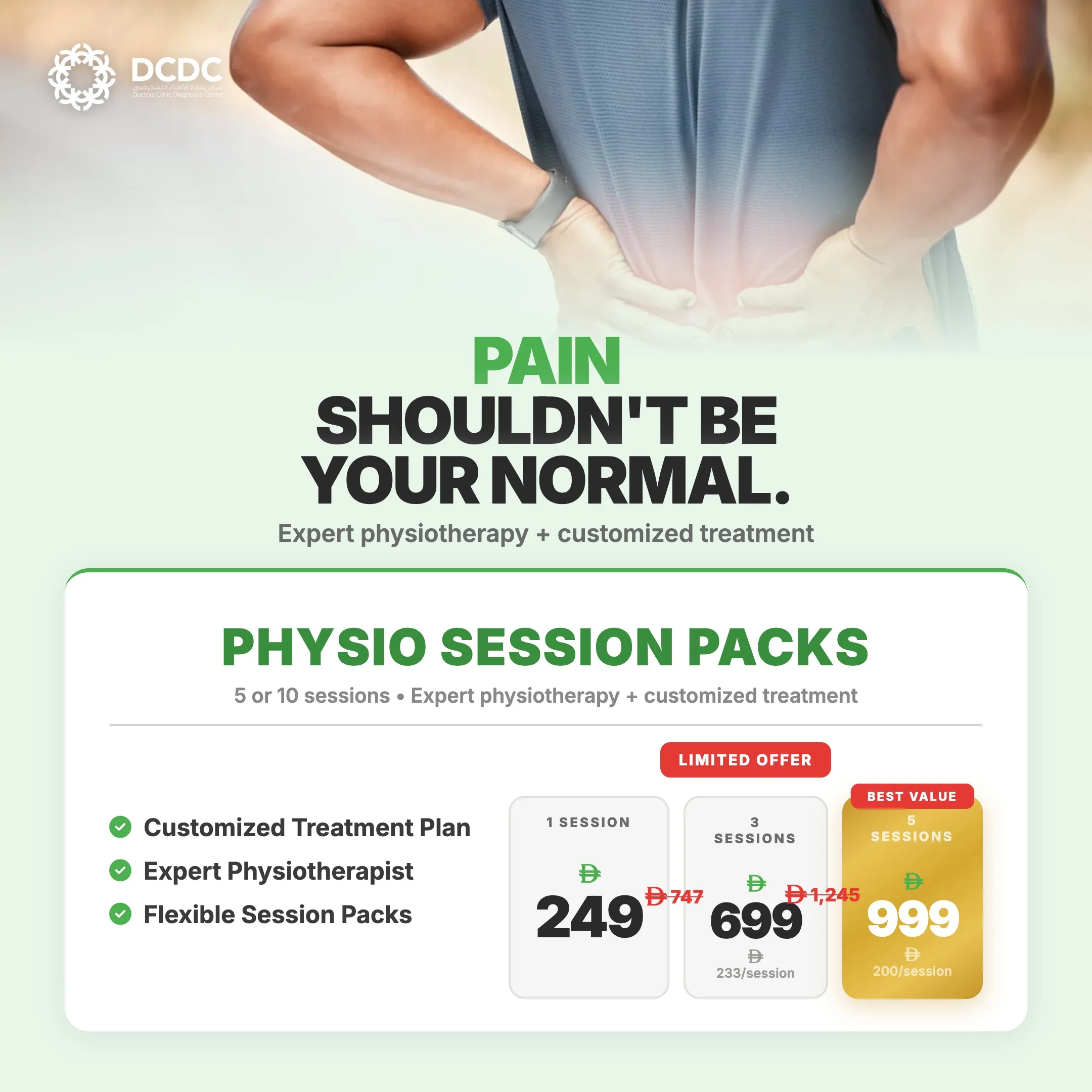
| Physiotherapy (per session) | AED 300-500 | Covered subject to plan limits | On-site rehabilitation, session packs available |
| PRP Injection | From AED 1,500 | Variable; check with insurer | Non-surgical option for partial tears and tendinopathy |
| Arthroscopic Rotator Cuff Repair (surgery) | AED 25,000-40,000 | Covered under most inpatient plans | Reserved for full-thickness tears not responding to conservative care |
Estimated rotator cuff tear diagnosis and treatment costs at DCDC Dubai (2026) — prices are indicative; confirm with the clinic at time of booking
DCDC is MOHAP-licensed and holds direct billing agreements with more than 20 insurance providers operating in Dubai, including major names offering comprehensive medical coverage. Most plans cover the orthopedic consultation, MRI when clinically indicated, and physiotherapy sessions, though PRP coverage varies by policy. We recommend confirming your specific coverage before your appointment.
What to Expect at DCDC: Your Rotator Cuff Assessment Journey
DCDC is a one-stop diagnostic and treatment centre in Dubai Healthcare City, rated 4.8/5 on Google from more than 1,000 verified patient reviews, with a 98% patient satisfaction rate and an average wait time of just 15 minutes. Here is what a typical visit for suspected rotator cuff tear symptoms looks like from arrival to treatment plan.
- Arrival and check-in: Free parking is available at Al Razi Medical Complex, Building 64, Block A, Dubai Healthcare City. Reception verifies insurance details for direct billing, and same-day appointments are frequently available.
- Orthopedic consultation: Dr. Mersad Moosavi or a member of the orthopedic team conducts a structured examination, including the empty can, lift-off, and drop-arm tests, alongside a review of your symptom history and activity level.
- On-site imaging (if indicated): Shoulder X-ray to rule out bony causes is available within the same building. If MRI is indicated, the Siemens 1.5T wide-bore scanner can often be scheduled the same day, with results read by a subspecialty MSK radiologist within 18-24 hours (faster for urgent cases).
- Diagnosis and grading: The specialist reviews the imaging report and confirms whether the tear is partial or full-thickness, its size and location, and any associated findings, forming the basis of a personalised treatment plan.
- Treatment plan: Depending on tear characteristics and your goals, this may include a structured physiotherapy referral within the same building, PRP therapy, or a surgical opinion if the tear is large or has failed prior conservative treatment.
- On-site physiotherapy: If rehabilitation is recommended, DCDC's on-site physiotherapy team begins post-diagnosis treatment without the delay of an external referral, with progress reviewed jointly with the orthopedic team.
DCDC is open Saturday to Thursday from 8 AM to 10 PM and Friday from 9 AM to 9 PM, making it accessible before and after typical Dubai working hours.
Rotator Cuff Tear Recovery Time: What to Expect
Rotator cuff tear recovery time varies considerably depending on tear size, treatment approach, and how consistently rehabilitation exercises are followed. Conservative treatment for a partial tear generally shows meaningful improvement within 6-12 weeks, though full functional restoration can take up to 3-4 months. Surgical repair of a full-thickness tear involves a longer arc: the tendon needs time to biologically heal to the bone before active strengthening can begin, and most patients are advised to avoid heavy lifting or overhead sport for 4-6 months post-surgery, with some athletes taking up to a year to return to full competitive performance.
- Weeks 1-2 (post-surgery): Arm typically immobilised in a sling; focus on pain and swelling control and passive range-of-motion exercises only
- Weeks 3-6: Gradual introduction of gentle active-assisted range of motion; tendon healing to bone is still fragile at this stage
- Weeks 6-12: Progressive strengthening begins as tendon healing matures; physiotherapy focus shifts to restoring full active range of motion
- Months 3-6: Return to most daily activities and light sport; overhead and heavy resistance activities reintroduced gradually and under guidance
- Months 6-12: Return to full sport and heavy occupational demands for those with larger repairs, with ongoing strength maintenance to prevent re-tear
Whether you are recovering conservatively or after surgery, a structured, progressive exercise programme is the single biggest factor influencing long-term outcome. Our detailed guide on rotator cuff exercises and physiotherapy covers phase-by-phase rehabilitation exercises, and if you have had or are considering surgical repair, shoulder surgery recovery exercises outlines what post-operative rehabilitation involves in more detail. For non-surgical patients exploring regenerative options, our guide on PRP injection for joints in Dubai explains how the treatment works alongside rehabilitation.
Preventing Rotator Cuff Injury in Dubai's Active Lifestyle
Given how common overhead sport and gym training are across Dubai, prevention is a worthwhile investment for anyone who has had a previous shoulder injury or is simply looking to protect a healthy shoulder long-term.
- Warm up before overhead sport: Dynamic shoulder mobility drills before padel, tennis, or swimming reduce strain on cold tendons
- Build rotator cuff strength proactively: External and internal rotation exercises with light resistance bands, performed 2-3 times weekly, meaningfully reduce injury risk
- Progress gym loads gradually: Avoid sudden jumps in overhead pressing or pull-up volume, particularly after time off training
- Prioritise technique over load: In racket sports and swimming, poor mechanics place disproportionate stress on the rotator cuff regardless of fitness level
- Address shoulder stiffness early: Persistent stiffness or mild aching that is ignored for months increases the likelihood of a degenerative tear developing
- Don't return to sport too early after any shoulder injury: Incomplete rehabilitation is one of the leading causes of recurrent rotator cuff problems; our guide on sports injury recovery in Dubai covers safe return-to-play principles that apply well beyond the shoulder
Book Your Rotator Cuff Assessment at DCDC
Rated 4.8/5 from 1,000+ verified Google reviews. MOHAP-licensed. On-site Siemens 1.5T wide-bore MRI with subspecialty MSK radiologist reads, on-site physiotherapy, and PRP therapy — all under one roof in Dubai Healthcare City. Book an orthopedic consultation from AED 300 — same-day appointments frequently available.
Related Services at DCDC
Expert care and advanced diagnostics at Dubai Healthcare City
Frequently Asked Questions
Don't Ignore Persistent Shoulder Symptoms
Rotator cuff tear symptoms are often dismissed as ordinary shoulder soreness, but the evidence is clear: untreated tears can enlarge over time, surrounding muscles can weaken further from disuse, and what could have been managed conservatively at an early stage may eventually require surgery. Recognising the symptom pattern — deep ache, night pain, weakness with specific movements — and seeking a proper clinical assessment early gives you the best range of treatment options.
At DCDC in Dubai Healthcare City, the combination of same-day orthopedic consultation, Siemens 1.5T wide-bore MRI with subspecialty MSK radiologist interpretation, on-site physiotherapy, and PRP therapy means the entire diagnostic and treatment pathway is available under one roof. Dr. Mersad Moosavi's conservative-first philosophy ensures that surgery is reserved for the patients who genuinely need it, while the majority of rotator cuff tears are managed effectively through structured rehabilitation and, where appropriate, regenerative treatment.
Sources & References
This article was reviewed by our medical team and references the following sources:
- AAOS OrthoInfo — Rotator Cuff Tears
- Mayo Clinic — Rotator Cuff Injury: Symptoms & Causes
- Cleveland Clinic — Rotator Cuff Injury
- NHS Inform — Rotator Cuff Injury
- NIAMS (National Institutes of Health) — Rotator Cuff Tears
- British Journal of Sports Medicine (via PubMed) — Diagnostic Accuracy of Shoulder Physical Examination Tests: A Systematic Review with Meta-Analysis
- Cleveland Clinic — Platelet-Rich Plasma (PRP) Therapy
Medical content on this site is reviewed by DHA-licensed physicians. See our editorial policy for more information.
Written by
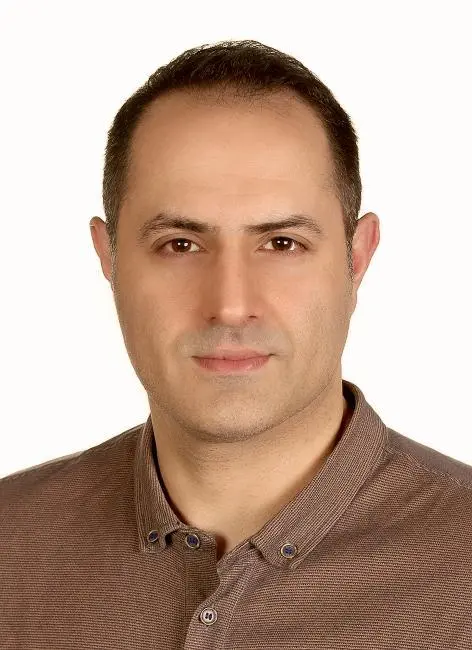
Dr. Mersad Moosavi
Orthopedic Surgeon
MD, Orthopedic Surgery
Dr. Mersad Moosavi is an Orthopedic Surgeon at Doctors Clinic Diagnostic Center (DCDC) in Dubai Healthcare City with over 14 years of clinical experience. Trained at Tehran University of Medical Sciences and author of 20+ international publications on spine surgery, he takes a conservative treatment approach — favouring physiotherapy and regenerative options like PRP before considering surgery for shoulder and joint conditions including rotator cuff tears.
Related Articles
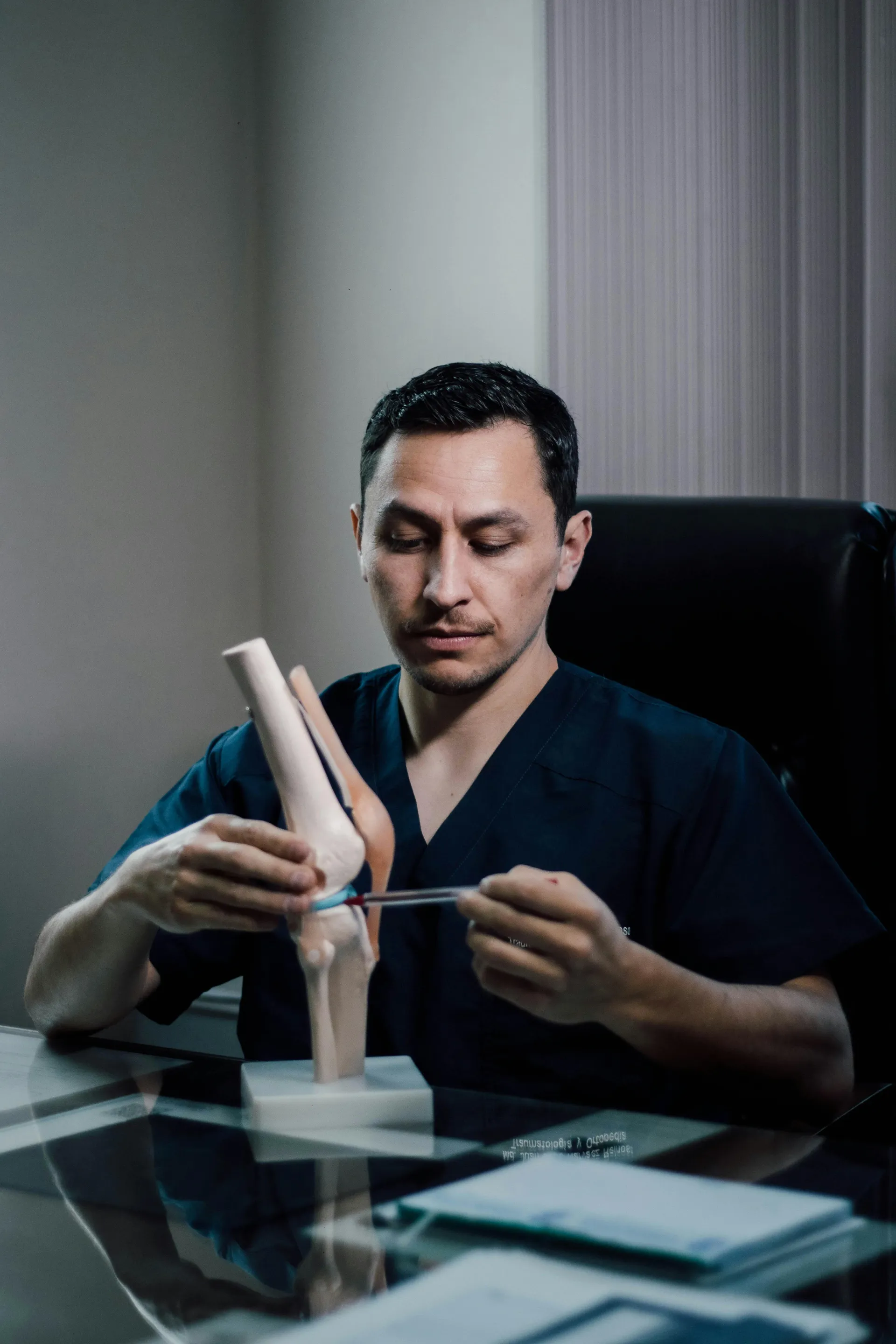
Shoulder Pain Causes & Treatment Dubai (2026)
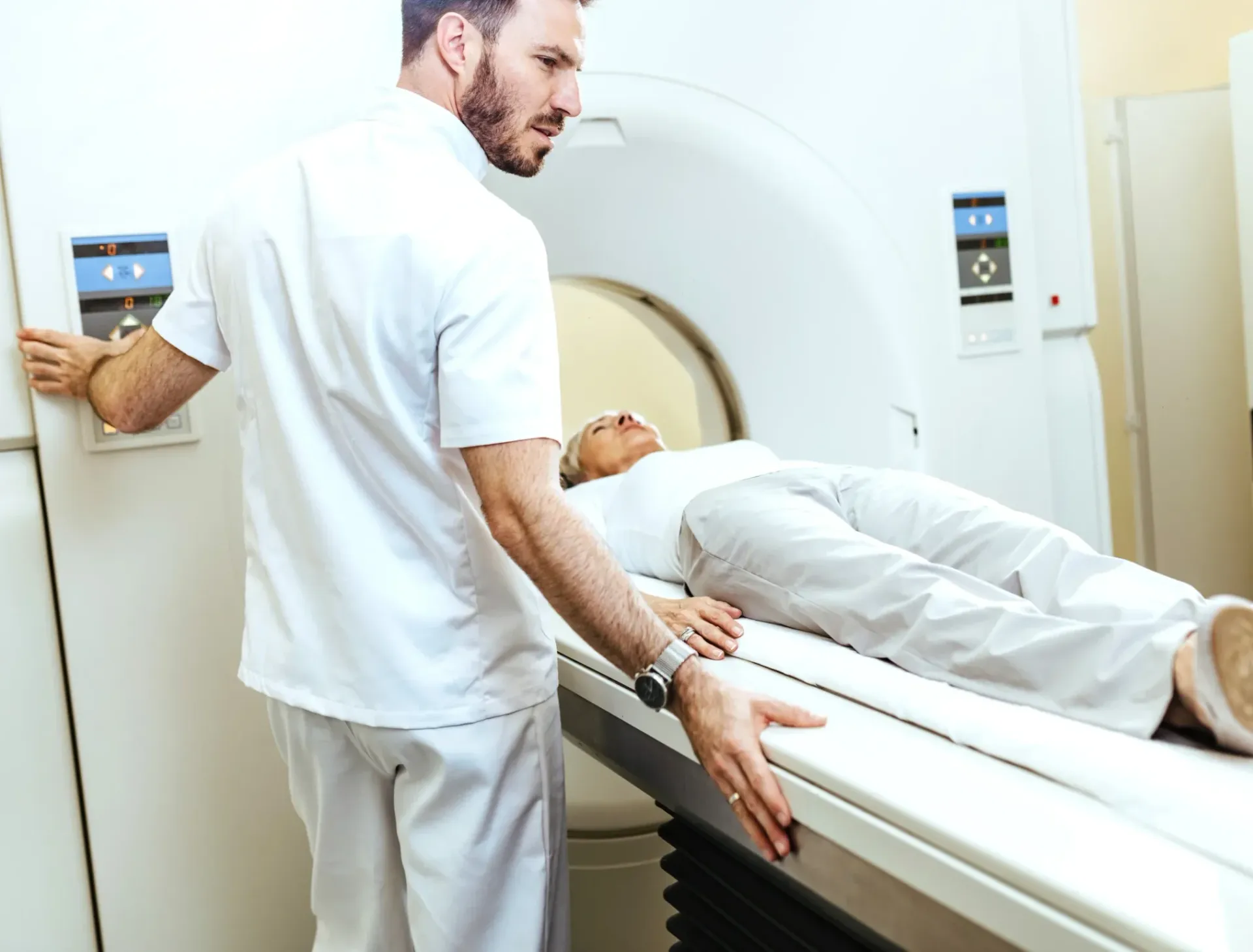
Shoulder MRI Scan Dubai Guide (2026)
Rotator Cuff Exercises Physiotherapy (2026)
PRP Injection for Joints Dubai (2026)
Shoulder Surgery Recovery Exercises (2026)
More in Orthopedics

Sciatica Causes & Symptoms in Dubai (2026)
Read More
Gym Injuries Dubai: Prevention & Recovery (2026)
Read More
Chronic Pain Management Dubai: Guide (2026)
Read More
Achilles Tendonitis Treatment in Dubai (2026)
Read More
Spinal Stenosis vs Herniated Disc Dubai (2026)
Read MoreWrist Pain Causes Dubai: When to Worry (2026)
Read More© 2026 Doctors Clinic Diagnostic Center (DCDC), Dubai Healthcare City. Originally published at https://doctorsclinicdubai.ae/blog/rotator-cuff-tear-symptoms-dubai. All rights reserved. Unauthorized reproduction is prohibited.