Key Takeaways
- Shoulder surgery rehab is slower than knee or hip -- expect 4-6 months before functional strength returns
- The sling is typically worn for 4-6 weeks; removing it too early risks re-tearing the repair
- No active shoulder movement for the first 6 weeks after rotator cuff repair -- only passive motion guided by your therapist
- Sleep is the biggest challenge: sleep semi-reclined or in a recliner for the first 4-6 weeks
- Pendulum exercises begin within the first week and are safe because gravity, not muscle, moves the arm
- Return to gym: light lower body at 6 weeks, upper body at 12+ weeks, overhead pressing at 4-6 months
- Rotator cuff repairs have a re-tear rate of 10-25%, making proper rehab pacing critical
Shoulder surgery recovery tests your patience more than any other orthopedic procedure. Unlike a knee replacement where you are walking within hours, shoulder surgery demands weeks of near-immobility followed by months of carefully phased exercises. Rush any phase and you risk re-tearing the repair. But follow the timeline, and you will regain a shoulder that is stronger and more stable than it has been in years. Our Post Surgical Rehabilitation service at DCDC offers same-day appointments in Dubai Healthcare City.
Whether you have had a rotator cuff repair, labral repair (SLAP or Bankart), or shoulder decompression, this guide covers the exercises, precautions, and milestones for each recovery phase. Our post-surgical rehabilitation team at DCDC uses these protocols daily.
How Does Recovery Differ Between Rotator Cuff and Labral Repair?
Before diving into exercises, it is important to understand that rotator cuff repairs and labral repairs follow different rehabilitation timelines. The rotator cuff is a group of four tendons that stabilize the shoulder and enable rotation. Labral repairs address the cartilage ring around the shoulder socket. Both require careful, phased rehabilitation, but the restrictions and exercise progressions differ.
| Feature | Rotator Cuff Repair | Labral Repair (SLAP/Bankart) |
|---|---|---|
| Sling duration | 4-6 weeks | 3-4 weeks |
| Passive ROM starts | Week 1 | Week 1-2 |
| Active ROM starts | Week 6-8 | Week 4-6 |
| Strengthening starts | Week 8-12 | Week 6-8 |
| Return to sport | 4-6 months | 3-5 months |
| Overhead activity | 4-6 months | 3-4 months |
| Re-tear risk | 10-25% | 5-15% |
Timelines vary based on tear size, tissue quality, and surgical technique. Always follow your surgeon's protocol.
What Exercises Are Safe in Phase 1 (Weeks 0-6)?
Phase 1 is the protection phase. Your repaired tendon or labrum is healing, and any active shoulder movement could compromise the repair. The only shoulder exercises allowed are passive movements -- your therapist or your other arm moves the operated shoulder. Your own shoulder muscles do zero work.
Pendulum Exercises (Week 1+)
Pendulum exercises are the cornerstone of early shoulder rehab. Lean forward at the waist, letting your operated arm hang freely. Gently sway your body to create small circles with the hanging arm. Gravity and momentum move the arm, not your shoulder muscles. Perform 2-3 minutes, 3-4 times daily.
Passive Forward Flexion (Week 1-2+)
Lying on your back, use your good arm to lift the operated arm overhead, keeping the operated arm completely relaxed. Your physiotherapist will perform this during sessions and teach you to do it at home. Aim to reach overhead gradually over the first 6 weeks.
Passive External Rotation (Week 2+)
Using a stick or cane held in both hands with elbows at your sides, gently push the operated arm outward using the good arm. This maintains rotational mobility while the repair heals. Your surgeon will specify the range limit (typically 30-45 degrees initially).
Other Safe Phase 1 Activities
- Elbow, wrist, and hand exercises: Bend and straighten your elbow, rotate your wrist, and squeeze a soft ball to prevent stiffness and maintain circulation.
- Scapular squeezes: Gently squeeze your shoulder blades together without moving the operated arm. This maintains upper back posture.
- Walking: Walk daily for cardiovascular health and general wellbeing. Keep the sling on.
- Stationary bike: You can cycle one-handed (good arm on handlebar) from week 2 for cardiovascular fitness.
What Exercises Start in Phase 2 (Weeks 6-12)?
Phase 2 marks the transition from passive to active movement. Your surgeon will confirm at your 6-week check that healing is progressing before your physiotherapist advances your program. This is the most technically important phase -- you begin using your shoulder muscles again, but in a controlled, gradual manner. For related information, see our guide on Rotator Cuff Exercises: Non-Surgical Treatment.
- Active-assisted forward flexion: Using a pulley system or stick, begin actively participating in lifting the arm while the device provides assistance. Progress to fully active elevation as strength builds.
- Active external rotation: With elbow at your side, rotate the arm outward under your own power. Start with no resistance.
- Isometric strengthening: Push your arm gently against a wall or doorframe in multiple directions (forward, sideways, rotation) without actual movement. Hold 5-10 seconds.
- Scapular stabilization: Rows with a light resistance band, focusing on squeezing the shoulder blade back. This builds the foundation for overhead strength.
- Light resistance band exercises: Internal and external rotation with a thin band, elbow at side.
What Does Phase 3 (Months 3-6) Look Like?
By month 3, your repair is structurally strong enough for progressive strengthening. This phase rebuilds the muscle mass and endurance you lost during the protection period. Your physiotherapist will progressively increase resistance, introduce overhead movements, and prepare you for return to sport or gym activities.
- Progressive resistance training: Resistance band exercises increase in difficulty. Light dumbbells (1-2kg) are introduced for shoulder flexion, abduction, and rotation.
- Overhead reaching: Gradually reintroduce overhead activities. Start with light objects (reaching for a cup on a high shelf) before adding resistance.
- Push-up progression: Wall push-ups at month 3, incline push-ups at month 4, floor push-ups (if tolerated) at month 5+.
- Throwing progression: For overhead athletes, a graduated throwing program starts around month 4.
- Sport-specific training: Swimming strokes, racquet sport movements, or gym exercises are reintroduced with your physiotherapist's guidance.
How Should You Sleep After Shoulder Surgery?
Sleep is the most universally frustrating aspect of shoulder surgery recovery. Lying flat puts tension on the repair, and rolling onto the operated side is both painful and potentially harmful. Most patients lose significant sleep in the first 4-6 weeks. Here are strategies that genuinely help.
- Sleep in a recliner: The semi-reclined position keeps the shoulder relaxed and is the most comfortable option for many patients in weeks 1-4.
- Prop yourself up in bed: Use a wedge pillow or stack 3-4 pillows to sleep at a 45-degree angle. Place a pillow under the operated arm for support.
- Never sleep on the operated side: Even if it feels okay, the weight of your body on the healing repair can cause problems.
- Sleep on the opposite side: Possible from week 2-3 with a pillow hugged to the chest supporting the operated arm.
- Take pain medication before bed: Staying ahead of nighttime pain helps you sleep through. Discuss a short-term nighttime pain plan with your doctor.
How Long Should You Wear the Sling?
The sling protects your repair by preventing active arm movement. Removing it prematurely is one of the most common mistakes patients make, often because they feel good and assume healing is complete. Feeling good is not the same as being healed -- tendon-to-bone healing takes 6-8 weeks minimum. You may also find our Spine Surgery Rehab: What to Expect helpful.
- Rotator cuff repair: Sling for 4-6 weeks, worn at all times except during exercises and bathing.
- Labral repair: Sling for 3-4 weeks, same usage guidelines.
- Shoulder decompression: Sling for comfort only, typically 1-2 weeks.
- At night: Wear the sling while sleeping for the full prescribed duration to prevent involuntary movements.
Recovering From Shoulder Surgery?
Our shoulder rehabilitation program at DCDC Dubai Healthcare City follows evidence-based protocols for rotator cuff repair, labral repair, and shoulder replacement. Book your first post-operative physiotherapy session.
Book a Consultation
When Can You Return to the Gym and Sport After Shoulder Surgery?
This is where patience truly pays off. The shoulder is one of the most mobile joints in the body, which also makes it one of the most vulnerable to re-injury. Returning to overhead sports or heavy lifting too soon is the primary cause of re-tears. Here is a realistic return-to-activity timeline.
| Activity | Rotator Cuff Repair | Labral Repair |
|---|---|---|
| Walking/stationary bike | Week 1-2 | Week 1-2 |
| Lower body gym (legs, core) | Week 6 | Week 4-6 |
| Light upper body (bicep curls, rows) | Week 12 | Week 8-10 |
| Swimming (freestyle) | Month 4 | Month 3-4 |
| Golf | Month 4-5 | Month 3-4 |
| Overhead pressing | Month 5-6 | Month 4-5 |
| Tennis/padel | Month 5-6 | Month 4-5 |
| Contact sports | Month 6+ | Month 5-6 |
| Heavy bench press/military press | Month 6+ | Month 5+ |
These are minimum timelines for average cases. Larger tears and revision surgeries may require longer.
Related Services at DCDC
Expert care and advanced diagnostics at Dubai Healthcare City
Post-Surgical Rehabilitation
Structured rehabilitation programs for rotator cuff and labral repair recovery
Book AppointmentPhysiotherapy
Evidence-based shoulder rehabilitation with manual therapy and exercise prescription
Book AppointmentOrthopedic Consultation
Expert orthopedic assessment for shoulder conditions and post-surgical follow-up
Book AppointmentFrequently Asked Questions
Final Thoughts
Shoulder surgery recovery rewards patience above all else. The patients who follow their physiotherapy timeline precisely -- not skipping the passive phase, not rushing to the gym, not removing the sling early -- are the ones who regain full function. Those who cut corners often end up with re-tears or persistent stiffness that requires additional procedures.
At DCDC Dubai Healthcare City, our rehabilitation team has guided hundreds of patients through rotator cuff and labral repair recovery. For an overview of post-surgical rehab principles, read our complete post-surgery physiotherapy guide.
Sources & References
This article was reviewed by our medical team and references the following sources:
- American Academy of Orthopaedic Surgeons - Rotator Cuff Rehabilitation
- Journal of Shoulder and Elbow Surgery - Rehabilitation Protocols After Rotator Cuff Repair
- Dubai Health Authority - Physiotherapy Standards of Practice
- British Elbow & Shoulder Society - Patient Rehabilitation Guidelines
- PubMed - Re-tear Rates After Arthroscopic Rotator Cuff Repair
Medical content on this site is reviewed by DHA-licensed physicians. See our editorial policy for more information.
Written by
Dr. Hadi Komshi
Specialist Internal Medicine
MD, DHA-Licensed
Dr. Hadi Komshi is a DHA-licensed Internal Medicine Specialist at Doctors Clinic Diagnostic Center in Dubai Healthcare City, with extensive experience in managing acute and chronic medical conditions including musculoskeletal pain and rehabilitation.
Related Articles
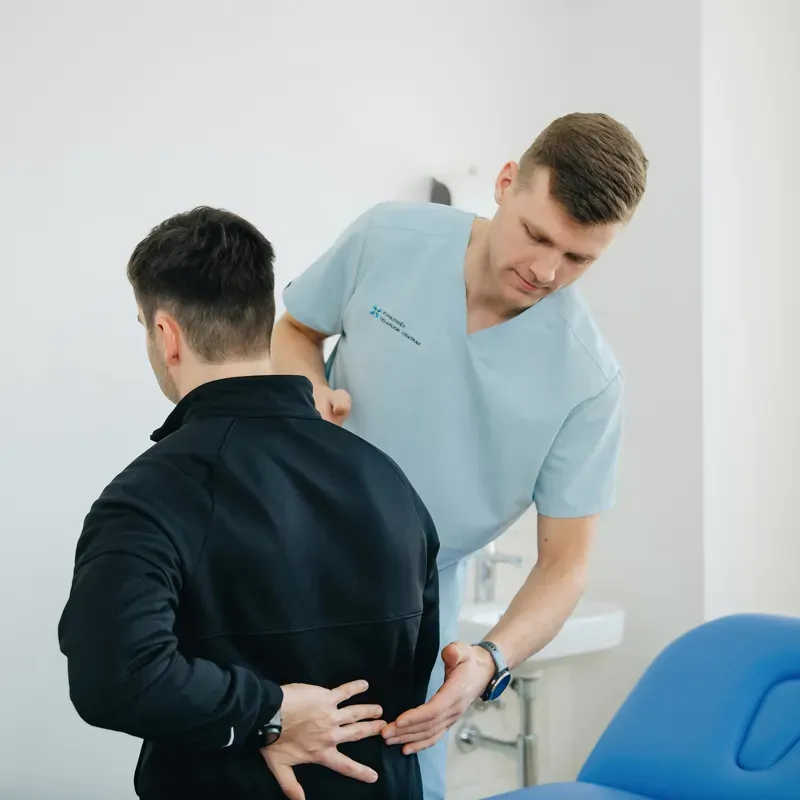
Complete Guide to Physiotherapy in Dubai: Types, Costs & What to Expect
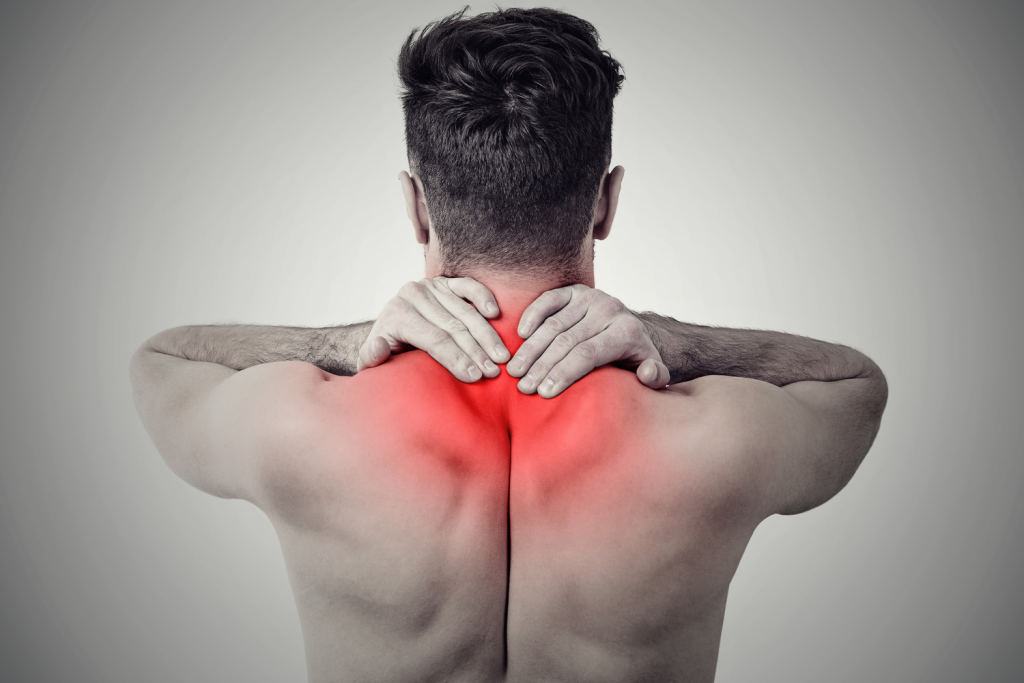
Rotator Cuff Exercises: Physiotherapy Recovery Guide
Frozen Shoulder Treatment: A Physiotherapy Approach
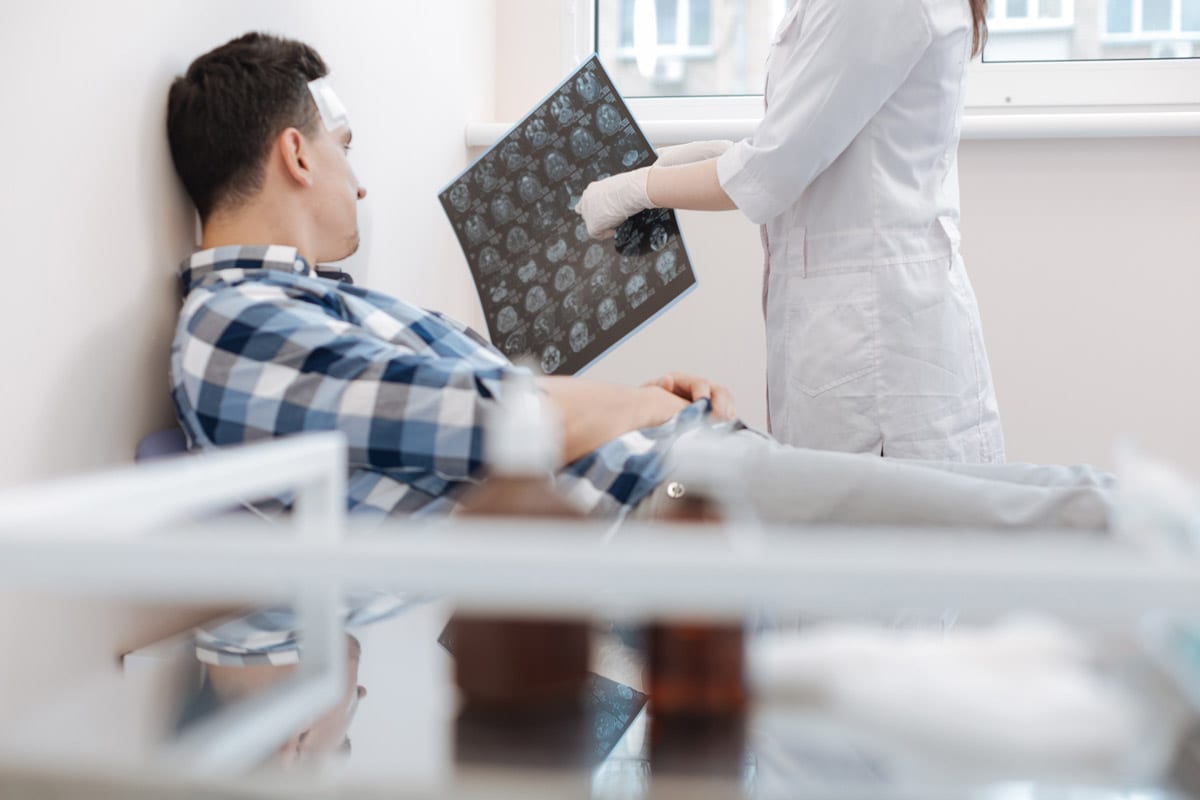
Post-Surgery Physiotherapy Recovery Roadmap
More in Physiotherapy
Emsella vs Kegels Dubai: Which Works Better? (2026)
Read MoreShin Splints Dubai: Treatment & Recovery (2026)
Read More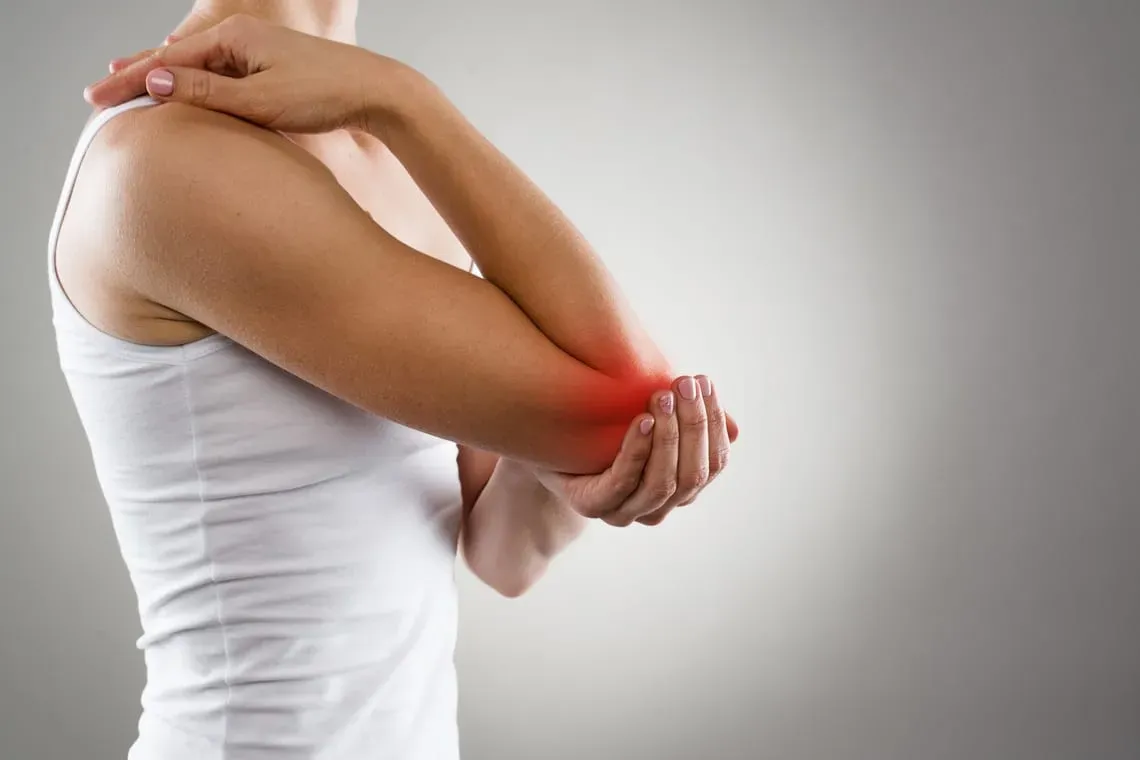
Golfer's Elbow vs Tennis Elbow Dubai (2026)
Read MorePhysiotherapy Dubai: Types, Cost & Guide (2026)
Read More
Vestibular Rehab Dubai: Treatment for Vertigo (2026)
Read MorePhysiotherapy Packages Dubai: Save 20%+ (2026)
Read More© 2026 Doctors Clinic Diagnostic Center (DCDC), Dubai Healthcare City. Originally published at https://doctorsclinicdubai.ae/blog/shoulder-surgery-recovery-exercises. All rights reserved. Unauthorized reproduction is prohibited.