
Key Takeaways
- Chronic pain is defined as pain lasting longer than 3 months, per the International Association for the Study of Pain (IASP) — distinct from acute pain that resolves as tissue heals
- The WHO estimates roughly 1 in 5 adults worldwide live with chronic pain, and Dubai's sedentary office culture, long commutes, and weekend sports injuries add extra risk factors
- Red flags needing urgent evaluation include progressive weakness, loss of bladder or bowel control, unexplained weight loss, fever with pain, or pain following significant trauma
- A multimodal approach combining physiotherapy, targeted medication, lifestyle changes, and interventional options like PRP typically outperforms any single treatment used alone
- Dr. Mersad Moosavi's approach at DCDC prioritizes conservative, non-surgical treatment first, reserving surgery for cases where conservative care fails or red flags are present
- Chronic pain and mental health are closely linked; anxiety, depression, and poor sleep can both result from and worsen persistent pain
- DCDC offers on-site MRI, X-ray, and ultrasound imaging alongside orthopedic consultations from AED 299, so diagnosis and treatment planning can often happen in a single visit
If pain has lingered for months despite rest, medication, and time, effective chronic pain management starts with understanding why: the World Health Organization estimates that roughly 1 in 5 adults worldwide live with pain lasting longer than three months, and Dubai's desk-bound, high-intensity lifestyle makes joint, back, and nerve pain especially common here. This guide explains the signs that your pain has become chronic, when it's time to see a specialist, and the non-surgical treatments that help most patients recover without surgery.
Dubai's environment brings a unique mix of pain triggers. Long hours at a desk under constant air conditioning, hour-plus commutes on Sheikh Zayed Road, and a booming weekend padel, football, and gym culture all create conditions where minor aches can quietly evolve into chronic pain if left unaddressed. Add high-pressure work schedules and a tendency to push through discomfort rather than seek early treatment, and it's easy to see why pain clinics across the city stay busy. Understanding what's driving your pain, and getting an accurate diagnosis early, is the first step toward lasting relief.

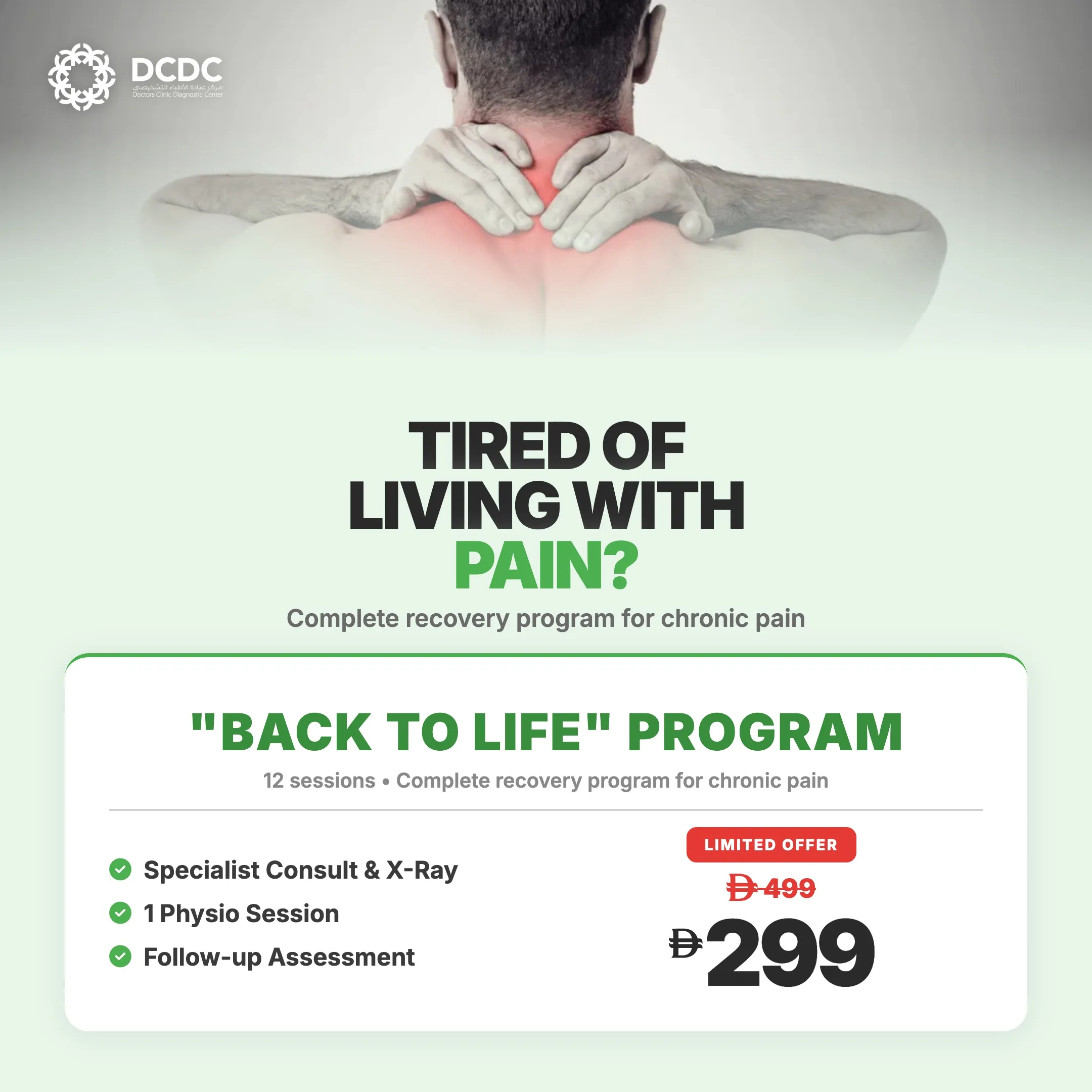

What Is Chronic Pain? Understanding the 3-Month Definition
Acute pain is your body's alarm system: it appears after an injury, surgery, or illness and fades as the tissue heals, usually within days to a few weeks. Chronic pain works differently. According to the International Association for the Study of Pain (IASP), pain is classified as chronic when it persists or recurs for longer than three months, well beyond the normal tissue-healing window. At that point, pain often stops functioning as a simple warning signal and becomes a condition in its own right, sometimes involving changes in how the nervous system itself processes signals.
The Four Main Categories of Chronic Pain
- Nociceptive pain: Caused by ongoing tissue damage or inflammation, such as osteoarthritis or a degenerating spinal disc
- Neuropathic pain: Caused by damaged or irritated nerves, producing burning, tingling, or shooting sensations, such as sciatica
- Inflammatory pain: Driven by an overactive immune response, seen in conditions like rheumatoid arthritis
- Nociplastic pain: Altered pain processing within the nervous system itself, often with no clear tissue damage, as seen in fibromyalgia
Signs Your Pain Has Become Chronic (Not Just Acute)
It isn't always obvious when ordinary pain crosses the line into a chronic condition. Watch for these patterns, which suggest your pain needs a proper evaluation rather than more waiting:
- Pain that has lasted more than 3 months, on and off or continuously
- Flare-ups triggered by minimal activity, stress, or changes in weather
- Persistent fatigue that doesn't improve with rest
- Sleep disruption from pain, or waking up in more pain than when you went to bed
- Noticeable mood changes: irritability, anxiety, or low motivation linked to your pain
- Reduced tolerance for activities you used to manage easily, like walking or standing
- Pain that spreads or shifts location over time
- Relying on over-the-counter painkillers most days just to function
Common Types of Chronic Pain in Dubai
At DCDC, our orthopedic and pain management team sees a handful of chronic pain patterns far more often than any others in Dubai's patient population. For a deeper look at one of the most common causes, read our back pain causes and treatment guide.
- Chronic back and neck pain: From disc degeneration, facet joint arthritis, or prolonged poor posture at a desk
- Chronic joint pain: Osteoarthritis of the knee, hip, or shoulder, often worsened by high-impact weekend sport
- Neuropathic (nerve) pain: Sciatica, carpal tunnel syndrome, and diabetic peripheral neuropathy
- Chronic headache and migraine: Often linked to neck and jaw muscle tension from desk posture and screen time
- Widespread pain conditions: Fibromyalgia and related central sensitization syndromes
When to See a Pain Specialist: Red Flags and Urgency Guide
Most pain, even chronic pain, is not an emergency, but certain symptoms need urgent attention rather than a wait-and-see approach. A general rule: if pain persists beyond 4 to 6 weeks despite rest and simple measures, book a specialist consultation.
Red Flags Requiring Urgent Care
- Progressive weakness in an arm or leg, or difficulty walking
- Loss of bladder or bowel control, which can indicate cauda equina syndrome, a surgical emergency
- Unexplained weight loss combined with persistent pain
- Fever with pain, which may signal infection
- Pain following significant trauma, such as a fall or car accident
- Numbness in the groin or inner thighs (saddle numbness)
- A history of cancer, as new pain can sometimes indicate spread to bone
When to Book a Routine Consultation
- Pain lasting more than 3 to 4 weeks without meaningful improvement
- Pain that interferes with sleep, work, or daily activities
- Pain that keeps returning after periods of feeling better
- Reliance on painkillers to get through most days
Non-Surgical Treatment Options for Chronic Pain
The vast majority of chronic pain does not require surgery. A multimodal approach, combining several treatments rather than relying on one, consistently produces the best outcomes. At DCDC, this typically means a personalized mix of the following four pillars:
- Physiotherapy: Rebuilds strength, mobility, and movement confidence around the painful area
- Medication: Reduces inflammation and nerve sensitivity while other treatments take effect
- Lifestyle changes: Address the ergonomic, activity, sleep, and stress factors feeding the pain cycle
- Interventional procedures: PRP and guided injections target specific structures when needed
Medications
- NSAIDs (ibuprofen, naproxen): Reduce inflammation and pain; best used short-term
- Muscle relaxants: Help with acute muscle spasm layered on top of chronic pain
- Neuropathic agents (such as gabapentinoids): Target nerve-related pain like sciatica or diabetic neuropathy
- Avoid long-term opioids: They are not effective for most chronic pain and carry significant dependency risks
The Role of Physiotherapy in Chronic Pain Management
Physiotherapy is often the single most effective long-term tool against chronic pain because it addresses the underlying mechanics rather than just masking the symptom. Programs typically combine manual therapy, targeted strengthening, and graded activity to rebuild tolerance safely. This helps with mechanical pain like chronic back and joint pain, and it is equally valuable for centrally driven pain conditions; our fibromyalgia symptoms and treatment guide explains how a graded physiotherapy program helps calm an oversensitized nervous system. For a broader look at what physiotherapy involves in Dubai, from your first assessment to typical costs, see our physiotherapy complete guide.
- Manual therapy: Hands-on techniques that improve joint mobility and reduce muscle tension
- Progressive strengthening: Rebuilding the muscles that support and protect painful joints and the spine
- Graded activity and pacing: Gradually increasing activity tolerance without triggering flare-ups
- Posture and movement retraining: Correcting the patterns that keep re-aggravating the pain
- Patient education: Understanding your condition reduces fear and measurably improves outcomes
DCDC's rehabilitation team offers physiotherapy in flexible session packs, along with specialized 3-month spine rehabilitation programs for patients with persistent back and neck pain.
Ready to Start Your Chronic Pain Management Plan?
Our joint pain management team at DCDC Dubai Healthcare City combines orthopedic consultation, on-site imaging, and physiotherapy into one coordinated plan, so you don't have to piece it together yourself.
Consultations from AED 299. Direct billing available with 20+ insurance partners.
PRP and Injection Therapies for Joint and Soft Tissue Pain
Platelet-Rich Plasma (PRP) therapy uses concentrated platelets from your own blood to stimulate the body's natural healing response in damaged joints and soft tissue. It's a popular option in Dubai for patients who want to avoid or delay surgery. Our dedicated PRP injection for joints guide covers the full procedure and recovery timeline in detail.
- Knee, hip, and shoulder osteoarthritis
- Chronic tendon injuries, such as tennis elbow or Achilles tendinopathy
- Ligament injuries that have become slow to heal
- Facet joint and sacroiliac joint pain in the spine
Guided Steroid and Other Injections
Ultrasound-guided steroid injections can calm significant inflammation around an irritated nerve or joint, providing a window of relief that makes it easier to participate fully in physiotherapy. They are not a permanent fix on their own but work well as one part of a broader chronic pain management plan.
Lifestyle Modifications That Support Long-Term Pain Relief
Treatment in the clinic is only part of the picture. What you do between appointments has a major influence on how quickly, and how completely, chronic pain improves.
- Regular movement: Gentle daily activity, such as walking or swimming, keeps joints mobile and reduces stiffness
- Workstation ergonomics: Correct chair, monitor, and desk height reduce cumulative strain
- Sleep hygiene: Consistent sleep and a supportive mattress help the body regulate pain signaling
- Stress management: Chronic stress heightens pain sensitivity; simple breathing or mindfulness practice can help
- Healthy weight: Reduces mechanical load on the knees, hips, and spine
- Anti-inflammatory nutrition: A diet rich in vegetables, fish, and whole grains supports recovery
- Hydration: Especially important in Dubai's heat, where dehydration can worsen muscle cramping and fatigue
Dubai-Specific Factors: Office Ergonomics, AC, and Sports Injuries
Certain aspects of daily life in Dubai make chronic pain more likely to develop, and more likely to persist if left untreated. For sitting-related nerve pain such as sciatica, our sciatica treatment options guide compares physiotherapy and surgical management.
- Long desk hours: Many professionals sit 8-10+ hours daily, often in poorly adjusted chairs
- AC temperature swings: Moving between intense outdoor heat and cold indoor air can cause muscle tension and spasm
- Weekend warrior sport: Sedentary weeks followed by intense padel, football, or gym sessions is a common injury pattern
- Long commutes: Extended time in a car seat adds to spinal loading, especially on Sheikh Zayed Road at peak hours
- High-pressure work culture: Stress increases muscle tension and lowers pain tolerance
What to Expect at DCDC: Your Pain Evaluation Journey
Getting an accurate diagnosis quickly matters. Here's what a typical chronic pain evaluation looks like at Doctors Clinic Diagnostic Center in Dubai Healthcare City:
- Step 1 — Consultation: A detailed history and physical examination with an orthopedic specialist, from AED 299 to AED 599
- Step 2 — Same-day imaging: On-site MRI, X-ray, or ultrasound when needed, avoiding the delay of a separate imaging visit
- Step 3 — Diagnosis and treatment plan: A personalized plan combining physiotherapy, medication, lifestyle guidance, or interventional treatment
- Step 4 — Active treatment: Physiotherapy sessions, PRP, or injections as appropriate, delivered on-site
- Step 5 — Follow-up: Progress reviews to adjust the plan and confirm the pain is genuinely improving
DCDC is MOHAP licensed, holds a 4.8/5 Google rating from over 1,000 reviews, and reports a 98% patient satisfaction rate. The clinic is located in Building 64, Block A, Al Razi Medical Complex, DHCC, open Saturday to Thursday 8AM-10PM and Friday 9AM-9PM, with free parking and a 10-minute drive from Downtown Dubai.
Diagnostic Tools: MRI, X-Ray, and Nerve Studies
Accurate diagnosis is what separates guesswork from an effective chronic pain management plan. DCDC's diagnostic radiology department provides:
- On-site MRI (Siemens 1.5T wide-bore): Detailed imaging of discs, joints, nerves, and soft tissue
- Digital X-ray: Quick assessment of bone alignment, arthritis, and fractures
- Musculoskeletal ultrasound: Real-time imaging of tendons, ligaments, and soft tissue, also used to guide injections precisely
- Nerve conduction studies: Referral pathway available to confirm nerve involvement when neuropathic pain is suspected
- Blood tests: To rule out inflammatory or systemic causes of pain when indicated
Dr. Moosavi's Clinical Perspective: Why Conservative Treatment Comes First
Dr. Mersad Moosavi brings more than 14 years of orthopedic experience to DCDC, trained at Tehran University of Medical Sciences and the author of over 20 international publications on spine surgery. Despite his surgical training, his approach to chronic pain is deliberately conservative: exhaust well-structured non-surgical treatment before considering an operating theater.
"Most chronic pain I see in Dubai responds well to a properly sequenced plan of physiotherapy, targeted medication, and lifestyle change, sometimes supported by PRP or guided injections," Dr. Moosavi explains. "Surgery has its place, but it's a last resort, not a first response. My job is to make sure every reasonable conservative option has genuinely been tried before that conversation even starts."
The Chronic Pain–Mental Health Connection
Chronic pain and mental health influence each other in both directions. Ongoing pain disrupts sleep, limits activity, and increases the risk of anxiety and depression. In turn, stress, anxiety, and poor sleep can lower your pain threshold and amplify how intensely pain is felt. Addressing this connection is part of effective treatment, not a separate issue.
- Persistent pain is strongly associated with higher rates of anxiety and depressive symptoms
- Poor sleep and chronic pain frequently feed into each other, each worsening the other
- Stress management techniques (breathing exercises, mindfulness, graded activity) can measurably reduce pain intensity
- A multidisciplinary approach, including psychological support where needed, improves outcomes for long-standing pain
Chronic Pain Management Costs at DCDC
Here's a general guide to what you can expect to pay for chronic pain evaluation and treatment at DCDC. Actual pricing depends on your specific condition and treatment plan.
| Service | Price Range (AED) |
|---|---|
| Orthopedic Consultation | 299 - 599 |
| MRI Scan (Spine/Joint) | 900 - 3,500 |
| X-ray | 200 - 500 |
| Musculoskeletal Ultrasound | 400 - 800 |
| Physiotherapy Session (or pack) | 250 - 400 per session |
| PRP Injection | 1,500 - 3,000 |
| Guided Steroid Injection | 1,500 - 3,000 |
DCDC works directly with 20+ insurance partners, including Daman, AXA, and Bupa, for direct billing on eligible treatments with pre-authorization.
Get an Accurate Diagnosis for Your Chronic Pain
Book a consultation with Dr. Mersad Moosavi at DCDC Dubai Healthcare City. With on-site MRI, X-ray, and ultrasound, we can often diagnose and start treating chronic pain in a single visit.
MOHAP licensed. Rated 4.8/5 from 1,000+ patient reviews.
Related Services at DCDC
Expert care and advanced diagnostics at Dubai Healthcare City
Joint Pain Management
Comprehensive pain assessment and treatment with PRP and injection therapies
Book AppointmentPhysiotherapy
Evidence-based rehabilitation programs for chronic pain conditions
Book AppointmentSpine Care
Specialized diagnosis and treatment for chronic back and neck pain
Book AppointmentFrequently Asked Questions
Taking Control of Chronic Pain
Chronic pain is common, but it is rarely something you simply have to live with. Understanding the difference between acute and chronic pain, recognizing red flags that need urgent attention, and pursuing a structured, multimodal treatment plan gives most patients real, lasting relief without surgery.
At Doctors Clinic Diagnostic Center, Dr. Mersad Moosavi and the orthopedic team combine an accurate, imaging-backed diagnosis with a conservative treatment-first philosophy, whether that means physiotherapy, PRP therapy, or guidance on when more advanced intervention is genuinely needed. If pain has been holding you back for months, don't wait for it to resolve on its own; book an evaluation and get a clear plan forward.
Sources & References
This article was reviewed by our medical team and references the following sources:
- World Health Organization - Musculoskeletal Conditions Fact Sheet
- International Association for the Study of Pain (IASP) - Pain Terminology
- Treede RD, et al. "A classification of chronic pain for ICD-11." Pain, 2015 - PubMed
- Mayo Clinic - Chronic Pain: Medication Decisions
- NHS - Live Well: Managing Pain
- PubMed - Platelet-Rich Plasma for Musculoskeletal Pain (Research Overview)
Medical content on this site is reviewed by DHA-licensed physicians. See our editorial policy for more information.

Written by
Dr. Mersad Moosavi
Orthopedic Surgeon
MD, Orthopedic Surgery
Dr. Mersad Moosavi is an Orthopedic Surgeon at Doctors Clinic Diagnostic Center (DCDC) in Dubai Healthcare City with over 14 years of experience and 20+ international publications.
Related Articles
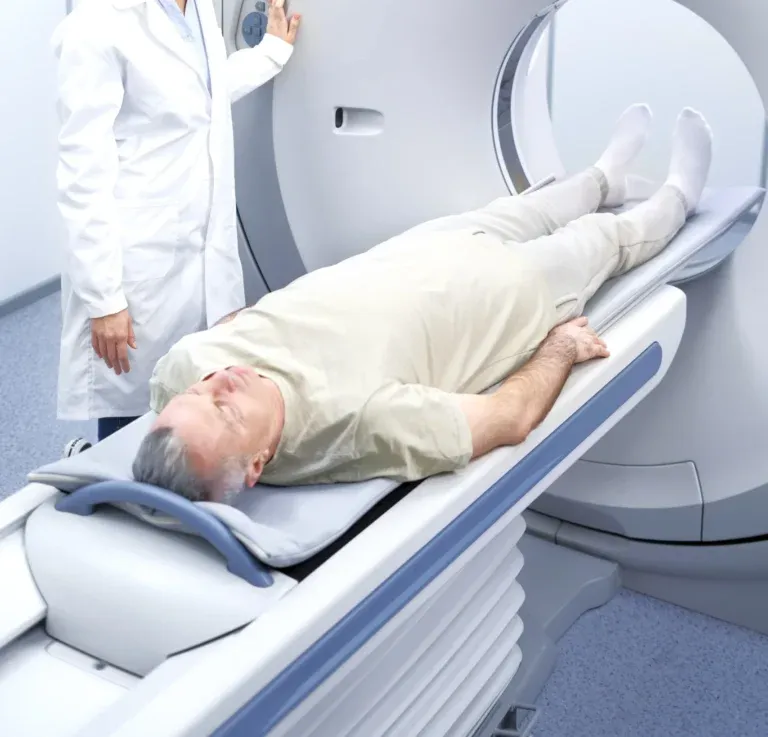
Back Pain Dubai: Causes & When You Need an MRI (2026)

Fibromyalgia Dubai: Symptoms & Treatment (2026)
Joint Pain Treatment Dubai: Causes & Relief (2026)

Sciatica Treatment Dubai: Physio vs Surgery (2026)
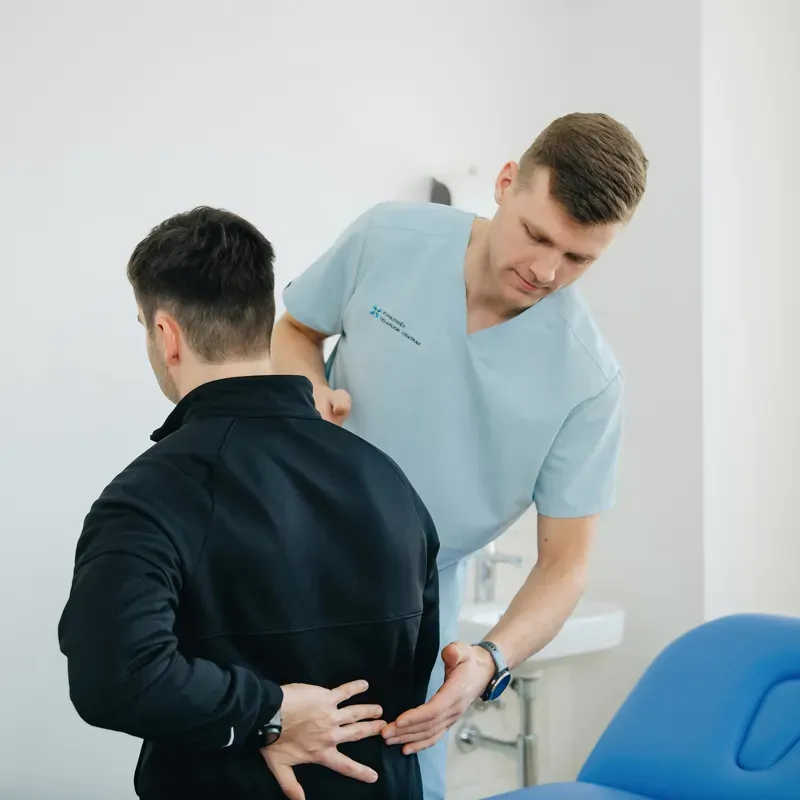
Physiotherapy Dubai: Complete Guide (2026)
More in Orthopedics

Sciatica Causes & Symptoms in Dubai (2026)
Read More
Gym Injuries Dubai: Prevention & Recovery (2026)
Read More
Achilles Tendonitis Treatment in Dubai (2026)
Read More
Spinal Stenosis vs Herniated Disc Dubai (2026)
Read MoreWrist Pain Causes Dubai: When to Worry (2026)
Read MoreTrigger Finger Treatment Dubai: Guide (2026)
Read More© 2026 Doctors Clinic Diagnostic Center (DCDC), Dubai Healthcare City. Originally published at https://doctorsclinicdubai.ae/blog/chronic-pain-management-dubai. All rights reserved. Unauthorized reproduction is prohibited.