
Key Takeaways
- Sciatica affects up to 40% of adults at some point, causing pain that radiates from the lower back through the buttock and down one leg
- The most common cause is a herniated disc pressing on the sciatic nerve root, followed by spinal stenosis and piriformis syndrome
- Most cases resolve within 4-6 weeks with conservative treatment such as physiotherapy, medication, and activity modification
- Red flags requiring emergency care include loss of bladder or bowel control, saddle numbness, and sudden bilateral leg weakness
- An MRI is the gold standard for sciatica diagnosis but is typically recommended only after 6 weeks of persistent symptoms
- Dubai lifestyle factors like prolonged sitting, long commutes, and sedentary desk work increase your risk of developing sciatica
That sharp, shooting pain running from your lower back down through your leg is hard to ignore. If sitting at your desk, driving home from work, or even coughing sends an electric jolt down one leg, you may be dealing with sciatica. It is one of the most common reasons patients visit our spine care clinic at DCDC, and research suggests that up to 40% of adults will experience sciatica at some point in their lifetime. The good news: most cases respond well to conservative treatment and do not require surgery.
This comprehensive guide covers what sciatica is, its common causes, how to recognise symptoms, when to seek urgent care, and what to expect during diagnosis and treatment at DCDC in Dubai Healthcare City.



What Is Sciatica?
Sciatica is not a disease itself but a set of symptoms caused by irritation or compression of the sciatic nerve. The sciatic nerve is the longest and thickest nerve in the human body, roughly the width of a finger. It originates from nerve roots in the lower lumbar and upper sacral spine (L4, L5, S1, S2, and S3), passes through the pelvis, runs deep through the buttock, and travels down the back of each leg all the way to the foot.
When something presses on or irritates any of these nerve roots, the result is pain, numbness, tingling, or weakness along the nerve's path. This is what doctors call radiculopathy. Most people experience sciatica on one side of the body only, though bilateral sciatica can occur in certain conditions and is considered a more serious warning sign.
Common Causes of Sciatica
Several spinal and muscular conditions can compress or irritate the sciatic nerve. Understanding the underlying cause is essential for effective treatment.
Herniated Disc (Most Common Cause)
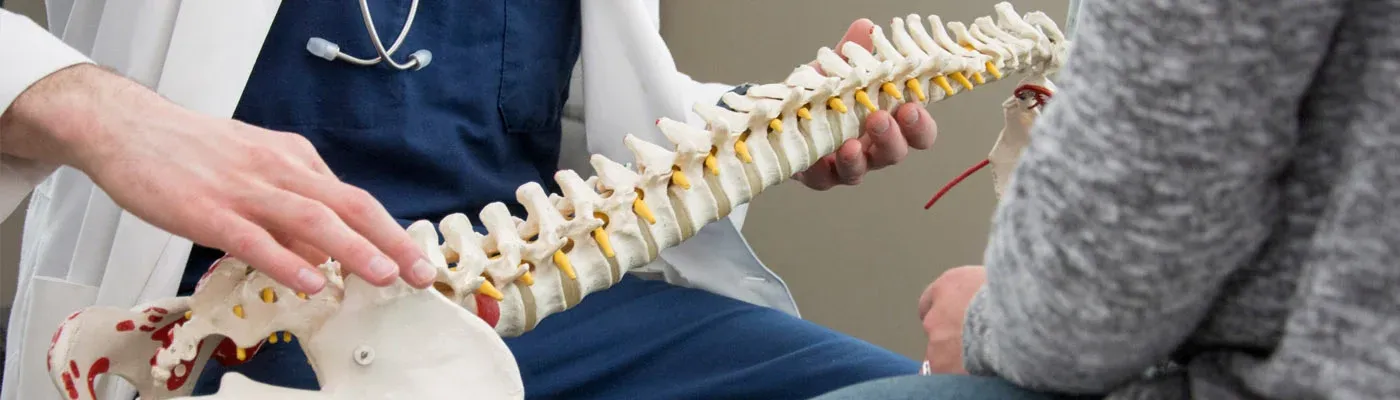
A herniated disc accounts for roughly 90% of sciatica cases. The spinal discs act as cushions between vertebrae, and when the soft inner gel (nucleus pulposus) pushes through a tear in the tougher outer ring (annulus fibrosus), it can press directly on a nearby nerve root. Herniated discs most commonly occur at the L4-L5 and L5-S1 levels, exactly where the sciatic nerve roots originate.
Spinal Stenosis
Lumbar spinal stenosis is a narrowing of the spinal canal that compresses the nerve roots. It is more common in adults over 50 and develops gradually from degenerative changes, bone spurs, and thickening of spinal ligaments. Symptoms typically worsen with walking and standing and improve when sitting or leaning forward.
Piriformis Syndrome
The piriformis is a small muscle deep in the buttock. In some people, the sciatic nerve runs through or beneath this muscle. When the piriformis goes into spasm or becomes tight, it can compress the sciatic nerve and produce symptoms nearly identical to disc-related sciatica. This is particularly common among runners and people who sit for long periods.
Spondylolisthesis
This condition occurs when one vertebra slips forward over the one below it, narrowing the opening through which the nerve root exits the spine. It can result from a stress fracture, degenerative changes, or congenital abnormalities and is a common cause of sciatica in younger athletes.
Other Less Common Causes
- Degenerative disc disease: Age-related disc breakdown that narrows the disc space and may irritate nearby nerve roots
- Bone spurs (osteophytes): Bony growths on vertebrae that encroach on the nerve canal
- Spinal tumours or cysts: Rare but possible causes of nerve compression
- Pregnancy: The weight and position of the baby can put pressure on the sciatic nerve, particularly in the third trimester
- Trauma or injury: Direct injury to the spine or pelvis from falls, car accidents, or sports
Sciatica Symptoms: What Does Sciatic Pain Feel Like?
Sciatica symptoms can range from a mild, occasional ache to severe, debilitating pain that makes daily activities nearly impossible. The hallmark feature is pain that follows the path of the sciatic nerve. Here is what to watch for:
Primary Symptoms
- Radiating leg pain: A sharp, shooting, or burning pain that starts in the lower back or buttock and travels down the back or side of one leg, sometimes reaching the foot
- Numbness or tingling: A pins-and-needles sensation in the leg, calf, or foot, often following a specific nerve distribution
- Muscle weakness: Difficulty lifting the foot (foot drop), rising on tiptoes, or pushing off when walking
- Worsening with certain positions: Pain that intensifies when sitting, bending forward, coughing, or sneezing
- One-sided symptoms: Sciatica almost always affects only one leg at a time
- Electric shock sensation: Sudden jolts of sharp pain, particularly when changing positions
How Sciatica Pain Varies by Location
The exact location and pattern of your symptoms depend on which nerve root is compressed:
- L4 nerve root: Pain in the front of the thigh, inner shin, and ankle; weakness when straightening the knee
- L5 nerve root: Pain on the outer thigh, outer calf, and top of the foot; difficulty lifting the big toe or foot (foot drop)
- S1 nerve root: Pain in the back of the calf and outer foot; weakness when pushing off the ground or rising on tiptoes
Sciatica vs Regular Back Pain: Key Differences
Many people confuse general lower back pain with sciatica. While they can coexist, they are distinct conditions with different causes and treatment approaches. The following comparison can help you identify which you may be experiencing. For a deeper look at back pain causes, read our guide on back pain causes and when you need an MRI.
| Feature | Regular Back Pain | Sciatica |
|---|---|---|
| Pain location | Localised to the lower back | Radiates from back/buttock down the leg |
| Pain character | Dull ache or stiffness | Sharp, shooting, or burning |
| Numbness or tingling | Rarely present | Common in the leg, calf, or foot |
| Muscle weakness | Uncommon | May affect foot or leg strength |
| Affected area | Both sides or central | Almost always one leg |
| Worsens with | Prolonged standing or bending | Sitting, coughing, sneezing |
| Typical cause | Muscle strain or joint wear | Herniated disc or nerve compression |
If your pain travels below the knee or causes numbness in your foot, sciatica is the more likely diagnosis.
When to See a Doctor for Sciatica in Dubai
Mild sciatica symptoms often improve on their own within a few weeks. However, you should schedule an appointment with an orthopedic specialist if:
- Pain persists for more than 4-6 weeks despite home care
- Pain is severe enough to interfere with sleep, work, or daily activities
- Numbness or tingling is getting worse rather than better
- You notice increasing weakness in your leg or foot
- Pain recurs frequently after previous episodes
Emergency Red Flags (Seek Immediate Care)
Certain symptoms can indicate cauda equina syndrome, a rare but serious condition where the nerve bundle at the base of the spinal cord is severely compressed. This is a surgical emergency. Go to the nearest emergency department immediately if you experience:
- Loss of bladder or bowel control: Inability to urinate, incontinence, or loss of sensation when wiping
- Saddle anaesthesia: Numbness in the groin, inner thighs, buttocks, or genital area
- Sudden bilateral leg weakness: Both legs becoming weak or numb at the same time
- Progressive neurological deficit: Rapidly worsening weakness or foot drop
- Severe pain with fever: Could indicate a spinal infection requiring urgent treatment
Cauda equina syndrome affects roughly 1 in 33,000 to 100,000 people per year, but delayed treatment can lead to permanent nerve damage including paralysis and permanent incontinence. Early surgical decompression, ideally within 24-48 hours of symptom onset, gives the best chance of neurological recovery.
How Sciatica Is Diagnosed
Accurate diagnosis is the first step toward effective treatment. At DCDC, our diagnostic process combines a thorough clinical examination with advanced imaging when needed.
Physical Examination
Your doctor will perform a detailed neurological examination that includes:
- Straight leg raise test (Lasegue's test): Lying flat while the doctor raises your affected leg. Pain between 30-70 degrees strongly suggests nerve root compression
- Crossed straight leg raise: Raising the unaffected leg reproduces pain in the affected leg, a highly specific sign of disc herniation
- Reflex testing: Checking ankle and knee reflexes for asymmetry
- Muscle strength testing: Assessing power in key muscle groups of the foot and leg
- Sensory testing: Mapping areas of numbness or altered sensation to identify the affected nerve root
Imaging Studies
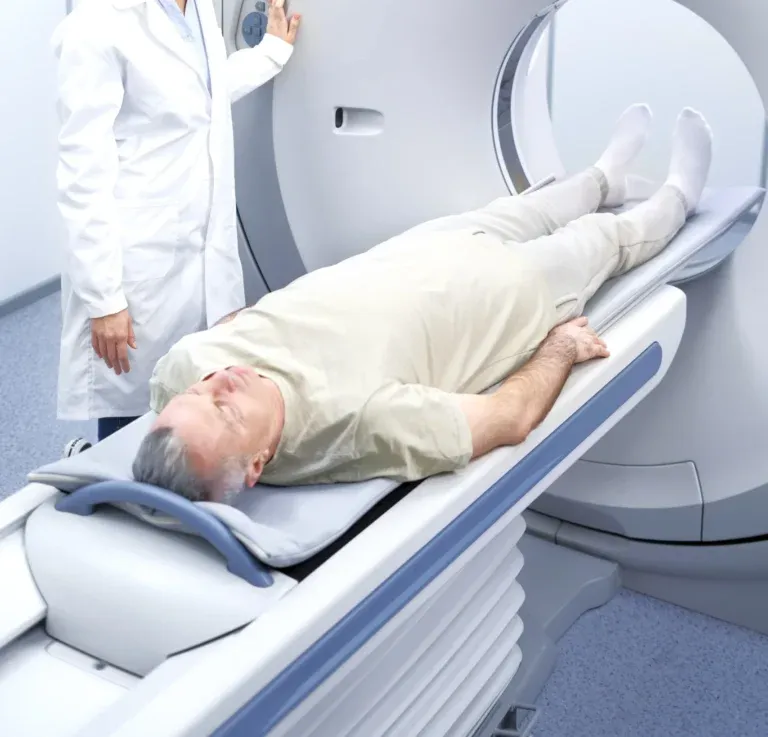
Imaging is recommended when symptoms persist beyond 6 weeks, when red flags are present, or when surgery or injections are being considered. For a detailed overview of what to expect, see our complete guide to MRI scans in Dubai.
- MRI (gold standard): Provides detailed images of soft tissues including discs, nerves, and ligaments. Our Siemens 1.5T wide-bore MRI (70cm opening) at DCDC allows comfortable spine imaging with results available the same day
- X-ray: Useful for identifying bone spurs, fractures, spondylolisthesis, and spinal alignment issues. Available on site at DCDC
- CT scan: Sometimes used when MRI is not possible or for better bone detail
- Nerve conduction studies (NCS/EMG): Measures electrical activity in muscles and nerves to confirm which nerve is affected and assess severity
Sciatica Treatment Options
According to Dr. Mersad Moosavi, who has over 14 years of orthopedic experience and has published 20+ international papers on spine surgery, "The vast majority of sciatica cases respond well to conservative management. Surgery is reserved for patients with persistent symptoms that have not improved after an adequate trial of non-surgical treatment, or for those with progressive neurological deficits. I always advocate a step-by-step approach, starting with the least invasive options."
Conservative Treatment (First Line)
Research shows that 80-90% of sciatica episodes improve with non-surgical treatment within 6-12 weeks. The initial approach includes:
- Activity modification: Staying active within pain limits rather than strict bed rest, which evidence shows can worsen outcomes
- Short-term medication: NSAIDs (ibuprofen, naproxen) to reduce inflammation, muscle relaxants for acute spasms, and neuropathic agents (pregabalin, gabapentin) for nerve-related pain
- Ice and heat therapy: Ice in the first 48-72 hours to reduce inflammation, then alternating with heat to relax muscles
- Physiotherapy: Targeted exercises to strengthen core muscles, improve flexibility, and reduce nerve compression. Typically 6-12 sessions over 4-8 weeks
Interventional Treatments
When conservative measures alone are not sufficient, the following options can provide significant relief:
- Epidural steroid injections: Corticosteroid medication delivered directly around the irritated nerve root to reduce inflammation and pain. Provides relief lasting weeks to months, allowing participation in physiotherapy
- PRP therapy: Platelet-rich plasma uses your body's own growth factors to promote healing of damaged tissues around the nerve. DCDC offers 3-month spine rehabilitation programmes that can include PRP therapy
- Nerve root blocks: Targeted anaesthetic and steroid injections to block pain signals from the specific affected nerve
Surgical Treatment (When Necessary)
Surgery is considered when conservative treatment has failed after 6-12 weeks, when progressive neurological weakness is present, or in cases of cauda equina syndrome. Common procedures include:
- Microdiscectomy: The most common surgery for sciatica, removing the portion of the herniated disc pressing on the nerve. Minimally invasive with a success rate of 84-95%
- Laminectomy: Removing part of the vertebral bone (lamina) to create more space for the compressed nerve, particularly effective for spinal stenosis
- Spinal fusion: Joining two or more vertebrae together to stabilise the spine, typically used for spondylolisthesis or instability
Sciatica Recovery Timeline
Understanding the typical recovery timeline helps set realistic expectations. While each case is different, most sciatica episodes follow a predictable pattern. For detailed disc recovery milestones, see our herniated disc recovery week-by-week timeline.
| Phase | Timeframe | What to Expect |
|---|---|---|
| Acute phase | Weeks 1-2 | Most intense pain; focus on pain management, gentle movement, and avoiding aggravating positions |
| Early improvement | Weeks 3-4 | Pain begins to shift from sharp and shooting to a dull ache; 75% of patients see meaningful improvement |
| Active rehabilitation | Weeks 4-8 | Structured physiotherapy begins; progressive strengthening exercises; most patients return to modified duties |
| Consolidation | Weeks 8-12 | Most cases have resolved; residual numbness or mild ache may linger; full return to normal activities |
| Chronic evaluation | Beyond 12 weeks | If symptoms persist, further investigation and potential interventional treatment or surgery are considered |
About 50% of acute sciatica cases improve within 10 days. Approximately 75% resolve within 4 weeks with conservative care.
What to Expect at DCDC
At Doctors Clinic Diagnostic Center in Dubai Healthcare City (DHCC Building 64, Block A), we have structured our sciatica care pathway to give you a clear diagnosis and treatment plan in a single visit wherever possible.
Your First Visit
- Arrival: Free parking is available on site. Our clinic is open until 10 PM and is located just 10 minutes from Downtown Dubai. The average wait time is 15 minutes
- Consultation with Dr. Moosavi: A thorough clinical examination including neurological testing, with spine consultation starting from AED 299
- Same-day imaging if needed: Our on-site Siemens 1.5T wide-bore MRI (70cm opening) provides comfortable imaging even for patients with claustrophobia, with spine MRI from AED 900. X-ray is also available immediately
- Diagnosis and treatment plan: You leave with a clear understanding of your condition, a personalised conservative treatment plan, and a follow-up schedule
Ongoing Care
DCDC offers 3-month spine rehabilitation programmes that combine targeted physiotherapy, pain management, and when appropriate, PRP therapy. Our multidisciplinary approach means your orthopedic surgeon, physiotherapist, and diagnostic team all work under one roof. We partner with 20+ insurance providers for direct billing, and our MOHAP-licensed team maintains a 4.8/5 Google rating from 1,000+ reviews with 98% patient satisfaction.
Struggling With Sciatica Pain?
Book a spine consultation with Dr. Mersad Moosavi at DCDC from AED 299. Same-day MRI available on site. Our spine care team diagnoses and treats sciatica with a conservative-first approach, backed by on-site imaging, physiotherapy, and PRP therapy.
Sciatica Exercises and Self-Care
Staying active is one of the most important things you can do during sciatica recovery. However, the wrong exercises can make symptoms worse. Here is a guide to what helps and what to avoid.
Safe Stretches and Exercises
- Knee-to-chest stretch: Lying on your back, gently pull one knee toward your chest. Hold for 20-30 seconds. This opens the lumbar spine and reduces nerve compression
- Piriformis stretch: Lying on your back, cross the affected leg over the opposite knee and pull the bottom knee toward your chest. Hold for 30 seconds
- Sciatic nerve glides: Seated, straighten the affected leg while flexing the ankle, then bend the knee while pointing the toes. Repeat 10 times gently
- Pelvic tilts: Lying on your back with knees bent, gently flatten your lower back against the floor by tightening abdominal muscles. Hold 5 seconds, repeat 10 times
- Walking: Gentle, flat-surface walking for 15-30 minutes helps maintain mobility and promotes healing
- Swimming: Low-impact aquatic exercise is excellent for sciatica as it reduces spinal loading while keeping muscles active
Exercises to Avoid During Acute Sciatica
- Heavy deadlifts and squats: Places extreme load on the lumbar spine and can worsen disc herniation
- Toe touches and forward bends: Stretches the sciatic nerve and increases disc pressure
- Sit-ups and crunches: Compresses the lumbar discs and can aggravate the compressed nerve
- High-impact activities: Running, jumping, and contact sports can jar the spine and increase inflammation
- Prolonged sitting: Especially in low or soft chairs; use a lumbar support cushion if you must sit for work
Dubai Lifestyle Adjustments
Dubai's car-dependent lifestyle and office culture can make sciatica worse. If your commute involves 30-60 minutes of driving each way, use a lumbar support in your car seat and take a short walk at each end of your journey. For desk workers spending 8-10 hours seated, set a timer to stand and stretch every 30-45 minutes. Consider a standing desk converter for part of your workday. When using indoor gyms during the hot months, focus on low-impact equipment like ellipticals and stationary bikes rather than heavy lifting until symptoms resolve.
Preventing Sciatica: Lifestyle Tips for Dubai Residents
Prevention is always more effective than treatment. These evidence-based strategies can significantly reduce your risk of developing sciatica or prevent recurrence.
Strengthen Your Core
A strong core supports your spine and reduces the load on your intervertebral discs. Focus on planks, bird dogs, dead bugs, and bridges rather than sit-ups, which can increase disc pressure. Aim for 15-20 minutes of core work three times per week.
Maintain Good Posture
- At your desk: Monitor at eye level, feet flat on the floor, elbows at 90 degrees, and a lumbar support cushion in your chair
- While driving: Adjust your seat so your knees are slightly higher than your hips. Use the built-in lumbar support or add a cushion
- When lifting: Bend at the knees, keep the load close to your body, and avoid twisting while carrying weight
- While sleeping: A medium-firm mattress with a pillow between the knees (if side sleeping) or under the knees (if on your back) keeps the spine aligned
Stay Active and Manage Your Weight
Regular exercise, including walking, swimming, yoga, and Pilates, keeps the muscles supporting your spine strong and flexible. Maintaining a healthy weight reduces the mechanical load on your lumbar discs. Even moderate weight loss can noticeably reduce lower back and sciatica symptoms.
Get Expert Sciatica Care at DCDC
Our orthopedic specialists at DCDC in Dubai Healthcare City offer comprehensive sciatica diagnosis and treatment. With on-site MRI, physiotherapy, and PRP therapy available, you can go from consultation to treatment plan in a single visit. Spine consultation from AED 299.
We accept 20+ insurance plans with direct billing. Walk-ins welcome or book online.
Sciatica Treatment Costs in Dubai
Here is what you can expect to pay for sciatica diagnosis and treatment in Dubai. DCDC offers competitive pricing with the convenience of having all services under one roof.
| Service | DCDC Price (AED) | Dubai Average (AED) |
|---|---|---|
| Spine consultation | From 299 | 400 - 1,200 |
| Spine MRI | From 900 | 1,500 - 3,500 |
| Spine X-ray | From 200 | 300 - 600 |
| Physiotherapy session | From 250 | 300 - 500 |
| PRP injection | From 1,500 | 2,000 - 4,000 |
| Epidural steroid injection | From 2,500 | 3,000 - 5,000 |
Prices are approximate and may vary. Many insurance plans cover these services with pre-authorisation. DCDC partners with 20+ insurance providers for direct billing.
Related Services at DCDC
Expert care and advanced diagnostics at Dubai Healthcare City
Frequently Asked Questions
Taking the Next Step for Your Sciatica
Sciatica can be intensely painful and disruptive, but the outlook is encouraging. The vast majority of cases improve with conservative treatment within weeks. Understanding what is causing your symptoms, recognising red flag warning signs, and starting appropriate treatment early are the keys to a smooth recovery.
If you are experiencing persistent leg pain, numbness, or weakness, do not wait for symptoms to become severe. At Doctors Clinic Diagnostic Center in Dubai Healthcare City, Dr. Mersad Moosavi and our spine care team can provide a thorough evaluation, same-day imaging if needed, and a personalised treatment plan tailored to your condition and lifestyle. Book your spine consultation today, starting from AED 299.
Sources & References
This article was reviewed by our medical team and references the following sources:
- Mayo Clinic — Sciatica: Symptoms and Causes
- NHS — Sciatica: Treatment, Symptoms and Causes
- Cleveland Clinic — Cauda Equina Syndrome
- NICE Guidelines — Low Back Pain and Sciatica in Over 16s
- North American Spine Society — Diagnosis and Treatment of Lumbar Disc Herniation with Radiculopathy
- BMJ Best Practice — Sciatica (Lumbar Radiculopathy)
Medical content on this site is reviewed by DHA-licensed physicians. See our editorial policy for more information.

Written by
Dr. Mersad Moosavi
Orthopedic Surgery
MD, Orthopedic Surgery
Dr. Mersad Moosavi is an Orthopedic Surgery specialist at Doctors Clinic Diagnostic Center (DCDC) in Dubai Healthcare City.
Related Articles
Back Pain Dubai: Causes & When You Need an MRI (2026)
Herniated Disc Recovery: Week-by-Week Timeline (2026)

Best Orthopedic Surgeon in Dubai at DCDC (2026)

Frozen Shoulder: Physiotherapy Treatment Dubai (2026)
More in Orthopedics
Gym Injuries Dubai: Prevention & Recovery (2026)
Read More
Chronic Pain Management Dubai: Guide (2026)
Read More
Achilles Tendonitis Treatment in Dubai (2026)
Read More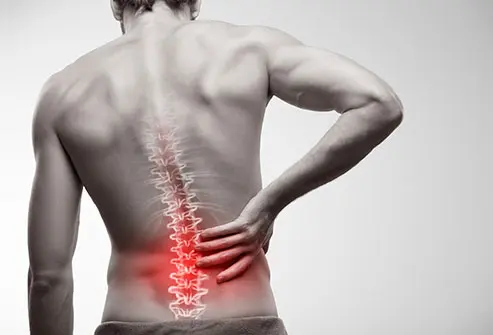
Spinal Stenosis vs Herniated Disc Dubai (2026)
Read More
Wrist Pain Causes Dubai: When to Worry (2026)
Read MoreTrigger Finger Treatment Dubai: Guide (2026)
Read More© 2026 Doctors Clinic Diagnostic Center (DCDC), Dubai Healthcare City. Originally published at https://doctorsclinicdubai.ae/blog/sciatica-causes-symptoms-dubai. All rights reserved. Unauthorized reproduction is prohibited.