Key Takeaways
- Bursitis is inflammation of a bursa, a small fluid-filled cushion that reduces friction around joints. It most often affects the shoulder, hip, knee, elbow and heel
- Most cases are caused by repetitive movement, prolonged pressure or direct injury, and many settle with rest, ice, activity changes and physiotherapy
- Bursitis can look like tendonitis or arthritis, so an accurate diagnosis (examination, ultrasound, X-ray or MRI) matters before choosing treatment
- Fever, a hot red swollen joint, or an inability to move the joint can signal infected (septic) bursitis and needs urgent medical review
- Corticosteroid injections, PRP and surgery are options for persistent cases that do not respond to first-line care
- DCDC offers same-day consultation, on-site X-ray, ultrasound and Siemens 1.5T wide-bore MRI in Dubai Healthcare City, with consultations from AED 250
Bursitis treatment starts with understanding what is actually inflamed, and why. Bursitis is a common cause of pain around the shoulder, hip, knee, elbow and heel, and it often develops after repetitive movement or prolonged pressure on a joint. This guide explains the causes, symptoms and diagnosis of bursitis, and the treatment options available, including joint pain management at DCDC in Dubai Healthcare City.
Many people live with bursitis for weeks before seeking help, assuming it is a muscle strain or simply age. In Dubai, desk-based work, weekend sport, running in cooler months and long hours kneeling or leaning on elbows all contribute. This article was written by Dr. Mersad Moosavi, an orthopedic surgeon at DCDC, to help you recognise bursitis, know when to seek care, and understand what recovery usually involves. For a wider overview of joint problems, see our guide to joint pain treatment.


What Is Bursitis?
Bursitis is inflammation of a bursa. A bursa is a thin, slippery, fluid-filled sac that sits between bone and the soft tissues that move over it, such as tendons, muscles and skin. Bursae act like tiny cushions, letting tissues glide smoothly and absorbing pressure. The human body has more than 150 bursae, with the largest clusters around the shoulders, elbows, hips, knees and heels (NHS; Mayo Clinic).
When a bursa is repeatedly irritated, bruised or infected, its lining becomes inflamed and produces extra fluid. The sac swells, becomes tender and can press on surrounding structures, which is why moving or leaning on the joint hurts. Bursitis may be acute (sudden onset after a knock or unusual activity) or chronic (recurring or lingering for months).
Two Main Kinds of Bursae
- Deep bursae sit under muscles and tendons, for example the subacromial bursa in the shoulder and the trochanteric bursa at the outer hip. Swelling is usually not visible, and pain is felt deep in the joint
- Superficial bursae sit just under the skin, for example at the tip of the elbow (olecranon) and in front of the kneecap (prepatellar). Swelling can be seen and felt as a soft lump, and these are the bursae most prone to infection
Types of Bursitis by Joint Location
Bursitis can occur wherever a bursa exists, but certain locations are far more common. Knowing which bursa is involved helps explain your symptoms and guides treatment.
Shoulder Bursitis (Subacromial Bursitis)
The subacromial bursa lies between the rotator cuff tendons and the bony roof of the shoulder (the acromion). It is frequently irritated together with the rotator cuff, producing pain at the top and outer shoulder, especially when lifting the arm overhead or sleeping on that side. Painters, swimmers, racquet-sport players and people who reach overhead at work are commonly affected. Because shoulder bursitis overlaps with rotator cuff problems, our guide to shoulder pain may also help, and stiffness that limits all movement may point to frozen shoulder instead.
Hip Bursitis (Trochanteric Bursitis)
Pain on the outer point of the hip, which may spread down the outer thigh, is often attributed to trochanteric bursitis, now frequently grouped under the term greater trochanteric pain syndrome because tendon problems in the gluteal muscles often coexist. It is more common in women and in people over 40. Typical triggers are lying on the affected side at night, climbing stairs, standing up from a low seat and running on hard surfaces.
Knee Bursitis (Prepatellar and Pes Anserine)
Prepatellar bursitis causes swelling directly in front of the kneecap and is sometimes called housemaid's knee or carpet layer's knee because of its link with prolonged kneeling. Pes anserine bursitis causes pain on the inner side of the knee, a few centimetres below the joint line, and is seen in runners, people with knee osteoarthritis and people who are overweight.
Elbow Bursitis (Olecranon Bursitis)
Olecranon bursitis produces a soft, sometimes golf-ball-sized swelling at the point of the elbow. It often follows leaning on the elbow for long periods (students, drivers, office workers) or a direct blow, and it is one of the bursae most likely to become infected after a small skin break. Pain on the outer side of the elbow with gripping is a different pattern and more typical of tennis elbow.
Heel and Ankle Bursitis (Retrocalcaneal)
The retrocalcaneal bursa sits between the Achilles tendon and the back of the heel bone. Inflammation here causes pain and swelling at the back of the heel, worse with uphill walking, running or tight-fitting shoes. It frequently coexists with Achilles tendon problems, and a prominent heel bone (Haglund deformity) can increase the risk.
Less common sites include the buttock (ischial bursitis, sometimes called weaver's bottom), the base of the big toe and the groin (iliopsoas bursitis).
Bursitis Causes and Risk Factors
Bursitis develops when a bursa is irritated faster than it can settle. The common mechanisms are listed below, according to the NHS, Mayo Clinic and the American Academy of Orthopaedic Surgeons (AAOS).
- Repetitive movement: repeated overhead reaching, throwing, scrubbing, running or cycling can overload the bursa around the shoulder, hip, knee or heel
- Prolonged pressure: kneeling on hard floors, leaning on the elbows at a desk, or sitting for long periods on hard seats compresses superficial bursae
- Direct injury: a fall or knock to the elbow, knee or hip can cause bleeding into the bursa and sudden swelling
- Infection: bacteria entering through a cut, graze or insect bite over a superficial bursa can cause septic bursitis, which is a medical priority
- Underlying conditions: rheumatoid arthritis, gout, osteoarthritis and diabetes increase the likelihood of bursitis
- Poor mechanics or posture: leg length differences, weak hip muscles, tight tendons, flat feet or ill-fitting shoes shift load onto particular bursae
- Sudden increases in activity: starting a new gym programme, marathon training or a long weekend of DIY without preparation
Who Is Most at Risk?
Bursitis becomes more common with age because tendons lose elasticity and tolerate load less well, and it is more frequent in people aged over 40. Occupations and hobbies that involve repetitive tasks or kneeling raise the risk. In Dubai, we commonly see it in office workers with poor desk setups, recreational runners ramping up training in cooler months, gym-goers increasing lifting loads quickly, and people in trades such as flooring, plumbing and painting.
Bursitis Symptoms: How to Recognise Them
Symptoms depend on which bursa is affected, but most people notice a similar pattern.
- Localised pain: a dull ache or sharp tenderness over a specific spot, rather than diffuse pain throughout the joint
- Pain with pressure or movement: lying on the hip, leaning on the elbow, kneeling, or lifting the arm overhead brings it on
- Swelling: visible and soft in superficial bursae (elbow, knee), often hidden in deep bursae (shoulder, hip)
- Warmth and redness: the skin over the bursa may look pink or red and feel warmer than the other side
- Stiffness: the joint may feel tight, especially in the morning or after sitting, and range of motion may be reduced by pain
- Night pain: hip and shoulder bursitis commonly disturb sleep, especially when lying on the painful side
A helpful clue is that bursitis pain is typically worse with direct pressure and certain positions, while the joint itself may still move reasonably through most of its range. Symptoms often settle over days to a few weeks with sensible care, though recurrence is common if the cause is not addressed.
When to See a Doctor for Bursitis
Mild bursitis often improves with home care. However, you should seek medical advice promptly if any of the following apply (NHS; Mayo Clinic):
- Fever or feeling generally unwell together with a swollen, painful joint, which may indicate infection
- A hot, red, rapidly swelling bursa, especially after a cut, graze or insect bite over the area
- Sudden severe pain or inability to move the joint
- Pain that has not improved after one to two weeks of rest and simple measures
- Excessive swelling, bruising or a skin rash around the joint
- Recurring episodes in the same location, which suggest an underlying mechanical or medical cause
- Weakness, numbness or tingling in the limb, which may point to nerve involvement or a different diagnosis
- Weakened immunity or diabetes, where infections can progress faster
Septic bursitis requires urgent assessment because it may need antibiotics and drainage. If you have fever with a hot, red joint, do not wait to see whether it improves. Attend urgent care or contact us the same day.
How Bursitis Is Diagnosed
Bursitis is often diagnosed from the history and examination, but because several conditions cause similar pain, imaging is used whenever the diagnosis is uncertain or the problem is not settling.
History and Physical Examination
Your orthopedic specialist will ask when the pain began, what aggravates it, your occupation and sports, previous injuries and medical conditions. Examination looks for tenderness directly over the bursa, swelling, warmth, range of motion and strength, and specific tests that distinguish bursitis from tendon, joint or nerve problems.
Ultrasound
Musculoskeletal ultrasound can show a fluid-filled, thickened bursa in real time, assess nearby tendons and guide injections or aspiration precisely. DCDC has on-site ultrasound, so it can often be done during the same visit.
X-ray
X-rays do not show bursae, but they are useful for ruling out fractures, arthritis, bone spurs and calcium deposits in tendons that can mimic or contribute to bursitis. DCDC provides digital X-ray on site.
MRI
MRI gives detailed images of bursae, tendons, cartilage and bone. It is helpful for deep bursitis (hip, shoulder), suspected tendon tears or when symptoms persist despite treatment. Our Siemens 1.5T wide-bore MRI has a 70 cm opening, which many patients find more comfortable than a conventional narrow scanner.
Aspiration and Laboratory Tests
If infection is suspected, fluid may be drawn from the bursa with a needle (aspiration) and sent for analysis, and blood tests such as inflammatory markers may be requested. Aspiration can also relieve pressure from a large swollen bursa. If gout or rheumatoid arthritis is suspected, further blood tests may be arranged.
Bursitis vs Similar Conditions
Bursitis, tendonitis and arthritis can all cause pain around a joint, and they sometimes occur together. The table below summarises typical differences, though only a clinical assessment can confirm which applies to you.
| Feature | Bursitis | Tendonitis | Arthritis |
|---|---|---|---|
| What is affected | Fluid-filled bursa cushioning the joint | Tendon connecting muscle to bone | Joint cartilage and lining |
| Typical pain location | Pinpoint tenderness over the bursa | Along the tendon, worse with muscle use | Deep within the joint, often diffuse |
| Typical aggravating factors | Direct pressure, lying on the joint, kneeling | Resisted or repeated movement of the muscle | Weight bearing, movement, morning stiffness |
| Swelling | Localised, soft lump in superficial bursae | Mild, along the tendon | Joint-wide, may be bony or warm |
| Range of movement | Often fairly preserved but painful | Painful with specific movements | Often progressively reduced |
| Usual course | Often settles in days to weeks with care | Weeks to months; may become chronic | Long-term condition needing ongoing management |
| Common first-line care | Rest, ice, activity changes, physiotherapy | Load management, physiotherapy | Exercise, weight management, medication |
Because overlap is common, imaging and examination matter. For example, shoulder impingement often involves both the bursa and the rotator cuff tendons, and hip pain labelled bursitis may in fact be gluteal tendinopathy or referred pain from the lower back.
Bursitis Treatment Options
Most cases of bursitis respond well to conservative treatment. Your specialist will tailor the plan to the location, how long you have had symptoms and the underlying cause. Treatment typically progresses from simple measures to more targeted options.
Rest, Ice and Activity Modification
The first step is to stop repeating the movement or pressure that irritates the bursa. This does not mean complete immobility, but temporarily avoiding kneeling, overhead lifting or lying on the painful side. Applying an ice pack wrapped in cloth for 15 to 20 minutes several times a day can ease pain and swelling in the early stage. Padding (for example kneepads or an elbow pad), a supportive pillow between the knees at night and better workstation setup all help.
Medication
Over-the-counter paracetamol or anti-inflammatory medicines (NSAIDs) such as ibuprofen can relieve discomfort in the short term, and topical anti-inflammatory gels are an option for superficial bursae. These should be used as directed and are not suitable for everyone, particularly people with stomach, kidney or heart conditions, so check with a doctor or pharmacist. Antibiotics are needed only if the bursa is infected.
Physiotherapy
Physiotherapy addresses the reasons the bursa became irritated. A therapist can improve flexibility, strengthen supporting muscles (for example the hip abductors for trochanteric bursitis or the rotator cuff and scapular stabilisers for shoulder bursitis), correct movement patterns and guide a gradual return to activity. This is especially valuable for preventing recurrence. If you are weighing up the cost of a programme, see our guide to physiotherapy costs in Dubai. Physiotherapy at DCDC is available from AED 250 per session.
Corticosteroid Injections
If pain persists despite several weeks of conservative care, a corticosteroid injection into or around the bursa, often ultrasound-guided, can reduce inflammation and provide relief that allows rehabilitation to progress. Benefit varies between people and locations, and repeated injections in the same area are generally avoided because of possible effects on nearby tendons and tissues. Injections are not used when infection is suspected.
PRP and Other Regenerative Options
Platelet-rich plasma (PRP) uses concentrated platelets from your own blood and is sometimes considered when bursitis is associated with tendon degeneration, such as gluteal tendinopathy or rotator cuff tendinopathy. Evidence is still developing and results vary, so it is discussed individually rather than offered routinely. You can read more in our article on PRP injections for joints.
Aspiration and Antibiotics for Septic Bursitis
An infected bursa is treated with antibiotics, and may need drainage with a needle or minor surgery. Early treatment lowers the risk of the infection spreading to the joint or surrounding tissue.
Surgery
Surgery is uncommon and reserved for chronic, recurrent or infected bursitis that has not responded to other treatment. Removal of the bursa (bursectomy) can often be done with keyhole (arthroscopic) or small open techniques, and the body does not need the bursa to function. Surgery on the shoulder may also address bone spurs or tendon problems contributing to the pain. Your surgeon will discuss the risks, benefits and recovery for your specific case.
Recovery time varies. Mild bursitis may settle in a couple of weeks, while chronic or deep bursitis, such as around the hip or shoulder, can take several weeks to months. Patients who follow their rehabilitation plan and address the cause generally do better.
What to Expect at DCDC
Doctors Clinic Diagnostic Center is in Building 64, Dubai Healthcare City, with free parking on site. We are open Saturday to Thursday 8 AM to 10 PM and Friday 9 AM to 9 PM. Here is how a typical bursitis visit works:
- Arrival and check-in: park free at Building 64, DHCC, and check in at reception. We work with 20+ insurance partners with direct billing
- Consultation with an orthopedic specialist: a detailed history and examination to identify the likely bursa and cause. Orthopedic consultations are available from AED 250
- Same-day imaging if needed: digital X-ray, on-site ultrasound and MRI on our Siemens 1.5T wide-bore scanner (70 cm opening). MRI is available from AED 900
- Subspecialty radiologist reads: your scans are reported by a radiologist with musculoskeletal expertise
- Results: within 18 to 24 hours for routine studies, and the same day for urgent cases
- Treatment plan: may include activity modification, medication, physiotherapy (from AED 250 per session), or an injection where appropriate. Your plan is explained clearly before anything starts
- Follow-up coordination: we coordinate review appointments and physiotherapy so your care stays joined up
Costs for injections or other procedures depend on the exact treatment and are confirmed after your consultation. Our team can verify your insurance coverage before your visit.
Bursitis Prevention Tips
You cannot prevent every case, but you can lower the risk of bursitis starting or returning.
- Warm up and build up gradually: increase running distance, training loads or repetitive tasks in small steps
- Protect pressure points: use kneepads or a cushion when kneeling and avoid resting your weight on the elbows
- Vary your tasks: take breaks and change position during repetitive work or long periods of sitting
- Strengthen and stretch: balanced strength around the shoulder, hip and knee spreads load more evenly
- Improve technique and equipment: correct lifting, throwing and running form, supportive shoes and an ergonomic desk setup
- Maintain a healthy weight: extra weight increases stress on the hip and knee
- Clean and cover skin breaks: particularly over the elbow and knee, to reduce the risk of infected bursitis
- Manage underlying conditions: keep diabetes, gout and inflammatory arthritis well controlled with your doctor
Persistent Joint Pain or Swelling? Get It Checked
Book a consultation at Doctors Clinic Diagnostic Center in Dubai Healthcare City. Our orthopedic team can examine the joint, arrange same-day imaging when needed and recommend a treatment plan. Consultations from AED 250, with direct billing from 20+ insurance partners.
Open Sat-Thu 8 AM-10 PM, Fri 9 AM-9 PM. WhatsApp +971 50 970 3884 or call +971 54 219 5008.
Related Services at DCDC
Expert care and advanced diagnostics at Dubai Healthcare City
Frequently Asked Questions
Final Thoughts
Bursitis is common, uncomfortable and usually manageable. Most people improve with relative rest, sensible activity changes and a targeted rehabilitation programme, and persistent cases have further options such as ultrasound-guided injections or, rarely, surgery.
The key is identifying exactly which structure is causing your pain, because bursitis, tendonitis and arthritis can look alike but are treated differently. If your symptoms have lasted more than a week or two, keep returning, or come with fever, redness or sudden swelling, book an assessment. Our orthopedic team at DCDC in Dubai Healthcare City is ready to help, and you can reach us on WhatsApp at https://wa.me/971509703884 or by phone on +971 54 219 5008.
Sources & References
This article references the following sources:
- NHS - Bursitis
- Mayo Clinic - Bursitis: Symptoms and Causes
- American Academy of Orthopaedic Surgeons (OrthoInfo) - Bursitis
- Cleveland Clinic - Bursitis
- PubMed - Bursitis: published clinical research
This information is educational and does not replace individual medical advice. See our editorial policy for more information.

Written by
Dr. Mersad Moosavi
Orthopedic Surgery
MD, Orthopedic Surgery
Dr. Mersad Moosavi is an Orthopedic Surgeon at Doctors Clinic Diagnostic Center (DCDC) in Dubai Healthcare City.
Related Articles
Joint Pain Treatment Dubai: Causes & Relief
Shoulder Pain Dubai: 7 Causes & When to Worry
Frozen Shoulder: Physiotherapy Treatment Dubai
PRP Injection for Joints Dubai: From AED 1,500
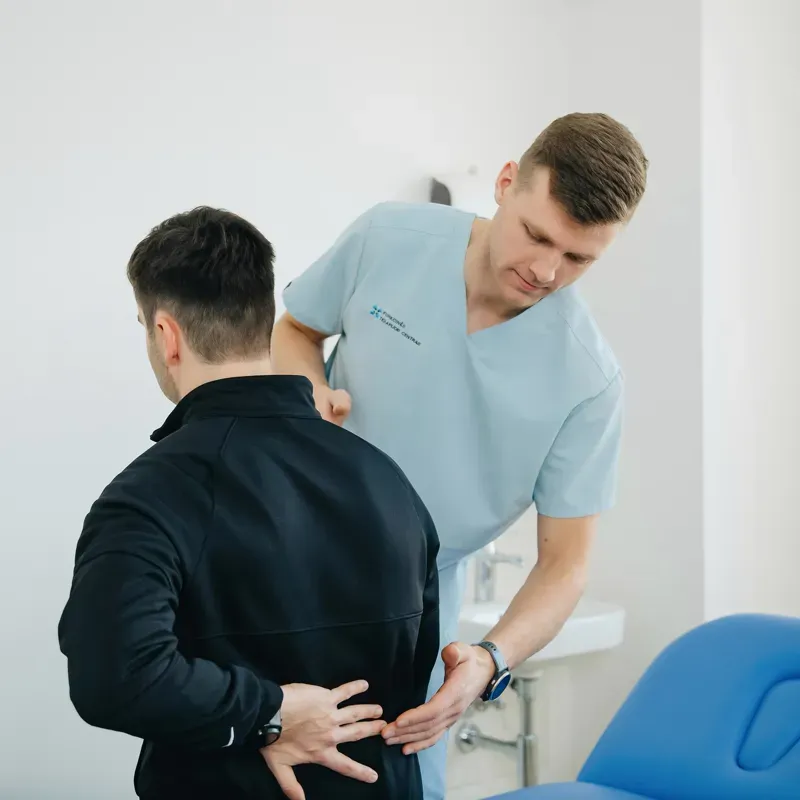
Physiotherapy Cost Dubai: AED 250–500/Session
More in Orthopedics
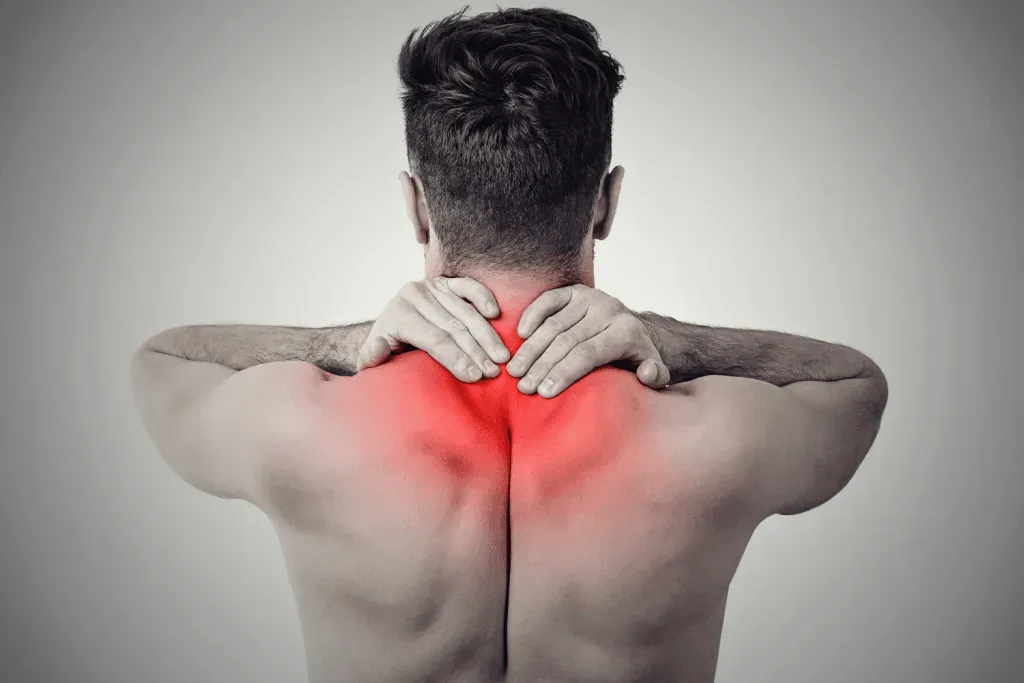
Whiplash Injury Treatment Dubai: Guide (2026)
Read More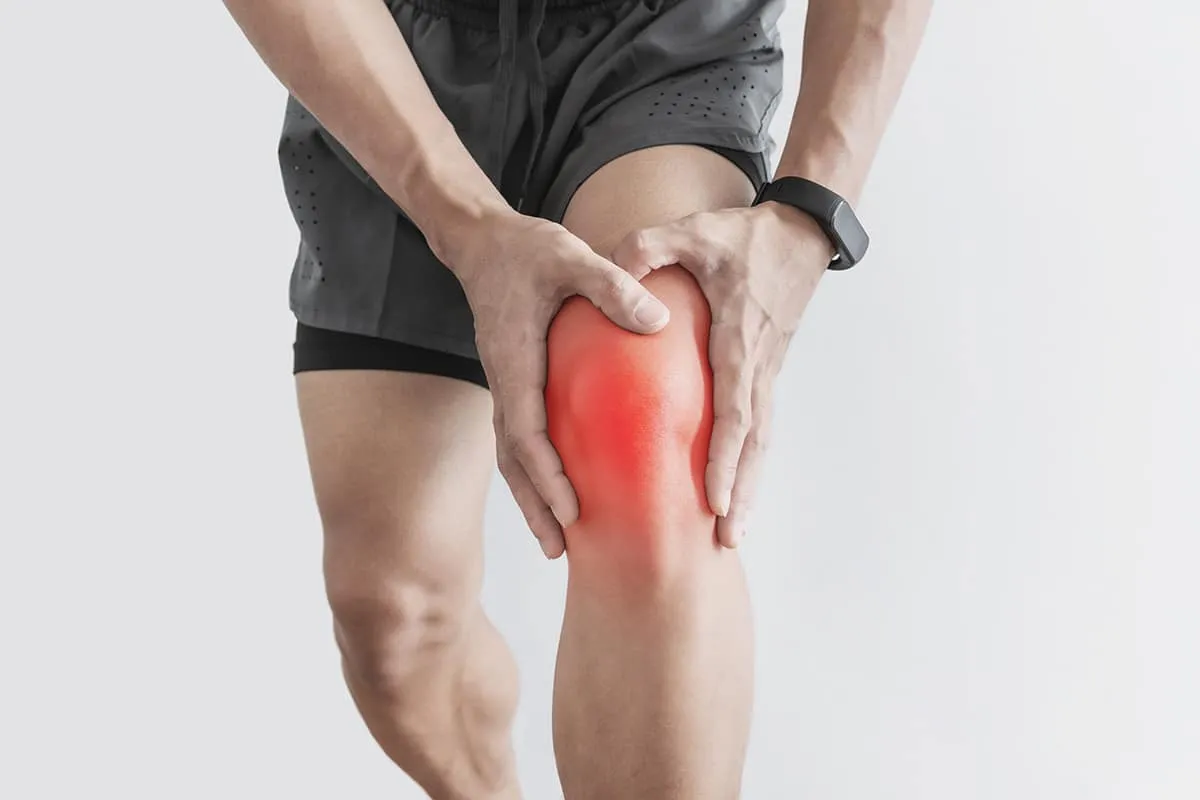
Osteoarthritis vs Rheumatoid Arthritis Dubai (2026)
Read MoreShoulder Impingement Treatment Dubai (2026)
Read More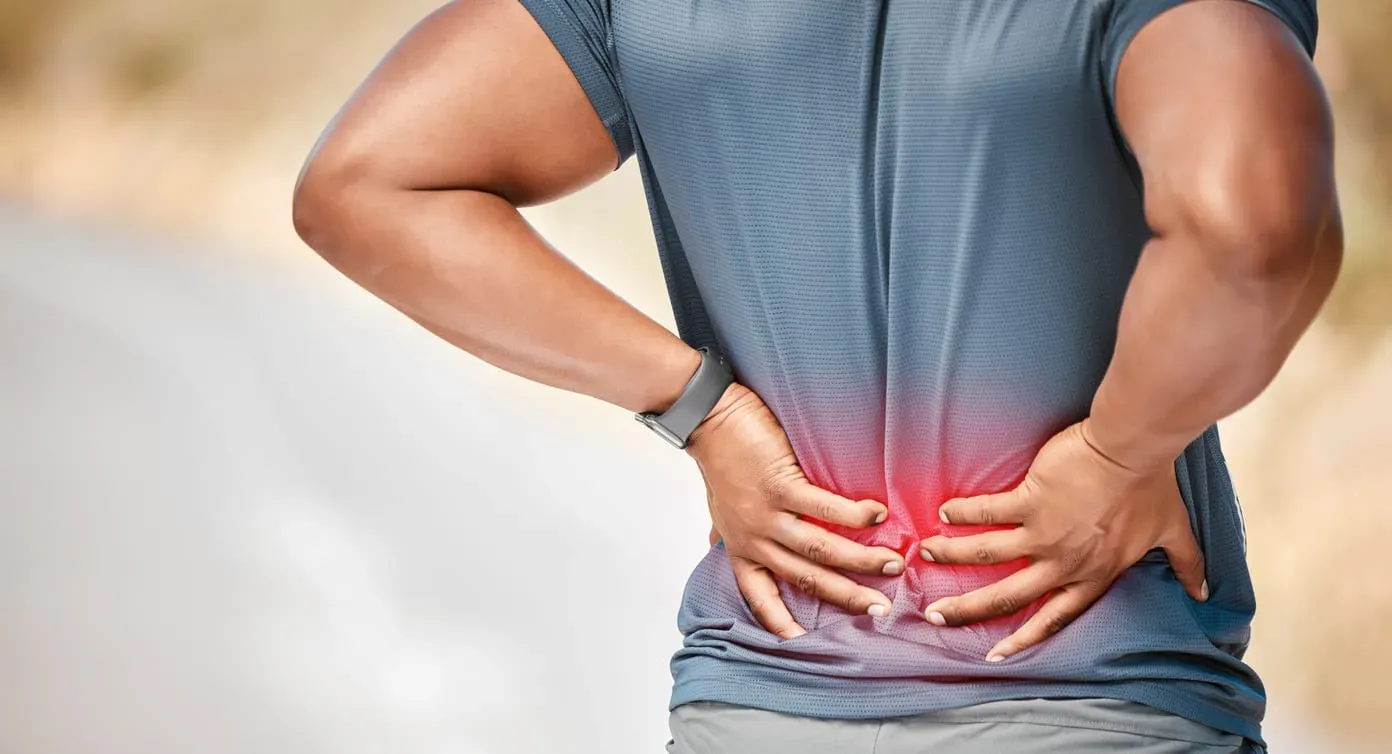
Sciatica Causes & Symptoms in Dubai (2026)
Read MoreGym Injuries Dubai: Prevention & Recovery (2026)
Read More
Chronic Pain Management Dubai: Guide (2026)
Read More© 2026 Doctors Clinic Diagnostic Center (DCDC), Dubai Healthcare City. Originally published at https://doctorsclinicdubai.ae/blog/bursitis-causes-treatment-dubai. All rights reserved. Unauthorized reproduction is prohibited.