Key Takeaways
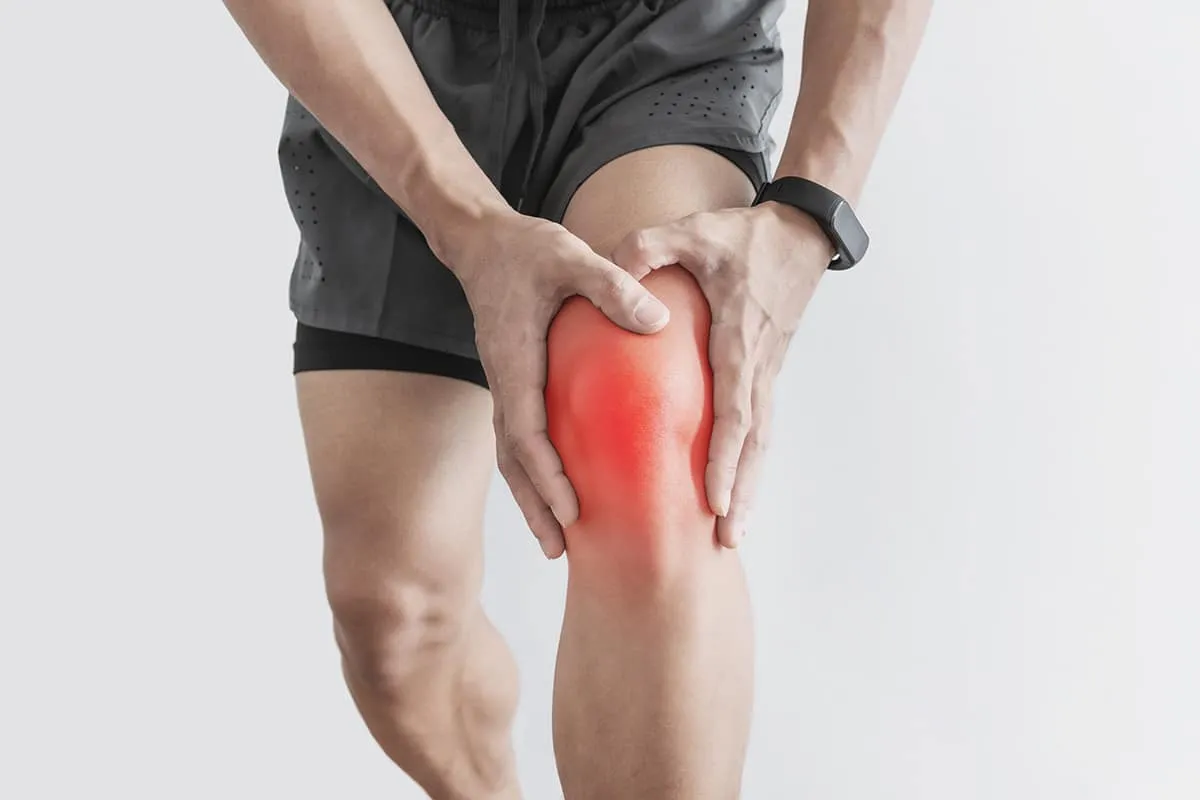
- A meniscus tear is the most common knee injury, with over 1 million cases treated annually worldwide, and it can happen during sports, daily activities, or simply from age-related wear
- The 5 hallmark symptoms are knee pain along the joint line, swelling within 24 hours, catching or locking, a popping sensation, and inability to fully straighten the knee
- Not every meniscus tear requires surgery: 60-70% of tears respond well to conservative treatment including physiotherapy, PRP injections, and activity modification
- MRI is the gold standard for diagnosis with over 95% accuracy. DCDC offers on-site Siemens 1.5T MRI with MSK radiologist reads and results within 18-24 hours
- Recovery from non-surgical treatment takes 4-8 weeks, while arthroscopic surgery recovery ranges from 4 weeks (partial meniscectomy) to 3-6 months (meniscus repair)
- PRP therapy from AED 1,500 at DCDC offers a regenerative option that can accelerate healing and reduce the need for surgery in suitable candidates
- Most insurance plans cover meniscus tear treatment. DCDC partners with 20+ insurers including Daman, AXA, and Bupa for direct billing
You twisted your knee on the padel court, felt a pop, and now it swells every time you try to bend it fully. Or perhaps your knee has been gradually stiffening and catching over the past few months with no clear injury. Both scenarios could point to a meniscus tear, the single most common knee injury seen by orthopedic surgeons worldwide. Our Joint Pain Management service at Doctors Clinic Diagnostic Center (DCDC) in Dubai Healthcare City provides same-day evaluation, on-site MRI, and a conservative-first treatment approach for meniscus tears, with orthopedic consultations available from AED 300.
This guide explains what a meniscus tear is, the key signs to watch for, how it is diagnosed, and the full range of treatment options available in Dubai, from physiotherapy and PRP injections through to arthroscopic surgery. It is written with input from Dr. Mersad Moosavi, an orthopedic surgeon at DCDC with over 14 years of clinical experience and 20+ international publications on spine and joint surgery, who follows a conservative-first philosophy: trying non-surgical options before recommending any procedure.
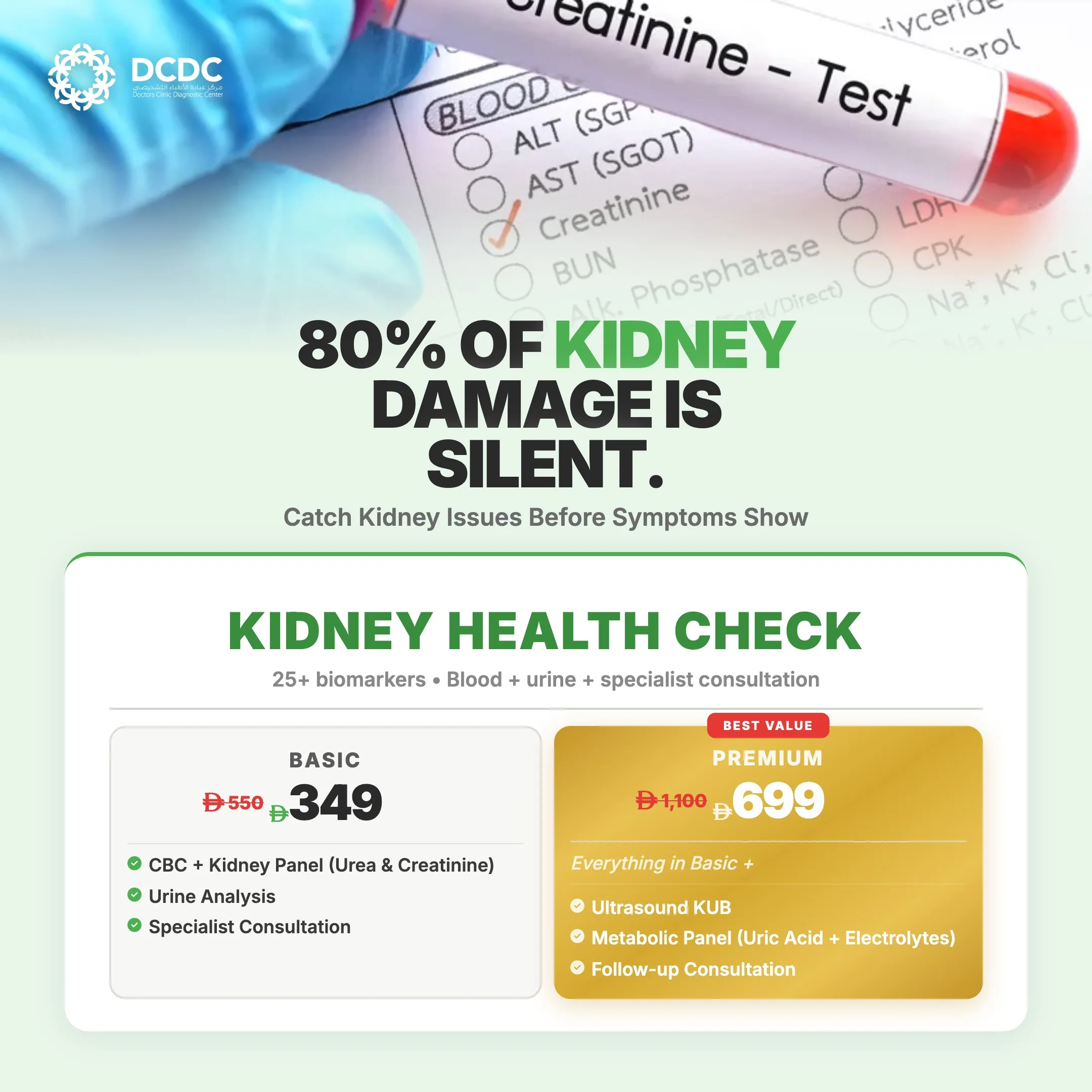
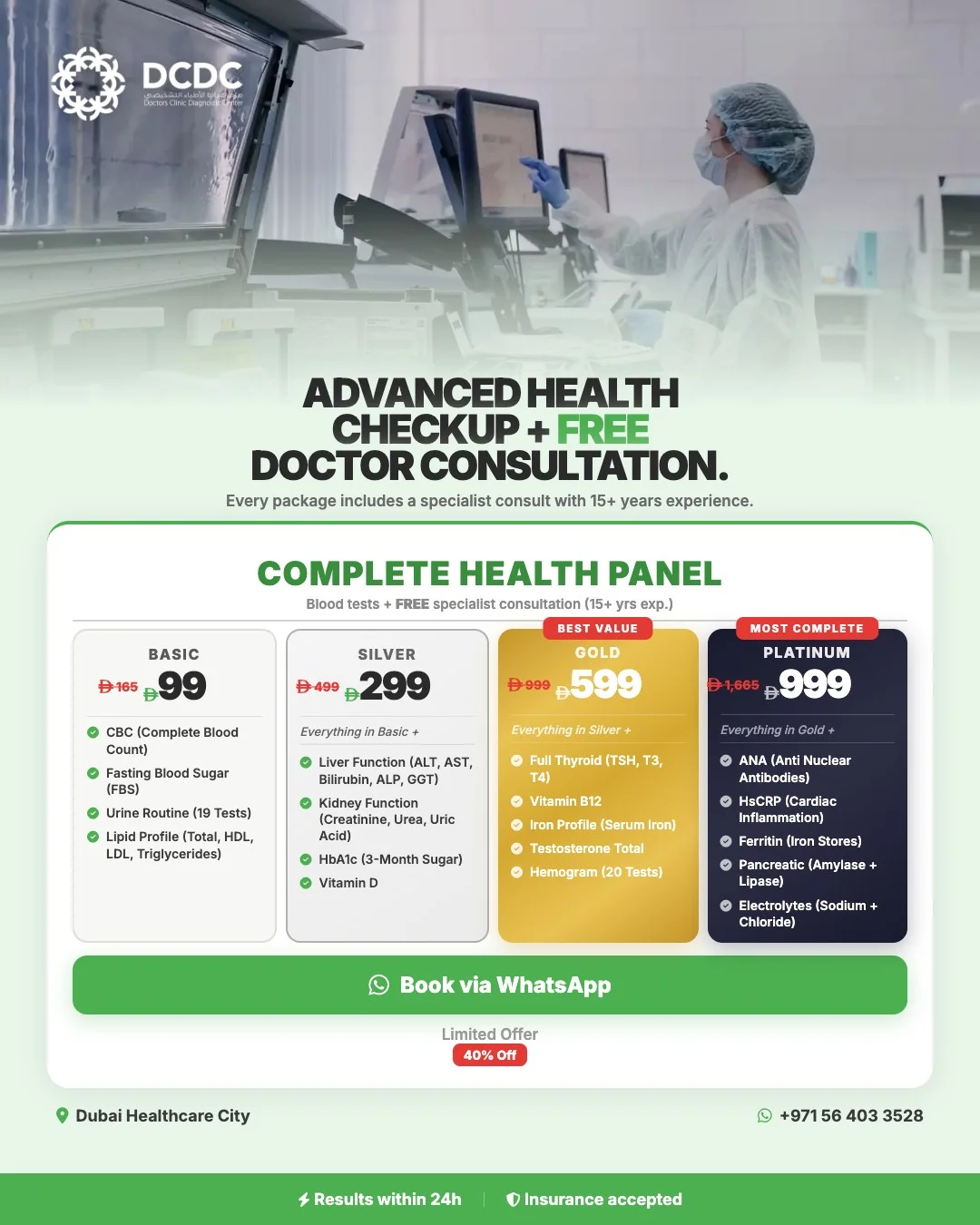
Health Screening Packages
Save with our bundled screening packages — specialist consultation included




What Is a Meniscus Tear?
Each knee contains two C-shaped pads of cartilage called menisci. The medial meniscus sits on the inner side of the knee and the lateral meniscus on the outer side. Together they act as shock absorbers between the thighbone (femur) and the shinbone (tibia), distributing load evenly across the joint, providing stability, and helping lubricate the cartilage surfaces during movement.
A meniscus tear occurs when this cartilage is damaged, either from a sudden twisting injury or from gradual degeneration over time. According to the American Academy of Orthopaedic Surgeons (AAOS), meniscus tears are among the most frequently treated orthopedic injuries, with more than 1 million cases diagnosed annually in the United States alone. The injury is at least as common per capita in Dubai given the high participation rates in sports like football, padel, running, and CrossFit.
Understanding the anatomy matters for treatment decisions because the meniscus has two distinct blood supply zones. The outer third (the red zone) has good blood flow and can often heal on its own or after surgical repair. The inner two-thirds (the white zone) has little to no blood supply, which means tears in this area heal poorly and may require removal of the damaged portion rather than repair.
Common Causes of Meniscus Tears in Dubai
Meniscus tears fall into two broad categories based on how they occur, and Dubai's active population is well represented in both groups.
Acute (Traumatic) Meniscus Tears
These happen suddenly during a specific movement or incident. The classic mechanism is a forceful twist or pivot on a planted foot, which is common in football, basketball, padel, tennis, and skiing. A deep squat under heavy load during weightlifting or CrossFit can also tear the meniscus. In younger, active patients, traumatic tears are by far the most common type. These tears are often accompanied by immediate pain and rapid swelling.
Degenerative Meniscus Tears
In patients over 40, the meniscus becomes less elastic and more brittle. A degenerative tear can develop from something as minor as squatting to pick up groceries, getting out of a car, or climbing stairs. Sometimes there is no identifiable event at all. MRI studies show that degenerative meniscus tears are present in up to 35% of people over 50, many of whom have no symptoms. This is why clinical correlation between imaging and symptoms is so important for treatment decisions.
Dubai-Specific Risk Factors
- Weekend warrior pattern: Sedentary office work during the week followed by intense sports on weekends increases injury risk because muscles and joints are underconditioned
- Hard playing surfaces: Many football and padel pitches in Dubai use artificial turf or hard courts that increase rotational stress on the knee
- Seasonal activity spikes: The cooler months (October to March) bring a surge in outdoor sports participation, and our clinic sees a corresponding increase in knee injuries during this period
- Running on heat-affected joints: Exercising in high ambient temperatures can lead to dehydration and reduced muscle responsiveness, which increases the likelihood of awkward movements under load
5 Key Signs You May Have a Torn Meniscus
Meniscus tear symptoms can vary depending on the type, location, and severity of the tear. Some patients experience immediate, severe symptoms after a twisting injury, while others notice a gradual onset of problems over days or weeks. According to Mayo Clinic and the AAOS, the following five signs are the most reliable indicators. For a broader overview of knee problems, see our guide on joint pain treatment in Dubai.
1. Pain Along the Knee Joint Line
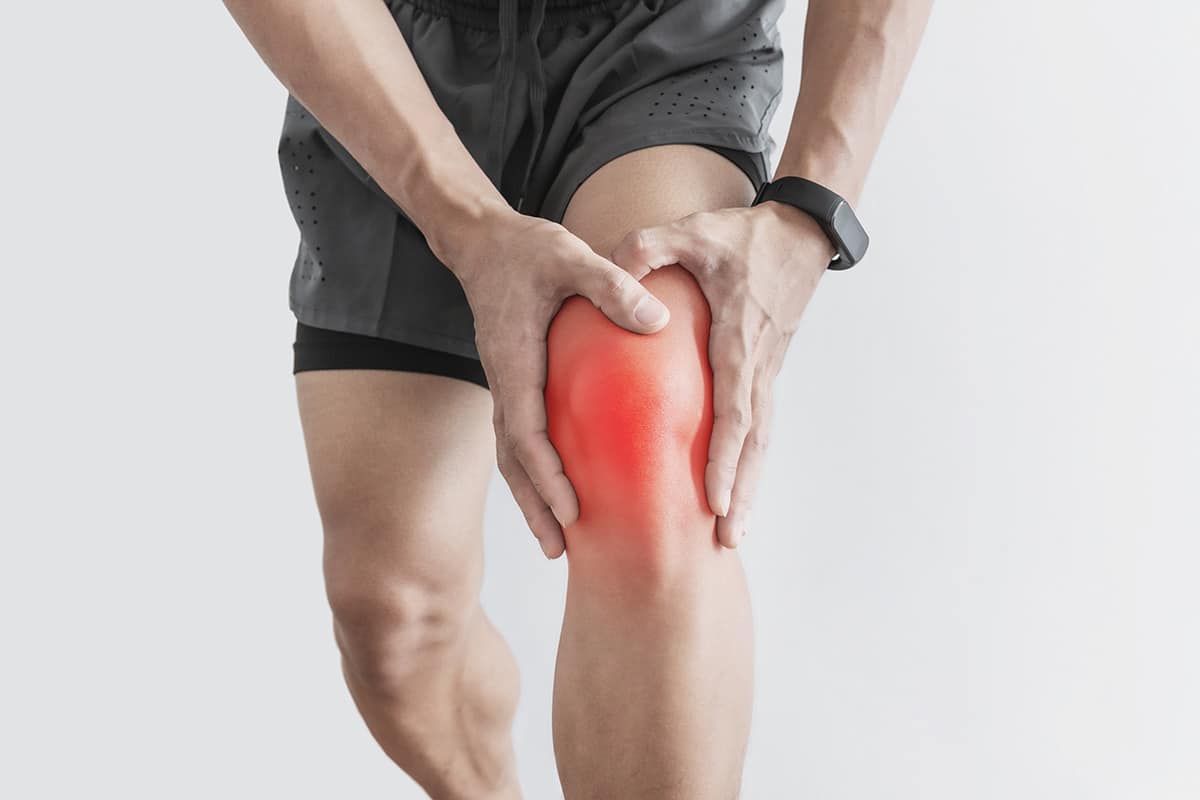
The hallmark symptom of a meniscus tear is pain located specifically along the joint line, the seam where the femur meets the tibia on either the inner or outer side of the knee. This pain is different from the diffuse aching of arthritis or the front-of-knee pain of patellofemoral syndrome. It typically worsens with twisting, squatting, or going up and down stairs. If the pain is on the inner side of the knee, the medial meniscus is more likely affected. Outer-side pain points to the lateral meniscus.
2. Swelling Within 24 Hours
A torn meniscus frequently causes the knee to swell, but this swelling often develops gradually rather than immediately. Unlike an ACL tear, which typically causes rapid swelling within 2-4 hours, meniscus tear swelling may take 24 hours or more to become noticeable. The swelling occurs because the torn cartilage irritates the joint lining, triggering excess fluid production. The knee may feel tight and stiff, particularly when trying to bend it fully.
3. Catching, Clicking, or Locking
A torn fragment of meniscus can physically interfere with normal knee movement. Patients describe a catching sensation during walking or stair climbing, an audible click when bending or straightening the knee, or in more severe cases, the knee locking, which means it gets stuck in a bent position and cannot be fully straightened. True locking, where the knee is mechanically blocked, is a sign of a larger tear or a displaced fragment (a bucket-handle tear) and typically requires more urgent treatment.
4. A Popping Sensation at the Time of Injury
Many patients with acute meniscus tears report hearing or feeling a pop in the knee at the exact moment of injury. This is common during twisting or pivoting movements. While a pop can also indicate a ligament injury, the combination of a pop followed by joint-line pain, gradual swelling, and mechanical symptoms (catching or locking) is highly suggestive of a meniscus tear. Not all meniscus tears produce a pop, particularly degenerative tears that develop without a clear injury.
5. Inability to Fully Straighten or Bend the Knee
Loss of full range of motion is common after a meniscus tear. The knee may not extend fully (straighten completely) or may lack the last degrees of flexion (deep bending). This occurs because of swelling inside the joint, pain-related muscle guarding, or a physically displaced meniscus fragment blocking movement. If your knee feels stuck or you cannot achieve a straight leg, this warrants prompt medical evaluation.
When to see a doctor urgently: Seek same-day medical attention if your knee locks and cannot be straightened, if you cannot bear weight at all, if swelling is severe and rapid (within 2 hours), or if you have pain with fever (which may suggest an infection rather than a mechanical injury).
Types of Meniscus Tears and Their Severity
Not all meniscus tears are the same. The type and location of the tear determine whether it can heal on its own, whether it is repairable with surgery, or whether the damaged tissue needs to be removed. Your orthopedic surgeon will classify the tear based on MRI findings and, if surgery is performed, direct visualization during arthroscopy.
| Tear Type | Description | Severity | Typical Treatment |
|---|---|---|---|
| Radial tear | Runs from the inner edge toward the outer edge, perpendicular to the meniscus rim | Moderate to severe | Often requires partial meniscectomy if in the white zone |
| Horizontal tear | Splits the meniscus into upper and lower halves | Mild to moderate | May heal conservatively or be repaired if in the red zone |
| Longitudinal tear | Runs along the length of the meniscus, parallel to the outer edge | Moderate | Good candidate for surgical repair, especially in the red zone |
| Bucket-handle tear | A large longitudinal tear where the inner fragment flips into the centre of the joint | Severe | Usually requires surgical repair or removal; often causes locking |
| Complex tear | A combination of multiple tear patterns in different directions | Severe | Typically requires partial meniscectomy; repair is often not possible |
| Degenerative tear | Fraying and thinning from age-related wear rather than a single injury | Varies | Usually managed conservatively with physiotherapy and injections |
Types of meniscus tears classified by pattern, severity, and typical treatment approach
How a Meniscus Tear Is Diagnosed
Accurate diagnosis is the foundation of effective treatment. A meniscus tear diagnosis typically involves three steps: a clinical history, a physical examination, and imaging.
Clinical History and Physical Examination
Your orthopedic surgeon will ask about the mechanism of injury (how and when the pain started), the specific location of pain, and whether you experience catching, locking, or giving way. During the physical examination, specific provocative tests help identify meniscus pathology. The McMurray test involves bending and rotating the knee to reproduce a click or pain. The Thessaly test involves standing on one leg and twisting the body while bearing weight. Joint-line tenderness, where pressing along the medial or lateral joint line reproduces pain, is one of the most sensitive clinical findings for a meniscus tear.
Imaging: X-Ray and MRI
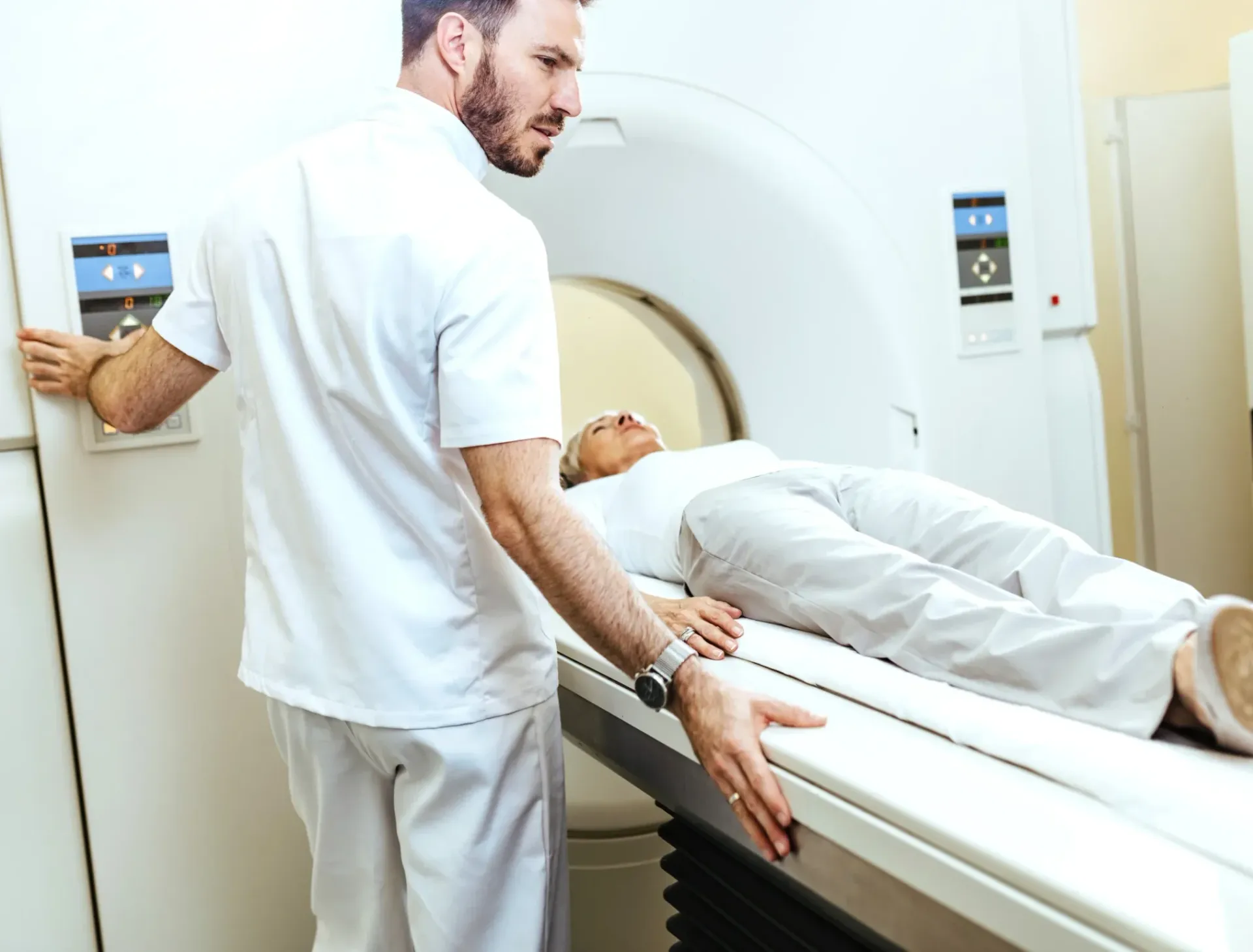
X-rays do not show meniscus tears directly because cartilage is not visible on X-ray. However, they are still an important first step to rule out fractures, loose bodies, and signs of arthritis such as joint-space narrowing. MRI is the gold standard for meniscus tear diagnosis with sensitivity and specificity exceeding 95%. It shows the exact location, type, and extent of the tear, and also reveals associated injuries to ligaments, cartilage, and bone that influence treatment planning. For more on what knee MRI can reveal, see our detailed guide on knee MRI scans in Dubai.
At DCDC, we have an on-site Siemens 1.5T wide-bore MRI scanner with a 70cm opening that accommodates patients of all sizes comfortably. Knee MRI scans are interpreted by a subspecialty musculoskeletal (MSK) radiologist, and results are typically available within 18-24 hours. Having imaging and orthopedic consultation under one roof eliminates the delays and coordination problems that patients commonly face when imaging and specialists are at separate facilities.
Non-Surgical Treatment Options for Meniscus Tears
The 2024 EU-US Meniscus Rehabilitation Consensus, published jointly by ESSKA, AOSSM, and AASPT, reaffirmed that non-operative treatment is the first-line approach for degenerative meniscus tears and a viable option for many acute tears. At DCDC, Dr. Mersad Moosavi follows a conservative-first philosophy, which means exhausting non-surgical options before recommending any procedure. Based on his 14 years of experience, the majority of meniscus tears he evaluates respond well to non-surgical management.
RICE Protocol (Immediate Management)
In the first 48-72 hours after a meniscus injury, the RICE protocol helps control pain and swelling: Rest (reduce weight-bearing and avoid aggravating activities), Ice (apply for 15-20 minutes every 2-3 hours), Compression (use an elastic bandage to limit swelling), and Elevation (keep the knee raised above heart level when resting). Over-the-counter anti-inflammatory medications such as ibuprofen can help manage pain and reduce swelling during this acute phase.
Physiotherapy and Rehabilitation
Structured physiotherapy is the cornerstone of non-surgical meniscus tear treatment. A tailored rehabilitation programme focuses on reducing swelling, restoring full range of motion, strengthening the quadriceps and hamstrings (which compensate for the stability the meniscus provides), and improving proprioception and balance. Research consistently shows that physiotherapy produces outcomes comparable to surgery for degenerative meniscus tears in patients over 40. Our physiotherapy guide covers what to expect from a rehabilitation programme in Dubai.
PRP (Platelet-Rich Plasma) Therapy
PRP therapy involves drawing a small sample of the patient's blood, concentrating the platelets and growth factors through centrifugation, and injecting the resulting solution directly into the knee joint. The concentrated growth factors can reduce inflammation, promote tissue healing, and improve joint lubrication. PRP is particularly useful for patients who have not responded adequately to physiotherapy alone or who want to avoid or delay surgery. At DCDC, PRP injections for knee joints start from AED 1,500. For detailed information on this treatment, read our guide on PRP injections for joints in Dubai.
Corticosteroid and Hyaluronic Acid Injections
Corticosteroid injections can provide significant short-term pain relief and reduce inflammation in the knee joint. They are most useful as a bridge therapy to allow the patient to participate effectively in physiotherapy. Hyaluronic acid (viscosupplementation) injections work differently: they supplement the natural lubricant in the joint, reducing friction and improving movement quality. These are particularly helpful for patients with degenerative meniscus tears who also have early arthritis.
Activity Modification and Bracing
Temporary activity modification is an important part of treatment. This does not mean stopping all exercise. It means avoiding high-impact and twisting activities while maintaining fitness through low-impact alternatives such as swimming, cycling, or elliptical training. A knee brace or supportive sleeve may help reduce symptoms during the healing period by providing compression and proprioceptive feedback.
Experiencing Knee Pain or Catching?
Get a same-day orthopedic assessment at DCDC Dubai Healthcare City. Our conservative-first approach means we explore physiotherapy, PRP, and injections before considering surgery. On-site MRI and X-ray available with results within 18-24 hours. We accept 20+ insurance providers with direct billing.
When Surgery Is Needed for a Meniscus Tear
While most meniscus tears can be managed conservatively, certain situations require surgical intervention. Surgery is typically recommended when the knee locks repeatedly due to a displaced fragment (bucket-handle tear), when symptoms persist despite 6-8 weeks of structured conservative treatment, when the tear is large and unstable in the vascular (red) zone and has good healing potential with repair, or when the meniscus tear occurs alongside another injury such as an ACL tear that requires surgical reconstruction.
Arthroscopic Partial Meniscectomy
This is the most commonly performed meniscus surgery. Using two small incisions (each about 5mm), the surgeon inserts a camera and instruments to trim away the damaged portion of the meniscus while preserving as much healthy tissue as possible. The procedure takes 30-45 minutes and is performed as day surgery. Most patients can walk with crutches the same day and return to desk work within 1-2 weeks.
Arthroscopic Meniscus Repair
When the tear is in the outer vascular zone (red zone) and the tissue quality is good, the surgeon can stitch the torn edges together rather than removing them. Meniscus repair preserves the shock-absorbing function of the meniscus and is associated with better long-term outcomes for joint health. However, recovery is longer (3-6 months) because the repaired tissue needs time to heal, and weight-bearing is restricted in the early weeks.
Meniscus Repair vs. Meniscectomy: Key Differences
| Factor | Partial Meniscectomy | Meniscus Repair |
|---|---|---|
| Procedure time | 30-45 minutes | 45-90 minutes |
| Recovery to daily activities | 1-2 weeks | 4-6 weeks |
| Return to sport | 4-6 weeks | 3-6 months |
| Weight-bearing after surgery | Immediate (as tolerated) | Restricted for 4-6 weeks |
| Long-term joint protection | Lower (less shock absorption) | Higher (preserves meniscus function) |
| Best for | White-zone tears, complex tears, older patients | Red-zone tears, younger/active patients, bucket-handle tears |
Comparison of arthroscopic partial meniscectomy vs meniscus repair procedures
Meniscus Tear Treatment Cost in Dubai
Treatment costs for meniscus tears in Dubai vary depending on the type of intervention needed. Below are typical price ranges based on current market rates. At DCDC, we provide transparent pricing and work with over 20 insurance partners for direct billing, which means many patients pay only their co-pay or deductible rather than the full amount.
| Treatment | Typical Cost in Dubai | Notes |
|---|---|---|
| Orthopedic consultation | From AED 300-500 | Initial assessment including physical examination and treatment plan |
| Knee X-ray | From AED 150-350 | First-line imaging to rule out fractures and arthritis |
| Knee MRI | From AED 900-2,500 | Gold standard for meniscus tear diagnosis; MSK radiologist read at DCDC |
| Physiotherapy (per session) | From AED 250-500 | Typically 2-3 sessions per week for 4-8 weeks |
| PRP injection | From AED 1,500-3,000 | Regenerative therapy; may require 1-3 sessions |
| Corticosteroid injection | From AED 500-1,000 | Short-term pain relief; usually covered by insurance |
| Arthroscopic surgery | From AED 15,000-35,000 | Performed at partner hospitals; includes surgeon, anaesthesia, and facility fees |
Typical meniscus tear treatment costs in Dubai (2026). Prices are approximate and may vary by provider.
Insurance coverage for meniscus tear treatment is generally good in Dubai. Most comprehensive plans cover orthopedic consultations, diagnostic imaging, physiotherapy, and medically necessary surgery. DCDC partners with Daman, AXA, Bupa, MetLife, and 15+ other insurance providers for direct billing. Our team can verify your coverage and pre-authorize treatments before your appointment so there are no surprises.
What to Expect at DCDC for Meniscus Tear Treatment
Here is what a typical patient journey looks like when you visit DCDC in Dubai Healthcare City for a suspected meniscus tear.
Step 1: Orthopedic Consultation
You will see Dr. Mersad Moosavi or one of our orthopedic specialists for a thorough clinical assessment. This includes a detailed history of your symptoms and activity level, followed by a physical examination with specific meniscus tests (McMurray, Thessaly, joint-line palpation). Most patients are seen within 15 minutes of their appointment time. The consultation takes approximately 20-30 minutes.
Step 2: On-Site Imaging
If imaging is indicated, you can have it done immediately in the same building. An X-ray takes about 10 minutes and results are available the same day. If an MRI is needed, our Siemens 1.5T wide-bore scanner (70cm opening) provides a comfortable experience even for patients who feel claustrophobic in standard MRI machines. The knee MRI takes approximately 30-40 minutes, and the images are read by a subspecialty MSK radiologist with results reported within 18-24 hours.
Step 3: Diagnosis and Treatment Plan
Once imaging results are available, your doctor will explain the findings in plain language, showing you the MRI images and identifying the specific type, location, and severity of the tear. You will receive a clear treatment recommendation based on your individual circumstances. For most patients, this starts with a conservative approach: physiotherapy, anti-inflammatory management, and potentially PRP or injection therapy.
Step 4: Treatment and Follow-Up
If physiotherapy is recommended, our rehabilitation team will create a structured programme tailored to your tear type and activity goals. If PRP or injection therapy is appropriate, this can often be performed on the same day as your consultation. Follow-up appointments are scheduled at regular intervals to monitor progress. If conservative treatment is not producing adequate improvement after 6-8 weeks, the surgical discussion is revisited.
DCDC is located in Building 64, Block A, Al Razi Medical Complex, Dubai Healthcare City. We are open Saturday to Thursday from 8 AM to 10 PM and Friday from 9 AM to 9 PM. Free parking is available, and the clinic is MOHAP licensed. Our Google rating is 4.8/5 from over 1,000 verified reviews, with a 98% patient satisfaction rate.
Recovery Timeline: How Long Does a Meniscus Tear Take to Heal?
Recovery time varies significantly depending on the type of tear, the treatment approach, and individual healing factors such as age, overall health, and adherence to rehabilitation. Here is a general timeline based on current orthopedic evidence.
Non-Surgical Recovery
- Week 1-2: RICE protocol, pain management, gentle range-of-motion exercises. Most patients can walk with a slight limp
- Week 2-4: Begin structured physiotherapy. Focus on restoring full range of motion and starting quadriceps strengthening
- Week 4-6: Progressive strengthening, low-impact cardiovascular exercise (cycling, swimming). Pain and swelling should be significantly reduced
- Week 6-8: Gradual return to normal activities. Sport-specific training can begin for mild tears
- Week 8-12: Full return to sport for most patients with mild to moderate tears that responded to conservative treatment
Post-Surgery Recovery (Partial Meniscectomy)
- Day 1-3: Walking with crutches, ice and elevation, gentle quad activation exercises
- Week 1-2: Most patients can walk without crutches. Desk work resumes. Physiotherapy begins
- Week 2-4: Increasing range of motion and strengthening exercises. Light cycling on stationary bike
- Week 4-6: Return to most daily activities and non-impact exercise. Gradual return to sport begins
Post-Surgery Recovery (Meniscus Repair)
- Week 0-2: Crutches and knee brace. Weight-bearing restricted. Gentle quad sets and straight-leg raises
- Week 2-6: Progressive weight-bearing as guided by surgeon. Range of motion gradually increased. Physiotherapy 2-3 times per week
- Month 2-3: Full weight-bearing achieved. Strengthening exercises intensify. Stationary cycling and pool exercises
- Month 3-6: Progressive return to sport-specific activities. Jogging begins around month 3-4 if milestones are met. Full return to sport at 4-6 months
These timelines are general guidelines. Your orthopedic surgeon and physiotherapist will use criterion-based progression, meaning you advance when you meet specific strength and function milestones rather than simply waiting for a set number of weeks. For patients who also have ACL involvement, recovery is more complex; see our ACL injury recovery guide for detailed rehabilitation protocols.
Preventing Meniscus Tears: Tips for Active Dubai Residents
While not every meniscus tear is preventable, especially degenerative tears associated with ageing, you can significantly reduce your risk with these evidence-based strategies.
- Warm up properly: Spend 10-15 minutes on dynamic warm-up before any sport or exercise session. This increases blood flow to the muscles and improves joint lubrication
- Strengthen your legs consistently: Strong quadriceps and hamstrings absorb forces that would otherwise stress the meniscus. Squats, lunges, leg presses, and hamstring curls should be part of your regular routine
- Improve balance and proprioception: Single-leg exercises, balance board work, and agility drills train your neuromuscular system to protect the knee during unexpected movements
- Avoid the weekend warrior trap: Train consistently throughout the week rather than compressing all activity into one or two intense sessions. Gradual loading is safer than sudden peaks
- Wear appropriate footwear: Shoes with good grip and support reduce the risk of awkward slips and pivots. Replace worn-out athletic shoes regularly
- Maintain a healthy weight: Every kilogram of body weight translates to approximately 3-4 kg of force across the knee joint during walking. Weight management reduces cumulative stress on the meniscus
- Listen to your body: If your knee aches or swells after activity, do not push through it. Early assessment of minor symptoms can prevent a small problem from becoming a larger tear
For athletes recovering from any lower-limb injury, our sports injury recovery guide provides comprehensive guidance on PRP, rehabilitation, and return-to-sport protocols available in Dubai.
Worried About a Knee Injury?
Do not wait for symptoms to worsen. Book an orthopedic consultation at DCDC Dubai Healthcare City for expert assessment, on-site MRI, and a personalised treatment plan. We are rated 4.8/5 on Google from 1,000+ reviews, accept 20+ insurance plans with direct billing, and offer free parking at Al Razi Medical Complex.
Living with a Meniscus Tear: When to Wait and When to Act
Not every meniscus tear needs immediate treatment. Small, stable tears that cause only mild, occasional symptoms can be monitored with activity modification and basic home exercises. However, there are clear signals that indicate you should seek professional assessment without delay.
- Act now: The knee locks or gives way repeatedly, preventing normal walking or stair climbing
- Act now: Swelling recurs after every attempt at exercise or sport, despite rest
- Act now: Pain wakes you at night or is present at rest, not just with activity
- Act now: Your symptoms are not improving or are worsening despite 4-6 weeks of self-management
- Monitor: Mild aching that only occurs during or after intense activity and resolves quickly
- Monitor: Occasional clicking without pain, locking, or swelling
When in doubt, a single orthopedic consultation can provide clarity. An experienced specialist can often determine whether imaging is needed and whether your symptoms are likely to resolve with simple measures or require a more structured approach.
Related Services at DCDC
Expert care and advanced diagnostics at Dubai Healthcare City
Frequently Asked Questions
Final Thoughts: Getting the Right Care for Your Knee
A meniscus tear does not have to sideline you permanently. The vast majority of patients, whether treated conservatively or surgically, return to their normal activities and sports. The key is getting an accurate diagnosis early, following a structured treatment plan, and being patient with the recovery process. Rushing back before your knee is ready is the single biggest mistake patients make.
If your knee is telling you something is wrong, through pain, swelling, catching, or locking, do not ignore it and hope it resolves on its own. A single orthopedic consultation with appropriate imaging can give you a clear diagnosis and a treatment roadmap. At DCDC in Dubai Healthcare City, we combine experienced orthopedic assessment, on-site MRI with MSK radiologist interpretation, and a conservative-first treatment philosophy to help you get back to doing what you enjoy, safely and effectively.
Sources & References
This article was reviewed by our medical team and references the following sources:
- American Academy of Orthopaedic Surgeons (AAOS) - Meniscus Tears
- Mayo Clinic - Torn Meniscus: Symptoms, Diagnosis & Treatment
- Cleveland Clinic - Torn Meniscus: Causes, Symptoms, Treatment & Prevention
- 2024 EU-US Meniscus Rehabilitation Consensus (ESSKA-AOSSM-AASPT)
- JOSPT - Meniscus Rehabilitation Consensus: Non-Operative Treatment and Return to Sport
- Cleveland Clinic - Meniscus Surgery: Meniscus Repair & Meniscectomy
Medical content on this site is reviewed by DHA-licensed physicians. See our editorial policy for more information.

Written by
Dr. Mersad Moosavi
Orthopedic Surgery
MD, Orthopedic Surgery
Dr. Mersad Moosavi is an Orthopedic Surgeon at Doctors Clinic Diagnostic Center (DCDC) in Dubai Healthcare City with over 14 years of experience and 20+ international publications on spine and joint surgery.
Related Articles
Knee MRI Dubai: What It Shows & Cost
ACL Injury Recovery: Rehabilitation Guide
Joint Pain Treatment Dubai: Causes & Relief
PRP Injection for Joints Dubai: From AED 1,500
Physiotherapy Dubai: Types, Cost & Guide
More in General Health
CBC Test Price Dubai: AED 149, Normal Ranges & Results
Read More
Dubai Clinic Without Insurance: Cost Guide (2026)
Read More
Doctor at Home Dubai: Home Visit Cost From AED 349 (2026)
Read More
Doctor on Call Dubai 24/7: Home, Hotel & Office Visits
Read More
Ear Wax Removal & Ear Cleaning Dubai: From AED 300 (2026)
Read More
Emsella for Men: Post-Prostate Care Dubai (2026)
Read More© 2026 Doctors Clinic Diagnostic Center (DCDC), Dubai Healthcare City. Originally published at https://doctorsclinicdubai.ae/blog/meniscus-tear-treatment-dubai. All rights reserved. Unauthorized reproduction is prohibited.