Key Takeaways
- Celiac disease is an autoimmune condition triggered by gluten, not a food allergy or simple intolerance — it damages the lining of the small intestine and can affect nutrient absorption for life
- Symptoms go far beyond the gut: fatigue, iron-deficiency anemia, joint pain, skin rashes, brain fog, and unexplained infertility are common, which is a major reason celiac disease is misdiagnosed for years
- Diagnosis starts with a blood test (tTG-IgA) while you are still eating gluten, and is usually confirmed with an upper endoscopy and small intestine biopsy
- Dubai's multicultural population — including South Asian, Middle Eastern, and European communities — includes groups with above-average celiac prevalence, yet awareness and testing rates remain low
- At DCDC in Dubai Healthcare City, a gastroenterology consultation from AED 299 plus on-site celiac antibody blood testing can start your diagnostic pathway in a single visit, often with same-day results
- The only proven treatment is a strict, lifelong gluten-free diet — in Dubai, this requires extra vigilance given bread-heavy Emirati, Lebanese, and South Asian cuisines and frequent restaurant dining
- Left untreated, celiac disease can lead to osteoporosis, infertility, malnutrition, and a higher risk of certain gastrointestinal cancers, which is why early diagnosis matters
- Dubai's intense heat compounds celiac-related malabsorption and dehydration, and Ramadan fasting requires specific planning for anyone managing the condition
You have been bloated for months. Your energy is gone by mid-afternoon. Your iron levels keep coming back low no matter how much red meat or supplements you take. You have been told it is stress, IBS, or 'just how your stomach is.' For a surprising number of people in Dubai, the real answer is celiac disease — an autoimmune condition that is frequently missed because its symptoms rarely look the way people expect. At Doctors Clinic Diagnostic Center (DCDC), our gastroenterology consultation service in Dubai Healthcare City combines clinical assessment with on-site blood testing to help you get a clear answer, often within the same visit.
This guide walks through the full symptom picture of celiac disease in adults and children, how it differs from gluten sensitivity and wheat allergy, who is most at risk, how doctors diagnose it with blood tests and biopsy, what it costs to get tested in Dubai, and how to live well on a gluten-free diet in a city built around shared meals, buffets, and bread.
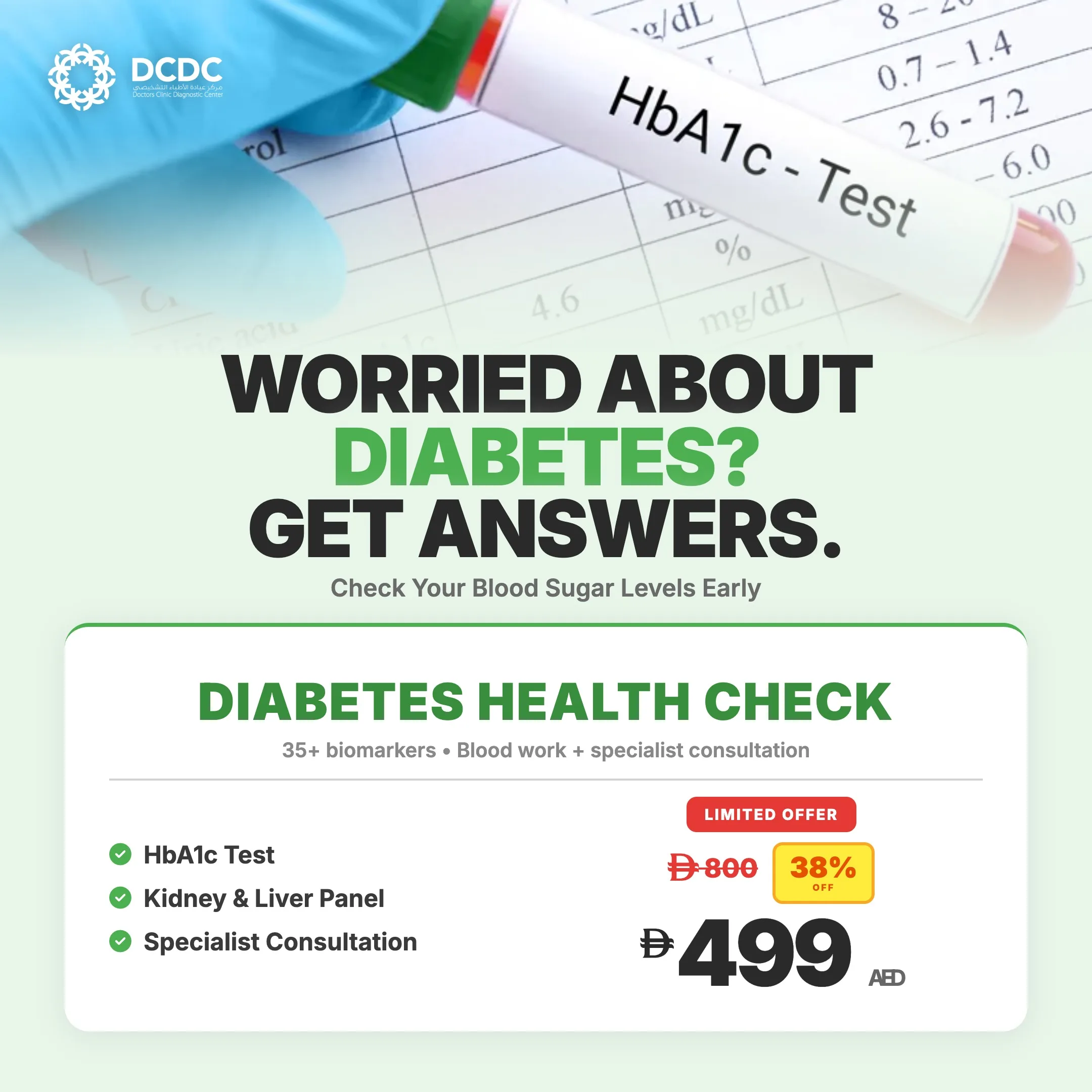
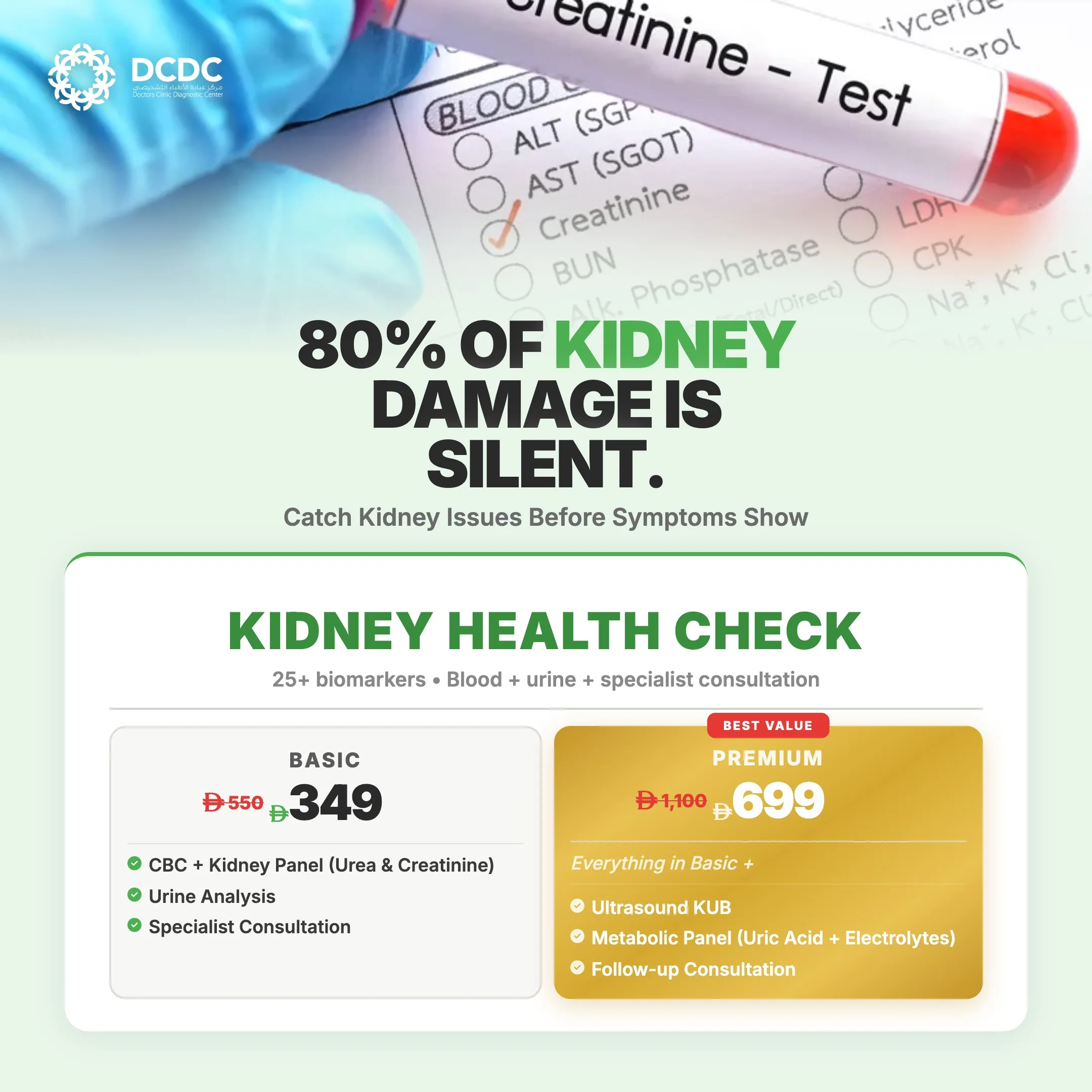
Health Screening Packages
Save with our bundled screening packages — specialist consultation included




What Is Celiac Disease? Understanding the Autoimmune Response
Celiac disease is a chronic autoimmune disorder in which eating gluten — a protein found in wheat, barley, and rye — triggers the immune system to attack the lining of the small intestine. Over time, this immune reaction flattens the tiny finger-like projections called villi that line the small intestine and are responsible for absorbing nutrients from food. With damaged villi, the body struggles to absorb iron, calcium, vitamin D, folate, and other essential nutrients, even when the diet itself is perfectly healthy.
This is an important distinction: celiac disease is not an allergy (there is no histamine reaction or anaphylaxis risk from gluten itself), and it is not a lifestyle preference. It is a lifelong, genetically-influenced autoimmune condition. According to the World Health Organization and major gastroenterology bodies, celiac disease affects roughly 1% of the global population, though the true figure in some regions — including parts of the Middle East and South Asia — is believed to be higher and significantly underdiagnosed.
Celiac Disease Symptoms in Adults: Complete Checklist
One of the biggest challenges with celiac disease is that it rarely presents the same way twice. Some adults have classic digestive symptoms, while others have no gut symptoms at all and instead experience fatigue, anemia, or skin problems. Use the checklist below to see how many symptoms apply to you.
Digestive (GI) Symptoms
- Chronic bloating and gas that worsens after meals containing wheat, barley, or rye
- Diarrhoea or loose stools, sometimes pale, greasy, and foul-smelling (a sign of fat malabsorption)
- Constipation — less common than diarrhoea but seen in a meaningful subset of patients
- Abdominal pain or cramping, often in the central or lower abdomen
- Nausea and occasional vomiting, particularly after gluten-heavy meals
- Unintentional weight loss despite normal or increased appetite
Non-GI (Extra-Intestinal) Symptoms
This is where celiac disease most often gets missed. Many adults with celiac disease have mild or no digestive complaints at all, and instead present with symptoms that look unrelated to the gut. If you have had persistent bloating alongside any of the following, celiac disease is worth ruling out.
- Persistent fatigue that does not improve with rest or sleep
- Iron-deficiency anemia that does not respond well to oral iron supplements
- Joint and muscle pain, often mistaken for early arthritis
- Dermatitis herpetiformis — an intensely itchy, blistering skin rash typically on the elbows, knees, and buttocks; considered the skin manifestation of celiac disease
- Mouth ulcers and dental enamel defects
- Headaches and 'brain fog' — difficulty concentrating or unusual mental fatigue
- Numbness or tingling in the hands and feet (peripheral neuropathy)
- Unexplained infertility or recurrent miscarriage
- Irregular menstrual cycles or delayed puberty in teenagers
- Osteopenia or osteoporosis at a younger age than expected, linked to poor calcium and vitamin D absorption
- Low mood, anxiety, or irritability that some patients report improving significantly after starting a gluten-free diet
It is common for people with celiac disease to have been previously diagnosed with IBS symptoms and treatment plans for years before the true cause is identified, since bloating, cramping, and altered bowel habits overlap heavily between the two conditions.
Celiac Disease Symptoms in Children
In children, celiac disease can look quite different from the adult presentation, and delayed diagnosis can affect growth and development. Parents and paediatricians should watch for a combination of the following signs, especially if they persist for more than a few weeks.
- Chronic diarrhoea, constipation, or alternating bowel patterns
- A swollen, protruding belly combined with thin arms and legs
- Poor weight gain or faltering growth on the growth chart
- Delayed puberty in adolescents
- Irritability or behavioural changes
- Short stature relative to family growth patterns
- Dental enamel defects on permanent teeth
- Iron-deficiency anemia that does not respond to standard supplementation
Because faltering growth is often the most visible sign, paediatricians frequently order a celiac antibody panel as part of the standard work-up for children who are not gaining weight or height as expected.
When to See a Doctor for Celiac Disease Symptoms
You do not need to have severe symptoms to justify getting tested. In fact, many people who are eventually diagnosed with celiac disease describe their symptoms as 'mild but constant' for years before seeking help. You should book a consultation and blood test if you experience:
- Bloating, diarrhoea, or abdominal discomfort that has lasted more than a few weeks, especially if it correlates with bread, pasta, or wheat-based meals
- Unexplained or treatment-resistant iron-deficiency anemia
- A first-degree relative (parent, sibling, or child) with confirmed celiac disease
- Type 1 diabetes, autoimmune thyroid disease, or another autoimmune condition, since these commonly cluster with celiac disease
- Unexplained infertility, recurrent miscarriage, or delayed puberty
- Persistent fatigue, joint pain, or a chronic itchy skin rash that has not responded to standard treatment
- A child with faltering growth, a swollen abdomen, or delayed development
Importantly, do not start a gluten-free diet before being tested. Removing gluten too early can normalise antibody levels and intestinal healing, leading to a false-negative result and making an accurate diagnosis much harder to obtain later.
Celiac Disease vs Gluten Intolerance vs Wheat Allergy
These three conditions are frequently confused because they can all cause discomfort after eating wheat-containing foods, but they are medically very different in cause, severity, and the tests used to diagnose them.
| Feature | Celiac Disease | Non-Celiac Gluten Sensitivity | Wheat Allergy |
|---|---|---|---|
| Underlying mechanism | Autoimmune reaction damaging the small intestine | Not fully understood; no intestinal damage or antibody response | IgE-mediated allergic reaction to wheat proteins |
| Onset of symptoms | Hours to days after gluten exposure | Hours after gluten exposure | Minutes to two hours after eating wheat |
| Intestinal damage | Yes — villous atrophy confirmed on biopsy | No | No |
| Diagnostic test | tTG-IgA blood test plus endoscopic biopsy | Diagnosis of exclusion after ruling out celiac disease and wheat allergy | Skin prick test or IgE blood test |
| Risk of anaphylaxis | No | No | Yes, in severe cases |
| Long-term risk if untreated | Malnutrition, osteoporosis, infertility, increased cancer risk | Chronic discomfort but no proven long-term organ damage | Risk of severe allergic reaction on repeat exposure |
| Treatment | Strict, lifelong gluten-free diet | Gluten reduction or avoidance, guided by symptoms | Strict wheat avoidance and emergency allergy plan |
If you are unsure which category applies to you, <a href="/blog/food-intolerance-test-dubai" class="text-primary-600 hover:underline">food intolerance testing</a> combined with a celiac antibody panel can help clarify the diagnosis.
Risk Factors: Who Is Most Likely to Develop Celiac Disease?
Celiac disease has a strong genetic component, but genetics alone do not guarantee the condition will develop — it typically requires a combination of genetic predisposition and gluten exposure. The following groups are at higher risk and should have a lower threshold for testing:
- First-degree relatives of someone with confirmed celiac disease (roughly 1 in 10 risk, compared with about 1 in 100 in the general population)
- People with type 1 diabetes, autoimmune thyroid disease (Hashimoto's or Graves'), or Addison's disease
- People with Down syndrome or Turner syndrome
- People with selective IgA deficiency, a condition that can also affect celiac antibody test results
- People of Northern European, South Asian, and certain Middle Eastern ancestries, where population studies show above-average carrier rates for the HLA-DQ2 and HLA-DQ8 genes associated with celiac disease
- Women, who are diagnosed with celiac disease roughly twice as often as men
Dubai's population is unusually diverse, drawing residents from South Asia, the wider Middle East, Europe, and beyond — several of these groups carry above-average genetic susceptibility to celiac disease. Combined with a diet that is often centred around wheat-based staples such as roti, paratha, khubz, and man'ousheh, this means celiac disease is likely more common in the resident population than current diagnosis rates suggest. Awareness among both patients and primary care doctors is still catching up.
How Celiac Disease Is Diagnosed: Blood Tests and Beyond
Diagnosing celiac disease follows a structured pathway. Skipping steps — most commonly, going gluten-free before testing — is the single biggest reason diagnosis gets delayed or missed altogether.
Step 1: Serology (Blood Test)
The first-line test is the tissue transglutaminase IgA antibody test (tTG-IgA). It is highly sensitive and specific for celiac disease and is done via a routine blood draw. Because a small percentage of people have low total IgA levels (which can cause a false-negative tTG-IgA result), doctors typically also check total serum IgA at the same time. If IgA is deficient, a deamidated gliadin peptide (DGP-IgG) test is used instead. For a broader overview of how blood testing works in general, see our blood test guide.
Step 2: Upper Endoscopy with Small Intestine Biopsy
If the blood test is positive, the diagnosis is typically confirmed with an upper endoscopy, during which a gastroenterologist takes several small tissue samples (biopsies) from the duodenum, the first part of the small intestine. A pathologist then examines the samples for villous atrophy — the flattening of the intestinal lining that is the hallmark of celiac disease. This step remains the diagnostic gold standard according to major gastroenterology guidelines, although some children with very high antibody titres may occasionally be diagnosed without biopsy under specific paediatric protocols.
Step 3: Genetic Testing (in Selected Cases)
HLA-DQ2 and HLA-DQ8 genetic testing is not used to diagnose celiac disease on its own, since roughly 30–40% of the general population carries one of these genes without ever developing the disease. Its main value is to rule celiac disease out — a negative result makes celiac disease highly unlikely, which is useful for family members of diagnosed patients or in ambiguous cases.
According to Dr. Hadeel Elnur, celiac disease is one of the conditions most frequently misdiagnosed in general practice, precisely because its symptoms mimic so many other common complaints. She notes that patients are often treated for IBS, generic 'gastritis,' or iron-deficiency anemia for years without anyone connecting the dots, because the diagnosis only becomes clear once a doctor specifically thinks to order a celiac antibody panel alongside routine blood work — rather than assuming digestive symptoms are simply stress or diet related. This is why a structured work-up, starting with a GP or gastroenterology consultation rather than self-diagnosis, is so important.
Celiac Disease Diagnosis Cost in Dubai
The cost of getting diagnosed depends on which tests are required. Many patients start with a consultation and blood panel, and only proceed to endoscopy if the antibody test is positive or symptoms strongly suggest celiac disease despite a borderline result.
| Step | What It Involves | Estimated Cost at DCDC |
|---|---|---|
| Gastroenterology or GP consultation | Clinical history, symptom review, physical examination | From AED 299 |
| tTG-IgA celiac antibody blood test | Primary screening blood test for celiac disease | From AED 150 |
| Total IgA level | Rules out IgA deficiency, which can cause a false-negative celiac test | From AED 100 |
| Complete Blood Count (CBC) | Checks for iron-deficiency anemia, a common associated finding | From AED 149 |
| Iron studies / ferritin | Assesses iron stores, often low in undiagnosed celiac disease | From AED 299 |
| Vitamin D and calcium panel | Screens for nutrient deficiencies linked to malabsorption | From AED 200 |
| Food intolerance / allergy panel | Helps distinguish celiac disease from gluten sensitivity or other food triggers | From AED 500 |
| Upper endoscopy with biopsy (referral) | Confirms diagnosis via duodenal tissue sample | Quoted separately based on procedure and anaesthesia needs |
Prices are approximate starting rates at DCDC and depend on the specific panel ordered and insurance coverage. Direct billing is available with 20+ insurance providers including Daman, AXA, and Bupa.
Think You Might Have Celiac Disease?
Do not wait years for an answer. At DCDC in Dubai Healthcare City, our team can assess your symptoms and order a celiac antibody blood panel in the same visit. Book a gastroenterology consultation today.
Gastroenterology consultation from AED 299 | Same-day blood tests available
What to Expect at DCDC for Celiac Screening
Many patients delay getting tested simply because they are unsure what the process involves. Here is exactly what a celiac disease work-up looks like at DCDC, from arrival to results.
- Arrival and check-in: Walk in or arrive for your scheduled appointment. Our average wait time is around 15 minutes, and free dedicated parking is available on-site
- Initial consultation: A doctor takes a detailed history of your symptoms, diet, family history of autoimmune conditions, and any prior gastrointestinal work-ups. Importantly, you will be asked to confirm you have not already removed gluten from your diet, since testing needs to happen while you are still eating it
- Blood draw for the celiac panel: A simple venous blood sample is taken for tTG-IgA, total IgA, and any additional tests the doctor recommends (CBC, iron studies, vitamin D)
- Results timeline: Routine blood tests such as CBC and iron studies are typically available the same day. The celiac antibody panel and specialised nutrient tests are usually ready within 24–48 hours
- Results discussion: Your doctor explains what the results mean in plain language — whether they are negative, positive, or borderline — and what the next step should be
- Dietary counselling: If results support a celiac diagnosis, you will receive practical guidance on starting a gluten-free diet, along with advice on managing nutrient deficiencies
- Endoscopy referral if needed: If your antibody test is positive, we will arrange referral for an upper endoscopy with biopsy to confirm the diagnosis before you make any permanent dietary changes
Why Patients Choose DCDC
- MOHAP-licensed facility in Dubai Healthcare City
- 4.8/5 Google rating from over 1,000 verified patient reviews
- 98% patient satisfaction rate
- Direct billing with 20+ insurance providers, including Daman, AXA, and Bupa
- Extended hours: Saturday to Thursday 8 AM–10 PM, Friday 9 AM–9 PM
- Average wait time of around 15 minutes
- Free dedicated parking on-site
- Gastroenterology consultation from AED 299, with on-site laboratory for same-day routine results
Celiac Disease Treatment: The Gluten-Free Diet
There is currently no medication that cures celiac disease. The only proven treatment is a strict, lifelong gluten-free diet — meaning complete avoidance of wheat, barley, rye, and any product derived from them (including many sauces, soups, and processed foods that use wheat-based thickeners).
- Intestinal healing: Most adults see meaningful improvement in symptoms within weeks of removing gluten, though full healing of the intestinal lining can take months to a few years
- Nutrient repletion: Iron, vitamin D, calcium, folate, and vitamin B12 supplementation is often needed initially to correct deficiencies caused by years of malabsorption
- Cross-contamination avoidance: Even trace amounts of gluten — from shared toasters, fryers, or cutting boards — can trigger an immune response and ongoing intestinal damage in a person with celiac disease
- Regular follow-up: Periodic blood tests (repeat tTG-IgA) help confirm the diet is working, since antibody levels should fall over time on a strict gluten-free diet
- Bone health monitoring: A DEXA bone density scan may be recommended for adults at diagnosis, given the link between celiac disease and osteoporosis
Living Gluten-Free in Dubai: Practical Guide
Managing a gluten-free diet in Dubai comes with a unique mix of challenges and advantages. On one hand, the city's cuisine leans heavily on bread and wheat — from khubz and man'ousheh to biryani accompaniments, naan, and paratha in South Asian cooking, and the ever-present bread basket in Lebanese and Emirati dining. On the other hand, Dubai's large expatriate population and health-conscious food culture mean that gluten-free products are more widely available here than in many other parts of the region.
Where to Find Gluten-Free Options
- Major supermarkets across Dubai stock dedicated gluten-free sections with certified pasta, bread, flour blends, and snacks
- A growing number of cafes and restaurants now offer clearly labelled gluten-free menus, particularly in areas popular with Western expatriates
- Rice, quinoa, and legumes — staples in many Middle Eastern and South Asian dishes — are naturally gluten-free and can form the base of most meals
- Grilled meats, fish, vegetables, hummus (check the brand for additives), and plain rice dishes are generally safe choices when dining out
Dining Out and Social Eating
Shared platters, buffets, and family-style dining are central to social life in Dubai, which makes cross-contamination a genuine and frequent risk for people with celiac disease. Always inform waitstaff clearly that you have celiac disease (not just a preference), ask how dishes are prepared, and be cautious with fried foods that may share oil with breaded items. Sauces, marinades, and spice blends are common hidden sources of gluten and should always be checked.
Ramadan Considerations for Celiac Patients
Ramadan presents specific challenges for people with celiac disease living in Dubai. Traditional iftar spreads are often centred around bread, samboosa pastry, and wheat-based sweets, and the temptation to relax dietary discipline during large family gatherings can be strong. It is worth planning gluten-free versions of key Ramadan staples in advance, prioritising protein and vegetables at suhoor to sustain energy through the fasting hours, and speaking with your doctor if you are also managing anemia or nutrient deficiencies, since fasting can compound these issues.
Dubai's Heat and Compounded Malabsorption
Dubai's extreme heat, especially between May and October, increases the risk of dehydration for everyone — but this effect is compounded in people with active or poorly controlled celiac disease, since intestinal malabsorption can already disrupt fluid and electrolyte balance. Diarrhoea from unrecognised gluten exposure combined with heat-related fluid loss can lead to more significant dehydration than either factor alone. Anyone managing celiac disease in Dubai should prioritise consistent hydration, particularly during the hotter months and when experiencing a flare of symptoms.
Complications of Untreated Celiac Disease
Because early symptoms are often mild or mistaken for other conditions such as abdominal pain from unrelated causes, celiac disease can go undiagnosed for years. Left untreated, ongoing intestinal damage and malabsorption can lead to serious long-term complications.
- Osteoporosis and fractures, from chronic calcium and vitamin D malabsorption
- Infertility and recurrent miscarriage in women, and reduced fertility in men
- Growth failure and delayed puberty in children and adolescents
- Iron-deficiency anemia that persists despite supplementation
- Neurological symptoms, including peripheral neuropathy and, rarely, ataxia
- Increased risk of other autoimmune conditions, such as type 1 diabetes and autoimmune thyroid disease
- Small increased risk of intestinal lymphoma and other gastrointestinal cancers with long-standing, untreated disease
- Refractory celiac disease — a rare but serious form where symptoms and intestinal damage persist despite a strict gluten-free diet, requiring specialist management
Get Clarity on Your Digestive Symptoms
If bloating, fatigue, or anemia have been part of your life for longer than you can explain, it may be time for a proper work-up. DCDC offers gastroenterology consultations and on-site blood testing in Dubai Healthcare City, with direct billing across 20+ insurance providers.
Call +971 4 279 8200 or WhatsApp us to book your appointment
Related Services at DCDC
Expert care and advanced diagnostics at Dubai Healthcare City
Gastroenterology
Comprehensive digestive health diagnosis including celiac disease screening
Book AppointmentBlood Tests
On-site blood testing for celiac antibodies (tTG-IgA) and other diagnostic panels
Book AppointmentAllergy Panel
Food allergy and sensitivity testing to distinguish celiac from food intolerance
Book AppointmentFrequently Asked Questions
Do Not Let Vague Symptoms Go Unexplained
Celiac disease is one of the most under-recognised conditions in general medicine, largely because it rarely announces itself clearly. Bloating that gets blamed on stress, anemia that never quite responds to iron tablets, or fatigue that everyone assumes is just 'Dubai life' can all be signs of an underlying autoimmune process that is quietly damaging the small intestine year after year.
The path to an accurate diagnosis is straightforward once you know the steps: keep eating gluten normally, get a tTG-IgA blood test, and follow up with an endoscopy if the result is positive. What matters most is not delaying that first blood test simply because the symptoms feel too ordinary or non-specific to mention.
At Doctors Clinic Diagnostic Center in Dubai Healthcare City, our gastroenterology and general practice teams see this pattern often — patients who have lived with unexplained digestive or systemic symptoms for years finally getting an answer through a simple blood panel. If any part of this guide sounded familiar, book a consultation and let us help you find out what is really going on.
Sources & References
This article was reviewed by our medical team and references the following sources:
- World Health Organization — Celiac Disease and Gluten-Related Disorders
- NHS — Coeliac Disease
- Mayo Clinic — Celiac Disease: Symptoms and Causes
- Cleveland Clinic — Celiac Disease
- Celiac Disease Foundation — Symptoms of Celiac Disease
- Beyond Celiac — What Is Celiac Disease?
Medical content on this site is reviewed by DHA-licensed physicians. See our editorial policy for more information.

Written by
Dr. Hadeel Elnur
General Practitioner
MD, General Practice
Dr. Hadeel Elnur is a General Practitioner at Doctors Clinic Diagnostic Center (DCDC) in Dubai Healthcare City.
Related Articles

Food Intolerance Test Dubai: From AED 500

IBS Treatment Dubai: Symptoms & Relief

Bloating Causes & Treatment in Dubai

Abdominal Pain Dubai: Causes & Diagnosis
Blood Test Dubai: Complete Guide
More in Internal Medicine

Enlarged Prostate Dubai: BPH Symptoms (2026)
Read More
Hiatal Hernia Dubai: Symptoms & Treatment (2026)
Read MoreDiabetic Foot Care Dubai: Warning Signs (2026)
Read MoreColonoscopy vs Endoscopy Dubai: Guide (2026)
Read MoreDiabetic Diet Plan Dubai: Foods & Tips (2026)
Read MoreCholesterol-Lowering Foods & Diet Dubai (2026)
Read More© 2026 Doctors Clinic Diagnostic Center (DCDC), Dubai Healthcare City. Originally published at https://doctorsclinicdubai.ae/blog/celiac-disease-symptoms-diagnosis-dubai. All rights reserved. Unauthorized reproduction is prohibited.