النقاط الرئيسية
- الدوار هو إحساس زائف بالدوران أو الحركة ويختلف عن الدوخة العامة أو الشعور بالإغماء — التصنيف الدقيق أساسي للعلاج الصحيح
- الدوار الوضعي الانتيابي الحميد (BPPV) هو أكثر أسباب الدوار شيوعاً ويمكن في أحيان كثيرة حله في زيارة عيادة واحدة باستخدام مناورة إعادة الوضع الخاصة بإيبلي
- الأعراض الحمراء التي تستلزم تقييماً عاجلاً تشمل الدوار المفاجئ المصحوب بضعف في أحد الجانبين أو صعوبة في الكلام أو صداع شديد أو ازدواجية الرؤية أو صعوبة المشي — قد تُشير إلى سكتة دماغية أو حالة طارئة في الجهاز العصبي المركزي
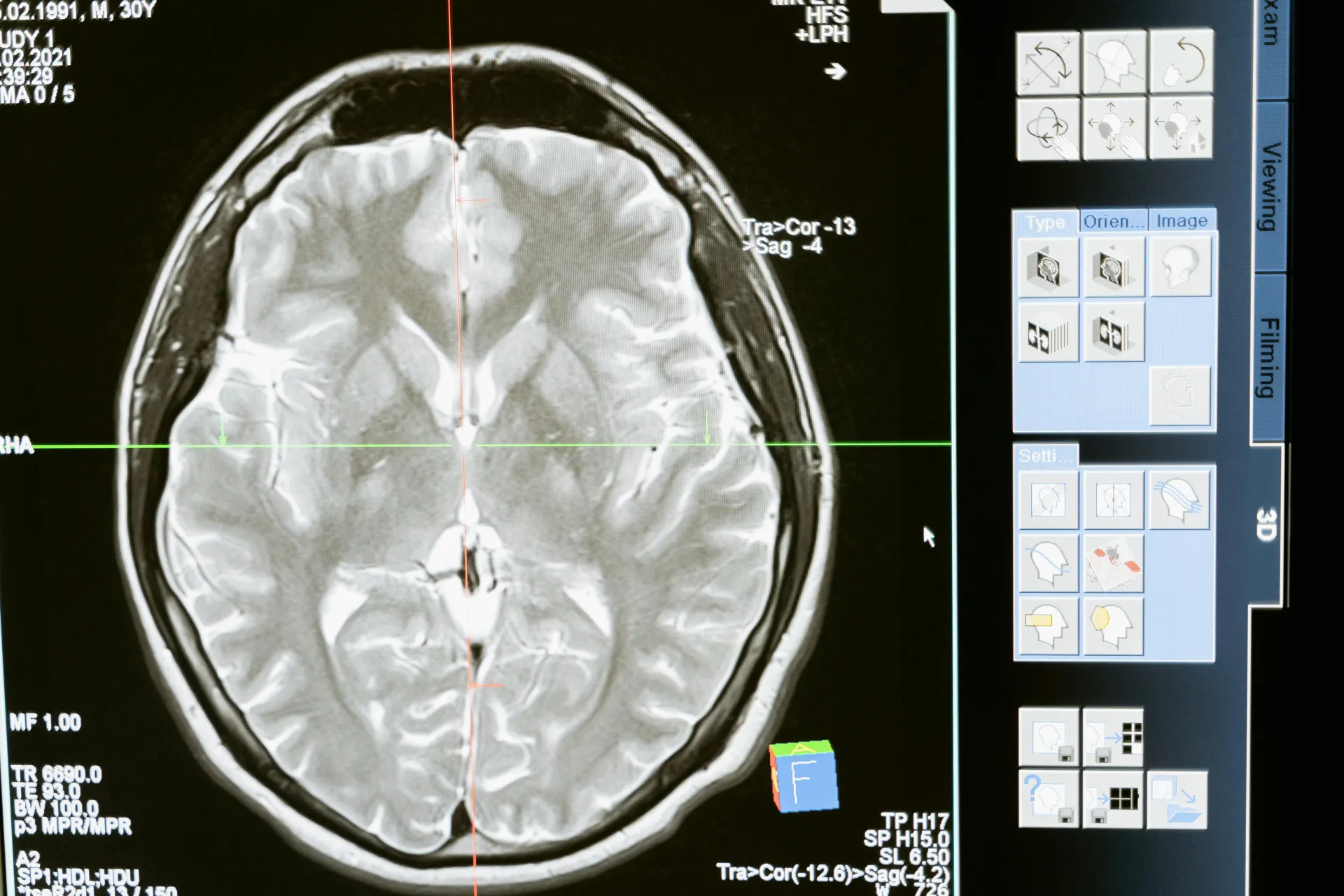
- يشمل التشخيص عادةً اختبارات سريرية جانبية السرير كمناورة ديكس-هولبايك واختبار دفع الرأس، مدعومةً باختبار VNG وقياس السمع أو تصوير الدماغ بالرنين المغناطيسي MRI عند الاشتباه في أسباب مركزية
- يعتمد العلاج على السبب الكامن ويتراوح بين مناورات إعادة الوضع وإعادة التأهيل الدهليزي إلى الأدوية وتعديلات نمط الحياة وفي حالات نادرة الجراحة
- تبدأ استشارة الأعصاب للدوار في دبي من 500 درهم، وتُغطي معظم خطط التأمين الصحي الشامل إحالات الأخصائيين عند وجود مؤشر سريري
الدوار — الإحساس المزعج بأنك أنت أو محيطك يدور — يُصيب ما يصل إلى 15% من البالغين في مرحلة ما من حياتهم. في حين قد تبدو نوبة الدوخة العابرة غير ضارة، يمكن أن يُؤثر الدوار المتكرر أو الشديد بشكل كبير على الحياة اليومية والإنتاجية في العمل والسلامة. في بيئة دبي سريعة الإيقاع، حيث الجفاف والتوتر وساعات استخدام الشاشات الطويلة شائعة، فإن فهم أسباب الدوار ومعرفة متى تطلب رعاية متخصصة أمر ضروري. في مركز الأطباء للتشخيص والعيادات (DCDC) بمدينة دبي الطبية، يُقدم فريق الأعصاب لدينا علاجاً شاملاً للدوار والدوخة مدعوماً بالتصوير التشخيصي الداخلي واختبار الدهليز لتحديد السبب الجذري وتقديم علاج موجّه.




ما الدوار؟ فهم الدوار مقابل الدوخة مقابل الشعور بالإغماء
يستخدم كثيرون مصطلحات "الدوار" و"الدوخة" و"الإغماء" بالتبادل، بينما هي في الحقيقة أحاسيس مختلفة تماماً — كل منها له أسباب ونهج علاجية مختلفة:
الدوار هو نوع محدد من الدوخة يتميز بإحساس زائف بالحركة الدورانية. قد تشعر وكأن الغرفة تدور حولك، أو أنك أنت من يدور وأنت في وضع ثابت. ينتج عن تعارض بين الإشارات التي يرسلها جهازك الدهليزي (أعضاء التوازن في أذنك الداخلية) والمعلومات التي يُعالجها دماغك.
الدوخة مصطلح أوسع وأقل تحديداً يشمل الدوار لكنه يتضمن أيضاً مشاعر عدم الاستقرار والارتباط المكاني أو الشعور بأنك على وشك السقوط. لا تتضمن كل دوخة إحساساً بالدوران.
الشعور بالإغماء يُشير إلى شعور بالإغماء الوشيك (ما قبل الإغماء). غالباً ما يُسببه انخفاض مؤقت في ضغط الدم أو الجفاف أو تذبذبات سكر الدم بدلاً من مشكلة دهليزية. النهوض بسرعة أو تخطي الوجبات أو قضاء فترات طويلة في حرارة دبي كلها يمكن أن تُثير الشعور بالإغماء.
حين تزور طبيب أعصاب، تكون إحدى الأولويات الأولى تحديد أي فئة تندرج فيها أعراضك، لأن الأسباب الكامنة — وبالتالي العلاجات — تختلف اختلافاً جوهرياً.
أنواع الدوار: الطرفي مقابل المركزي
يُصنَّف الدوار في فئتين رئيسيتين بناءً على أصله التشريحي. فهم هذا التمييز حاسم لأن الدوار الطرفي في الغالب حميد وقابل للعلاج، في حين قد يُشير الدوار المركزي إلى حالة عصبية خطيرة.
الدوار الطرفي
ينشأ الدوار الطرفي في الأذن الداخلية أو العصب الدهليزي الذي يربط الأذن الداخلية بجذع الدماغ. يُفسّر نحو 80% من جميع حالات الدوار وعادةً ما يكون نوبياً وشديداً ومصحوباً بالغثيان والرأرأة (حركات العين الإيقاعية اللاإرادية). تشمل الأسباب الشائعة BPPV ومرض مينيير والتهاب العصب الدهليزي والتهاب التيه.
الدوار المركزي
ينشأ الدوار المركزي في الدماغ — تحديداً في جذع الدماغ أو المخيخ. يميل إلى كونه أقل حدةً لكن أكثر استمراراً من الدوار الطرفي، وغالباً يصحبه أعراض عصبية أخرى كازدواجية الرؤية وصعوبة البلع وتعذّر الكلام وصداع شديد أو ضعف في الأطراف. تشمل الأسباب السكتة الدماغية والنوبة الإقفارية العابرة والتصلب المتعدد وأورام الدماغ والشقيقة الدهليزية. يستلزم الدوار المركزي دائماً تقييماً عصبياً عاجلاً وكثيراً ما يستوجب تصوير الدماغ بالرنين المغناطيسي.
| الميزة | الدوار الطرفي | الدوار المركزي |
|---|---|---|
| الأصل | الأذن الداخلية / العصب الدهليزي | جذع الدماغ / المخيخ |
| البداية | مفاجئة، نوبية | تدريجية أو مفاجئة |
| الشدة | دوران شديد | خفيف إلى متوسط، مستمر |
| الغثيان/القيء | شائع وكثيراً ما يكون شديداً | أقل بروزاً |
| فقدان السمع | ربما موجود (مينيير) | نادر |
| علامات عصبية | غائبة | غالباً موجودة (ضعف، تغيرات بصرية) |
| نمط الرأرأة | أفقية أو دورانية، قابلة للإجهاد | رأسية أو متغيرة الاتجاه، غير قابلة للإجهاد |
| الأسباب الشائعة | BPPV، مينيير، التهاب العصب الدهليزي | سكتة دماغية، تصلب متعدد، ورم، شقيقة دهليزية |
الدوار الوضعي الانتيابي الحميد (BPPV): أكثر أسباب الدوار شيوعاً
الدوار الوضعي الانتيابي الحميد (BPPV) هو السبب الأول للدوار على الإطلاق، يُمثّل نحو 20-30% من جميع حالات الدوار في الممارسة السريرية. يحدث حين تنفصل بلورات كربونات الكالسيوم الصغيرة المُسماة أوتوليث (أو "حصى الأذن") عن الكيس وتنتقل إلى إحدى القنوات نصف الدائرية — الأكثر شيوعاً القناة الخلفية.
تُعطّل هذه البلورات المنزاحة التدفق الطبيعي للسائل داخل القناة مما يُرسل إشارات زائفة عن الحركة الدورانية إلى الدماغ. تكون النتيجة نوبات قصيرة لكن شديدة من الدوار يُثيرها تغيير محدد في وضع الرأس كالاستلقاء في السرير أو النظر إلى الأعلى أو الانحناء للأمام أو إمالة الرأس للخلف.
من أبرز خصائص BPPV:
- النوبات تدوم عادةً أقل من 60 ثانية لكنها تبدو ساحقة أثناء الهجمة
- تُثيرها تغيرات محددة في وضع الرأس لا تحدث تلقائياً
- كثيراً ما يصحبها غثيان وشعور بعدم التوازن بعد توقف الدوران
- لا يوجد فقدان سمع أو طنين (هذان يُشيران إلى مرض مينيير)
- أكثر شيوعاً لدى النساء والبالغين فوق 50 عاماً وبعد إصابات الرأس أو الراحة المطولة في الفراش
- يُشخَّص بـ اختبار ديكس-هولبايك ويُعالَج بـ مناورة إيبلي — غالباً تحل الحالة في زيارة عيادة واحدة
تُعاني من دوار وضعي؟
يمكن في كثير من الأحيان تشخيص BPPV وعلاجه في موعد واحد. احجز استشارة أعصاب في DCDC بمدينة دبي الطبية لتقييم متخصص وتطبيق مناورة إعادة وضع إيبلي.
أسباب شائعة أخرى للدوار والدوخة
مرض مينيير
مرض مينيير اضطراب مزمن في الأذن الداخلية ناجم عن ضغط غير طبيعي للسائل (استسقاء اللمف الباطن) داخل التيه. يُنتج ثلاثية أعراض كلاسيكية: نوبات دوار تدوم من 20 دقيقة إلى عدة ساعات، وفقدان سمع متذبذب (في الترددات المنخفضة عادةً)، وطنين في الأذن (رنين أو هدير في الأذن المصابة). يُعاني كثير من المرضى أيضاً من شعور بالامتلاء أو الضغط في الأذن قبل النوبات أو أثناءها.
يؤثر مرض مينيير في الغالب على أذن واحدة ويمكن أن يُؤدي إلى فقدان سمع دائم تدريجي مع مرور الوقت إذا لم يُدار. يستلزم التشخيص اختبارات قياس السمع التي تُظهر فقدان سمع حسي عصبي بتردد منخفض مميز، ويُركز العلاج على تقليل تكرار النوبات عبر تقييد الصوديوم في الغذاء ومدرات البول وإعادة التأهيل الدهليزي وفي الحالات الشديدة الحقن داخل الطبل أو الجراحة.
التهاب العصب الدهليزي والتهاب التيه
التهاب العصب الدهليزي هو التهاب في العصب الدهليزي يُثيره في الغالب عدوى فيروسية. يُسبب نوبةً مفاجئةً وشديدةً ومستمرةً من الدوار تستمر أياماً مصحوبةً بغثيان وقيء وصعوبة في التوازن. على خلاف التهاب التيه، لا يؤثر التهاب العصب الدهليزي على السمع.
يتضمن التهاب التيه التهاباً في كل من العصب الدهليزي والقوقعة، مما يُنتج دواراً جنباً إلى جنب مع فقدان السمع والطنين. كلا الحالتين ذاتيتا الحد، لكن التعافي قد يستغرق أسابيع. إعادة التأهيل الدهليزي هو ركيزة التعافي، حيث يُساعد الدماغ على التعويض عن الإدخال الدهليزي التالف.
الشقيقة الدهليزية
الشقيقة الدهليزية سبب متزايد التشخيص للدوار النوبي، لا سيما لدى المرضى الذين لديهم تاريخ من الصداع النصفي. يمكن أن تُسبب نوبات دوار تدوم من دقائق إلى ساعات مع أو بدون صداع مصاحب. تشمل الأعراض المرتبطة الأخرى حساسية للضوء وحساسية للصوت وهالة بصرية وعدم تحمّل الحركة. تُدار الشقيقة الدهليزية بصورة مشابهة لأنواع الشقيقة الأخرى، بتجنب المحفزات وتعديل نمط الحياة والأدوية الوقائية.
الأسباب المركزية: السكتة الدماغية والتصلب المتعدد وأورام الدماغ
وإن كانت أقل شيوعاً، تستدعي الأسباب المركزية للدوار انتباهاً عاجلاً. السكتة الدماغية للدورة الدموية الخلفية التي تؤثر على جذع الدماغ أو المخيخ قد تظهر بدوار مفاجئ، وقد يكون العرض الأولي الوحيد — مما يجعل التشخيص الخاطئ بوصفه مشكلة أذن داخلية حميدة أمراً سهل الحدوث. تستلزم علامات السكتة الدماغية كصعوبة الكلام وتدلي الوجه وضعف الذراع أو صداع شديد مفاجئ مصحوب بدوار تقييماً طبياً طارئاً.
يمكن أن يُسبب التصلب المتعدد دواراً عبر آفات إزالة الميالين في جذع الدماغ، والأورام العصبية السمعية (الأورام الشفانية الدهليزية) هي أورام حميدة في العصب الدهليزي تُنتج فقدان سمع أحادي الجانب متفاقماً تدريجياً وطنيناً وعدم توازن. تُحدَّد كلا الحالتين من خلال تصوير الدماغ والأذن الداخلية بالرنين المغناطيسي.
كيف يُشخَّص الدوار؟ الاختبارات والفحوصات
يبدأ التشخيص الدقيق للدوار بتاريخ سريري مفصّل وفحص عصبي مُركّز. سيسألك طبيب الأعصاب عن مدة نوباتك وتكرارها ومحفزاتها والأعراض المصاحبة (فقدان السمع والطنين والصداع والأعراض العصبية) والأدوية والتاريخ الطبي.
الاختبارات السريرية جانبية السرير
- اختبار ديكس-هولبايك: الاختبار المعياري الذهبي لتشخيص BPPV. يُنقَل المريض من وضع الجلوس إلى الاستلقاء مع إدارة الرأس 45 درجة على أحد الجانبين وإمالته إلى ما دون مستوى الطاولة. تُنتج النتيجة الإيجابية رأرأةً دورانيةً مميزةً وتستنسخ أعراض الدوار لدى المريض.
- اختبار دفع الرأس (HIT): يُدير الفاحص رأس المريض بسرعة نحو أحد الجانبين بينما يُثبّت المريض نظره على أنف الفاحص. تُشير حركة التصحيح اللحظية (حركة العين اللاحقة) إلى قصور دهليزي على جانب دوران الرأس مما يُشير إلى تلف دهليزي طرفي.
- فحص HINTS: تقييم جانبي السرير المؤلف من ثلاثة أجزاء (دفع الرأس ونوع الرأرأة واختبار الانحراف) يُستخدم لتمييز الدوار المركزي عن الطرفي لدى المرضى ذوي المتلازمة الدهليزية الحادة. تُظهر الدراسات أنه أكثر حساسيةً من الرنين المغناطيسي المبكر للكشف عن السكتة الدماغية للدورة الخلفية.
- اختبار رومبيرغ وتقييم المشية: يُقيّم التوازن مع فتح العينين وإغلاقهما للتعرف على الخلل الدهليزي أو حس عمقي. قد تُنتج الأسباب المخيخية للدوار مشيةً واسعة عرضاً رنحية.
التحقيقات التشخيصية المتقدمة
- قياس الرأرأة بالفيديو (VNG): يُسجّل حركات العين باستخدام نظارات تعمل بالأشعة تحت الحمراء لتقييم وظيفة الجهاز الدهليزي. يشمل اختبار VNG الاختبار الوضعي واختبار الحرارة (هواء أو ماء دافئ وبارد يُحفّز قناتي الأذن) وتقييم الحركة الطوعية للعين.
- قياس السمع (اختبار السمع): ضروري حين يُشتبه في مرض مينيير أو الورم الشفاني الدهليزي. يُساعد التقييم السمعي الكامل على تحديد فقدان السمع الحسي العصبي بتردد منخفض المميز لمرض مينيير أو فقدان السمع الحسي العصبي غير المتماثل المرتبط بالأورام الشفانية الدهليزية.
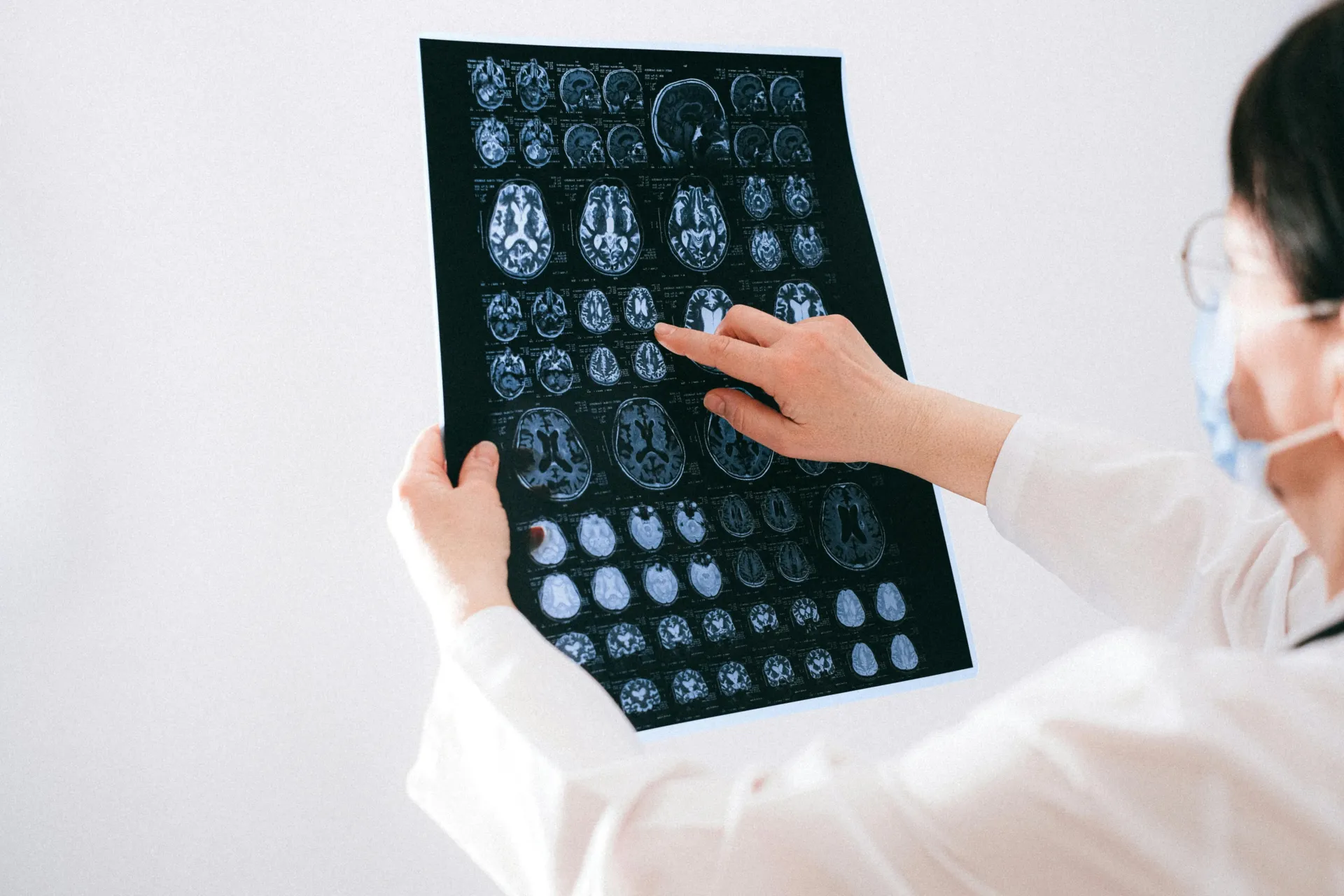
- الرنين المغناطيسي للدماغ: يُشار إليه حين يُشتبه في دوار مركزي — مثلاً عند وجود علامات عصبية مصاحبة للدوار أو أنماط رأرأة غير نمطية أو أعراض لا تتناسب مع نمط طرفي. يستطيع الرنين المغناطيسي للدوار تحديد السكتات الدماغية والأورام وآفات إزالة الميالين والتشوهات الهيكلية في الأذن الداخلية والزاوية الجسر مخيخية.
- فحوصات الدم: قد تُطلَب لاستبعاد عوامل مساهمة كفقر الدم أو خلل الغدة الدرقية أو نقص فيتامين B12 أو تشوهات سكر الدم أو العدوى.
تشخيصات الدوار الداخلية في DCDC
تُقدم عيادتنا في مدينة دبي الطبية استشارة أعصاب وتصوير دماغ بالرنين المغناطيسي وقياس سمع واختبار دهليزي تحت سقف واحد — مما يعني تشخيصاً أسرع وزيارات أقل بين العيادات.
خيارات علاج الدوار: من مناورات إعادة الوضع إلى الجراحة
علاج الدوار خاص جداً بالسبب الكامن. ما ينجح مع BPPV لن يُفيد مرض مينيير، والعكس صحيح. لهذا يكون التشخيص الدقيق الخطوة الأولى الأساسية قبل البدء بأي خطة علاج.
مناورات إعادة وضع حصيات الكالسيوم (مناورة إيبلي)
مناورة إيبلي هي العلاج الأولي لـ BPPV وتتضمن سلسلةً من تغييرات وضع الرأس والجسم الموجَّهة التي تُحرّك الأوتوليث المنزاحة خارج القناة نصف الدائرية المُصابة وتعيدها إلى الكيس حيث يمكن إعادة امتصاصها بأمان. يستغرق الإجراء نحو 10-15 دقيقة ويُنفَّذ في العيادة.
معدلات النجاح لمناورة إيبلي ممتازة — تُظهر الدراسات أن 80-90% من المرضى يُحقّقون تحسناً ملحوظاً بعد علاج أو علاجين. تُستخدم أشكال أخرى كمناورة سيمونت أو مناورة اللف BBQ لأشكال القنوات الأقل شيوعاً. يُنصح المرضى عادةً بتجنب حركات الرأس السريعة لمدة 24-48 ساعة بعد الإجراء.
إعادة التأهيل الدهليزي (VRT)
إعادة التأهيل الدهليزي برنامج علاج قائم على التمارين مُصمَّم لتعزيز تعويض الجهاز العصبي المركزي عن الخلل الدهليزي. فعّالة بشكل خاص لالتهاب العصب الدهليزي والتهاب التيه والمرضى الذين يُعانون من دوخة مستمرة أو عدم توازن بعد حل نوبة الدوار الحادة.
يتضمن برنامج إعادة التأهيل الدهليزي عادةً:
- تمارين تثبيت النظرة: تُدرّب العينين على البقاء مُركّزتين أثناء حركات الرأس مما يُقلل من التشوش البصري وحساسية الحركة
- تمارين التعوّد: تُعرّض المريضَ تدريجياً للحركات والأوضاع التي تُثير الدوخة مما يُقلل حساسية الدماغ لهذه المحفزات مع مرور الوقت
- تدريب التوازن: تمارين تدريجية تتحدى التوازن أثناء الوقوف والمشي على أسطح مختلفة وفي ظروف حسية متباينة
- إعادة التدريب الوظيفي: تمارين مُصمَّمة خصيصاً لأنشطة المريض اليومية ومتطلبات العمل لاستعادة الثقة والاستقلالية
الأدوية لعلاج الدوار
تلعب الأدوية دوراً داعماً في إدارة الدوار وتُستخدم عموماً لتخفيف الأعراض قصيرة الأمد لا للعلاج طويل الأمد. الأدوية الموصوفة شائعاً تشمل:
- كابتات الدهليز: البيتاهيستين (Serc) يُستخدم على نطاق واسع في الإمارات ويمكن أن يُقلل تكرار نوبات الدوار وشدتها، لا سيما في مرض مينيير. قد يُستخدم الميكليزين والدايمنهيدرينات لتخفيف الأعراض الحادة.
- أدوية مضادة للغثيان: أوندانسيترون أو بروكلوربيرازين للغثيان والقيء الشديدين أثناء نوبات الدوار الحادة
- الكورتيكوستيرويدات: قد يُوصَف مسار قصير من الستيرويدات الفموية لالتهاب العصب الدهليزي للحد من الالتهاب وتحسين التعافي الدهليزي
- الوقاية من الشقيقة: للشقيقة الدهليزية، يمكن التوصية بأدوية وقائية كحاصرات بيتا أو توبيراميت أو أميتريبتيلين أو مثبطات CGRP
- مدرات البول: قد يُوصَف هيدروكلوروثيازيد أو أسيتازولاميد لمرض مينيير للحد من ضغط اللمف الباطن
من المهم الإشارة إلى أن كابتات الدهليز يجب استخدامها في المرحلة الحادة فقط. الاستخدام المطوّل يمكن أن يُعيق التعافي الدهليزي بالفعل عن طريق إخماد آليات التعافي الطبيعية للدماغ.
العلاجات الجراحية والتدخلية
تُحجَز الجراحة للدوار للحالات التي تفشل في الاستجابة للعلاج التحفظي. تشمل الخيارات حقن الجنتاميسين أو الستيرويدات داخل الطبل لمرض مينيير المقاوم، وإزالة ضغط الكيس اللمفاني الباطن للحد من ضغط سائل الأذن الداخلية، وفي حالات نادرة قطع العصب الدهليزي أو استئصال التيه للدوار الشديد المُعيق الذي لا يستجيب لأي علاج آخر. كثيراً ما يتعاون أخصائي الأنف والأذن والحنجرة مع طبيب الأعصاب حين تُوضَع الخيارات الجراحية في الاعتبار.
تكلفة علاج الدوار في دبي
تتفاوت تكلفة علاج الدوار في دبي تبعاً للاختبارات التشخيصية المطلوبة ومنهج العلاج. فيما يلي دليل عام للتكاليف المتوقعة:
| الخدمة | التكلفة التقديرية (درهم) |
|---|---|
| استشارة الأعصاب | من 500 درهم |
| مناورة إيبلي (علاج BPPV) | 300-600 درهم |
| قياس الرأرأة بالفيديو (VNG) | 800-1500 درهم |
| قياس السمع (اختبار السمع) | 200-500 درهم |
| الرنين المغناطيسي للدماغ (مع حقن التباين) | 2500-4500 درهم |
| إعادة التأهيل الدهليزي (للجلسة) | 300-600 درهم |
| لوحة فحوصات الدم (لتقييم الدوار) | 300-800 درهم |
تُغطي معظم خطط التأمين الصحي الشامل في الإمارات استشارات الأعصاب والاختبارات التشخيصية حين تُحيل الطبيبُ العامُ بمبرر سريري. نُوصي بالتواصل مع شركة تأمينك لتأكيد تغطيتك قبل موعدك. في DCDC، يستطيع فريق الاستقبال لدينا المساعدة في الموافقة المسبقة للتأمين.
متى تزور طبيب الأعصاب بشكل عاجل بسبب الدوار
بينما تُسبب معظم حالات الدوار حالاتٌ حميدة في الأذن الداخلية، تُعدّ أعراض بعينها إشاراتٍ حمراء تستدعي تقييماً طبياً عاجلاً أو طارئاً. لا تنتظر موعداً اعتيادياً إذا عانيت من أي مما يلي:
- دوار مفاجئ مصحوب بضعف أو تنميل في أحد الجانبين: قد يُشير هذا المزيج إلى سكتة دماغية تؤثر على جذع الدماغ أو المخيخ — اتصل بالطوارئ فوراً
- دوار مصحوب بصعوبة في الكلام أو البلع: يُشير إلى سبب في الجهاز العصبي المركزي يستلزم تصوير طارئاً
- أشد صداع مررت به في حياتك مع الدوار: قد يُشير إلى نزيف تحت العنكبوتية أو حالة وعائية طارئة أخرى
- ازدواجية رؤية جديدة أو فقدان رؤية مفاجئ مع الدوار: يُشير إلى آفة في جذع الدماغ أو المخيخ
- عجز عن المشي أو الوقوف دون السقوط: قد يُشير الرنح الشديد مع الدوار إلى سكتة مخيخية، لا سيما عند المرضى ذوي عوامل الخطر الوعائي
- الدوار بعد إصابة في الرأس: الدوار الرضحي قد يُشير إلى ارتجاج أو كسر في قاعدة الجمجمة أو ناسور اللمف الباطن ويستلزم تقييماً فورياً
- دوار مستمر يدوم أكثر من 24-48 ساعة دون تحسن: تستلزم المتلازمة الدهليزية الحادة تقييماً متخصصاً للتمييز بين التهاب العصب الدهليزي والسكتة الدماغية للدورة الخلفية
استخدم اختصار FAST للتعرف على السكتة الدماغية: Face (تدلي الوجه)، Arms (ضعف الذراع)، Speech (صعوبة الكلام)، Time (الوقت للاتصال بالطوارئ). إذا صاحبت الدوارَ أيٌّ من هذه العلامات، تعامل معه كحالة طبية طارئة.
العيش مع الدوار: نصائح نمط الحياة والإدارة الذاتية
للمرضى الذين يعانون من دوار متكرر، يمكن أن تُساعد تعديلات نمط الحياة بعينها على تقليل تكرار النوبات وشدتها جنباً إلى جنب مع العلاج الطبي:
- البقاء رطباً: الجفاف سبب شائع للدوخة في مناخ دبي. استهدف شرب 2-3 لترات من الماء يومياً، أكثر إذا قضيت وقتاً في الهواء الطلق أو مارست الرياضة
- تقليل تناول الصوديوم: مهم بشكل خاص لمرضى مينيير — الصوديوم المرتفع يُزيد احتباس السائل في الأذن الداخلية ويمكن أن يُثير النوبات
- إدارة التوتر: التوتر المزمن والقلق يمكن أن يُفاقما الأعراض الدهليزية وترتبط بقوة بمحفزات نوبات الشقيقة الدهليزية
- تحديد الكافيين والكحول: يمكن لكليهما التأثير على توازن سائل الأذن الداخلية وتفاقم الدوار لدى الأفراد المعرّضين
- نظافة النوم: يخفض ضعف النوم والإجهاد عتبة نوبات الشقيقة الدهليزية ويُعيق التعويض الدهليزي
- تجنب الحركات المفاجئة للرأس: مرتبط بشكل خاص بـ BPPV — انهض ببطء من السرير وتجنب النظر فجأةً إلى الأعلى وتوخَّ الحذر عند إمالة رأسك للخلف
- الوقاية من السقوط: ثبّت السجاجيد وثبّت درابزيناً وضع إضاءةً ليلية وتجنب المشي في الظلام إذا كنت تعاني من نوبات متكررة من الدوار أو عدم التوازن
لماذا تختار DCDC لعلاج الدوار في دبي؟
يُقدم مركز الأطباء للتشخيص والعيادات في مدينة دبي الطبية مزايا عدة للمرضى الباحثين عن تشخيص وعلاج الدوار:
- فريق أعصاب متخصص: لدى أطباء الأعصاب الاستشاريين لدينا خبرة واسعة في تشخيص وعلاج جميع أشكال الدوار، من BPPV الشائع إلى اضطرابات الدهليز المركزية المعقدة
- تصوير تشخيصي داخلي: إمكانية تصوير الدماغ بالرنين المغناطيسي في الموقع تعني تشخيصاً أسرع دون الإحالة إلى مراكز تصوير خارجية
- رعاية متعددة التخصصات متكاملة: خدمات الأعصاب والأنف والأذن والحنجرة وقياس السمع والعلاج الطبيعي تحت سقف واحد تُتيح تنسيقاً سلساً بين الأخصائيين
- علاج في نفس اليوم: لـ BPPV، يمكننا في الغالب تشخيص الحالة وعلاجها بمناورة إيبلي في الموعد ذاته
- إعادة التأهيل الدهليزي: يُقدم فريق العلاج الطبيعي لدينا برامج إعادة تأهيل دهليزي مُصمَّمة خصيصاً لحالة كل مريض وأهداف تعافيه
- موقع مريح: في مدينة دبي الطبية مع سهولة الوصول بالمترو ومواقف سيارات وافرة، مع جدولة مواعيد مرنة تشمل مواعيد صباحية مبكرة ومسائية
احجز استشارة الدوار اليوم
لا تدع الدوخة تتحكم في حياتك. حدد موعد استشارة أعصاب في DCDC بمدينة دبي الطبية للتشخيص المتخصص والعلاج الشخصي. اتصل بنا أو احجز عبر الإنترنت.
خدمات ذات صلة في DCDC
رعاية متخصصة وتشخيص متقدم في مدينة دبي الطبية
الأسئلة الشائعة
خاتمة
الدوار من أكثر الأسباب شيوعاً لزيارة طبيب الأعصاب، غير أنه يظل مُسأً فهمه على نطاق واسع. البشرى السارة أن غالبية حالات الدوار ناجمة عن حالات حميدة قابلة للعلاج — وبالتشخيص الدقيق، يُجرب كثير من المرضى تحسناً ملحوظاً أو زوالاً تاماً لأعراضهم. المفتاح هو تحديد السبب الدقيق عبر التقييم السريري الصحيح بدلاً من الاعتماد على إخماد الأعراض وحده.
في مركز الأطباء للتشخيص والعيادات بمدينة دبي الطبية، يجمع فريق الأعصاب لدينا الخبرة السريرية والإمكانيات التشخيصية الداخلية — بما فيها الرنين المغناطيسي واختبار الدهليز وقياس السمع — لتقديم تقييم وعلاج دوار شاملين تحت سقف واحد. سواء كنت تُعاني من نوبتك الأولى من الدوخة أو تعيش مع دوار متكرر منذ سنوات، نحن هنا لمساعدتك في إيجاد إجابات وراحة فعّالة. تواصل معنا اليوم لتحديد موعد استشارة الدوار.
المصادر والمراجع
تمت مراجعة هذا المقال من قبل فريقنا الطبي ويستند إلى المصادر التالية:
- مايو كلينيك — الدوار: الأعراض والأسباب
- الـ NHS — الدوار
- جمعية اضطرابات الدهليز (VeDA) — أنواع الاضطرابات الدهليزية
- الأكاديمية الأمريكية لطب الأعصاب — إرشادات الممارسة للدوار الوضعي الانتيابي الحميد
- BMJ Best Practice — تقييم الدوار
يتم مراجعة المحتوى الطبي على هذا الموقع من قبل أطباء مرخصين من هيئة الصحة. اطلع على سياستنا التحريرية لمزيد من المعلومات.

كتبه
Dr. Heike Jacobs
استشاري طب الأعصاب
دكتوراه في الطب، MRCP، استشاري طب الأعصاب
الدكتورة هايكه جاكوبس في DCDC بمدينة دبي الطبية.
مقالات ذات صلة
متى تزور طبيب أعصاب في دبي
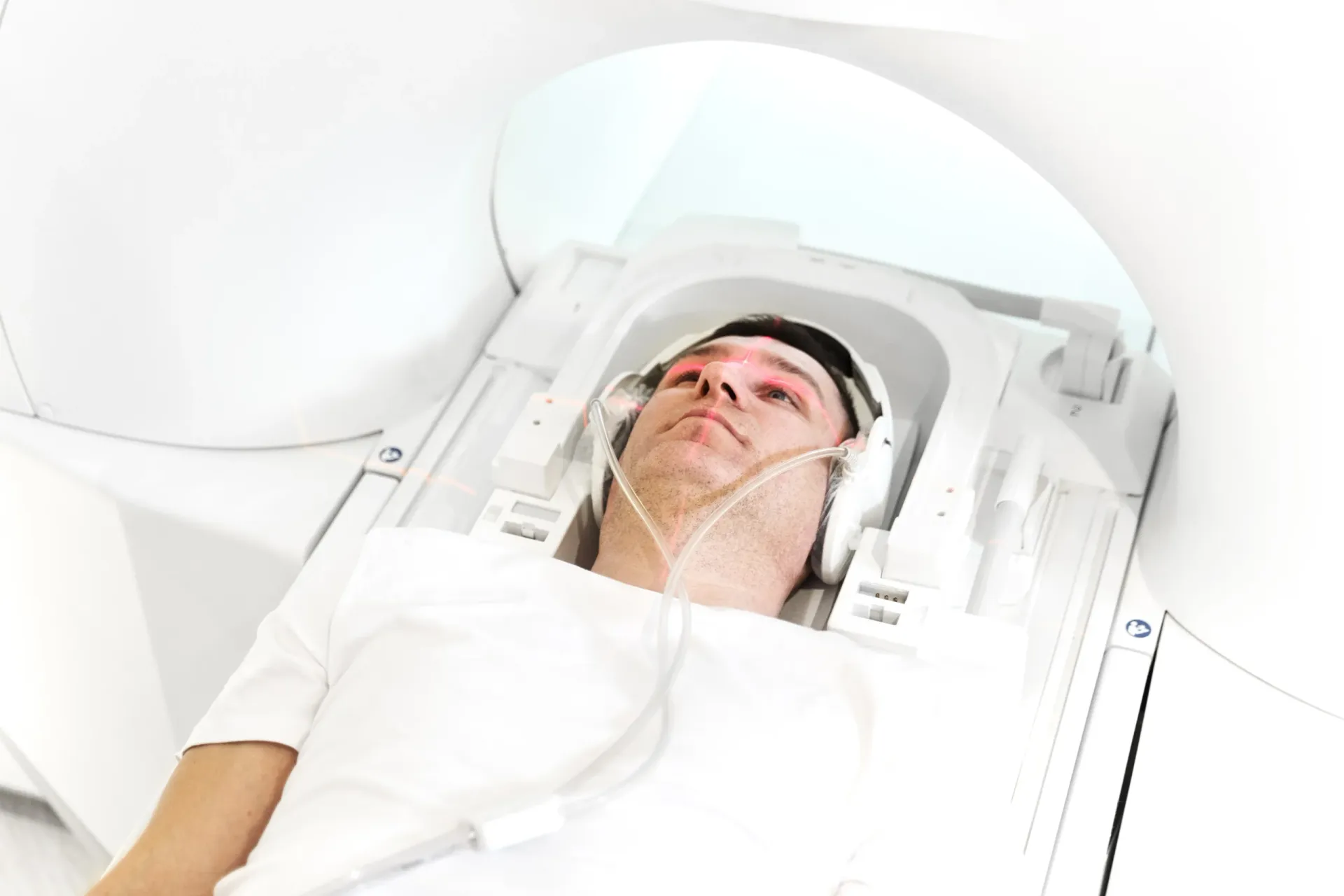
الرنين المغناطيسي للدوار واضطرابات التوازن

إعادة التأهيل الدهليزي للدوار
علاج الشقيقة في دبي: الأنواع والرعاية المتخصصة
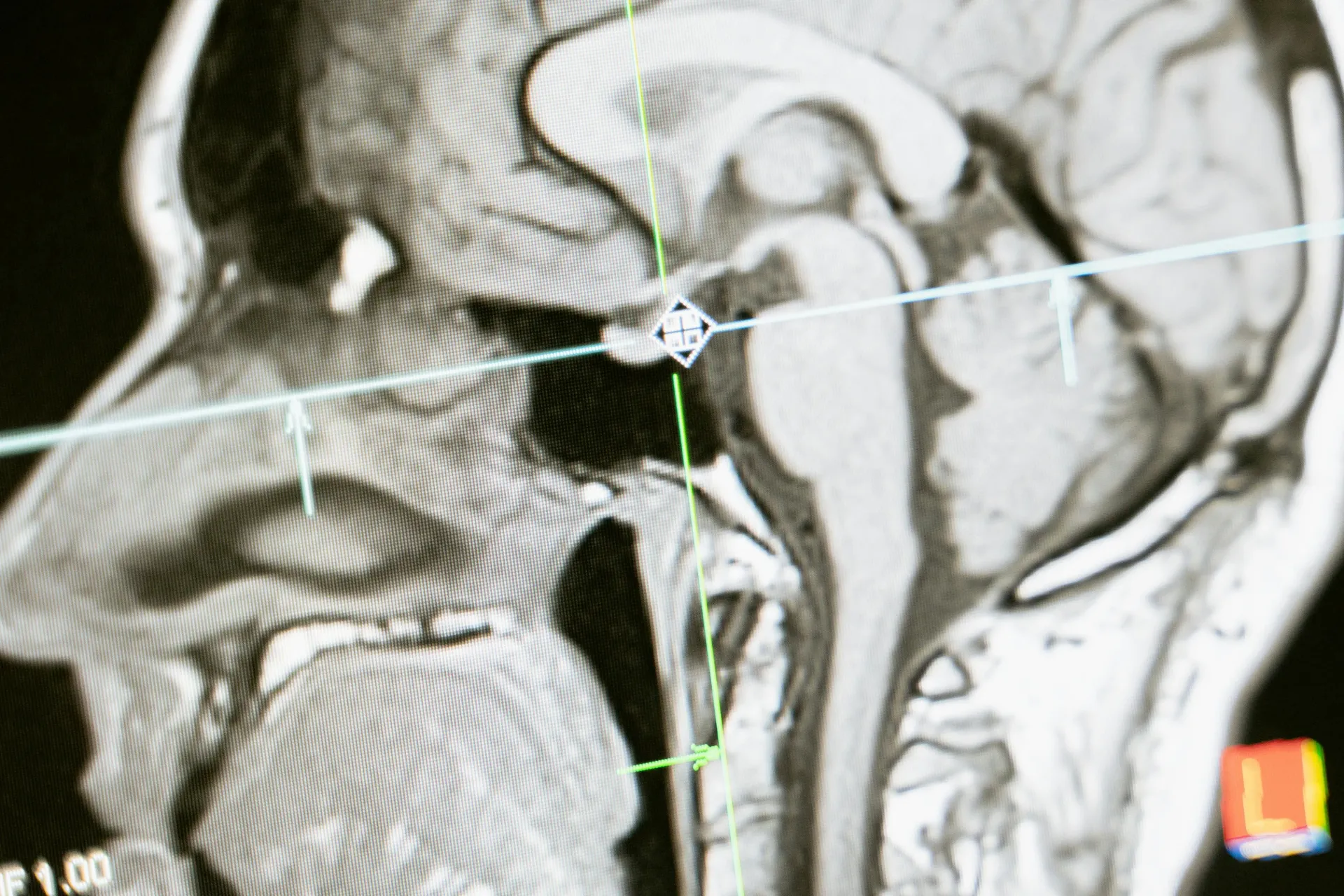
علامات السكتة الدماغية: دليل الاستجابة السريعة
المزيد في General Health
Epilepsy Treatment Dubai: Symptoms & Care (2026)
اقرأ المزيد
Food Allergy vs Food Intolerance Dubai (2026)
اقرأ المزيد
Pneumonia vs Flu Dubai: Key Differences (2026)
اقرأ المزيد
Swollen Lymph Nodes Dubai: When to Worry (2026)
اقرأ المزيدFlu vs Cold Dubai: How to Tell the Difference (2026)
اقرأ المزيد
Sleep Study Cost Dubai: Tests & Pricing (2026)
اقرأ المزيد© 2026 Doctors Clinic Diagnostic Center (DCDC), Dubai Healthcare City. Originally published at https://doctorsclinicdubai.ae/blog/vertigo-treatment-dubai. All rights reserved. Unauthorized reproduction is prohibited.