النقاط الرئيسية
- تبدأ تكلفة إزالة شمع الأذن في دبي من 300 درهم لاستشارة طبيب الأنف والأذن والحنجرة التي تشمل الفحص بالمنظار وإزالة الصملاح المنسد بالشفط الدقيق في DCDC مدينة دبي الطبية
- الشفط الدقيق هو الطريقة الأأمن والأكثر فعالية لإزالة شمع الأذن، إذ يستخدم شفطاً لطيفاً تحت رؤية مباشرة دون ماء ودون ضغط ودون خطر دفع الشمع أعمق
- في DCDC مدينة دبي الطبية، تُجرى إزالة شمع الأذن بـالشفط المجهري على يد متخصصين مدربين في الأنف والأذن والحنجرة، وهو نفس الأسلوب الذي توصي به هيئة NHS والأكاديمية الأمريكية AAO-HNS
- تغطي معظم خطط التأمين في دبي التي تشمل الأنف والأذن والحنجرة، بما فيها ضمان وAXA وBupa وCigna وMetLife، إزالة شمع الأذن عند الضرورة الطبية، وكثيراً بمشاركة صفرية
- يستغرق الإجراء 15-30 دقيقة، ولا يكاد يُسبب ألماً، ويوفر راحةً فوريةً من انسداد الأذن وضعف السمع والانزعاج
- تُسبب أعواد القطن ما يُقدَّر بـ12000 زيارة لأقسام الطوارئ سنوياً في الولايات المتحدة وحدها. لا تُدخل أي شيء في قناة الأذن لإزالة الشمع
- ثمة ثلاث طرق سريرية: الشفط الدقيق (300-500 درهم)، والغسيل (200-350 درهم)، والكشط اليدوي (300-500 درهم)، كل منها مناسب لمرضى وأنواع شمع مختلفة
إذا كنت تبحث عن تكلفة إزالة شمع الأذن في دبي، فإن السعر يبدأ من 300 درهم لـاستشارة طبيب الأنف والأذن والحنجرة الاحترافية التي تشمل فحص الأذن وإزالة الشمع بالشفط الدقيق. تعتمد التكلفة الفعلية على الطريقة المستخدمة ودرجة الانسداد وما إذا كانت إحدى الأذنين أو كلتاهما تحتاج إلى علاج وما إذا كنت تستخدم التأمين. يستعرض هذا الدليل كل عوامل التكلفة، ويقارن بين الطرق الثلاث للإزالة (الشفط الدقيق مقابل الغسيل مقابل الكشط اليدوي)، ويشرح ما يمكن توقعه أثناء الإجراء، ويساعدك على تحديد ما إذا كانت الإزالة الاحترافية تستحق الاستثمار مقارنةً بالعلاجات المنزلية.
سواء كنت تعاني من ضعف في السمع أو إحساس بالانسداد أو طنين في الأذن أو ألم بسبب الشمع المتراكم، يوفر لك هذا الدليل أسعاراً شفافة لـإزالة شمع الأذن في دبي، ومقارنة سريرية لجميع طرق الإزالة، ونصائح عملية حول متى تزور طبيب الأنف والأذن والحنجرة مقارنةً بالطبيب العام. استناداً إلى إرشادات الأكاديمية الأمريكية لجراحة الأنف والأذن والحنجرة ورأس الرقبة (AAO-HNS) وهيئة الخدمات الصحية الوطنية البريطانية (NHS) والخبرة السريرية في DCDC مدينة دبي الطبية.






تكلفة إزالة شمع الأذن في دبي: نظرة عامة شاملة على الأسعار
تتراوح تكلفة إزالة شمع الأذن في دبي بين 200 و800 درهم تبعاً لنوع المنشأة وطريقة الإزالة وما إذا كانت هناك فحوصات تشخيصية إضافية مطلوبة. في عيادة مرخصة من المجلس الصحي لإمارة دبي (MOHAP) كـDCDC في مدينة دبي الطبية، تبدأ رسوم استشارة طبيب الأنف والأذن والحنجرة من 300 درهم وتشمل الفحص الكامل بمنظار الأذن وإزالة الشمع بالشفط الدقيق في نفس الزيارة. قد تتقاضى أقسام الأنف والأذن والحنجرة في المستشفيات والعيادات الخاصة في مناطق مثل جميرا ومركز دبي المالي العالمي والمارينا ما بين 500 و800 درهم.
| الخدمة | النطاق السعري (درهم) | ما يشمله | المكان |
|---|---|---|---|
| استشارة طبيب أنف وأذن وحنجرة + الشفط الدقيق | 300 - 500 | تنظير الأذن، فحص الأذن، إزالة الشمع بالشفط الدقيق (كلتا الأذنين) | DCDC مدينة دبي الطبية |
| استشارة طبيب عام + الغسيل بالماء | 200 - 350 | فحص أساسي للأذن، غسيل بالماء الدافئ (إن كان مناسباً) | عيادات الطب العام، العيادات متعددة التخصصات |
| استشارة طبيب أنف وأذن وحنجرة + الشفط الدقيق | 500 - 800 | تنظير الأذن، الشفط الدقيق، قياس السمع المحتمل | أقسام الأنف والأذن والحنجرة في المستشفيات |
| استشارة طبيب أنف وأذن وحنجرة + الإزالة اليدوية بالمكشطة | 300 - 500 | تنظير الأذن، إزالة يدوية باستخدام مسبار Jobson Horne تحت الرؤية المباشرة | ENT clinics |
| قياس السمع (في حال الاشتباه بفقدان السمع) | 200 - 400 | قياس السمع بالنغمات النقية، تقييم عتبة السمع | عيادات ENT المزودة بخدمات السمعيات |
| زيارة المتابعة (إن لزم الأمر) | 150 - 300 | إعادة الفحص، شفط إضافي في حال وجود شمع متبقٍّ | Same clinic |
| قطرات الأذن (OTC، علاج تحضيري) | 20 - 50 | قطرات زيت الزيتون، أو بيكربونات الصوديوم، أو بيروكسيد الهيدروجين | أي صيدلية |
أسعار إزالة شمع الأذن في دبي (2026). تقدم DCDC الفوترة المباشرة مع أكثر من 20 مزود تأمين. تواصل معنا للاطلاع على الأسعار الحالية.
في DCDC، تشمل الاستشارة بدءاً من 300 درهم إجراء إزالة شمع الأذن ذاته، إذ لا توجد رسوم منفصلة للشفط الدقيق عند إجرائه خلال زيارة طبيب الأنف والأذن والحنجرة. يُعدّ نموذج التسعير الشامل هذا أكثر فاعلية من حيث التكلفة مقارنةً بالمنشآت التي تتقاضى رسوم استشارة ورسوم إجراء منفصلة، مما قد يرفع الإجمالي إلى 600-1000 درهم. مع تقييم 4.8 من 5 على Google من أكثر من 1000 مراجعة ونسبة رضا المرضى 98%، تقدم DCDC تميزاً سريرياً بأسعار شفافة.
ما هو شمع الأذن ولماذا يتراكم؟
شمع الأذن، المعروف طبياً بـالصملاح، مادة طبيعية تنتجها غدد الصملاخ في الثلث الخارجي من قناة الأذن. يؤدي عدة وظائف وقائية مهمة: احتجاز الغبار والشوائب والميكروبات؛ ترطيب قناة الأذن لمنع الجفاف والحكة؛ وخلق بيئة حمضية خفيفة (درجة الحموضة 5.2-7.0) تمنع نمو البكتيريا والفطريات. وفقاً للأكاديمية الأمريكية لجراحة الأنف والأذن والحنجرة ورأس الرقبة (AAO-HNS)، لا يُعدّ شمع الأذن علامة على سوء النظافة الشخصية.
في الظروف الطبيعية، يتحرك شمع الأذن بشكل طبيعي من داخل قناة الأذن نحو فتحة الأذن من خلال عملية تُسمى الهجرة الظهارية، يُساعد عليها تحرك الفك أثناء المضغ والكلام. يجف الشمع في نهاية المطاف ويتقشر ويسقط من تلقاء نفسه. غير أن آلية التنظيف الذاتي هذه قد تفشل لأسباب عدة، مما يؤدي إلى انسداد الصملاح، وهو حالة تصيب ما يقارب 6% من عامة السكان وما يصل إلى 57% من المرضى المسنين في دور الرعاية.
يوجد نوعان رئيسيان من شمع الأذن يتحددان في الغالب بالوراثة. الصملاح الرطب (بني عسلي ورطب) سائد لدى الأشخاص من أصول أوروبية وأفريقية، في حين أن الصملاح الجاف (رمادي وجاف) أكثر شيوعاً لدى الأشخاص من أصول آسيوية شرقية. يؤثر نوع الشمع الذي تنتجه على سهولة تنظيف الأذن طبيعياً، إذ يكون الشمع الجاف أكثر عرضةً للتراكم لأنه لا يتحرك بكفاءة. ومن اللافت أن جين ABCC11 الذي يحدد نوع الشمع يؤثر أيضاً على رائحة الجسم.
- استخدام أعواد القطن: السبب الأكثر شيوعاً لانحشار الشمع. تدفع أعواد القطن الشمع إلى أعمق القناة بدلاً من إزالته، مما يضغطه على الغشاء الطبلي. وقد أظهرت دراسة أُجريت عام 2017 في
- استخدام سماعات الأذن أو السماعات الطبية: تمنع الأجهزة الهجرة الطبيعية للشمع نحو الخارج وتحفّز زيادة إنتاج الصملاخ من خلال التهيّج الفيزيائي للقناة. ومع انتشار سماعات Air
- ضيق قناة الأذن أو تعرّجها: يمتلك بعض الأفراد قنوات أذن أضيق تشريحياً مما يجعلها أكثر عرضة للانسداد، وهو أمر شائع بشكل خاص لدى الأطفال وبعض المجموعات العرقية
- نمو الشعر المفرط في قناة الأذن: أكثر شيوعاً لدى الرجال الأكبر سناً، حيث يمكن لشعر القناة أن يحبس الشمع ويمنع التنظيف الذاتي الطبيعي
- الإفراط في إنتاج الصملاخ: ينتج بعض الأفراد وراثياً كمية من الشمع أكبر من المعدل الطبيعي، أو ينتجون نوعاً أكثر جفافاً وصلابة لا يهاجر بسهولة
- الأمراض الجلدية: يمكن للإكزيما والصدفية والتهاب الجلد في قناة الأذن أن تغيّر قوام الشمع وتزيد من البقايا التي تختلط بالصملاخ
- بيئة العمل: يتعرض عمال البناء والعمال في الهواء الطلق وأي شخص يتعرض بانتظام للغبار أو الرمال أو الجسيمات لخطر أكبر بسبب اختلاط الحطام بالصملاخ
- عامل خاص بدبي — الغبار والرطوبة: تعني البيئة الصحراوية في الإمارات التعرض المرتفع للغبار، الذي يمكن أن يختلط بشمع الأذن ويُسرّع انسداد القناة. بالإضافة إلى ذلك، فإن الانتقال المتكرر
علامات تستدعي الإزالة الاحترافية لشمع الأذن
لا يستدعي كل شمع أذن إزالةً. تنص إرشادات الممارسة السريرية الصادرة عن الأكاديمية الأمريكية (AAO-HNS) بشأن انسداد الصملاح على أنه لا ينبغي علاج الشمع إلا عند تسببه في أعراض أو إعاقته لفحص الأذن بشكل ملائم. إذا كانت أذناك تعملان بشكل طبيعي وتسمع بوضوح، فإن شمعك يؤدي وظيفته ويجب تركه. غير أنه عند تسبب الشمع المنسد في أيٍّ من الأعراض التالية، يُنصح بالإزالة الاحترافية.
- ضعف السمع أو انخفاض مفاجئ في السمع: العرض الأكثر شيوعًا، ويصيب أكثر من 75% من المرضى الذين يعانون من انحشار الشمع. غالبًا ما يُلاحظ بعد الاستحمام عندما يتسبب الماء في تمدد الشمع الجاف
- الشعور بامتلاء أو ضغط في الأذن: يُوصف غالبًا بأن الأذن تبدو مسدودة، أو كأنها تحت الماء، أو محشوة بالقطن
- طنين الأذن (رنين أو أزيز في الأذن): يمكن للشمع المنحشر الضاغط على الغشاء الطبلي أن يولّد أصواتًا وهمية. وقد وجدت دراسة أُجريت عام 2019 في International Journal of Audiology
- ألم الأذن (otalgia): لا سيما إذا كان الشمع يضغط بقوة على طبلة الأذن أو في حال وجود عدوى ثانوية
- الدوخة أو مشاكل التوازن: يمكن للانحشار الشديد بالقرب من الغشاء الطبلي أن يؤثر على الجهاز الدهليزي ويسبب دوارًا خفيفًا
- حكة أو إفرازات من الأذن: قد يشير ذلك إلى أن الشمع يحبس الرطوبة ويخلق بيئة ملائمة للعدوى (التهاب الأذن الخارجية)
- السعال أو أعراض انعكاسية: تتشارك قناة الأذن عصبًا (عصب أرنولد، وهو فرع من العصب المبهم) مع الحلق، لذا يمكن للشمع المنحشر أن يُثير سعالًا مزمنًا — وهو اكتشاف موثّق
- تشويش أو عطل في السماعة الطبية: يُعدّ انسداد مستقبل السماعة بالشمع السبب الأكثر شيوعًا لمشاكل السماعات الطبية، وهو مسؤول عن ما يصل إلى 60% من إصلاحات السماعات
- سماع الصوت الذاتي (Autophony): سماع صوتك أو تنفسك بصوت عالٍ بشكل غير طبيعي في الأذن المصابة، بسبب الانسداد الجزئي للقناة
إذا كنت تعاني من هذه الأعراض مصحوبةً بألم في الأذن أو حمى أو إفرازات، فمن المهم استبعاد التهاب الأذن الذي يتطلب علاجاً مختلفاً. في DCDC، يفحص أطباؤنا الأذن بالمنظار قبل المضي في أي إزالة للشمع للتأكد من عدم وجود التهاب أو ثقب في طبلة الأذن.
متى تزور طبيب الأنف والأذن والحنجرة مقابل الطبيب العام لشمع الأذن
كثير من المرضى غير متأكدين مما إذا كانوا بحاجة إلى طبيب عام أم طبيب متخصص في الأنف والأذن والحنجرة لإزالة شمع الأذن. تعتمد الإجابة على تاريخك الطبي وتعقيد حالتك. إدراك هذا الفرق يوفر وقتك ويضمن حصولك على الرعاية الأنسب.
متى يكفي الطبيب العام
- ليس لديك تاريخ جراحي في الأذن، أو أنابيب أذن (grommets)، أو ثقب في الغشاء الطبلي
- أعراضك خفيفة إلى متوسطة (ضعف طفيف في السمع، شعور خفيف بالامتلاء) دون ألم أو دوخة أو إفرازات
- ليس لديك تاريخ من التهابات الأذن المتكررة أو أمراض الأذن المزمنة
- عمرك أكثر من 5 سنوات وتستطيع التعاون أثناء الإجراء
- يستطيع طبيب عام يُجري الغسيل (حقن الأذن) التعامل مع الشمع اللين إلى المتوسط لدى المرضى ذوي طبلات الأذن السليمة
متى تحتاج إلى طبيب متخصص في الأنف والأذن والحنجرة
- لديك تاريخ جراحي في الأذن (استئصال الخشاء، رأب الطبلة، جراحة الرِّكاب) — الشفط المجهري على يد أخصائي ENT هو الخيار الآمن الوحيد
- لديك أو سبق أن كان لديك أنابيب أذن (grommets) — الغسيل هو إجراء محظور في هذه الحالة
- تشتبه في وجود ثقب في طبلة الأذن — تشمل الأعراض ألمًا مفاجئًا يعقبه تصريف، وتراجع الألم، وفقدان السمع
- لديك انحشار متكرر (3 نوبات أو أكثر في السنة) — يمكن لأخصائي ENT التحقيق في الأسباب الكامنة ووضع خطة علاجية
- تعاني من أعراض شديدة تشمل الدوار، أو فقدان سمع كبير، أو اشتباه بعدوى مصاحبة لانحشار الشمع
- أنت طفل أقل من 5 سنوات أو مريض لا يستطيع التعاون أثناء الغسيل
- الشمع صلب جدًا، أو منحشر بعمق، أو موجود منذ أشهر — الشفط المجهري تحت المجهر هو الأسلوب الأكثر أمانًا
في DCDC مدينة دبي الطبية، يمكنك مراجعة الطبيب العام أو الإحالة إلى فريق الأنف والأذن والحنجرة في نفس اليوم عند الحاجة، مما يوفر عليك رحلة ثانية. يعني إعداؤنا متعدد التخصصات أن طبيبك العام يستطيع تحديد ما إذا كانت حالتك بسيطة أم تستدعي اهتمام متخصص بسرعة، وإذا كانت كذلك يمكنك المشي في الممر بدلاً من حجز موعد آخر في مكان آخر.
الشفط الدقيق مقابل الغسيل مقابل حقن الأذن: مقارنة شاملة
ثمة ثلاث طرق سريرية رئيسية لإزالة شمع الأذن المنسد: الشفط الدقيق، والغسيل (حقن الأذن)، والإزالة اليدوية بمكاشط. لكل طريقة مزايا ومخاطر وتداعيات تكلفة مميزة. فهم هذه الفوارق أمر ضروري عند اختيار مزود لـإزالة شمع الأذن في دبي. يصل كثير من المرضى وهم يسألون تحديداً عن طريقة معينة، لكن النهج الأمثل يعتمد على تشريح أذنك وتاريخك الطبي.
| الميزة | الشفط الدقيق | الري (الحقن) | المكشطة اليدوية |
|---|---|---|---|
| آلية العمل | شفط لطيف بالتفريغ تحت المجهر أو المنظار — يتم سحب الشمع مباشرة | ماء دافئ (37°C) يُضخ في القناة باستخدام جهاز غسيل بضغط مُتحكَّم به لإزاحة الشمع وإخراجه | يستخدم الطبيب مكشطة، أو مسبار Jobson Horne، أو ملقطًا دقيقًا تحت الرؤية المباشرة لاستخراج الشمع أو الإمساك به |
| التصوير والمشاهدة | رؤية مستمرة عبر المجهر ثنائي العينية — يرى الطبيب كل شيء في الوقت الفعلي | محدودة — لا يستطيع الطبيب رؤية داخل القناة أثناء الغسيل | رؤية مباشرة عبر منظار الأذن أو المجهر — جيدة لكن مجال الرؤية محدود |
| مستوى السلامة | الطريقة الأكثر أماناً. بدون ماء، بدون ضغط. المعيار الذهبي وفقاً لـ NHS و AAO-HNS | خطورة متوسطة. غير آمنة مع طبلة الأذن المثقوبة أو أنابيب التهوية أو الالتهابات النشطة. خطر الدوار والتهاب الأذن الخارجية | آمنة في الأيدي الماهرة. تتطلب تعاون المريض. خطر طفيف لخدش القناة |
| هل هي آمنة مع ثقب طبلة الأذن؟ | نعم — آمنة لجميع حالات الأذن | لا — ممنوعة مع طبلة الأذن المثقوبة | نعم — إذا أُجريت بحذر |
| هل هي آمنة مع أنابيب التهوية؟ | Yes | لا — قد يدخل الماء إلى الأذن الوسطى عبر الأنبوب | نعم — إذا أُجريت بحذر |
| هل يلزم علاج مسبق؟ | لا — يمكن إزالة الشمع الصلب والجاف دون قطرات تليين | عادةً نعم — يُوصى باستخدام قطرات الأذن لمدة 3-7 أيام لتليين الشمع أولاً | أحياناً — قد يستفيد الشمع الصلب من التليين المسبق |
| مدة الإجراء | 10-20 دقيقة (كلتا الأذنين) | 15-30 دقيقة (كلتا الأذنين) | 10-20 دقيقة (كلتا الأذنين) |
| انزعاج المريض | طفيف — صوت شفط قصير وإحساس خفيف بالسحب | متوسط — إحساس بضغط الماء، والدوخة شائعة أثناء الإجراء | طفيف إلى متوسط — إحساس بالكشط، يتطلب ثبات الرأس |
| الفعالية | عالية جداً — نسبة نجاح تتجاوز 95%+ من الزيارة الأولى | متوسطة — قد تتطلب زيارات متكررة إذا كان الشمع صلباً | عالية للشمع السهل الوصول إليه — أقل في حالات الانسداد العميق |
| التكلفة في دبي (AED) | 300 - 500 | 200 - 350 | 300 - 500 |
| Best for | جميع المرضى — خاصة ذوي التاريخ المرضي للأذن، والأطفال، ومستخدمي السماعات الطبية | الشمع اللين في الآذان السليمة ذات طبلات سليمة ودون تاريخ جراحي | الشمع المرئي بالقرب من فتحة القناة، البالغون المتعاونون، كعلاج مكمّل للشفط الدقيق |
| خطر العدوى | ضئيل — تبقى الأذن جافة | أعلى — قد تسبب الرطوبة التهاب الأذن الخارجية (أذن السبّاح) | ضئيل — لا يتم إدخال ماء |
مقارنة شاملة لطرق إزالة شمع الأذن المتاحة في دبي. تُعدّ الشفط الدقيق المعيار الذهبي الموصى به من قِبل NHS وAAO-HNS.
تمييز جوهري كثيراً ما يغفل عنه المرضى: حقن الأذن وغسيلها ليسا شيئاً واحداً. كان حقن الأذن التقليدي يستخدم محقنة معدنية لضخ الماء بقوة داخل قناة الأذن، وقد تم التخلي إلى حد بعيد عن هذه الطريقة بسبب معدلات مضاعفاتها المرتفعة التي تشمل الثقب والدوار الحراري. أما غسيل الأذن الحديث فيستخدم جهاز ري إلكترونياً (مثل نظام Propulse) يوصل الماء بضغط ودرجة حرارة محكومة، مما يجعله أكثر أماناً بكثير من الطريقة القديمة.
لماذا يُعدّ الشفط الدقيق المعيار الذهبي لإزالة شمع الأذن
أصبح الشفط الدقيق المعيار الذهبي لإزالة شمع الأذن في ممارسات الأنف والأذن والحنجرة الحديثة، وهو الطريقة المستخدمة في DCDC مدينة دبي الطبية. يستخدم الإجراء جهاز شفط دقيقاً بضغط منخفض (قطر 2-3 مم عادةً) تحت الرؤية المباشرة من خلال مجهر جراحي ثنائي العينين أو منظار صلب. وهذا يعني أن الطبيب يستطيع رؤية ما يفعله بدقة في جميع الأوقات مع التكبير، مما يجعله أدق الطرق وأكثرها تحكماً.
توصي هيئة الخدمات الصحية البريطانية (NHS) صراحةً بالشفط الدقيق باعتباره الطريقة المفضلة لإزالة شمع الأذن، وأشارت مراجعة كوكرين 2020 إلى أن طرق الشفط تتمتع بميزة خاصة لتجنبها إدخال الماء في قناة الأذن، مما يلغي خطر التهاب الأذن الخارجية الذي قد يحدث مع الغسيل. وتشير مؤسسة كليفلاند كلينيك بالمثل إلى أن الشفط الدقيق هو الخيار الأكثر أماناً للمرضى الذين لديهم تاريخ من جراحات الأذن أو ثقب في طبلة الأذن أو أنابيب تنفيس أو التهاب نشط.
- رؤية مباشرة: يتم تنفيذ الإجراء بالكامل تحت رؤية مجهرية أو منظارية بتكبير يتراوح بين 6 إلى 12 ضعفاً، بحيث لا يعمل الطبيب بشكل أعمى ويمكنه تمييز الشمع عن الأنسجة المحيطة
- دون استخدام الماء: على عكس الغسيل، يُبقي الشفط الدقيق قناة الأذن جافة، مما يقلل خطر العدوى إلى ما يقارب الصفر
- آمن لجميع المرضى: يمكن استخدامه مع المرضى الذين يعانون من ثقب في طبلة الأذن، أو أنابيب التهوية، أو السماعات الطبية، أو جراحات الأذن السابقة، أو تاريخ الشق الحنكي، أو الالتهابات النشطة
- نتائج فورية: تتم إزالة الشمع في الوقت الفعلي؛ ويلاحظ المرضى تحسناً في السمع فوراً — غالباً أثناء الإجراء نفسه
- أقل إزعاج ممكن: يشعر معظم المرضى فقط بإحساس شفط خفيف وصوت قصير أثناء الإجراء. لا يتطلب الأمر أي تخدير
- لا حاجة لعلاج مسبق: على عكس الغسيل الذي يتطلب غالباً استخدام قطرات الأذن لمدة 3-7 أيام مسبقاً، يمكن للشفط الدقيق إزالة الشمع الصلب والجاف والمنحشر دون تليين
- قدرة تشخيصية: يتيح المجهر للطبيب تحديد الحالات الكامنة (السلائل، الورم الكوليسترولي، الأجسام الغريبة) التي قد تكون مخفية خلف الشمع
تقول الدكتورة هديل النور، الطبيبة العامة في DCDC: "أرى كل أسبوع مرضى يستخدمون أعواد القطن أو شمعة الأذن لسنوات، مما يضغط الشمع تدريجياً نحو أعمق في قنوات الأذن. عندما يأتون أخيراً لأنهم لا يسمعون بشكل صحيح، نجري الشفط الدقيق ويكون الارتياح فورياً. كثير من المرضى يخبرونني أنهم لم يعلموا كم من السمع كانوا يفقدون. يستغرق الإجراء 15 إلى 30 دقيقة ويتحمله الجميع تقريباً، بمن فيهم المرضى القلقون والأطفال."
العوامل المؤثرة على تكلفة إزالة شمع الأذن في دبي
بينما تبدأ التكلفة الأساسية لإزالة شمع الأذن في دبي من 300 درهم، ثمة عوامل عدة قد تؤثر على السعر النهائي. فهم هذه المتغيرات يساعدك على تقدير الميزانية بدقة وتجنب الرسوم غير المتوقعة.
- نوع المنشأة: تتقاضى العيادات المرخصة من MOHAP في مدينة دبي الطبية عادةً ما بين AED 300-500 لاستشارات ENT. بينما تتقاضى أقسام ENT في المستشفيات AED 500-800 أو أكثر نظراً لارتفاع التكاليف التشغيلية
- طريقة الإزالة: يتشابه سعر الشفط الدقيق (AED 300-500) والإزالة اليدوية (AED 300-500). بينما يكون الغسيل أرخص قليلاً (AED 200-350) لكنه غير مناسب لجميع المرضى
- شدة الانسداد: تكون إزالة الشمع البسيطة أثناء الاستشارة الروتينية عملية سهلة. أما الشمع المنحشر بشدة والصلب كالصخر فقد يتطلب علاجاً مسبقاً بقطرات مذيبة للشمع
- أذن واحدة أم كلتا الأذنين: تشمل معظم استشارات ENT فحص وعلاج كلتا الأذنين دون رسوم إضافية. تأكد من ذلك مع عيادتك قبل الحجز
- فحوصات إضافية: إذا اشتبه طبيبك بفقدان سمع يتجاوز انسداد الشمع البسيط، فقد يوصي بإجراء اختبار قياس السمع (AED 200-400). وإذا اشتُبه بوجود عدوى، قد تُطلب مسحة زراعية
- خبرة الطبيب: تكلفة الاستشارة مع جرّاح ENT متخصص عادةً أعلى من تلك مع طبيب عام أو طبيب ENT مقيم. ومع ذلك، تعتمد جودة الشفط الدقيق على التدريب والخبرة
- التغطية التأمينية: مع التأمين، قد تكون تكلفتك من الجيب صفراً أو محدودة بمبلغ مشاركة صغير (AED 0-50). بدون تأمين، تدفع رسوم الاستشارة كاملة
- وقت الموعد: تفرض بعض العيادات رسوماً إضافية للمواعيد في نفس اليوم أو خارج ساعات العمل. في DCDC، تُطبَّق الأسعار القياسية بغض النظر عن وقت الموعد
في DCDC، نحرص على شفافية الأسعار دون رسوم خفية. تغطي استشارة طبيب الأنف والأذن والحنجرة بدءاً من 300 درهم الفحص والتشخيص وإزالة الشمع بالشفط الدقيق في نفس الزيارة. إذا كان فحص السمع ضرورياً بعد إزالة الشمع للتحقق من وجود فقدان سمع أساسي، يضمن قسم قياس السمع لدينا عدم حاجتك لزيارة منشأة منفصلة.
أذن مسدودة؟ احجز موعد تنظيف شمع الأذن في نفس اليوم
يوفر DCDC مواعيد في نفس اليوم لإزالة شمع الأذن باستخدام الشفط المجهري — الطريقة الأكثر أماناً المتاحة. ابتداءً من AED 300 مع الفوترة المباشرة للتأمين. اتصل أو تواصل عبر واتساب — مدينة دبي الطبية
هل يغطي التأمين إزالة شمع الأذن في دبي؟
نعم، تغطي معظم خطط التأمين الشاملة والمحسّنة في دبي إزالة شمع الأذن عندما تكون ضرورية طبياً، أي عند وجود أعراض انسداد مثل فقدان السمع أو الألم أو الطنين. يُصنَّف الإجراء استشارةً تشخيصيةً وعلاجيةً لطبيب الأنف والأذن والحنجرة لا إجراءً تجميلياً أو اختيارياً، وبالتالي يندرج ضمن التغطية القياسية للمتخصصين.
تتعاون DCDC مع أكثر من 20 مزوداً للتأمين من خلال الفوترة المباشرة، مما يعني أنك لست بحاجة إلى الدفع مقدماً وطلب الاسترداد لاحقاً. يتحقق فريق الاستقبال لدينا من مزاياك ويحصل على موافقة مسبقة (إذا لزم) قبل موعدك، حتى تعرف بالضبط ما ستدفعه قبل دخول غرفة الاستشارة.
| شركة التأمين | التغطية المعتادة | المشاركة في التكلفة المتوقعة | هل يلزم إحالة من الطبيب العام؟ |
|---|---|---|---|
| ضمان (المحسّنة) | تغطية كاملة لاستشارة الأنف والأذن والحنجرة | AED 0 - 20 | لا في الغالب |
| AXA | زيارة الأخصائي مغطاة | تختلف حسب فئة الخطة | بعض الخطط تتطلب إحالة |
| Bupa Global | تغطية كاملة لـ ENT + قياس السمع | AED 0 على الخطط الشاملة | No |
| Cigna | استشارات الأخصائي مغطاة | يتفاوت حسب الخطة | قد يتطلب موافقة مسبقة |
| MetLife | استشارات ENT مغطاة | يتفاوت حسب الخطة | تحقق من متطلبات الخطة |
| المزايا الأساسية لهيئة الصحة بدبي (الأساسية) | تغطية إحالة الأخصائي | AED 10 - 50 | نعم — يتطلب إحالة من طبيب عام |
تغطية التأمين لإزالة شمع الأذن في دبي. تقدم DCDC الفوترة المباشرة مع جميع مزودي التأمين المدرجين. تواصل مع فريق الاستقبال لدينا للتحقق من خطتك المحددة.
إذا كنت غير متأكد من تغطيتك، تواصل مع استقبال DCDC قبل موعدك. يمكن لفريق التأمين لدينا التحقق من مزاياك في دقائق وإعلامك بما إذا كانت الموافقة المسبقة أو إحالة الطبيب العام ضروريتين. لغير المؤمَّنين، تبدأ أسعار الدفع الذاتي من 300 درهم.
خطوة بخطوة: ماذا تتوقع في DCDC لإزالة شمع الأذن
معرفة ما يحدث أثناء زيارتك يزيل القلق ويساعدك على التحضير. في DCDC مدينة دبي الطبية (المبنى 64، الجناح أ، المجمع الطبي الرازي)، تستغرق عملية إزالة شمع الأذن بأكملها من تسجيل الوصول حتى المغادرة بأذنين نظيفتين 30-45 دقيقة عادةً. إليك الخطوات.
- 1. الوصول والتسجيل (5 دقائق): يتحقق فريق الاستقبال متعدد اللغات (العربية، الإنجليزية، الفارسية، الأردية، الهندية) من تأمينك، ويعالج الموافقة المسبقة إن لزم الأمر، ويؤكد
- 2. مراجعة التاريخ الطبي (5 دقائق): يأخذ طبيبك تاريخاً مفصلاً — منذ متى بدأت الأعراض، وما إذا كنت تستخدم أعواد القطن أو سماعات الأذن أو المعينات السمعية، وأي تاريخ سابق لـ
- 3. الفحص بمنظار الأذن (2-3 دقائق): يتم فحص قناتي الأذن باستخدام منظار أذن مضيء لتقييم نوع الشمع (رطب/جاف)، ولونه، وموقعه، وشدة الانحشار. يحدد هذا الفحص
- 4. اختيار الطريقة: بناءً على الفحص، يختار طبيبك الطريقة الأنسب للإزالة. في معظم الحالات، يتم اختيار الشفط المجهري. بالنسبة للشمع الطري جداً والسطحي، قد تُستخدم الإزالة اليدوية
- 5. إجراء الشفط المجهري (10-20 دقيقة): باستخدام مجهر جراحي ثنائي العينية يوفر رؤية مباشرة مكبرة من 6 إلى 12 ضعفاً، يُدخل الطبيب قنية شفط دقيقة (2-3 ملم) في قناة الأذن
- 6. الفحص بعد الإزالة (2-3 دقائق): بعد الإزالة، يعيد الطبيب فحص قناة الأذن للتأكد من إزالة جميع الشمع وأن الغشاء الطبلي سليم ومعافى
- 7. نصائح الرعاية اللاحقة والوقاية: تتلقى إرشادات مخصصة لمنع تراكم الشمع مستقبلاً — أي قطرات الأذن التي يجب استخدامها، وعدد مرات الاستخدام، وكيفية تنظيف أذنيك بأمان في المنزل، ومتى يجب
تتوفر مواعيد في نفس اليوم لمشاكل الأذن الحادة، ويمكنك الحجز عبر الهاتف أو واتساب أو نظام الحجز الإلكتروني. مع ترخيص MOHAP وتقييم 4.8 من 5 على Google، تجمع DCDC بين المعايير السريرية والراحة الحقيقية للمريض. الفوترة المباشرة مع أكثر من 20 مزوداً للتأمين تعني أقل قدر من المتاعب.
العلاجات المنزلية مقابل الإزالة الاحترافية لشمع الأذن
يجرب كثير من المرضى العلاجات المنزلية قبل اللجوء إلى المساعدة الاحترافية. وبينما تكون بعض النهج المنزلية آمنة للتراكم البسيط للشمع، إلا أن لها قيوداً ومخاطر جسيمة عند التعامل مع الانسداد الحقيقي. إليك مقارنة مبنية على الأدلة.
| الطريقة | آلية العمل | التكلفة (درهم) | الفعالية | الأمان | موصى به؟ |
|---|---|---|---|---|---|
| قطرات زيت الزيتون / الزيت المعدني | يُلين الشمع خلال 3-7 أيام لتسهيل خروجه الطبيعي | 10 - 20 | للتراكم الخفيف فقط | آمن جداً للأذن السليمة | نعم — كخطوة أولى أو علاج تمهيدي |
| قطرات بيكربونات الصوديوم | يُذيب الصملاخ كيميائياً خلال 3-7 أيام | 15 - 30 | فعالية متوسطة للشمع اللين | آمن، قد يسبب فوراناً مؤقتاً | نعم — متاح بدون وصفة طبية (OTC) |
| بيروكسيد الهيدروجين (3%) | يُحدث فقاعات لتفتيت الشمع فيزيائياً | 10 - 25 | Moderate | آمن للاستخدام قصير المدة؛ يُتجنب في حالة ثقب الطبلة | نعم — للاستخدام قصير المدة فقط |
| أدوات الغسيل المنزلية (OTC) | غسل بالماء الدافئ باستخدام حقنة كروية أو زجاجة ضغط | 50 - 100 | Variable | خطر العدوى، الدوار، وإزالة غير مكتملة | لا — ليس بدون إشراف طبي |
| Ear candles | مخروط مجوف يُشعل بالنار، يُدّعى أنه يُحدث شفطاً | 30 - 80 | صفر — أثبتت الدراسات عدم فعاليته | خطير — حروق، ثقب الطبلة، ترسبات شمع الشمعة | إطلاقاً لا — تحذر منه FDA |
| Cotton buds | محاولة استخراج الشمع يدوياً بأداة حادة | 5 - 10 | نتائج عكسية — يدفع الشمع إلى أعمق | خطير — أكثر من 12,500 زيارة طوارئ سنوياً لدى الأطفال (الولايات المتحدة) | إطلاقاً — يسبب انحشار الشمع |
| شفط مجهري احترافي | شفط سريري تحت المجهر بواسطة طبيب متخصص | 300 - 500 | نسبة نجاح تتجاوز 95% من الزيارة الأولى | أكثر الطرق السريرية أماناً | نعم — المعيار الذهبي |
مقارنة مبنية على الأدلة بين طرق إزالة شمع الأذن المنزلية والمهنية
الخلاصة: قطرات الأذن خطوة أولى معقولة للأعراض الخفيفة. إذا لم تتحسن أعراضك خلال 5-7 أيام من استخدام القطرات، أو إذا كنت تعاني من فقدان سمع شديد أو ألم أو دوار أو تاريخ من مشاكل الأذن، فالإزالة الاحترافية ضرورية. بسعر 300 درهم، يُعدّ الشفط الدقيق الاحترافي ثمناً زهيداً للحصول على حل فوري وآمن وكامل، مقارنةً بأسابيع من عدم اليقين مع العلاجات المنزلية.
أخطار أعواد القطن وما لا يجب إدخاله في أذنيك
على الرغم من التحذيرات الصريحة من كل المنظمات الطبية الكبرى، تظل أعواد القطن الأداة الأكثر استخداماً والأكثر ضرراً لتنظيف الأذن حول العالم. وجدت دراسة نُشرت عام 2017 في مجلة طب الأطفال أن أعواد القطن تُسبب ما يُقدَّر بـ12500 زيارة لأقسام الطوارئ سنوياً لدى الأطفال في الولايات المتحدة وحدها. العدد الفعلي للإصابات يرجح أن يكون أعلى بكثير، إذ تُعالج معظم مشاكل الأذن الناجمة عن أعواد القطن في عيادات الطبيب العام وطبيب الأنف والأذن والحنجرة.
مشكلة أعواد القطن بسيطة: قناة الأذن أنبوب ضيق (قطر 7 مم) ومسدود الطرف يبلغ طوله حوالي 2.5 سم لدى البالغين. إدخال أي جسم يدفع الشمع نحو الداخل باتجاه طبلة الأذن بدلاً من إزالته. وعبر أسابيع وأشهر من الاستخدام المنتظم لأعواد القطن، يصبح الشمع مضغوطاً تدريجياً، مشكّلاً سدادة صلبة لا يمكن إزالتها إلا باحترافية. في الحالات الشديدة، تُسبب أعواد القطن ثقباً في طبلة الأذن وخدشاً في القناة الخارجية يؤدي إلى التهاب.
أشياء يجب ألا تضعها في أذنيك مطلقاً
- أعواد القطن: تدفع 60-70% من الشمع إلى عمق أكبر مع كل استخدام. وهي السبب الأكثر شيوعاً لانحشار الصملاخ وإصابة قناة الأذن
- شموع الأذن: غير آمنة على الإطلاق وثبت عدم فعاليتها. أصدرت FDA تحذيرات متعددة بشأنها. وترتبط بالحروق وثقب طبلة الأذن وترسّب شمع الشموع داخل قناة الأذن
- دبابيس الشعر أو المفاتيح: قد تتسبب في تمزق جلد قناة الأذن الرقيق، مما يُدخل البكتيريا ويسبب العدوى
- أغطية الأقلام أو أقلام الرصاص: شائعة بشكل مفاجئ في بيئات العمل المكتبية. وتنطوي على خطر الكسر وانحشار جسم غريب في الأذن
- المناديل الورقية أو الورق الملفوف: قد تنفصل أجزاء منها وتستقر داخل القناة
- الأصابع: رغم أنها أقل ضرراً من الأدوات، إلا أنها تدفع الشمع إلى الداخل وقد تُدخل البكتيريا
- أدوات تنظيف الأذن غير المرخّصة المباعة عبر الإنترنت: كثير منها غير معقّم أو شديد الصلابة أو سيئ التصميم. بدون الفحص بمنظار الأذن، يُعدّ إدخال أي أداة بشكل أعمى أمراً خطيراً
تتفق الأكاديمية الأمريكية AAO-HNS وهيئة NHS ومنظمة الصحة العالمية WHO وعيادة Mayo Clinic جميعها: لا يجب إدخال أي شيء أصغر من كوعك في أذنك. إذا شعرت بانسداد الأذن، استخدم قطرات تليين لبضعة أيام. إذا استمرت الأعراض، راجع طبيب الأنف والأذن والحنجرة للإزالة الآمنة والاحترافية.
كم مرة ينبغي إزالة شمع الأذن؟
بالنسبة لمعظم الناس، الجواب هو: فقط عند ظهور الأعراض. الأذن عضو ذاتي التنظيف، وإزالة شمعها بشكل روتيني ليست ضرورةً طبية للعامة. تنص إرشادات الممارسة السريرية للأكاديمية الأمريكية صراحةً على عدم إزالة الصملاح غير العرضي، أي شمع الأذن الذي لا يُسبب فقدان سمع أو ألماً أو أعراضاً أخرى.
غير أن فئات بعينها عرضة للانسداد المتكرر وقد تستفيد من الإزالة الوقائية المجدولة. فيما يلي دليل استناداً إلى فئة الخطر.
| فئة المريض | التكرار الموصى به | Why |
|---|---|---|
| عامة السكان (بدون عوامل خطر) | فقط عند ظهور الأعراض | الأذن تنظّف نفسها ذاتياً؛ الإزالة الروتينية غير ضرورية |
| مستخدمو المعينات السمعية | كل 6 أشهر | المعينات السمعية تعيق هجرة الشمع الطبيعية وتحفّز الإفراط في إنتاجه |
| مستخدمو سماعات الأذن يومياً (4 ساعات فأكثر) | كل 12 شهراً (فحص سنوي) | الأجهزة داخل الأذن تعيق هجرة الشمع؛ مما يسبب تراكمه بشكل أسرع |
| كبار السن (65 عاماً فأكثر) | كل 6-12 شهراً | الشمع يصبح أكثر جفافاً، وتقل حركة الفك، ويزداد شعر القناة |
| ضيق قناة الأذن التشريحي | كل 6-12 شهراً | عرضة تشريحياً لانحشار الشمع بغض النظر عن النظافة الشخصية |
| المرضى المصابون بالإكزيما أو الصدفية في الأذن | كل 12 شهراً أو عند ظهور الأعراض | الأمراض الجلدية تغيّر قوام الشمع وتزيد من تراكم الرواسب |
| الأطفال الذين يعانون من مشاكل أذن متكررة | حسب الحاجة (تقييم طبيب عام/أخصائي أنف وأذن وحنجرة) | القنوات السمعية أضيق، وقد تحتاج إلى مراقبة منتظمة |
| العاملون في الهواء الطلق وقطاع البناء في دبي | كل 12 شهراً | التعرض للغبار يُسرّع تراكم الشمع والرواسب |
تكرار إزالة شمع الأذن الموصى به حسب مجموعة خطر المريض
بالنسبة لعامة الناس، النهج العملي هو مراجعة الطبيب فقط عند ظهور الأعراض. إذا عانيت من ضعف في السمع أو إحساس بالامتلاء أو إزعاج، احجز موعداً بدلاً من الوصول إلى أعواد القطن. في DCDC، تتوفر مواعيد في نفس اليوم لمشاكل الأذن الحادة، حتى لا تضطر إلى تحمّل الأذن المسدودة أثناء انتظار موعد.
هل تحتاج إلى إدارة منتظمة لشمع الأذن؟
إذا كنت ترتدي سماعات أذن طبية، أو تستخدم سماعات الأذن يومياً، أو لديك تاريخ من انحشار شمع الأذن المتكرر، يمكن لفريقنا الطبي إعداد خطة علاجية مخصصة لك. اتصل أو تواصل عبر واتساب — مدينة دبي الطبية، مبنى 64
إزالة شمع الأذن للأطفال في دبي
الأطفال أكثر عرضةً لانسداد الصملاح لأن قنوات أذانهم أضيق من قنوات البالغين. تفيد الأكاديمية الأمريكية لطب الأطفال (AAP) بأن شمع الأذن الزائد أو المنسد يُصادَف لدى ما يقارب 10% من الأطفال وهو أحد أكثر أسباب الإحالة إلى طبيب الأنف والأذن والحنجرة الاطفالي شيوعاً. في دبي، حيث تستخدم كثير من العائلات التكييف بشكل مكثف مما يجفف الشمع ويجعله أصعب، تُعدّ مشاكل شمع الأذن عند الأطفال عرضاً شائعاً في عيادات مثل DCDC.
نهج إزالة شمع الأذن عند الأطفال يختلف عن البالغين في عدة نواحٍ مهمة. أولاً، قنوات أذان الأطفال أكثر حساسية وأقصر (حوالي 1.5 سم مقابل 2.5 سم لدى البالغين)، وتعاون الطفل أمر أساسي للإزالة الآمنة. الشفط الدقيق هو الطريقة المفضلة للأطفال لأنه أسرع وأدق وتجنب الإحساس المزعج بالماء في الأذن الذي يصاحب الغسيل. معظم الأطفال فوق سن الخامسة يتحملون الشفط الدقيق بشكل جيد مع التطمين اللطيف.
- متى تشتبه بوجود شمع الأذن عند الأطفال: شكوى من انسداد الأذن، أو عدم الاستجابة عند المناداة (خاصة من جهة واحدة)، أو رفع صوت التلفاز، أو شدّ الأذن وفركها، أو الش
- لا تستخدم أعواد القطن أبداً مع الأطفال: قنوات أذن الأطفال أقصر، وطبلة الأذن أقرب إلى الفتحة. خطر إصابة الغشاء الطبلي أعلى مقارنة بالبالغين
- قطرات الأذن كخطوة أولى: في حالات التراكم الخفيف، تُعدّ قطرات زيت الزيتون المخصصة للأطفال (نقطتان مرتين يومياً لمدة 3-5 أيام) آمنة للأطفال فوق عمر السنة. لا تستخدم قطرات بيروكسيد الهيدروجين
- الإزالة المهنية في حالات الانحشار الشديد: إذا لم تُحلّ القطرات الأعراض خلال أسبوع، أو إذا كان الطفل يعاني من ألم في الأذن أو حمى أو إفرازات، فإن الفحص والإزالة المهنية ضروريان
- التكلفة للأطفال: تُطبّق نفس رسوم استشارة أخصائي الأنف والأذن والحنجرة (تبدأ من AED 300 في DCDC). معظم خطط تأمين الأطفال تغطي الزيارة بالكامل
- التأثير على النمو: يمكن أن يؤثر شمع الأذن المنحشر على سمع الطفل خلال مراحل النمو الحرجة، مما قد يؤثر على تطور النطق واللغة. إذا كان طفلك يعاني من تأخر في
تُوفر DCDC قياس السمع في الموقع لتقييم السمع بعد إزالة الشمع عند الأطفال، للتأكد من عدم إغفال أي فقدان سمع أساسي. للاطلاع على دليل شامل حول تقييمات السمع، راجع مقالتنا عن فحوصات السمع في دبي.
إزالة شمع الأذن وفقدان السمع: ما تحتاج معرفته
يُعدّ انسداد شمع الأذن أحد أكثر أسباب فقدان السمع القابلة للعكس شيوعاً في العالم. تُقدّر منظمة الصحة العالمية أن انسداد الصملاح يُسهم في فقدان السمع التوصيلي لدى ما يصل إلى 5% من البالغين عالمياً، أي ما يقارب 200 مليون شخص. والخبر السار هو أنه بمجرد إزالة الشمع، يعود السمع إلى مستواه الطبيعي فوراً، في الغالب في غضون ثوانٍ من إجراء الشفط الدقيق. كثيراً ما يصف المرضى التجربة بالتحسن الدرامي في وضوح الأصوات.
غير أن ليس كل فقدان سمع ناجم عن شمع الأذن يعود إلى الوضع الطبيعي بعد الإزالة. إذا كان الشمع منسداً لأشهر أو سنوات، فقد يُسبب الضغط المطوّل على طبلة الأذن التهاباً مؤقتاً يستغرق بضعة أيام ليزول. في بعض الحالات، تكشف إزالة الشمع عن فقدان سمع حسي عصبي أساسي كان مُخفياً بالشمع ذاته؛ كان المريض يعتقد أن سمعه يتدهور بسبب الشمع، بينما كان فقدان السمع المرتبط بالعمر أو الضوضاء يتطور أيضاً في الخلفية.
لهذا السبب تُوفر DCDC قياس السمع في الموقع وتقييم السمع جنباً إلى جنب مع إزالة شمع الأذن. إذا لم يعود سمعك إلى طبيعته تماماً بعد الشفط الدقيق، يمكن لاختبار قياس النغمات النقية (200-400 درهم) تحديد ما إذا كان هناك فقدان سمع إضافي وما هي الخطوات اللازمة. الكشف المبكر عن فقدان السمع الحسي العصبي مهم لأن خيارات العلاج كالسماعات الطبية تكون فعّالة في مراحله الأولى.
كيف تمنع تراكم شمع الأذن: نصائح مبنية على الأدلة
لا يمكنك الوقاية التامة من إنتاج شمع الأذن، ولا ينبغي ذلك إذ يؤدي وظيفة وقائية، لكن يمكنك تقليل احتمالية الانسداد المزعج بشكل ملحوظ باتباع هذه الاستراتيجيات المبنية على الأدلة.
- توقف عن استخدام أعواد القطن فوراً: هذا هو أكثر إجراء وقائي فعالية على الإطلاق. الأذن تنظّف نفسها ذاتياً؛ وأعواد القطن تتداخل مع هذه العملية وهي السبب الرئيسي لـ
- استخدم قطرات زيت الزيتون أسبوعياً: إذا كنت عرضة لتراكم الشمع، فإن وضع 2-3 قطرات من زيت الزيتون بدرجة حرارة الغرفة في كل أذن مرة أسبوعياً يساعد على إبقاء الشمع ليناً وتعزيز هجرته الطبيعية.
- نظّف الأذن الخارجية فقط: بعد الاستحمام، امسح الأذن الخارجية برفق (صيوان الأذن ومدخل قناة الأذن) بقطعة قماش مبللة. لا تُدخل أي شيء في القناة السمعية أبداً
- حافظ على نظافة سماعات الأذن والسماعات الطبية: نظّف سماعات الأذن وقوالب السماعات الطبية يومياً بقطعة قماش جافة. أزل السماعات الطبية لبضع ساعات يومياً عند الإمكان للسماح بالتصريف الطبيعي للشمع
- خذ فترات راحة منتظمة من سماعات الأذن: إذا كنت تستخدم سماعات الأذن الداخلية للعمل أو التمارين الرياضية، أزلها لمدة 10 دقائق على الأقل كل ساعة للسماح بتدوير الهواء والتصريف الطبيعي للشمع
- عالج الأمراض الجلدية المسببة: إذا كنت تعاني من الإكزيما أو الصدفية التي تؤثر على أذنيك، تعاون مع طبيب الأمراض الجلدية لإدارة الحالة، حيث يمكن أن تختلط قشور الجلد مع الشمع وتُسرّع
- حافظ على ترطيب جسمك: يُعد ذلك مهمًا بشكل خاص في مناخ دبي، حيث يساعد شرب كمية كافية من الماء (2-3 لترات يوميًا) على الحفاظ على قوام الشمع الطبيعي. يؤدي الجفاف إلى إنتاج شمع أكثر جفافًا وصلابة يصعب خروجه
- امضغ العلكة أو تناول أطعمة تحتاج للمضغ: تساعد حركة الفك على الهجرة الطبيعية للشمع خارج قناة الأذن. يمكن للمضغ المنتظم (خاصة بعد الوجبات) أن يساعد في إبقاء الشمع متحركًا
- حدد مواعيد زيارات وقائية إذا كنت من الفئات عالية الخطورة: يُنصح مستخدمو السماعات الطبية وكبار السن ومن لديهم تاريخ من الانسداد المتكرر بإجراء فحص وقائي لدى طبيب ENT كل 6-12 شهرًا
التعافي والعناية بعد إزالة شمع الأذن
من مزايا إزالة شمع الأذن، وخاصةً الشفط الدقيق، أنه لا توجد فترة نقاهة تقريباً. يغادر معظم المرضى العيادة بتحسن فوري في السمع ودون قيود على أنشطتهم اليومية. غير أن اتباع بعض خطوات العناية البسيطة يضمن التئاماً مثالياً ويمنع التراكم السريع مجدداً.
الـ 24-48 ساعة الأولى بعد الإزالة
- تجنب إدخال أي شيء في أذنيك: لا تستخدم أعواد القطن أو سماعات الأذن أو سدادات الأذن لمدة 24 ساعة للسماح لجلد القناة بالتعافي بعد الإجراء
- حافظ على جفاف أذنيك: تجنب السباحة أو غمر رأسك في الماء لمدة 24-48 ساعة. عند الاستحمام، يمكنك وضع كرة قطنية برفق عند فتحة الأذن (دون دفعها للداخل) لمنع دخول الماء
- الحساسية الخفيفة أمر طبيعي: قد تلاحظ حساسية طفيفة تجاه الصوت أو إحساسًا خفيفًا بالدغدغة مع تأقلم أذنك بعد إزالة الانسداد. يزول ذلك خلال ساعات قليلة
- تواصل مع طبيبك إذا: شعرت بألم شديد أو نزيف أو دوار مستمر أو إفرازات بعد الإجراء — هذه الأعراض غير شائعة لكنها تستدعي مراجعة طبية فورية
الوقاية طويلة الأمد بعد الإزالة
- ابدأ باستخدام قطرات زيت الزيتون أسبوعيًا بعد أسبوع واحد من الإزالة للحفاظ على شمع ناعم يسهل التعامل معه
- توقف نهائيًا عن استخدام أعواد القطن — إذا كنت من المستخدمين المنتظمين لها، فإن التخلي عن هذه العادة هو الطريقة الأكثر فعالية لمنع الانسداد مستقبلًا
- إذا كنت تستخدم سماعات طبية أو سماعات أذن، اتبع جدول التنظيف الذي يحدده أخصائي السمع وأزل الأجهزة لفترات راحة يوميًا
- احجز موعد متابعة خلال 6-12 شهرًا إذا كنت من الفئات عالية الخطورة (مستخدم سماعات طبية، كبار السن، قنوات أذن ضيقة، انسداد متكرر سابق)
أساطير وحقائق حول شمع الأذن
يكتنف شمع الأذن مفاهيم مغلوطة تؤدي إلى ممارسات ضارة. إليك أكثر الأساطير شيوعاً مصحوبةً بتصحيح الأدلة.
| الخرافة | الحقيقة | المصدر |
|---|---|---|
| شمع الأذن يعني أن أذنيك متسختان | شمع الأذن علامة على صحة وظائف الأذن — فهو يحمي ويرطب ويحارب البكتيريا | إرشادات AAO-HNS السريرية |
| أعواد القطن تنظف أذنيك | تدفع أعواد القطن 60-70% من الشمع إلى عمق أكبر مسببةً الانسداد. وهي السبب الرئيسي لإصابات الأذن التي يمكن الوقاية منها | مجلة طب الأطفال، 2017 |
| شموع الأذن تزيل شمع الأذن | أظهرت الأبحاث أن شموع الأذن لا تُحدث أي شفط ولا تزيل الشمع، بل تسبب حروقًا وترسبات شمعية. وقد أصدرت FDA تحذيرات متعددة بشأنها | بيان السلامة الصادر عن FDA |
| يجب أن تنظف أذنيك بانتظام | الأذنان تنظفان نفسيهما ذاتيًا. يهاجر الشمع إلى الخارج بشكل طبيعي. لا تتدخل إلا عند ظهور أعراض | إرشادات NHS UK |
| إزالة شمع الأذن مؤلمة | تقنية الشفط الدقيق (Microsuction) غير مؤلمة تقريبًا. يشعر معظم المرضى فقط بإحساس شفط خفيف وصوت قصير | مراجعة Cochrane، 2020 |
| الشمع الداكن يعني وجود عدوى | يتراوح لون شمع الأذن من الأصفر الفاتح إلى البني الداكن حسب العمر والنظام الغذائي ومدة بقائه في القناة. الشمع الداكن لا يعني بالضرورة وجود عدوى | كليفلاند كلينيك |
| بيروكسيد الهيدروجين يُذيب كل الشمع | يمكن لبيروكسيد الهيدروجين تليين التراكم الخفيف لكنه نادرًا ما يعالج الانسداد الحقيقي. ولا ينبغي استخدامه في حالة وجود ثقب في طبلة الأذن | Mayo Clinic |
خرافات شائعة حول شمع الأذن مُصحَّحة بالأدلة الطبية
خدمات ذات صلة في DCDC
رعاية متخصصة وتشخيص متقدم في مدينة دبي الطبية
الأسئلة الشائعة
خلاصة القول
بدءاً من 300 درهم، وكثيراً ما يُغطيها التأمين، تُعدّ إزالة شمع الأذن الاحترافية بالشفط الدقيق أحد أكثر الإجراءات الطبية المتاحة فاعليةً وأقلها تكلفةً في دبي. مقارنةً بمخاطر أعواد القطن (زيارات الطوارئ بمتوسط 1000-3000 درهم لإصلاح الثقب) وتكلفة علاج التهاب الأذن الخارجية الناجم عن الغسيل الفاشل في المنزل (500-1500 درهم شاملةً المضادات الحيوية والمتابعات)، أو التكلفة الخفية لأشهر من ضعف السمع تؤثر على أدائك في العمل وجودة حياتك، فإن زيارة طبيب الأنف والأذن والحنجرة لمدة 30 دقيقة تُمثل قيمةً واضحة.
إذا كانت أذناك تشعران بالانسداد، أو إذا لاحظت ضعفاً في السمع، أو كنت تعتمد على أعواد القطن لسنوات، أوقف هذه الدائرة اليوم. في DCDC مدينة دبي الطبية، يُجري فريقنا المرخص من MOHAP إزالة شمع الأذن بالشفط المجهري، وهو نفس الأسلوب الذهبي المستخدم في أقسام الأنف والأذن والحنجرة الرائدة حول العالم. مع المواعيد في نفس اليوم والفوترة المباشرة مع أكثر من 20 شركة تأمين وموقف مجاني ومتوسط وقت انتظار 15 دقيقة، لا يوجد سبب لتحمّل انسداد الأذن. احجز موعدك اليوم واستمع إلى الفارق.

كتبه
Dr. Hadeel Elnur
طبيب عام
دكتوراه في الطب، الممارسة العامة
الدكتورة هديل النور طبيبة عامة في مركز الأطباء التشخيصي (DCDC) في مدينة دبي الطبية، وتعمل نقطة الاتصال الأولى لمشاكل الأذن والأنف والحنجرة وتنسيق الإحالات إلى متخصصي الأنف والأذن والحنجرة عند الحاجة.
مقالات ذات صلة
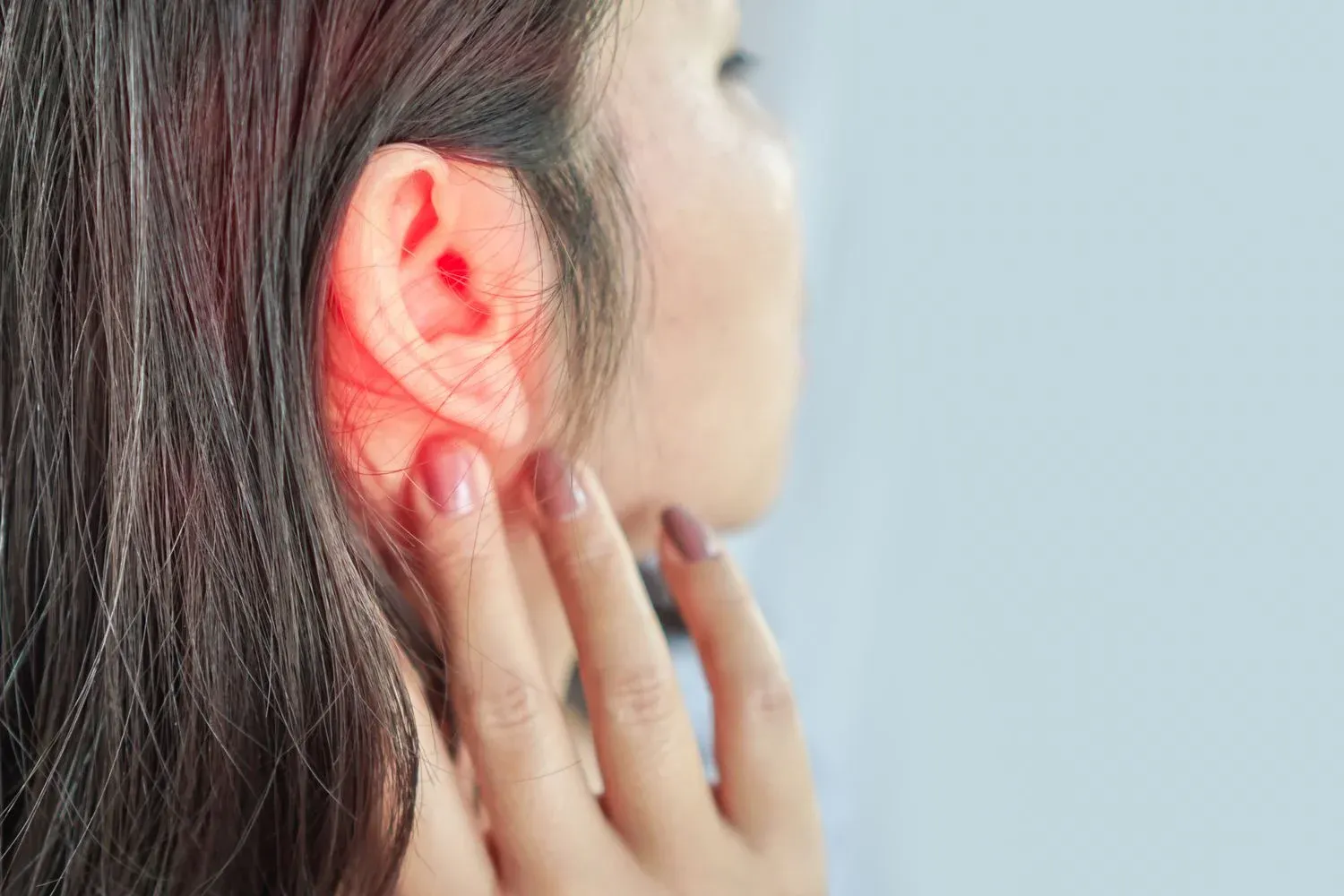
علاج التهاب الأذن في دبي: الأسباب والرعاية
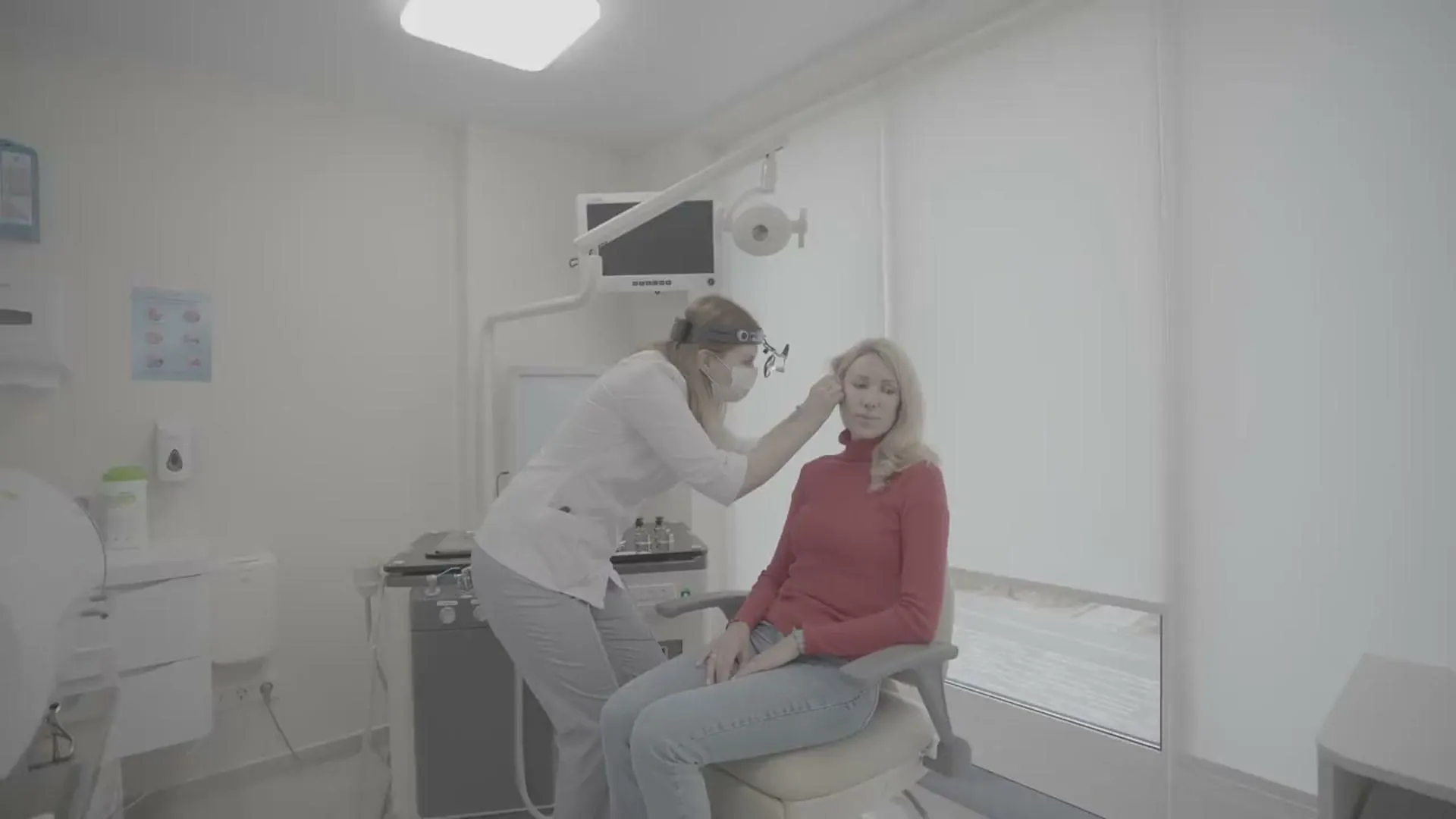
فحص السمع في دبي: أنواع قياس السمع والتكلفة
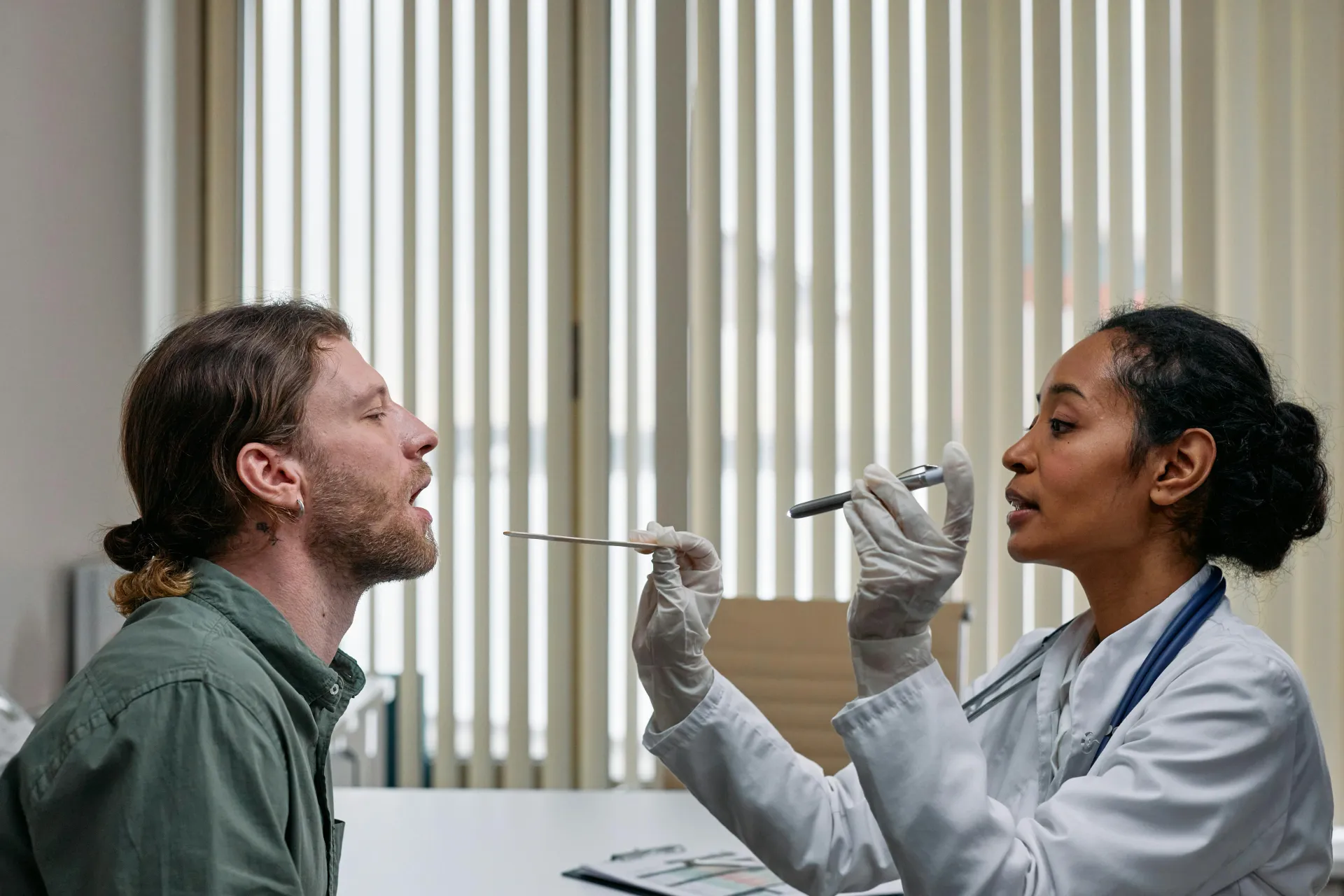
طبيب أنف وأذن وحنجرة في دبي: متى يجب زيارة أخصائي
علاج التهاب الجيوب الأنفية في دبي: دليل ENT للراحة
المزيد في General Health
Epilepsy Treatment Dubai: Symptoms & Care (2026)
اقرأ المزيد
Food Allergy vs Food Intolerance Dubai (2026)
اقرأ المزيد
Pneumonia vs Flu Dubai: Key Differences (2026)
اقرأ المزيد
Swollen Lymph Nodes Dubai: When to Worry (2026)
اقرأ المزيدFlu vs Cold Dubai: How to Tell the Difference (2026)
اقرأ المزيد
Sleep Study Cost Dubai: Tests & Pricing (2026)
اقرأ المزيد© 2026 Doctors Clinic Diagnostic Center (DCDC), Dubai Healthcare City. Originally published at https://doctorsclinicdubai.ae/blog/ear-wax-removal-cost-dubai. All rights reserved. Unauthorized reproduction is prohibited.