मुख्य बातें
- 50-60% of women will experience at least one UTI in their lifetime, and Dubai's hot climate and chronic dehydration make residents particularly vulnerable
- Burning urination, frequent urges, cloudy or foul-smelling urine, and pelvic pressure are the hallmark UTI symptoms -- do not ignore them, as untreated UTIs can progress to kidney infection
- A urine dipstick provides instant preliminary results, but a urine culture is the gold standard for identifying the exact bacteria and selecting the most effective antibiotic
- DCDC follows an antibiotic stewardship approach, prescribing targeted culture-guided antibiotics rather than broad-spectrum drugs, to reduce resistance and improve cure rates
- Drinking 2.5-3 liters of water daily, urinating after intercourse, and avoiding holding urine are the most effective prevention strategies, especially during Dubai's summer months
- Recurrent UTIs (three or more per year) require a structured prevention plan that may include low-dose prophylactic antibiotics, cranberry supplements, or hormonal therapy in postmenopausal women
Urinary tract infections are among the most common reasons adults visit a doctor, and in Dubai's hot climate, dehydration-related UTIs are especially prevalent. If you are experiencing burning urination, pelvic discomfort, or frequent urges to urinate, our UTI treatment service at DCDC in Dubai Healthcare City offers same-day urine testing, culture-guided antibiotics, and recurrent UTI prevention plans -- all under one MOHAP-licensed roof.
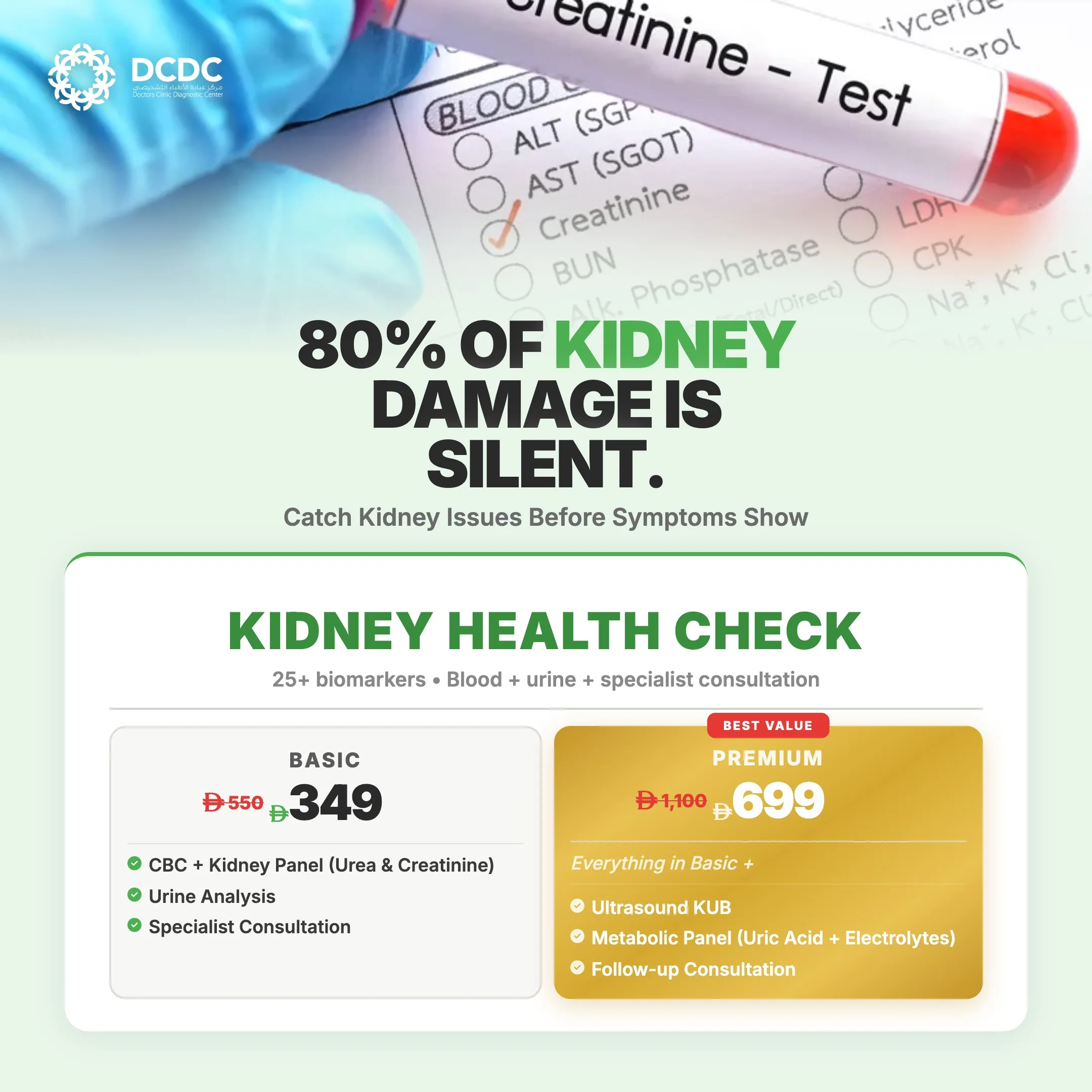
Health Screening Packages
Save with our bundled screening packages — specialist consultation included





What Is a Urinary Tract Infection (UTI)?
A urinary tract infection occurs when bacteria -- most commonly Escherichia coli (E. coli) -- enter the urinary system and multiply. The urinary tract includes the kidneys, ureters (tubes connecting kidneys to the bladder), the bladder, and the urethra (the tube that carries urine out of the body). While bacteria can infect any part of this system, the vast majority of UTIs involve the lower tract: the bladder (cystitis) and the urethra (urethritis).
UTIs are remarkably common. According to the American Urological Association, 50-60% of women will experience at least one UTI during their lifetime, and approximately 25-30% will have a recurrence within six months. Men develop UTIs less frequently, but the risk increases with age, especially after 50, due to prostate enlargement that can impede urine flow. In Dubai, where temperatures regularly exceed 40 degrees Celsius, inadequate fluid intake amplifies the risk for everyone.
UTI Symptom Checklist: Signs You Should Not Ignore
Recognizing UTI symptoms early is the key to preventing a simple bladder infection from progressing to a more serious kidney infection. Use this checklist to assess your symptoms. If you identify with three or more of these signs, scheduling a consultation is strongly recommended.
Lower UTI Symptoms (Bladder Infection / Cystitis)
- Burning or stinging during urination (dysuria): The most common UTI symptom, caused by inflammation of the urethra and bladder lining
- Frequent urge to urinate: Feeling the need to urinate every few minutes, even when the bladder is nearly empty
- Urgency: A sudden, intense need to urinate that is difficult to control
- Cloudy urine: Urine that appears murky or milky, often indicating white blood cells and bacteria
- Strong or foul-smelling urine: An unusual, unpleasant odor that differs from normal concentrated urine
- Blood in urine (hematuria): Pink, red, or cola-colored urine caused by irritation of the urinary lining
- Pelvic pressure or lower abdominal discomfort: A dull ache or heaviness in the lower abdomen, particularly in women
- Passing small amounts of urine frequently: Despite frequent trips to the bathroom, only small volumes are produced each time
Upper UTI Symptoms (Kidney Infection / Pyelonephritis)
- High fever (above 38.5 degrees Celsius) and chills: Indicates the infection has spread beyond the bladder
- Flank pain or back pain: Pain on one or both sides of the lower back, at the level of the kidneys
- Nausea and vomiting: Systemic signs that the body is fighting a more serious infection
- General malaise and fatigue: Feeling unwell, weak, or unable to carry out daily activities
Important: Upper UTI symptoms (fever, flank pain, vomiting) require urgent medical evaluation. A kidney infection can progress to sepsis -- a life-threatening condition -- if not treated promptly with appropriate antibiotics.
When to See a Doctor: UTI Urgency Guide
Not every urinary symptom requires an emergency visit, but knowing when to seek help can prevent serious complications. Use the following guide to determine your level of urgency.
Seek Same-Day Medical Care If You Experience
- Fever above 38 degrees Celsius with urinary symptoms
- Severe flank or back pain combined with urinary burning
- Vomiting that prevents you from keeping fluids or oral antibiotics down
- Visible blood in your urine (especially if this is the first occurrence)
- UTI symptoms during pregnancy -- all UTIs in pregnancy require immediate treatment
- Symptoms that return within two weeks of completing antibiotic treatment
- UTI symptoms in a man (male UTIs are less common and more likely to indicate an underlying issue)
Schedule an Appointment Within a Few Days If You Have
- Mild burning with urination but no fever or back pain
- Recurrent UTIs (three or more in 12 months) and want a prevention plan
- Persistent mild urinary symptoms that have not resolved on their own after 48 hours
- A history of UTIs and are entering menopause or have recently become sexually active
Dr. Hadeel Elnur, General Practitioner at DCDC, emphasizes: "Many patients delay seeking care for UTI symptoms because they assume it will resolve on its own. While mild cystitis can occasionally clear without treatment, the risk of progression to a kidney infection is real and preventable. I always tell my patients: if you have burning urination that persists for more than 24-48 hours, come in. A simple urine test takes minutes, and targeted treatment can have you feeling better within a day."
Types of Urinary Tract Infections Explained
Understanding which part of the urinary tract is affected helps guide treatment decisions and set expectations for recovery. UTIs are broadly classified by location and recurrence pattern.
| UTI Type | Location | Common Symptoms | Typical Treatment |
|---|---|---|---|
| Urethritis | Urethra | Burning during urination, discharge | Antibiotics (may differ if STI-related) |
| Cystitis (Bladder Infection) | Bladder | Frequency, urgency, burning, pelvic pressure, cloudy urine | 3-7 day oral antibiotic course |
| Pyelonephritis (Kidney Infection) | Kidneys | Fever, flank pain, nausea, vomiting, plus lower UTI symptoms | 10-14 day antibiotic course; may require IV antibiotics |
| Recurrent UTI | Usually bladder | Three or more infections per year or two within six months | Culture-guided treatment plus long-term prevention plan |
| Complicated UTI | Any part of tract | UTI with structural abnormality, catheter, pregnancy, diabetes, or immunosuppression | Longer antibiotic courses, possible imaging, specialist referral |
Classification of UTI types by location, symptoms, and standard treatment approach.
The most common scenario is acute uncomplicated cystitis in an otherwise healthy woman. This type of UTI responds well to a short course of targeted antibiotics and has an excellent prognosis. Complicated UTIs -- those occurring in men, pregnant women, patients with diabetes, or individuals with structural urinary abnormalities -- require more thorough evaluation and often longer treatment. For a broader understanding of kidney-related conditions and their warning signs, see our guide on kidney health prevention tips.
UTI Risk Factors in Dubai: Why the Climate Matters
While UTIs occur worldwide, several factors specific to Dubai and the wider UAE region increase the likelihood of developing a urinary tract infection. Understanding these risk factors is the first step toward effective prevention.
Heat and Dehydration
Dubai's summer temperatures regularly exceed 45 degrees Celsius, and even in air-conditioned environments, insensible fluid loss is higher than in temperate climates. When fluid intake fails to keep pace with perspiration, urine becomes concentrated, reducing the natural flushing mechanism that clears bacteria from the urinary tract. Concentrated urine also creates a more favorable environment for bacterial growth. Studies published in the International Journal of Environmental Research and Public Health have confirmed a seasonal spike in UTI diagnoses during hotter months across the Gulf region.
General Risk Factors
- Female anatomy: Women have a shorter urethra (approximately 4 cm versus 20 cm in men), meaning bacteria travel a shorter distance to reach the bladder
- Sexual activity: Intercourse can introduce bacteria into the urethra; new sexual partners increase risk
- Menopause: Declining estrogen levels reduce protective vaginal lactobacilli and thin the urethral lining, increasing susceptibility
- Holding urine for prolonged periods: Common among busy professionals, teachers, and healthcare workers who delay bathroom visits
- Diabetes: Elevated blood sugar in urine promotes bacterial growth and impairs immune response
- Kidney stones: Stones can obstruct urine flow and harbor bacteria, leading to recurrent infections. Learn more in our kidney stones treatment guide
- Catheter use: Any urinary catheter, even short-term, significantly increases infection risk
- Enlarged prostate (men): Benign prostatic hyperplasia impedes complete bladder emptying, allowing bacteria to multiply in residual urine
- Weakened immune system: Conditions such as HIV, chemotherapy, or long-term steroid use reduce the body's ability to fight infection
- Previous UTI history: Having one UTI makes you 25-50% more likely to develop another within the following year
How UTIs Are Diagnosed at DCDC
Accurate diagnosis is essential because UTI symptoms can overlap with other conditions including sexually transmitted infections, vaginal infections, interstitial cystitis, and kidney stones. At DCDC in Dubai Healthcare City, our diagnostic approach is thorough, fast, and designed to identify not just whether you have a UTI, but which specific bacterium is responsible.
Step 1: Clinical Assessment
Your doctor will review your symptoms, medical history, sexual history, and any previous UTI episodes. This conversation helps determine whether the infection is likely uncomplicated or whether additional investigation is warranted. For women with straightforward symptoms and no complicating factors, treatment may be initiated based on clinical presentation alone while awaiting culture results.
Step 2: Urine Dipstick (Instant Results)
A urine dipstick test is performed in-clinic and provides results within minutes. It detects the presence of leukocyte esterase (indicating white blood cells) and nitrites (produced by certain bacteria). A positive dipstick strongly supports a UTI diagnosis. However, a negative dipstick does not completely rule out infection, as some bacteria do not produce nitrites.
Step 3: Urine Culture and Sensitivity (Gold Standard)
A midstream urine sample is sent to DCDC's on-site laboratory for culture. This test identifies the exact bacterial species causing the infection and determines which antibiotics will be most effective (sensitivity testing). Results typically take 24-48 hours. This step is particularly important for recurrent UTIs, treatment failures, complicated infections, and male UTIs, where choosing the right antibiotic from the start is critical.
Step 4: Additional Testing When Needed
- Blood tests: A complete blood count (CBC) and kidney function tests may be ordered if kidney infection is suspected. For details on what blood tests involve, see our blood test guide for Dubai
- Imaging: Ultrasound or CT scan may be recommended for recurrent UTIs, suspected kidney stones, or structural abnormalities
- STI screening: When symptoms suggest urethritis, screening for chlamydia and gonorrhoea may be performed to differentiate from a standard UTI
- Pelvic ultrasound: For women with recurrent UTIs, a pelvic ultrasound can evaluate the bladder, kidneys, and pelvic organs for contributing structural issues
UTI Symptoms? Get Same-Day Testing at DCDC
DCDC's on-site laboratory provides instant urine dipstick results and same-day culture initiation. Our UTI treatment team follows an antibiotic stewardship approach -- targeted treatment based on your specific infection, not guesswork. Walk-ins welcome at Dubai Healthcare City.
4.8/5 Google rating from 1,000+ verified reviews. 20+ insurance partners with direct billing.
UTI Treatment Options
The cornerstone of UTI treatment is antibiotics, but the specific drug, dose, and duration depend on the type of infection, the causative organism, and whether the UTI is simple or complicated. At DCDC, we follow an antibiotic stewardship model: we prescribe targeted, narrow-spectrum antibiotics guided by culture results whenever possible, rather than defaulting to broad-spectrum drugs that contribute to antibiotic resistance.
Uncomplicated Lower UTI (Cystitis)
For a straightforward bladder infection in a healthy, non-pregnant woman, first-line treatment typically includes nitrofurantoin (Macrobid) for five days or fosfomycin (Monurol) as a single dose. Trimethoprim-sulfamethoxazole (Bactrim) is an alternative when local resistance rates are below 20%. Most patients notice significant symptom improvement within 24-48 hours of starting treatment. It is essential to complete the full prescribed course even if symptoms resolve early, as stopping prematurely increases the risk of recurrence and resistance.
Complicated UTI or Kidney Infection
Pyelonephritis and complicated UTIs require longer antibiotic courses, typically 10-14 days, with fluoroquinolones (ciprofloxacin or levofloxacin) or a beta-lactam antibiotic. Severe cases with high fever, vomiting, or hemodynamic instability may require hospital admission for intravenous antibiotics and fluid resuscitation. DCDC coordinates referral to hospital partners when inpatient care is needed.
Recurrent UTI Management
For patients with three or more UTIs per year, DCDC offers structured recurrent UTI prevention plans. These may include low-dose prophylactic antibiotics (taken daily or post-intercourse), vaginal estrogen therapy for postmenopausal women, D-mannose or cranberry supplements as adjunctive measures, and behavioral modifications. Each plan is individualized based on the patient's UTI pattern, culture history, and risk factors.
Supportive Measures During Treatment
- Increase fluid intake: Drink at least 2.5 liters of water daily to flush bacteria from the urinary tract
- Urinary analgesics: Phenazopyridine (available as Pyridium) can relieve burning for 1-2 days while antibiotics take effect
- Heat application: A warm compress on the lower abdomen can reduce pelvic discomfort
- Avoid irritants: Reduce caffeine, alcohol, spicy foods, and carbonated beverages until symptoms resolve
- Probiotics: Lactobacillus-containing probiotics may help restore protective vaginal flora, particularly after antibiotic treatment
UTI Prevention Strategies for Dubai Residents
Prevention is always preferable to treatment, particularly for those prone to recurrent infections. The following evidence-based strategies are especially relevant for people living in Dubai, where heat and dehydration are constant contributing factors.
Hydration: Your First Line of Defense
- Daily target: Aim for 2.5-3 liters of water per day. During summer (May-October) or after exercise, increase to 3-4 liters
- Monitor urine color: Urine should be pale yellow. Dark yellow or amber urine signals dehydration
- Carry water everywhere: Keep a reusable bottle in your car, bag, and at your desk. Dubai's indoor air conditioning dries mucous membranes and increases insensible fluid loss
- Limit diuretics: Excessive coffee, tea, and alcohol increase urine output without adequately hydrating -- they are not substitutes for water
Behavioral Prevention
- Urinate after sexual intercourse: This flushes bacteria that may have been introduced into the urethra during activity
- Do not hold your urine: Empty your bladder regularly, ideally every 3-4 hours. Holding urine allows bacteria to multiply
- Wipe front to back: This prevents bacteria from the anal region from reaching the urethra
- Choose breathable underwear: Cotton underwear allows airflow and reduces moisture buildup. Avoid tight synthetic undergarments, especially in hot weather
- Avoid irritating products: Scented soaps, douches, sprays, and powders in the genital area can disrupt the natural bacterial balance and increase UTI risk
- Shower instead of bathing: Prolonged soaking in bath water can introduce bacteria into the urethra
Dietary and Supplement Prevention
- Cranberry products: Research suggests cranberry supplements (proanthocyanidins) may reduce UTI recurrence by preventing E. coli from adhering to the bladder wall. Supplements are more effective than juice due to consistent dosing and lower sugar content
- D-mannose: A naturally occurring sugar that may prevent E. coli from attaching to the urinary tract lining. Some studies show efficacy comparable to low-dose antibiotics for prevention
- Probiotics: Lactobacillus strains help maintain a healthy vaginal microbiome that acts as a natural barrier against urinary pathogens
- Vitamin C: May acidify urine, creating a less hospitable environment for bacteria. Moderate supplementation (500-1,000 mg daily) is generally safe
Women's health screenings can identify factors that predispose to recurrent UTIs, including hormonal changes, pelvic floor dysfunction, and vaginal microbiome imbalances. Our women's health screening guide covers the recommended assessments by age group.
What to Expect at DCDC: Your UTI Visit Step by Step
Knowing what to expect before your appointment reduces anxiety and helps you prepare. Here is a step-by-step walkthrough of a typical UTI consultation at Doctors Clinic Diagnostic Center in Dubai Healthcare City.
- 1. Arrival and registration (5-10 minutes): Walk-ins are welcome, or you can book ahead online or via WhatsApp. DCDC is located in Building 64, Block A, Al Razi Medical Complex, DHCC, with free dedicated parking. Average wait time is 15 minutes
- 2. Insurance verification: Our front desk team handles direct billing with 20+ insurance partners including Daman, AXA, Bupa, MetLife, and Cigna. You will know your coverage and any co-pay before seeing the doctor
- 3. Doctor consultation (15-20 minutes): Dr. Hadeel Elnur or another member of our medical team will take a detailed history, discuss your symptoms, and perform a focused clinical examination
- 4. Urine sample collection: You will be asked to provide a midstream clean-catch urine sample. Instructions are provided to ensure an uncontaminated specimen
- 5. Urine dipstick (instant results): Preliminary results are available within minutes during your consultation, allowing your doctor to initiate treatment immediately if the dipstick is positive
- 6. Urine culture (24-48 hours): The sample is processed in DCDC's on-site lab. Culture results confirm the specific bacterium and its antibiotic sensitivity, allowing your doctor to adjust treatment if needed
- 7. Treatment prescription: If UTI is confirmed, you receive a targeted antibiotic prescription. For recurrent UTIs, a prevention plan is discussed
- 8. Follow-up: For uncomplicated UTIs, a phone or in-person follow-up may be scheduled after the culture result. For recurrent or complicated cases, a return visit is arranged to review the prevention strategy
DCDC is open Saturday through Thursday from 8 AM to 10 PM and Friday from 9 AM to 9 PM. The clinic holds MOHAP License NIMY7VY5-240925 and maintains a 98% patient satisfaction rate across all departments.
UTI Consultation and Testing Costs in Dubai (2026)
Transparent pricing helps you plan your care. Below are estimated costs for UTI-related consultations and tests at DCDC. Most services are covered by insurance when medically necessary.
| Service | What It Includes | Estimated Cost (AED) |
|---|---|---|
| GP / Internal Medicine Consultation | Clinical assessment, symptom review, physical examination, treatment plan | From AED 300-500 |
| Urine Dipstick Test | Instant in-clinic screening for leukocytes, nitrites, blood, pH | From AED 50-100 |
| Urine Culture and Sensitivity | Laboratory identification of bacteria and antibiotic susceptibility testing | From AED 150-300 |
| Complete Urinalysis | Full microscopic and chemical analysis of urine sample | From AED 99-200 |
| Blood Tests (CBC + Kidney Function) | Complete blood count, creatinine, BUN for suspected kidney infection | From AED 200-400 |
| Kidney / Pelvic Ultrasound | Imaging for recurrent UTIs, suspected stones, or structural evaluation | From AED 300-600 |
Estimated UTI consultation and testing costs at DCDC Dubai Healthcare City (2026). Prices are approximate and may vary. Insurance coverage applies for most services.
DCDC partners with over 20 insurance providers for direct billing, meaning you typically only pay your co-pay at the time of visit. Contact our patient services team to verify your specific coverage before your appointment.
UTIs in Special Populations: Pregnancy, Men, Elderly, and Diabetics
UTIs During Pregnancy
Pregnancy increases UTI risk due to hormonal changes that relax the ureters and slow urine flow, as well as the growing uterus compressing the bladder. Asymptomatic bacteriuria (bacteria in the urine without symptoms) occurs in 2-10% of pregnancies and, if untreated, progresses to pyelonephritis in up to 30% of cases. All pregnant women should be screened for bacteriuria at their first prenatal visit. Treatment uses pregnancy-safe antibiotics such as nitrofurantoin (first and second trimester only), amoxicillin-clavulanate, or cephalexin. Fluoroquinolones and trimethoprim are generally avoided during pregnancy. For more on prenatal health assessments, visit our pelvic ultrasound guide.
UTIs in Men
UTIs in men under 50 are uncommon and always warrant further investigation. Possible underlying causes include urethral stricture, benign prostatic hyperplasia (BPH), prostatitis, kidney stones, or urological abnormalities. Men with UTI symptoms should expect a longer antibiotic course (7-14 days) and may require imaging or urological referral. After age 50, UTI incidence in men rises significantly due to prostate enlargement that prevents complete bladder emptying.
UTIs in the Elderly
Older adults may present with atypical UTI symptoms. Instead of classic burning and urgency, elderly patients may experience confusion, agitation, falls, incontinence, or general decline in function. These atypical presentations can delay diagnosis. In nursing home residents, catheter-associated UTIs are particularly common. Caregivers and family members should be alert to sudden behavioral changes in elderly relatives, as these may signal an underlying urinary infection.
UTIs in People with Diabetes
Diabetes increases UTI risk through multiple mechanisms: elevated urinary glucose provides fuel for bacterial growth, diabetic neuropathy can impair bladder sensation and emptying, and impaired immune function reduces the body's ability to clear infections. People with diabetes are also more prone to complicated UTIs and fungal urinary infections. Tight blood sugar control is an important part of UTI prevention in diabetic patients.
Complications of Untreated UTIs
While a simple bladder infection may seem minor, leaving a UTI untreated can lead to serious and potentially life-threatening complications. Understanding these risks underscores the importance of timely diagnosis and treatment.
- Kidney infection (pyelonephritis): The most common complication of an untreated lower UTI. Bacteria ascend from the bladder to the kidneys, causing high fever, severe flank pain, and systemic illness. Pyelonephritis can cause permanent kidney scarring
- Sepsis and urosepsis: When bacteria from the urinary tract enter the bloodstream, the resulting systemic infection (sepsis) can cause organ failure and is a medical emergency with a mortality rate of 20-40% in severe cases
- Recurrent infections: Each untreated or inadequately treated UTI increases the likelihood of future infections, creating a cycle that becomes progressively harder to break
- Kidney damage: Chronic or repeated kidney infections can cause permanent scarring and reduced kidney function over time
- Pregnancy complications: Untreated UTIs in pregnancy are associated with preterm labor, low birth weight, and increased risk of pre-eclampsia
- Antibiotic resistance: Self-treating with leftover or inappropriate antibiotics without proper culture guidance promotes resistant bacteria, making future infections harder to treat
Do Not Wait for a UTI to Get Worse
At Doctors Clinic Diagnostic Center in Dubai Healthcare City, we provide same-day urine testing, culture-guided antibiotic prescriptions, and structured recurrent UTI prevention plans. Whether this is your first UTI or your fifth this year, our team is here to help you break the cycle.
Open Sat-Thu 8 AM-10:30 PM, Fri 9 AM-10 PM. Walk-ins welcome. 20+ insurance partners with direct billing.
The Science Behind UTIs: Why Women Are More Affected
The dramatic difference in UTI rates between women and men comes down to anatomy and biology. The female urethra is approximately 4 centimeters long, compared to about 20 centimeters in men. This shorter distance means bacteria from the perineal area reach the bladder far more easily. Additionally, the urethral opening in women is closer to the vaginal and anal openings, both of which harbor bacteria.
Hormonal factors also play a role. Estrogen promotes the growth of protective Lactobacillus bacteria in the vagina, which produce lactic acid and hydrogen peroxide to inhibit pathogenic bacteria. During menopause, declining estrogen levels lead to loss of this protective flora, which is why postmenopausal women experience higher UTI rates. Vaginal estrogen therapy has been shown to reduce recurrent UTI rates by 36-75% in this population.
E. coli, responsible for 80-90% of uncomplicated UTIs, possesses specialized adhesion structures called fimbriae (pili) that allow it to attach firmly to the bladder wall. Once attached, the bacteria form biofilms -- organized communities that are resistant to both the immune system and antibiotics. This adhesion mechanism explains why some women experience recurrent infections despite appropriate treatment: bacteria can persist in the bladder lining and re-emerge weeks or months later.
Myths and Misconceptions About UTIs
Misinformation about UTIs is widespread and can lead to delayed treatment, ineffective self-remedies, or unnecessary anxiety. Here are the facts behind the most common myths.
- Myth: Only women get UTIs. Fact: While far more common in women, men do develop UTIs, particularly after age 50 or with underlying urological conditions. Male UTIs should always be evaluated by a doctor
- Myth: Cranberry juice cures UTIs. Fact: Cranberry products may help prevent UTIs by reducing bacterial adhesion, but they cannot treat an active infection. Once you have UTI symptoms, you need antibiotics
- Myth: UTIs are always sexually transmitted. Fact: While sexual activity is a risk factor, UTIs are not sexually transmitted infections. They result from normal bacteria (usually from the gut) entering the urinary tract
- Myth: You can cure a UTI by drinking more water alone. Fact: Increased hydration supports treatment and prevention, but it cannot eliminate an established bacterial infection. Antibiotics are required
- Myth: If symptoms go away, the infection is gone. Fact: Symptoms may improve before the bacteria are fully eradicated. Stopping antibiotics early risks relapse and promotes antibiotic resistance
- Myth: Poor hygiene causes UTIs. Fact: UTIs are caused by bacteria that are part of normal flora. While proper hygiene (wiping front to back, avoiding irritating products) reduces risk, UTIs are not a sign of uncleanliness
DCDC में संबंधित सेवाएं
दुबई हेल्थकेयर सिटी में विशेषज्ञ देखभाल और उन्नत निदान
Frequently Asked Questions
Final Thoughts
Urinary tract infections are among the most common infections worldwide, and living in Dubai's hot climate adds an extra layer of risk through chronic dehydration. The good news is that UTIs are highly treatable when caught early, and with the right prevention strategies -- adequate hydration, behavioral modifications, and for some patients, prophylactic measures -- recurrence can be significantly reduced.
If you are experiencing UTI symptoms or dealing with recurrent infections, do not wait for the problem to escalate. At DCDC in Dubai Healthcare City, our team provides same-day urine testing, culture-guided antibiotic treatment, and individualized prevention plans. With our on-site laboratory, antibiotic stewardship approach, and coordination across specialties, we aim to not just treat your current infection but help you prevent the next one.
स्रोत एवं संदर्भ
यह लेख हमारी चिकित्सा टीम द्वारा समीक्षित है और निम्नलिखित स्रोतों का संदर्भ देता है:
- Mayo Clinic - Urinary Tract Infection (UTI): Symptoms, Causes, and Treatment
- National Institute of Diabetes and Digestive and Kidney Diseases (NIDDK) - Bladder Infection (UTI) in Adults
- American Urological Association - Recurrent Uncomplicated Urinary Tract Infections in Women
- Cleveland Clinic - Urinary Tract Infections: Diagnosis and Treatment
- NHS - Urinary Tract Infections (UTIs): Symptoms, Causes, and Treatment
- Cochrane Library - Cranberries for Preventing Urinary Tract Infections (2023 Review)
इस साइट पर चिकित्सा सामग्री DHA-लाइसेंस प्राप्त चिकित्सकों द्वारा समीक्षित है। हमारी देखें संपादकीय नीति अधिक जानकारी के लिए।

लेखक
Dr. Hadeel Elnur
General Practitioner
MD, General Practice
Dr. Hadeel Elnur is a General Practitioner at Doctors Clinic Diagnostic Center (DCDC) in Dubai Healthcare City.
Related Articles

Kidney Health Dubai: Prevention & Warning Signs
Kidney Stones Dubai: Causes & Treatment
Women's Health Screening Dubai: Tests by Age
Blood Test Dubai: Types, Cost & Fasting Guide
More in Internal Medicine

Low Testosterone Symptoms & Treatment Dubai (2026)
और पढ़ें
Stomach Ulcer Dubai: Symptoms & Treatment (2026)
और पढ़ेंBloating Causes & Treatment in Dubai (2026)
और पढ़ेंAnemia Treatment Dubai: Types & Causes (2026)
और पढ़ें
Chronic Fatigue Causes Dubai: Why Always Tired (2026)
और पढ़ेंIBS vs Food Intolerance Dubai: Which Is It? (2026)
और पढ़ें© 2026 Doctors Clinic Diagnostic Center (DCDC), Dubai Healthcare City. Originally published at https://doctorsclinicdubai.ae/blog/uti-treatment-symptoms-dubai. All rights reserved. Unauthorized reproduction is prohibited.