मुख्य बातें
- A home echocardiogram in Dubai uses portable diagnostic-grade equipment with full Doppler and M-mode capability, delivering the same clinical accuracy as an in-clinic study
- At DCDC, a home echo starts from AED 799, compared to AED 1,200-2,500 charged by other home care providers in Dubai
- The appointment takes 30-45 minutes including setup and positioning, with preliminary findings discussed on the day and a full cardiologist-reviewed report within 24-48 hours
- Home echo is ideal for heart failure monitoring, valve disease follow-up, elderly or immobile patients, post-cardiac surgery patients, and pre-operative cardiac clearance
- DCDC is a MOHAP-licensed facility in Dubai Healthcare City with a 4.8/5 Google rating from over 1,000 verified patient reviews and a 98% patient satisfaction rate
- Insurance coverage is available through 20+ direct billing partners, with self-pay pricing from AED 799 for patients without coverage
A home echocardiogram in Dubai brings one of the most important cardiac imaging tests directly to your doorstep. Instead of travelling to a hospital, a trained cardiac sonographer arrives at your home with portable diagnostic-grade equipment and performs a full heart ultrasound, including chamber and valve assessment, ejection fraction measurement, and Doppler flow analysis. At DCDC's echo at home service, images are transmitted securely and reviewed by a board-certified cardiologist, with a full report delivered within 24-48 hours. This guide explains who benefits from a home echo, what it measures, how the process works step by step, how much it costs in Dubai, and when a clinic visit is the better option.
An echocardiogram is a non-invasive ultrasound scan of the heart. It shows how well your heart is pumping, whether your valves are functioning properly, and whether there are structural abnormalities such as thickened walls, fluid around the heart, or enlarged chambers. Historically, this test required a visit to a hospital or imaging centre. With advances in portable ultrasound technology, a full echocardiogram can now be performed at home with the same imaging protocols used in a clinical setting. For patients in Dubai who have mobility challenges, are recovering from surgery, or simply prefer the convenience of home-based care, this is a significant development.
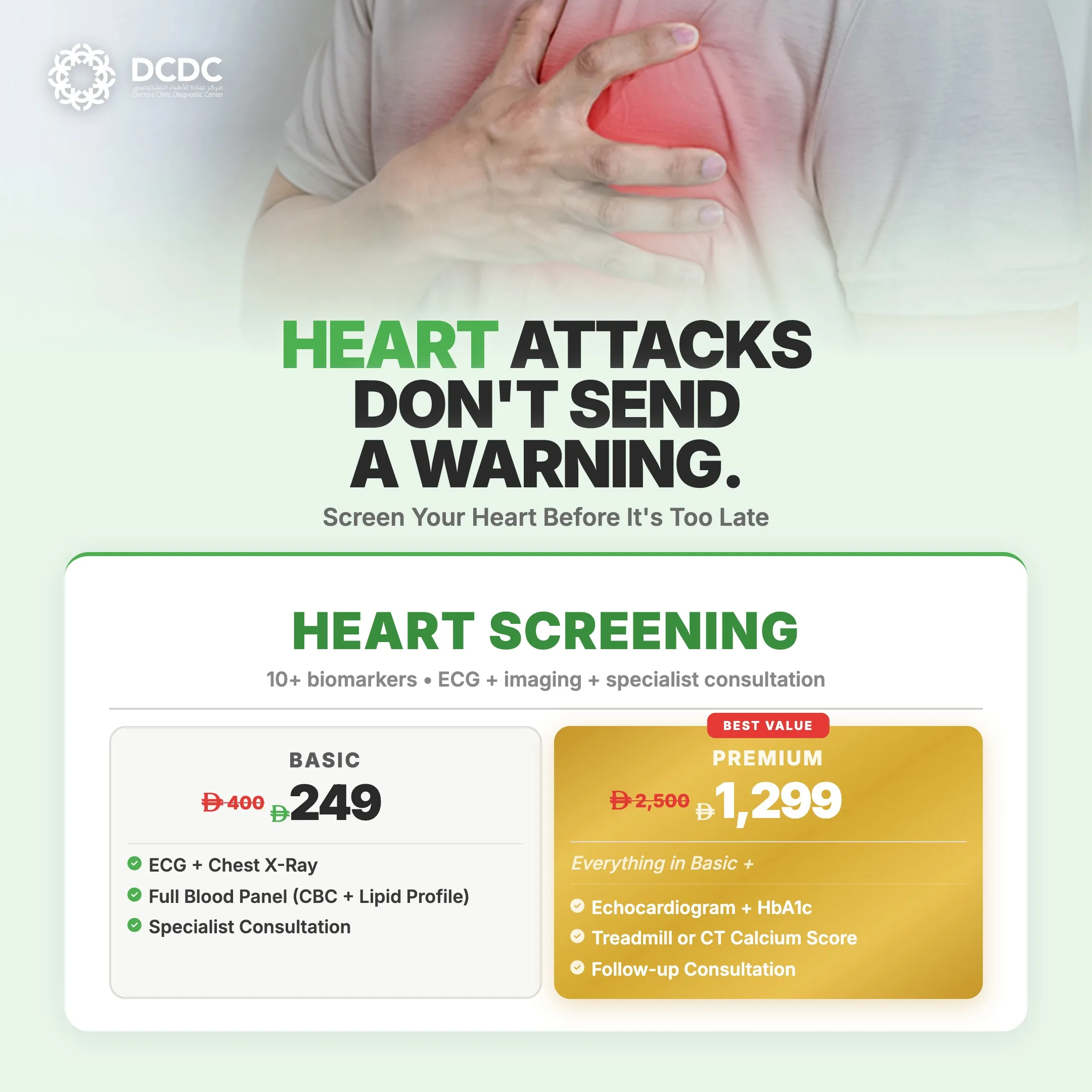
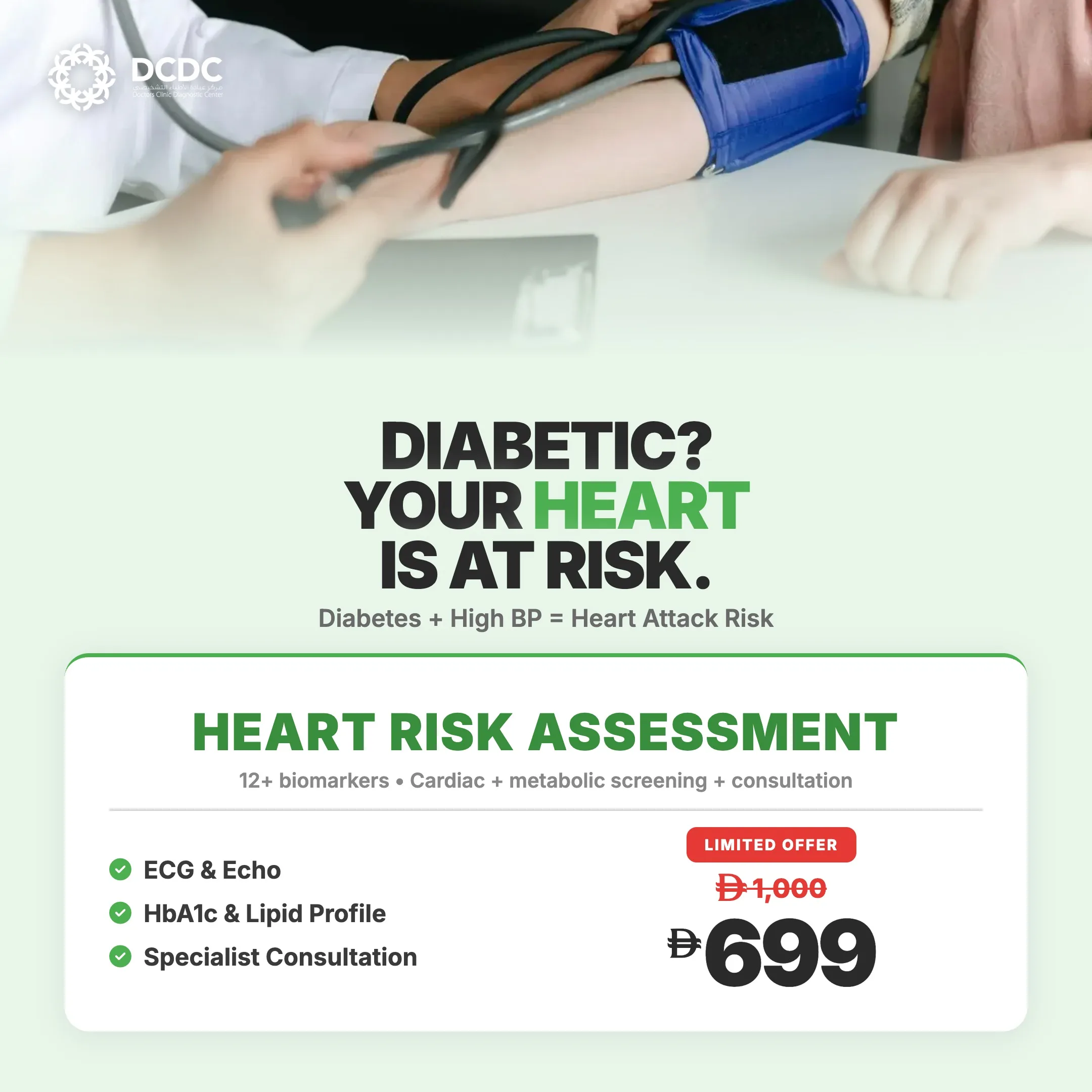
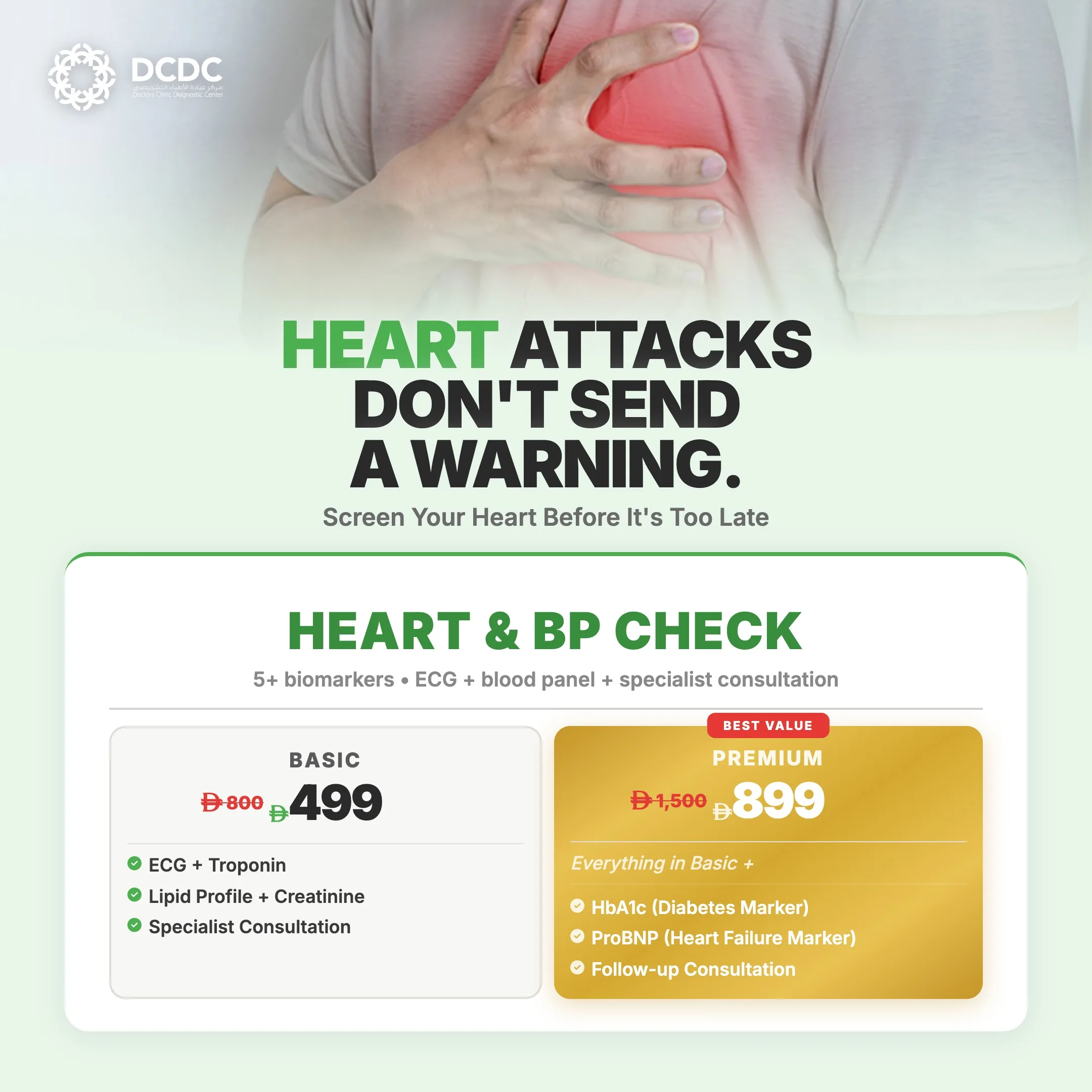
What Does an Echocardiogram Measure?
An echocardiogram provides a real-time, moving image of the heart using sound waves. Unlike an ECG, which records electrical activity, an echo shows the physical structure and motion of the heart. It is one of the most widely used cardiac diagnostic tools worldwide, recommended by the American Heart Association and the European Society of Cardiology for evaluating a broad range of heart conditions. For a comprehensive overview of the different types of echocardiograms and what each one reveals, see our echocardiogram guide for Dubai.
| Measurement | What It Tells Your Cardiologist | Normal Range |
|---|---|---|
| Ejection Fraction (EF) | How effectively the left ventricle pumps blood per beat | 55-70% |
| Chamber Dimensions | Size of left and right atria and ventricles | Varies by body surface area |
| Wall Thickness | Detects hypertrophy (thickened muscle) from hypertension or cardiomyopathy | 6-11 mm (LV wall) |
| Wall Motion | Identifies regions of poor contraction suggesting previous heart attack | Normal = synchronous movement |
| Valve Function | Assesses opening, closing, and any regurgitation or stenosis | No significant leak or narrowing |
| Doppler Flow | Measures blood flow speed and direction across valves and within chambers | Varies by valve |
| Pericardial Effusion | Detects fluid accumulation around the heart | Absent or trace |
| Aortic Root | Size of the aorta as it exits the heart | 20-37 mm |
Key echocardiogram measurements and their clinical significance. Values are approximate adult norms.
Each of these measurements contributes to a comprehensive picture of cardiac health. A single echocardiogram can identify heart failure, valvular heart disease, cardiomyopathy, pericardial disease, congenital heart defects, and complications from hypertension or coronary artery disease. This is why an echo is often the first imaging test a cardiologist orders when investigating symptoms such as shortness of breath, chest pain, fatigue, or swollen ankles.
Who Needs a Home Echocardiogram?
While anyone can request a home echocardiogram for convenience, certain patient groups benefit most from having this test performed at home rather than in a clinic. If you or a family member recognises any of the situations below, a home echo may be the most practical option:
- Heart failure patients requiring regular monitoring: Patients with known heart failure need periodic echocardiograms to track ejection fraction and fluid status. Home echo removes the physical burden of repeated clinic visits, especially during decompensation episodes when symptoms are most severe.
- Valve disease follow-up: Patients with moderate or severe valvular regurgitation or stenosis need serial echocardiograms to monitor progression and determine the optimal timing for surgical or interventional treatment.
- Elderly or immobile patients: Older adults with mobility limitations, joint disease, or frailty may find clinic visits physically exhausting and logistically complicated. A home echo provides the same diagnostic information without the stress of transport. For more on managing health needs at home for older adults, see our guide to elderly care at home in Dubai.
- Post-cardiac surgery patients: After coronary artery bypass grafting, valve replacement, or other cardiac procedures, patients typically need follow-up echocardiograms within weeks. Home echo is convenient during early recovery when mobility is limited.
- Pre-operative cardiac clearance: Patients scheduled for major non-cardiac surgery may need an echocardiogram to assess cardiac risk. A home echo can expedite clearance without adding a separate hospital visit to an already complex pre-surgical schedule.
- Patients with pericardial effusion under observation: If a previous echo detected pericardial fluid that does not yet require intervention, serial home echocardiograms can monitor for changes without disrupting the patient's routine.
- Patients experiencing new cardiac symptoms: New onset shortness of breath, swollen legs, persistent fatigue, or exercise intolerance may indicate a cardiac problem. A home echo can provide initial answers while the patient awaits a cardiology appointment. If you are unsure whether your symptoms are cardiac in origin, our article on heart disease symptoms may help you decide.
- Patients who prefer privacy and comfort: Some individuals feel more relaxed in their own environment, which can result in more representative heart rate and blood pressure readings during the study.
Home Echocardiogram Cost in Dubai
The cost of a home echocardiogram in Dubai varies significantly depending on the provider, the type of echo performed, and whether a cardiologist interpretation is included. At DCDC, a home echocardiogram starts from AED 799 -- compared to AED 1,200-2,500 at other Dubai home care providers. This price includes the sonographer visit, full transthoracic echocardiogram with Doppler, and a cardiologist-reviewed written report. For a broader look at echo pricing across Dubai, including in-clinic rates and what affects the cost, see our detailed breakdown of echocardiogram costs in Dubai.
| Service | DCDC Price | Dubai Market Range |
|---|---|---|
| Home Echocardiogram (TTE + Doppler) | From AED 799 | AED 1,200-2,500 |
| In-Clinic Echocardiogram (TTE) | From AED 800 | AED 800-1,800 |
| Doppler Echocardiogram (Clinic) | From AED 900 | AED 900-2,000 |
| Cardiology Consultation + Echo Package | From AED 1,100 | AED 1,500-3,000 |
Echocardiogram pricing at DCDC vs. Dubai market average (2026). Prices are starting rates and may vary based on clinical requirements and insurance coverage.
The price of a home echo typically includes a surcharge for the sonographer's travel and the logistics of transporting portable equipment. However, when you factor in the cost of transport, parking, time away from work, and the potential need for a carer or family member to accompany the patient, the total out-of-pocket cost of a home echo is often comparable to, or even less than, an in-clinic visit. For patients who need regular monitoring, DCDC can arrange package pricing for multiple home visits.
What to Expect from DCDC's Home Echo
Understanding the process from start to finish helps you feel prepared and at ease. Here is exactly what happens when you book an echocardiogram at home with DCDC:
Step 1: Booking Your Appointment
You can book your home echocardiogram by calling DCDC or sending a WhatsApp message to +971 56 403 3528. Our patient services team will confirm your address, preferred date and time, any relevant medical history, and whether you have insurance coverage. Appointments are available Dubai-wide, and scheduling is typically arranged within 24-48 hours of your request.
Step 2: Sonographer Arrival and Setup
A trained cardiac sonographer arrives at your home at the scheduled time carrying portable diagnostic-grade echocardiography equipment with full cardiac imaging capability including Doppler and M-mode. The sonographer verifies your identity, confirms your medical history, and sets up the equipment. You will be asked to lie on your left side on a bed or wide sofa. Wear a loose top for easy chest access -- this is the only preparation required.
Step 3: The Echocardiogram
The sonographer applies a water-based gel to your chest and places an ultrasound transducer (probe) at specific positions to capture images of your heart from different angles. You will hear the sound of blood flowing through your heart during the Doppler portion of the study. The sonographer captures images of all four chambers, all four valves, the aortic root, and pericardium, and records measurements including ejection fraction, wall thickness, and valve gradients. The imaging portion takes approximately 20-30 minutes. Including setup and positioning, the entire appointment lasts 30-45 minutes.
Step 4: Preliminary Findings and Image Transmission
After the scan, the sonographer discusses preliminary findings with you on the day. While a definitive interpretation requires cardiologist review, the sonographer can provide general observations about what was seen. All images are transmitted securely to DCDC's cardiology department for formal review. The same imaging protocols used at DCDC's DHCC facility are followed for every home echo.
Step 5: Cardiologist-Reviewed Report
A board-certified cardiologist at DCDC reviews the images, measurements, and Doppler recordings. A full written report is delivered within 24-48 hours. If the cardiologist identifies a significant or urgent finding -- such as severe valve disease, a critically low ejection fraction, or a large pericardial effusion -- you are contacted immediately by phone with specific recommendations. All results are integrated into your DCDC medical record for seamless follow-up.
Types of Echocardiogram Available at Home
Not all echocardiogram types can be performed outside a clinical facility. Understanding which types are available at home helps you set appropriate expectations:
- Transthoracic Echocardiogram (TTE): This is the standard echocardiogram performed at home. The ultrasound probe is placed on the chest wall. It provides comprehensive images of heart structure, valve function, and pumping capacity. All DCDC home echocardiograms are full TTE studies.
- Doppler Echocardiogram: Doppler is included as part of the standard TTE at DCDC. It measures the speed and direction of blood flow through the heart, identifying valve leaks (regurgitation), valve narrowing (stenosis), and abnormal blood flow patterns. Colour Doppler, pulsed-wave Doppler, and continuous-wave Doppler are all available.
- Tissue Doppler Imaging (TDI): This specialised Doppler technique measures the velocity of the heart muscle itself, not just blood flow. It is particularly useful for detecting early diastolic dysfunction (impaired relaxation of the heart) and is available during DCDC home echocardiograms.
- M-Mode Echocardiography: M-mode provides a single-dimensional view of the heart over time, useful for precise timing measurements and wall motion analysis. It is included in DCDC's standard home echo protocol.
DCDC's portable equipment supports all four modalities listed above, ensuring that every home echo delivers the same comprehensive assessment as an in-clinic study. The imaging protocols follow the same standards recommended by the American Society of Echocardiography.
Home Echo vs In-Clinic Echo: Is Accuracy the Same?
This is the most common concern patients have about home echocardiography. The short answer is yes -- when performed by a trained sonographer using diagnostic-grade equipment, a home echocardiogram produces the same clinically valid results as an in-clinic study. The European Society of Cardiology's imaging guidelines confirm that echocardiographic accuracy depends on operator skill, equipment quality, and adherence to scanning protocols, not on whether the test is performed in a hospital room or a patient's bedroom.
According to Dr. Shahoo Mazhari, DCDC's cardiologist, "Home echocardiography is a game-changer for patients who need regular cardiac monitoring but find it difficult to travel to a clinic. What matters is that the same clinical rigour applies -- at DCDC, every home echo follows identical imaging protocols and is reviewed by a board-certified cardiologist, ensuring the same diagnostic accuracy as an in-clinic study."
There are a few practical considerations that can affect image quality in any setting, whether at home or in a clinic:
- Patient body habitus: In patients with obesity or significant lung disease (such as COPD with hyperinflated lungs), ultrasound windows may be limited. This affects both home and clinic echocardiograms equally.
- Patient positioning: Optimal echocardiographic imaging requires the patient to lie on the left side. A bed or wide sofa at home works just as well as a clinical examination table.
- Sonographer experience: Image quality is heavily dependent on the skill of the person performing the scan. DCDC uses experienced cardiac sonographers who follow standardised scanning protocols for every study.
In the rare event that image quality at home is suboptimal and the sonographer cannot obtain adequate diagnostic views, the study would be flagged as technically limited, and an in-clinic echo would be recommended. This occurs with the same frequency as technically limited studies performed in clinical settings.
Insurance Coverage for Home Echocardiogram in Dubai
Insurance coverage for home echocardiograms in Dubai depends on your specific plan, the medical indication, and the provider. Echocardiography is generally covered when medically indicated -- for example, when investigating heart failure symptoms, monitoring known valvular disease, or performing post-surgical follow-up. The home visit component may require additional authorisation from your insurer.
DCDC offers direct billing with 20+ insurance providers, including Daman, AXA, Bupa, MetLife, and Cigna. Our patient services team verifies your coverage and handles pre-authorisation before the appointment, so you know your out-of-pocket cost in advance. For self-pay patients, transparent pricing starts from AED 799 with no hidden charges.
- Daman (National Health Insurance): Echocardiography is generally covered when ordered by a physician. Home visit coverage varies by plan tier -- enhanced plans typically include home diagnostic services.
- AXA and Bupa: Most comprehensive plans cover diagnostic cardiac imaging. Pre-authorisation for the home service component is usually required and can be arranged by DCDC's team.
- MetLife and Cigna: Coverage is typically available for medically necessary echocardiography. Check your plan's home healthcare benefit for the home visit component.
- Self-pay patients: Full home echocardiogram from AED 799 including sonographer visit, complete TTE with Doppler, and cardiologist-reviewed report.
When a Home Echo Is NOT Suitable
While a standard transthoracic echocardiogram can be performed at home with full diagnostic accuracy, certain types of echo and certain clinical situations require a hospital or clinic setting. Knowing these limitations helps you make the right choice. To understand the difference between tests that check heart rhythm versus heart structure, read our explanation of ECG vs echocardiogram differences.
- Transoesophageal Echocardiogram (TEE/TOE): This involves passing a specialised ultrasound probe through the oesophagus to image the heart from behind. It requires sedation, monitoring, and resuscitation equipment. TEE must always be performed in a clinical facility.
- Stress Echocardiogram: A stress echo combines echocardiography with exercise (treadmill or bicycle) or pharmacological stress (dobutamine infusion). Both require continuous monitoring, emergency medications, and resuscitation equipment, and must be performed in a clinical setting.
- Contrast Echocardiogram: This involves intravenous injection of a contrast agent to enhance image quality. IV access and monitoring for potential adverse reactions require a clinical environment.
- Emergency cardiac evaluation: If you are experiencing acute chest pain, severe breathlessness, or suspected cardiac tamponade, go to an emergency department immediately. A home echo is designed for scheduled, non-emergency assessment.
- Patients requiring simultaneous additional tests: If your cardiologist wants an echocardiogram, ECG, blood work, and a consultation in a single visit, attending the clinic is more efficient. However, you can combine a home echo with a home ECG through DCDC.
How to Prepare for a Home Echocardiogram
Preparing for a home echo is straightforward. No fasting is required, and you do not need to stop your regular medications unless specifically instructed by your cardiologist. A few simple steps help ensure the best possible image quality:
- Wear a loose-fitting top: The sonographer needs clear access to your chest. A button-up shirt or loose t-shirt that can be easily opened or removed is ideal. You do not need to fully undress -- only the chest area is exposed.
- Prepare a suitable lying surface: A bed is ideal. A wide sofa also works. The surface should allow you to lie on your left side comfortably with enough room for the sonographer to sit alongside you.
- Have your medication list ready: The sonographer and the interpreting cardiologist need to know your current medications, especially cardiac drugs such as beta-blockers, ACE inhibitors, diuretics, and anticoagulants.
- Bring previous echo reports if available: If you have had echocardiograms at other facilities, having those reports available allows the cardiologist to compare findings and track changes over time.
- Avoid heavy exercise beforehand: Vigorous physical activity elevates heart rate and can affect certain measurements. Rest for at least 30 minutes before the appointment.
- Ensure a quiet environment: While not strictly necessary, a quiet room helps the sonographer concentrate and may improve image quality slightly. Turn off loud televisions or music if possible.
Book Your Home Echocardiogram with DCDC
Get a full echocardiogram at home from AED 799. Trained cardiac sonographer, diagnostic-grade portable equipment, and cardiologist-reviewed report within 24-48 hours. Dubai-wide coverage. Learn more about our echo at home service or WhatsApp +971 56 403 3528 to book.
Why Home Echo Is Especially Valuable in Dubai's Summer Heat
Dubai's summer temperatures routinely exceed 45 degrees Celsius, with high humidity that makes outdoor exposure genuinely hazardous for vulnerable patients. For elderly individuals, heart failure patients, and those recovering from cardiac procedures, the journey from a car-cooled environment through a hot parking area and into a clinic lobby can trigger dehydration, heat-related symptoms, and cardiovascular stress. In extreme cases, heat exposure can exacerbate heart failure symptoms and cause haemodynamic changes that complicate both the clinical picture and the test results themselves.
A home echocardiogram eliminates this risk entirely. The patient remains in a climate-controlled home environment throughout the appointment. For cardiac patients in Dubai who need regular monitoring between May and October, home echo is not merely convenient -- it is a clinically safer option that removes an avoidable physiological stressor. This is one reason why demand for home healthcare services in Dubai peaks significantly during the summer months.
Dr. Shahoo Mazhari on Home Cardiac Imaging
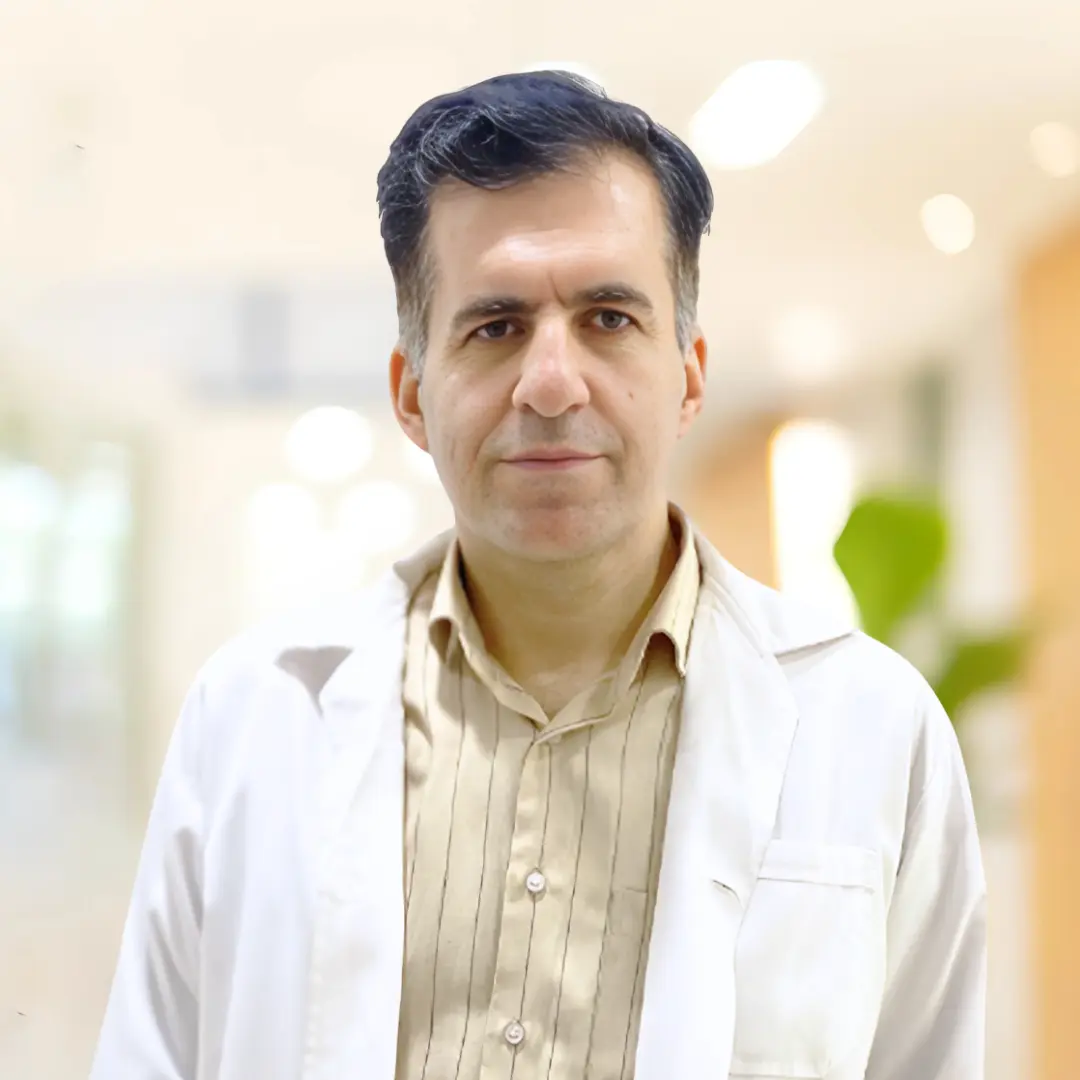
Cardiologist
English, Farsi, Arabic
Dr. Shahoo Mazhari is a board-certified cardiologist at DCDC in Dubai Healthcare City, specialising in non-invasive cardiac imaging and heart failure management. He oversees DCDC's home cardiac monitoring programme.
"The echocardiogram is the workhorse of cardiology -- it gives us more actionable information about the heart in 30 minutes than almost any other non-invasive test," says Dr. Shahoo Mazhari, Cardiologist at DCDC. "Bringing that capability into the patient's home means we can monitor conditions like heart failure and valvular disease more frequently and with less burden on the patient. I review every home echo personally, and I can assure patients that there is no compromise. The same measurements, the same protocols, the same clinical scrutiny applies whether the echo is performed in our DHCC facility or in the patient's living room."
Dr. Mazhari adds that the integration of home echo results into DCDC's medical record system is a key advantage. "When I see a patient for a follow-up consultation, their home echo is already in the system alongside their previous studies, blood work, and ECG results. I can track changes over time without any gaps. That continuity of data is what allows me to make confident treatment decisions. For patients interested in proactive cardiac care, our cardiac rehabilitation in Dubai programme complements ongoing home monitoring."
Schedule Your Home Echo Today
DCDC provides home echocardiogram service across all major areas in Dubai. From AED 799, you get a full TTE with Doppler, cardiologist-reviewed report within 24-48 hours, and direct insurance billing with 20+ providers. Doctors Clinic Diagnostic Center -- Building 64, Block A, DHCC. WhatsApp +971 56 403 3528.
DCDC में संबंधित सेवाएं
दुबई हेल्थकेयर सिटी में विशेषज्ञ देखभाल और उन्नत निदान
Frequently Asked Questions
Final Thoughts
A home echocardiogram brings one of cardiology's most important diagnostic tools to your doorstep. For patients with heart failure, valvular disease, limited mobility, or those recovering from cardiac procedures, it removes a genuine barrier to the regular monitoring that good cardiac care requires.
At DCDC, the home echo service is built to match the clinical standard of an in-facility study. Portable diagnostic-grade equipment with full Doppler and M-mode capability, trained cardiac sonographers following standardised protocols, and cardiologist-reviewed reports within 24-48 hours mean you get clinical accuracy without compromising on convenience.
With pricing starting from AED 799, DCDC's 4.8/5 Google rating from over 1,000 verified reviews, and a 98% patient satisfaction rate, the service is designed to make high-quality cardiac imaging accessible and affordable across Dubai.
If your echo reveals findings that need further attention, the path forward is straightforward. Your results are already in your DCDC medical record, and our cardiology team at Doctors Clinic Diagnostic Center in Dubai Healthcare City can arrange a consultation, additional imaging, or treatment without delay.
Whether you need a routine follow-up echo, an initial assessment of new symptoms, or pre-operative cardiac clearance, DCDC's home echocardiogram service provides a reliable, cardiologist-supervised option right across Dubai.
स्रोत एवं संदर्भ
यह लेख हमारी चिकित्सा टीम द्वारा समीक्षित है और निम्नलिखित स्रोतों का संदर्भ देता है:
- American Heart Association -- Echocardiogram
- NHS -- Echocardiogram
- Mayo Clinic -- Echocardiogram
- Cleveland Clinic -- Echocardiogram
- European Society of Cardiology -- Recommendations on Cardiac Chamber Quantification by Echocardiography
इस साइट पर चिकित्सा सामग्री DHA-लाइसेंस प्राप्त चिकित्सकों द्वारा समीक्षित है। हमारी देखें संपादकीय नीति अधिक जानकारी के लिए।
लेखक
Dr. Shahoo Mazhari
Cardiologist
MD, Cardiology
Dr. Shahoo Mazhari is a Cardiologist at Doctors Clinic Diagnostic Center (DCDC) in Dubai Healthcare City.
Related Articles
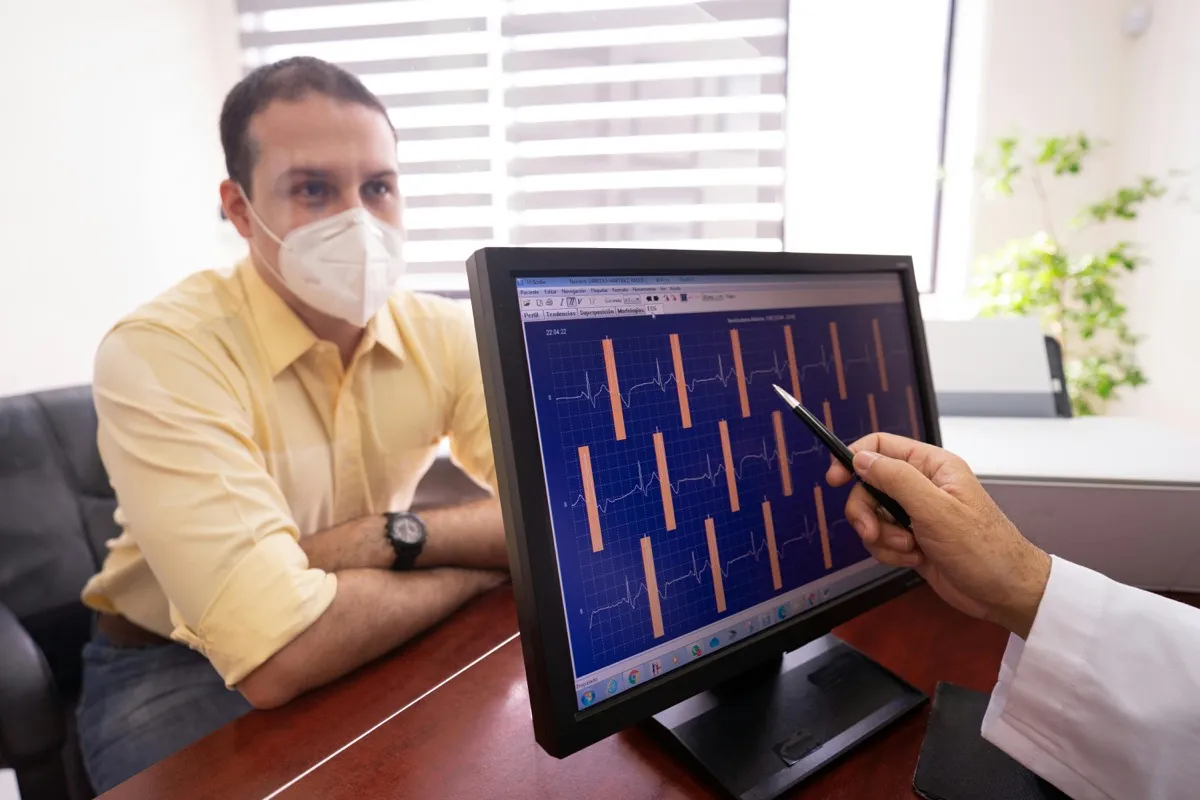
Echocardiogram Dubai: Types & What It Shows (2026)
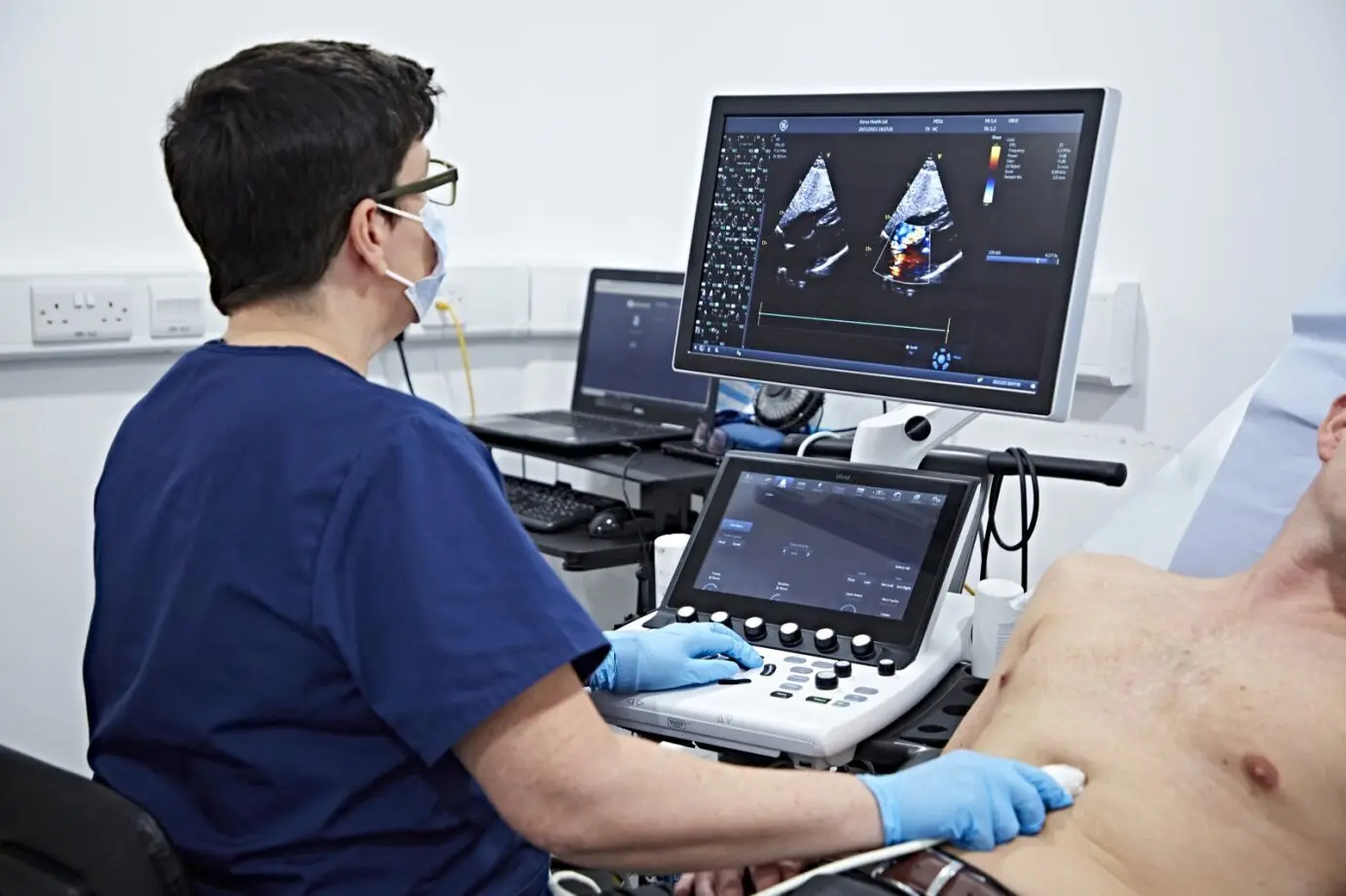
Echo Test Cost Dubai: AED 800-2,000 (2026)
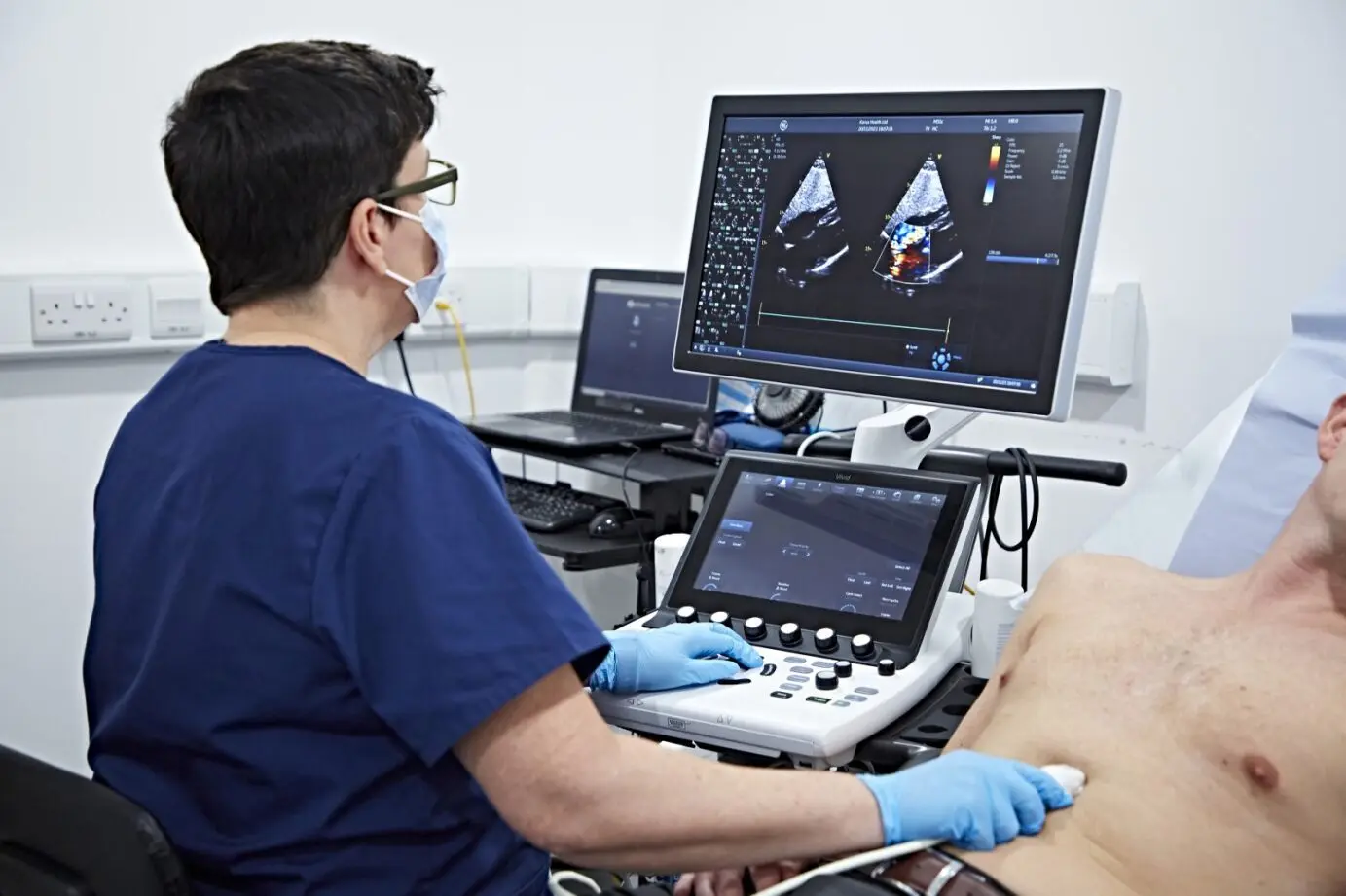
ECG at Home Dubai: Cost & What to Expect (2026)
ECG vs Echocardiogram: Differences Explained (2026)

Elderly Care at Home Dubai: Full Guide (2026)
More in Cardiology

ECG Cost in Dubai: From AED 200 (2026)
और पढ़ेंECG at Home Dubai: Cost & What to Expect (2026)
और पढ़ें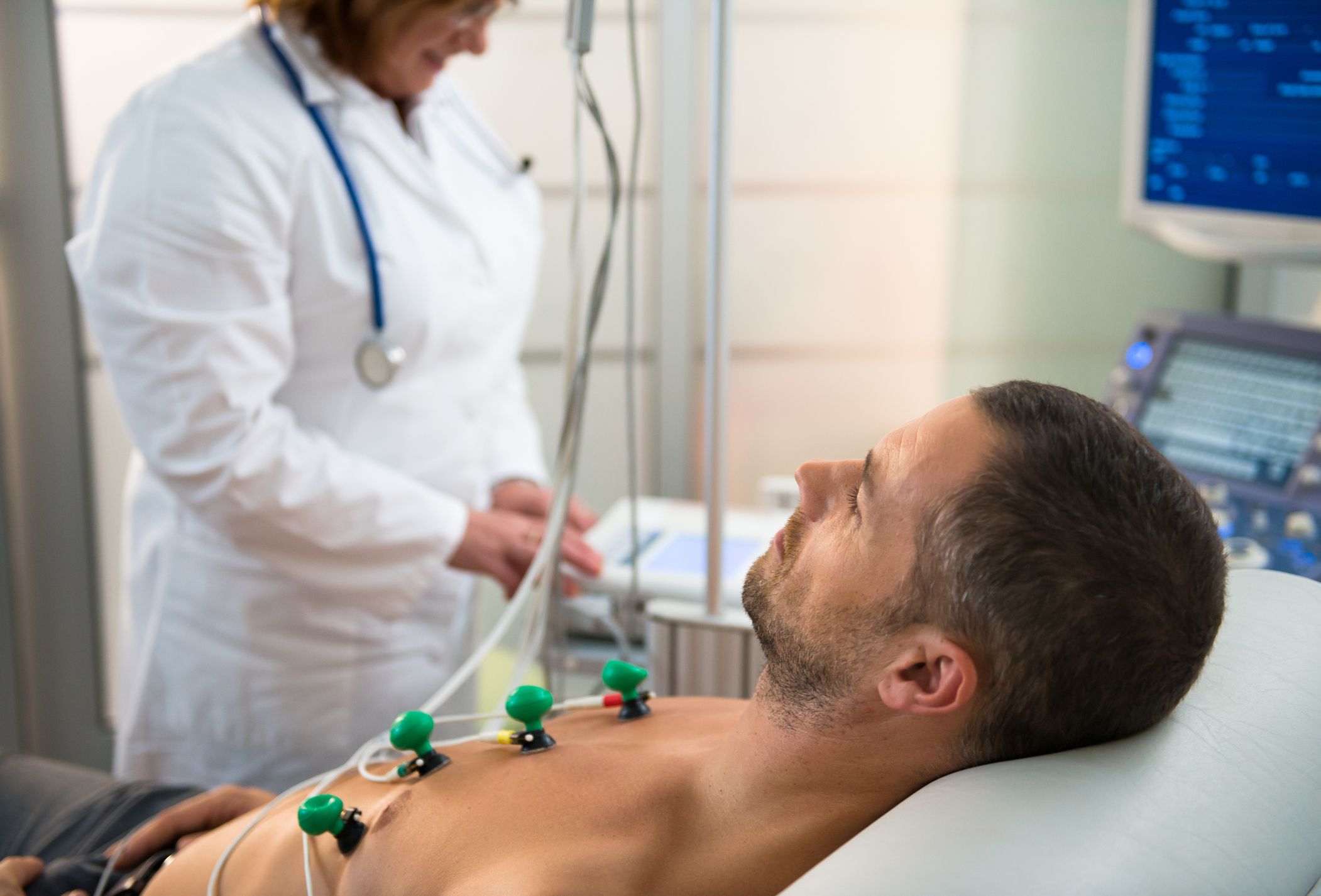
Holter Monitor vs ECG Dubai: Which Test? (2026)
और पढ़ें
Cardiac Rehabilitation Dubai: Recovery (2026)
और पढ़ेंTroponin Test Dubai: Heart Attack Marker (2026)
और पढ़ेंBest Cardiologist in Dubai: Dr. Shahoo Mazhari at DCDC (2026)
और पढ़ें© 2026 Doctors Clinic Diagnostic Center (DCDC), Dubai Healthcare City. Originally published at https://doctorsclinicdubai.ae/blog/echo-at-home-dubai. All rights reserved. Unauthorized reproduction is prohibited.