मुख्य बातें
- Healthy cholesterol levels change with age. Children, young adults, and older adults each have different optimal ranges for LDL, HDL, total cholesterol, and triglycerides.
- Total cholesterol below 200 mg/dL is considered desirable for adults, but individual targets depend on your age, gender, and cardiovascular risk factors.
- LDL ("bad") cholesterol should ideally stay below 100 mg/dL, while HDL ("good") cholesterol of 60 mg/dL or higher is protective against heart disease.
- The American Heart Association recommends cholesterol screening starting at age 20 for all adults, with repeat testing every 4-6 years if results are normal.
- Dubai's sedentary indoor lifestyle during summer months and high-fat dietary patterns contribute to elevated cholesterol levels across all age groups in the UAE.
- At DCDC in Dubai Healthcare City, comprehensive lipid profile testing with same-day results is available from AED 150, including advanced markers like Lp(a) and ApoB when indicated.
Understanding your cholesterol levels by age is one of the most important steps you can take for long-term cardiovascular health. Cholesterol is not a single number but a panel of measurements, each with different optimal ranges that shift as you age. Whether you have just received your first lipid profile test results or you are comparing your numbers against age-appropriate benchmarks, this guide provides the comprehensive cholesterol charts and clinical context you need to understand what your numbers mean.
Cardiovascular disease remains the leading cause of death in the UAE, responsible for approximately 30% of all deaths according to the World Health Organization. High cholesterol is one of the most significant modifiable risk factors, yet it produces no symptoms until serious damage has occurred. The only way to know where you stand is through regular blood testing. This guide covers normal cholesterol levels for every age group from children through elderly adults, explains what each component of your lipid panel means, outlines when and how often you should be tested, and addresses the lifestyle factors unique to Dubai that can affect your cholesterol. Every chart and reference range in this article is based on current guidelines from the American Heart Association (AHA), the American College of Cardiology (ACC), and the National Heart, Lung, and Blood Institute (NHLBI).
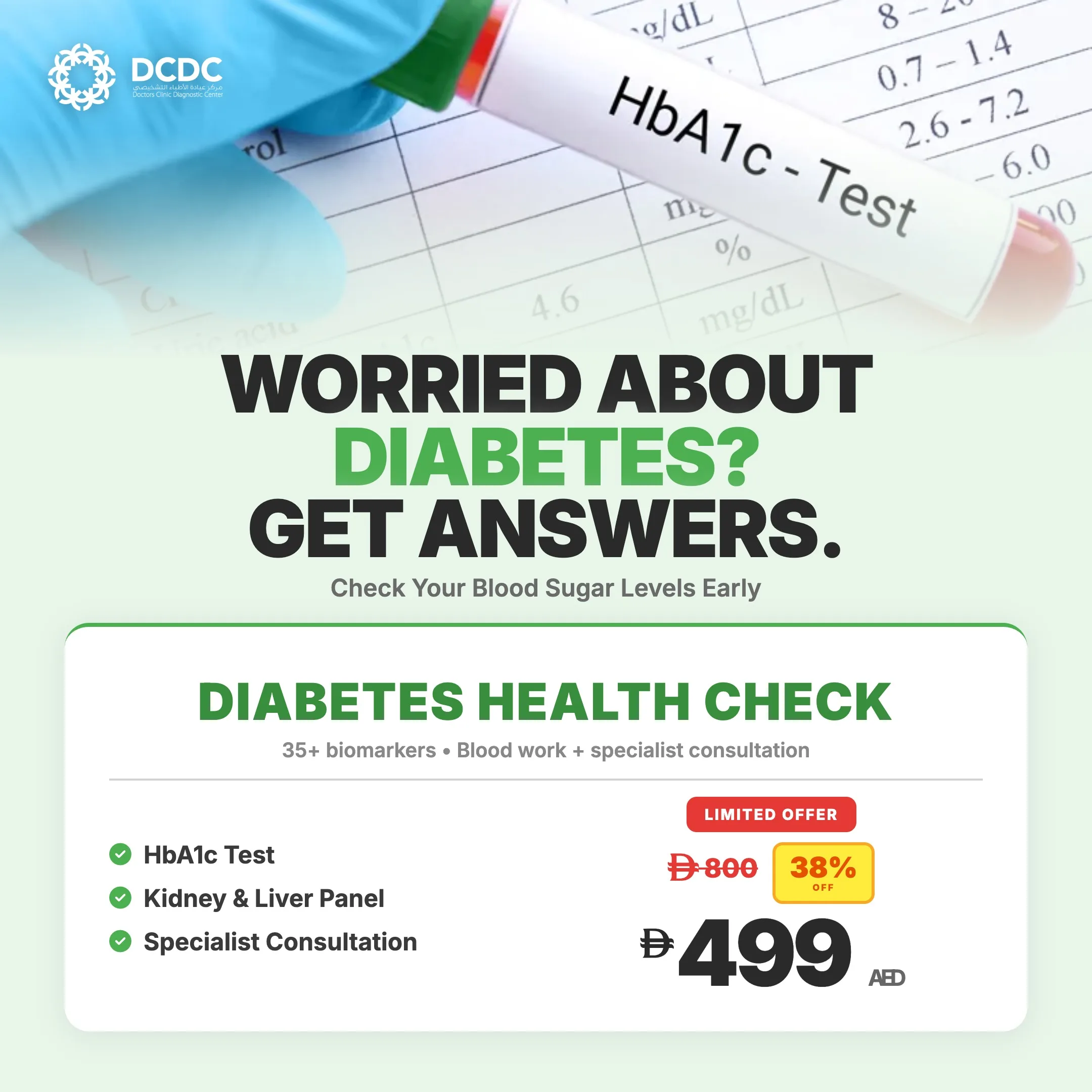
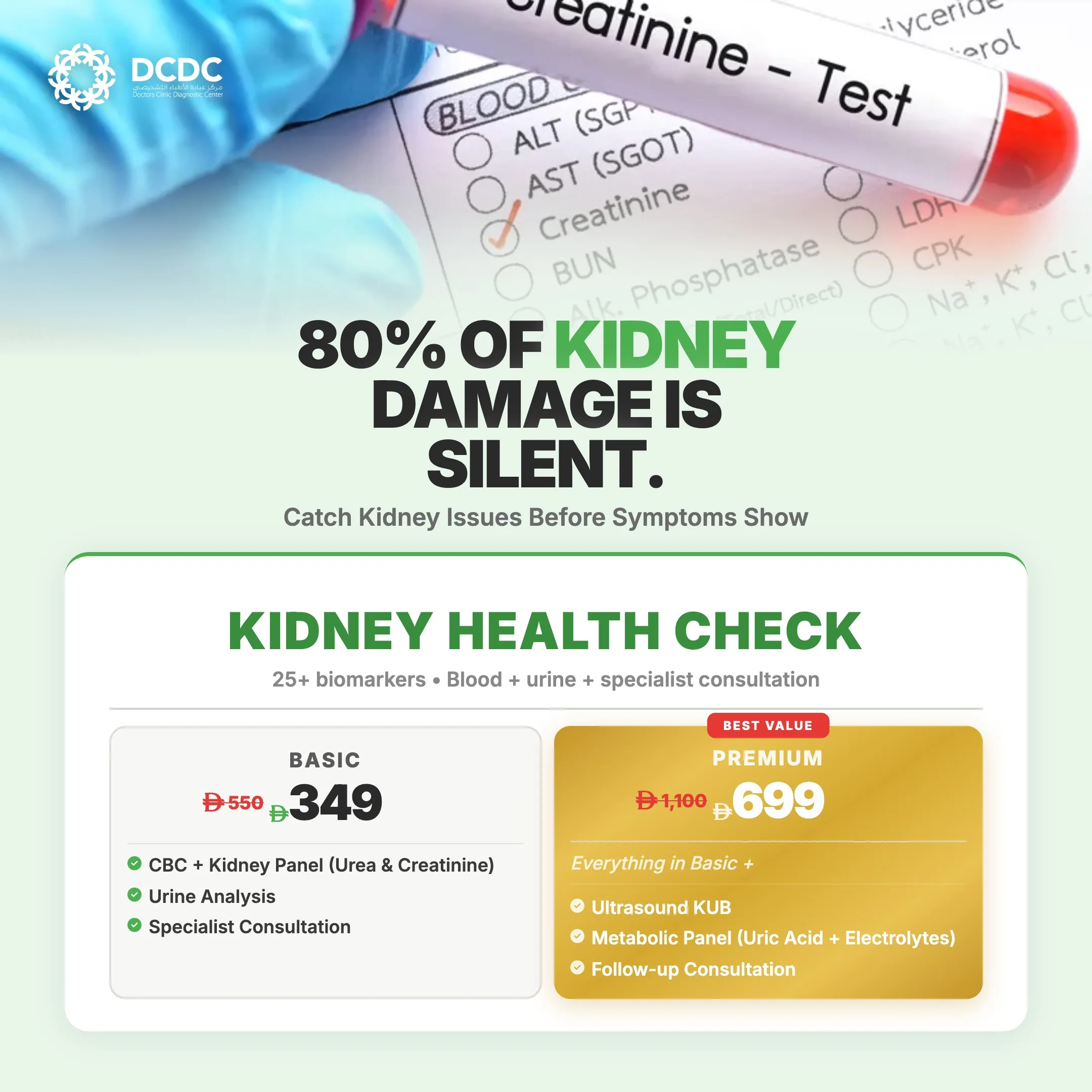
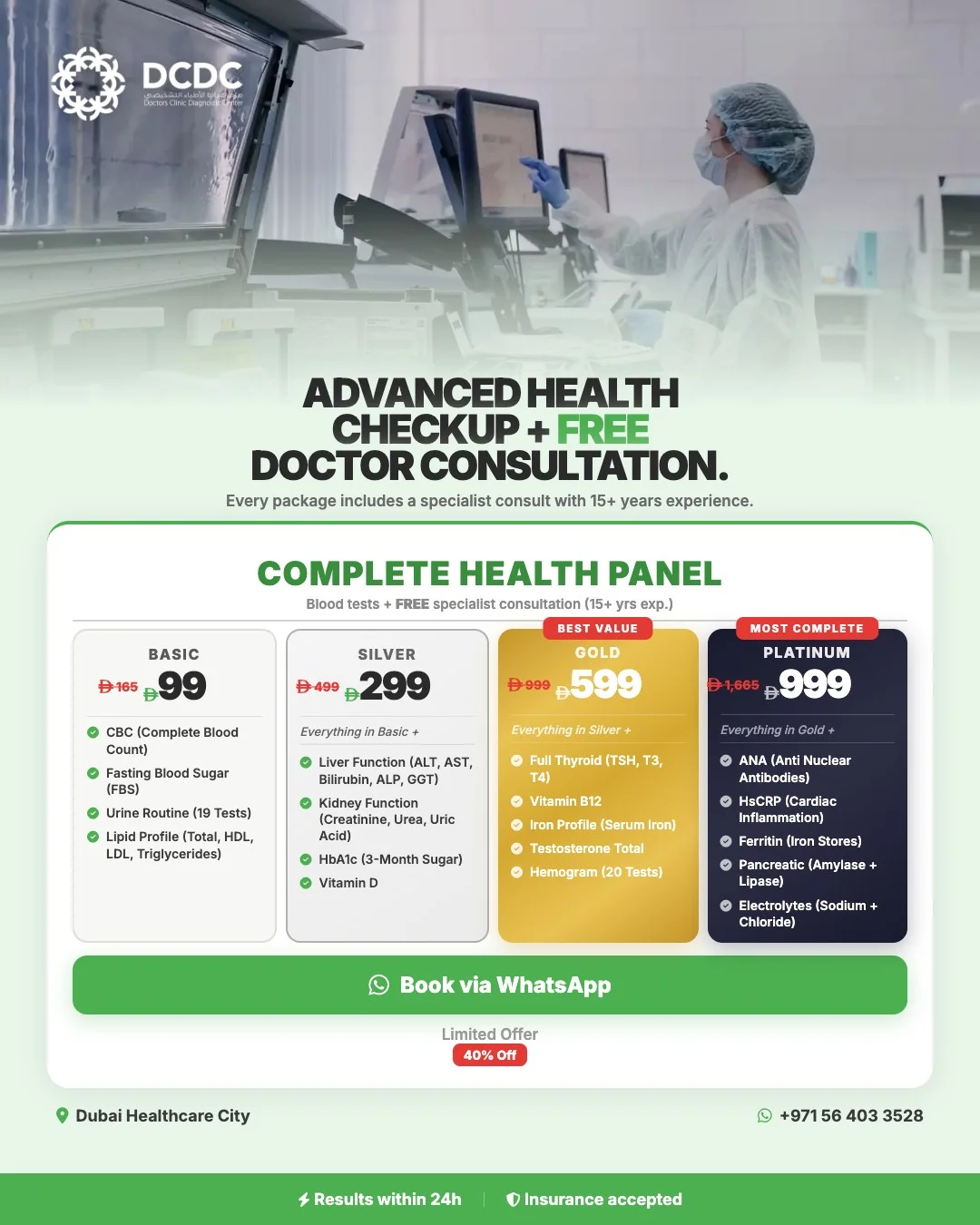
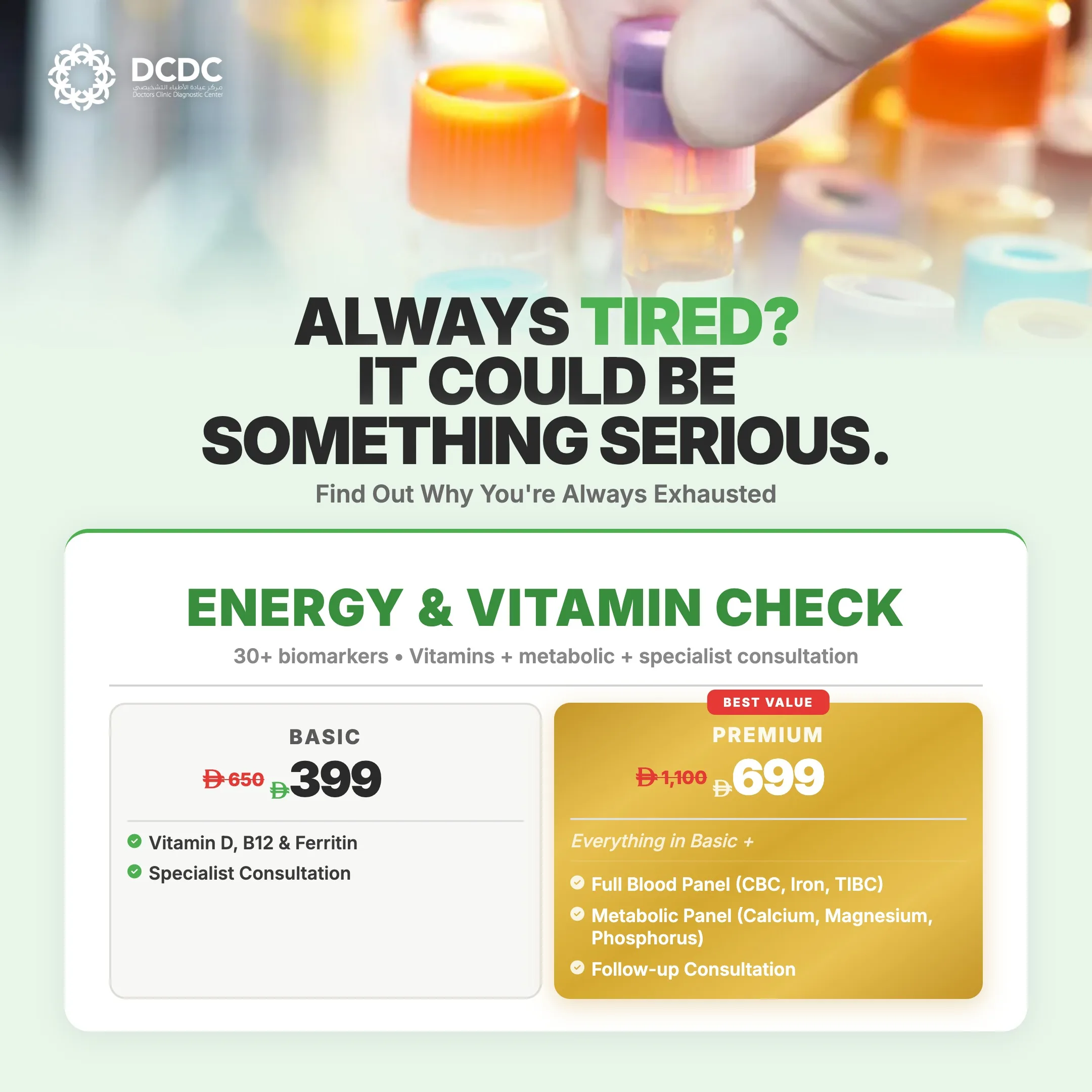
Health Screening Packages
Save with our bundled screening packages — specialist consultation included

What Is a Cholesterol Test and What Does It Measure?
A cholesterol test, formally called a lipid profile or lipid panel, is a blood test that measures the fats circulating in your bloodstream. It is typically performed after a 9-12 hour fast to ensure accurate triglyceride readings, though non-fasting tests are increasingly accepted for initial screening. The test measures four primary values:
- Total Cholesterol: The sum of all cholesterol in your blood, including LDL, HDL, and VLDL. It provides a quick snapshot of your overall cholesterol status but does not tell the full story on its own.
- LDL (Low-Density Lipoprotein) Cholesterol: Often called "bad" cholesterol because it deposits in artery walls, forming plaques that narrow blood vessels and lead to atherosclerosis. This is the primary target for cholesterol-lowering treatment.
- HDL (High-Density Lipoprotein) Cholesterol: Known as "good" cholesterol because it helps remove LDL from the arteries and transports it back to the liver for elimination. Higher HDL levels are protective against heart disease.
- Triglycerides: The most common type of fat in the body. Elevated triglycerides, often driven by excess sugar, refined carbohydrates, and alcohol, contribute to arterial plaque formation and are an independent risk factor for cardiovascular disease.
Advanced lipid panels may also measure Lp(a) (lipoprotein-a), a genetically determined risk marker, and ApoB (apolipoprotein B), which reflects the total number of atherogenic particles. These advanced markers are particularly useful when standard lipid levels appear normal but cardiovascular risk remains elevated based on family history or other factors.
Cholesterol Levels by Age: Complete Reference Charts
Cholesterol levels naturally change throughout life. In childhood, levels are generally lower. They rise during early adulthood, and in women, levels tend to increase significantly after menopause due to the decline in estrogen, which normally helps keep LDL in check. The charts below present the recommended cholesterol ranges for each age group based on AHA/ACC guidelines.
Cholesterol Levels for Children and Adolescents (Ages 2-19)
The National Heart, Lung, and Blood Institute recommends that all children receive at least one cholesterol screening between ages 9 and 11, and again between ages 17 and 21. Children with a family history of early heart disease or familial hypercholesterolemia should be tested as early as age 2.
| Cholesterol Type | Acceptable (mg/dL) | Borderline (mg/dL) | High Risk (mg/dL) |
|---|---|---|---|
| Total Cholesterol | Below 170 | 170-199 | 200 and above |
| LDL Cholesterol | Below 110 | 110-129 | 130 and above |
| HDL Cholesterol | 45 and above | 40-45 | Below 40 |
| Triglycerides (0-9 years) | Below 75 | 75-99 | 100 and above |
| Triglycerides (10-19 years) | Below 90 | 90-129 | 130 and above |
Cholesterol reference ranges for children and adolescents (ages 2-19) based on NHLBI Expert Panel guidelines.
Cholesterol Levels for Young Adults (Ages 20-39)
The AHA recommends that all adults aged 20 and older have their cholesterol checked at least every 4-6 years. Young adults are establishing their baseline cardiovascular risk, and early detection of elevated cholesterol allows for lifestyle interventions before arterial damage accumulates.
| Cholesterol Type | Optimal (mg/dL) | Borderline (mg/dL) | High Risk (mg/dL) |
|---|---|---|---|
| Total Cholesterol | Below 200 | 200-239 | 240 and above |
| LDL Cholesterol | Below 100 | 130-159 | 160 and above |
| HDL Cholesterol (Men) | 40 and above (60+ ideal) | Below 40 | Below 40 |
| HDL Cholesterol (Women) | 50 and above (60+ ideal) | Below 50 | Below 50 |
| Triglycerides | Below 150 | 150-199 | 200 and above |
Cholesterol reference ranges for young adults (ages 20-39) based on AHA/ACC guidelines.
Cholesterol Levels for Adults (Ages 40-65)
This age group carries the highest cardiovascular risk from elevated cholesterol because arterial plaque has had decades to accumulate. Current ACC/AHA guidelines recommend calculating a 10-year atherosclerotic cardiovascular disease (ASCVD) risk score for all adults aged 40-75 to guide treatment decisions. Adults with diabetes, a family history of early heart disease, or multiple risk factors may need more aggressive LDL targets.
| Cholesterol Type | Optimal (mg/dL) | Borderline (mg/dL) | High Risk (mg/dL) |
|---|---|---|---|
| Total Cholesterol | Below 200 | 200-239 | 240 and above |
| LDL Cholesterol | Below 100 (below 70 if high risk) | 100-159 | 160 and above |
| HDL Cholesterol (Men) | 40 and above (60+ ideal) | Below 40 | Below 40 |
| HDL Cholesterol (Women) | 50 and above (60+ ideal) | Below 50 | Below 50 |
| Triglycerides | Below 150 | 150-199 | 200 and above |
| Non-HDL Cholesterol | Below 130 | 130-189 | 190 and above |
Cholesterol reference ranges for adults ages 40-65 based on AHA/ACC guidelines. Individual targets may be lower based on ASCVD risk score and comorbidities.
Cholesterol Levels for Older Adults (Ages 65+)
Cholesterol management in older adults requires a nuanced approach. Total cholesterol tends to plateau or even decrease after age 65, but cardiovascular risk continues to rise due to cumulative arterial damage. Very low cholesterol in elderly patients (below 160 mg/dL total cholesterol) has been associated with increased frailty and mortality in some studies. The emphasis shifts from aggressive LDL lowering to overall risk management, quality of life, and the balance of treatment benefits versus side effects.
| Cholesterol Type | General Target (mg/dL) | With Existing Heart Disease | Key Considerations |
|---|---|---|---|
| Total Cholesterol | Below 200 | Below 200 | Very low levels may indicate nutritional deficiency |
| LDL Cholesterol | Below 100 | Below 70 | Benefits of statins continue in established heart disease |
| HDL Cholesterol | 60 and above | 60 and above | Raising HDL pharmaceutically has not proven beneficial |
| Triglycerides | Below 150 | Below 150 | May rise with decreased physical activity |
Cholesterol targets for adults aged 65 and older. Treatment decisions should factor in life expectancy, comorbidities, and medication tolerance.
What Each Cholesterol Number Means for Your Health
Receiving your lipid profile results can feel overwhelming when you see multiple numbers and ranges. Understanding what each component does and why it matters helps you have a more productive conversation with your doctor about your cardiovascular risk.
LDL Cholesterol: The Primary Target
LDL cholesterol is the single most important number on your lipid panel because it directly drives atherosclerosis. Every 1 mmol/L (approximately 39 mg/dL) reduction in LDL cholesterol reduces the risk of major cardiovascular events by about 22%, according to a landmark meta-analysis published in The Lancet. For patients with existing heart disease or diabetes, an LDL below 70 mg/dL is the standard target. For primary prevention in low-risk individuals, below 100 mg/dL is generally sufficient.
HDL Cholesterol: The Protective Factor
HDL cholesterol acts as a scavenger, picking up excess cholesterol from artery walls and ferrying it back to the liver for disposal. An HDL level of 60 mg/dL or higher is considered protective, while levels below 40 mg/dL in men or below 50 mg/dL in women constitute an independent risk factor for heart disease. Exercise is the most effective way to raise HDL, with studies showing that regular aerobic activity can increase HDL by 5-10%.
Triglycerides: The Dietary Marker
Triglycerides reflect your body's most recent dietary intake, which is why fasting before a lipid profile is recommended. They are particularly sensitive to sugar, refined carbohydrates, alcohol, and excess calories. Levels above 150 mg/dL are considered borderline, while levels above 500 mg/dL pose a risk of acute pancreatitis and require urgent treatment. Unlike LDL, triglycerides respond rapidly to dietary changes, often dropping significantly within weeks of reducing sugar and refined carbohydrate intake.
Total Cholesterol and Ratios
Total cholesterol is a useful initial screening tool but can be misleading in isolation. A total cholesterol of 210 mg/dL might be concerning if most of it is LDL, or perfectly healthy if driven by a high HDL of 80 mg/dL. Some clinicians use the total cholesterol-to-HDL ratio (ideally below 4.0) or the non-HDL cholesterol value (total cholesterol minus HDL, ideally below 130 mg/dL) for a more accurate risk assessment. If you are unsure how to interpret your results, bring them to your cholesterol management consultation for a personalized review.
When to Get a Cholesterol Test: Age-Based Screening Guidelines
Screening recommendations vary by age and risk level. The following table summarizes the current guidelines from the AHA, ACC, and NHLBI for cholesterol testing frequency across all age groups:
| Age Group | Recommended Screening | Frequency | Notes |
|---|---|---|---|
| Children (2-8) | Only if high risk | As directed by paediatrician | Family history of early heart disease or familial hypercholesterolemia |
| Children (9-11) | Universal screening | Once | NHLBI recommends screening all children in this window |
| Adolescents (17-21) | Universal screening | Once | Second routine screening recommended for all adolescents |
| Adults (20-39) | Routine screening | Every 4-6 years | More frequently if risk factors present (diabetes, smoking, obesity, family history) |
| Adults (40-65) | Routine screening | Every 1-2 years | 10-year ASCVD risk calculation recommended to guide treatment |
| Adults (65+) | Ongoing screening | Annually | Especially important if on cholesterol-lowering medication |
Cholesterol screening schedule by age group based on AHA/ACC/NHLBI combined guidelines.
Regardless of age, you should have your cholesterol checked promptly if you develop new risk factors such as a diagnosis of diabetes, significant weight gain, a new smoking habit, or a first-degree relative who experiences a heart attack or stroke before age 55 (men) or 65 (women).
Risk Factors That Affect Cholesterol in Dubai
While genetics play a significant role in determining your cholesterol levels, lifestyle factors are equally important and often more modifiable. Dubai residents face a unique combination of environmental and cultural factors that contribute to elevated cholesterol across all age groups.
- Sedentary indoor lifestyle: Temperatures exceeding 45 degrees Celsius for several months of the year drive most physical activity indoors. Many residents rely heavily on cars and have limited walking routines, reducing the cardiovascular exercise that naturally helps maintain healthy cholesterol levels.
- High-fat and high-sugar dietary patterns: The abundance of fast food, restaurant dining, and large portion sizes in Dubai contributes to excess caloric intake. Traditional Middle Eastern and South Asian cuisines, while rich in flavour, can be high in saturated fats from ghee, butter, and fried preparations.
- Genetic predisposition: South Asian and Middle Eastern populations have a higher genetic predisposition to dyslipidemia, insulin resistance, and metabolic syndrome. Studies show that South Asian individuals often develop cardiovascular disease 5-10 years earlier than Western populations.
- Stress and work culture: Long working hours, high-pressure professional environments, and the challenges of expatriate life contribute to chronic stress, which can elevate cortisol levels and indirectly worsen cholesterol profiles.
- Vitamin D deficiency: Despite abundant sunshine, vitamin D deficiency is paradoxically common in Dubai due to indoor lifestyles and cultural dress codes that limit sun exposure. Low vitamin D levels have been associated with higher LDL and lower HDL cholesterol in several studies.
- Smoking and shisha: Water pipe (shisha) smoking is culturally prevalent and often perceived as safer than cigarettes, but studies show it significantly impairs HDL function and promotes LDL oxidation, accelerating atherosclerosis.
These factors mean that Dubai residents should not rely solely on age-based screening schedules. If you have two or more of the risk factors above, consider annual lipid profile testing regardless of your age. A comprehensive lipid profile test in Dubai is a quick, affordable, and potentially life-saving step.
How to Lower Cholesterol Naturally
For many people, particularly those with borderline cholesterol levels, lifestyle modifications can bring numbers back into the healthy range without medication. The following evidence-based strategies have been proven to reduce LDL cholesterol by 10-30% when applied consistently.
Dietary Changes
- Reduce saturated fat intake: Limit saturated fat to less than 7% of total daily calories. Replace butter, ghee, and fatty cuts of meat with olive oil, avocado, and lean proteins. Each 1% reduction in saturated fat intake lowers LDL by approximately 2%.
- Eliminate trans fats: Avoid partially hydrogenated oils found in some margarines, commercial baked goods, and fried fast food. Trans fats simultaneously raise LDL and lower HDL, making them doubly harmful.
- Increase soluble fibre: Aim for 10-25 grams of soluble fibre daily from sources like oats, barley, lentils, beans, apples, and psyllium husk. Soluble fibre binds cholesterol in the digestive tract and prevents its absorption, reducing LDL by 5-10%.
- Add plant sterols and stanols: These naturally occurring compounds found in nuts, seeds, and fortified foods can reduce LDL by 6-15% when consumed at 2 grams per day.
- Include omega-3 fatty acids: Fatty fish like salmon, mackerel, and sardines provide omega-3s that primarily lower triglycerides. Aim for two servings per week.
Exercise and Physical Activity
The AHA recommends at least 150 minutes of moderate-intensity aerobic exercise per week, which equates to about 30 minutes five days a week. Regular exercise raises HDL cholesterol by 5-10%, lowers triglycerides by 20-30%, and modestly reduces LDL. In Dubai, indoor options such as gym workouts, swimming in climate-controlled pools, and mall walking during summer months make year-round physical activity achievable.
Weight Management
Losing even 5-10% of body weight can significantly improve your cholesterol profile. Weight loss reduces LDL and triglycerides while raising HDL. For a person weighing 90 kg, this means a loss of just 4.5-9 kg can produce meaningful changes in lipid levels, often within 3-6 months.
Other Lifestyle Modifications
- Quit smoking: Stopping smoking improves HDL cholesterol by an average of 5-10% within weeks. It also restores HDL's protective function, which smoking impairs.
- Limit alcohol: Moderate alcohol consumption (one drink per day for women, two for men) may slightly raise HDL, but excess alcohol significantly raises triglycerides and overall cardiovascular risk.
- Manage stress: Chronic stress raises cortisol, which promotes fat storage and worsens lipid profiles. Regular stress management through mindfulness, adequate sleep (7-9 hours), and work-life balance supports healthy cholesterol levels.
Medical Treatment Options for High Cholesterol
When lifestyle modifications alone are insufficient to bring cholesterol levels to target, or when cardiovascular risk is high enough to warrant immediate pharmacological intervention, several classes of medications are available. Treatment decisions are always made in partnership between you and your doctor, considering your age, risk profile, and personal preferences.
- Statins: The first-line medication for high LDL cholesterol. Statins reduce LDL by 30-50% by blocking the liver enzyme responsible for cholesterol production. They have decades of evidence supporting their ability to reduce heart attacks, strokes, and cardiovascular death. Common options include atorvastatin and rosuvastatin.
- Ezetimibe: Works in the intestine to block cholesterol absorption. Reduces LDL by an additional 15-20% when added to a statin. Often used when statins alone do not achieve target levels or when statin doses are limited by side effects.
- PCSK9 inhibitors: Injectable medications (evolocumab, alirocumab) that can reduce LDL by 50-60%, even on top of statin therapy. Reserved for patients with very high LDL, familial hypercholesterolemia, or those who cannot tolerate statins.
- Fibrates: Primarily used to lower triglycerides by 25-50%. Fenofibrate is commonly prescribed for patients with triglycerides above 200 mg/dL, particularly those with concurrent diabetes.
- Omega-3 fatty acid prescriptions: High-dose prescription omega-3 (icosapent ethyl) has been shown to reduce cardiovascular events in patients with elevated triglycerides already on statin therapy.
- Bempedoic acid: A newer option for patients who experience statin-related muscle symptoms. It works upstream of the statin pathway and can reduce LDL by approximately 18%.
The decision to start medication depends on your overall cardiovascular risk, not just your cholesterol numbers. A young adult with an LDL of 145 mg/dL and no other risk factors may benefit from lifestyle changes alone, while a 55-year-old with diabetes, high blood pressure, and the same LDL would typically be started on statin therapy immediately. For a comprehensive evaluation of your cardiovascular risk and whether you might benefit from treatment, our heart disease assessment resources provide additional guidance.
Cholesterol and Related Conditions
Cholesterol rarely exists as an isolated problem. It frequently coexists with other metabolic conditions that compound cardiovascular risk. Understanding these connections helps you take a more comprehensive approach to prevention.
Diabetes and Cholesterol
Type 2 diabetes is strongly associated with a characteristic lipid pattern: high triglycerides, low HDL, and small dense LDL particles that are particularly atherogenic. This pattern, sometimes called "diabetic dyslipidemia," increases cardiovascular risk even when total cholesterol appears normal. The AHA and the American Diabetes Association recommend that all adults with diabetes be treated with a statin, regardless of their baseline LDL level. If you are managing diabetes alongside cholesterol concerns, our diabetes management programme integrates lipid management into your overall metabolic care plan.
Hypertension and Cholesterol
High blood pressure and high cholesterol each damage arteries independently, but together they accelerate atherosclerosis significantly. The combination of cholesterol-laden plaques in arteries under high pressure creates conditions that are more likely to lead to plaque rupture and subsequent heart attack or stroke. Managing both conditions simultaneously is essential for meaningful cardiovascular risk reduction.
Metabolic Syndrome
Metabolic syndrome is diagnosed when three or more of the following are present: abdominal obesity (waist circumference above 102 cm in men or 88 cm in women), triglycerides above 150 mg/dL, HDL below 40 mg/dL in men or 50 mg/dL in women, blood pressure above 130/85 mmHg, and fasting glucose above 100 mg/dL. This cluster dramatically increases the risk of heart disease and type 2 diabetes, and it is increasingly common among Dubai's diverse population.
Lipid Profile Test and Health Checkup Costs in Dubai
One of the most common barriers to regular cholesterol screening is uncertainty about cost. At DCDC in Dubai Healthcare City, we have structured our pricing to make regular testing accessible. We also partner with over 20 insurance providers for direct billing, including Daman, AXA, Bupa, and others, so you may have no out-of-pocket costs for routine screening.
| Test / Package | What's Included | Price Range |
|---|---|---|
| Basic Lipid Profile | Total cholesterol, LDL, HDL, triglycerides | From AED 150 |
| Advanced Lipid Panel | Basic panel + Lp(a), ApoB, non-HDL cholesterol | From AED 300 |
| Basic Health Checkup | Lipid profile, CBC, liver function, kidney function, glucose | From AED 249 |
| Comprehensive Health Checkup | Full lipid panel, metabolic panel, thyroid, vitamin D, HbA1c | AED 499-899 |
| Executive Health Package | Advanced lipid panel, cardiovascular risk assessment, full body screening | AED 999-1,999 |
| Internal Medicine Consultation | Cholesterol review, cardiovascular risk assessment, treatment planning | From AED 350 |
Indicative pricing at DCDC Dubai Healthcare City. Prices may vary; insurance direct billing available with 20+ partners. Contact us for current rates.
All lipid profile tests at DCDC include same-day results from our on-site MOHAP-licensed laboratory. You can walk in for sample collection during our operating hours (Saturday to Thursday 8 AM to 10 PM, Friday 9 AM to 9 PM) without a prior appointment, though booking ahead ensures minimal waiting.
Book Your Lipid Profile Test at DCDC
Get your cholesterol levels checked with a comprehensive lipid profile test at our MOHAP-licensed laboratory in Dubai Healthcare City. Same-day results, on-site sample collection, and direct billing with over 20 insurance partners.
Free dedicated parking available. Located in Al Razi Medical Complex, Building 64, Block A, just 10 minutes from Downtown Dubai.
What to Expect During a Lipid Profile Test at DCDC
If you have never had your cholesterol tested, or if it has been some time since your last screening, knowing what to expect can make the process feel straightforward and stress-free. Here is a step-by-step overview of the patient journey at Doctors Clinic Diagnostic Center.
- Step 1 - Book your appointment: You can book online, via WhatsApp, or by calling our reception. Walk-ins are also welcome, though booking ensures a dedicated time slot with minimal waiting.
- Step 2 - Prepare for the test: For an accurate fasting lipid profile, avoid eating or drinking anything other than water for 9-12 hours before your blood draw. Morning appointments are ideal so you can fast overnight. Continue taking any regular medications unless your doctor advises otherwise.
- Step 3 - Arrive and register: Our clinic is located in Building 64, Block A, Al Razi Medical Complex in Dubai Healthcare City, with free dedicated parking. Registration takes just a few minutes. If you have insurance, bring your card for direct billing.
- Step 4 - Sample collection: A trained phlebotomist will collect a small blood sample from your arm. The draw takes less than 5 minutes and involves minimal discomfort.
- Step 5 - Same-day results: Your lipid profile results are typically ready within a few hours. Results are shared through your preferred method, whether in-person, via the patient portal, or through a follow-up call.
- Step 6 - Review with your doctor: We recommend booking a follow-up consultation with our internal medicine team or your general practitioner to review your results in context. Your doctor will assess your overall cardiovascular risk, explain what your numbers mean for your age, and recommend a personalised plan if any values are outside the optimal range.
The entire process, from arrival to sample collection, typically takes less than 30 minutes. With our 4.8/5 Google rating from over 1,000 patient reviews, you can be confident in the quality of care and the accuracy of your results.
Doctor's Perspective: Why Age-Specific Cholesterol Monitoring Matters
"In my clinical practice at DCDC, I see patients of all ages who are surprised to learn their cholesterol levels are outside the healthy range. Many young adults in their twenties and thirties assume cholesterol is something they only need to worry about later in life, but the evidence is clear that atherosclerosis begins decades before symptoms appear. By the time chest pain or a cardiovascular event occurs, significant damage has already been done. I always tell my patients: the best time to know your cholesterol numbers is now, regardless of your age. A simple lipid profile test gives us the information we need to intervene early, whether through dietary guidance, exercise recommendations, or medication when necessary. For Dubai's diverse population, where genetic predisposition, dietary habits, and lifestyle factors converge, regular monitoring is especially important."
-- Dr. Hadeel Elnur, General Practitioner, Doctors Clinic Diagnostic Center, Dubai Healthcare City
Cholesterol in Pregnancy and Special Populations
Certain life stages and conditions require special consideration when interpreting cholesterol levels.
Pregnancy
Total cholesterol naturally rises by 25-50% during pregnancy, driven primarily by hormonal changes that support fetal development. This increase is physiologically normal and typically resolves within 6-12 weeks after delivery. Statins are contraindicated during pregnancy, and cholesterol-lowering medication should be discontinued before conception. Lipid levels should be rechecked 3-6 months postpartum to establish a true baseline.
Menopause
After menopause, women experience a significant shift in their lipid profile. The decline in estrogen leads to increased LDL cholesterol, decreased HDL cholesterol, and higher triglycerides. This is one reason why women's cardiovascular risk catches up to men's in the decades following menopause, and why regular screening becomes particularly important for women over 50.
Familial Hypercholesterolemia
Familial hypercholesterolemia (FH) is a genetic condition affecting approximately 1 in 250 people that causes extremely high LDL cholesterol levels from birth. People with FH can have LDL levels above 190 mg/dL despite a healthy lifestyle. Early identification, often through family screening, is critical because untreated FH leads to premature heart disease. If you have a family member diagnosed with FH or early heart disease, cholesterol screening for all first-degree relatives is strongly recommended. A heart health screening at DCDC can help identify whether genetic factors are contributing to your cholesterol levels.
How Often Should You Recheck Cholesterol?
After your initial lipid profile, the frequency of follow-up testing depends on your results and whether you have started treatment.
- Normal results with low risk: Recheck every 4-6 years if you are under 40 with no risk factors, and every 1-2 years after age 40.
- Borderline results: Recheck in 3-6 months after implementing lifestyle modifications to assess their impact.
- Starting medication: Recheck 6-12 weeks after starting or adjusting cholesterol-lowering medication, then every 3-12 months until target is reached.
- Stable on treatment: Once target levels are achieved on medication, annual monitoring is generally sufficient.
- After a cardiovascular event: More frequent monitoring, typically every 3-6 months, under close specialist supervision.
Comprehensive Cholesterol Management at DCDC Dubai Healthcare City
From screening to long-term management, our Internal Medicine team provides expert cholesterol care including advanced lipid panels, cardiovascular risk assessment, and personalised treatment plans. We accept over 20 insurance plans with direct billing.
Open Saturday to Thursday 8 AM to 10 PM, Friday 9 AM to 9 PM. Building 64, Block A, Al Razi Medical Complex, Dubai Healthcare City.
DCDC में संबंधित सेवाएं
दुबई हेल्थकेयर सिटी में विशेषज्ञ देखभाल और उन्नत निदान
Lipid Profile Test
Comprehensive cholesterol and lipid panel with same-day results
अपॉइंटमेंट बुक करेंInternal Medicine
Expert cholesterol management and cardiovascular risk assessment
अपॉइंटमेंट बुक करेंHealth Checkup Packages
Annual screening packages including full lipid profile testing
अपॉइंटमेंट बुक करेंFrequently Asked Questions
Final Thoughts
Your cholesterol levels are one of the most important and most actionable indicators of cardiovascular health. Unlike many risk factors, cholesterol can be measured easily, monitored over time, and managed effectively through a combination of lifestyle changes and, when needed, medication. The key is knowing your numbers and understanding what they mean for your age.
The charts and guidelines in this article provide a framework, but your individual targets should be determined in consultation with your doctor, who can factor in your complete medical history, family risk, and lifestyle. Do not rely on a single number in isolation. The interplay between LDL, HDL, triglycerides, and your overall risk profile tells a much more nuanced story than total cholesterol alone.
If you have not had your cholesterol checked recently, or if you are unsure whether your levels are where they should be for your age, take that step today. At Doctors Clinic Diagnostic Center (DCDC) in Dubai Healthcare City, our team provides same-day lipid profile results, expert interpretation, and personalised management plans in a comfortable, patient-centred environment. Book your lipid profile test and take control of your cardiovascular health.
स्रोत एवं संदर्भ
यह लेख हमारी चिकित्सा टीम द्वारा समीक्षित है और निम्नलिखित स्रोतों का संदर्भ देता है:
- American Heart Association - Understanding Cholesterol Levels
- World Health Organization - Cardiovascular Diseases Fact Sheet
- NHS - High Cholesterol: Causes, Symptoms and Treatment
- Mayo Clinic - Cholesterol: Top Foods to Improve Your Numbers
- Cleveland Clinic - Cholesterol Guidelines and Heart Health
- National Heart, Lung, and Blood Institute - Blood Cholesterol
इस साइट पर चिकित्सा सामग्री DHA-लाइसेंस प्राप्त चिकित्सकों द्वारा समीक्षित है। हमारी देखें संपादकीय नीति अधिक जानकारी के लिए।

लेखक
Dr. Hadeel Elnur
General Practitioner
MD, General Practice
Dr. Hadeel Elnur is a General Practitioner at Doctors Clinic Diagnostic Center (DCDC) in Dubai Healthcare City.
Related Articles

High Cholesterol Dubai: Causes & Treatment

Lipid Profile Cholesterol Test Dubai

Heart Disease Symptoms Dubai: 8 Signs to Watch

Heart Screening Dubai: Checkup Packages & Prevention

Diabetes Management Dubai: Complete Guide
More in General Health

Post-Surgical Care at Home Dubai: Guide (2026)
और पढ़ें
Corporate Wellness Dubai: Programs & Cost (2026)
और पढ़ेंPre Employment Medical Test Dubai: Cost (2026)
और पढ़ें
Bronchitis Treatment Dubai: Symptoms & Care (2026)
और पढ़ें
Wound Care at Home Dubai: Full Guide (2026)
और पढ़ें
Dizziness Causes Dubai: When to Get Checked (2026)
और पढ़ें© 2026 Doctors Clinic Diagnostic Center (DCDC), Dubai Healthcare City. Originally published at https://doctorsclinicdubai.ae/blog/cholesterol-levels-by-age-guide. All rights reserved. Unauthorized reproduction is prohibited.