
Prenez votre rendez-vous
Avis verifies des patients du centre de diagnostic DCDC a Dubai
Avis verifies et temoignages reels de patients de Dubai Healthcare City
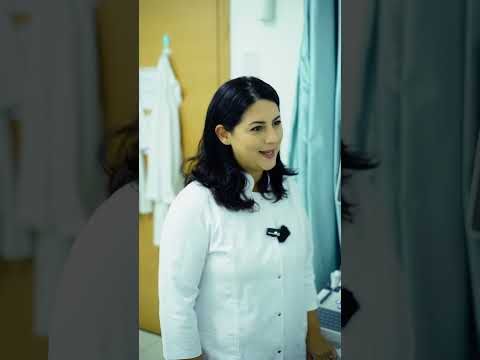
Je suis très satisfaite de cette clinique médicale. J'ai fait mon premier dépistage de grossesse ici. C'était abordable et très professionnel. Le radiologue était accueillant, gentil et a rendu l'expérience formidable.
Aizhan Tokmanbetova
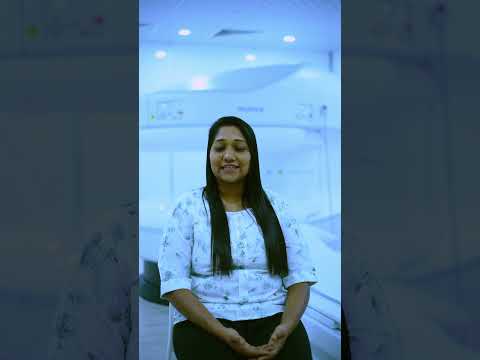
Je me suis blessée au genou vendredi soir et j'ai obtenu un rendez-vous IRM dimanche soir (réservé dimanche après-midi). J'ai attendu environ 2 minutes et c'était terminé en un peu plus de 30 minutes. L'équipe était incroyable, sympathique et efficace.
Kirsten Evans
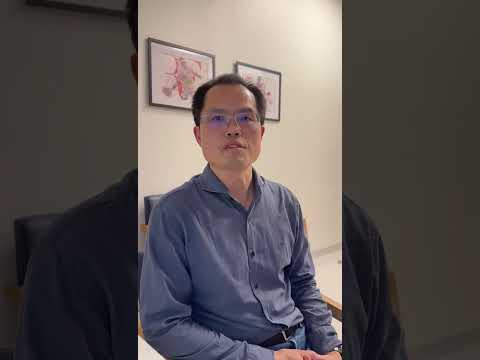
L'équipe du Dr Osama était douce et incroyable. Après une mauvaise expérience ailleurs, mon examen pelvien ici était beaucoup plus professionnel. Excellent rapport et très précis.
Mary
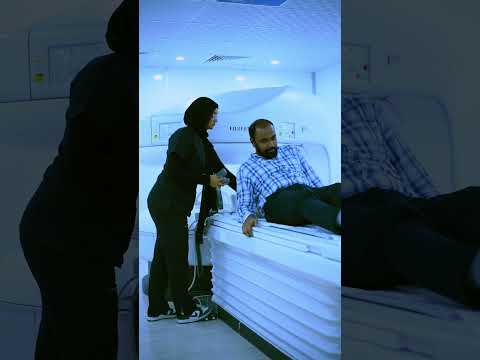

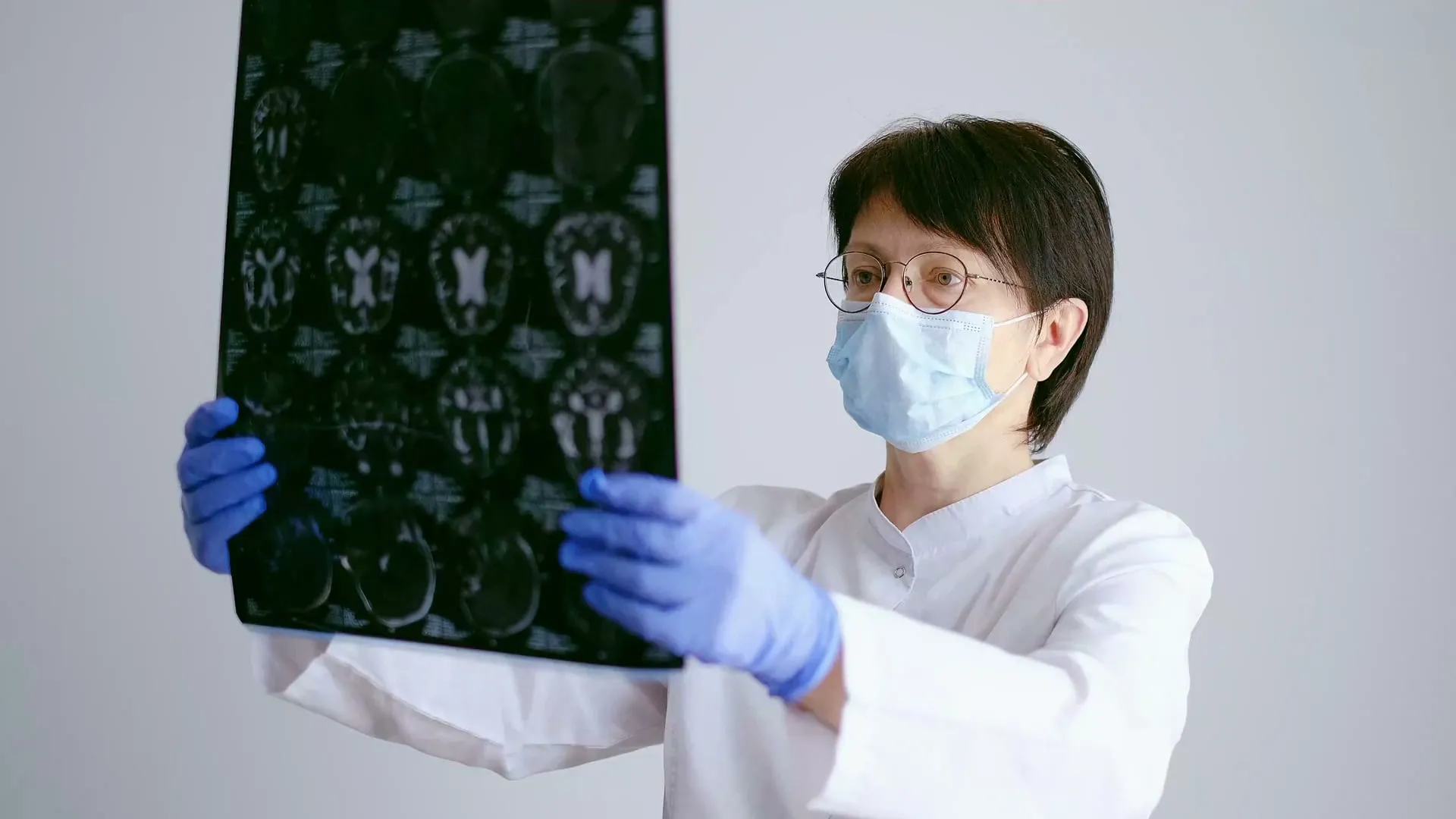
IRM à Dubaï : Imagerie Diagnostique Avancée
Des réponses claires sans radiation. Imagerie détaillée du cerveau, de la colonne vertébrale, des articulations et des tissus mous
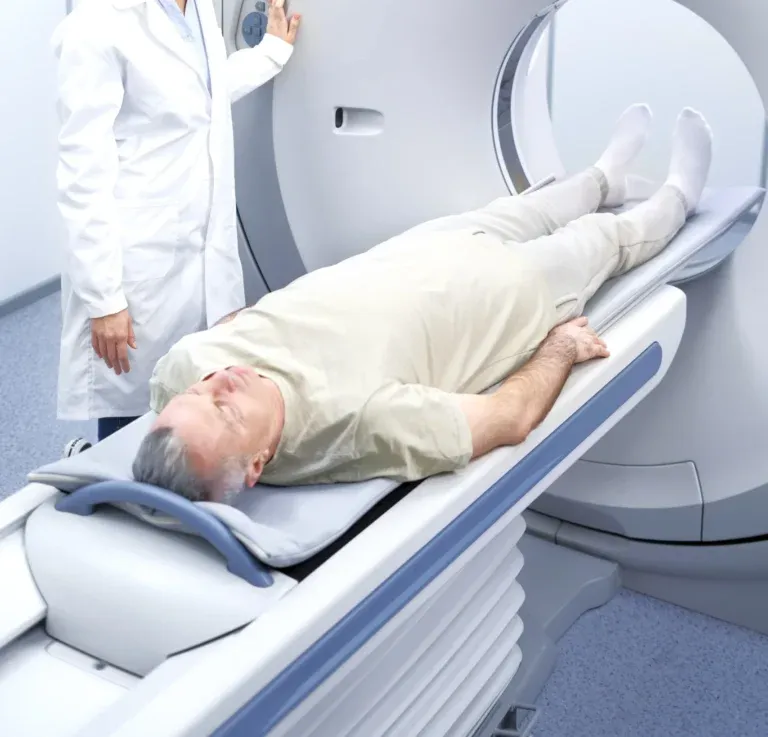
Zéro Radiation
IRM sûre et non invasive utilisant des champs magnétiques sans rayons X ni radiation ionisante
Référence en Imagerie
Visualisation supérieure des tissus mous pour un diagnostic précis des conditions neurologiques et musculo-squelettiques
Résultats le Jour Même
Interprétation experte du radiologue livrée dans les 24 heures dans notre établissement de Dubai Healthcare City
Examen par Radiologue Sous-spécialiste
Chaque examen est revu par des radiologues spécialisés dans des zones spécifiques du corps pour un diagnostic précis
L'IRM utilise des champs magnétiques et des ondes radio pour créer des images détaillées des structures internes de votre corps. Aucune radiation impliquée. C'est la référence pour évaluer les tissus mous, les conditions neurologiques et les blessures musculo-squelettiques car la clarté de l'image est inégalée. Nous proposons des rendez-vous le jour même avec des résultats généralement prêts dans les 24 heures.
Votre médecin peut recommander une IRM lorsque les rayons X ou les scanners ne peuvent pas montrer ce qu'ils doivent voir. Douleurs dorsales, maux de tête persistants, blessures sportives, problèmes articulaires - tous bénéficient de la visualisation détaillée que seule l'IRM fournit. Notre scanner 1.5T à large ouverture a une ouverture de 70cm, considérablement plus grande que les machines standard.
Chaque examen est examiné par des radiologues sous-spécialistes qui se concentrent sur des zones spécifiques du corps. Imagerie cérébrale, rachidienne, musculo-squelettique ou abdominale. Pour les patients qui trouvent les espaces clos difficiles, nous proposons également l'IRM ouverte comme alternative. La clinique est située à Dubai Healthcare City avec parking gratuit disponible.
Zéro Radiation
IRM sûre et non invasive utilisant des champs magnétiques sans rayons X ni radiation ionisante
Référence en Imagerie
Visualisation supérieure des tissus mous pour un diagnostic précis des conditions neurologiques et musculo-squelettiques
Résultats le Jour Même
Interprétation experte du radiologue livrée dans les 24 heures dans notre établissement de Dubai Healthcare City
Examen par Radiologue Sous-spécialiste
Chaque examen est revu par des radiologues spécialisés dans des zones spécifiques du corps pour un diagnostic précis
IRM à Dubaï : Imagerie Diagnostique Avancée
Des réponses claires sans radiation. Imagerie détaillée du cerveau, de la colonne vertébrale, des articulations et des tissus mous
L'IRM utilise des champs magnétiques et des ondes radio pour créer des images détaillées des structures internes de votre corps. Aucune radiation impliquée. C'est la référence pour évaluer les tissus mous, les conditions neurologiques et les blessures musculo-squelettiques car la clarté de l'image est inégalée. Nous proposons des rendez-vous le jour même avec des résultats généralement prêts dans les 24 heures.
Votre médecin peut recommander une IRM lorsque les rayons X ou les scanners ne peuvent pas montrer ce qu'ils doivent voir. Douleurs dorsales, maux de tête persistants, blessures sportives, problèmes articulaires - tous bénéficient de la visualisation détaillée que seule l'IRM fournit. Notre scanner 1.5T à large ouverture a une ouverture de 70cm, considérablement plus grande que les machines standard.
Chaque examen est examiné par des radiologues sous-spécialistes qui se concentrent sur des zones spécifiques du corps. Imagerie cérébrale, rachidienne, musculo-squelettique ou abdominale. Pour les patients qui trouvent les espaces clos difficiles, nous proposons également l'IRM ouverte comme alternative. La clinique est située à Dubai Healthcare City avec parking gratuit disponible.
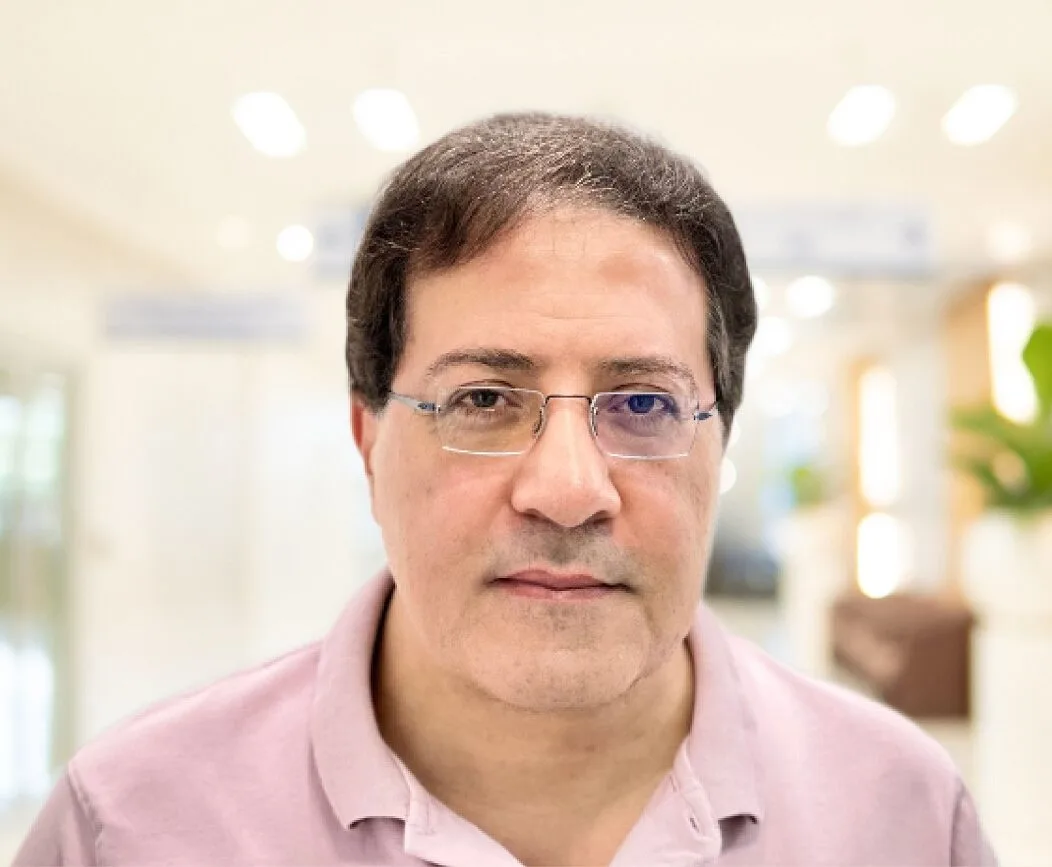
Dr. Osama Elzamzami
Découvrez nos services
Nous proposons une gamme complète d'examens IRM pour répondre à vos besoins diagnostiques.
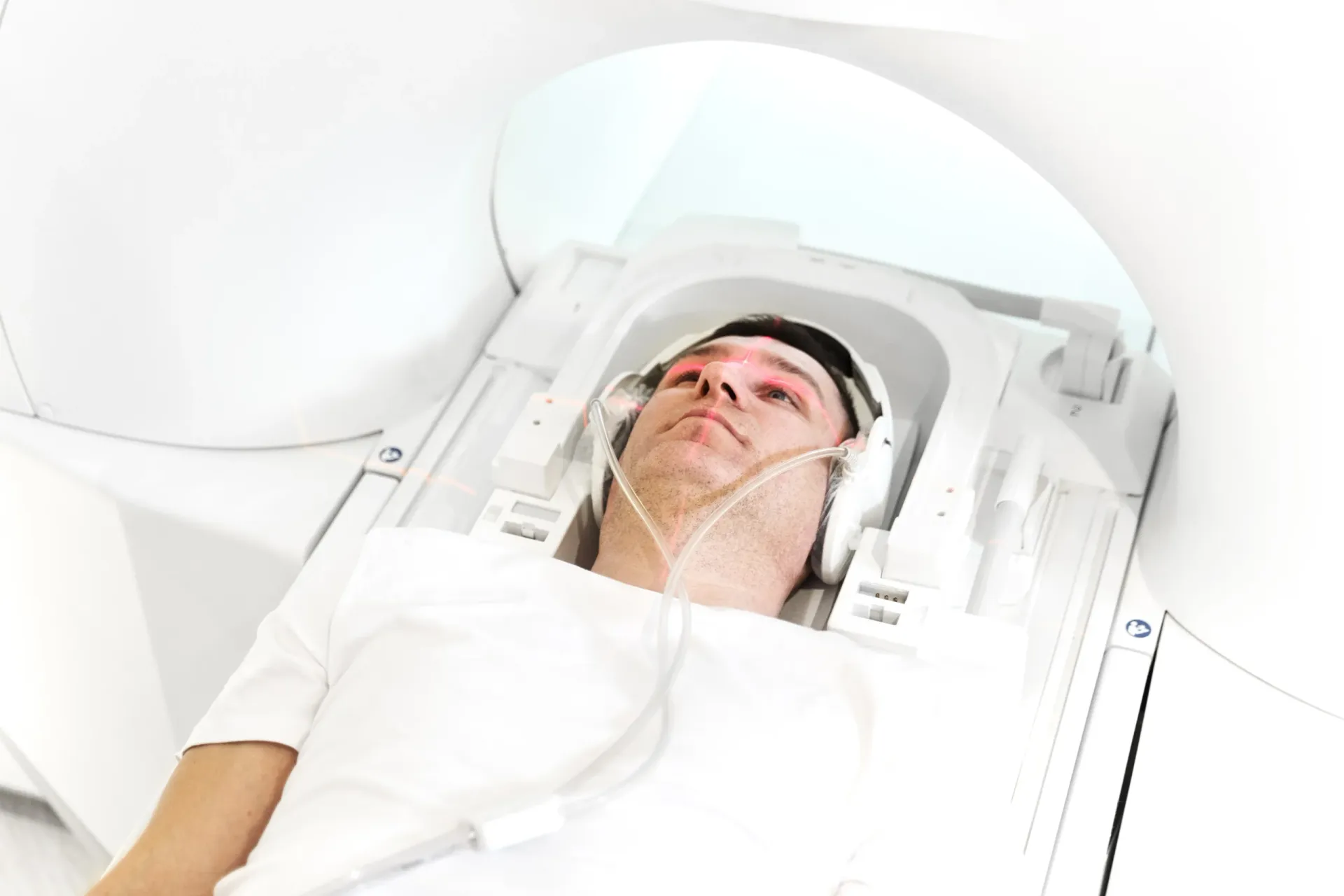
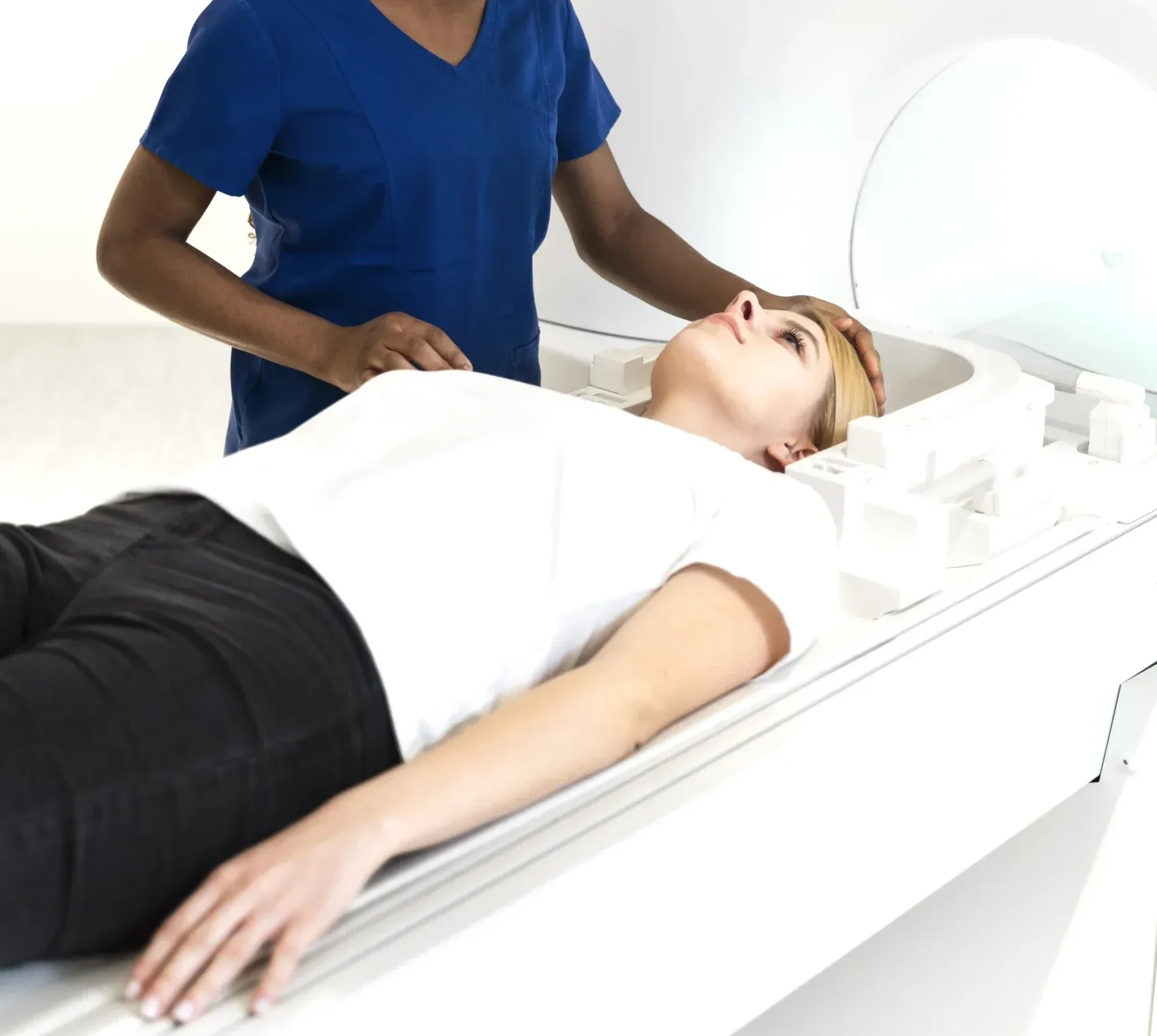
IRM Cérébrale
Imagerie détaillée pour les maux de tête, crises, symptômes neurologiques et tumeurs ou AVC suspectés.
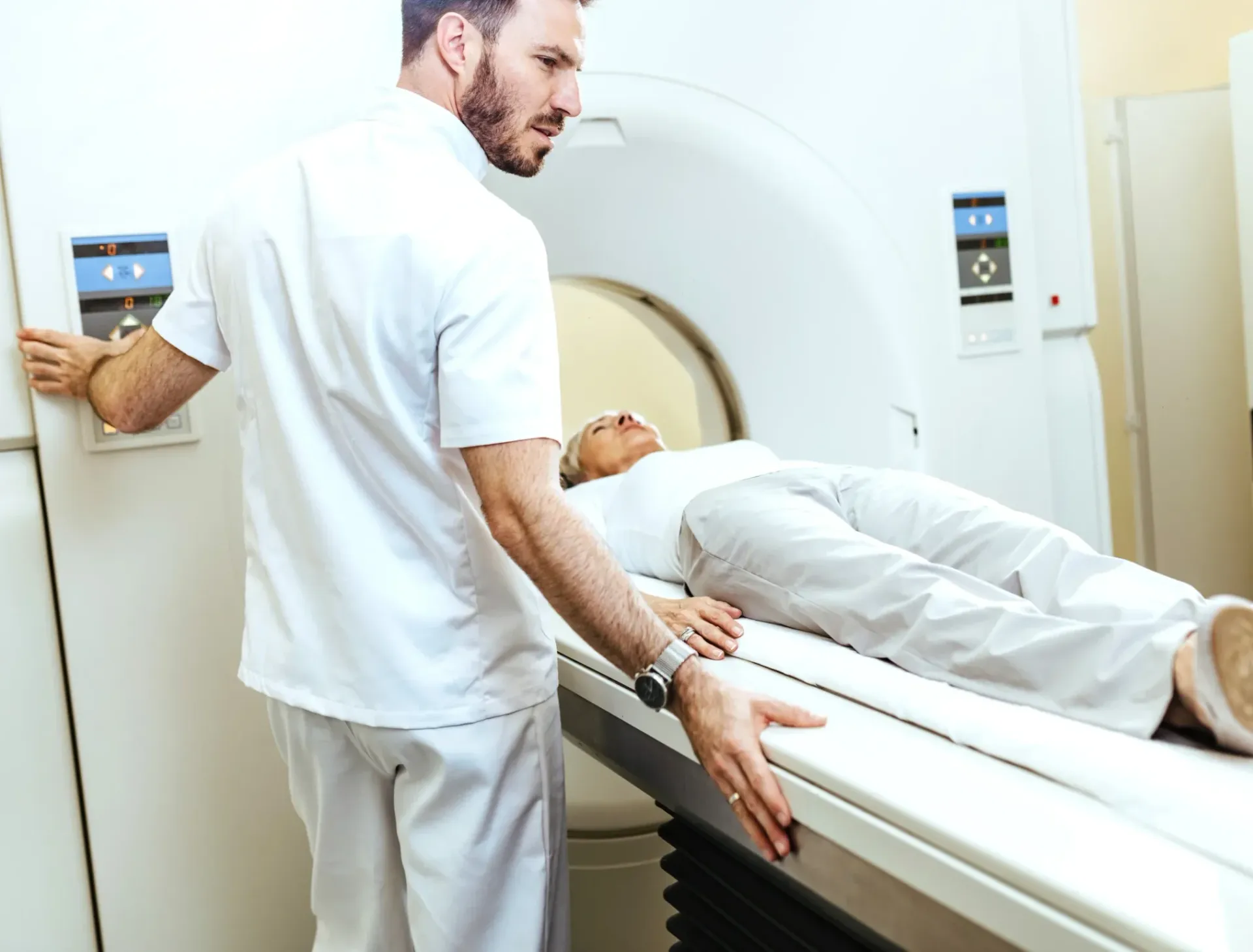
IRM Rachidienne
Évaluation des douleurs dorsales, hernies discales, sciatique et conditions de la moelle épinière.
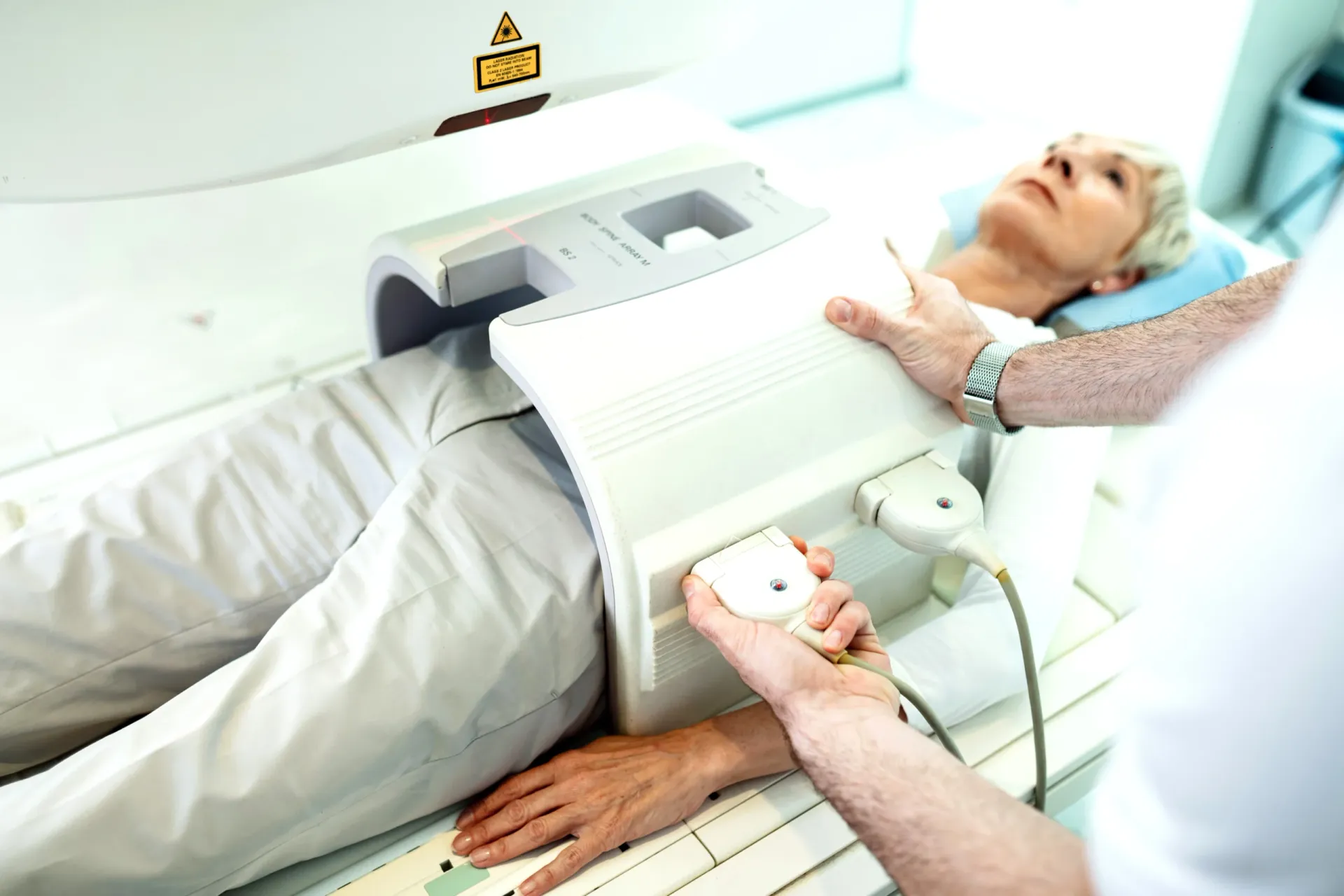
IRM Articulaire et Musculo-squelettique
Évaluation des blessures au genou, épaule, cheville, déchirures ligamentaires et dommages cartilagineux.
IRM Abdominale
Imagerie du foie, reins, pancréas et autres organes avec détail supérieur des tissus mous.
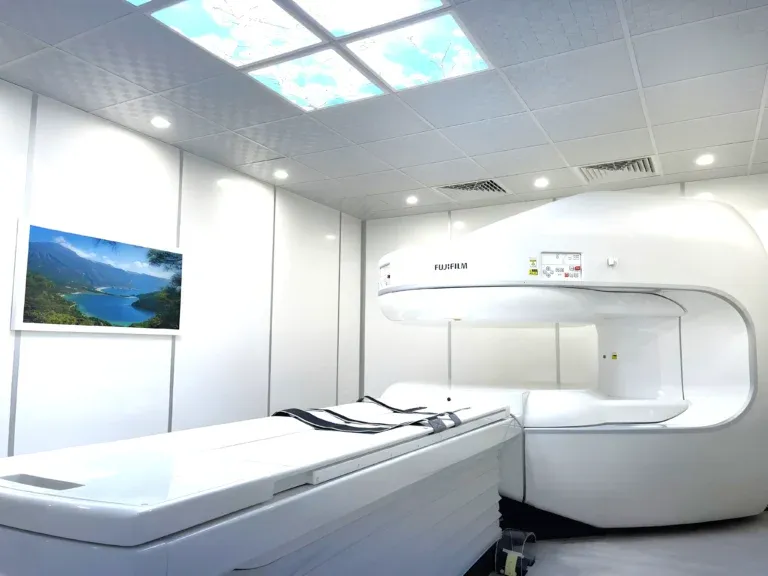
IRM Ouverte
Pas de tunnel fermé - idéal pour les patients qui trouvent les scanners standard inconfortables.
Tous les services realises par des specialistes agrees DHA
Qui Devrait Passer une IRM ?
L'IRM est recommandée lorsque les rayons X ou les scanners ne peuvent pas fournir suffisamment de détails - particulièrement pour les tissus mous, les articulations, le cerveau et la colonne vertébrale. Si votre médecin vous a référé pour une imagerie avancée, ou si vous souffrez de symptômes persistants nécessitant une investigation, l'IRM fournit la clarté nécessaire pour un diagnostic précis.
Douleurs chroniques du dos ou du cou, sciatique, ou problèmes discaux suspectés
Blessures sportives, douleurs articulaires, ou déchirures ligamentaires/cartilagineuses suspectées
Maux de tête persistants, vertiges, crises, ou symptômes neurologiques
Douleurs abdominales inexpliquées ou préoccupations concernant le foie, les reins ou le pancréas
Évaluation de l'arthrite ou anomalies de la moelle osseuse
Imagerie de suivi pour tumeurs, kystes ou masses de tissus mous
Pourquoi Choisir DCDC pour Votre IRM ?
Centre d'imagerie agréé MOHAP avec des radiologues sous-spécialistes, des options IRM à large ouverture et ouverte, et des résultats dans les 24 heures. Nous privilégions à la fois la précision diagnostique et le confort du patient.
Agréé MOHAP
Centre de diagnostic entièrement accrédité répondant aux normes internationales d'imagerie. Licence NIMY7VY5-240925.
Résultats Rapides
Rapports prêts dans les 18-24 heures. Rapports le jour même disponibles pour les cas urgents si cliniquement nécessaire.
Support Assurance
Facturation directe avec plus de 20 assureurs. Notre équipe gère la pré-autorisation pour que vous puissiez vous concentrer sur votre santé.
Emplacement Pratique
Bâtiment 64, Bloc A à Dubai Healthcare City. Parking gratuit et accès facile depuis les principaux quartiers.
Radiologues Sous-spécialistes
Chaque examen est revu par un radiologue spécialisé dans cette zone spécifique du corps. Cerveau, colonne vertébrale, articulations ou abdomen.
Expérience Patient
Note de 4.8/5 sur Google. Les patients apprécient la communication claire, l'environnement confortable et le service efficace.
Votre visite en tout confort
Un processus d'examen IRM simple, etape par etape, concu pour le confort, la rapidite et la precision.
Tarifs IRM
Les tarifs IRM à Dubaï varient selon le type de service et la couverture d'assurance pour différents types de services.
- Les tarifs varient selon le type d'examen et la necessite de produit de contraste
- Couverture d'assurance acceptee avec ordonnance et verification
- Tarifs transparents pour paiement direct avec devis instantane sur demande
Verification d'assurance en quelques minutes - Pas de frais caches - Reponse rapide sur WhatsApp
Guide du patient
À Quoi S'attendre Pendant Votre IRM
Le processus est simple. Voici ce qui se passe avant, pendant et après votre examen.
Assurance et localisation
Partenaires d'assurance
- •Plus de 20 assureurs à Dubaï dont Daman, AXA, ADNIC et d'autres
- •Assistance pré-autorisation et facturation directe (le cas échéant)
- •Vérification de la couverture avant votre rendez-vous dans notre clinique de Dubai Healthcare City
- •Tarification transparente sans frais cachés pour les services de irm








Rendez-nous visite a Dubai Healthcare City
Doctors Clinic Diagnostic Center
Batiment 64, Bloc A, Al Razi Medical Complex, Dubai Healthcare City, Dubai, EAU
Pres de Oud Metha Road - Acces facile depuis Bur Dubai, Downtown Dubai, Business Bay - Parking gratuit dedie disponible
Horaires d'ouverture
Lun-Jeu, Sam : 8h - 22h30 | Dim : 8h30 - 22h30 | Ven : 9h - 22h
Comment fonctionne l'assurance chez DCDC
Vérifier la couverture
Vérifiez que votre plan couvre IRM
Obtenir une référence
Certains assureurs exigent une référence du médecin — nous pouvons vous guider
Pré-autorisation
Nous gérons la pré-autorisation directement avec votre assureur
Facturation directe
Pas de paiement initial — nous facturons directement votre assureur
Co-paiement uniquement
Vous ne payez que le co-paiement applicable à la clinique
Vérifier la couverture
Vérifiez que votre plan couvre IRM
Obtenir une référence
Certains assureurs exigent une référence du médecin — nous pouvons vous guider
Pré-autorisation
Nous gérons la pré-autorisation directement avec votre assureur
Facturation directe
Pas de paiement initial — nous facturons directement votre assureur
Co-paiement uniquement
Vous ne payez que le co-paiement applicable à la clinique
Your Specialist
Dr. Osama Elzamzami
Consultant Radiologist
MD, Consultant Radiologist
Arabic · English
Guide du patient
Comprendre l'IRM (Imagerie par Résonance Magnétique)
L'IRM est une technique d'imagerie médicale non invasive utilisant des champs magnétiques puissants et des ondes radio pour produire des images détaillées des organes, des tissus mous et des os. L'IRM n'utilise pas de rayonnements ionisants, ce qui en fait un choix très sûr.
Au DCDC, plusieurs scanners IRM sont disponibles, dont un IRM ouvert pour les patients souffrant de claustrophobie ou en surpoids. Des techniciens IRM spécialisés supervisent l'examen, tandis que des radiologues expérimentés évaluent minutieusement les résultats.
Les résultats IRM sont généralement disponibles dans les 18 à 24 heures, avec un service de rapport d'urgence pour les cas critiques le jour même.
Conditions évaluées avec l'IRM
Troubles du système nerveux central
Diagnostic des tumeurs cérébrales, de la sclérose en plaques, des AVC, de l'épilepsie et des anomalies vasculaires cérébrales.
Maladies de la colonne vertébrale et des disques
Évaluation des hernies discales, sténoses spinales, lésions vertébrales et douleurs dorsales chroniques.
Lésions articulaires et maladies du cartilage
Imagerie des ruptures de ligaments et du LCA et lésions du cartilage du genou, épaule et autres articulations.
Maladies hépatiques et abdominales
Imagerie du foie, pancréas, reins et rate pour détecter les tumeurs, fibroses et anomalies structurelles.
Tumeurs et masses des tissus mous
Évaluation des tumeurs des tissus mous et distinction entre tumeurs bénignes et malignes.
Maladies cardiaques et grands vaisseaux
IRM cardiaque pour évaluer la fonction cardiaque, les anomalies congénitales et la fonction ventriculaire.
Articles associés
Complete Guide to MRI Scan in Dubai
A comprehensive guide covering MRI types, preparation, what to expect during the scan, and how to understand your results.
Brain MRI in Dubai: What It Detects & Cost
When you need a brain MRI, what it detects, costs in Dubai, and how to prepare for your scan.
Knee MRI in Dubai: What It Shows & Cost
Complete guide to knee MRI for ACL tears, meniscal injuries, and cartilage damage in Dubai.
Spine MRI in Dubai: Cost & What It Shows
Spine MRI for herniated discs, sciatica, and spinal stenosis with pricing guide for Dubai.
Services connexes
Decouvrez d'autres services de diagnostic et de consultation disponibles dans notre clinique de Dubai Healthcare City.
Questions frequentes
Questions courantes sur IRM a Dubai.
La plupart des examens durent 20-45 minutes. L'IRM cérébrale dure généralement 30-40 minutes, l'IRM rachidienne environ 45-60 minutes. Les études complexes couvrant plusieurs zones prennent plus de temps. Vous pouvez demander des pauses si nécessaire.
Non, c'est complètement indolore. Pas d'aiguilles et pas de radiation. Vous entendrez des bruits de tapotement forts - c'est normal. Nous fournissons des écouteurs avec de la musique, et vous pouvez communiquer avec le technicien tout au long.
Notre scanner à large ouverture a une ouverture de 70cm - beaucoup plus grande que les machines standard. Pour les patients qui ont besoin de plus d'espace, nous proposons l'IRM ouverte sans tunnel fermé. Informez-nous lors de la réservation pour que nous puissions vous accommoder.
Oui, pour la couverture d'assurance. Si vous n'en avez pas, nos médecins généralistes peuvent fournir une référence - souvent le même jour que votre examen.
Généralement oui. Les examens abdominaux ou pelviens peuvent nécessiter 4-6 heures de jeûne. Nous vous donnerons des instructions spécifiques lors de la réservation.
De nombreux implants modernes sont compatibles IRM. Informez-nous de tout métal dans votre corps lors de la réservation. Nous vérifierons la sécurité avec la documentation du fabricant avant votre examen.
L'IRM n'utilise pas de radiation, ce qui la rend plus sûre que le scanner. Cependant, elle est généralement évitée au premier trimestre sauf si médicalement nécessaire. Informez-nous toujours si vous êtes enceinte.
L'IRM utilise des champs magnétiques (pas de radiation) et excelle dans l'imagerie des tissus mous, du cerveau, de la colonne vertébrale et des articulations. Le scanner utilise des rayons X, est plus rapide et est meilleur pour les os, les traumatismes et les conditions pulmonaires. Votre médecin recommandera le bon.
Faits cles
Supervision medicale
Tous les services sont fournis sous la supervision de professionnels medicaux agrees dans notre etablissement accredite MOHAP.