Mga Pangunahing Punto
- Research shows a 4x greater pregnancy rate in the first 3 months after HSG compared to any other 3-month interval during fertility treatment.
- Oil-based contrast during HSG produces a 39.7% ongoing pregnancy rate within 6 months, compared to 29.1% with water-based contrast (H2Oil Trial, NEJM 2017).
- It is safe to try conceiving in the same menstrual cycle as your HSG test — there is no required waiting period.
- The fertility-enhancing effect of HSG peaks during the first 1 to 3 months after the procedure, then gradually declines over 2 years.
- Tubal factor infertility accounts for 25 to 30 percent of female infertility, and HSG is the recommended first-line test for tubal patency (NICE CG156).
- The 3-year cumulative pregnancy rate after oil-based HSG is 77%, compared to 71% with water-based contrast.
- If you do not conceive within 6 months of HSG, your doctor may recommend further investigations such as laparoscopy, hormone testing, or assisted reproduction.
- DCDC in Dubai Healthcare City offers comprehensive fertility assessments starting from AED 1,500, including HSG with experienced specialist radiologists.
If you have recently had an HSG or are about to schedule one, the question on your mind is almost certainly: what are my chances of pregnancy after HSG test? You are not alone in asking. Thousands of women across Dubai and the wider UAE undergo hysterosalpingography every year as part of their fertility workup, and the encouraging news is that the procedure itself appears to improve your odds of conceiving — sometimes dramatically. In this evidence-based guide, the fertility and women's health team at Doctors Clinic Diagnostic Center (DCDC) in Dubai Healthcare City walks you through the latest research on post-HSG pregnancy rates, the difference between oil-based and water-based contrast, what symptoms to watch for, and practical steps you can take to maximise your chances of a positive pregnancy test in the months ahead.
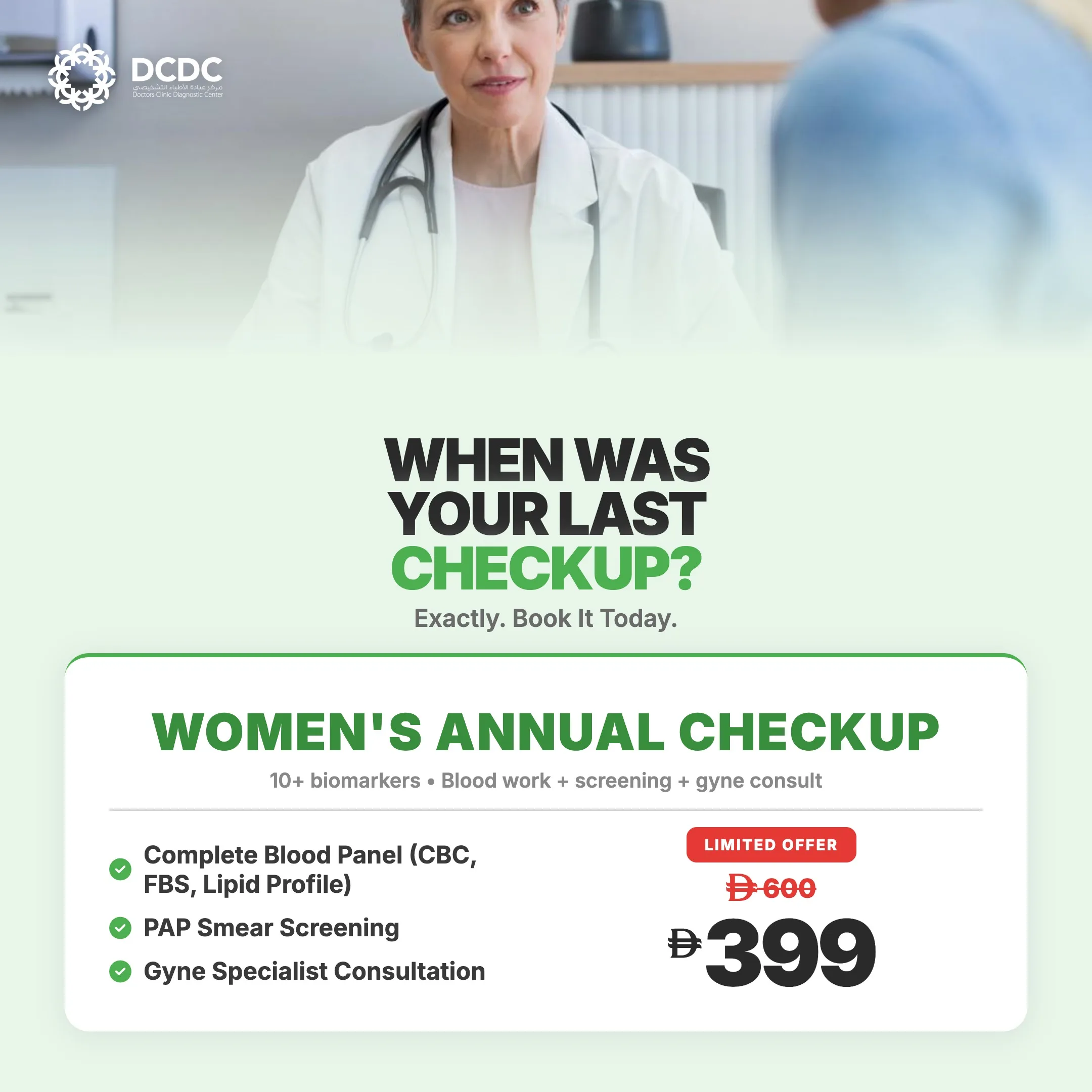
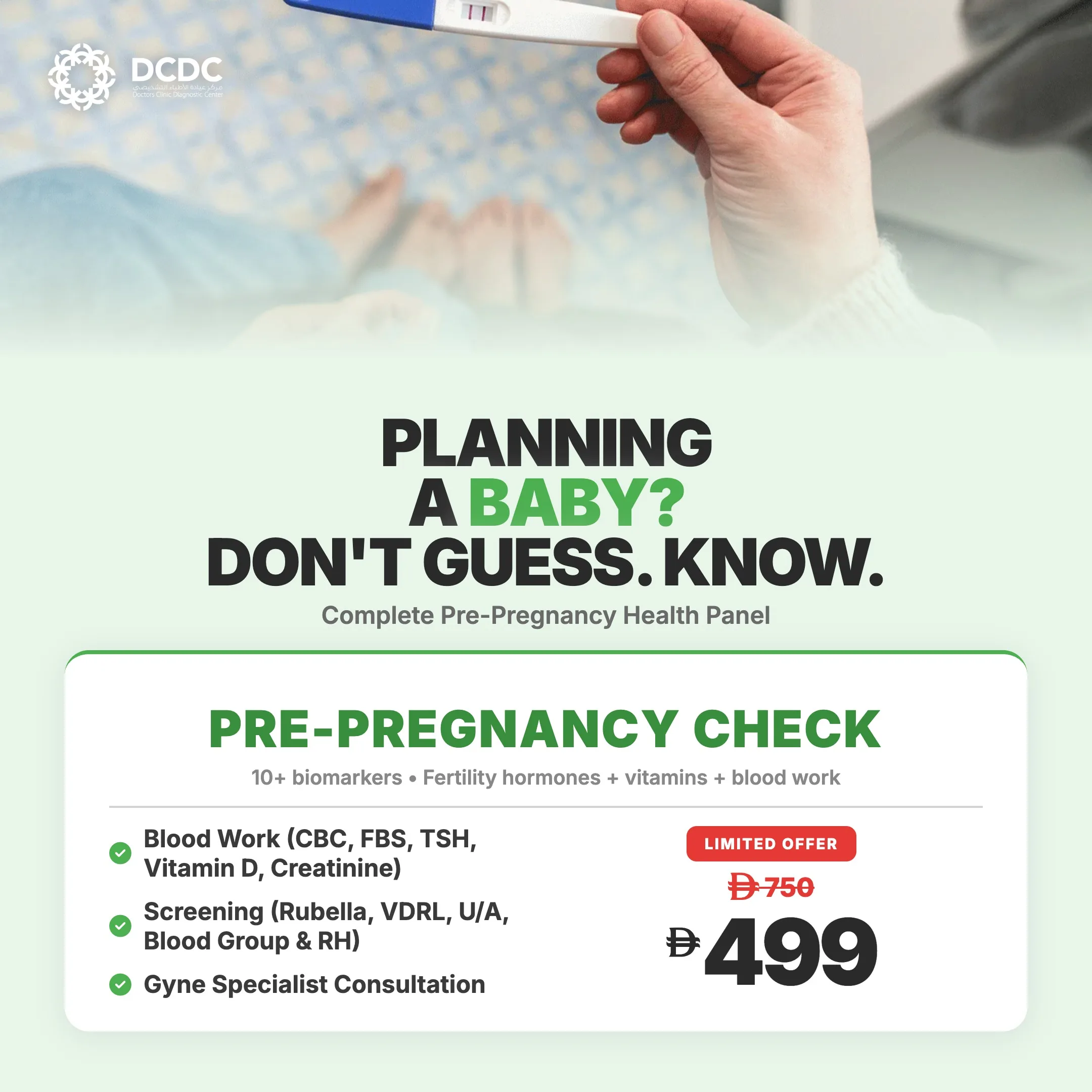
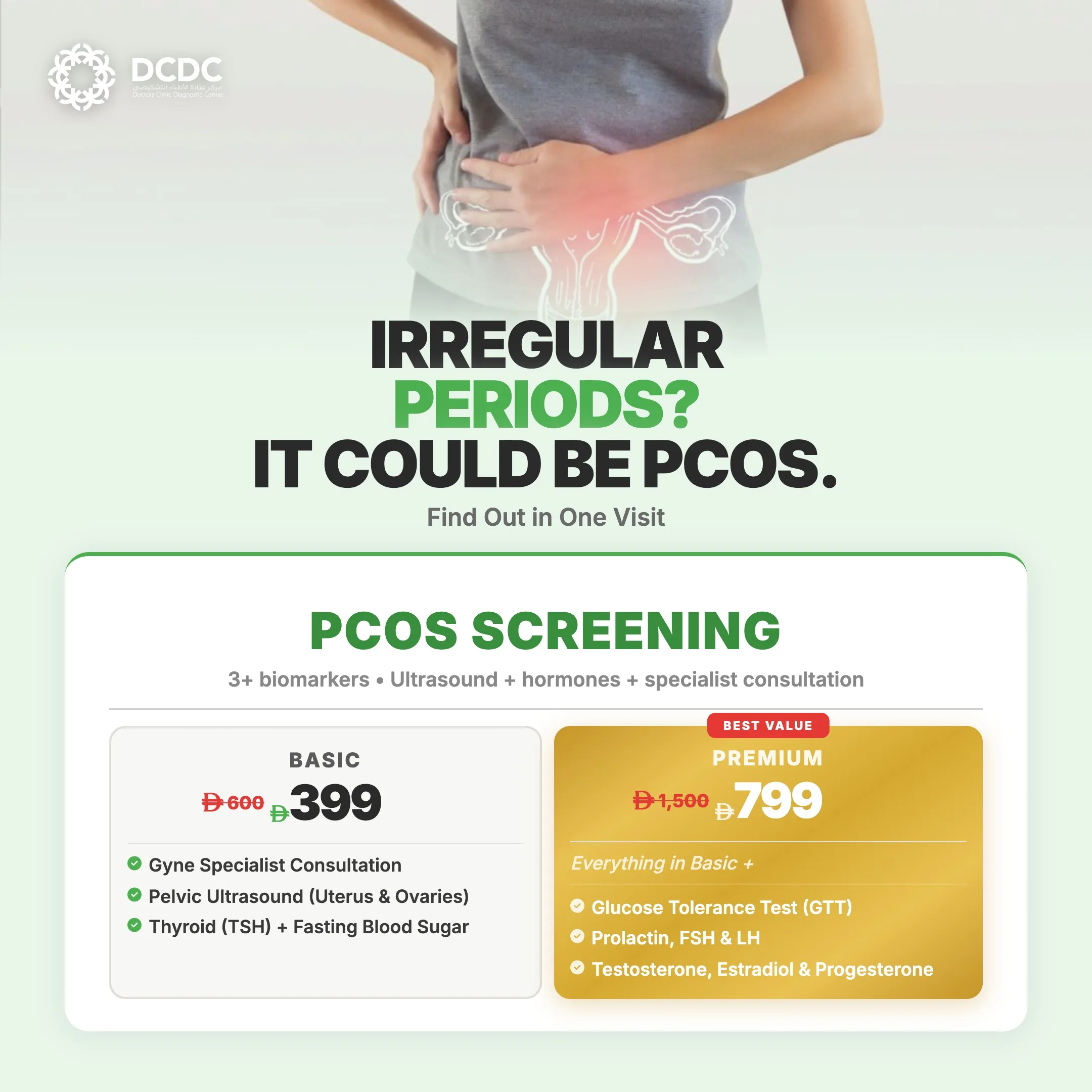
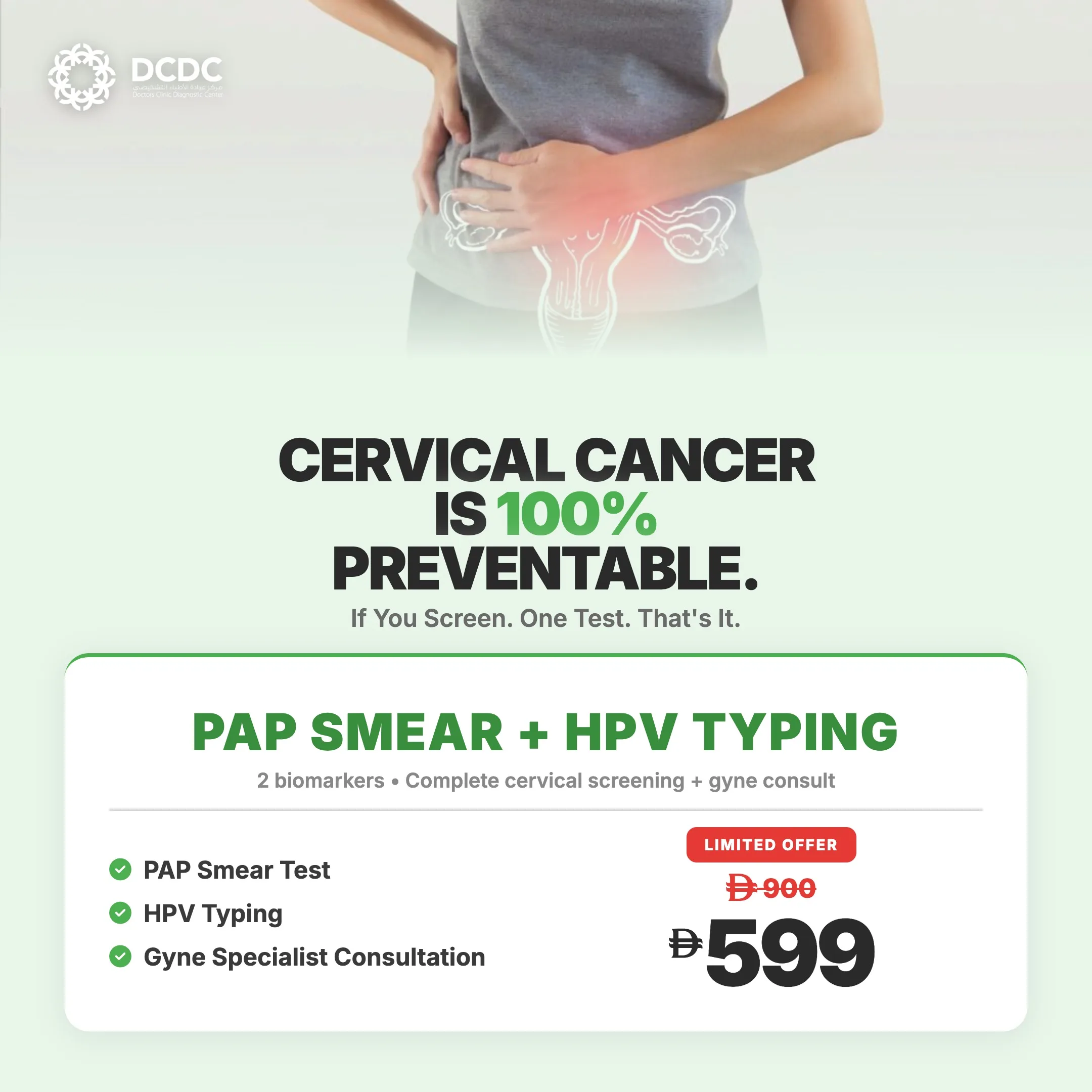
Health Screening Packages
Save with our bundled screening packages — specialist consultation included


What Is an HSG Test and How Does It Improve Fertility?
A hysterosalpingography (HSG) is an X-ray based imaging procedure in which contrast dye is gently injected through the cervix, filling the uterine cavity and flowing into the fallopian tubes. The resulting real-time fluoroscopy images allow your radiologist to assess whether your tubes are open (patent), partially blocked, or completely obstructed. HSG also reveals uterine abnormalities such as polyps, fibroids, or congenital malformations that may affect implantation. Understanding the relationship between pregnancy after HSG test outcomes and the procedure itself begins with appreciating that HSG is both a diagnostic tool and, as growing evidence suggests, a therapeutic one.
For many women in Dubai, HSG is the first step in a structured fertility assessment. The National Institute for Health and Care Excellence (NICE CG156) recommends HSG as the first-line tubal patency test for women who are not known to have conditions such as pelvic inflammatory disease or endometriosis. The procedure typically takes 15 to 30 minutes and does not require general anaesthesia, making it accessible, relatively affordable, and remarkably informative. For a full breakdown of what the procedure involves and current pricing in the UAE, see our detailed guide to HSG test cost in Dubai.
What sets HSG apart from many diagnostic tests is its well-documented fertility-enhancing effect. Since the 1950s, clinicians have observed that women who undergo HSG often conceive at higher rates in the months that follow — even when the test results are entirely normal and the tubes are confirmed open. This phenomenon, known as the tubal flushing effect, has been the subject of multiple clinical trials and meta-analyses, and it remains one of the most discussed topics in reproductive medicine.
Can HSG Increase Your Chances of Getting Pregnant?
Yes, and the evidence is robust. Multiple large-scale studies have confirmed that pregnancy rates increase significantly in the months following HSG. Data from randomised controlled trials show a 4x greater pregnancy rate in the first 3 months after HSG compared to any other 3-month interval during the fertility treatment timeline. This is not a marginal benefit — it represents a meaningful and clinically significant improvement in your chances of conceiving naturally.
The mechanism behind this improvement is not fully understood, but several theories are supported by clinical evidence. The physical flushing of the fallopian tubes may dislodge mucus plugs, small debris, or minor adhesions that were impeding the passage of eggs or sperm. The contrast dye may also have an immunomodulatory effect on the tubal lining, creating a more favourable environment for fertilisation and early embryo transport. Whatever the precise mechanism, the clinical outcome is consistent: women who undergo HSG conceive more frequently in the months that follow.
A 2020 Cochrane Review examining tubal flushing for subfertility concluded that if the baseline live birth rate is 11%, using oil-based contrast during HSG raises that rate to somewhere between 16% and 46%. This wide range reflects differences across study populations, but even the lower bound represents a meaningful improvement. For women who have been struggling with unexplained infertility, this fertility boost can be the difference between conceiving naturally and needing to progress to more invasive treatments.
Pregnancy Success Rates After HSG: What Research Shows
The most influential study on pregnancy after HSG is the H2Oil Trial, published in the New England Journal of Medicine in 2017. This multicentre randomised controlled trial enrolled 1,119 women undergoing fertility evaluation at 27 hospitals in the Netherlands. Participants were randomly assigned to receive HSG with either oil-based contrast (Lipiodol) or water-based contrast. The results were striking and have shaped clinical practice worldwide.
| Outcome Measure | Oil-Based Contrast (Lipiodol) | Water-Based Contrast |
|---|---|---|
| Ongoing pregnancy rate within 6 months | 39.7% | 29.1% |
| Absolute difference in pregnancy rate | +10.6 percentage points | Reference |
| 3-year cumulative pregnancy rate | 77% | 71% |
| Hazard ratio immediately post-HSG | 1.71 (favouring oil-based) | 1.0 (reference) |
| Time for fertility effect to decline to baseline | Approximately 2 years | Approximately 2 years |
| Study population | 1,119 women across 27 hospitals | Same cohort, randomised |
Key findings from the H2Oil Trial (NEJM 2017) and 3-year follow-up study (PMC 2022). Oil-based contrast showed consistently higher pregnancy rates.
The 3-year follow-up data, published in 2022, confirmed that the fertility-enhancing effect of oil-based HSG persists beyond the initial 6-month window. The hazard ratio of 1.71 immediately after the procedure means that women who received oil-based contrast were 71% more likely to become pregnant in the early months compared to those who received water-based contrast. This advantage gradually tapered, returning to baseline at approximately 2 years post-procedure. These findings have led many Dubai fertility clinics, including DCDC, to discuss contrast agent options with patients as part of their pre-procedure counselling.
A separate meta-analysis published in PMC in 2023 corroborated these findings across a broader range of studies, confirming that oil-based contrast is associated with higher pregnancy rates and live birth rates compared to water-based alternatives. The evidence is now sufficiently strong that many reproductive medicine specialists consider the type of contrast agent a clinically important decision rather than a purely technical one.
The Tubal Flushing Effect: Why HSG May Boost Fertility
The tubal flushing effect refers to the observed increase in fertility that follows the physical passage of contrast dye through the fallopian tubes during HSG. This effect has been documented in medical literature for over seven decades, and multiple mechanisms have been proposed to explain it. Understanding these mechanisms can help you appreciate why HSG is not merely a diagnostic step but a potentially therapeutic intervention in your fertility journey.
Mechanical Clearance of Tubal Debris
The most intuitive explanation is mechanical. The pressurised injection of contrast dye through the fallopian tubes may dislodge mucus plugs, cellular debris, or minor adhesions that were partially obstructing the tubal lumen. Even a small reduction in tubal patency can significantly impair the passage of an egg from the ovary to the uterus, or the movement of sperm upward toward the egg. By clearing these minor obstructions, HSG may restore normal tubal function without the need for surgical intervention.
Immunomodulatory Effects on the Tubal Lining
Research suggests that contrast dye, particularly oil-based Lipiodol, may have anti-inflammatory or immunomodulatory effects on the tubal and endometrial lining. The oil-based contrast appears to reduce the activity of certain immune cells in the tubal mucosa that may otherwise interfere with fertilisation or early embryo implantation. This theory is supported by the consistently higher pregnancy rates observed with oil-based contrast compared to water-based alternatives across multiple studies.
Endometrial Receptivity Enhancement
Some researchers have proposed that the contrast dye may improve endometrial receptivity — the readiness of the uterine lining to accept an implanting embryo. The physical distension of the uterine cavity during HSG may trigger biological signalling pathways that enhance the endometrium's ability to support implantation. While this mechanism requires further study, it offers an additional explanation for why pregnancy rates increase even in women whose HSG results show no tubal blockages.
Oil-Based vs Water-Based Contrast: Which Helps More?
The choice between oil-based and water-based contrast during HSG is one of the most important decisions affecting your post-procedure pregnancy chances. The evidence strongly favours oil-based contrast for fertility outcomes, though both types are effective for the diagnostic purpose of visualising tubal patency. Here in Dubai, both options are available at most fertility centres, and your doctor can help you weigh the benefits and considerations for your specific situation.
| Feature | Oil-Based Contrast (Lipiodol) | Water-Based Contrast |
|---|---|---|
| 6-month pregnancy rate | 39.7% | 29.1% |
| 3-year cumulative pregnancy rate | 77% | 71% |
| Fertility boost mechanism | Mechanical flushing + immunomodulatory effects | Primarily mechanical flushing |
| Image quality | Excellent — high contrast density | Good — adequate for diagnosis |
| Absorption | Slow (may remain in tubes for days) | Rapid (absorbed within hours) |
| Typical cost in Dubai | from AED 2,000 | from AED 1,200 |
| Recommended by evidence | Preferred for fertility-enhancing effect | Acceptable diagnostic alternative |
Comparison based on H2Oil Trial data (NEJM 2017) and 3-year follow-up (PMC 2022). Oil-based contrast consistently demonstrates superior pregnancy outcomes.
The 10.6 percentage point difference in ongoing pregnancy rates at 6 months is clinically significant. For every 10 women who receive oil-based contrast instead of water-based, approximately 1 additional woman will achieve an ongoing pregnancy within 6 months. Over 3 years, the gap narrows but oil-based contrast still maintains a lead. These findings from the H2Oil Trial have been independently confirmed by subsequent meta-analyses and are now widely accepted in the reproductive medicine community.
It is worth noting that oil-based contrast may carry a slightly higher risk of certain rare complications, including lipid granuloma formation in very rare cases. Your radiologist and gynaecologist will assess your individual risk factors and help you make an informed choice. At DCDC in Dubai Healthcare City, we discuss contrast options with every patient as part of our pre-procedure consultation, ensuring you understand the potential benefits and considerations before your HSG.
How Soon After HSG Can You Get Pregnant?
One of the most common questions women ask is whether they need to wait before trying to conceive after HSG. The reassuring answer is that it is safe to try conceiving in the same menstrual cycle as your HSG test. There is no medical requirement to wait, and in fact, the evidence suggests that the fertility-enhancing effect begins immediately and is strongest in the very first months after the procedure.
Research data shows that your chances of conceiving increase by approximately 25% for up to 3 months following HSG. The hazard ratio of 1.71 immediately after the procedure, as documented in the 3-year follow-up study, means you are significantly more likely to become pregnant in the early weeks and months after your test compared to any other point in your fertility timeline. This window of enhanced fertility is sometimes referred to as the golden window by fertility specialists.
The Peak Fertility Window
The peak fertility effect occurs in months 1 to 3 after HSG. During this period, the tubal flushing effect is at its maximum, and your tubes are at their most patent. If you are tracking ovulation through basal body temperature, ovulation predictor kits, or ultrasound monitoring, this is the time to focus your efforts. Many women who conceive after HSG do so within this critical 3-month window, which is why your fertility team may encourage timed intercourse or even plan an IUI cycle to coincide with this period of enhanced fertility.
Months 4 to 6: Still Above Baseline
While the fertility-enhancing effect is strongest in the first 3 months, it remains above baseline through month 6. The H2Oil Trial data shows that the majority of post-HSG pregnancies occur within this 6-month window. If you have not conceived by month 6, it does not mean the procedure has failed — it simply means the enhanced fertility effect is beginning to wane, and your doctor may wish to reassess your treatment plan.
Beyond 6 Months: Gradual Decline
The 3-year follow-up data shows that the fertility advantage from HSG gradually declines, reaching baseline (hazard ratio 1.0) at approximately 2 years post-procedure. However, the 3-year cumulative pregnancy rate of 77% with oil-based contrast demonstrates that many women do conceive beyond the initial 6-month window. If you have not conceived within 6 months, this does not mean hope is lost — but it may be time to discuss additional fertility interventions with your specialist.
Book Your HSG Fertility Assessment at DCDC
Take advantage of the post-HSG fertility window. Our experienced team at DCDC Dubai Healthcare City offers comprehensive HSG testing and fertility assessment from AED 1,500. Contact us to schedule your appointment.
Call +971 4 450 4194 or book online
Early Signs and Symptoms of Pregnancy After HSG
In the weeks following your HSG, you will naturally be alert to any signs that could indicate pregnancy. While every woman's experience is unique, there are several early symptoms that commonly appear between 3 and 6 weeks after conception. It is important to distinguish between normal post-HSG side effects and genuine early pregnancy signs. For a complete overview of what to expect after the procedure itself, see our guide on HSG test side effects and recovery.
Common Early Pregnancy Signs to Watch For
- Missed period: The most reliable early sign. If your period is late by more than a few days after a cycle in which you were trying to conceive post-HSG, take a home pregnancy test.
- Implantation bleeding: Light spotting or brown discharge approximately 6 to 12 days after ovulation may indicate embryo implantation. This is typically lighter and shorter than a normal period.
- Breast tenderness and swelling: Hormonal changes in early pregnancy often cause breast sensitivity, fullness, or soreness that feels different from typical premenstrual symptoms.
- Fatigue: Rising progesterone levels in early pregnancy can cause pronounced tiredness, often appearing within the first 2 to 3 weeks after conception.
- Nausea or morning sickness: Though more commonly associated with weeks 6 to 8, some women experience mild nausea earlier, particularly in the morning or when exposed to strong smells.
- Frequent urination: Increased blood volume and hormonal shifts can lead to more frequent trips to the bathroom, sometimes noticeable within the first few weeks.
- Mild cramping: Light cramping without heavy bleeding can be a sign of implantation or early uterine changes as pregnancy begins. This should be distinguished from the cramping that can occur in the first 24 to 48 hours after HSG, which is a normal post-procedure effect.
- Elevated basal body temperature: If you are tracking your BBT, a sustained rise beyond your typical luteal phase length can be an early indicator of pregnancy.
If you notice any of these symptoms in the weeks following your HSG, take a home pregnancy test on the day your period is expected or shortly after. If the result is positive, schedule a confirmation appointment with your gynaecologist and plan an early pregnancy scan to confirm viability and check for a fetal heartbeat, typically performed between weeks 6 and 8.
Month-by-Month Timeline After Your HSG Test
Understanding what to expect at each stage after your HSG can help reduce anxiety and ensure you are taking the right steps at the right time. Here is a practical month-by-month guide for the first 6 months after your procedure, based on clinical guidelines and the research data we have discussed.
Month 1: Immediate Recovery and First Cycle
In the first few days after HSG, you may experience mild cramping, light spotting, and some vaginal discharge as the contrast dye is expelled. These symptoms typically resolve within 48 hours. You can begin trying to conceive in this same cycle — there is no need to wait. If your HSG was performed during the follicular phase (before ovulation), you may ovulate normally within that same cycle and have the opportunity to conceive right away. Track your ovulation using your preferred method and time intercourse accordingly.
Months 2 to 3: The Golden Window
This is your peak fertility window after HSG. The tubal flushing effect is at its strongest, and your statistical chance of conceiving is at its highest. Focus on consistent, well-timed intercourse around ovulation. Many fertility specialists in Dubai recommend every-other-day intercourse from cycle day 10 through cycle day 16 to maximise your chances. If your doctor has prescribed any supplementary medications such as clomiphene or letrozole, adherence to the prescribed regimen is especially important during this window.
Months 4 to 6: Continued Opportunity
The fertility-enhancing effect remains above baseline during this period, though it is beginning to decline. Continue your efforts with optimism — the H2Oil Trial data shows that a significant proportion of post-HSG pregnancies occur in months 4 to 6. If you are not pregnant by month 6, schedule a follow-up appointment with your fertility specialist to review your progress and discuss next steps. This is a standard checkpoint in most Dubai fertility clinics, not a sign that something is wrong.
What to Do If You Don't Get Pregnant After HSG
If 6 months have passed since your HSG and you have not conceived, it is important to remember that this is not uncommon and does not mean your fertility journey is over. Even with the fertility-enhancing effect of HSG, conception depends on many factors including ovulation regularity, sperm quality, endometrial receptivity, and timing. Your specialist will want to review all of these factors before recommending next steps.
Recommended Next Steps
- Comprehensive hormone panel: Blood tests to assess FSH, LH, AMH, oestradiol, thyroid function, and prolactin levels can reveal hormonal imbalances that may be impeding conception. Hormone panel testing is available from AED 300 to AED 600 at most Dubai fertility centres.
- Partner semen analysis: Male factor infertility contributes to approximately 40 to 50% of all infertility cases. If a semen analysis has not been performed, this is an essential next step.
- Pelvic ultrasound: A detailed pelvic ultrasound can evaluate ovarian reserve (antral follicle count), assess endometrial thickness, and identify conditions such as polycystic ovaries, fibroids, or endometriomas that may affect fertility.
- Laparoscopy: If HSG suggested possible tubal abnormalities or if unexplained infertility persists, your gynaecologist may recommend diagnostic laparoscopy to directly visualise the pelvic organs and address any endometriosis or adhesions.
- Assisted reproductive technologies: Depending on your specific diagnosis, intrauterine insemination (IUI) or in vitro fertilisation (IVF) may be recommended. Your specialist will discuss the most appropriate option based on your age, diagnosis, and treatment history.
Tubal factor infertility accounts for 25 to 30% of female infertility cases globally. If your HSG identified partial or complete tubal blockage, your doctor may have already initiated discussions about surgical correction or IVF. For women with unexplained infertility and normal HSG results, the fact that you did not conceive within 6 months simply means additional investigation is warranted — it does not indicate that you cannot conceive.
Tips to Maximise Your Chances of Conceiving After HSG
While the tubal flushing effect from HSG provides a meaningful fertility boost, there are several evidence-based steps you can take to further improve your chances of conceiving during the enhanced fertility window. These recommendations complement the benefit you have already gained from the procedure.
- Track your ovulation precisely: Use ovulation predictor kits (OPKs), basal body temperature charting, or fertility apps to identify your most fertile days. Timed intercourse within 24 to 36 hours of a positive OPK maximises conception chances.
- Maintain a healthy weight: Both underweight and overweight BMI categories can disrupt ovulation. A BMI between 18.5 and 24.9 is associated with optimal fertility outcomes.
- Take prenatal vitamins with folic acid: Begin taking 400 to 800 micrograms of folic acid daily at least one month before trying to conceive. This supports early embryonic development and reduces the risk of neural tube defects.
- Limit caffeine and avoid alcohol: Research suggests that more than 200mg of caffeine per day (roughly 2 cups of coffee) may reduce fertility. Alcohol consumption should be minimised or eliminated while trying to conceive.
- Manage stress proactively: While the direct link between stress and infertility is debated, chronic stress can disrupt hormonal balance and ovulation. Consider yoga, mindfulness, or counselling as part of your fertility support plan.
- Ensure adequate sleep: Sleep disruption can affect luteinising hormone (LH) and follicle-stimulating hormone (FSH) secretion. Aim for 7 to 9 hours of quality sleep per night.
- Address any underlying health conditions: Conditions such as thyroid dysfunction, polycystic ovary syndrome (PCOS), or diabetes can significantly impact fertility. Work with your doctor to ensure these are optimally managed.
- Discuss supplements with your doctor: CoQ10, vitamin D, and omega-3 fatty acids have shown promise in supporting fertility in some studies. Always consult your healthcare provider before starting any new supplement.
Remember that fertility is a shared responsibility. Encourage your partner to also adopt healthy lifestyle habits including regular exercise, a balanced diet, adequate hydration, and avoidance of excessive heat exposure to the reproductive organs. These combined efforts can create the best possible conditions for conception during the post-HSG fertility window.
HSG Test and Fertility Assessment at DCDC Dubai
At Doctors Clinic Diagnostic Center (DCDC) in Dubai Healthcare City, we provide comprehensive fertility assessment services designed to give you the clearest possible picture of your reproductive health. Our HSG testing is performed by experienced specialist radiologists using modern fluoroscopy equipment, and we offer both oil-based and water-based contrast options. With over 13 years of operation and more than 1,000 diagnostic scans performed every month, DCDC combines the clinical expertise of a specialist centre with the personal attention of a boutique practice.
| Service | Estimated Cost (AED) | What Is Included |
|---|---|---|
| HSG Fertility Assessment Package | from AED 1,500 | HSG procedure, contrast dye, fluoroscopy imaging, radiologist report, and follow-up consultation |
| HSG Test (procedure only) | from AED 1,200–2,500 | HSG procedure with water-based or oil-based contrast, real-time imaging, and written report |
| Fertility Consultation | from AED 500–800 | One-on-one consultation with a gynaecologist specialising in reproductive medicine |
| Hormone Panel Testing | from AED 300–600 | Blood tests for FSH, LH, AMH, oestradiol, prolactin, and thyroid function |
| Pelvic Ultrasound | from AED 400–800 | Transvaginal ultrasound to assess ovarian reserve, endometrial thickness, and uterine anatomy |
Fertility assessment pricing at DCDC Dubai Healthcare City (2026). Prices are approximate and may vary based on insurance coverage and individual clinical requirements. Contact us for a personalised quote.
Our multidisciplinary team includes gynaecologists, radiologists, and laboratory specialists who work together to provide an integrated fertility assessment experience. We accept most major insurance providers in the UAE, and our patient services team can assist with pre-authorisation to help minimise your out-of-pocket costs. For women who are self-paying, we provide transparent pricing with no hidden fees.
DCDC is located in Building 27, Dubai Healthcare City, with convenient access from Sheikh Zayed Road and Al Khail Road. Free validated parking is available for all patients. We understand that the fertility journey can be emotionally challenging, and our team is committed to providing compassionate, evidence-based care at every step.
Start Your Fertility Assessment at DCDC Dubai Healthcare City
Our experienced team offers HSG testing and comprehensive fertility assessments in a supportive, patient-centred environment. With competitive pricing from AED 1,500 and insurance support, we make quality fertility diagnostics accessible.
Call +971 4 450 4194, WhatsApp +971 56 526 3877, or book online
Frequently Asked Questions About Pregnancy After HSG
Below are answers to the most common questions we receive from patients at DCDC about conceiving after a hysterosalpingography. If your question is not addressed here, please do not hesitate to contact our team directly.
Kaugnay na Serbisyo sa DCDC
Dalubhasang pangangalaga at advanced diagnostics sa Dubai Healthcare City
Frequently Asked Questions
Final Thoughts
The evidence is clear: HSG is more than just a diagnostic test. For many women, it represents a genuine therapeutic opportunity. With oil-based contrast producing a 39.7% ongoing pregnancy rate within 6 months and a 3-year cumulative rate of 77%, the post-HSG window is one of the most favourable periods in the fertility journey. If you are preparing for HSG or have recently had the procedure, the first 3 months represent your best opportunity to conceive naturally.
At Doctors Clinic Diagnostic Center (DCDC) in Dubai Healthcare City, our multidisciplinary team is committed to supporting you through every stage of your fertility assessment. From HSG testing with expert radiologists to comprehensive hormone panels and pelvic ultrasound, we provide the diagnostic clarity you need to make informed decisions about your path to parenthood. You do not have to navigate this journey alone — and the data gives us every reason to be hopeful.
If you have questions about pregnancy after HSG, fertility assessment options, or would like to schedule your procedure, please reach out to our team. We are here to help, and we look forward to being part of your story.
Mga Sanggunian at Reperensya
Ang artikulong ito ay sinuri ng aming medikal na team at tumutukoy sa mga sumusunod na sanggunian:
- Dreyer K, et al. Oil-Based or Water-Based Contrast for Hysterosalpingography in Infertile Women. New England Journal of Medicine (2017)
- Cochrane Review — Tubal Flushing for Subfertility (2020)
- Oil-Based vs Water-Based Contrast for HSG — Meta-Analysis. PMC (2023)
- NICE Guideline CG156 — Fertility Problems: Assessment and Treatment
- ACOG — Hysterosalpingography: Frequently Asked Questions
- 3-Year Follow-Up of the Fertility-Enhancing Effect of Oil-Based HSG. PMC (2022)
- Cleveland Clinic — Hysterosalpingogram (HSG) Overview
Ang medikal na nilalaman sa site na ito ay sinusuri ng mga DHA-licensed na manggagamot. Tingnan ang aming patakarang editorial para sa higit pang impormasyon.

Isinulat ni
Dr. Parisa Dini
Gynecology & Obstetrics
MD, OB-GYN
Dr. Parisa Dini is a Gynecologist at Doctors Clinic Diagnostic Center (DCDC) in Dubai Healthcare City, providing comprehensive women's health care services including prenatal care, screening, and preventive gynecology.
Related Articles

HSG Test Cost in Dubai: Pricing & Insurance Guide
HSG Test Side Effects: Pain & Recovery Guide
Early Pregnancy Scan: Why It Matters
NIPT Test Dubai: Complete Prenatal Screening Guide
More in Women's Health
Gestational Diabetes Dubai: Screening (2026)
Basahin Pa
Mammogram Preparation Dubai: What to Expect (2026)
Basahin Pa
CA-125 Test Dubai: Ovarian Cancer Marker (2026)
Basahin PaMammogram vs Breast Ultrasound Dubai (2026)
Basahin Pa
Endometriosis Dubai: Symptoms & Diagnosis (2026)
Basahin PaMaternity Package Cost Dubai: From AED 1,500 (2026)
Basahin Pa© 2026 Doctors Clinic Diagnostic Center (DCDC), Dubai Healthcare City. Originally published at https://doctorsclinicdubai.ae/blog/pregnancy-after-hsg-test. All rights reserved. Unauthorized reproduction is prohibited.